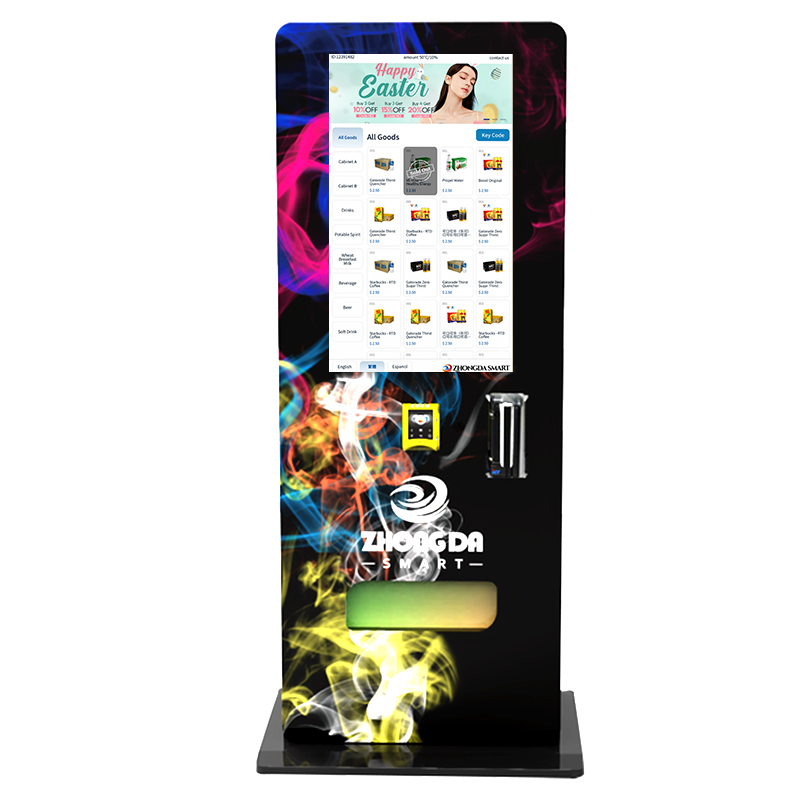
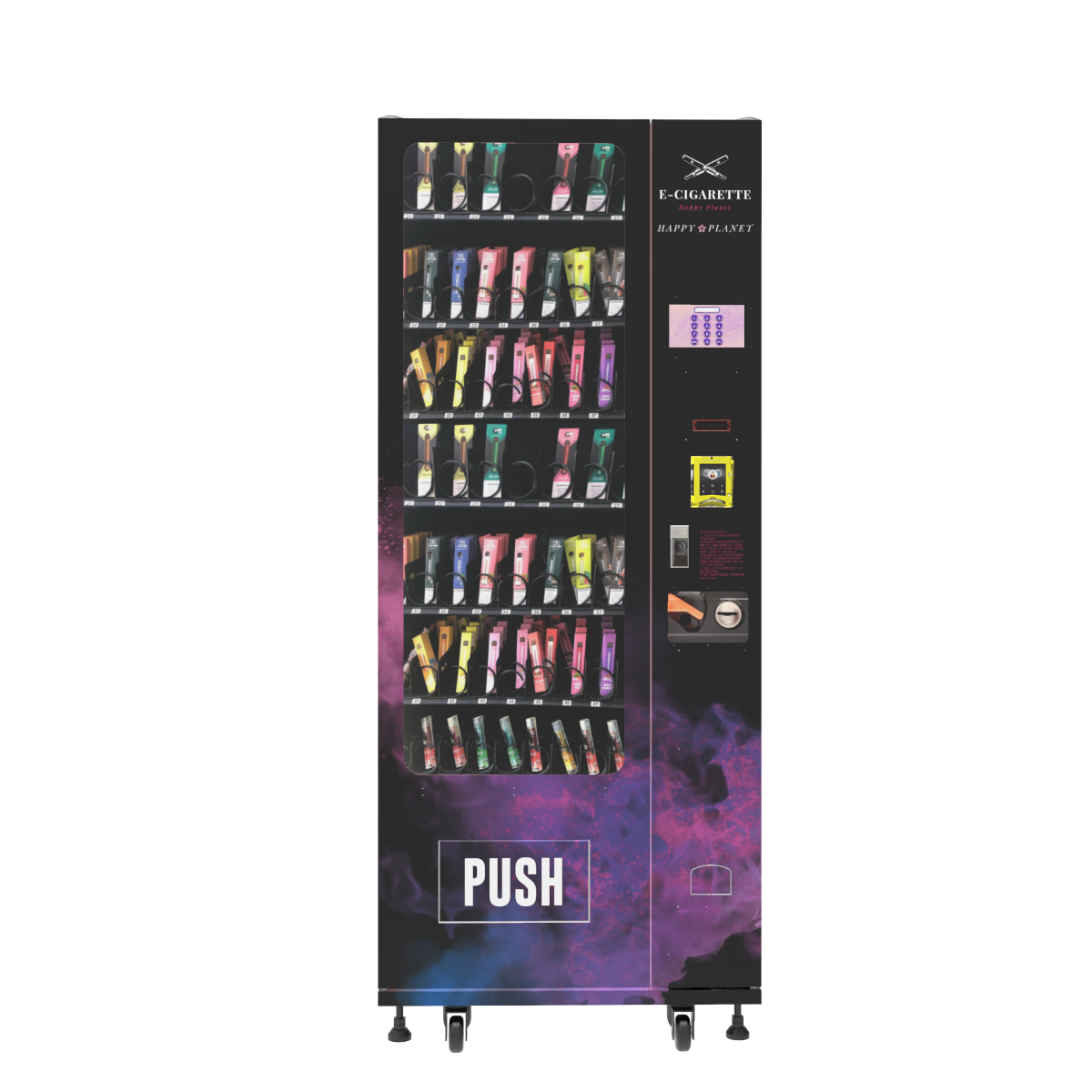
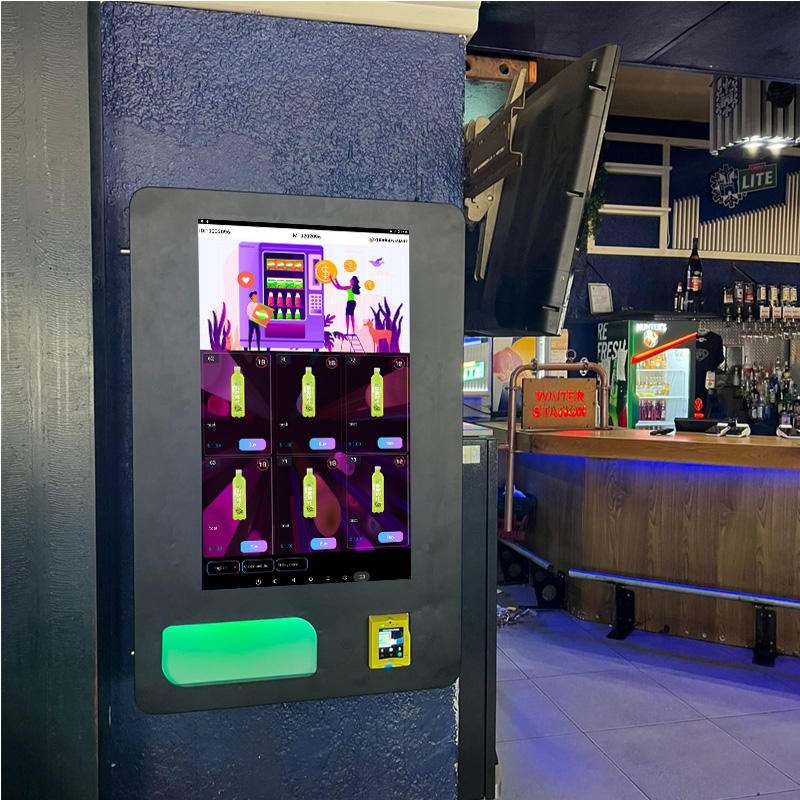
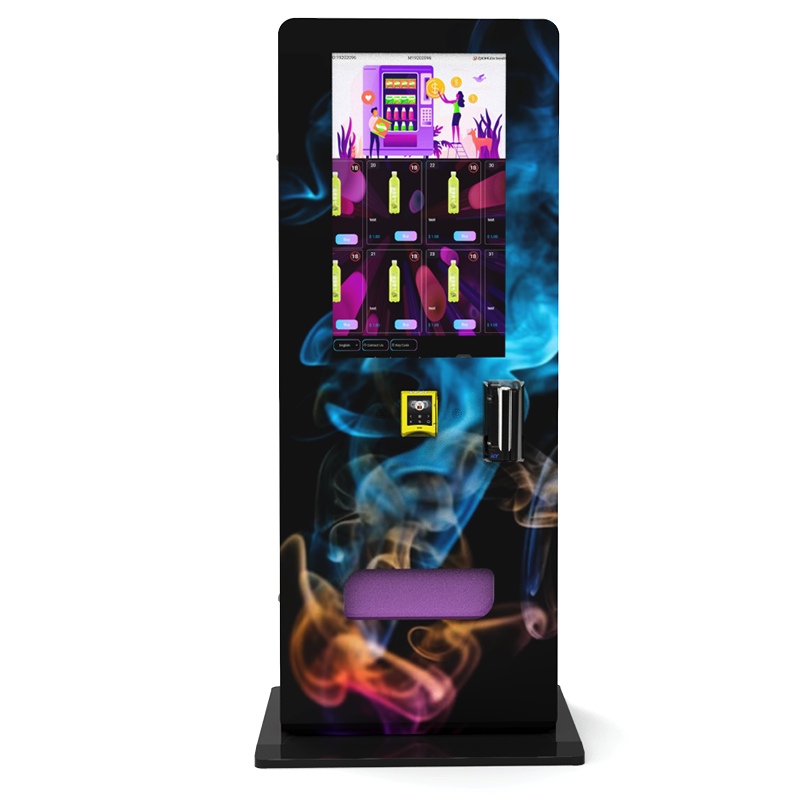
If you’ve been watching the retail space over the last few years, you’ve probably noticed a shift—cashiers are getting replaced by screens, and shelves are turning into smart machines. The vape vending machine business model is one of those rare setups where the margins actually justify the upfront investment. I’ve spent over a decade building and deploying these units across the U.S. and Europe, and I can tell you this: when done right, a single machine can pull in more monthly profit than a small retail counter, with a fraction of the overhead. The key is understanding the hardware, the compliance landscape, and the math that makes passive income real.
Why This Business Model Works Differently Than Traditional Vending
Standard snack and soda machines run on thin margins—maybe 15 to 20 percent if you’re lucky. Vape products, on the other hand, operate in a completely different bracket. A disposable vape that costs you $6 wholesale can retail for $15 to $18. That’s a 60 to 70 percent gross margin before you factor in location costs or maintenance. The catch? You can’t just drop a machine anywhere. You need age verification, reliable hardware, and a product mix that turns fast.
What I’ve learned from running my own manufacturing facility for the last 15 years is that the machine itself is only half the equation. The other half is placement and replenishment strategy. I’ve seen operators buy cheap units from overseas, skip the ID scanner to save a few hundred bucks, and then get shut down within a month. I’ve also seen guys with one well-placed unit in a busy lounge clear $4,000 a month in profit.
The vape vending machine business model works because it solves a real problem: adults who want nicotine products after hours, or in places where convenience stores are closed. Bars, nightclubs, hotels, and even some office break rooms are prime spots. The machine never calls in sick, never argues with a customer, and never takes a smoke break.
Breaking Down the Cost Structure and Margins
Let’s get into the numbers because that’s where most people get confused. A commercial-grade smart vending machine with age verification, a touchscreen, and inventory tracking runs between $4,500 and $9,000 depending on capacity and features. I’ve seen operators try to piece together a setup for under $2,000 using refurbished hardware, and it almost always ends in failure—either the card reader fails, the ID scanner glitches, or the machine jams on every third sale.
Here’s a realistic breakdown of what you’re looking at for a first deployment:
- Machine cost: $5,500 to $8,500 for a new unit with ID scanning and telemetry
- Initial inventory: $800 to $1,500 depending on product mix
- Location fee or revenue share: 10 to 20 percent of gross sales, or a flat monthly rent of $100 to $300
- Payment processing: 2.5 to 3.5 percent per transaction
- Maintenance and restocking: 2 to 4 hours per week per machine
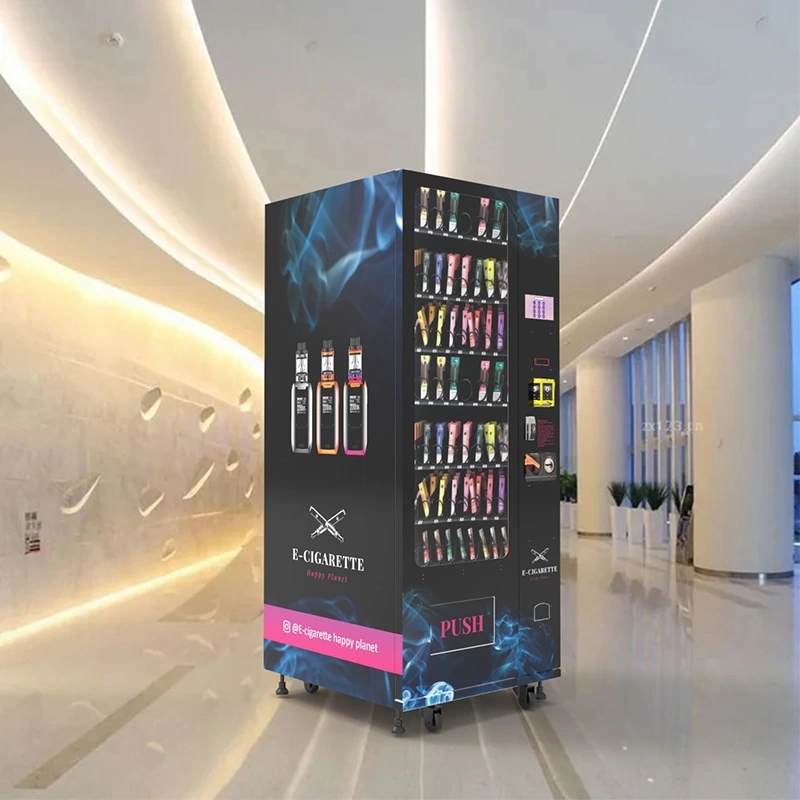
The beauty of this model is that once the machine is placed, the recurring costs are low. Electricity runs about $10 to $20 a month. Restocking takes an hour or two. Compare that to a retail store where you’re paying rent, utilities, insurance, and at least one employee per shift. The vape vending machine business model essentially replaces the labor cost with a one-time hardware investment.
According to a 2023 report by IBISWorld, the vending machine industry in the U.S. alone generates over $7 billion annually, with the tobacco and nicotine segment growing at roughly 4 percent year over year. That growth is driven by exactly this kind of specialized, high-margin automation.
Hardware That Actually Works—What to Look For
I’ve been on the manufacturing side long enough to know which components fail and which ones hold up. A lot of operators make the mistake of buying a general-purpose vending machine and retrofitting it with a vape tray. That’s a hack job. You want a machine designed from the ground up for nicotine products. That means proper compartment sizing for disposables and pods, a reliable card reader that doesn’t drop transactions, and an age verification system that scans both the front and back of a driver’s license.
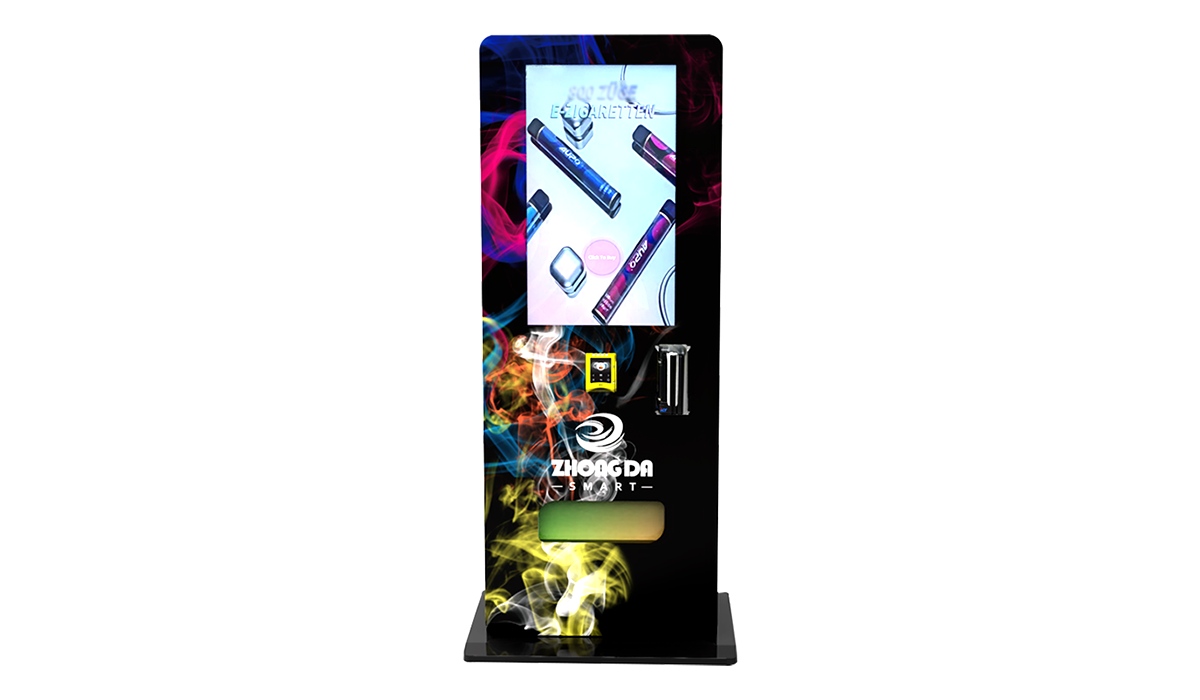
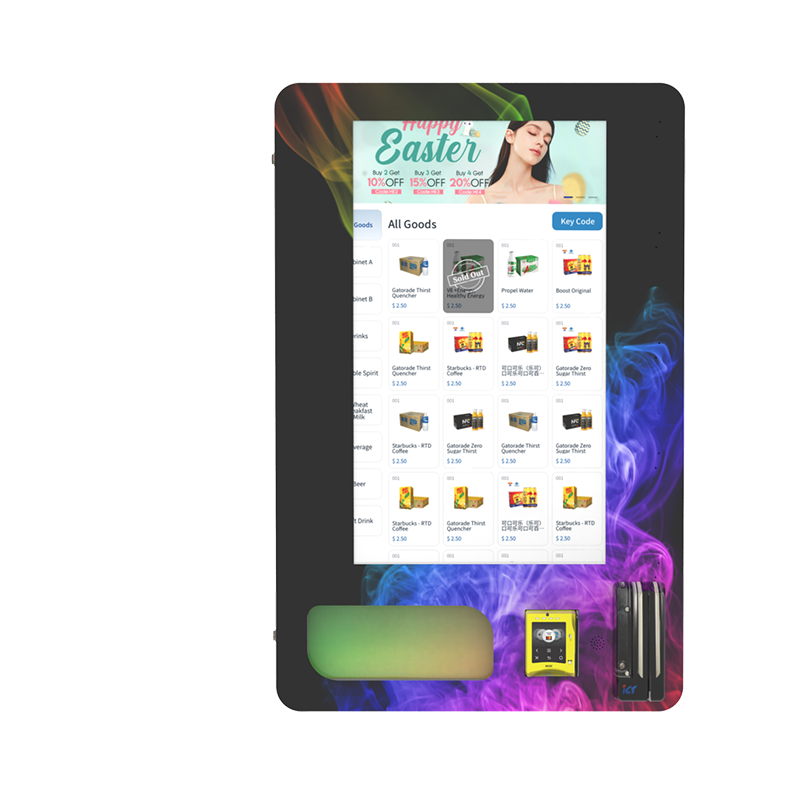
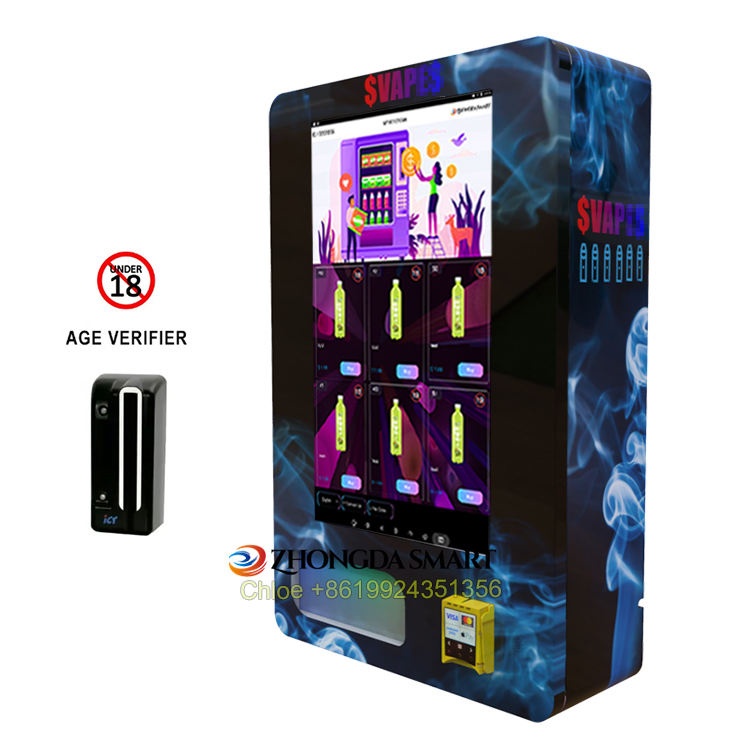
At my facility, we build units specifically for this use case. The wall-mounted compact e-cigarette vending machine is a good example of a space-efficient design that still packs enough capacity for a high-traffic location. For busier spots, the high-capacity model with dual spirals handles a wider product range without constant restocking.
One detail that separates professional-grade machines from consumer junk is the telemetry system. You need real-time inventory tracking, sales data, and remote diagnostics. If your machine goes offline on a Friday night, you’re losing money until Monday. A good unit will text you when a coil runs low or the card reader needs a reset. That’s not a luxury—it’s a necessity for the vape vending machine business model to work as passive income.
Age Verification Is Non-Negotiable
Every machine we ship includes an integrated ID scanner that validates the license, checks the date of birth, and stores the transaction record. Some operators try to skip this by using a simple “press yes if you’re over 21” button. That’s a lawsuit waiting to happen. Regulators are watching this space closely, and a single compliance failure can cost you your entire operation.
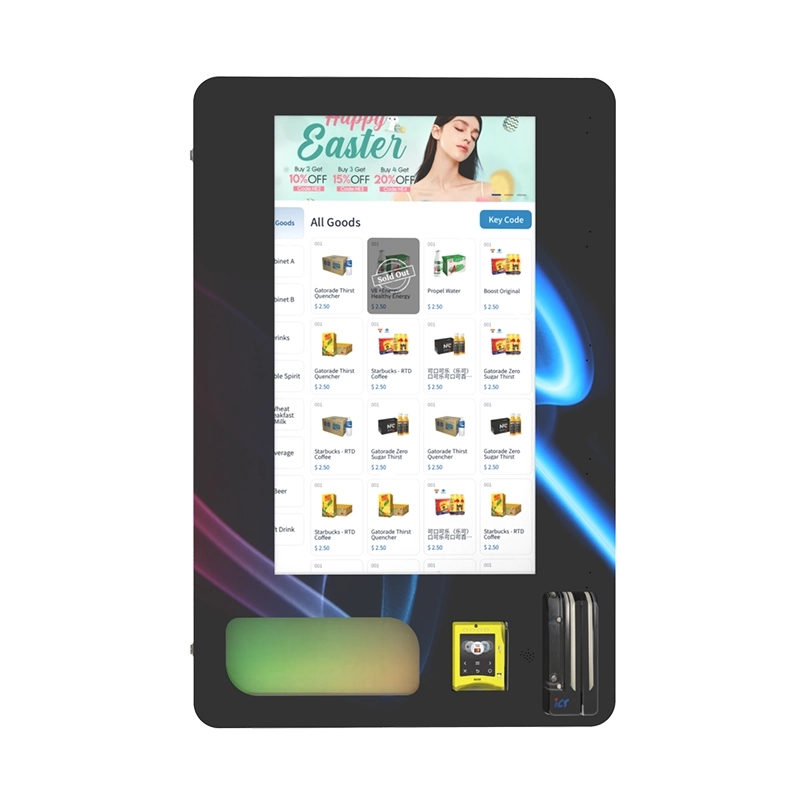
The age verification vending machine we manufacture uses OCR and barcode scanning to verify the ID in under three seconds. It also logs every sale so you have a clear audit trail. If you’re placing machines in states with strict tobacco laws, this is the only way to operate legally and safely.
Location Selection—Where the Money Actually Lives
I’ve placed machines in over 200 locations across three countries, and I can tell you that location is 80 percent of the success equation. A perfect machine in a dead location will sit idle. A mediocre machine in a high-traffic bar will print money. The trick is finding venues where your target demographic is already present and where there’s no existing vape retail option within walking distance.
Best locations I’ve seen work consistently:
- Bars and nightclubs: High foot traffic, late hours, customers who are already consuming nicotine
- Hotels: Travelers who forgot their device or ran out of pods
- Vape shops: Believe it or not, some shops use machines as after-hours sales points or to free up counter space
- Convenience stores with limited counter space: The machine acts as a secondary checkout lane
One operator I worked with placed a unit in a hotel lobby in a mid-sized city. He paid the hotel $200 a month in rent. The machine averaged $3,200 in gross sales per month. After product cost, processing fees, and restocking time, he was clearing around $1,800 a month from that single location. That’s a 9x return on his monthly rent alone.
For more detailed placement strategies, I’ve written about where to put a vape vending machine based on actual deployment data from our clients.
Real Profit Numbers—Not Theoretical Projections
Let’s look at a real case from last year. A client in Texas placed two of our machines in separate bars. Each unit cost $6,200 delivered. Initial inventory was $1,100 per machine. Total upfront per machine: $7,300.
Month one gross sales per machine: $2,800. Month three: $3,400. By month six, one machine was doing $4,100 a month. Average margin after product cost was 62 percent. Subtract 3 percent for processing, $150 for location rent, and $40 for miscellaneous costs (electricity, cleaning). Net profit per machine: roughly $2,300 a month.
Payback period: just over three months. After that, it’s pure cash flow. That’s the power of the vape vending machine business model when you get the variables right. I’ve seen dozens of similar results across different states and countries. The numbers hold up as long as the location is solid and the machine is reliable.
According to data from Statista, the global vending machine market is projected to reach $23.7 billion by 2028, with tobacco and nicotine products representing a growing segment. The shift toward automated retail is accelerating, and specialized machines are capturing an outsized share of that growth.
Common Mistakes That Kill Profitability
I’ve been doing this long enough to have made most of the mistakes myself. Here are the ones that hurt the most:
- Buying cheap machines without ID verification: You’ll get fined, shut down, or both. Legal costs alone can wipe out a year of profit.
- Overstocking slow-moving products: Vape products have shelf lives and changing trends. Stock what sells in that specific location, not what you personally like.
- Ignoring maintenance: A jammed coil or a dirty touchscreen loses sales. Check your telemetry daily and respond to issues within 24 hours.
- Neglecting the customer experience: If the machine is confusing to use or the card reader is slow, people walk away. Test your own machine as a customer would.
One operator I know lost $12,000 in his first year because he bought three refurbished machines from a liquidation sale. Two of them had faulty age verification units that failed compliance checks. He spent more on legal fees than he made in revenue. He eventually replaced them with new units from a reliable manufacturer and turned profitable within 90 days.
Scaling From One Machine to a Fleet
Most people start with a single machine to test the waters. That’s smart. But once you’ve validated the model, scaling is straightforward. You’ve already figured out the product mix, the restocking route, and the location negotiation. Adding a second machine costs less than half the effort of the first because you’re reusing the same operational playbook.
When you scale, consider these factors:
- Route density: Place machines close enough to service in a single restocking run
- Product standardization: Use the same SKUs across multiple machines to simplify inventory management
- Remote monitoring: Invest in a telemetry system that gives you a dashboard view of all machines
- Backup units: Keep one spare machine to swap in when a unit needs repair
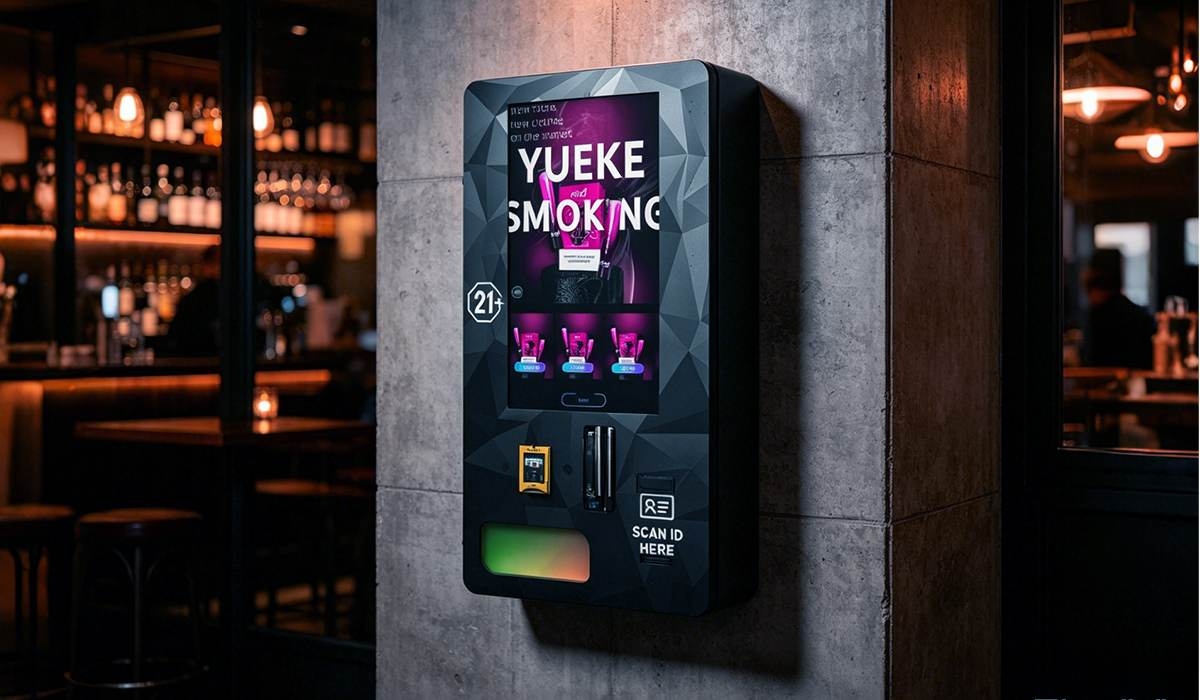
I’ve seen operators grow from one machine to twenty within two years. The key is not to overcomplicate it. The vape vending machine business model is simple: buy good hardware, place it in high-traffic adult venues, stock what sells, and maintain it regularly. Everything else is noise.
Comparing Different Machine Types
Not all machines are built the same. Here’s a quick comparison based on what I’ve seen work in the field:
| Machine Type | Capacity | Best Use Case | Typical Cost |
|---|---|---|---|
| Wall-mounted compact | 50–80 units | Small bars, hotel lobbies, tight spaces | $4,500–$6,000 |
| Mid-size with ID scan | 100–150 units | Nightclubs, larger bars, convenience stores | $6,000–$7,500 |
| High-capacity dual spiral | 200+ units | High-traffic venues, vape shops, casinos | $7,500–$9,000 |
For most first-time operators, I recommend starting with a mid-size unit that includes age verification and telemetry. It’s the sweet spot between cost and capability. You can see the full lineup of what we build at Zhongda Smart’s vape vending machine collection.
Long-Term Sustainability and Maintenance
A well-built machine should run for five to seven years with proper care. The moving parts that need attention are the delivery spirals, the card reader, and the ID scanner. I recommend a quarterly deep clean and firmware update. Most issues are simple to fix if you catch them early—a misaligned coil, a sticky button, a loose cable.
One thing I’ve learned from running a factory is that the quality of the components determines the lifespan. We use industrial-grade card readers and commercial refrigeration components (for machines that store temperature-sensitive products). Cheap sensors and plastic gears will fail within a year. Metal gears and reinforced coils last for thousands of cycles.
If you’re serious about building a long-term passive income stream, invest in a machine that’s built to last. The upfront cost is higher, but the total cost of ownership over five years is actually lower because you’re not replacing parts every six months.
Final Thoughts From the Factory Floor
I’ve been on both sides of this business—building the machines and operating them. The vape vending machine business model is one of the few opportunities where a relatively small upfront investment can generate consistent, high-margin passive income. But it’s not a set-it-and-forget-it game. You need to pick the right hardware, place it strategically, and stay on top of compliance and maintenance.
If you’re looking at this as a serious business move, start with one machine in a solid location. Learn the rhythm of restocking and customer behavior. Then scale. The market is still under-penetrated in most regions, and the demand isn’t going anywhere. The operators who move now and do it right will own the best locations for years to come.
Frequently Asked Questions
How much does a vape vending machine cost?
Is the vape vending machine business model profitable?
Do I need a license to operate a vape vending machine?
What products sell best in a vape vending machine?
How do I find good locations for my machine?
Sources and references:
- IBISWorld – Vending Machine Industry Report (2023): https://www.ibisworld.com/united-states/market-research-reports/vending-machine-operators-industry/
- Statista – Vending Machine Market Outlook (2023): https://www.statista.com/outlook/co/consumer-goods/vending-machines/worldwide