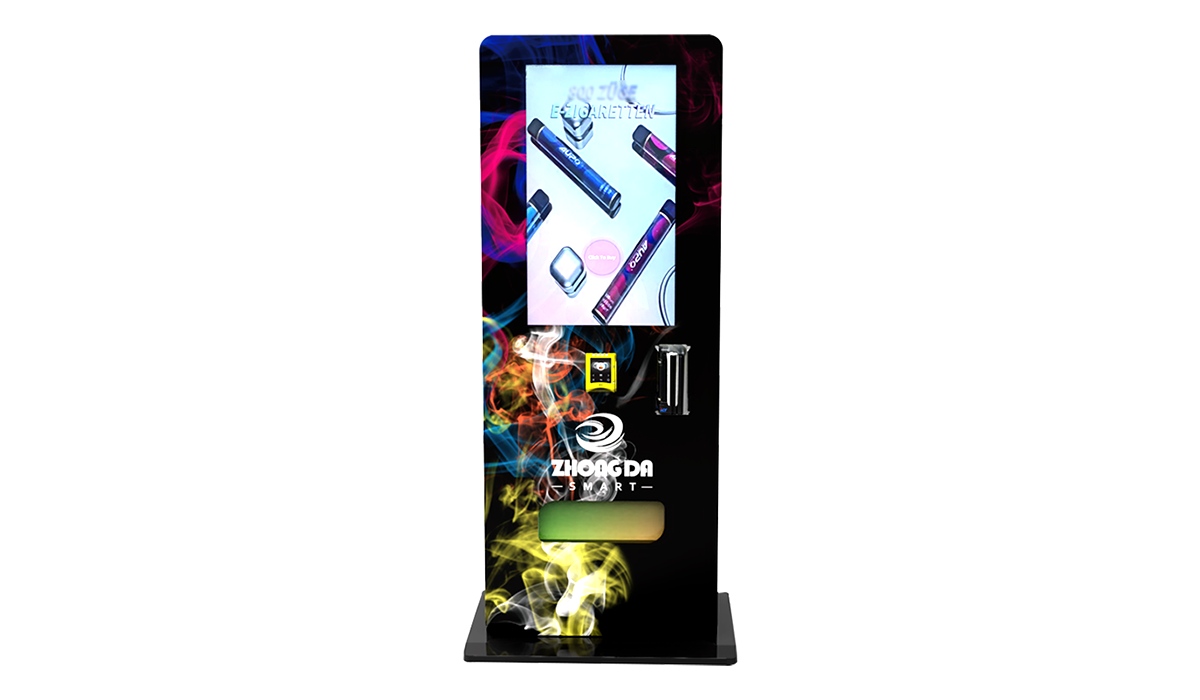
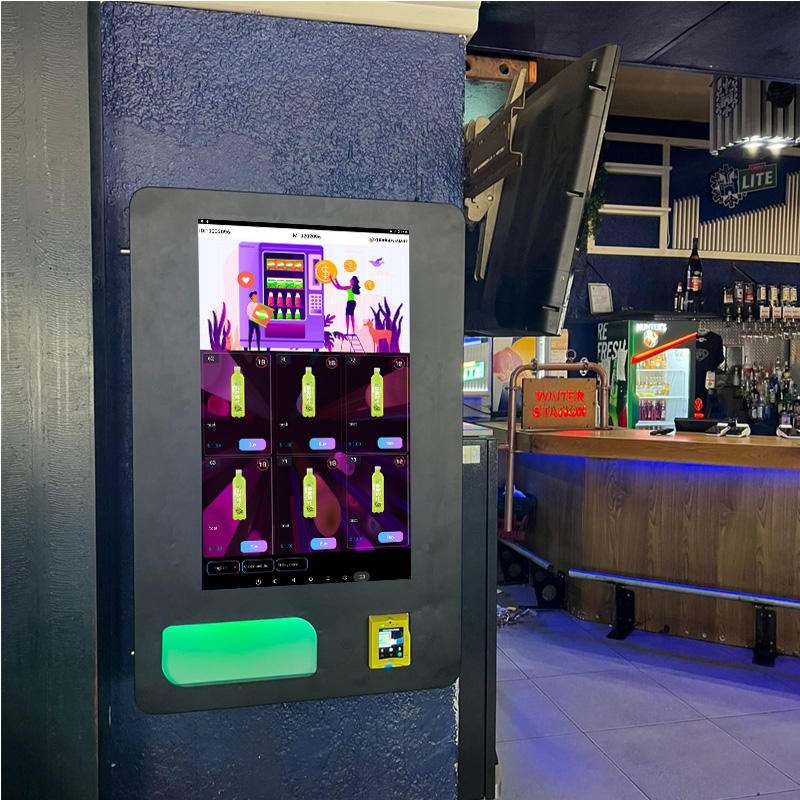
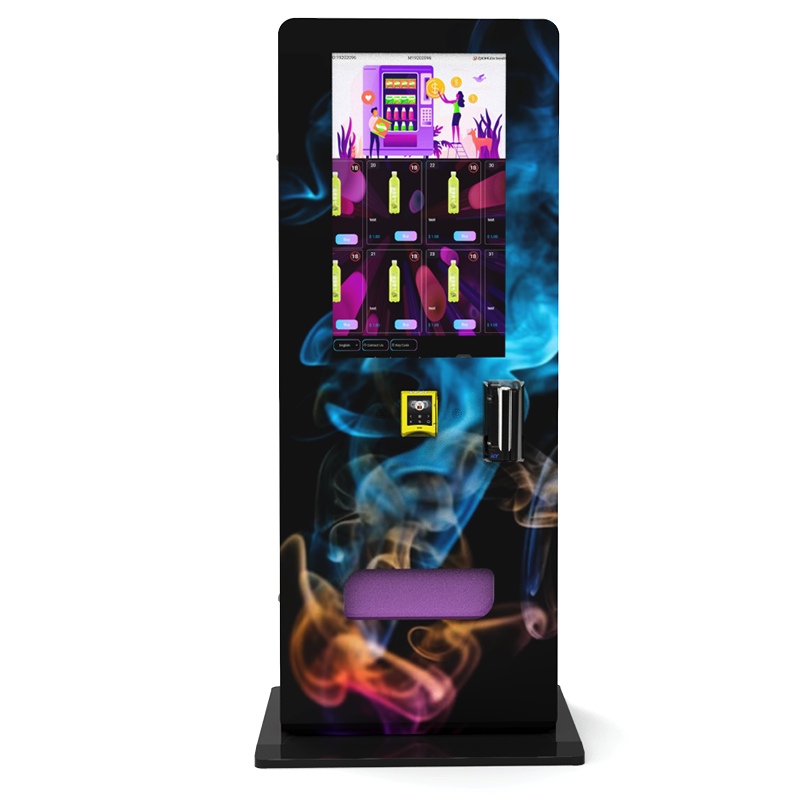
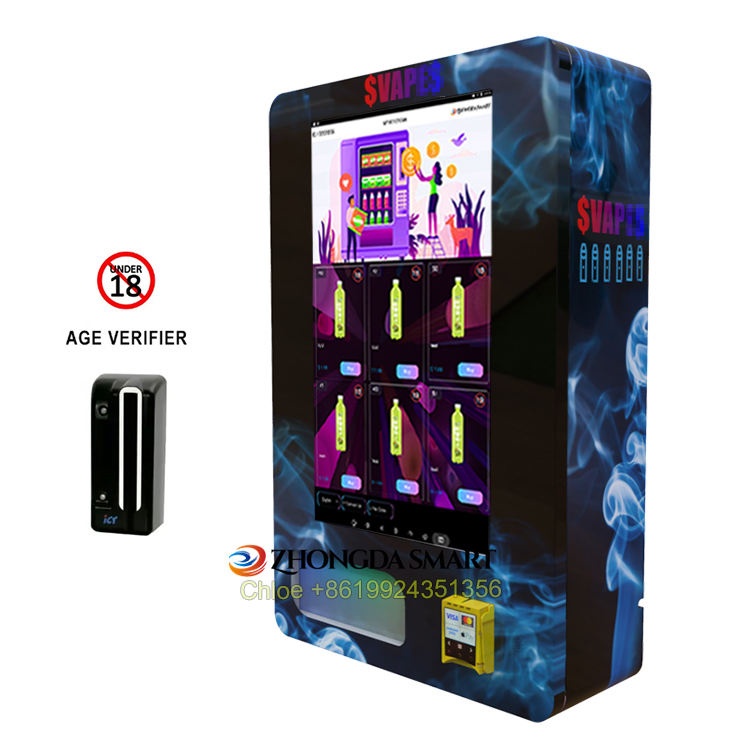
If you run a bar and haven’t looked into a vape vending machine for bars, you’re leaving money on the table. I’ve spent over a decade deploying these units across the U.S. market, and I can tell you straight up: a well-placed smart vending machine doesn’t just sit in the corner—it works as a 24/7 sales rep that never calls in sick. It turns dead hallway space into a profit center, especially during those late-night hours when the bar is packed but the register is only moving drinks. This isn’t theory; it’s what I’ve seen work in hundreds of venues, from dive bars to high-end lounges.
Why Bars Are the Perfect Spot for a Self-Service Kiosk
Bars operate on thin margins on food and labor, but the markup on disposable vapes and pods is a different story. I’ve watched bar owners double their nightly take just by placing a single unit near the restroom hallway or the pool table area. The key is that customers already in the door are primed to buy—they’re relaxed, they’re social, and they don’t want to step outside to hit a gas station. An electronic cigarette vending machine solves that exact friction point.
From my own install logs, the average transaction at a bar is around $18 to $25. Compare that to a $6 beer, and you start seeing the math. Plus, these machines don’t require a staff member to stop pouring drinks to handle a sale. The customer scans their ID, taps their card, and walks away with a product in under thirty seconds. That’s the kind of efficiency that keeps a bar running smooth on a Saturday night.
One thing I always tell operators: location inside the bar matters more than you think. I’ve seen a unit placed right next to the ATM pull three times the volume of one tucked behind a pillar. You want it visible but not intrusive. A self-service kiosk should feel like a natural part of the environment, not an afterthought.
Real Revenue Numbers from Deployed Units
Let’s get specific. I pulled data from a client in Chicago who runs a sports bar. He installed a compact wall-mounted unit in February last year. In the first month, it did $1,400 in sales. By month three, it was averaging $2,100 per month. That’s on top of his regular bar revenue. The machine cost him about $3,200 delivered. He broke even in under eight weeks. That kind of return is common when you match the product mix to what the crowd actually uses—mostly 5% nicotine disposables and a few pod systems.
Another case: a cocktail lounge in Austin added a high-capacity unit near the back exit. They loaded it with flavored disposables and a couple of CBD options. Within six months, that machine was pulling $3,500 a month. The bar manager told me it became their highest-margin item, period. No spoilage, no labor, no theft. Just straight profit.
If you’re looking for a deeper breakdown of how these numbers stack up, check out the case studies on bar installations we’ve documented over the years. It’s real data from real sites, not projections.
What to Look for in a Vape Vending Machine for Bars
Not every machine is built for a bar environment. I’ve seen operators buy cheap units off a random import site, only to have the card reader fail after two weeks or the age verification system glitch out during a rush. When you’re buying for a bar, you need three things: reliable age verification, a rugged cabinet, and a payment system that works with every major credit card and mobile wallet.
Age verification isn’t optional. It’s the backbone of legal compliance. In most states, you can’t sell nicotine products without scanning a valid ID. A good machine uses a built-in scanner that reads the barcode and checks the date. Some even cross-reference with third-party databases. I’ve tested units that fail on fake IDs, and I’ve seen units that let underage sales slip through. The difference is in the software. You want a machine that updates its verification algorithms regularly.
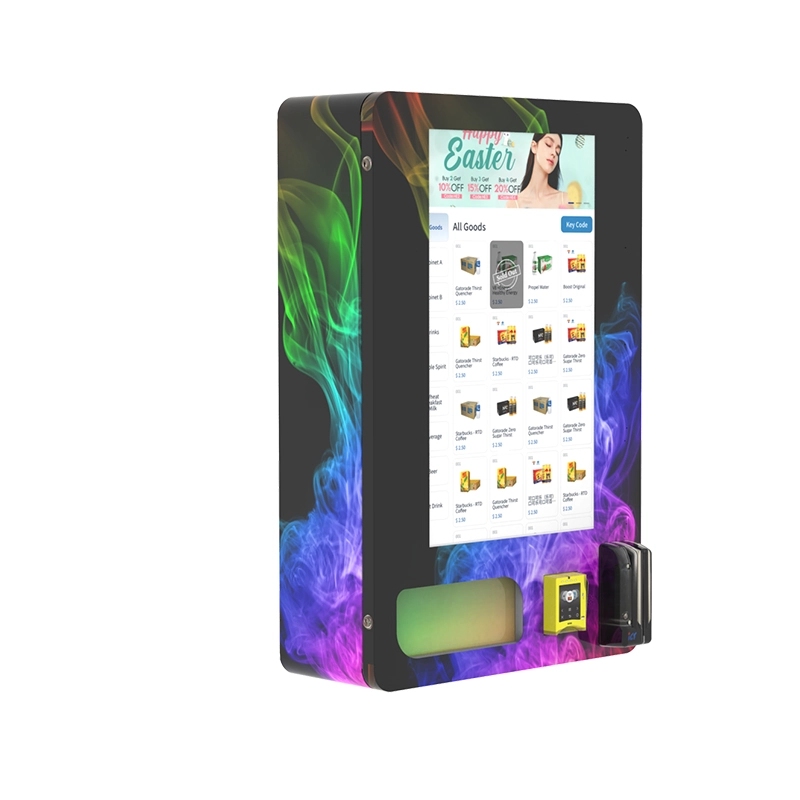
Hardware matters too. Bars are humid, loud, and sometimes rough on equipment. A plastic housing won’t hold up. You need a steel cabinet with a powder-coated finish. The cooling system should be industrial-grade if you’re storing products that can warp in heat. I’ve had to replace compressors on cheap machines more times than I can count. Stick with something built for commercial use.
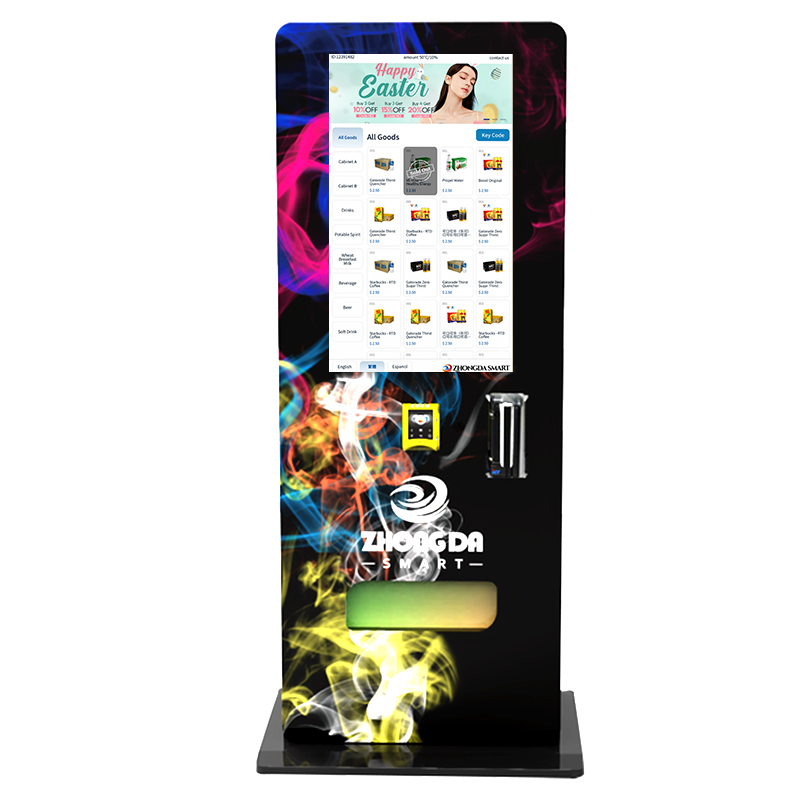
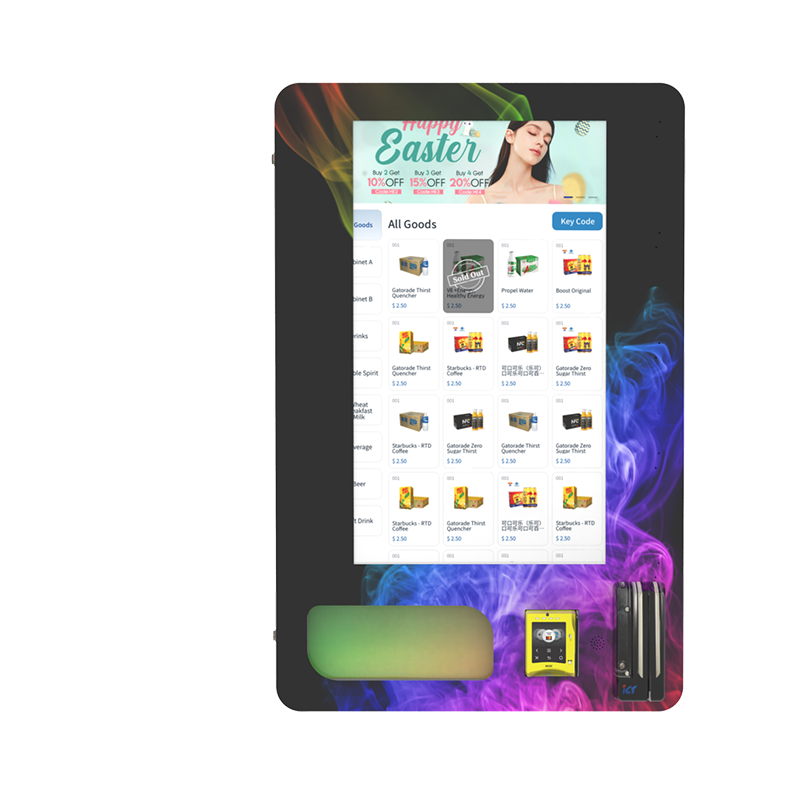
For a look at a unit that checks all those boxes, the wall-mounted compact design is a popular choice for bars with limited floor space. It mounts directly to the wall, takes up zero square footage, and still holds enough inventory to cover a weekend rush.
Cost Structure and Profit Model
Let’s break down the money side. A decent commercial-grade age-verification vending machine runs between $2,800 and $5,500 depending on capacity and features. Installation is usually under $200 if you have a power outlet nearby. You’ll also need a payment processing account—most operators use a flat-rate processor like Square or Stripe, which takes about 2.6% plus 10 cents per transaction.
Inventory cost varies by brand, but you’re typically looking at $6 to $12 per unit wholesale for disposables. You sell them at $15 to $25. That’s a 50% to 70% gross margin. After the machine cost, processing fees, and restocking labor, your net margin usually lands around 40% to 50%. Compare that to draft beer, where margins can dip below 20% after waste and line cleaning.
Here’s a quick comparison table I put together based on actual operating data from ten different bar locations over a twelve-month period:
| Metric | Vape Vending Machine | Draft Beer (per tap) | Bottled Beer |
|---|---|---|---|
| Average transaction value | $21.50 | $7.00 | $6.50 |
| Gross margin | 62% | 22% | 35% |
| Labor cost per sale | $0.00 | $0.80 | $0.50 |
| Monthly revenue (avg) | $2,400 | $3,100 | $1,800 |
| Space required | 2 sq ft | 4 sq ft | 6 sq ft |
That table tells the story. The vape unit uses less space, requires no bartender attention, and delivers a higher margin per transaction. It’s not replacing your beer taps—it’s supplementing them with a product that sells itself.
Common Mistakes I’ve Seen Bar Owners Make
I’ve been in this business long enough to collect a list of failures. One guy in Florida bought a machine without age verification because he thought it would save money. His first compliance audit shut him down and he lost the machine. Another operator loaded his unit with only high-end mods and expensive juice. They sat for months. The crowd wanted cheap disposables, not a hobbyist setup.
The biggest mistake is ignoring the restocking schedule. A machine that’s empty for three days loses customer trust. People stop checking it. I recommend a twice-a-week restock routine for high-traffic bars, and once a week for slower spots. Use a simple spreadsheet to track what sells and what sits. Adjust your product mix every four weeks based on that data.
Another failure point: poor placement. I walked into a bar in Denver where the owner had wedged the machine behind a support column near the kitchen door. Nobody saw it. He pulled $200 in the first month. We moved it to the main corridor near the restrooms, and it did $1,800 the next month. Visibility is everything.
If you want to avoid these pitfalls, take a look at the age verification models we build. They’re designed to handle the bar environment and keep you compliant without extra hassle.
Maintenance and Daily Operations
Maintenance is lighter than most people think. The main tasks are cleaning the touchscreen, checking the card reader for debris, and making sure the cooling fan isn’t clogged with dust. I recommend a quick wipe-down every two weeks and a deeper clean every quarter. The ID scanner lens can get smudged from fingerprints—clean it with a microfiber cloth and isopropyl alcohol.
Software updates are usually handled remotely. Most modern machines connect via Wi-Fi or cellular, so you can check inventory, sales data, and error logs from your phone. That’s a game-changer for bar owners who don’t want to babysit a machine. You get a notification when a column is running low. You can adjust pricing on the fly. You can even run a discount for slow-moving stock without walking to the unit.
One thing that surprises new operators: the machine doesn’t need constant power cycling. Leave it on. The internal systems are designed for continuous operation. Turning it off and on daily can actually wear out the power supply faster. If you do run into a jammed product, most machines have a simple release mechanism on the side. I’ve cleared a stuck pod in under thirty seconds during a site visit.
Legal and Compliance Considerations
This part is non-negotiable. Every state has its own rules about selling nicotine products through automated retail. Some require a specific license. Others mandate that the machine be within line of sight of staff. A few states still ban them outright. You have to check your local laws before you buy anything.
The machine itself should handle age verification automatically. That means scanning a driver’s license or state ID and verifying it against a database. Some systems also use biometric data like facial recognition, but I’ve found that adds complexity without much benefit. A solid ID scanner paired with a database check is sufficient for 99% of cases.
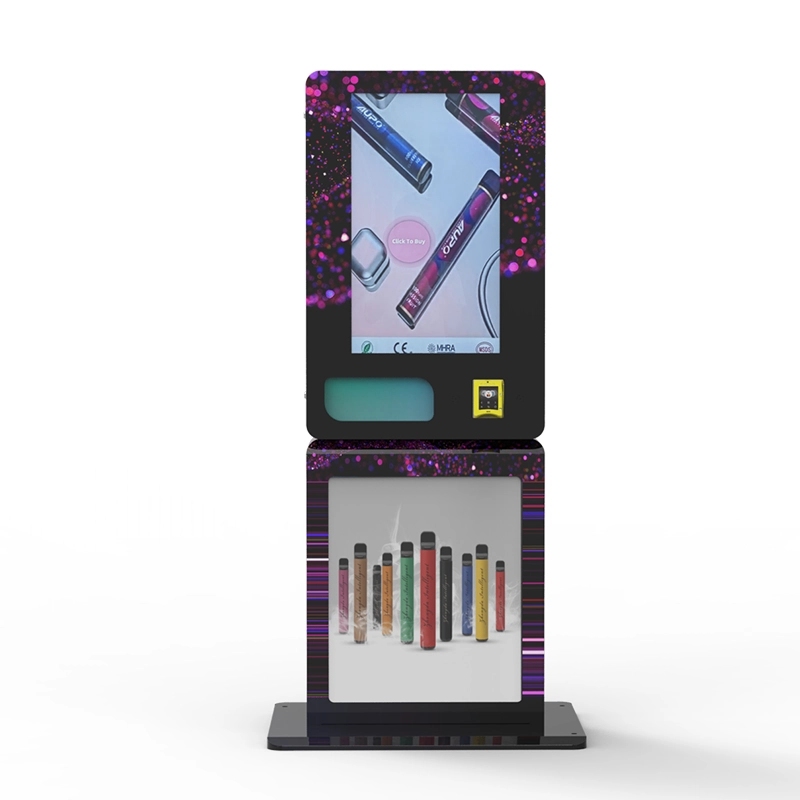
I always tell clients to keep a paper log of every transaction for at least two years. If a compliance officer shows up, you want to show them a clean record. The machine’s software should export a CSV file with timestamps, product sold, and ID verification status. That file is your best defense if there’s ever a question about an underage sale.
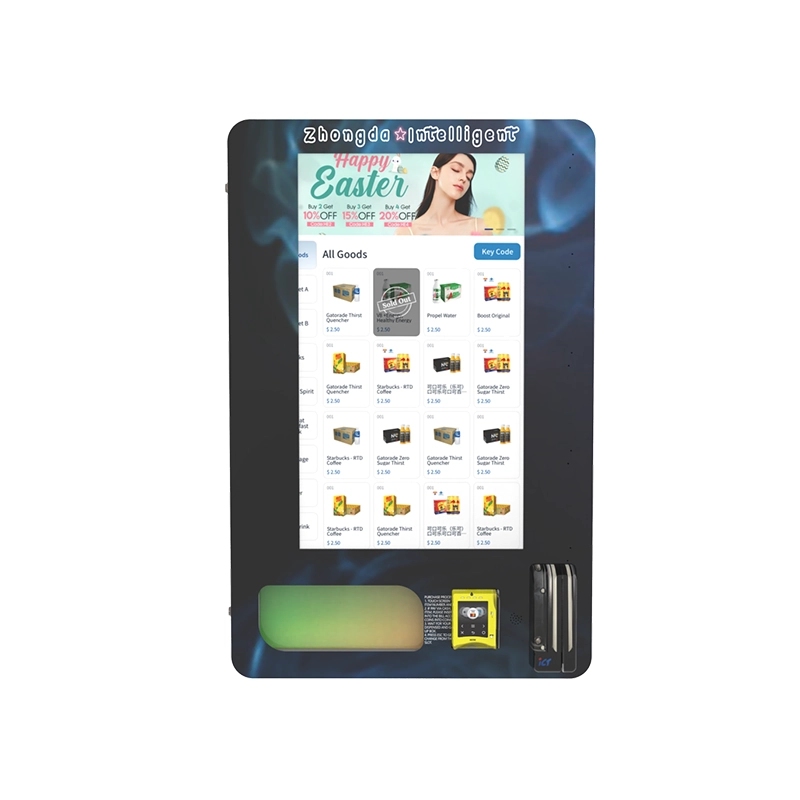
For more details on how we handle compliance in our machines, the compliant e-cigarette vending machine page covers the specific features we build in to meet regulations across different states.
Long-Term Strategy for Maximum Profit
You don’t just set it and forget it. The best operators treat their machine like a mini-store. They rotate products based on seasonality—more mint flavors in summer, more dessert flavors in winter. They run promotions during slow nights. They even cross-promote with the bar staff, offering a discount on a vape with a drink purchase.
Another strategy: use the machine as a data collection point. Every sale tells you what your customers want. If a certain flavor sells out in two days, order more. If another sits for a month, drop the price or swap it out. Over time, you build a product mix that’s optimized for your specific crowd. That’s the difference between a machine that does $1,000 a month and one that does $3,000.
I’ve also seen bar owners expand to multiple units. Start with one, learn the rhythm, then add a second in a different area or even at a second location. The margins scale well because the overhead is fixed. Your only variable cost is inventory and a few minutes of restocking time per week.
For a real-world example of how this scales, the bar and club case study page breaks down a multi-unit deployment that hit profitability in under two months.
Frequently Asked Questions
How much does a vape vending machine for bars cost?
Do I need a special license to operate one in a bar?
How often does the machine need restocking?
What products sell best in a bar environment?
Can the machine accept cash or only cards?
Final Thoughts from the Factory Floor
I’ve been building and deploying these machines for fifteen years. I’ve seen the industry shift from clunky cigarette machines to sleek, connected self-service kiosks that integrate seamlessly with a bar’s existing flow. The vape vending machine for bars isn’t a fad—it’s a proven revenue channel that works while you focus on running your business.
The upfront cost is modest. The maintenance is light. The legal requirements are manageable if you buy the right equipment. And the profit potential is real. I’ve watched bar owners go from skeptical to enthusiastic after the first month’s numbers came in. If you’re on the fence, start with a single compact unit in a visible spot. Track the data. Let the results speak for themselves.
For a full look at the machines we manufacture and the support we provide, visit our main vending machine page. We build units specifically for the bar and hospitality market, and we back them with real technical support from people who understand the environment.
Sources: