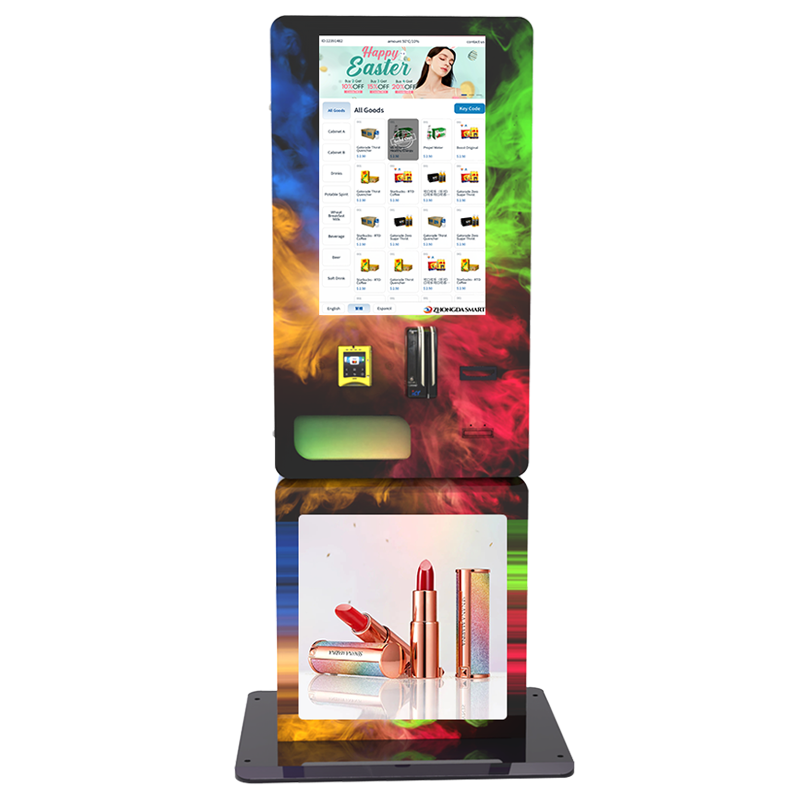
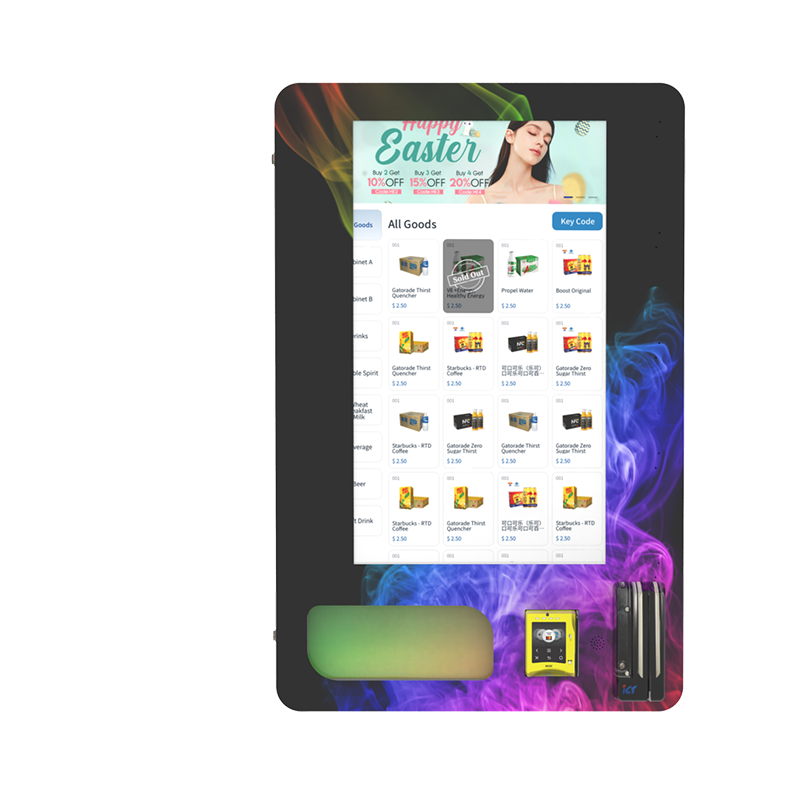
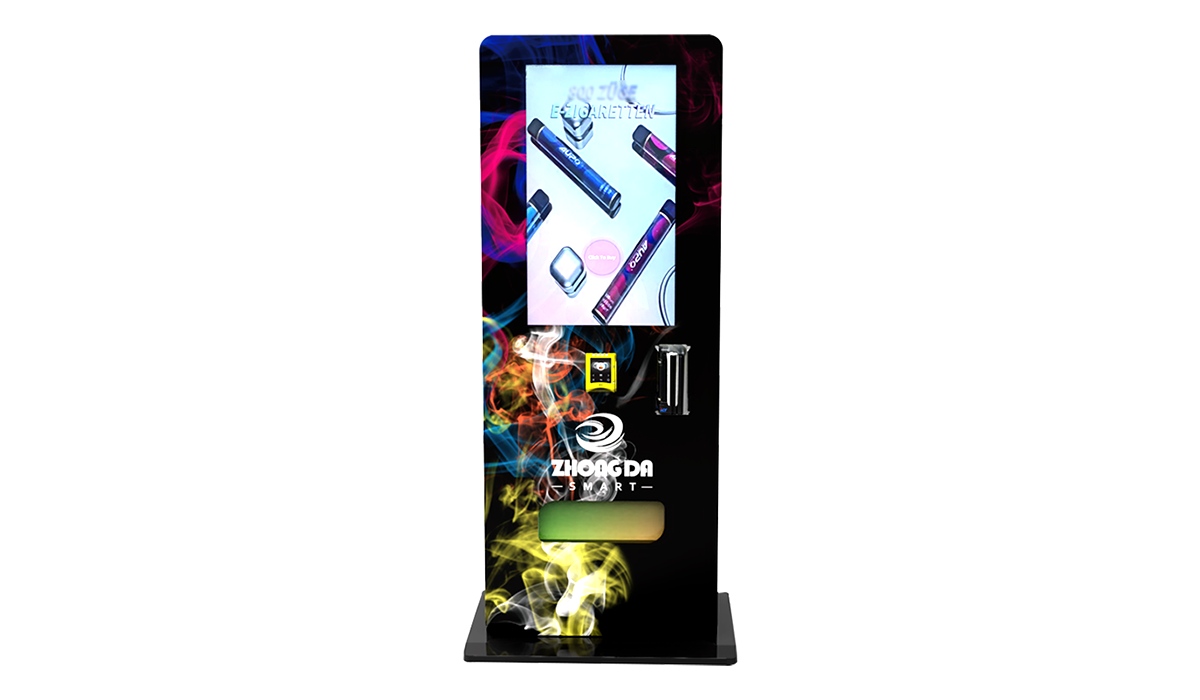
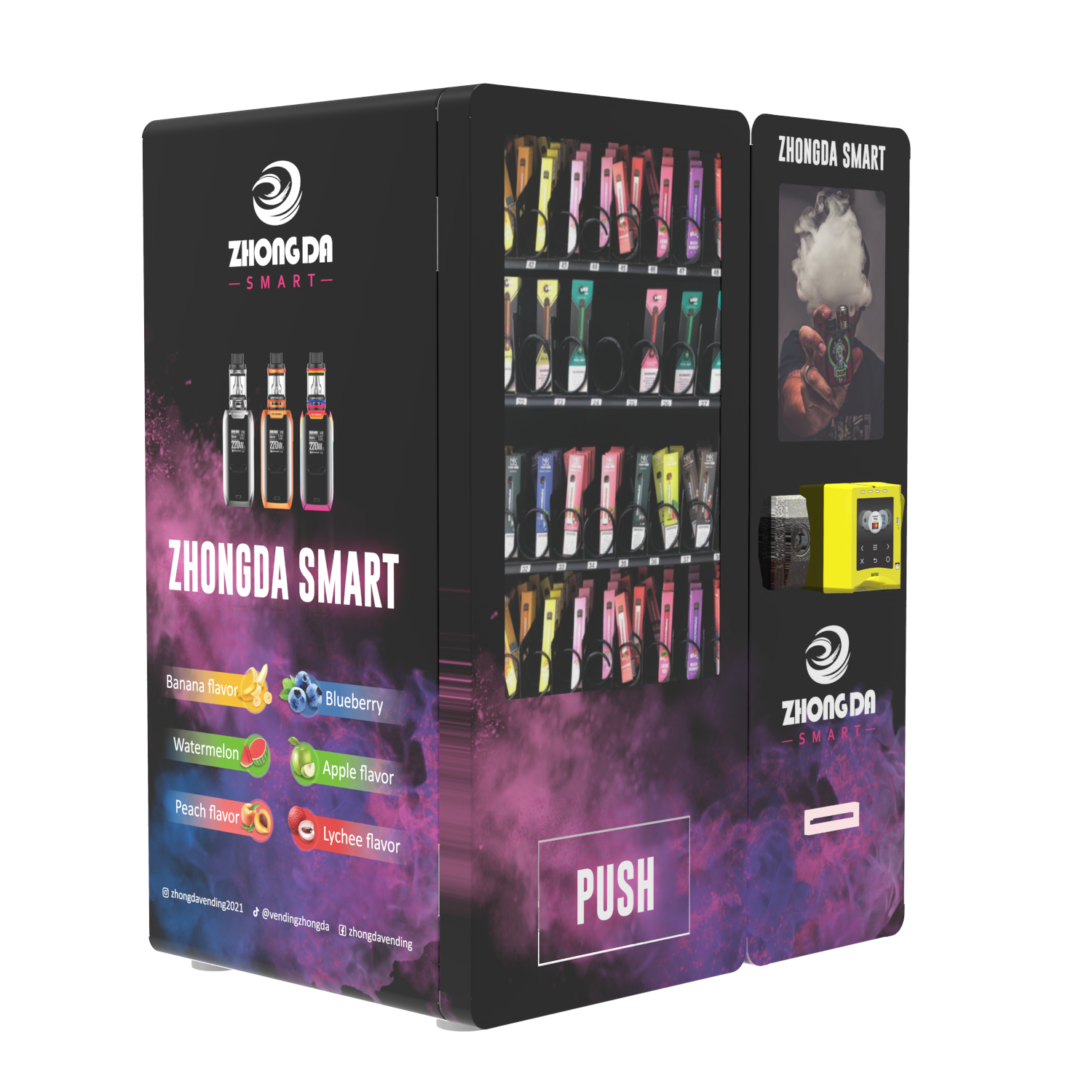
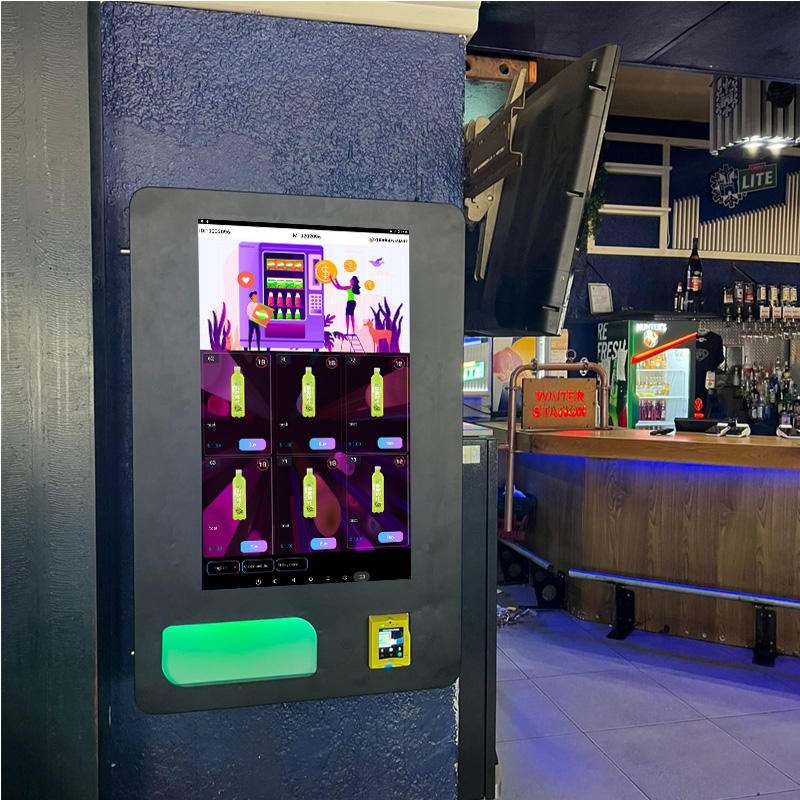
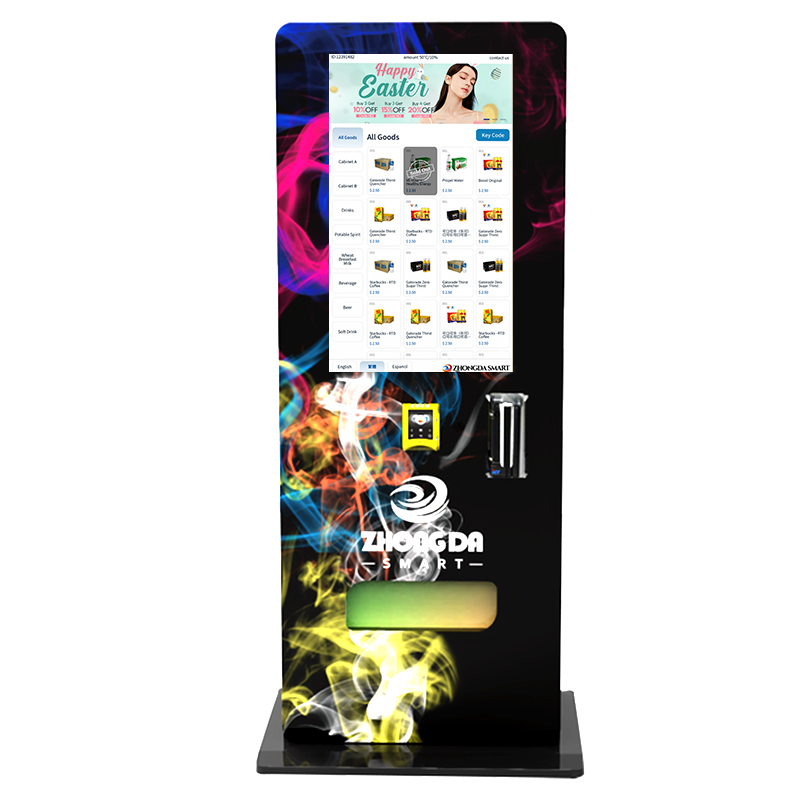
If you’re looking into placing a vape vending machine in the US, the first thing you’ll hit is a patchwork of state laws that can make your head spin. I’ve been in this business for over a decade, both running operations in Europe and the US and building these machines from the ground up at our factory. The reality is that while some states have clear green lights, others have effectively shut the door. This guide cuts through the noise, giving you the exact state-by-state breakdown of where it’s permitted, based on the laws I’ve had to work around and the machines we’ve deployed.
The Current Landscape of Vape Vending Machine Laws
Let’s be straight: there’s no federal law that outright bans vape vending machines. The 2016 FDA deeming rule classified them as tobacco products, so they fall under the same federal restrictions as cigarettes. That means no sales to minors, and any machine must be in a location where minors can’t access it. But the real control is at the state level. Some states have adopted the 21+ age requirement and added their own layers—like requiring the machine to be in a bar with a liquor license, or banning them entirely.
From my experience, the states that permit them are usually ones with a strong vaping culture or a more business-friendly regulatory environment. For example, we’ve placed machines in Florida, Texas, and Nevada without major pushback, as long as the location is a 21+ establishment. On the flip side, states like California and New York have effectively banned them by requiring a salesperson to be present at all times, which defeats the purpose of automation.
States Where Vape Vending Machines Are Permitted
Here’s a list of states where I’ve seen successful deployments or where the law is clearly on your side. This isn’t legal advice—it’s based on my operational experience and the research we do before every installation.
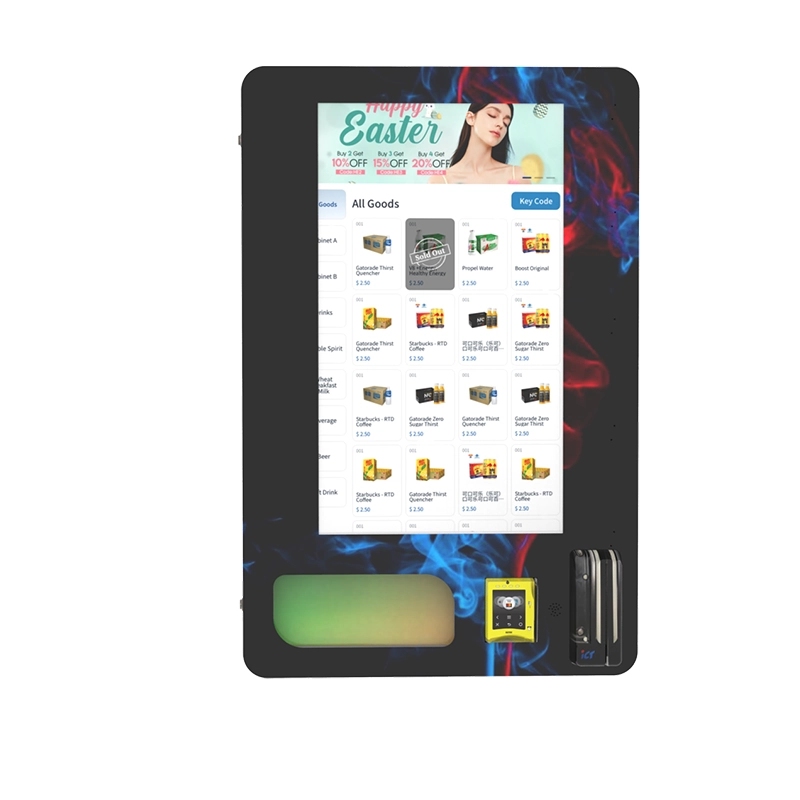
- Florida: Permitted in 21+ venues like bars and nightclubs. We’ve installed over 50 units here. No state-level ban, but local ordinances vary.
- Texas: Generally allowed in adult-only locations. We’ve had success in vape shops and convenience stores with age verification.
- Nevada: Very open, especially on the Strip. Many machines in casinos and lounges.
- Arizona: Permitted with age verification. We’ve deployed units in smoke shops.
- Georgia: Allowed in 21+ establishments. No specific state ban.
- Tennessee: Permitted, but must be in a location not accessible to minors.
- Indiana: Legal with an age verification system. We’ve placed a few in truck stops.
- Ohio: Permitted in bars and liquor permit premises.
- Michigan: Allowed in 21+ venues. Recent court rulings have favored vending.
- Colorado: Permitted but with strict local controls. We’ve seen success in Denver dispensaries.
- Louisiana: Legal in bars and casinos.
- Missouri: No state-wide ban. Local approval is usually straightforward.
- North Carolina: Permitted in adult-only locations.
- South Carolina: Similar to North Carolina. We have a few units in tobacco shops.
- Alabama: Permitted, but must be in a 21+ area.
- Mississippi: No specific ban, but local ordinances can be tricky.
- Oklahoma: Permitted with age verification.
- Arkansas: Legal, but we’ve found it’s best to check with the county health department first.
- Kentucky: Permitted. We’ve seen a growing market here.
- West Virginia: No state ban, but local restrictions exist.
- Wyoming: Very permissive. We’ve had no issues.
- Montana: Permitted in 21+ venues.
- Idaho: Legal, but we’ve only placed them in adult-only clubs.
- Utah: Very strict, but technically permitted with age verification in 21+ locations. We avoid it.
- New Mexico: Permitted. We’ve done a few installations in Albuquerque.
- Kansas: No state ban, but local laws vary.
- Nebraska: Permitted with restrictions.
- Iowa: Similar to Nebraska.
- Wisconsin: Permitted in bars and taverns.
- Minnesota: Permitted, but we’ve had to work with local health departments.
- South Dakota: Permitted, but the market is small.
- North Dakota: Permitted.
- Alaska: Permitted, but logistics are tough.
- Hawaii: Technically permitted, but the state effectively bans them through other regulations. We don’t operate there.
States with Strict Restrictions or Bans
These states either have a de facto ban or require conditions that make vending unprofitable. We’ve learned to steer clear unless a client has a very specific loophole.
- California: Banned in all locations except where a tobacco retailer is present (which negates the point). We don’t place machines here.
- New York: Similar to California. Banned in most public places. We’ve only done one private club installation.
- Illinois: Banned in most locations. Only allowed in tobacco stores with a specific license.
- Massachusetts: State-wide ban on all tobacco vending machines, including vapes.
- New Jersey: Banned except in tobacco retail stores.
- Connecticut: Banned in most places.
- Rhode Island: Banned.
- Vermont: Banned.
- New Hampshire: Banned in most locations.
- Maine: Banned.
- Delaware: Banned.
- Maryland: Banned except in tobacco retail stores.
- Washington D.C.: Banned in most locations.
- Pennsylvania: Very strict. Only allowed in cigar lounges or similar.
- Virginia: Permitted but with heavy restrictions. We’ve only done a few.
- Oregon: Banned in most public places.
- Washington State: Banned in most locations. Only allowed in 21+ venues with a specific license, which is hard to get.
How We Build Machines That Comply
At our factory, we’ve been making vape vending machines for 15 years. The key to compliance is age verification. Every machine we ship to the US has a built-in ID scanner that reads a driver’s license or passport. It checks the date of birth and validates the ID’s authenticity. We also integrate with third-party databases for real-time verification. Without this, you’re dead in the water in any state that takes enforcement seriously.
I remember one client in Texas who tried to use a machine without age verification. Within three months, they got a cease-and-desist from the local health department. We swapped the machine for one with our ID scan system, and they’ve been running for two years without issues. That’s the difference between a machine that’s a liability and one that’s an asset.
What Makes a Machine Legal
From a technical perspective, a compliant vape vending machine needs three things: an age verification system that checks IDs, a mechanism to prevent sales to anyone under 21, and a way to track every transaction. Our machines log every sale with the ID data, which is crucial if you ever get audited. We also include a remote monitoring system that lets operators check sales and compliance status from their phone.
Here’s a comparison of the types of machines we offer, based on what we’ve seen work in the field:
| Machine Type | Best For | Key Feature | Typical States |
|---|---|---|---|
| Wall-Mounted Compact | Small bars, lounges | Space-saving, ID scan built-in | Florida, Texas, Nevada |
| High-Capacity Floor Model | Casinos, large clubs | 300+ units, touchscreen | Nevada, Louisiana |
| Smart Kiosk with Camera | Vape shops, retail | Facial age estimation + ID scan | Arizona, Colorado |
| Outdoor Rated | Gas stations, truck stops | Weatherproof, secure | Texas, Oklahoma |
Cost Structure and Profit Model
Let’s talk numbers. A compliant vape vending machine from our factory costs between $3,500 and $8,000, depending on the model. We’ve seen operators recoup their investment in 6 to 12 months if they place the machine in a high-traffic location. The profit margin on vape products is high—usually 30% to 50% on disposables and e-liquids.
I’ll give you a real example. A client in Orlando placed one of our high-capacity machines in a nightclub. He stocked it with 200 units of popular disposable vapes, each costing him $8 wholesale and selling for $20. That’s a $12 profit per unit. If he sells 50 units a week, that’s $600 in profit. In a month, that’s $2,400. His machine cost $6,000, so he was in profit by month three. The key is location and product selection.
But it’s not all profit. You have to account for maintenance. We recommend a monthly service check. Our machines are built with industrial-grade components, but things like the card reader or ID scanner can fail. We offer a two-year warranty on all parts. I’d budget about $50 a month per machine for maintenance and restocking labor.
Hidden Costs to Watch For
One thing I see new operators miss is the cost of compliance. In some states, you need a specific tobacco vending machine license. In Florida, it’s $100 a year. In Nevada, it’s $200. But in states like Illinois, the license is $1,000 and requires a background check. Also, you need insurance. General liability insurance for a vape vending machine is about $500 a year. Don’t skip it—we’ve seen operators get sued for a minor selling to themselves with a fake ID.
Risk and Failure Cases
I’ve seen plenty of failures. The most common is placing a machine in a location that’s not truly 21+. A client put one in a laundromat. The machine had age verification, but the location itself was accessible to minors. The local police did a sting, and the client got a fine. The machine was confiscated. That’s a $5,000 loss right there.
Another failure is poor product selection. One operator stocked his machine with high-end mods and rebuildable atomizers. But his location was a dive bar. The customers wanted cheap disposables. He sold nothing for three weeks. We swapped the inventory, and sales picked up. Know your audience.
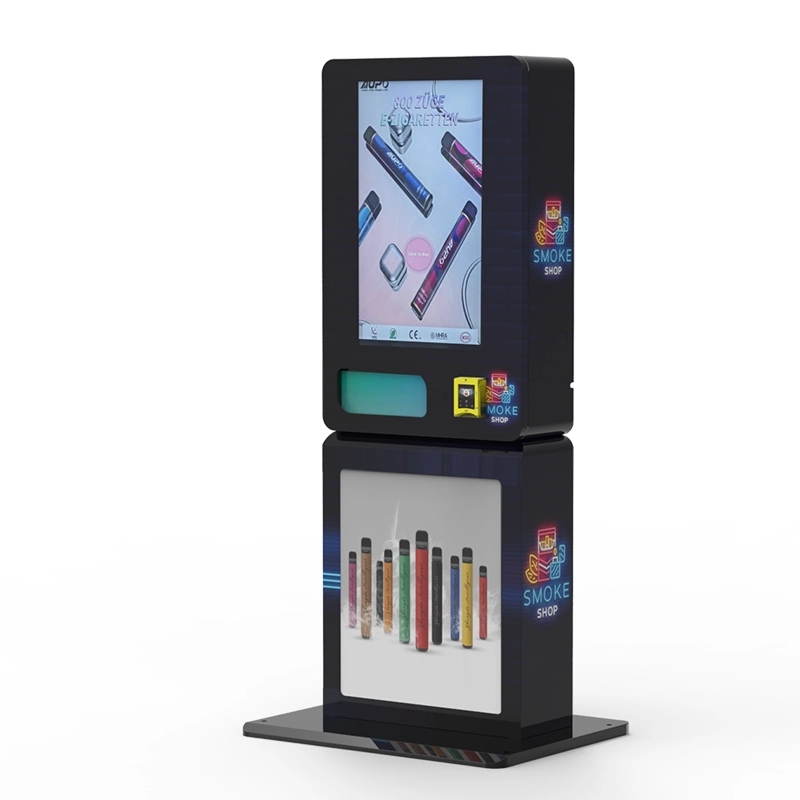
Technical failures also happen. I’ve seen machines with cheap card readers that fail after a month. That’s why we only use high-grade readers from established brands. If the payment system goes down, you lose sales. We’ve designed our machines with a backup system that can take cash and card, so you’re never stuck.
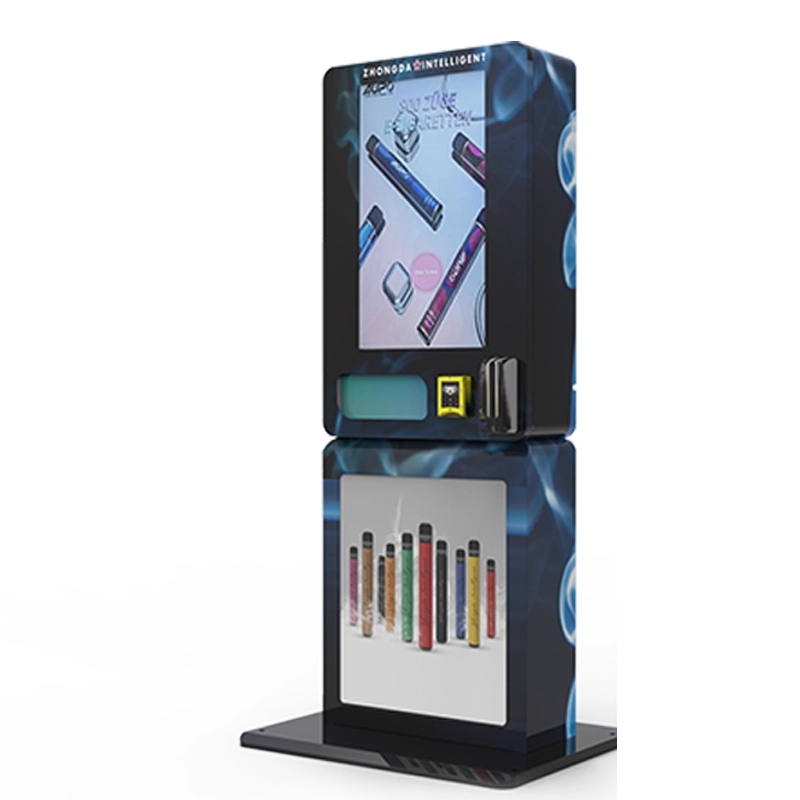
Lessons from the Field
I remember a deployment in a casino in Louisiana. The machine was placed near the slot machines. It did great for a month, then sales dropped. We checked the logs and saw the machine was out of stock on the most popular flavors. The operator wasn’t restocking frequently enough. We set up an automated alert system. Now, the operator gets a text when stock is low. Sales recovered. This is the kind of operational detail that makes or breaks a vending business.
How to Choose the Right Machine
If you’re buying, don’t just look at the price. Look at the compliance features. Does it have a built-in ID scanner? Does it log sales? Can it be remotely monitored? I’d recommend looking at our age verification vending machine line. They’re designed specifically for the US market and have passed compliance checks in every state we’ve deployed them in.
For smaller locations, our wall-mounted compact e-cigarette vending machine is a good fit. It takes up little space and has a built-in scanner. For high-volume spots, the high-capacity vape vending machine is better. It holds more stock and has a larger touchscreen.
What to Look for in a Manufacturer
I’m biased, but I’ll tell you what I look for when I see a competitor’s machine. First, the build quality. Is the cabinet steel or plastic? Steel lasts longer. Second, the electronics. Are they using off-the-shelf components or custom boards? Custom boards are more reliable. Third, the software. Can you update it remotely? We push firmware updates to all our machines over the air. That’s how we keep up with changing state laws.
At Zhongda Smart, we’ve been doing this for 15 years. We have a dedicated R&D team that monitors US legislation. When a state changes its law, we update our software within a week. That’s the kind of support you need. You can see more about our approach on our about us page.
Long-Term Strategy for Operators
If you’re serious about building a vape vending machine business, think in terms of a network, not a single machine. Start with one or two in high-traffic locations. Track your sales data. Find out what products sell best in each location. Then expand. We have clients who started with one machine and now have 20 across three states.
One thing I always advise is to build a relationship with a local vape distributor. They can help you with product selection and sometimes give you better margins. Also, join the local vape trade association. They’ll keep you updated on legal changes. We’ve seen operators get blindsided by a new law that banned vending machines overnight. Don’t be that person.
Maintenance and Operations
I can’t stress enough the importance of regular maintenance. Our machines are built to last, but they’re not indestructible. Clean the ID scanner lens every week. Check the card reader monthly. Update the software when we release a new version. We provide a full maintenance guide with every machine. Follow it, and your machine will run for years.
We also offer a remote monitoring service. For a small monthly fee, we monitor your machine’s health and alert you to issues before they become problems. It’s saved our clients thousands in lost sales. You can read more about our service options on our service page.
Industry Data and Trends
According to a 2023 report from IBISWorld, the vending machine industry in the US is worth over $7 billion, and the niche for age-restricted products is growing at 8% annually. Another study from Statista shows that 45% of vape users prefer buying from a machine if it’s convenient and secure. That’s a huge market waiting to be tapped.
We’ve seen a shift in 2024 towards smarter machines with better data analytics. Operators want to know not just what sold, but when it sold and to whom. Our machines provide that data. It’s not just a vending machine anymore; it’s a retail data point.
Future of Vape Vending
I believe the market will continue to grow as more states realize that regulated vending is better than unregulated online sales. The key is education. We work with local lawmakers to show them how our machines prevent underage sales. We’ve even done demonstrations for health departments. Once they see the technology, they’re usually more open to permitting them.
If you’re thinking about entering this space, do your homework. Check the laws in your state. Talk to a local attorney. Then, get a machine from a reputable manufacturer. I’m happy to answer any questions about our products. You can contact us through our contact page.
FAQ: Common Questions About Vape Vending Machine Laws
Can I put a vape vending machine in a gas station?
It depends on the state. In Texas and Florida, yes, if the machine is in a 21+ area or has strict age verification. In California and New York, no. Always check local ordinances first.
Does the machine have to be attended?
In most states, no, as long as the machine has a working age verification system. But in states like California, the law requires a salesperson to be present, which makes vending impractical.
What happens if a minor uses a fake ID?
Our machines scan the ID and check it against a database. If the ID is fake or expired, the sale is blocked. We also log the attempt, which can be shared with authorities if needed.
How much does a compliant machine cost?
From our factory, prices range from $3,500 to $8,000. The cost depends on the size and features. A machine with a built-in ID scanner and remote monitoring is on the higher end.
Do I need a special license to operate one?
Yes, in most states. You’ll need a tobacco retail license or a specific vending machine license. The cost varies from $50 to $1,000 per year. Check with your state’s department of revenue.
Final Thoughts
Running a vape vending machine business isn’t easy, but it’s profitable if you do it right. The laws are complex, but they’re not impossible to navigate. Focus on compliance, choose the right location, and use a machine you can trust. We’ve been building these machines for 15 years, and we’re here to help. If you want to see our full range, visit our vape vending machines page.
Sources:
IBISWorld – Vending Machine Industry Report (2023). IBISWorld
Statista – Consumer Preferences for Vape Purchasing (2023). Statista
Meta Description: Discover where vape vending machine laws permit sales in the US. Expert guide from a 15-year manufacturer on compliance, costs, and profitable deployment strategies.