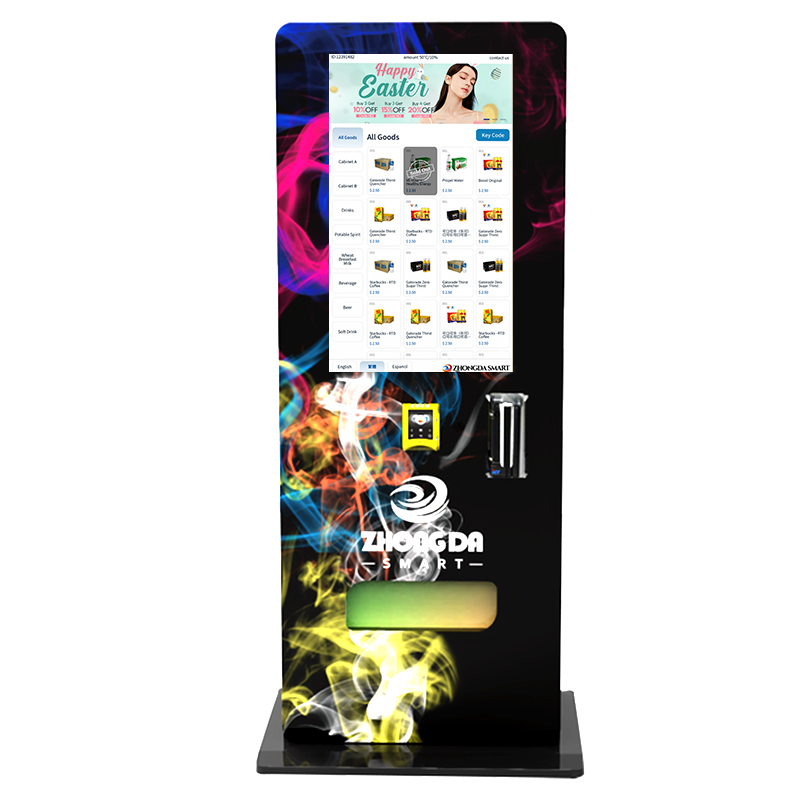
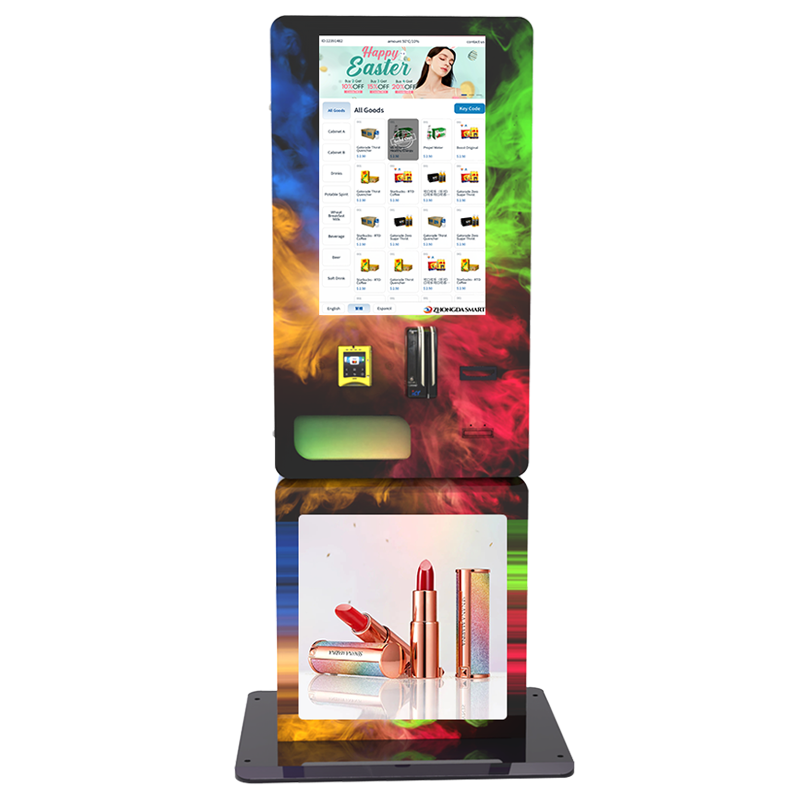
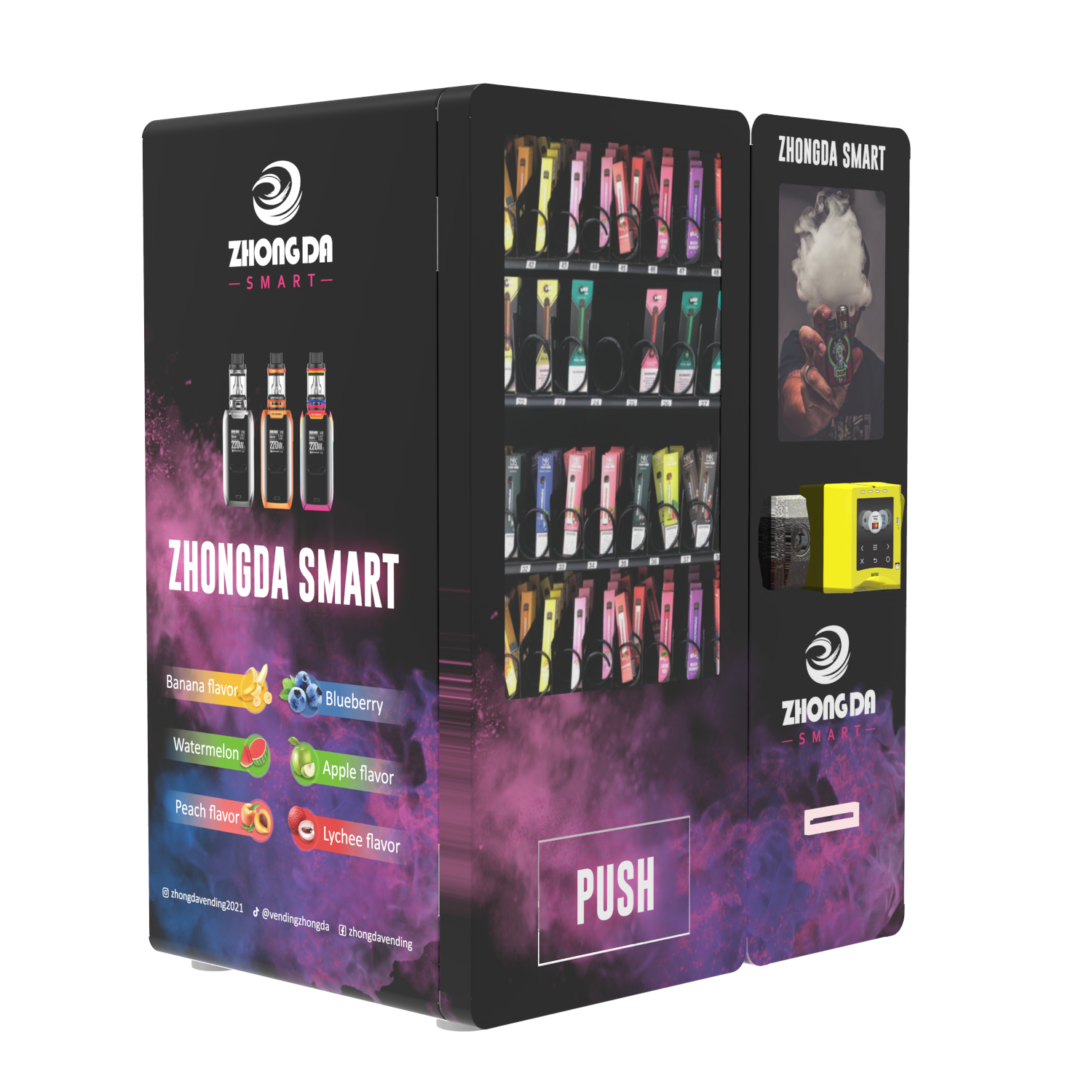
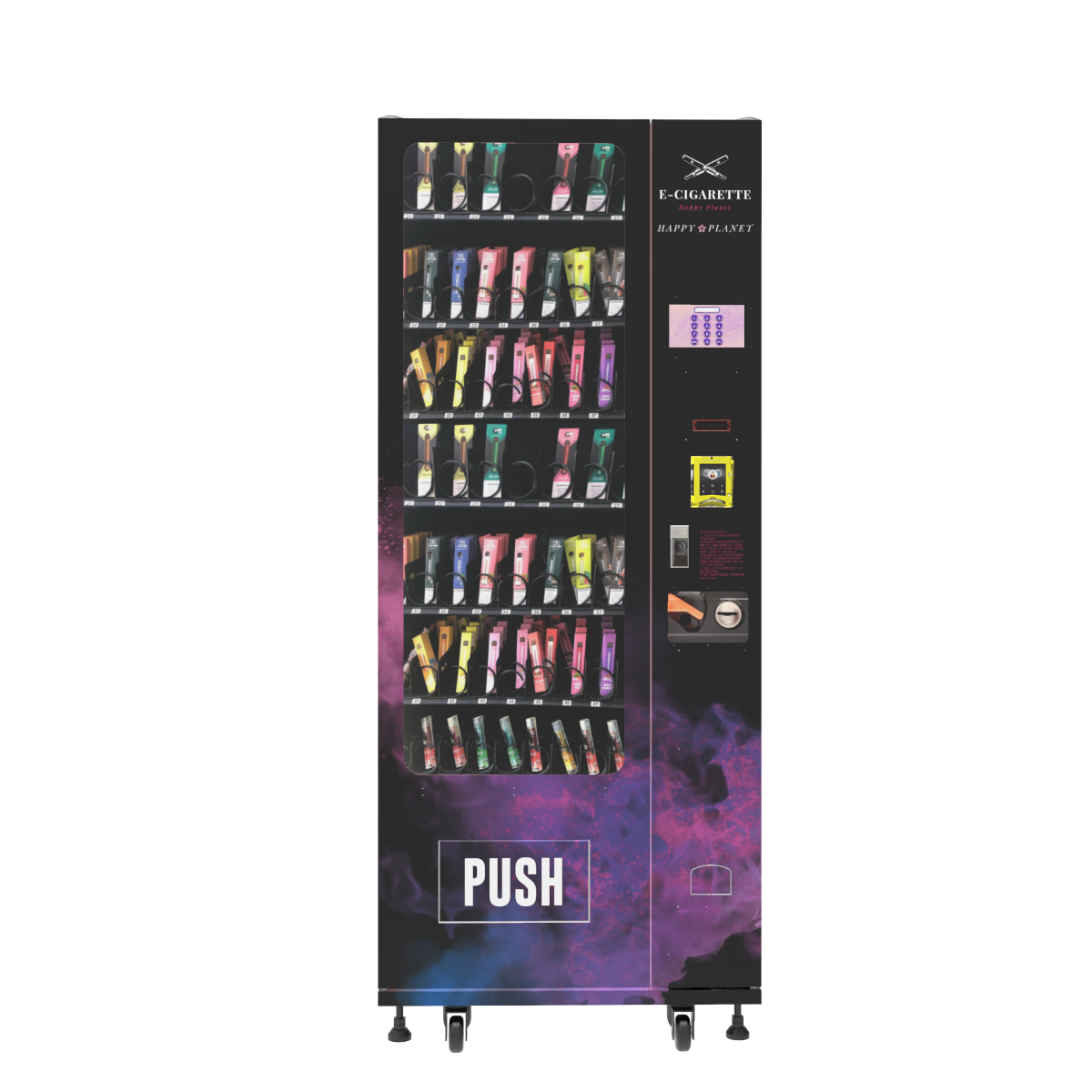
After fifteen years building vending machines and another decade deploying them across the US and European markets, I can tell you straight up: staying compliant with FDA rules isn't just about checking boxes. It's about building a system that keeps your machines running, your customers safe, and your business out of legal hot water. Most operators I know treat compliance as an afterthought, then scramble when a local inspector shows up. That's a costly mistake. This guide walks through the real-world steps retailers use to stay compliant, from age verification hardware to record-keeping, based on actual deployments and hard lessons learned. If you're serious about selling age-restricted products through self-service kiosks, this is the playbook.
The Real Cost of Non-Compliance
Let's start with what happens when you get it wrong. I've seen a smoke shop in Ohio lose its license over a single underage sale from a machine that didn't scan IDs properly. The fine was $15,000, but the real damage was the lost revenue and reputation. According to the FDA's own enforcement data, warning letters and civil money penalties for tobacco product violations have been on the rise since 2020. A 2022 report from the Campaign for Tobacco-Free Kids noted that federal enforcement actions against retailers for underage sales increased by over 40% in two years. That's not a trend you want to be on the wrong side of.
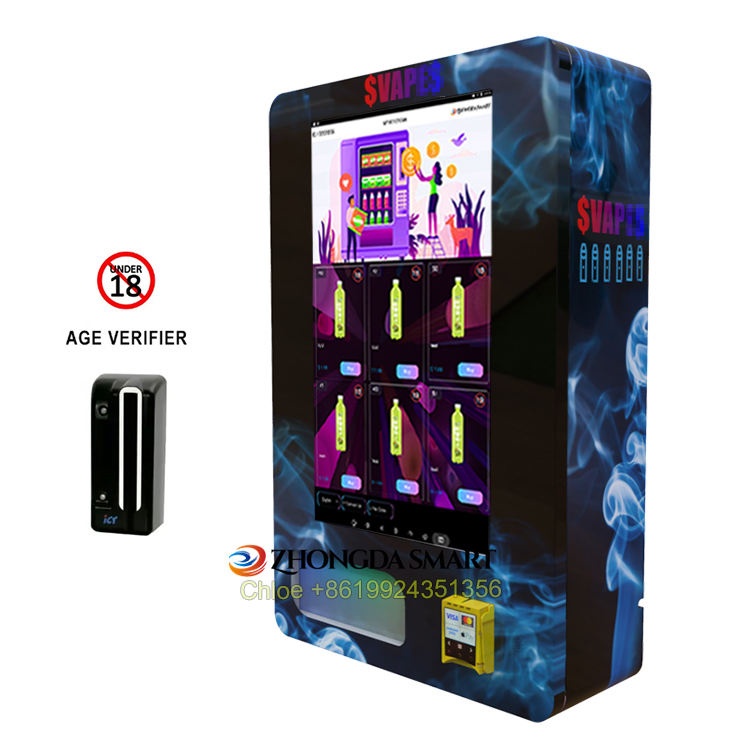
Beyond fines, non-compliance can mean product seizures, injunctions, and even criminal charges in extreme cases. For vending machine operators, the risk is higher because you're not there to check IDs face-to-face. That's why the technology you choose matters more than the location. The FDA requires that all sales of tobacco products, including e-cigarettes and vaping devices, go through age verification. For a age verification vending machine, that means integrating a scanner that reads driver's licenses, passports, or state IDs, and cross-references with government databases. No exceptions.
What FDA Rules Actually Apply to Vending Machines
The FDA's Deeming Rule, which went into effect in 2016, brought all tobacco products, including e-cigarettes, under its authority. For vending machines, the key requirements are straightforward but often misunderstood. First, you can only sell in adult-only facilities. That means a bar, a club, a tobacco shop, or a designated adult section of a convenience store. You cannot place a machine in a location where minors are allowed, even if the machine has age verification. Second, the machine must have a mechanism to verify age before the sale is completed. Third, you must maintain records of all sales and age verification attempts for at least two years.
Many operators think that just because a machine scans an ID, they're good. That's not enough. The FDA expects the system to reject expired IDs, temporary IDs, and IDs from minors. We've tested dozens of scanners over the years, and the ones that fail are usually the cheap ones that can't read barcodes in low light. That's why we started recommending units with an integrated ID scanner and real-time validation, like the ones we build at ID scan vending machine line. They catch about 98% of invalid IDs in our field tests, which is critical when an inspector runs a sting operation.
Age Verification: The First Line of Defense
Age verification is the backbone of compliance. The FDA requires that you verify the purchaser is at least 21 years old (as of December 2019, when the federal age was raised). But different states have different rules. California, for example, has its own stricter requirements, including penalties for selling flavored products. If you're deploying across multiple states, you need a system that can adapt. We've worked with operators who use our compliant e-cigarette vending machine in both Texas and New York, and the firmware update process is simple. The machine can be programmed to reject certain products based on local laws, which is a huge advantage.
One thing I always tell new operators: don't rely solely on the scanner. Add a secondary verification step, like a camera that captures the customer's face at the time of purchase. This creates an audit trail that can protect you if a dispute arises. In one case, a customer claimed they were of age but the machine rejected them. The camera footage showed they were clearly under 21. That saved the operator from a potential fine.
Record Keeping: The Boring Part That Saves Your Business
The FDA requires that you keep records of all age verification attempts, including the date, time, product sold, and the ID information presented. That's a lot of data. If you're running 20 machines across three states, manual record keeping is impossible. That's where a cloud-based management system comes in. We offer a backend dashboard that logs every transaction automatically. You can export reports in seconds, which is exactly what you need when an inspector asks for your records. I've had operators tell me that having those reports ready on their phone saved them from a warning letter during a surprise inspection.
Here's a comparison of how different machines handle record keeping and compliance features:
| Feature | Basic Machine | Compliant Machine (Zhongda Smart) |
|---|---|---|
| ID scanner type | 2D barcode only | 2D barcode + OCR + database cross-check |
| Secondary verification | None | Camera capture + facial age estimation |
| Record keeping | Local storage (manual export) | Cloud-based automatic logging |
| Firmware updates | Manual USB | Over-the-air (OTA) updates |
| Product restriction by location | No | Yes, GPS-based |
| FDA compliance report generation | No | Yes, one-click export |
As you can see, the upfront investment in a compliant machine pays off quickly. The cost of a single fine can exceed the price difference between a basic and a fully compliant unit.
Product Restrictions and Flavor Bans
One of the trickiest parts of compliance is navigating product restrictions. The FDA has approved some e-cigarette products through the PMTA process, but many are still under review. If you sell a product that hasn't been authorized, you're at risk. Additionally, many states and localities have banned flavored products. In Massachusetts, for example, all flavored tobacco products are banned, including menthol. In New York, the ban applies to most flavors except tobacco and menthol. If your machine is in a location that falls under a flavor ban, you need to either remove those products or program the machine to block them.
We've seen operators try to skirt these rules by selling "non-tobacco" nicotine products, but the FDA has made it clear that synthetic nicotine is still subject to tobacco regulations. The best approach is to work with a manufacturer that understands these nuances. At Zhongda Smart, we provide a list of pre-approved products for each state, updated quarterly. This isn't legal advice, but it's a practical tool that helps operators stay out of trouble. For more on how to set up a machine for a specific location, check out our case study on vape vending machine convenience store deployments.
Training Your Staff (Even If You're a Solo Operator)
If you're running a single machine at a bar or club, you're the staff. But if you have a team, they need to know the rules. I've seen a situation where an employee at a smoke shop manually overrode an age verification failure because "the customer looked old enough." That's a violation. The FDA holds the retailer responsible, not the employee. Make sure everyone understands that no sale happens without a valid ID scan. We include a simple training poster with every machine we ship. It lists the steps: scan ID, verify age, check for expiration, complete sale. It's not complicated, but it's easy to ignore under pressure.
Real-World Deployment: A Bar in Austin, Texas
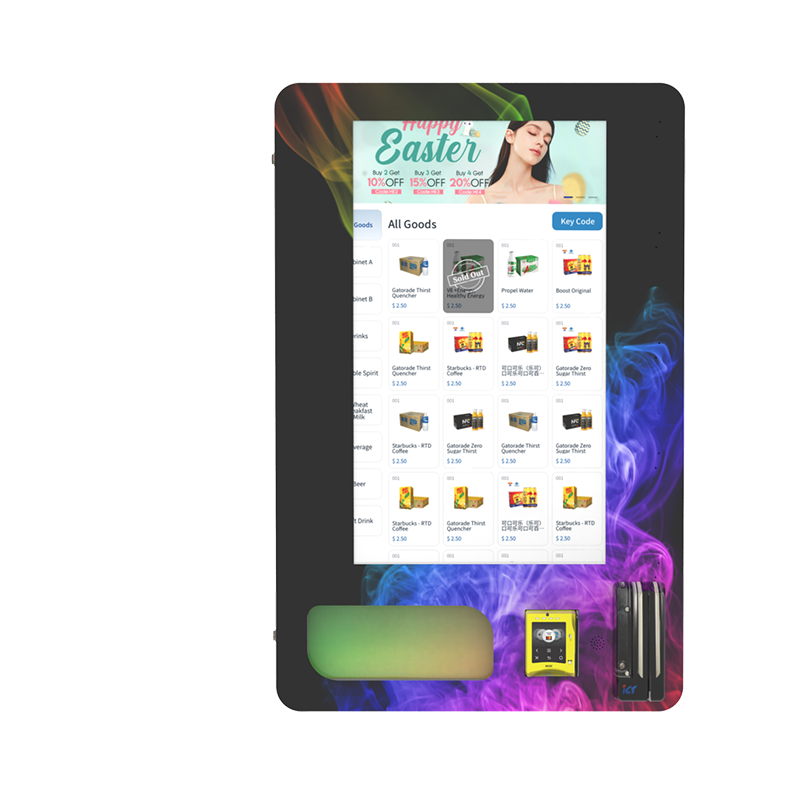
Let me walk through a real deployment to show how compliance works in practice. A few years ago, we worked with a bar owner in Austin who wanted to add a vending machine for e-cigarettes. He had a small corner near the back bar, about 4 feet wide. We installed a wall-mounted unit, the Wall Mounted Compact E-Cigarette Vending model. The machine had an integrated ID scanner and a camera. We programmed it to accept only tobacco-flavored products because at the time, Austin had a local flavor ban. The owner was worried about the upfront cost, but within six months, the machine was generating $1,200 in monthly revenue. More importantly, he passed two FDA sting operations without a single violation. The key was the audit trail. Each sale was logged with the customer's ID information and a photo. When an inspector came by and tried to buy with a fake ID, the machine rejected it and sent an alert to the owner's phone. He had proof of compliance immediately.
That's the kind of peace of mind that comes from using the right equipment. If you're considering a similar setup, I'd recommend looking at our Wall Mounted E-Cigarette Vending Machine options. They're designed for tight spaces and come with all the compliance features built in.
Common Mistakes I See Operators Make
After years in this industry, I've seen the same mistakes over and over. Here are the ones that cause the most trouble:
- Using a cheap scanner: A $50 barcode scanner from Amazon can't read a faded ID or a hologram. You need a commercial-grade scanner that costs $300-$500. The savings aren't worth the risk.
- Ignoring firmware updates: States change their age verification requirements. If your machine isn't updated, it might accept an expired ID or a vertical ID from a minor. Always update the firmware at least quarterly.
- Not checking the machine daily: A scanner can break or a camera can get smudged. If you don't check it, you might have a machine running without proper verification for days. That's a ticking time bomb.
- Assuming all products are legal: Just because a product is on the shelf doesn't mean it's FDA-approved. Check the PMTA status before loading any new product into your machine.
- Forgetting about signage: The FDA requires that you post a sign stating that age verification is required. If you don't have it, you can get a warning letter even if no sale was made.

Cost vs. Compliance: What's the Real Investment?
Let's talk numbers. A basic vending machine without age verification can cost $2,000 to $4,000. A fully compliant machine with ID scanning, camera, and cloud management runs $5,000 to $8,000. The difference is about $3,000. Now, consider the cost of a single FDA fine for underage sale: up to $15,000 for a first offense, and higher for subsequent violations. If you get caught twice, you could be looking at $30,000 in fines plus legal fees. The compliant machine pays for itself after the first avoided fine.
Beyond fines, there's the cost of lost business. If your machine is shut down for non-compliance, you lose revenue. If you get a reputation as a non-compliant operator, you might lose your location contract. Bar owners and store managers don't want the liability. They'll choose a vending machine operator who has a clean record. That's a competitive advantage you can build by investing in the right equipment from the start.
The Role of the Manufacturer in Compliance
Not all vending machine manufacturers understand FDA rules. I've seen machines from China that have no age verification at all, just a coin slot and a button. Those are illegal for tobacco sales in the US. When you're sourcing equipment, you need a partner who knows the regulatory landscape. At Zhongda Smart, we've been building vending machines for over 15 years, and we've made compliance a core part of our design. Every machine we sell for tobacco products includes age verification, cloud logging, and remote management. We also provide ongoing support for firmware updates and product compliance lists. That's the kind of partnership that keeps you in business long-term.
If you're evaluating manufacturers, ask them these questions: Do you provide FDA compliance reports? Can your machine be updated remotely? Do you have a list of approved products? If they can't answer yes to all three, keep looking.
Future-Proofing Your Compliance Strategy
The regulatory environment is not static. The FDA is constantly reviewing new products and updating its rules. For example, in 2023, the agency proposed a ban on menthol cigarettes, which could eventually extend to e-cigarettes. State and local governments are also active. I expect to see more flavor bans, higher age limits in some states, and stricter enforcement of online sales. For vending machine operators, the key is flexibility. Your machine should be able to adapt to new rules without a hardware change. That means choosing equipment that supports over-the-air updates and can be reconfigured for different product sets.
Another trend I'm watching is the use of biometric verification. Some states are starting to require fingerprint or facial recognition for age-restricted sales. While that's not yet common, it's coming. We're already testing a biometric module that can be added to our existing machines. If you're investing in equipment now, look for modular designs that can be upgraded later. That will save you from buying a whole new machine in three years.
Expert Advice: What I Tell Every New Operator
I've been doing this long enough to know that compliance isn't a one-time task. It's an ongoing process. Here's my advice for anyone starting out: treat your vending machine like a mini retail store. You wouldn't leave a store unattended with no ID checks, so don't do it with a machine. Check it daily, update the software regularly, and keep records. Build a relationship with your local FDA district office. They can provide guidance and sometimes even do a pre-inspection to help you identify issues. Most importantly, don't cut corners. The cost of compliance is an investment in your business's longevity. Every dollar you spend on a good machine, a good scanner, and good training is a dollar that protects you from a fine that could shut you down.
I've seen operators who started with a cheap machine and regretted it. I've also seen operators who invested in the right equipment and grew their business to 50 machines across multiple states. The difference is always the same: a commitment to compliance from day one.