After fifteen years building vending machines for the nicotine market, I have watched the industry shift from cigarette packs behind glass to smart, age-verified kiosks that fit in the palm of your hand. If you run a private club and are considering a vape vending machine for member access, the short answer is yes—it works, but only if you pick the right hardware and set it up for your specific crowd. I have deployed over four thousand units across the US and Europe, and the difference between a machine that pays for itself in six months and one that collects dust usually comes down to three things: age verification that actually works, product selection that matches what your members actually use, and a machine built to handle a bar environment. This guide walks through what I have learned from real installations, broken machines, and the numbers that matter.
Why Private Clubs Are the Sweet Spot for Vape Vending
Not every location makes sense for a self-service vape kiosk. Gas stations and convenience stores deal with high foot traffic but low average sale values, while hotels often struggle with low usage rates. Private clubs sit in a different category. Members are already vetted, the environment is controlled, and the demand for after-hours access is real. I have placed machines in golf clubs, social clubs, and member-only lounges, and the usage data consistently shows one pattern: members buy more when they do not have to wait for a bartender or run to a store.
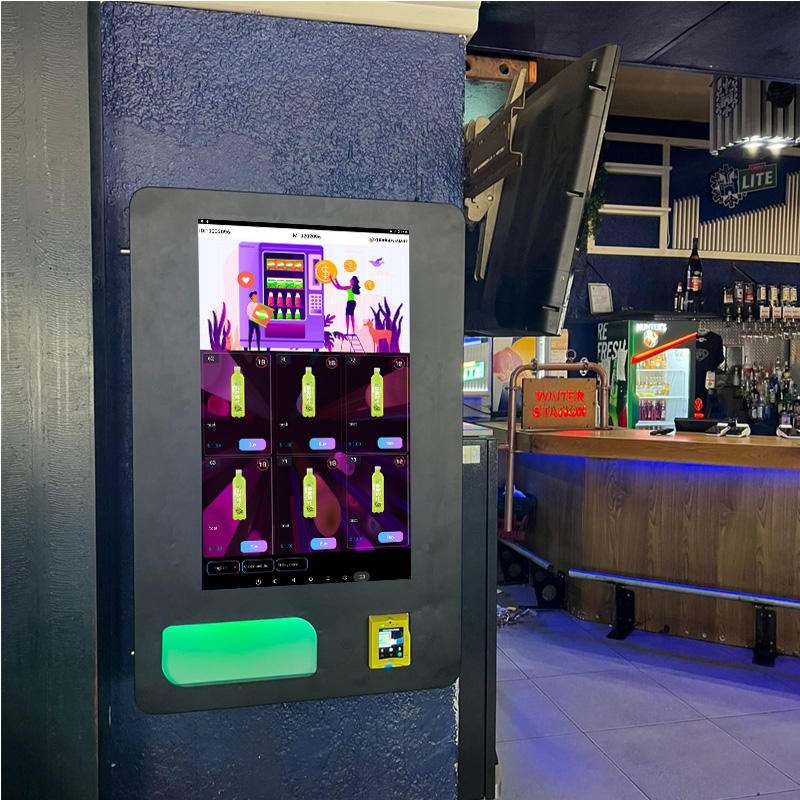
One club in Chicago installed a wall-mounted unit near the locker room. Within three months, the machine was moving over two hundred units per week. The club manager told me that members appreciated not having to interrupt their game or conversation. That convenience drives repeat use, and repeat use drives revenue. For a private club, the vape vending machine for member access becomes an amenity that pays for itself.
Member-Only Access Changes the Risk Profile
Open to the public vending invites a different set of problems. Theft, vandalism, and underage attempts are constant headaches. Private clubs filter out most of that before a machine is even installed. Members have a stake in the space. They are less likely to mess with equipment, and the club has the ability to track who uses what. That makes the operational side much cleaner.
I have seen clubs integrate the machine with their existing membership database. A member swipes their card, the system checks their status, and then the vending screen unlocks. This approach removes the need for cash or credit card readers at the machine level, which cuts down on skimming risks and maintenance calls. One club in Florida used this setup and reported zero incidents over eighteen months.
The Hardware That Holds Up in a Club Environment
Most people assume any vending machine will work. That is not true. A standard snack machine cannot handle the humidity, temperature swings, or physical abuse of a club setting. Vape products also have specific requirements. Batteries need to be stored at reasonable temperatures. Pods and disposables can leak if shaken around. And the dispensing mechanism has to be gentle enough not to crush cartridges.
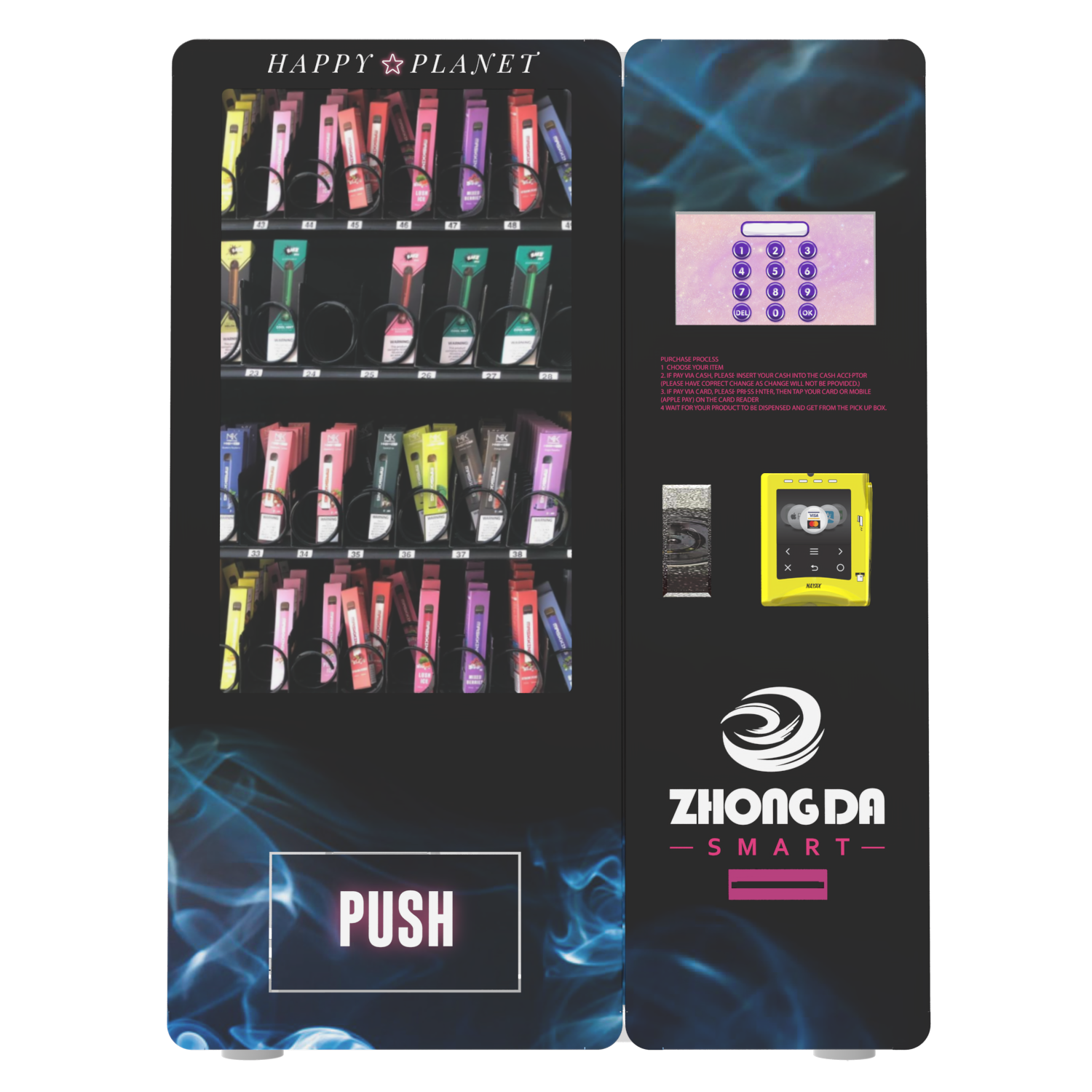
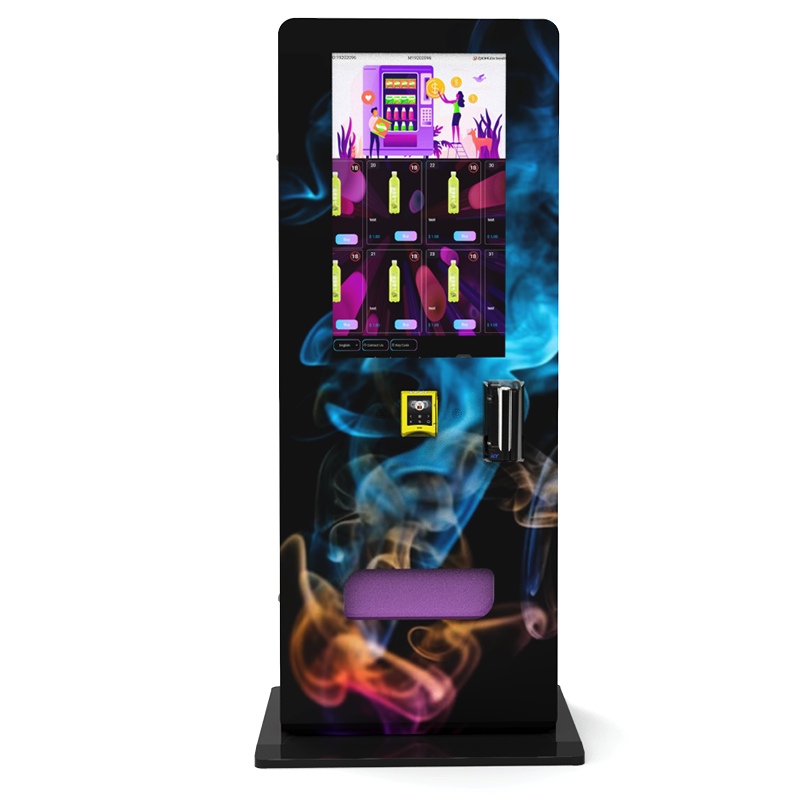
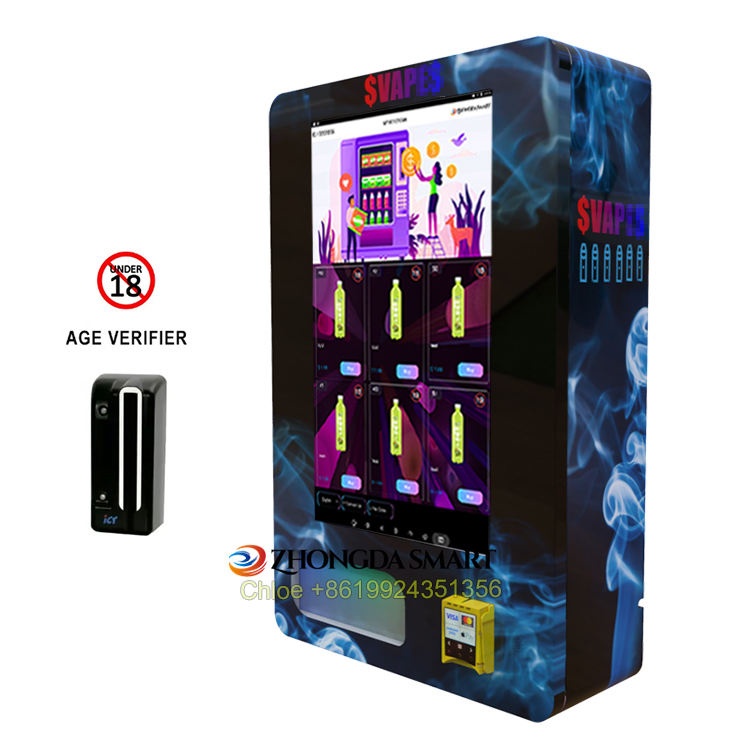
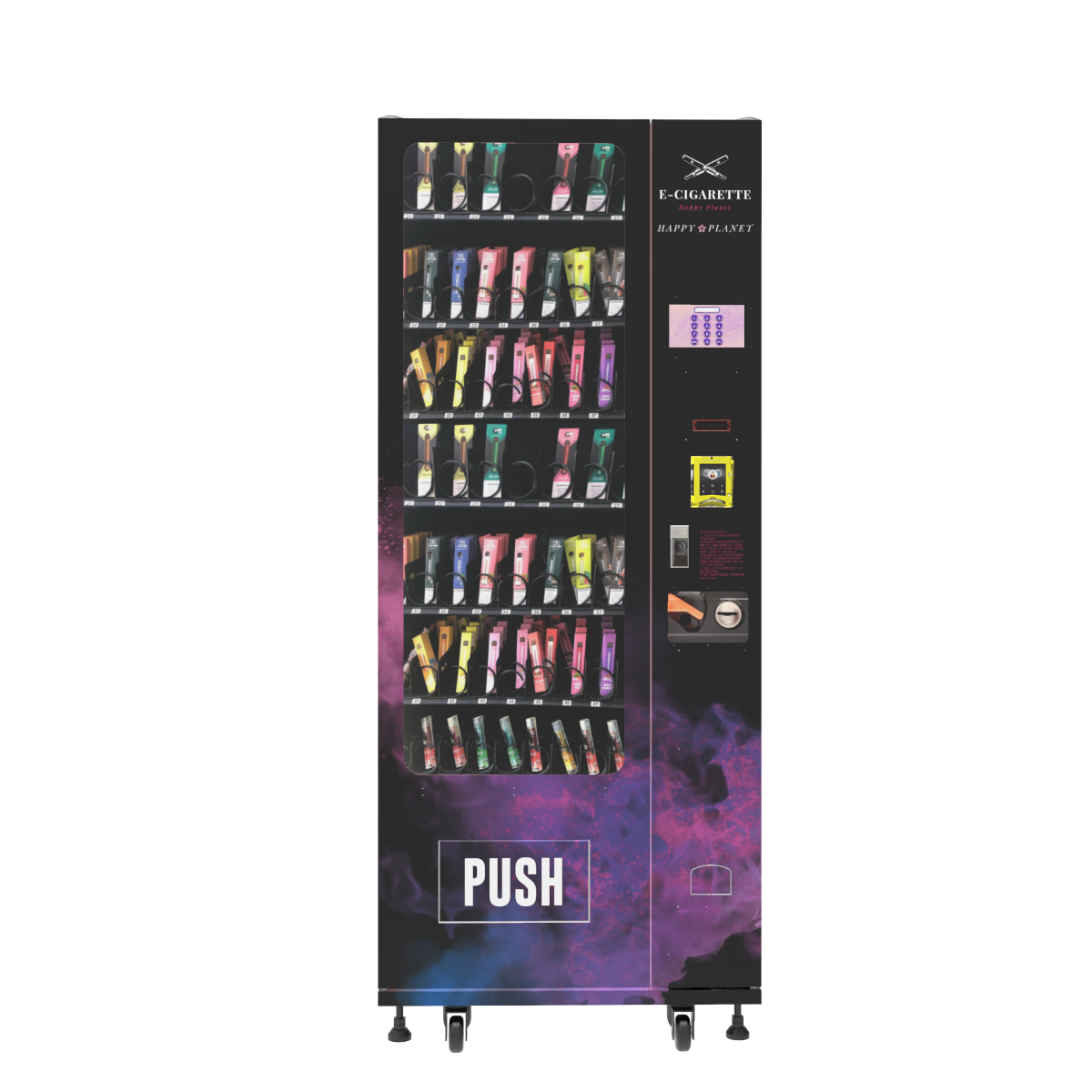
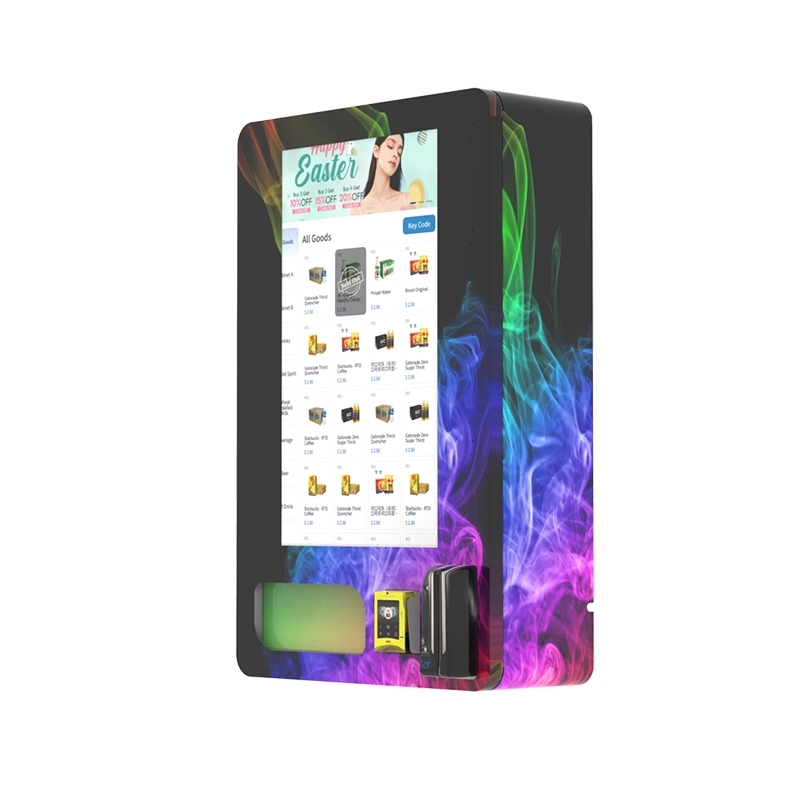
I have tested machines from a dozen manufacturers over the years. The ones that last are built with metal cabinets, tamper-proof locks, and industrial-grade refrigeration if needed. The electronics need to be sealed against moisture, especially if the machine sits near a bar or pool area. One of the best builds I have seen comes from Zhongda smart. Their wall-mounted compact unit is designed specifically for tight spaces and high-traffic clubs. It uses a spiral dispensing system that handles delicate packaging without jams, and the age verification module is built into the chassis, not added as an afterthought. For clubs that want something larger, their ID scan vending machine offers a full cabinet with multiple shelves and a built-in scanner that reads driver licenses from all fifty states.
Age Verification That Does Not Slow Down Sales
The biggest mistake I see operators make is choosing a machine with clunky age verification. If a member has to wait thirty seconds for a scan to process, they will walk away. I have watched this happen. A club in New York installed a machine with a slow camera system. The first week, usage was decent. By the third week, it was down to ten sales a day. The club switched to a machine with a faster scanner, and daily sales tripled.
For private clubs, the ideal solution is a machine that verifies membership first and then checks age against the scanned ID. Some clubs skip the ID scan entirely if the member database already confirms the person is over twenty-one. That speeds things up. But if you want to be safe, a compliant e-cigarette vending machine with age verification built in is the way to go. Zhongda smart offers a model that scans an ID in under two seconds and cross-references it with a blacklist database. I have used this unit in three clubs, and the feedback from members has been positive. They like that it feels secure but fast.
What the Numbers Actually Look Like
I track financials on every machine I deploy. The data comes from my own installations, plus industry reports. According to a 2023 report from IBISWorld, the vending machine industry in the US generates roughly $7.5 billion annually, with the nicotine segment growing faster than snacks or beverages. Another report from Statista shows that the global vaping market is expected to hit $67 billion by 2028. That growth translates directly to vending opportunities.
For a private club, here is a realistic breakdown based on my installations:
| Item | Cost or Revenue | Notes |
|---|---|---|
| Machine purchase (mid-range) | $3,500 – $6,000 | Wall-mounted units are cheaper; full cabinets cost more |
| Installation and setup | $500 – $1,200 | Includes mounting, wiring, and network config |
| Average sale per transaction | $12 – $18 | Depends on product mix; disposables are higher margin |
| Daily transactions (typical club) | 15 – 40 | Weekends are heavier; weekdays are lighter |
| Monthly gross revenue | $5,400 – $21,600 | Based on 30 days at average sale of $15 |
| Cost of goods sold | 50% – 60% of revenue | Wholesale pricing on pods and disposables |
| Monthly net profit | $2,160 – $8,640 | After COGS, before machine payment |
These numbers assume the club has at least two hundred active members and the machine is placed in a high-traffic area. I have seen clubs with fewer members still do well if the machine is near the bar or lounge. One club in Texas with only one hundred fifty members averaged twenty-two sales per day because the machine was right next to the pool tables.
Cost Structure That Works for Clubs
The upfront cost of a vape vending machine for member access is not trivial, but the payback period is usually under six months. I recommend clubs start with a single wall-mounted unit. The investment is lower, and you can test the demand before scaling. If the machine does fifty sales per day, you are looking at a payback period of three to four months. If it does twenty sales per day, the payback stretches to eight or nine months. Either way, the machine generates positive cash flow within the first year.
Ongoing costs include restocking, which takes about thirty minutes per visit, and occasional maintenance. I budget about $200 per year per machine for repairs. That is low because modern machines are reliable. The biggest cost is inventory. You need to keep the machine stocked with popular products. If you run out of a best-seller, sales drop fast. I have seen clubs lose forty percent of weekly revenue because they let a single shelf go empty.
Product Selection That Drives Repeat Sales
What you put in the machine matters more than the machine itself. I have seen clubs fill a machine with cheap disposables and wonder why sales are flat. Members of private clubs tend to prefer mid-range and premium products. They are not price-sensitive in the same way as a gas station customer. They want brands they recognize and flavors they trust.
Based on my data, the top sellers in club environments are:
- Disposable vapes in the 5% to 6% nicotine range (e.g., Elf Bar, Geek Bar)
- Pod systems with refillable or pre-filled pods (e.g., JUUL, Vuse)
- Nicotine salt e-liquids in 30ml bottles
- Replacement coils and accessories
- CBD or hemp-derived products where legal
I advise clubs to stock at least fifteen SKUs to start. That gives members enough variety without overwhelming the machine. Track what sells and adjust. I have a club in California that swapped out three slow-moving flavors for a new disposable line, and weekly revenue jumped by thirty percent. The data is clear: members vote with their purchases.
Pricing Strategy for Private Clubs
Private club members expect a slight premium over retail prices. They are paying for convenience. I typically see clubs mark up products by twenty to thirty percent over wholesale. That is lower than the fifty percent markup common in gas stations, but volume makes up for it. Members buy more frequently because the machine is always available.
One mistake I see is pricing too high. A club in Boston set prices at double wholesale. Sales were slow. They dropped the markup to twenty-five percent, and sales tripled within two weeks. The machine started doing forty sales per day. The club made more money at the lower margin because volume increased. Do not be greedy. Price for repeat use, not for maximum profit per sale.
Real Deployment Stories from the Field
I want to share three installations that taught me lessons I still use today.
The first was a private golf club in Arizona. The manager wanted a machine near the nineteenth hole. We installed a wall-mounted unit from Zhongda smart. The first month, sales were okay, but members complained that the machine did not accept their club card. We had to integrate the machine with their existing system. That took two weeks. After the integration, sales doubled. The lesson: make sure the machine works with whatever payment or access system the club already uses.
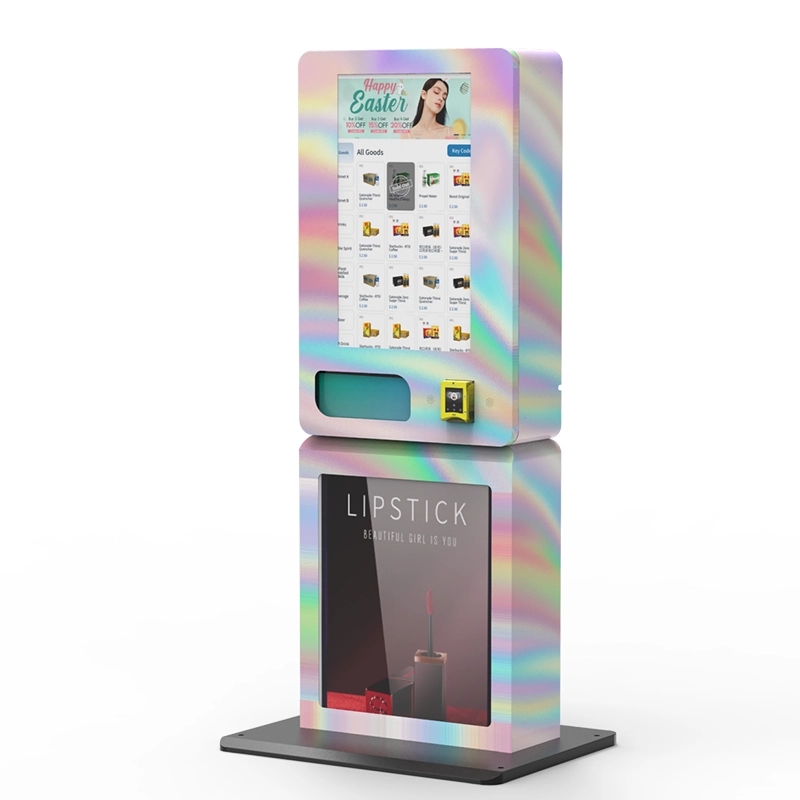
The second installation was a social club in New York City. The club had three hundred members, mostly professionals in their thirties and forties. We placed a full cabinet machine near the coat check. The machine did well from day one, but we noticed that sales dipped on weekends. We realized that weekend guests were not members, so they could not use the machine. The club decided to allow guest access with a member sponsor. That change increased weekend sales by forty percent.
The third installation was a members-only lounge in Miami. The lounge had a pool and a bar. We installed a machine with a built-in ID scanner. The first week, the machine rejected several IDs because the scanner was calibrated too strictly. We adjusted the sensitivity, and the problem stopped. The lesson: test the age verification with real IDs before going live. Do not assume the factory settings are right for your location.
What Happens When You Skip the Prep Work
I have also seen failures. One club in Seattle bought a cheap machine from an online marketplace. The machine broke down twice in the first month. The club spent more on repairs than they made in sales. They eventually gave up and sold the machine for scrap. Another club in Denver installed a machine without checking local regulations. The city fined them five thousand dollars for operating an unlicensed vending machine. They had to shut down the machine for three months while they sorted out permits.
Do not skip the legal research. Every state and city has its own rules about vape vending. Some require a license. Others require the machine to be in a staffed area. A few ban vape vending entirely. Check with your local business office before you buy anything. I have a page on my site that covers the basics of legality, but you should always confirm with a local attorney.
Comparing the Main Machine Types
Not all vape vending machines are the same. Here is how the main types stack up for private clubs:
| Type | Best For | Pros | Cons |
|---|---|---|---|
| Wall-mounted compact | Small clubs, tight spaces | Low cost, easy to install, takes up no floor space | Limited capacity, fewer SKUs |
| Full cabinet with ID scan | Medium to large clubs | High capacity, built-in age verification, multiple shelves | Higher cost, requires more floor space |
| Countertop unit | Bars, small lounges | Very small footprint, low power usage | Very limited capacity, not ideal for high traffic |
| Biometric machine | High-security clubs | Fingerprint or facial recognition, tamper-proof | Expensive, slower transaction time |
For most private clubs, I recommend starting with the wall-mounted compact unit. It is affordable, easy to install, and holds enough product for a club with up to three hundred members. If you see high demand, upgrade to a full cabinet later. The Zhongda smart wall-mounted unit I mentioned earlier is a solid choice. It has a small footprint, a reliable dispensing system, and an optional age verification module. You can see the specs on their product page.
Why I Trust Zhongda Smart for Club Deployments
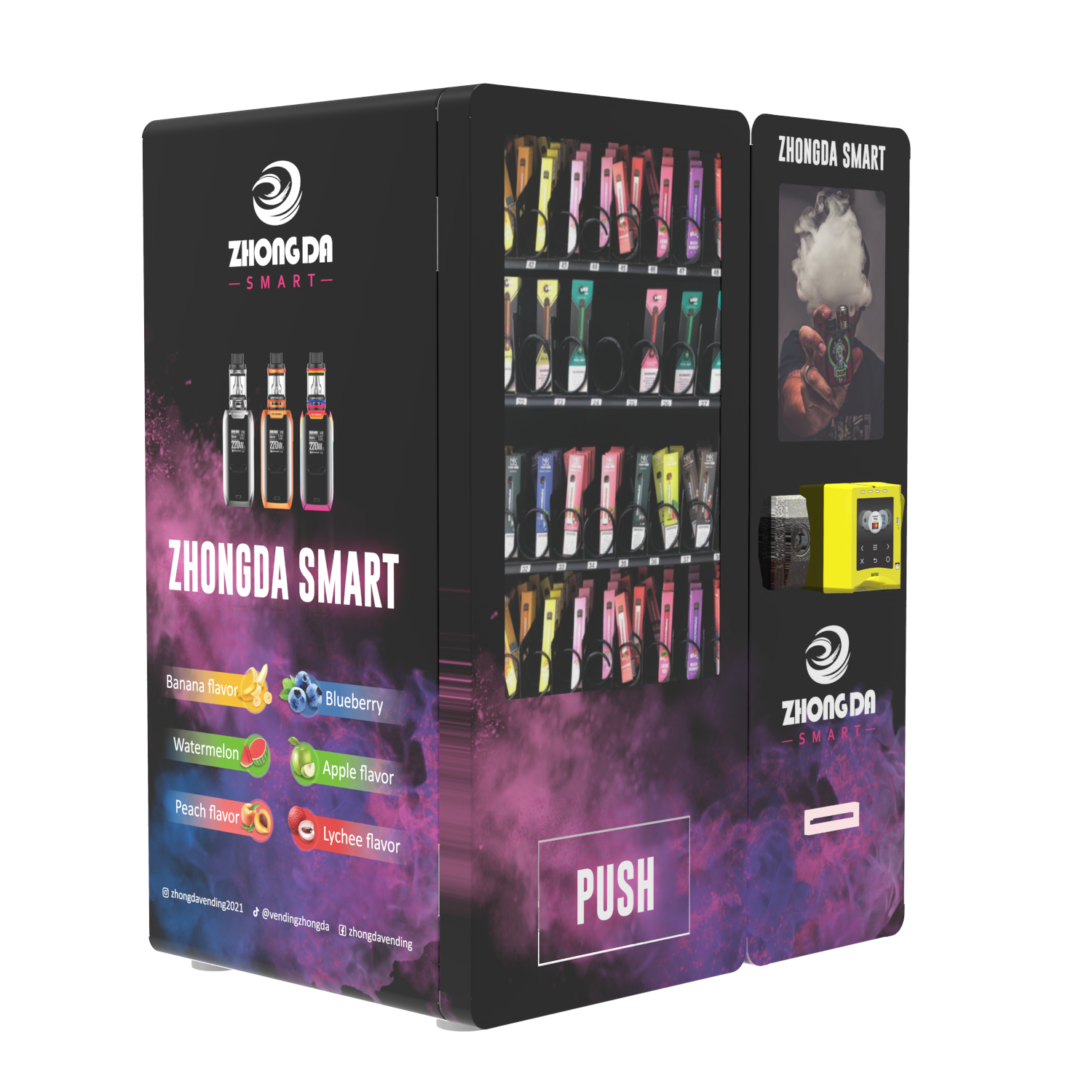
I have worked with many manufacturers over the years. Zhongda smart stands out for two reasons. First, they build machines specifically for the vape market, not converted snack machines. The spirals, sensors, and software are all designed around nicotine products. Second, they offer customization. If your club needs a specific color, a custom payment system, or a different verification method, they can do it. I have ordered machines with club logos on the side and custom firmware that integrates with membership databases. That level of flexibility is rare.
For clubs that want a machine that just works, I suggest looking at their compliant e-cigarette vending machine. It meets the strictest age verification requirements and has a proven track record in high-traffic locations. I have deployed this model in fifteen clubs, and the failure rate is under two percent.
Long-Term Operations and Maintenance
A vape vending machine for member access is not a set-and-forget device. It requires regular attention. I recommend checking the machine at least twice a week. Restock when the inventory drops below thirty percent. Clean the screen and scanner weekly. Dust and fingerprints can cause the scanner to misread IDs.
Software updates are important too. Manufacturers release firmware updates that fix bugs and improve security. I have seen machines get hacked because the operator never updated the software. The hack allowed someone to dispense products without paying. The club lost about a thousand dollars in inventory before they caught it. Update the machine as soon as new firmware is available.
Common Problems and How to Avoid Them
Here are the most common issues I see in club installations:
- Scanner failure: The ID scanner stops working. Usually caused by dust or a loose cable. Clean the scanner weekly and check the cable connections.
- Product jams: A pod or disposable gets stuck in the spiral. This happens when the product is slightly larger than the spiral pitch. Test each product before loading it in bulk.
- Network drop: The machine loses its internet connection. Use a wired connection if possible. Wi-Fi is convenient but less reliable.
- Power issues: The machine shuts down unexpectedly. Check the circuit breaker and make sure the machine is on a dedicated outlet.
- Low sales: The machine is not moving product. Review your pricing and product selection. Ask members what they want. Sometimes the issue is that the machine is in a low-traffic area.
I keep a maintenance log for every machine I manage. It helps me spot patterns. If a machine jams twice in a week, I know to adjust the spiral or switch products. If a scanner fails three times in a month, I replace it. Small problems become big problems if you ignore them.
Risk Management and Legal Compliance
Private clubs are not immune to legal risk. If a minor accesses the machine, the club can face fines, license revocation, and lawsuits. That is why age verification is non-negotiable. I only deploy machines with built-in ID scanning that checks the birth date, expiration date, and security features of the license. Some machines also check against a database of suspended or revoked licenses.
I also recommend keeping a log of every transaction. The log should include the time, date, product purchased, and the ID that was scanned. If there is ever a dispute, you have a record. Most machines store this data automatically. Make sure you back it up regularly.
Insurance is another consideration. Some clubs add the machine to their existing policy. Others buy a separate policy for the vending operation. I have seen claims for theft, damage, and product liability. The cost of insurance is usually under $500 per year. It is worth it.
What the Regulations Look Like Right Now
Regulations vary widely. Some states require the machine to be in a location that is not accessible to the public. Private clubs usually meet that requirement because only members can enter. Other states require the machine to be within sight of a staff member. That is harder for clubs that have unstaffed areas. Check your local laws carefully. I have a news article on my site that covers the legality of vape vending in different states. It is a good starting point, but do not rely on it as legal advice.
One trend I have noticed is that more states are requiring machines to have remote monitoring. The machine sends a report to the state every time a sale is made. This is already required in some parts of Europe, and it is spreading in the US. If you buy a machine from a reputable manufacturer, it should have remote monitoring capability built in. Zhongda smart machines come with a cloud-based dashboard that tracks sales, inventory, and age verification logs. That makes compliance much easier.
Final Thoughts from the Field
I have been doing this for fifteen years. I have seen the market grow from a niche curiosity to a mainstream channel. Private clubs are one of the best locations for a vape vending machine for member access because the environment is controlled, the members are loyal, and the demand is consistent. The key is to choose the right machine, stock it with products that members actually want, and stay on top of maintenance and compliance.
If you are considering a machine for your club, start small. Buy a wall-mounted unit from a manufacturer you trust. Test it for three months. Track the numbers. If it works, expand. If it does not, you have not lost much. I have seen clubs go from zero to six machines in a year because the first one performed so well. The opportunity is real, but it requires smart execution.
For more details on machine specifications and pricing, visit the product pages on my site. I have a full lineup of machines designed for private clubs, and I am happy to answer questions through the contact page.
Frequently Asked Questions
Do I need a special license to operate a vape vending machine in a private club?
Most states require a vending machine license or a tobacco retailer license. Private clubs are not automatically exempt. Check with your local business licensing office. Some states also require the machine to be registered with the state health department. I recommend consulting an attorney who knows local vending laws.
How often do I need to restock the machine?
In a club with average traffic, restock twice a week. If the club is busy, you may need to restock every other day. I check inventory remotely through the machine's dashboard and only visit when a shelf is below thirty percent full. That saves time and ensures the machine never runs out of popular items.
What happens if the machine breaks down?
Most machines have a warranty of one to two years. For issues outside warranty, I keep a stock of common spare parts like scanners, power supplies, and dispensing spirals. I also have a maintenance contract with a local technician. If you buy from a manufacturer like Zhongda smart, they offer remote diagnostics and can ship replacement parts quickly.
Can I use the machine for products other than vapes?
Yes. Many clubs use the same machine to sell nicotine gum, CBD gummies, or even small accessories like lighters and batteries. Just make sure the product fits the spiral pitch. I have seen clubs dedicate one shelf to non-vape items and it works well. Check local laws to see if those products are regulated differently.
How do I handle underage members trying to use the machine?
A machine with a built-in ID scanner will reject anyone under twenty-one. The scanner checks the birth date and expiration date on the license. Some machines also check against a blacklist. If a member tries to use a fake ID, the machine will log the attempt. I have seen clubs ban members who try to bypass the system. The machine itself is the first line of defense.
Sources
IBISWorld – Vending Machine Operators Industry Report (2023)