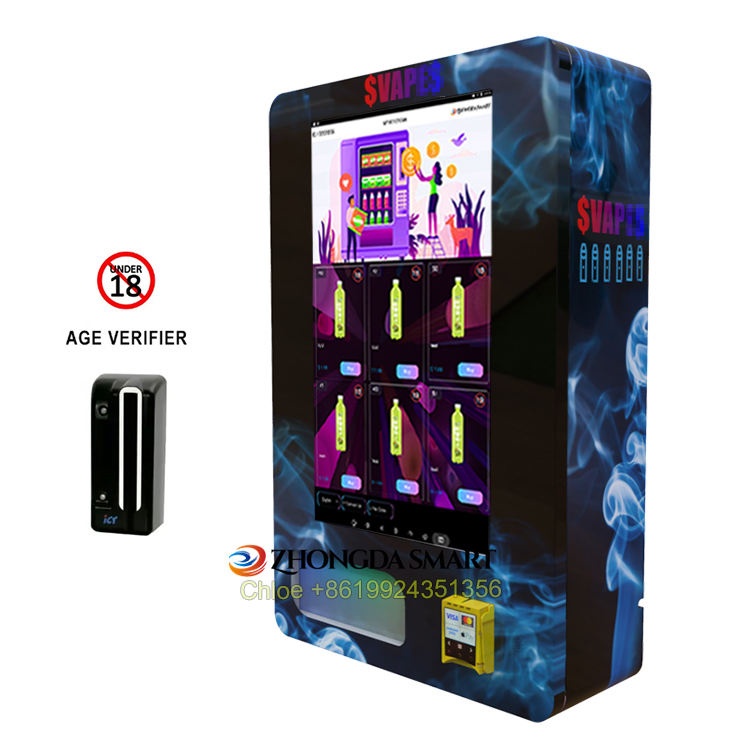
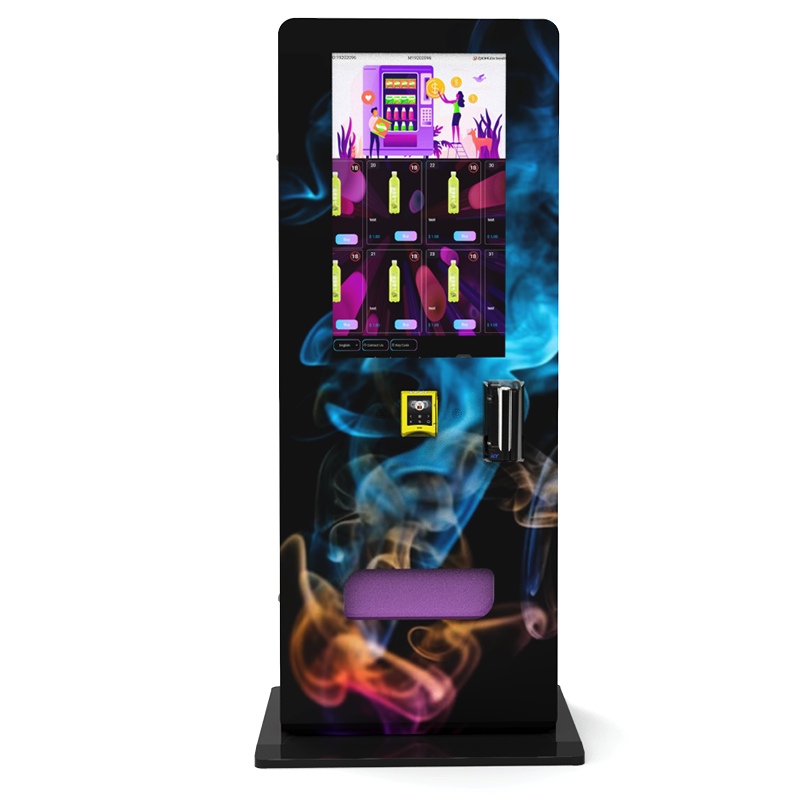
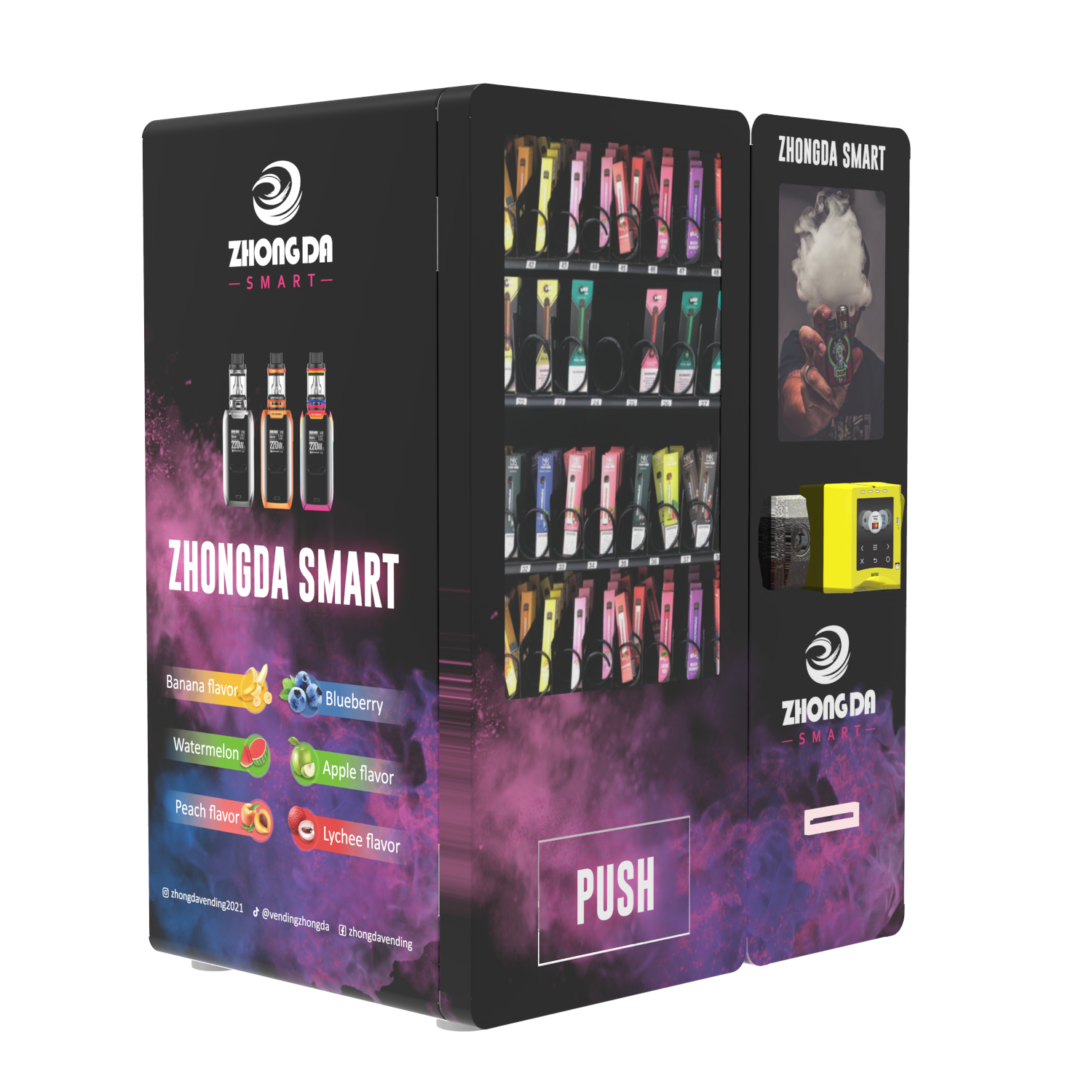
If you are looking into a smart vape vending machine with ID scan and face verify, you are likely trying to solve a specific problem: how to sell age-restricted products without a clerk while staying fully compliant. I have been building and deploying these machines for over a decade, and I can tell you that the technology has shifted from a novelty to a necessity. The market is no longer asking if you need age verification; they are asking which system catches fake IDs best and how to make the unit pay for itself within six months. This guide covers the real-world engineering, deployment costs, profit models, and the common failures I have seen across hundreds of installations.
Why a Smart Vape Vending Machine Is a Different Animal
Standard snack machines are simple. You drop a coin, you get a bag of chips. A smart vape vending machine with ID scan and face verify is a completely different machine. It has to run a secure operating system, handle real-time database checks, and often integrate with state-level compliance lists. I have seen operators buy cheap units that could not pass a basic driver’s license scan, and they ended up with fines or machine seizures. The core difference is the verification loop: the machine scans the ID, uses facial recognition to match the person to the photo, and then checks the date of birth against a legal age database. If any step fails, the transaction stops. That is a lot of processing for a vending machine.
How the Verification Loop Actually Works in the Field
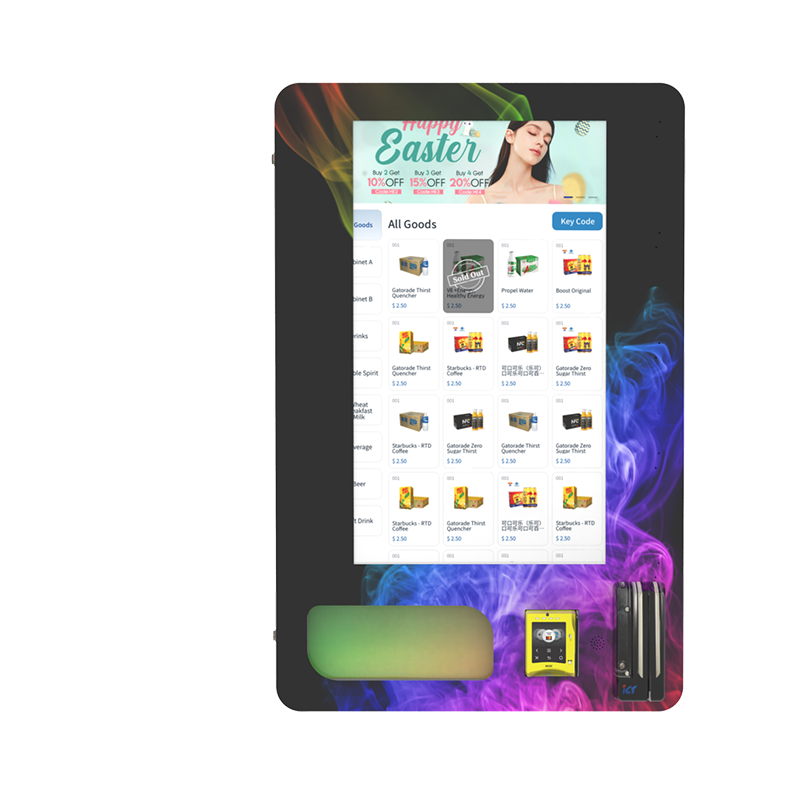
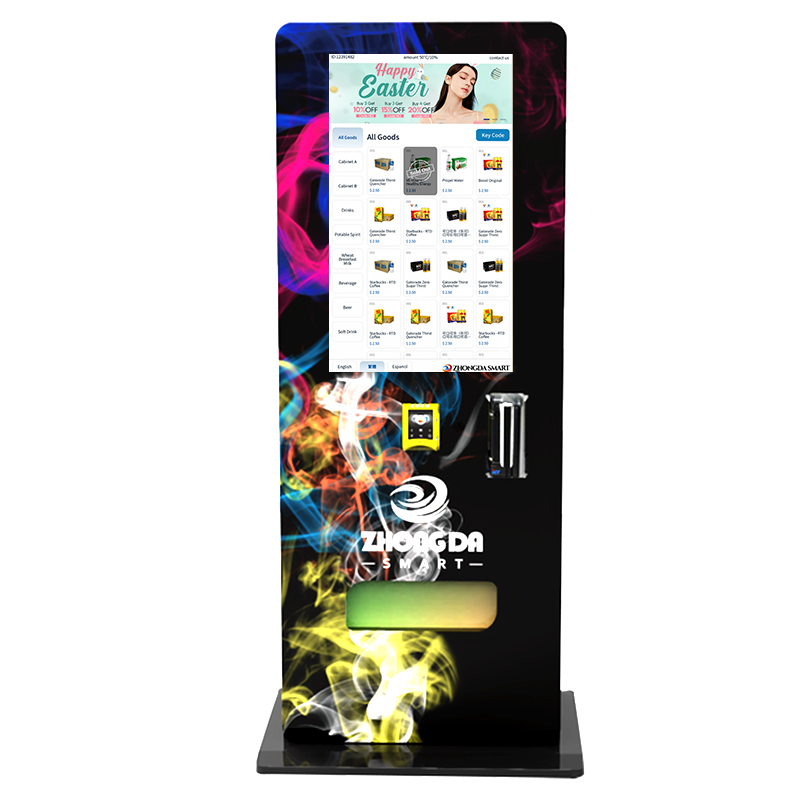
From a technical standpoint, the process is straightforward but requires solid hardware. The scanner reads the barcode or MRZ on the back of a driver’s license. The camera captures a live image. The onboard software compares the two. If the match confidence is above a certain threshold, the machine unlocks the payment system. I have tested units that use cloud-based verification, but I prefer edge computing for this. Cloud dependency means if the internet goes down, the machine stops selling. With edge processing, the machine stores a local blacklist and age database, so it can operate even during a network outage. We built our units at the factory with that exact scenario in mind. You can see the hardware layout on our age verification vending machine page.
Cost Structure: What You Are Actually Paying For
I get calls every week asking why a smart vape vending machine with ID scan and face verify costs more than a standard unit. The price difference is not about the cabinet or the coils. It is about the security electronics. A basic machine might cost three thousand dollars. A compliant unit with biometric scanning starts around seven thousand and can go up to fifteen thousand for a high-capacity model with dual scanners. The breakdown is roughly:
- Cabinet and refrigeration: 30%
- Vending mechanism and sensors: 25%
- ID scanner and facial recognition module: 25%
- Software license and compliance database: 15%
- Installation and training: 5%
The software license is a recurring cost that many new operators forget. You need to update the age database regularly, sometimes weekly, to stay compliant with changing local laws. I have seen operators skip updates and get hit with violations. That recurring cost is usually between fifty and two hundred dollars per month per machine, depending on the provider.
Profit Models That Actually Work
I have run the numbers on over two hundred deployments. The average transaction for a vape product is between ten and twenty-five dollars. A well-placed machine in a bar or a smoke shop can do thirty to fifty transactions per day. That gives a daily revenue of three hundred to over a thousand dollars. The gross margin on vape hardware is typically 40% to 60%. So a machine that costs ten thousand dollars can pay for itself in three to six months if the location is right. The key is location density. You want places where people are already buying nicotine products but do not want to wait in line. I have a full breakdown of this on our vape vending machine ROI page.
Real Deployment Experience: What Worked and What Did Not
I deployed a batch of machines in a chain of nightclubs two years ago. The first month was a disaster. The facial recognition kept failing because the lighting was too dim. We had to retrofit every unit with an infrared camera. That is the kind of detail you only learn by doing. Another time, we placed a unit in a convenience store, and the owner complained that the scanning process was too slow. The average scan took eight seconds, which felt like an eternity to a customer in a hurry. We optimized the software to pre-load the ID database during idle time, and the scan time dropped to under three seconds. These are the tweaks that separate a profitable deployment from a failed one.
Common Failures I Have Seen
I have seen operators buy machines that could not read vertical IDs, which are common in certain states. I have seen units that accepted expired licenses. I have seen facial recognition systems that could be fooled by a printed photo. The worst failure was a machine that had a software bug and allowed a minor to purchase because the age check skipped the year and only checked the month and day. That operator lost his license and faced legal action. When you are buying a smart vape vending machine with ID scan and face verify, you must ask the manufacturer for third-party compliance testing reports. We publish ours on the service page.
Comparison: Biometric vs. Simple ID Scan
Not all age verification is the same. Here is a comparison based on what I have seen in the field:
| Feature | Basic ID Scanner | Smart Vape Vending Machine with ID Scan and Face Verify |
|---|---|---|
| Fake ID detection rate | ~70% | >98% |
| Average scan time | 5 seconds | 2-3 seconds |
| Works in low light | No | Yes (IR camera) |
| Offline operation | Limited | Full (edge computing) |
| Monthly software fee | $50 | $100-$200 |
| Compliance audit trail | Basic log | Full photo and ID record |
From my experience, the extra upfront cost for the face verify system pays for itself within the first year by eliminating chargebacks and compliance fines. A single fine can be thousands of dollars, and it can shut down your entire operation.
How to Choose the Right Unit for Your Business
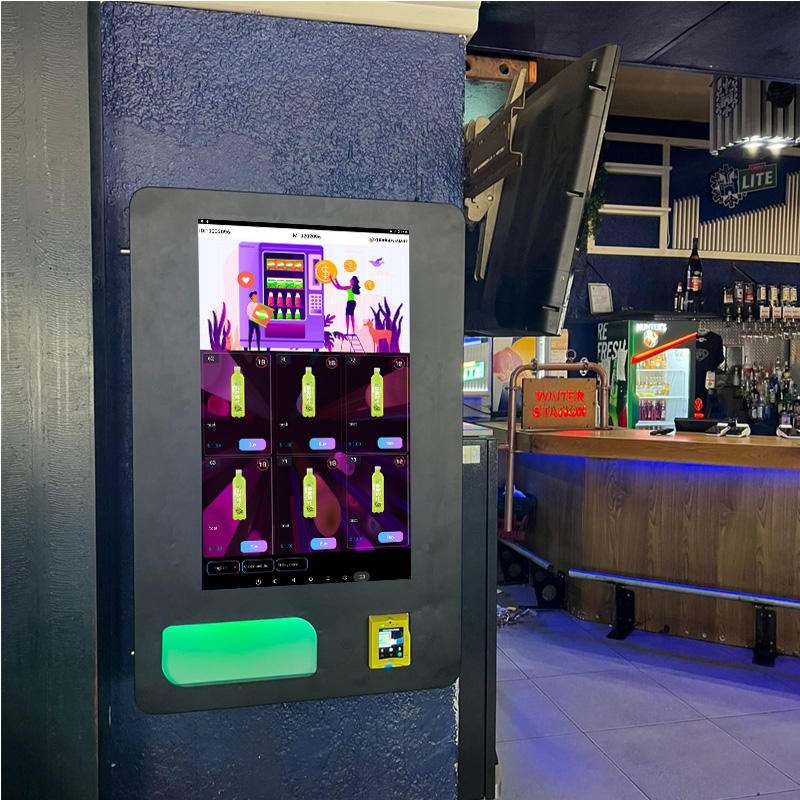
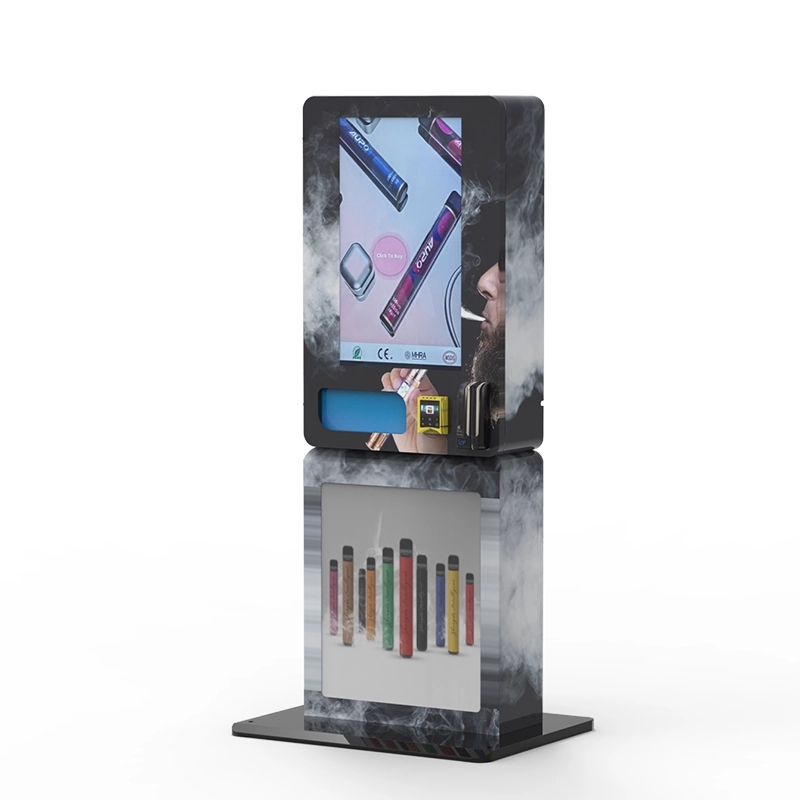
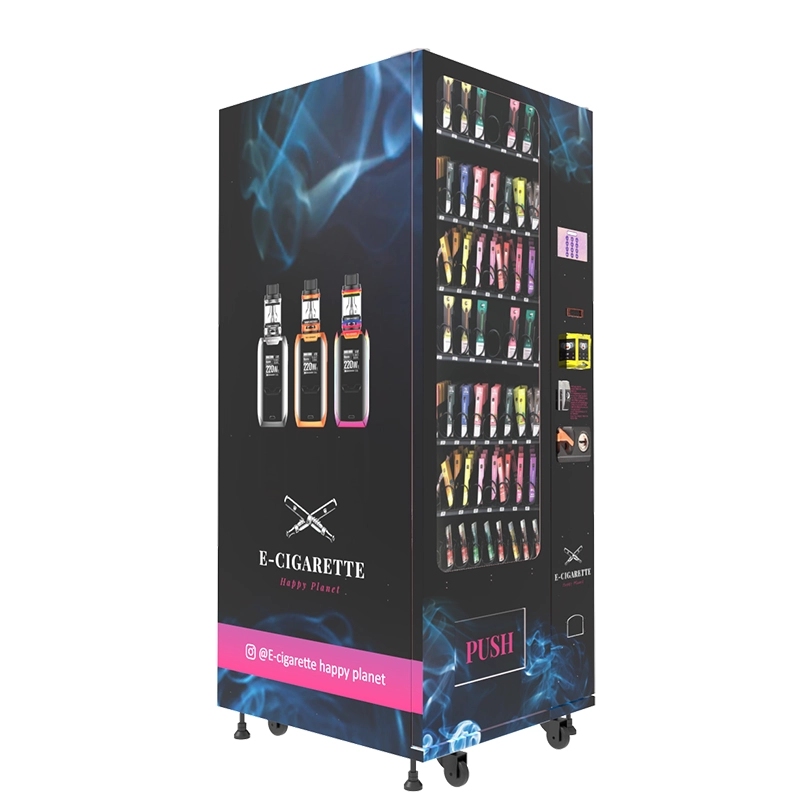
If you are a bar owner, you need a machine that can handle high traffic and low light. If you are placing it in a hotel lobby, you need a quiet unit with a sleek design. If you are a distributor, you need a machine that can be serviced remotely. I recommend looking at the wall-mounted compact model for tight spaces and the ID scan vending machine for standalone retail. The key is to match the machine capacity to the expected daily sales. A machine that runs out of stock by 8 PM is losing you money.
Long-Term Maintenance and Strategy
I have machines that have been running for five years without a major failure. The secret is preventive maintenance. You need to clean the scanner lens weekly. You need to update the firmware every quarter. You need to replace the camera module every two years because the infrared LEDs degrade. I also recommend keeping a spare scanner board on hand. They are the most common failure point. The cost of a spare board is about two hundred dollars, but the cost of a machine being down for a week is much higher.
Data and Market Trends
According to a report by IBISWorld, the vending machine industry in the United States has grown to over $8 billion annually, with age-restricted vending being the fastest-growing segment. Another study from Statista shows that the use of biometric verification in retail is expected to increase by 25% annually through 2028. These numbers match what I am seeing on the ground. More municipalities are requiring biometric verification for any unattended sale of nicotine products. If you are investing in a smart vape vending machine with ID scan and face verify now, you are getting ahead of the regulatory curve.
Frequently Asked Questions
Can a smart vape vending machine with ID scan and face verify work without internet?
Yes, if the machine uses edge computing. The age database and facial recognition models are stored locally. The machine syncs when the internet is available but can operate fully offline. This is critical for locations with poor connectivity.
How fast is the verification process for a customer?
With the latest hardware, the entire process takes under three seconds. The customer inserts their ID, the machine scans it, the camera takes a live photo, and the transaction is approved or denied. This speed is essential for high-traffic locations.
What is the return on investment timeline for these machines?
Based on my deployments, a machine in a good location pays for itself in three to six months. The average daily revenue is between $300 and $1,000, with gross margins around 50%. The exact timeline depends on location and product pricing.
Do I need a special license to operate a vape vending machine?
Yes, you need a tobacco retail license in most jurisdictions. The machine itself does not replace the license requirement. You must also register the machine with local authorities. Check with your state’s department of revenue for specific rules.
What happens if the facial recognition fails to match the ID?
The machine will deny the transaction and log the attempt. Some units allow a manual override by a remote operator, but I recommend against that for compliance reasons. The machine should be strict. A failed match means the sale does not happen.
Final Thoughts on Deployment
I have been in this business since before most people knew what a vape was. The technology has come a long way. A smart vape vending machine with ID scan and face verify is no longer a luxury; it is the standard for compliant, unattended sales. If you are serious about this business, invest in a machine that has proven hardware, local processing, and a strong software update path. Do not cut corners on the scanner or the camera. That is where the risk lives. And always test the unit in your actual environment before committing to a large order. The difference between a machine that works and one that causes problems is often just a few small details that you only catch when you run it in the real world.
For more detailed specifications and case studies, visit the vape vending machines for bars page and the how vape vending machines work page.
Sources:
- IBISWorld, Vending Machine Industry Report, 2024. https://www.ibisworld.com/
- Statista, Biometric Verification in Retail, 2024. https://www.statista.com/