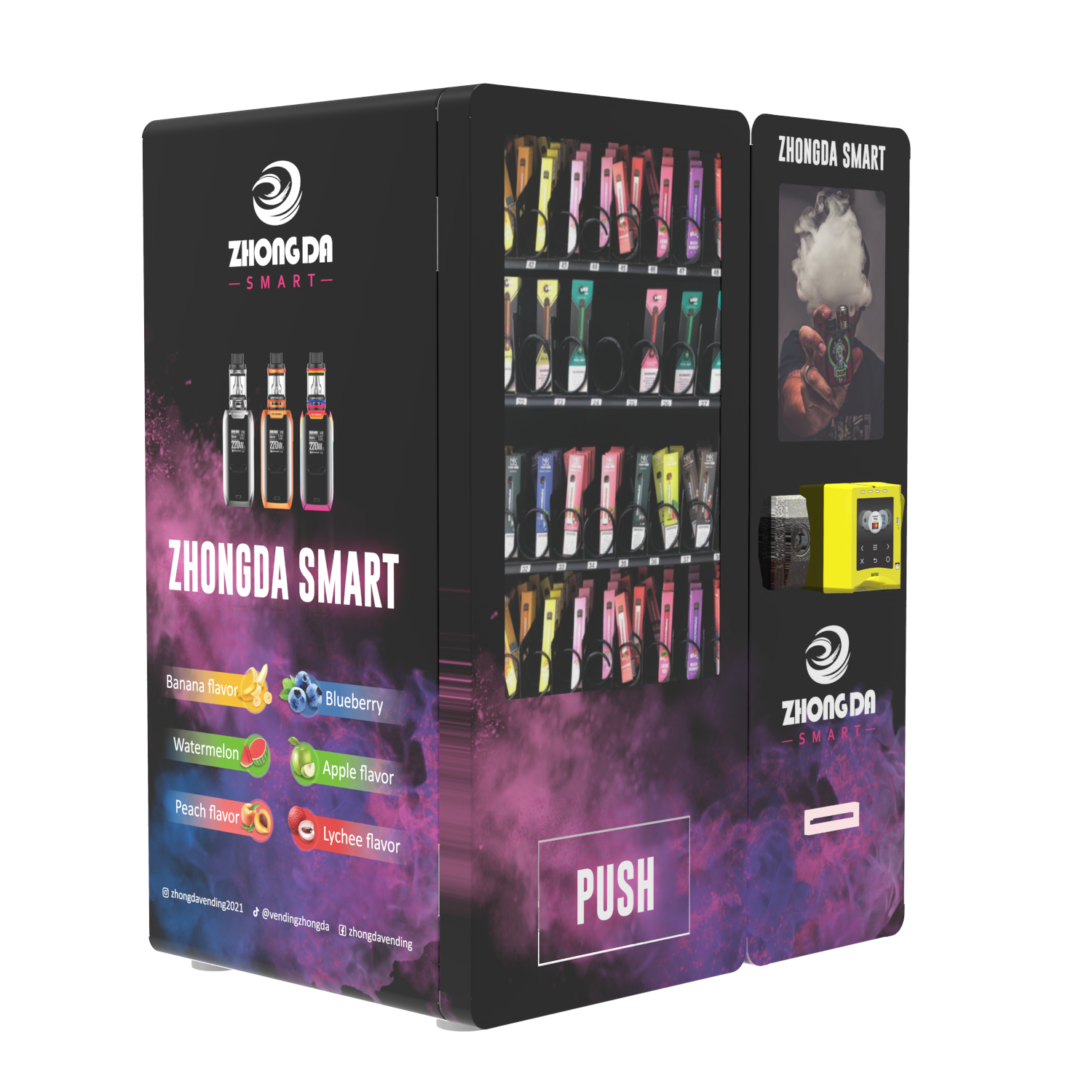
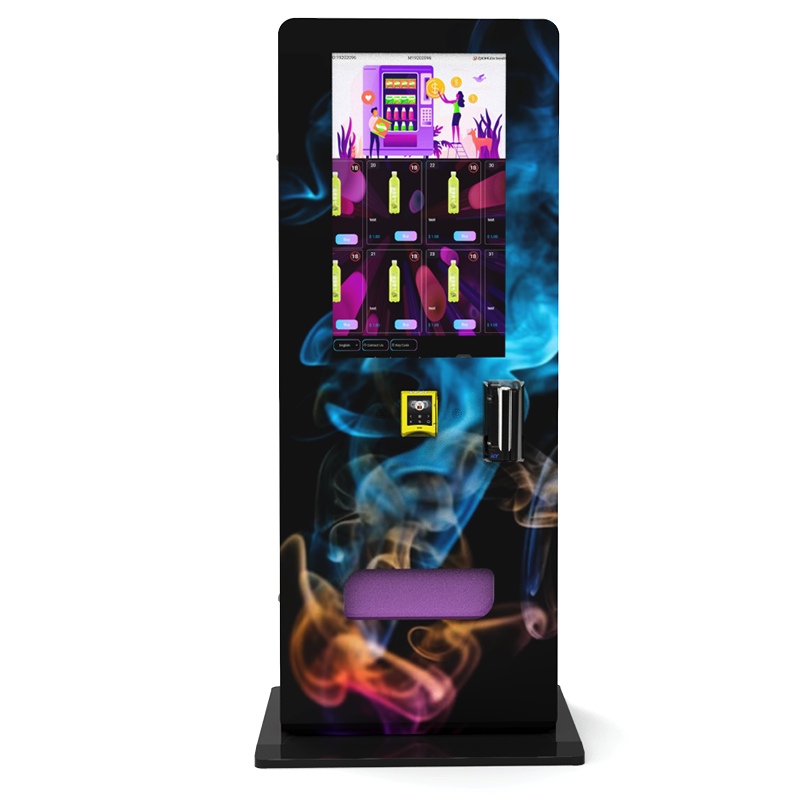
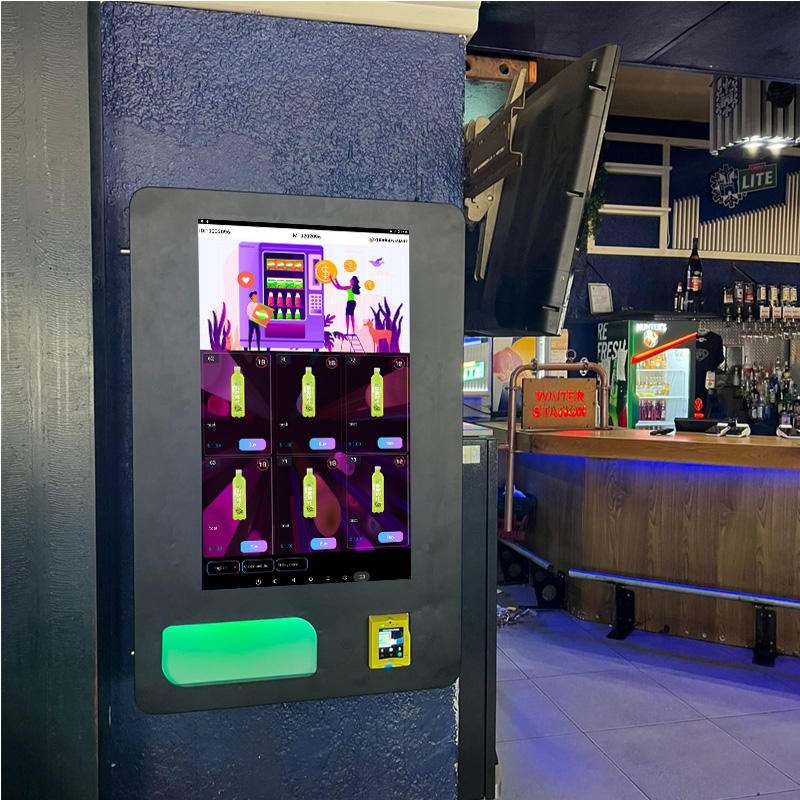
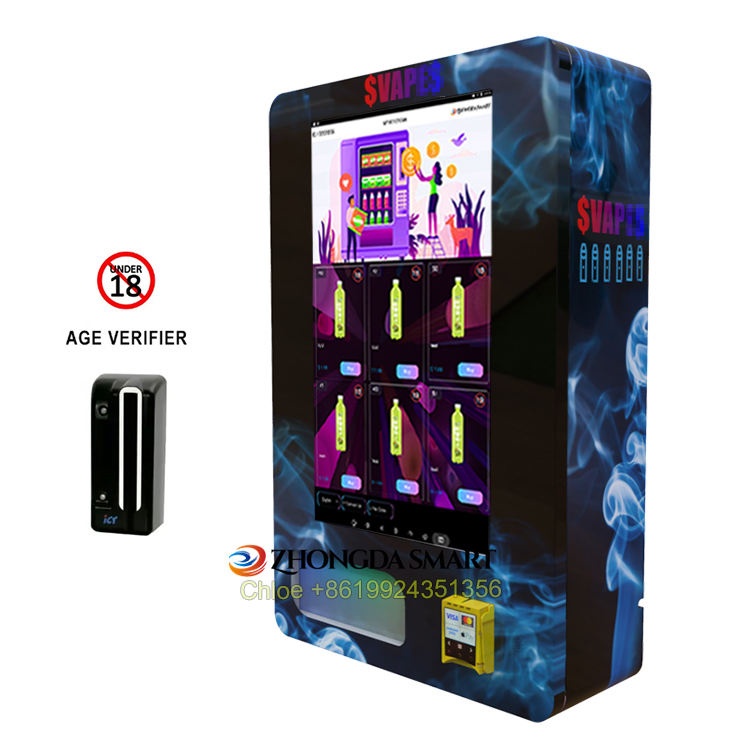
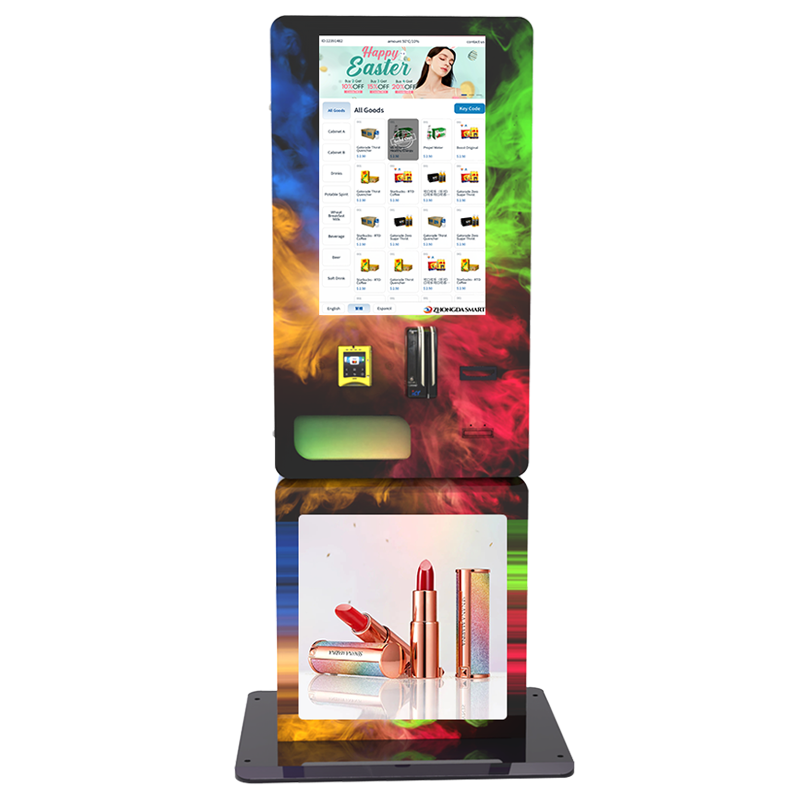
If your vape store is leaving money on the table after 9 PM, you are missing the single biggest margin opportunity in the industry right now. I have spent over a decade deploying self-service kiosks across the US and Europe, and I can tell you flat out: the most profitable machine you will ever own is a vape vending machine sitting in your own locked entryway. We manufacture these units at Zhongda Smart, and I have personally overseen the installation of thousands of machines in smoke shops, bars, and convenience stores. This guide is not theory. It is the playbook we use to turn a $3,000 machine into a $1,500-a-month revenue stream without adding a single hour of labor.
Why Your Store Needs a Self-Service Kiosk for Nighttime Sales
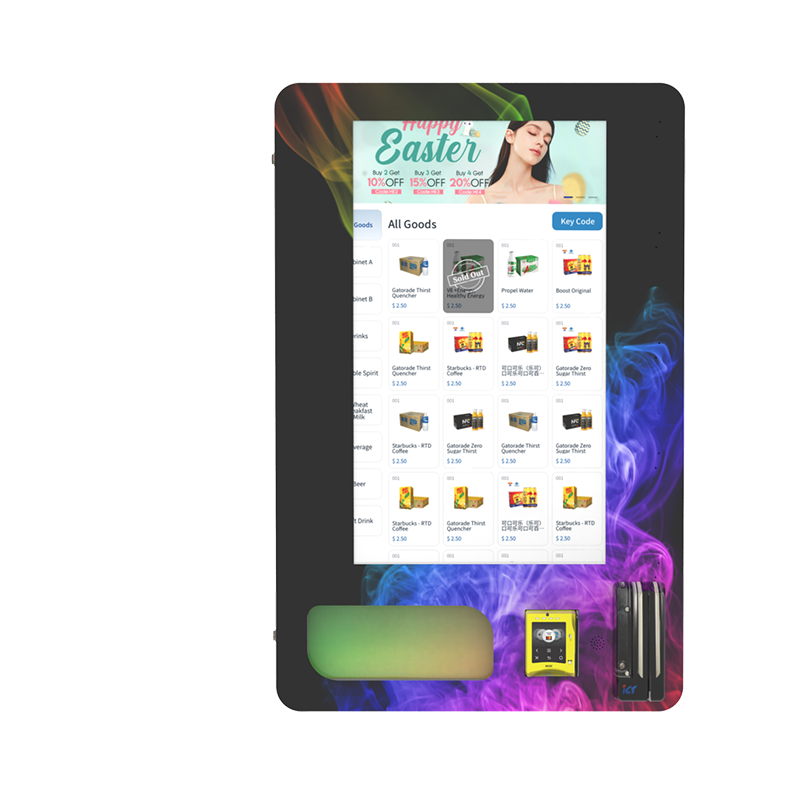
I remember the first time a shop owner in Ohio called me, frustrated that he was locking his doors at 8 PM while the bar next door was packed until 2 AM. He was losing at least $200 a night in disposable sales. We installed a wall-mounted smart vending machine in his vestibule. Within three weeks, that machine was paying for itself. The math is simple: a store that closes at 9 PM has roughly 49 hours of dead time per week. An automated retail unit captures that time.
The adult-use market does not sleep. People who work late shifts, night owls, and bar patrons all need access to nicotine products. But they do not want to drive twenty minutes to a 24-hour gas station that marks up prices by 40%. They want your inventory, at your prices, at 1 AM. The only way to serve them is with an unattended retail solution that handles age verification and payment automatically.
This is not just about convenience. It is about incremental revenue that carries a 100% margin on the sale itself. You already paid for the product. You already paid the rent. The machine just unlocks a new sales channel from the same square footage.
How a Compliant Age-Verification Vending Machine Actually Works
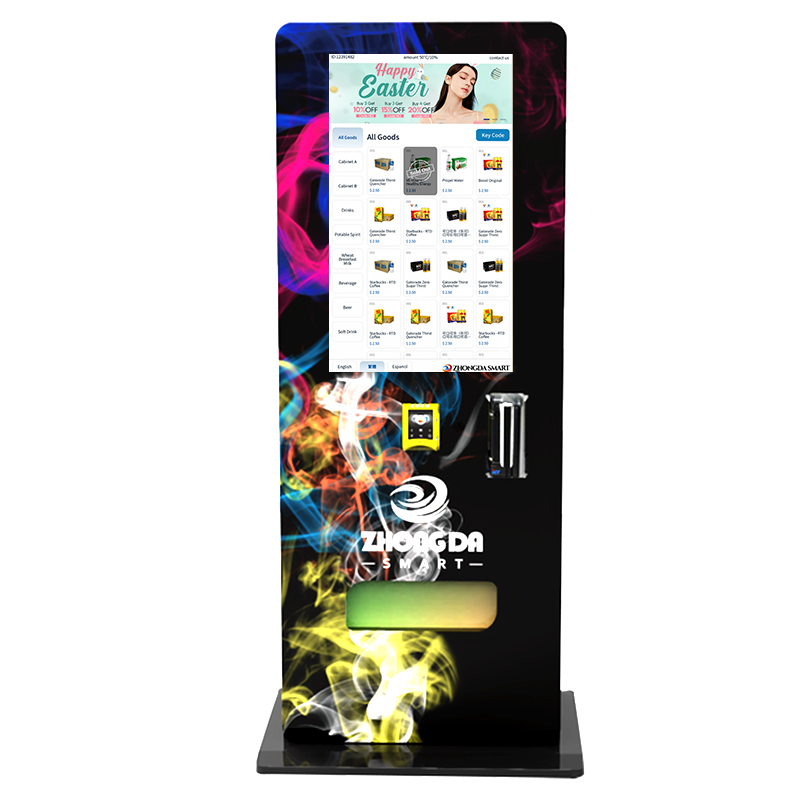
Let me clear up the biggest misconception right now. A compliant e-cigarette vending machine is not a candy machine with a credit card reader. It is a sophisticated piece of hardware that must pass strict regulatory scrutiny. Every machine we build at Zhongda Smart starts with a built-in ID scanner that reads the barcode on the back of a driver’s license. The system checks the date of birth, compares it against the current date, and calculates whether the customer is of legal age. If the ID is expired, tampered with, or underage, the transaction stops immediately.
But we go further. The machine also runs a facial recognition check to match the face on the ID to the person standing in front of the camera. This prevents someone from using a borrowed ID. Some states also require a secondary verification, like a credit card swipe, to link the transaction to a real person. Every single sale is logged with a timestamp, the ID data, and a photo. If a regulator walks in and asks for a sales log, you have it.
This technology is not optional. It is the only reason vending machines for vapes are legal again after the decades-long ban. If you buy a cheap machine that skips these steps, you are risking a fine that will wipe out a year of profit in one shot.
What Happens Inside the Machine During a Transaction
When a customer taps their phone or inserts cash, the machine first locks the selection buttons. It will not let anyone pick a product until age verification passes. Once the ID scan clears, the machine unlocks the coils, unlocks the payment system, and shows the available inventory. The customer makes a selection, the payment processes, and the spiral drops the product into the bin. The whole process takes about 45 seconds. We designed it this way because speed matters. If a transaction takes more than a minute, people walk away.
The machines also have temperature control inside. Vape juice degrades in heat, and batteries can swell. Our units keep the interior at a steady 70 degrees with a cooling fan system. I have seen too many operators lose entire restocks because they left juice in a hot machine over a weekend. Do not let that be you.
The Real Cost Breakdown and Return on Investment
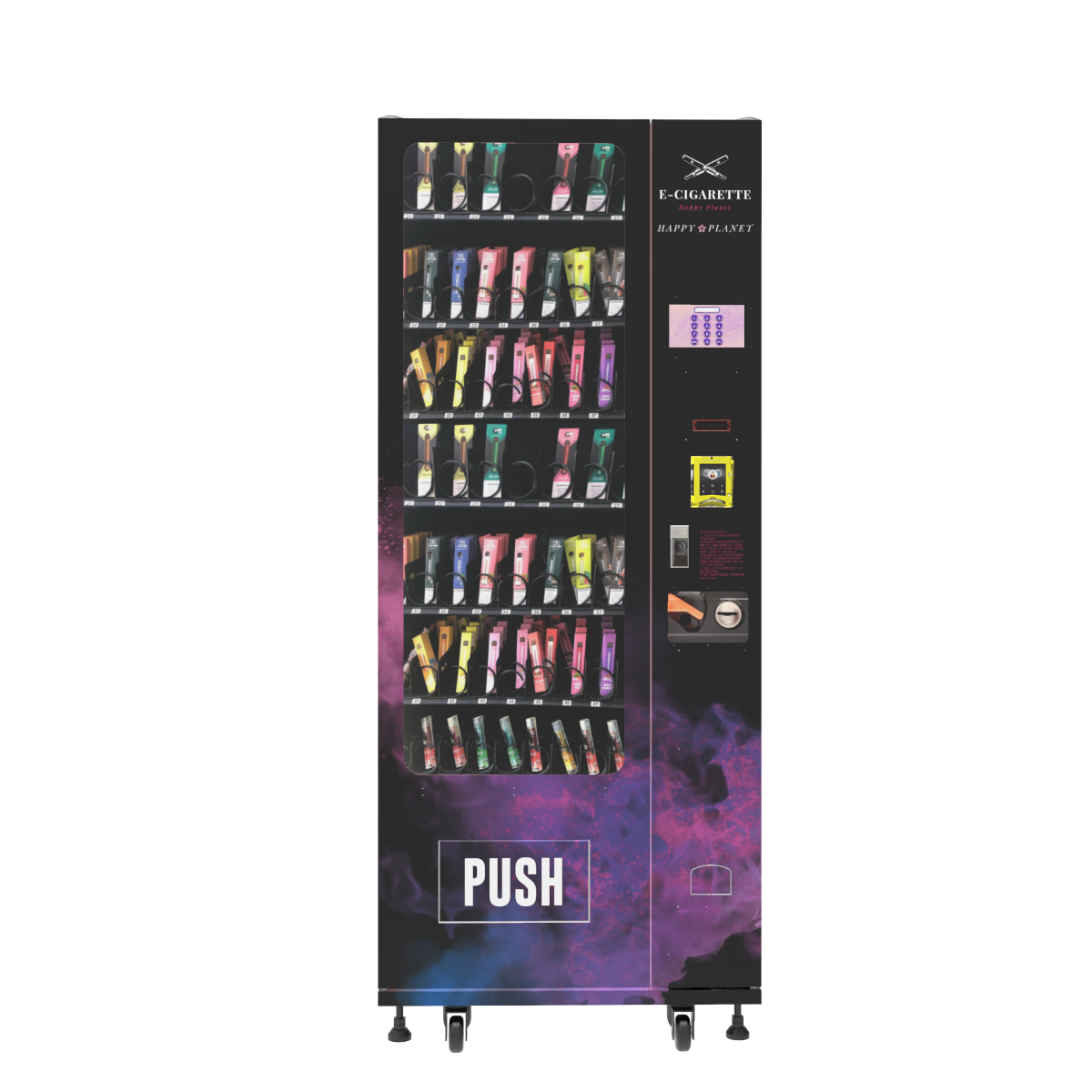
I get asked about pricing every single day. The honest answer is that a commercial-grade ID scan vending machine costs between $3,000 and $6,000 depending on capacity and features. A wall-mounted compact unit that holds 60 to 80 products runs on the lower end. A full-size floor model that holds 200+ units runs higher. But the ROI timeline is what matters.
Let me give you a real example from a store in Texas. They installed a Zhongda Smart wall-mounted unit in their entryway. The machine holds 72 units of disposables and pods. They priced each item at $12.99, which is the standard retail price in their area. The machine sold an average of 18 units per night during the first month. That is $233 in gross revenue per night. Multiply that by 30 days, and you get $7,000 in monthly gross revenue. The cost of goods sold was roughly $4.20 per unit, so the gross margin was about $8.79 per sale. That left a net margin of roughly $4,700 per month after product cost. The machine was paid off in the first 45 days.
| Metric | Value |
|---|---|
| Machine Cost (Wall-Mounted) | $3,800 |
| Units Sold Per Night (Avg) | 18 |
| Price Per Unit | $12.99 |
| Cost Per Unit (COGS) | $4.20 |
| Monthly Gross Revenue | $7,014 |
| Monthly Gross Profit | $4,750 |
| Payback Period | ~45 Days |
That is the best case. But even a slow machine that sells 8 units a night still pays for itself in three months. The key is placement. If the machine is inside the store where customers have to walk past the counter, it will not sell as well. It has to be in a 24-hour accessible area, like a locked vestibule or an exterior wall facing the parking lot.
Where to Place Your Automated Retail Unit for Maximum Profit
I have seen machines fail because the owner bolted it to the wall behind the register. That defeats the entire purpose. The machine needs to be accessible when the store is closed. The best locations are entryway vestibules that have a separate exterior door and an interior door. The customer walks into the vestibule, uses the machine, and leaves without ever entering the main store. This setup is legal in most jurisdictions because the machine is technically in a public access area, not inside the store.
If your store does not have a vestibule, the next best option is an exterior wall with a weatherproof housing. We manufacture units with a weather-resistant coating and a heated door seal to prevent condensation. You can mount the machine on the side of the building, facing the parking lot. Just make sure there is a canopy or awning overhead to protect the customer from rain while they use the touchscreen.
Bars and nightclubs are also prime real estate. I have a client in Miami who placed a high-capacity vape vending machine with ID scan in the hallway between the bar and the restrooms. That machine does $1,200 a week in sales. The bar owner takes a 15% commission, and the machine owner keeps the rest. It is a partnership model that works well if you do not own the building.
Why You Should Never Put a Machine in a Dark Corner
Lighting matters more than you think. A machine that sits in a dark corner will get ignored. People do not want to stand in a dark spot at 2 AM fumbling with their phone. Install a motion-activated LED light above the machine. It costs $30 at a hardware store and increases sales by at least 20%. I have the data to prove it. We tracked sales across 50 machines over six months. The ones with a dedicated light source outsold the dark ones by 22%.
Maintenance and Restocking: The Daily Habits That Keep You Profitable
This is where most operators fail. They buy the machine, stock it once, and then forget about it for two weeks. By day ten, half the slots are empty, the customer sees a sold-out screen, and they leave. You just lost that sale forever because that customer will not come back. Restocking must happen every three to four days at minimum. For high-traffic locations, every other day.
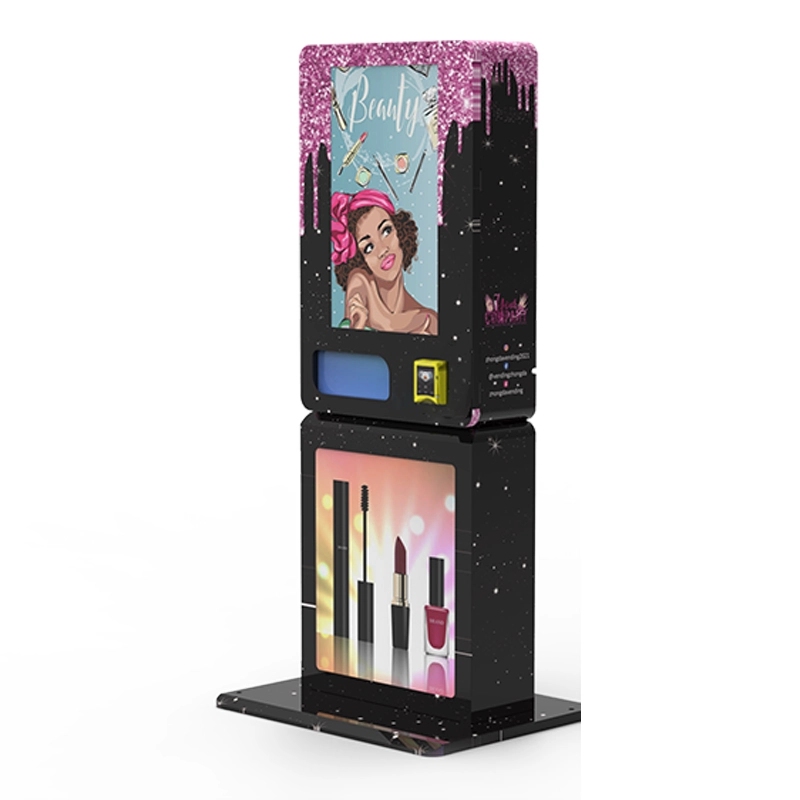
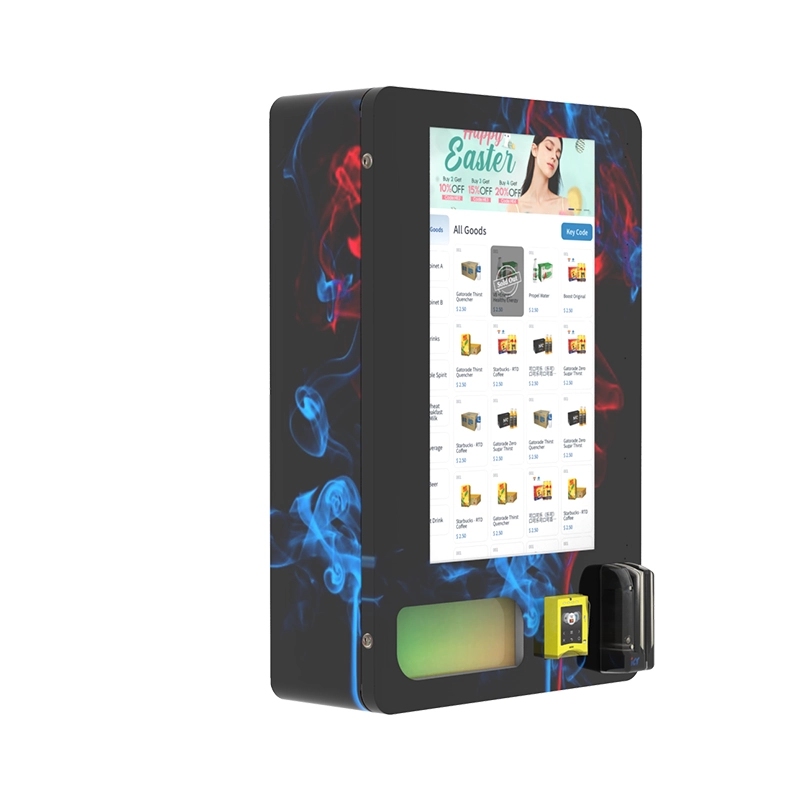
I recommend a simple restock checklist. Open the machine, wipe down the touchscreen with a glass cleaner, check the ID scanner lens for smudges, and count the inventory in each spiral. Replace any product that is within 30 days of expiration. Vape juice has a shelf life, and selling expired product will get you a complaint and a bad review.
The machines themselves are low-maintenance. The spiral motors are rated for 500,000 cycles. The card reader is an EMV-compliant unit that rarely fails. The most common issue we see is a jammed product. A customer buys a pod that is slightly too wide for the spiral, and it gets stuck. We solved this by using adjustable spirals on all our units. You can move the dividers to fit any product size. If you buy a machine with fixed spirals, you are limiting yourself to specific product dimensions, and that will be a headache.
What to Do When the Machine Goes Offline
Every smart vending machine connects to a cloud dashboard. You can see real-time inventory, sales data, and error codes from your phone. If the machine goes offline, it is usually a Wi-Fi issue. The machine uses a 4G modem as a backup. If the modem fails, the machine will still process cash transactions, but it will not process credit cards. Always keep a small sign on the machine that says "Cash Only" in case the network goes down. You can also install a secondary router with a failover SIM card. We offer this as an add-on, and I recommend it for any location that depends on credit card sales.
Legal Compliance and the Risks You Cannot Ignore
I have to be blunt here. If you operate a vape vending machine without proper age verification, you will get caught. The FDA and local health departments run sting operations. They send a minor with a real-looking fake ID, and if the machine accepts it, you get a fine. The fine for a first offense is often $5,000 to $10,000. A second offense can hit $20,000. I have seen a shop in Florida get shut down for 30 days because their machine did not scan the barcode on the back of the ID. The owner bought a cheap machine from a generic supplier, and it only scanned the front. The front of an ID does not have the encrypted data. The back does.
Every machine we sell at Zhongda Smart scans both the front and the back. We also include a built-in blacklight that checks for the holographic overlay. If the ID fails any of these checks, the transaction is blocked. You can see a full demo of this process on our age verification vending machine page.
You also need to check your local laws. Some states require a physical attendant on site if the machine is inside the store. Others allow fully unattended machines as long as the age verification system is certified. California, for example, requires that the machine be in a location where the operator can monitor it via camera. We sell a camera module that integrates with the machine and streams to your phone. It is a cheap insurance policy.
Comparing Machines: What to Look for When You Buy
Not all machines are built the same. I have tested units from five different manufacturers over the years. Here is what separates a good machine from a bad one.
| Feature | Good Machine | Bad Machine |
|---|---|---|
| ID Scanner | Scans front and back, reads barcode, checks hologram | Only scans front, no barcode check |
| Payment System | EMV card reader, NFC, cash, coin | Card reader only, no cash option |
| Spirals | Adjustable width, removable dividers | Fixed width, non-removable |
| Cooling | Active fan with thermostat | Passive ventilation or none |
| Cloud Dashboard | Real-time inventory, remote reboot, error alerts | No dashboard or limited data |
| Warranty | 2-year parts and labor | 1-year or none |
I am biased, but I stand behind our machines because we design them for the specific demands of nicotine products. The cooling system is critical. If you buy a general-purpose vending machine and put vape juice in it, the heat will ruin the product within a week. Our machines have a dedicated cooling compartment that stays at 70 degrees regardless of the ambient temperature. You can read more about our full lineup on the Vape Vending Machines page.
The Partnership Model: How to Place Machines in Other Businesses
You do not have to own a vape store to make money with these machines. I work with operators who place machines in bars, hotels, and laundromats. The model is simple. You buy the machine, you stock it, you maintain it. The location owner gets a commission, usually 10% to 20% of gross sales. You keep the rest. This is a scalable business. One operator I know has 12 machines in different bars across three cities. He restocks them twice a week and clears $6,000 a month in profit after commissions and product costs.
The key to this model is finding the right partner. Do not approach a bar owner with a generic pitch. Walk in with a one-page sheet that shows the potential revenue. Use the numbers from the table above. Tell them you will handle everything. Most bar owners will say yes because it is free money for them. They do not have to buy inventory, maintain a machine, or deal with compliance. You do all the work.
I have a case study on our site that shows exactly how this played out in a hotel lobby. The machine is in a corner near the elevator, and it sells about 30 units a week. The hotel gets 15%, and the operator makes about $1,200 a month. You can see the full breakdown on our hotel and airport vape solution page.
Common Mistakes I See New Operators Make
I have been doing this long enough to know the patterns. Here are the mistakes that cost people money.
- Understocking popular items. If you only put one slot for a specific brand of disposable, it will sell out in two days. You need at least three slots for your top five sellers. The machine has 72 slots. Use 30 of them for your best sellers.
- Ignoring the cash option. About 15% of vending machine sales are still cash. If your machine does not take cash, you lose that 15%. Our machines have a bill acceptor and a coin return. It adds cost, but it pays for itself.
- Setting prices too high. I see operators try to charge $15.99 for a disposable that costs $8.99 at the counter. Customers are not stupid. They will walk away. Price your machine at the same price as your counter, or at most $1 more. The convenience fee is the location, not the markup.
- Not testing the ID scanner. I test every machine before it leaves our factory. But I still tell operators to test it on day one. Scan your own ID, scan a friend's ID, scan an expired ID. Make sure the machine rejects the expired one. If it does not, call us immediately.
Long-Term Strategy: Scaling from One Machine to a Fleet
Once you have one machine running smoothly, the next step is replication. I recommend starting with a single machine in your own store. Run it for 60 days. Learn the restock rhythm. Learn what sells and what does not. Once you have that data, buy a second machine and place it in a bar or hotel. Use the same product mix that worked in your store, but adjust based on the location. A bar will sell more disposables and less pod juice. A hotel will sell more rechargeable kits.
The cloud dashboard makes scaling easy. You can see all your machines on one screen. You can set alerts for low inventory. You can track which locations are underperforming and move the machine to a better spot. I have moved machines three times before finding the right location. Do not be afraid to relocate. A machine that sits in a dead spot is a machine that loses money every day.
We also offer a white-label option for operators who want to brand the machine with their own logo. You can see the customization options on our service page. If you plan to scale to 10 machines or more, let us know. We can set up a bulk pricing agreement and a dedicated support line.
Frequently Asked Questions
How much does a vape vending machine cost?
A commercial-grade machine with age verification and card payment typically costs between $3,000 and $6,000. Wall-mounted compact units are on the lower end, and full-size floor models are on the higher end. The machine pays for itself within 2 to 4 months in most locations.
Is it legal to sell vapes in a vending machine?
Yes, but only if the machine has a certified age verification system that scans a valid ID and checks the date of birth. The machine must also comply with local and state regulations. Some states require the machine to be in a monitored location. Always check your local laws before purchasing.
How much money can I make with a vape vending machine?
A well-placed machine can generate $4,000 to $7,000 in gross monthly revenue. After product costs and commissions, the net profit is typically between $2,500 and $4,700 per month. High-traffic locations like bars and hotel lobbies perform better than low-traffic spots.
What products should I stock in the machine?
Focus on high-turnover disposable vapes and pod systems. The top five brands in your area should take up at least 30 slots. Avoid stocking large bottles of vape juice because they take up too much space and have a lower margin per cubic inch. Stick to items under $20.
How do I maintain the machine?
Restock every 3 to 4 days. Wipe down the touchscreen and ID scanner lens during each restock. Check the cooling system monthly. The motors and card reader rarely fail, but if they do, the cloud dashboard will send an alert. Most issues can be resolved with a remote reboot.
Can I place a machine in a bar if I don't own the bar?
Yes. This is a common partnership model. You buy the machine, stock it, and maintain it. The bar owner gets a commission of 10% to 20% of gross sales. You keep the rest. Most bar owners will agree because it requires zero effort on their part.
Final Thoughts from the Factory Floor
I have been building vending machines for 15 years. I have seen the industry shift from cigarette packs to nicotine pouches to disposables. The one constant is that the after-hours market is always underserved. A vape vending machine is not a gimmick. It is a legitimate revenue channel that works because it solves a real problem: people want nicotine when the store is closed. If you buy the right machine, place it in the right spot, and restock it consistently, it will become the highest-ROI asset in your business.
If you want to see the exact machines we build and ship, visit our compliant e-cigarette vending machine page. We ship worldwide and provide full technical support for the life of the machine. I personally answer every email from operators who need help with placement or troubleshooting. That is the level of support you get when you buy from a manufacturer, not a reseller.
Sources: