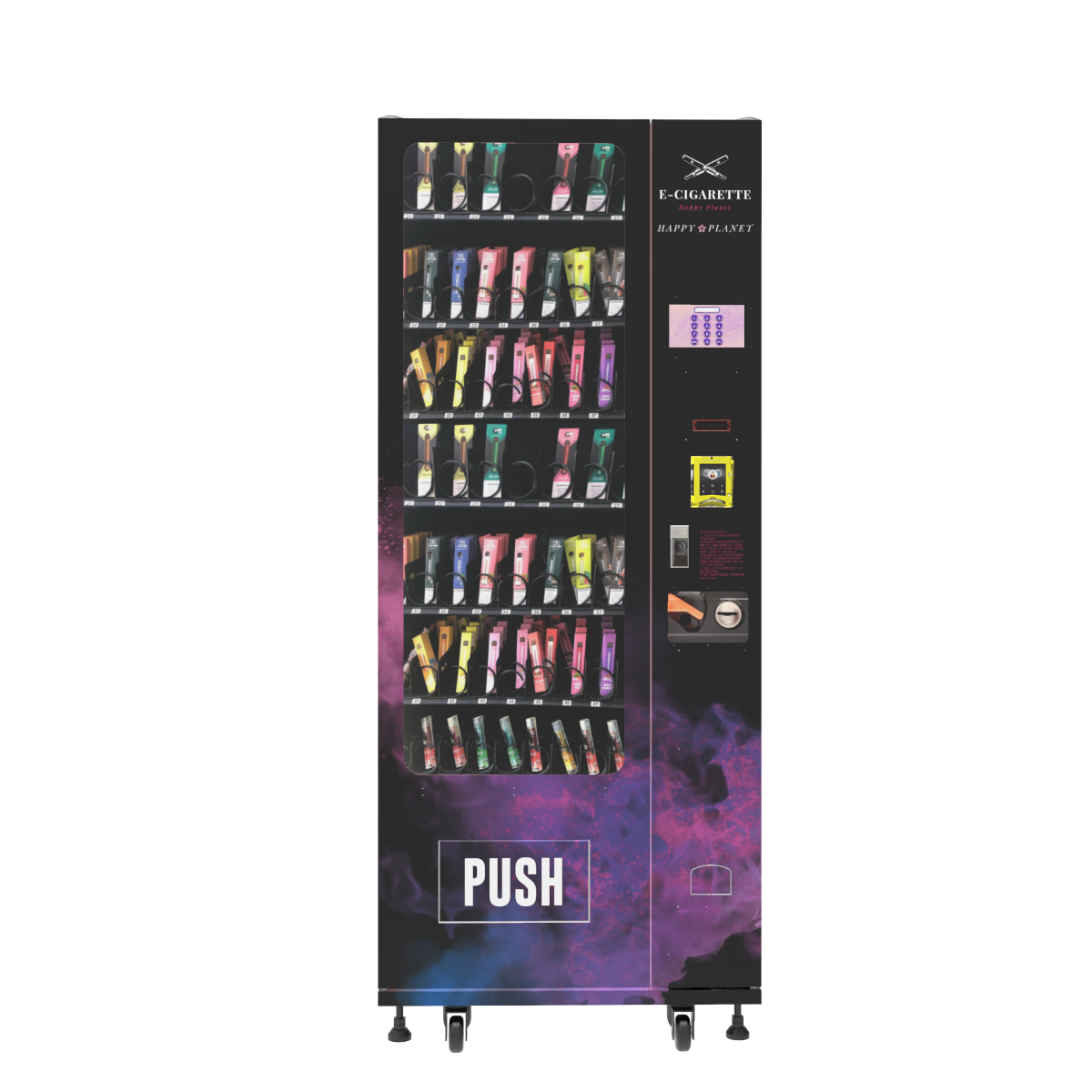
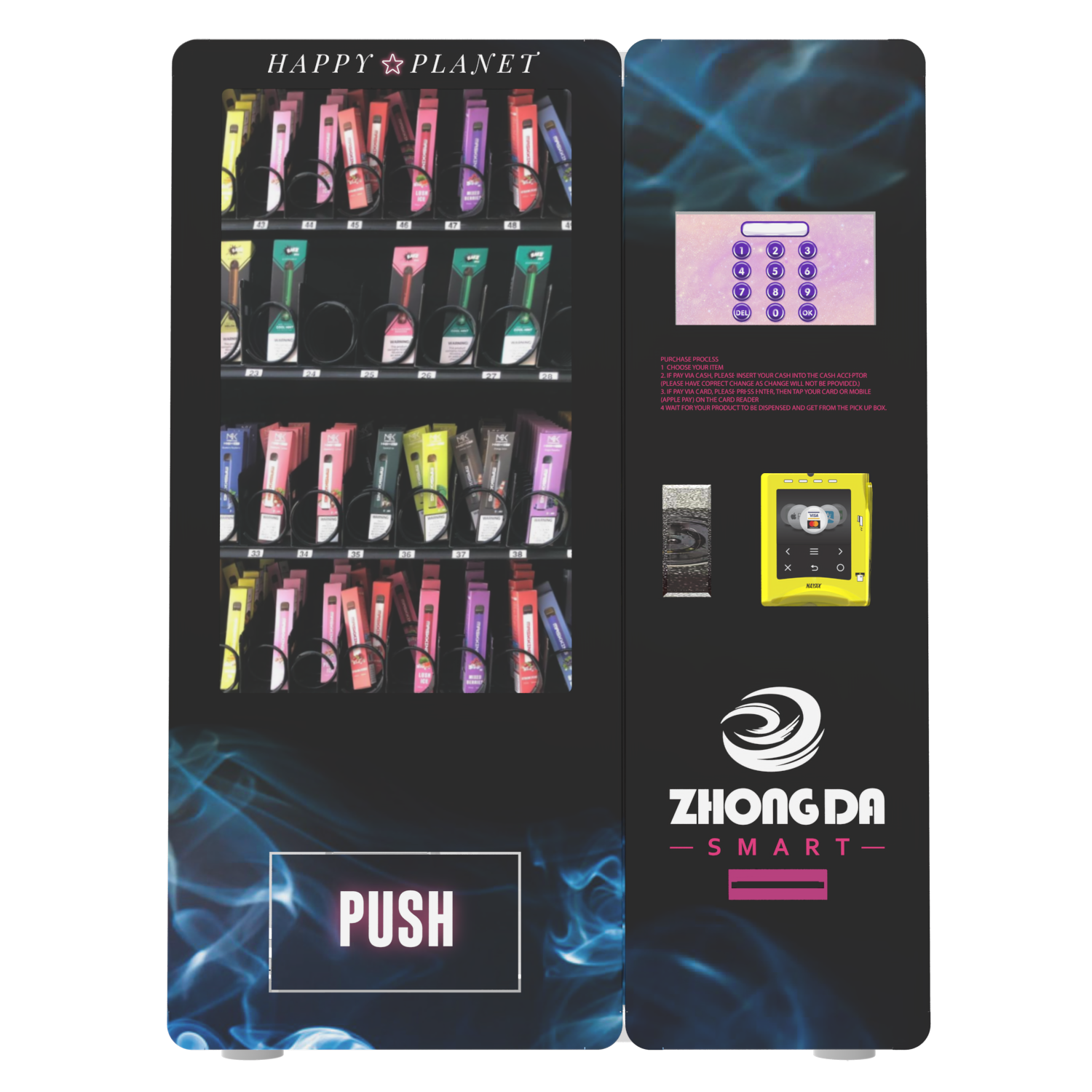
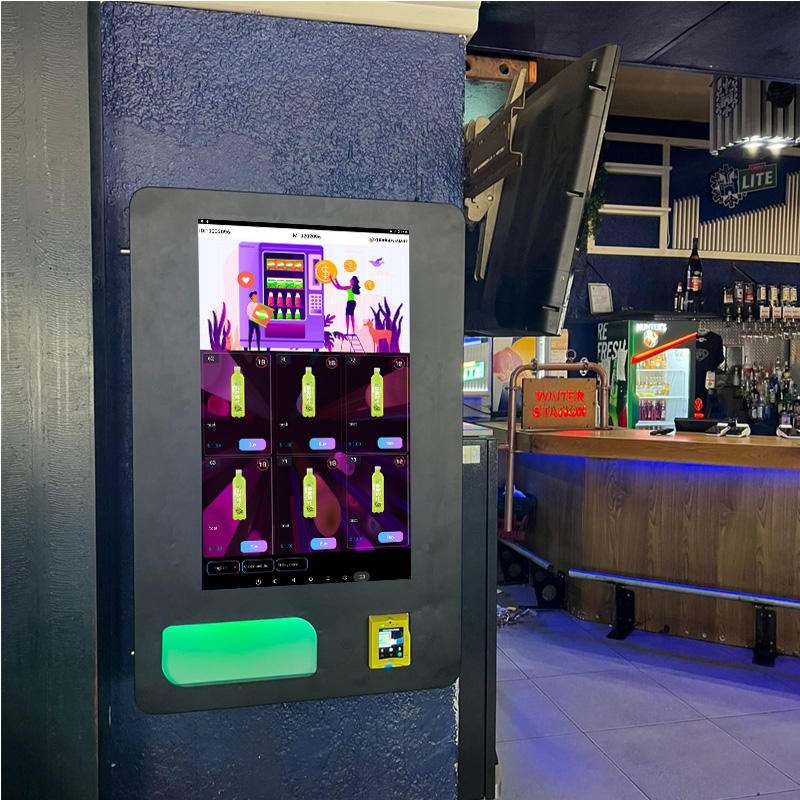
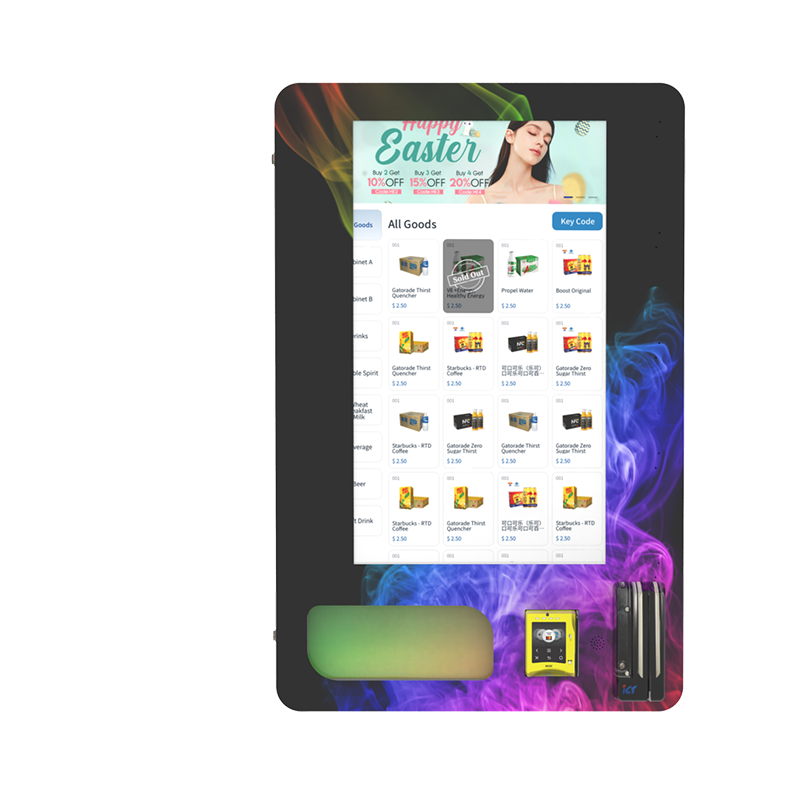
After fifteen years building and deploying smart vending machines for vape products across the United States and Europe, I can tell you the retail landscape has shifted hard. The debate between a smart vending machine for vape products and a manual retail store isn't about which looks cooler—it's about survival margins, compliance automation, and where your dollar actually works harder. I’ve seen operators burn cash on brick-and-mortar leases while their automated competitor down the street runs 24/7 with zero payroll. This guide breaks down the real cost structures, profit mechanics, and deployment headaches I've personally dealt with, so you can decide which model fits your capital and risk tolerance.
The Core Difference: Capital Burn vs. Operational Drag
When I started in this business, manual retail was the only game in town. You signed a five-year lease, hired a manager, bought inventory, and prayed foot traffic covered your overhead. A smart vending machine for vape products flips that model entirely. Instead of paying rent for 1,500 square feet, you pay for a footprint the size of a refrigerator. Instead of three employees per shift, you have a software dashboard.
The biggest mistake I see new operators make is thinking they can run a vending operation like a store. You can’t. A store relies on human interaction—up-selling, customer service, theft prevention through presence. A smart vending machine for vape products relies on hardware reliability, software logic, and precise restocking discipline. I’ve seen both succeed and fail, and the difference usually comes down to understanding where your money goes before you make a dime.
Where Manual Retail Eats Your Margin
Let’s run a quick comparison based on actual numbers I’ve tracked across my own deployments and client operations. A typical vape shop in a mid-tier American strip mall averages around $4,000 to $6,000 per month in rent. You need a store manager at roughly $45,000 a year, plus two part-time employees at $15 an hour each. That’s about $75,000 in labor before you sell a single pod. Add utilities, insurance, point-of-sale fees, and security, and your fixed monthly burn hits around $12,000 to $15,000.
Your break-even on a manual store requires gross margins of 40% to 50% on sales of roughly $30,000 per month just to cover overhead. According to IBISWorld’s 2024 report on the vape retail industry, average profit margins for independent vape shops hover around 6% to 12% after all expenses. That’s thin for the amount of headache involved.
I had a client in Ohio who ran a beautiful vape lounge. Wood shelves, knowledgeable staff, loyalty program. He was doing $35,000 a month in revenue and barely breaking even. His rent was $5,500, labor was $8,000, and he kept losing inventory to employee theft. Six months after switching to a smart vending machine for vape products placed in the same strip mall’s common area, his monthly revenue dropped to $22,000, but his profit jumped because his overhead collapsed to $1,200 for the machine lease and $600 for restocking labor.
What the Smart Vending Machine Changes
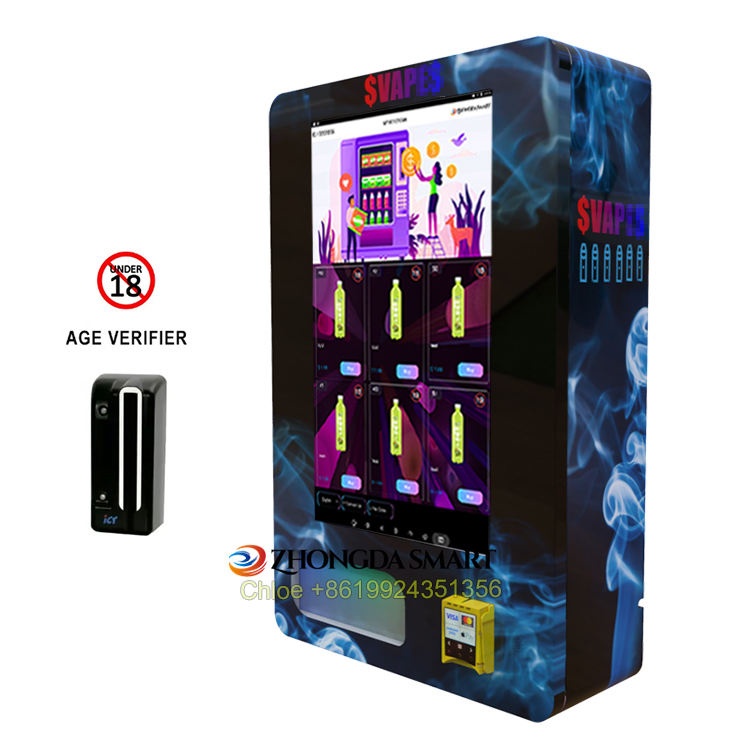
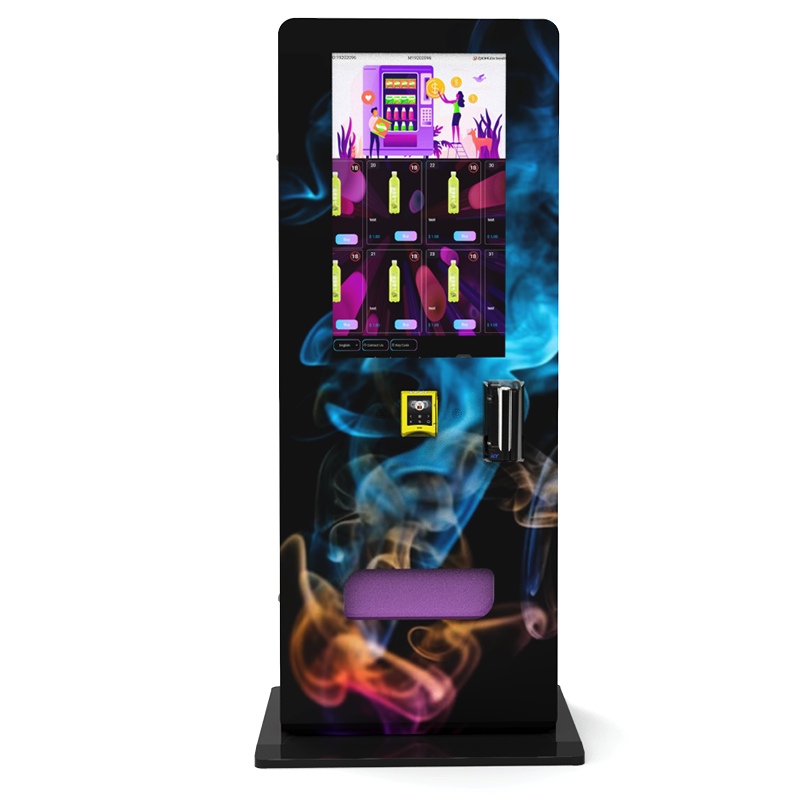
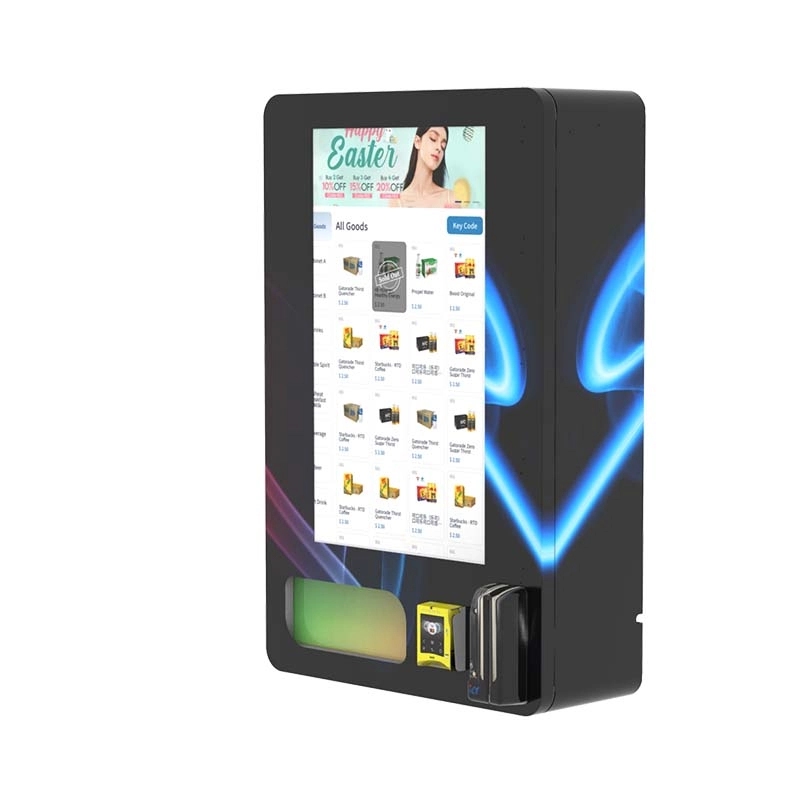
A smart vending machine for vape products eliminates the two biggest drains on retail: rent per square foot and hourly labor. You’re not paying someone to stand around. You’re paying for a machine that works while you sleep. The trade-off is upfront capital. A commercial-grade unit with age verification, inventory tracking, and remote monitoring runs between $8,000 and $15,000 depending on capacity and features. But after that, your monthly costs are location fees (revenue share or flat rent, typically $200 to $800), restocking labor (a couple hours per week), and payment processing fees (2.5% to 3.5%).
I’ve deployed units in bars, hotels, and convenience stores across three states. The average unit doing $3,000 to $6,000 in monthly sales with 35% gross margins nets around $1,000 to $2,000 per month after all costs. That’s a 12- to 18-month payback period on the hardware if you choose your location right. Compare that to a retail store that takes 24 to 36 months just to recoup build-out costs, and the math gets obvious fast.
Compliance Automation: The Hidden Cost Killer
If you’ve never dealt with age verification regulations for vape sales, you don’t know what a nightmare manual compliance is. In the U.S., the FDA requires age verification for every single sale. In Europe, the Tobacco Products Directive (TPD) has similar strictures. A human cashier can make a mistake, get distracted, or simply not care. That mistake can cost you $10,000 in fines and potentially your business license.
A smart vending machine for vape products with integrated ID scanning and age verification removes human error from the equation. The machine scans a driver’s license, checks the date of birth against the legal age, and only dispenses product if the customer passes. I’ve installed units that cross-reference against state DMV databases and even use facial recognition to match the ID photo to the person standing in front of the machine. That level of automation isn’t just convenient—it’s a legal shield.
I remember a deployment in Colorado where the local sheriff’s office did a compliance check. They sent in a 19-year-old with a fake ID. The machine rejected it. The officer told me later that if it had been a manned register, they would have issued a citation. That machine paid for itself in avoided fines alone.
Manual Retail Compliance Costs
Running a manual vape shop means you need a compliance program. You train staff, run sting operations, keep logs, and hope your cashier doesn’t slip up on a busy Friday night. The average cost of a single FDA violation for selling to a minor is around $10,000 for a first offense, and it escalates quickly. Plus, you lose your ability to accept credit card payments if you get flagged by payment processors, which kills your business.
I’ve seen shops shut down permanently after two violations. A smart vending machine for vape products doesn’t get tired, doesn’t get bribed, and doesn’t forget to check the date. That alone makes it a better investment for anyone who values their license.
Profit Models: Where the Money Actually Lives
Let’s talk about the numbers that matter. I track every deployment I’ve ever done, and I’ve built a profit model that separates winners from losers. The key variables are location foot traffic, average transaction value, restocking frequency, and machine uptime.
Revenue Per Square Foot
A manual vape shop doing $30,000 a month across 1,500 square feet generates $20 per square foot per month. A smart vending machine for vape products occupying 6 square feet doing $5,000 a month generates $833 per square foot per month. That’s a 40x efficiency difference. If you’re an investor looking at return on space, the vending machine wins every time.
Average Transaction Value
In my experience, manual store transactions average around $25 to $35 because customers browse, ask questions, and add accessories. Vending machine transactions average $18 to $25 because the purchase is more utilitarian—buy a pod, leave. That lower ticket is offset by higher transaction volume and zero labor cost per transaction. I’ve seen machines in high-traffic bars do 40 to 60 transactions per day on weekends, which adds up fast.
Restocking Economics
Restocking a smart vending machine for vape products takes about 20 minutes per visit. You do it twice a week. Total labor cost: around $50 to $80 per week per machine. Restocking a manual store takes hours of receiving, shelf-facing, and inventory counting. You’re paying a manager $20 an hour to do what a vending machine operator does in a fraction of the time. The labor efficiency alone can be the difference between profit and loss.
Real Deployment Experience: What I Learned the Hard Way
I’m not going to pretend every deployment was a home run. I’ve had machines in locations that did $200 a month and got vandalized. I’ve had units in hotel lobbies that did $8,000 a month and never had a single issue. The difference was location selection and host relationship management.
Location Selection Criteria
After hundreds of placements, here’s what I’ve learned works best for a smart vending machine for vape products:
- High-traffic adult venues: Bars, nightclubs, casinos, and bowling alleys. Adults are already there, already spending money, and often need a vape after a few drinks.
- Hotel lobbies: Travelers forget their devices. A machine in a hotel lobby with 100+ rooms can do $3,000 to $5,000 a month with minimal restocking.
- Convenience stores with limited counter space: Store owners love the revenue share because they don’t have to allocate staff to vape sales. The machine handles everything.
- Workplace break rooms: Surprisingly good for mid-range volume. Employees appreciate the convenience, and the location is secure.
I avoid gas stations with high crime rates, college campuses (even if legal, the optics are bad), and locations without reliable power or Wi-Fi. A machine that goes offline for three days loses sales and trust.
Host Relationship Management
Your host—the bar owner, hotel manager, or store operator—needs to see value. I always offer a 10% to 20% revenue share. That aligns incentives. If the machine makes money, they want it to stay. I’ve had hosts try to buy me out after seeing the numbers. That’s a good problem to have. I’ve also had hosts who didn’t care about the extra $200 a month and wanted the space back. You learn to read the room.
Risk and Failure: What Can Go Wrong
Let’s be honest about the downsides. A smart vending machine for vape products is not a set-it-and-forget-it business. Here are the most common failures I’ve seen:
Technical Failures
Card readers fail. Age verification cameras break. The dispensing mechanism jams. I’ve had machines that needed a firmware update to fix a glitch that caused the machine to charge a customer but not dispense the product. That’s a customer service nightmare. You need a reliable partner for hardware support. I’ve worked with Zhongda Smart on several deployments because their machines have modular components that are easy to swap in the field. When a motor fails, I can replace it in five minutes instead of shipping the whole unit back.
Location Failure
The most common mistake is overestimating foot traffic. I’ve placed machines in what looked like busy locations, only to realize the traffic was mostly employees who didn’t vape, or people who walked past but never stopped. Always do a 48-hour foot traffic count before signing a location agreement. If you don’t see at least 200 adult visitors per day, don’t place the machine.
Inventory Management
Running out of popular flavors kills revenue. I’ve seen operators restock once a week and lose 30% of potential sales because the machine was empty on Friday night. You need real-time inventory tracking. Most modern machines, including the ones from Zhongda’s age verification vending machine, send alerts when stock runs low. Use that data.
Vandalism and Theft
It happens. Machines in unsecured locations get kicked, pried open, or sprayed with graffiti. I’ve had a machine in a bar that someone tried to tip over. The solution is to choose locations with security cameras or on-site staff, and use machines with reinforced doors and tamper alarms. I also recommend a GPS tracker inside the machine so you know where it is if someone tries to steal the whole unit.
Long-Term Operational Strategy
If you’re serious about building a vending business, you need to think beyond a single machine. The real profit comes from scaling to 10, 20, or 50 units. That changes the economics entirely.
Route Optimization
When you have multiple machines in a city, you can optimize your restocking route. I group machines by geographic area and restock them in a single loop. That cuts labor cost per machine by 40%. I use a simple spreadsheet to track inventory levels and plan restocking based on sales velocity, not a fixed schedule.
Data-Driven Replenishment
Every smart vending machine for vape products generates sales data. Use it. I track which flavors sell fastest, which price points move, and which locations need different product mixes. A machine in a hotel needs more disposable devices. A machine in a bar needs more flavored pods. The data tells you what to stock, and you ignore it at your peril.
Partnerships with Manufacturers
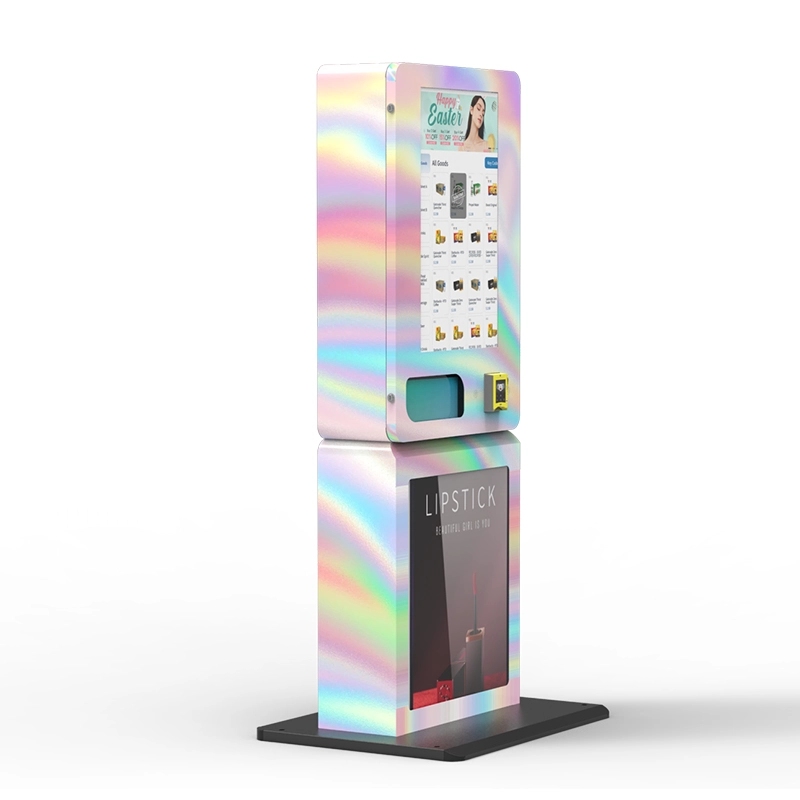
I’ve found that working directly with a manufacturer like Zhongda Smart gives me better pricing on hardware, faster support, and access to new models before they hit the general market. If you’re buying from a reseller, you’re paying a markup and getting slower service. For a deeper look at specific models, check out the ID scan vending machine page for compliance-focused units, or the wall-mounted compact vending machine for tight spaces.
Comparison Table: Smart Vending Machine vs. Manual Retail
| Factor | Smart Vending Machine | Manual Retail Store |
|---|---|---|
| Upfront Investment | $8,000 – $15,000 per unit | $50,000 – $150,000 (leasehold improvements, inventory, permits) |
| Monthly Fixed Costs | $200 – $800 (location fee, minimal utilities) | $10,000 – $15,000 (rent, labor, utilities, insurance) |
| Labor Requirement | 2-4 hours per week for restocking | 120-180 hours per week (manager + staff) |
| Revenue Per Sq. Ft. | $500 – $1,000 per month | $15 – $25 per month |
| Compliance Automation | Built-in age verification, no human error | Requires training, audits, risk of fines |
| Break-Even Timeline | 12-18 months | 24-36 months |
| Scalability | Easy, add units without hiring | Difficult, each store needs staff |
| Risk of Theft | Low (tamper-resistant, remote monitoring) | Moderate (employee theft, shoplifting) |
| Customer Experience | Self-service, 24/7 availability | Personal interaction, limited hours |
This table is based on data from my own deployments and industry benchmarks from a 2023 report by the National Automatic Merchandising Association (NAMA) on vending profitability.
Expert Recommendations for Operators
Based on everything I’ve seen, here’s my direct advice for anyone considering a smart vending machine for vape products:
- Start with one machine. Learn the restocking rhythm, the location negotiation, and the maintenance before you scale. I’ve seen people buy ten machines at once and lose money on eight of them because they didn’t know what they were doing.
- Invest in a machine with reliable age verification. Don’t cut corners on compliance. The compliant e-cigarette vending machine from Zhongda has built-in ID scanning that meets FDA and TPD standards. That’s non-negotiable.
- Negotiate revenue share, not flat rent. A 15% revenue share is better for you than a $500 flat rent because it aligns incentives with the host. If they want you out, they lose income. If you pay flat rent, they have no reason to help you succeed.
- Monitor your machines remotely. Every machine I deploy has cellular connectivity so I can check inventory, sales, and error codes from my phone. If a machine goes offline, I know within an hour. That saves thousands in lost sales.
- Build a relationship with a reliable manufacturer. I’ve used Zhongda for years because their machines are built for commercial duty, not consumer-grade junk. Their high-capacity model handles 200+ units, which is perfect for high-traffic locations.
Final Verdict
I’ve run both models. Manual retail gives you control over the customer experience and the ability to build a brand, but it comes with heavy fixed costs and compliance headaches. A smart vending machine for vape products gives you scalability, lower risk, and higher profit per square foot, but it requires discipline in location selection and maintenance. If you’re an individual operator with limited capital, start with vending. If you have deep pockets and want to build a brand, manual retail can work, but you’d better have a solid compliance program and a great location. For most people I talk to, the smart vending machine for vape products is the smarter bet. The numbers don’t lie.
Frequently Asked Questions
How much does a smart vending machine for vape products cost?
Commercial-grade units with age verification and remote monitoring typically range from $8,000 to $15,000. Lower-end machines without proper compliance features can be cheaper, but I don't recommend them. You'll pay more in fines and lost sales. For a breakdown of specific pricing, check the cost guide on our site.
Do I need a license to operate a vape vending machine?
Yes. In most U.S. states and European countries, you need a tobacco retail license for each machine location. The machine itself must have FDA or TPD-compliant age verification. Check local laws before you buy. Our California legality article explains the nuances for that state.
How much money can a vape vending machine make?
Based on my deployments, a well-placed machine does $3,000 to $6,000 in monthly sales. After product cost, location fee, and restocking labor, net profit is $1,000 to $2,000 per month. High-traffic locations like casinos or busy bars can do more. Read our ROI analysis for real numbers.
What happens if the machine fails to verify a customer's age?
The machine rejects the sale. Most modern units, including those from Zhongda, require a valid, unexpired ID that passes both date-of-birth and facial recognition checks. If the ID is fake or the person doesn't match the photo, the transaction stops. That's the whole point of compliance automation.
Can I place a vape vending machine anywhere?
No. You need permission from the property owner and a location that meets legal requirements (e.g., distance from schools, no minors allowed). I only place machines in adult-only venues or locations with restricted access. For a list of good spots, see our placement guide.
Sources and References
- IBISWorld - Vape Retail Industry Report (2024). https://www.ibisworld.com/
- National Automatic Merchandising Association (NAMA) - Vending Profitability Benchmarks (2023). https://www.namanow.org/
- FDA - Compliance and Enforcement for Tobacco Products. https://www.fda.gov/tobacco-products
- Statista - Vending Machine Market Statistics (2024). https://www.statista.com/
- Bloomberg - Retail Automation Trends. https://www.bloomberg.com/