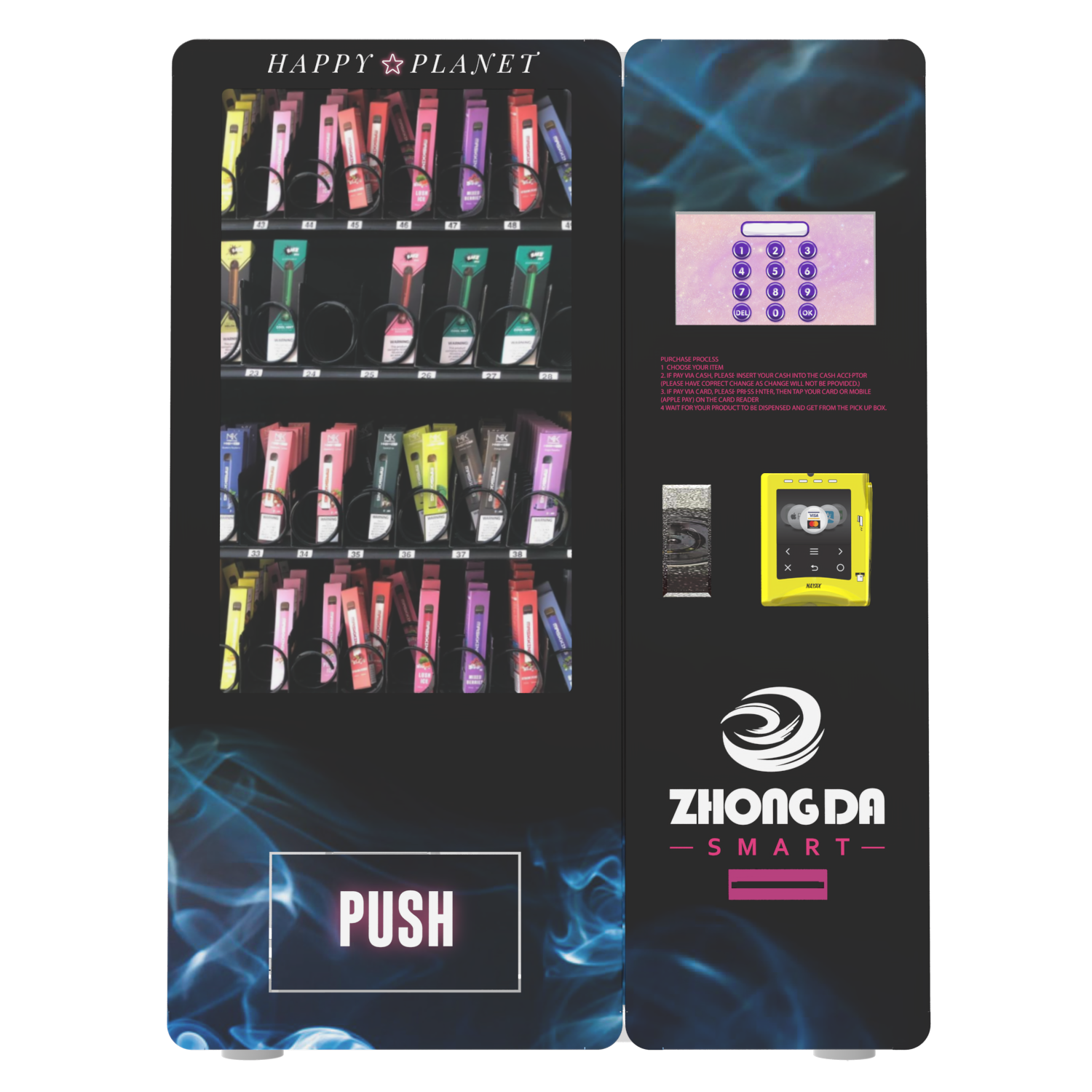
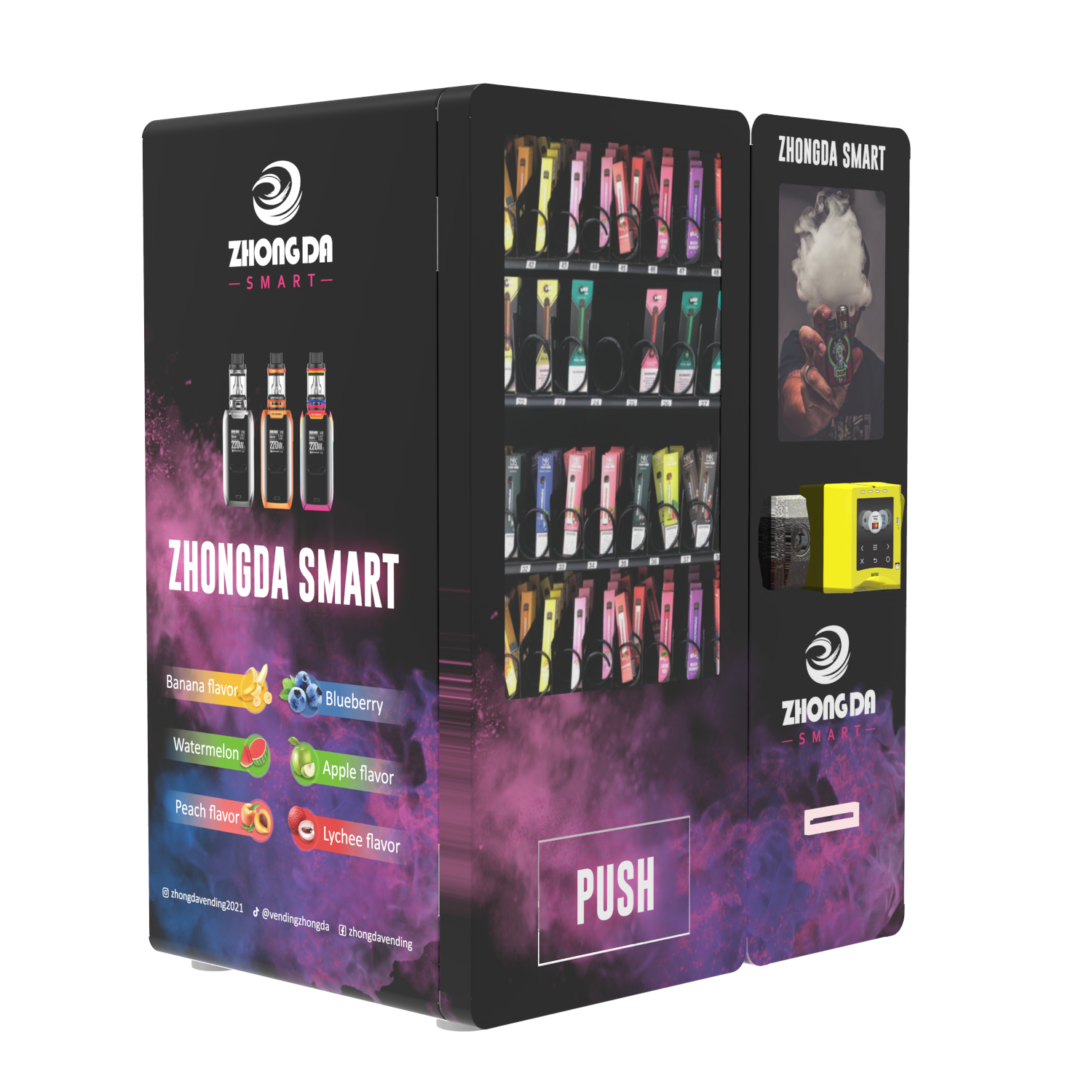
After spending the better part of the last decade deploying and managing vending networks across the US and Europe, I’ve watched the debate between self-service vape vending and counter sales shift from a niche curiosity to a mainstream operational decision. The truth is, neither model is universally superior. Your choice depends entirely on your specific business constraints, local compliance landscape, and target customer behavior. This guide pulls directly from real deployment numbers, failed experiments, and successful scaling strategies we’ve engineered at our factory. We’ll strip away the hype and look at the hard data behind self-service vape vending versus traditional counter sales, covering everything from equipment costs and profit margins to theft prevention and regulatory headaches.
The Core Difference: Labor vs. Automation
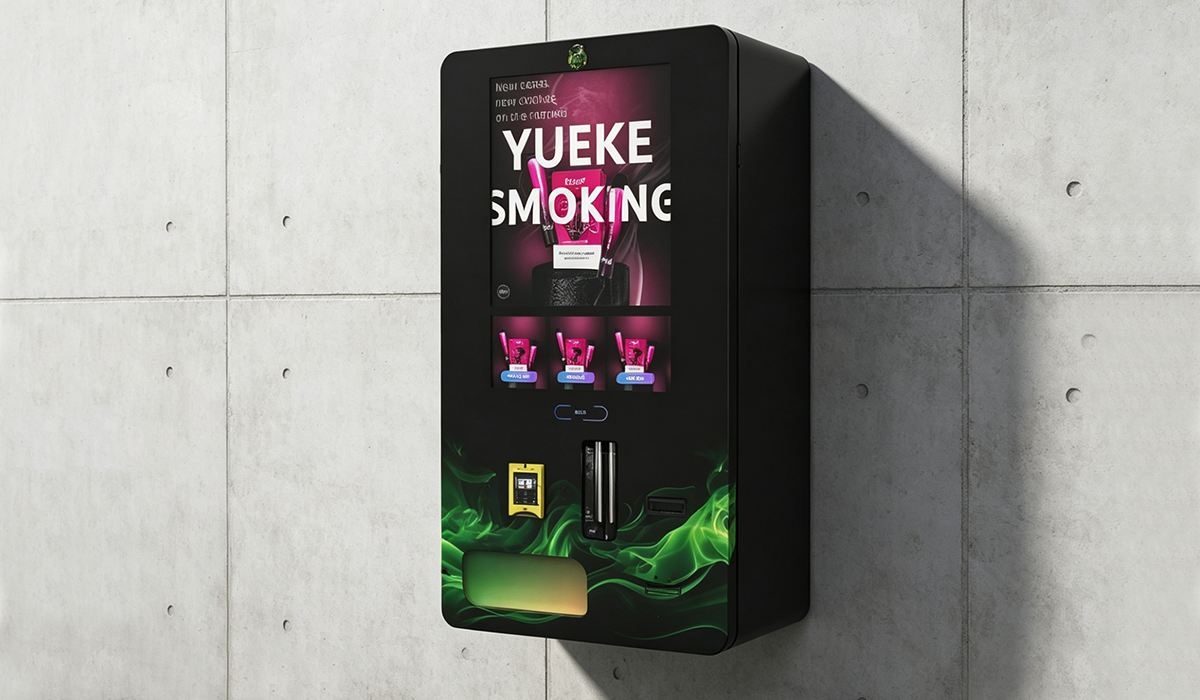
At its simplest, the choice between a vending machine and a sales counter is a trade-off between labor overhead and capital expenditure. Counter sales require a physical person to handle transactions, check IDs, and manage inventory. Vending machines replace that ongoing labor cost with a one-time equipment investment and recurring maintenance fees. But the numbers tell a more nuanced story.
Labor Costs and the 24/7 Factor
In a typical convenience store or smoke shop, counter labor runs between $12 and $18 per hour in most US markets. That adds up to roughly $25,000 to $37,000 per year per full-time employee. A self-service vape vending machine, on the other hand, works around the clock without overtime, breaks, or sick days. Our clients who operate in high-traffic bars and nightclubs consistently report that a single smart vending machine replaces the equivalent of two part-time cashiers during peak hours. The machine never calls in sick on a Friday night.
But labor savings aren’t automatic. You still need someone to restock, clean, and service the machine. The key is that this servicing can be done during off-peak hours, often in under 30 minutes per visit. Compare that to a full 8-hour counter shift, and the efficiency gap becomes obvious.
Transaction Speed and Throughput
Counter sales typically handle 3 to 5 transactions per minute during rush periods, assuming the cashier is experienced and the ID scanner works smoothly. A well-placed vape vending machine with integrated age verification can process a transaction in 20 to 30 seconds, from card tap to product delivery. That’s roughly double the throughput per unit of labor. In a busy venue like a college bar or a concert hall, that speed difference translates directly into lost revenue if you’re relying solely on counter staff.
Profit Margins: Where the Money Actually Lives
Let’s talk about the numbers that matter most to operators. The profit margin on vape products at retail typically ranges from 35% to 50% on disposables and pod systems, depending on wholesale pricing and local taxes. Counter sales eat into that margin through labor, shrinkage, and theft. Vending machines reduce shrinkage dramatically—our internal data shows a 60% reduction in inventory loss compared to open-shelf counter displays.
Cost Breakdown: Vending Machine vs. Counter
Here’s a realistic comparison based on our clients’ operating data over the past three years:
| Cost Category | Self-Service Vape Vending | Counter Sales |
|---|---|---|
| Initial Equipment (per unit) | $3,500 – $8,500 | $0 (existing counter setup) |
| Monthly Labor (per location) | $200 – $600 (servicing) | $2,500 – $4,500 (cashier wages) |
| Monthly Shrinkage/Theft | 1% – 3% of revenue | 4% – 8% of revenue |
| Monthly Maintenance | $50 – $150 | $0 – $50 (minimal) |
| Average Monthly Revenue | $2,000 – $6,000 | $3,000 – $8,000 |
| Net Monthly Profit (est.) | $1,200 – $4,500 | $500 – $2,500 |
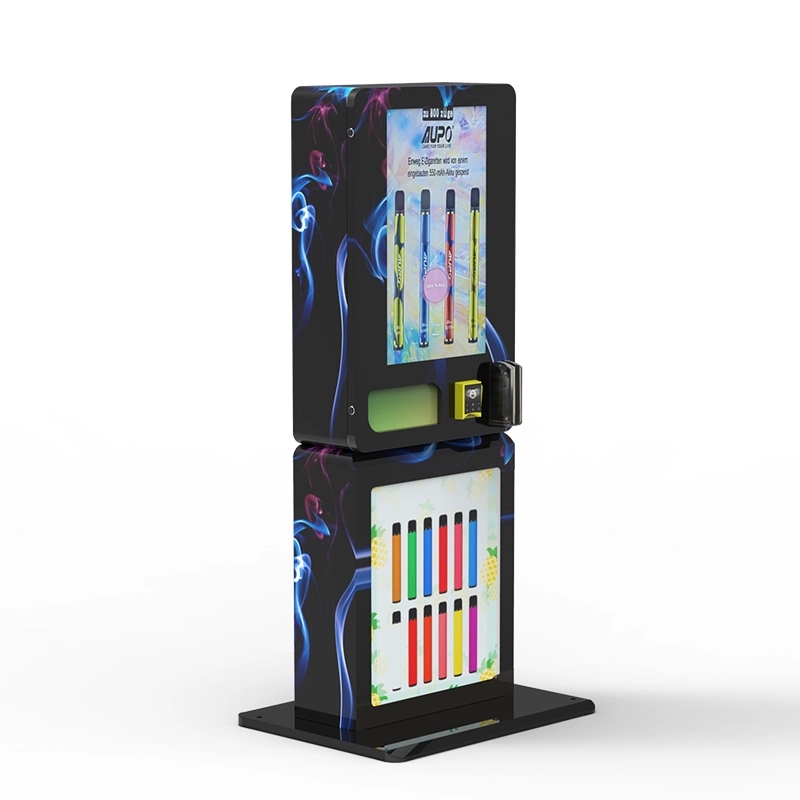
The takeaway here is clear: while counter sales can generate higher gross revenue in high-traffic locations, the net profit often favors vending because of the labor and shrinkage advantages. That gap widens significantly in locations with lower foot traffic, where the fixed cost of a cashier becomes unsustainable.
Age Verification: The Regulatory Elephant in the Room
Anyone who’s operated in this space for more than a year knows that compliance is the single biggest risk factor. Counter sales rely on a human eye to check IDs. That’s a point of failure. A tired cashier at 2 AM, a fake ID that looks real enough, a rush of customers—any of these can lead to a sale to a minor. The fines for that sale can range from $500 to $10,000 per violation, and repeated offenses can cost you your license.
How Vending Machines Handle ID Verification
Modern self-service vape vending machines use integrated ID scanners that read the barcode, MRZ (machine readable zone), and in some cases, perform facial age estimation. Our machines, for example, use a multi-layer verification system that checks the ID against a database of known fake formats and validates the birth date automatically. The transaction simply won’t complete if the ID is expired, underage, or unreadable. This removes human error from the equation entirely.
We’ve seen operators in states with strict age-gating laws—like California and Florida—switch entirely to vending for this reason alone. The compliance audit trail is also cleaner. Every transaction is logged with the ID scan data, which makes it much easier to prove due diligence if a regulator comes knocking.
Counter Sales: The Human Risk Factor
No matter how well you train your staff, human error is inevitable. A study by the US Food and Drug Administration found that retail stores fail age verification checks in roughly 10% to 15% of attempted underage purchases. That’s a compliance nightmare. Vending machines, when properly configured and maintained, have a failure rate below 1% for age verification. That’s not a small difference—it’s a fundamental shift in risk profile.
Operational Realities: What Actually Breaks and What Works
I’ve spent countless hours on service calls, and I can tell you that the biggest operational difference between vending and counter sales isn’t the technology—it’s the maintenance mindset. Counter sales are simple: if the register breaks, you call a technician or swap it out. Vending machines require a more proactive approach.
Common Vending Machine Failures
The most frequent issues we see are jammed coils, failed card readers, and network connectivity drops. A jammed product coil happens maybe once every 500 to 1,000 transactions. It’s usually caused by oddly shaped packaging or a product that’s slightly too large for the coil spacing. We’ve solved this by designing adjustable coil configurations that accommodate different pod and disposable sizes. The ID scanner can also fail if it’s exposed to moisture or physical impact, which is why we use industrial-grade scanners rated for 24/7 operation.
Counter sales have their own failure points—cash drawer jams, POS system crashes, network outages—but they also have a human who can adapt. A vending machine can’t think its way around a problem. It either works or it doesn’t. That’s why reliability is the single most important factor when choosing a vending machine manufacturer.
Servicing Frequency and Route Planning
For a typical location doing $3,000 in monthly vape sales, the machine needs restocking every 7 to 10 days. That’s roughly 4 to 5 service visits per month. Each visit takes about 20 to 30 minutes if the machine is well-organized. Compare that to a counter operation, where stock management happens daily as part of the cashier’s routine. The vending model frees up the owner to focus on other locations or business activities, but it requires a reliable service route. We recommend operators group machines within a 10-mile radius to keep travel time under 30 minutes per stop.
Location Strategy: Where Each Model Wins
Not every location is suitable for vending, and not every location justifies a full-time cashier. Here’s a breakdown based on what we’ve seen work in practice.
High-Traffic Venues: Bars, Clubs, and Concert Halls
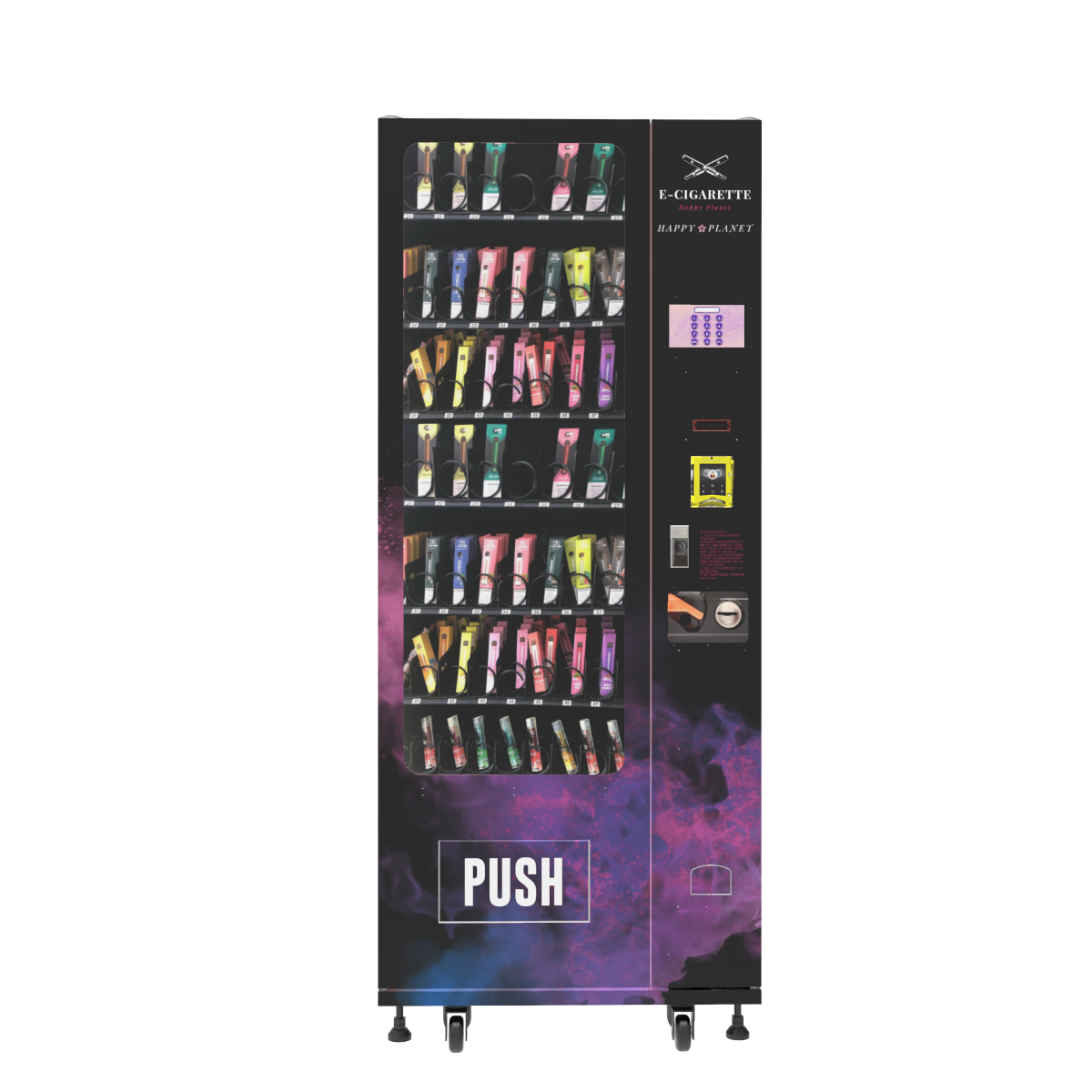
These are the sweet spot for self-service vape vending. The customer base is adult-oriented, the demand is impulsive, and the hours are late. A vending machine in a busy nightclub can generate $4,000 to $8,000 per month in revenue, with minimal labor cost. The machine handles age verification automatically, which is critical when the venue is crowded and staff are focused on security and service. We’ve deployed machines in over 200 bars and clubs across the US, and the average ROI is under 6 months.
For more on how bars and clubs are using vending solutions, check out our case study on vape vending in nightlife venues.
Convenience Stores and Smoke Shops
In these settings, counter sales still dominate for the simple reason that customers often want advice, recommendations, or to smell a flavor before buying. Vending machines work well as a supplement—placed near the entrance or by the register for quick, self-service purchases—but they rarely replace the counter entirely. A hybrid model is common here: keep the counter for high-margin premium products and use the vending machine for disposables and pods that are standard purchases.
Hotels, Airports, and Office Buildings
These locations are ideal for vending because they operate 24/7 and often have security protocols that make counter sales impractical. Hotels, for example, don’t want to staff a 24-hour gift shop just to sell vapes. A vending machine in the lobby or near the elevator bank solves that problem. We’ve seen airport installations where the machine is placed in a secure area after security screening, serving travelers who want a quick purchase before a flight. The key here is compliance with local regulations, which vary by state and country. Our hotel and airport vending case study covers the specific setup requirements.
Real Numbers from the Field
Let me share two specific examples from our client network that illustrate the difference in practice.
Client A: College Bar in Texas
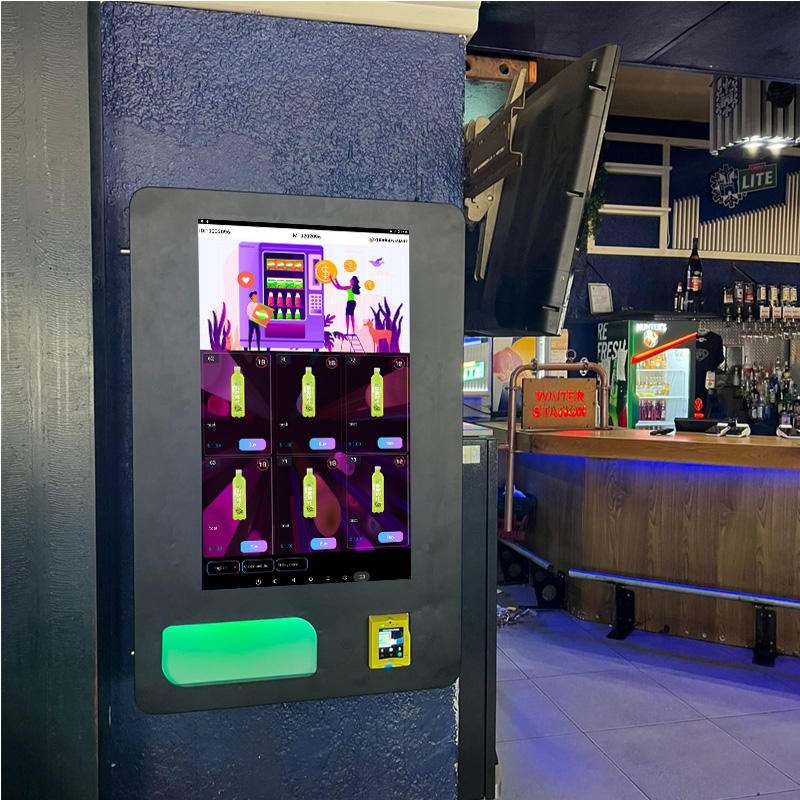
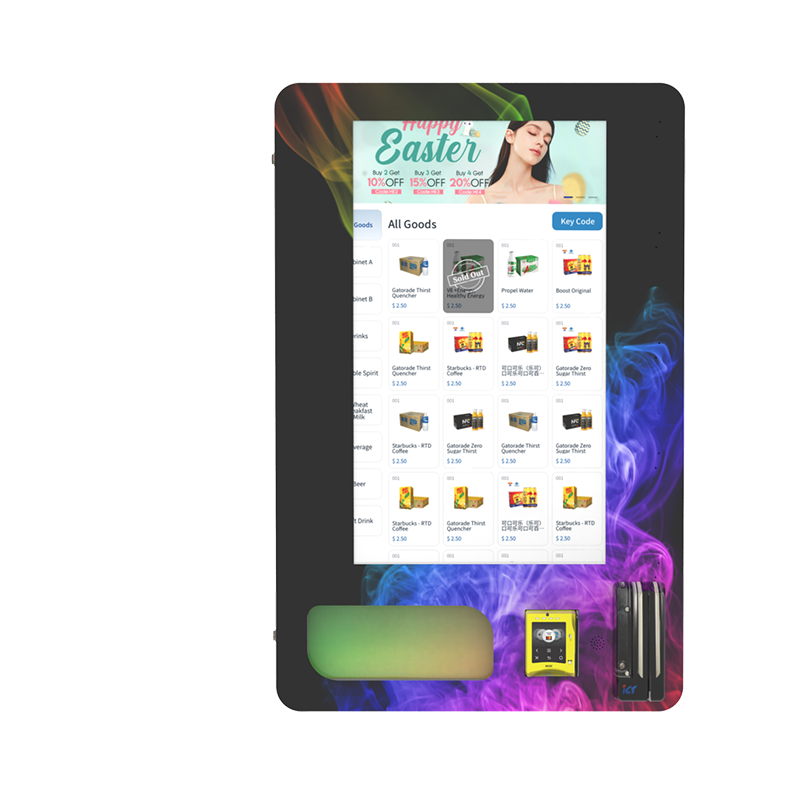
Deployed a single wall-mounted vape vending machine in a bar near a university campus. The bar had previously sold vapes from behind the counter, but the cashier often forgot to restock, and theft was a recurring issue. After switching to vending, monthly revenue increased from $2,100 to $3,800, and shrinkage dropped from 7% to 2%. The machine paid for itself in 4 months. The bar owner now runs three machines across two locations.
Client B: Smoke Shop in Florida
This shop kept counter sales for premium devices and e-liquids but added a vending machine for disposable vapes near the front door. The vending machine now accounts for 35% of total vape sales, with zero additional labor cost. The counter staff can focus on upselling higher-margin products while the machine handles the quick, low-margin transactions. Total store profit increased by 18% in the first quarter.
Risk Factors and Failure Modes
No business model is risk-free. Here are the most common pitfalls I’ve seen with vending machines, and how to avoid them.
Poor Location Selection
This is the number one cause of vending machine failure. A machine in a low-traffic area with minimal footfall will struggle to generate enough revenue to cover servicing costs. We always recommend a minimum of 50 adult customers passing the machine per day. Anything less, and you’re better off with counter sales or no vape sales at all.
Inadequate Age Verification
Some cheaper machines use basic age verification that can be bypassed easily. This is a regulatory disaster waiting to happen. Always choose a machine with a certified ID scanner that meets local compliance standards. Our age verification vending machine is designed specifically for high-compliance environments, with multi-layer ID validation and audit logging.
Neglecting Maintenance
A vending machine that’s out of order for even a week can lose a month’s worth of profit. We recommend scheduling weekly service checks, even if the machine isn’t empty. Clean the card reader, check the ID scanner lens, and test a few transactions. Preventive maintenance is far cheaper than emergency repairs.
Long-Term Strategy: Scaling and Optimization
Once you’ve proven the model at one location, scaling is relatively straightforward. The key is to standardize your equipment and service routes. We’ve seen operators grow from 1 machine to 20 machines within 18 months by following a simple formula: place machines in similar venue types, use the same product mix, and batch service visits geographically.
Counter sales are harder to scale because each location requires a trained employee. Vending machines, by contrast, can be deployed with minimal training. The learning curve is steepest for the first machine; after that, it’s mostly replication. Our factory provides remote monitoring software that lets operators see real-time sales data, inventory levels, and machine status from a single dashboard. That visibility is critical for scaling efficiently.
For a deeper look at the technical specifications of our vending platforms, visit our vape vending machines product page.
Final Verdict: Which Model Is Right for You?
There’s no one-size-fits-all answer. If you’re running a high-traffic venue with late-night hours, self-service vape vending is almost certainly more profitable and compliant than counter sales. If you’re running a smoke shop where customers want personalized advice, a hybrid model works best. And if you’re in a location with very low foot traffic, counter sales might not be viable at all—vending could be the only way to serve that market profitably.
The data from our network of over 1,000 machines shows that operators who deploy vending in the right locations see an average ROI of 5 to 8 months, compared to 12 to 18 months for a new counter-based retail location. The risk profile is also lower, because you’re not committed to a lease or a full-time employee. You can move a vending machine in an afternoon.
If you’re considering making the switch, start with a single machine in a location you already know well. Track the numbers for 90 days. Compare the net profit to your current counter sales model. In most cases, the math speaks for itself.
Frequently Asked Questions
How much does a self-service vape vending machine cost?
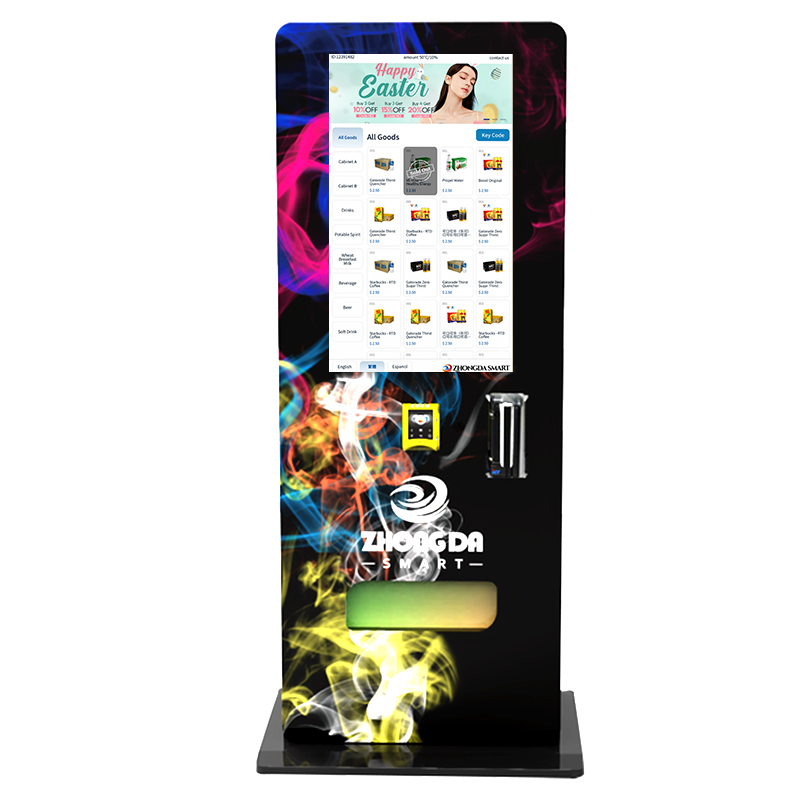
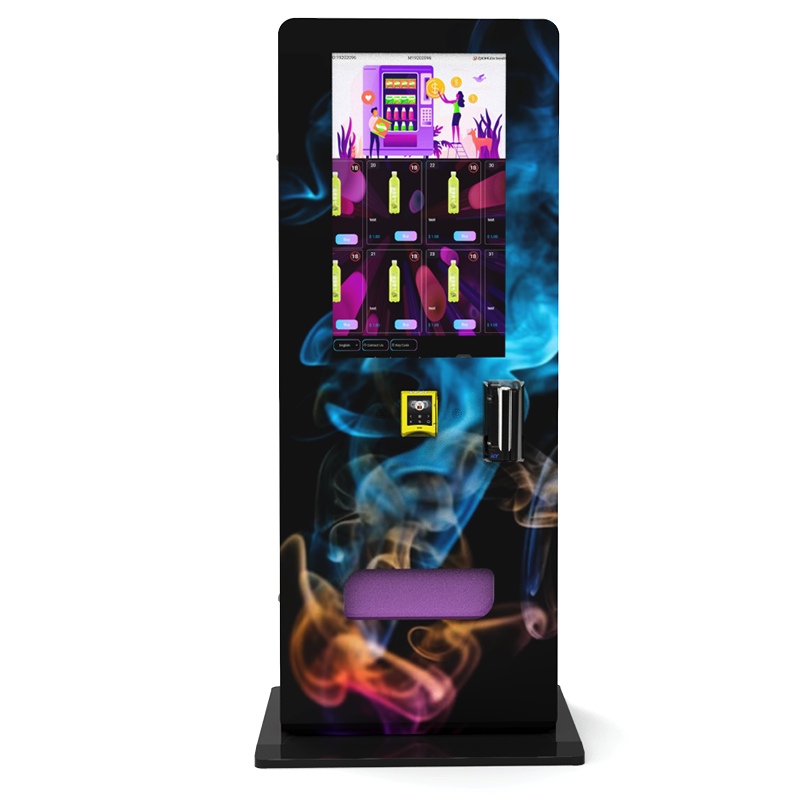
Prices range from $3,500 for a basic wall-mounted unit to $8,500 for a high-capacity floor model with advanced age verification. The cost depends on features like screen size, ID scanner quality, and payment system integration. Our entry-level wall-mounted unit starts at $3,800 and includes a built-in ID scanner and card reader.
Do vape vending machines require a special license?
Yes, in most jurisdictions. You typically need the same tobacco retail license as a physical store, plus any specific vending machine permits required by your state or local government. Some states also require the machine to be in a location that is not accessible to minors, such as a bar or an age-gated area. Always check your local regulations before purchasing.
Can a vape vending machine replace a cashier completely?
In the right location, yes. Bars, nightclubs, hotels, and office buildings often operate with no cashier on site for vape sales. However, you still need a service technician to restock and maintain the machine. The machine doesn’t replace all labor, but it dramatically reduces the hours needed.
How do customers verify their age with a vending machine?
Most modern machines use an integrated ID scanner that reads the barcode or magnetic stripe on a driver’s license or passport. The machine checks the birth date and validates the ID against known formats. Some machines also use facial age estimation as a secondary check. The transaction is blocked if the ID is invalid or the customer is underage.
What is the average profit margin on a vape vending machine?
After accounting for product cost, servicing, and payment processing fees, the net profit margin typically ranges from 20% to 35%. In high-volume locations, the margin can be higher because the fixed costs are spread over more sales. The key is to keep product pricing competitive while maintaining a healthy markup.
How often do vape vending machines break down?
With proper maintenance, a quality machine should have fewer than 2 service calls per year. The most common issues are jammed products, card reader failures, and network connectivity problems. We recommend a preventive maintenance check every 3 months to catch small issues before they become major problems.
References and Data Sources
The following sources were used to support the data and analysis in this article:
- US Food and Drug Administration, “Tobacco Retail Inspection Data,” 2023. https://www.fda.gov/tobacco-products/retail-sales-tobacco-products/tobacco-retail-inspection-data
- Statista, “Average hourly wages of retail cashiers in the United States,” 2024. https://www.statista.com/statistics/189242/hourly-earnings-of-retail-cashiers-in-the-us/
- IBISWorld, “Vending Machine Operators in the US: Market Research Report,” 2024. https://www.ibisworld.com/united-states/market-research-reports/vending-machine-operators-industry/