If you are looking to place a vending machine that sells nicotine products, the first thing you need to understand is the tobacco retail license for vape vending machines. This is not a suggestion; it is a legal requirement that varies wildly from state to state. Over the past decade, I have deployed hundreds of these machines across the US and Europe, and I have seen too many operators lose their investment because they skipped this step. A tobacco retail license is essentially a permit that allows you to sell tobacco-derived products—including vapes, e-cigarettes, and nicotine pouches—through an automated retail point. Without it, you are risking fines, seizure of your equipment, and potential legal action. This guide will walk you through exactly what you need to know, the costs involved, and how to avoid the common pitfalls that trip up new operators.
What Is a Tobacco Retail License for a Vape Vending Machine?
In simple terms, a tobacco retail license is a permit issued by a local or state government that allows a business to sell tobacco products to consumers. When you attach this to a vape vending machine, you are essentially turning a piece of automated equipment into a regulated retail outlet. The key difference is that the machine itself must also comply with age verification laws, which we will get into later.
Most operators I talk to assume that if they have a business license, they are covered. That is almost never the case. A standard business license does not grant you the right to sell nicotine products. You need a specific endorsement for tobacco retail. In some jurisdictions, this is called a "tobacco dealer license" or "cigarette retailer permit." The name changes, but the requirement is the same.
Why the License Matters More for Vending Than for Over-the-Counter Sales
When you sell vapes from a behind-the-counter setup, you have a human employee checking IDs. With a vending machine, the transaction is unsupervised. This makes regulators nervous. They want to ensure that minors cannot purchase these products. The tobacco retail license for vape vending machines is the first layer of defense for you as a business owner. It shows that you have been vetted by the authorities and that your machine will use approved age verification technology.
I have had clients who tried to bypass this by placing machines in "adult-only" venues like bars or cigar lounges, thinking that would exempt them. It did not. Even in a 21+ establishment, the vending machine still needs a specific license. The venue's liquor license does not cover your machine.
The Cost Breakdown: What You Are Really Paying For
The cost of a tobacco retail license is not uniform. It can range from a modest $50 fee in some rural counties to over $1,000 annually in major metropolitan areas. But the license fee itself is just the beginning. Here is a realistic breakdown of the costs I have seen operators face when setting up a compliant vape vending machine business.
| Cost Item | Typical Range (USD) | Notes |
|---|---|---|
| Tobacco Retail License Application Fee | $50 - $1,500 | Varies by state and city; often renewable annually. |
| Age Verification Hardware/Software | $500 - $2,000 | Includes ID scanners, biometric readers, or third-party verification services. |
| Vending Machine Hardware (Compliant Model) | $3,000 - $12,000 | Machines with built-in age gates and remote monitoring are more expensive. |
| Legal Consultation (Optional but Recommended) | $500 - $2,500 | Helps navigate local ordinances and avoid fines. |
| Annual Renewal & Compliance Audits | $200 - $800 | Some states require periodic inspections of the machine. |
One thing I always tell new operators: do not try to save money on the age verification system. I have seen people buy cheap, off-the-shelf scanners that fail to read modern driver's licenses. That leads to lost sales and potential fines. Invest in a system that integrates directly with the machine's control board.
How Age Verification Technology Ties Into Your License
The tobacco retail license for vape vending machines is only valid if the machine itself is compliant. In most states, this means the machine must have a functional age verification system that can scan a government-issued ID, verify its authenticity, and confirm the buyer is over 21. Some states, like California and New York, have very strict requirements.
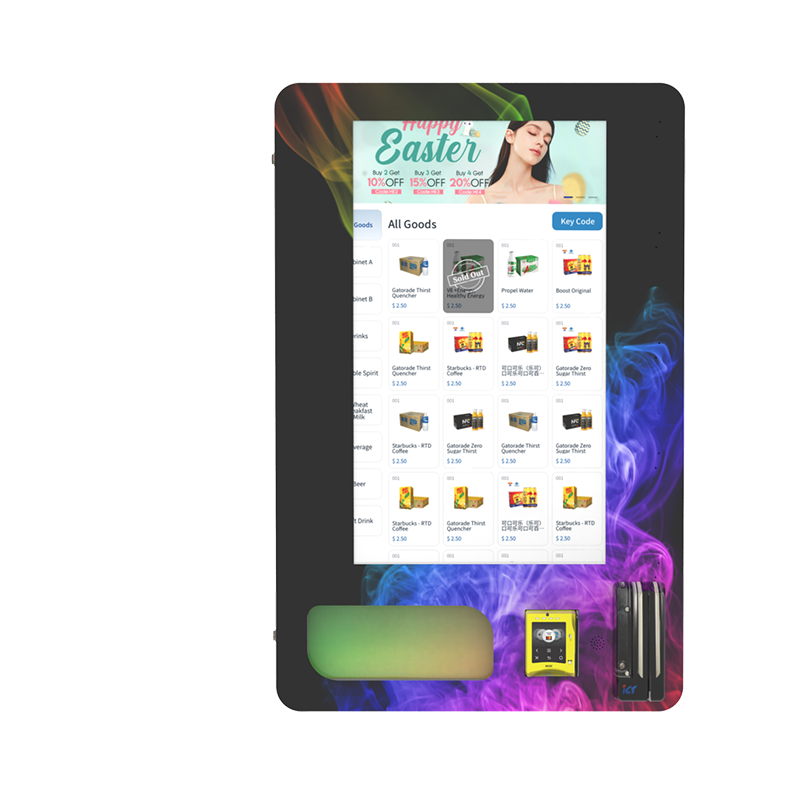
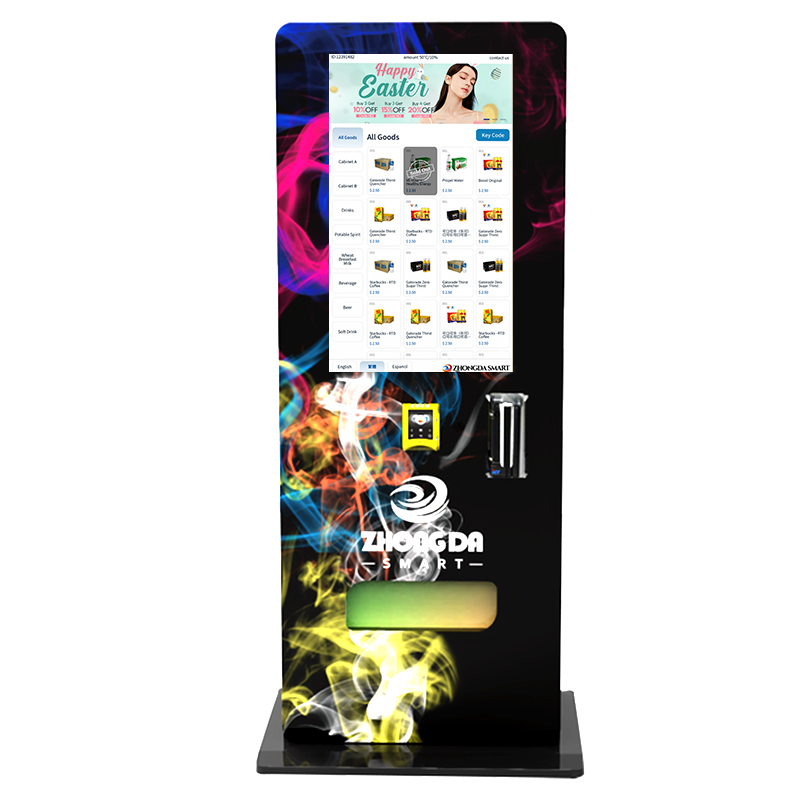
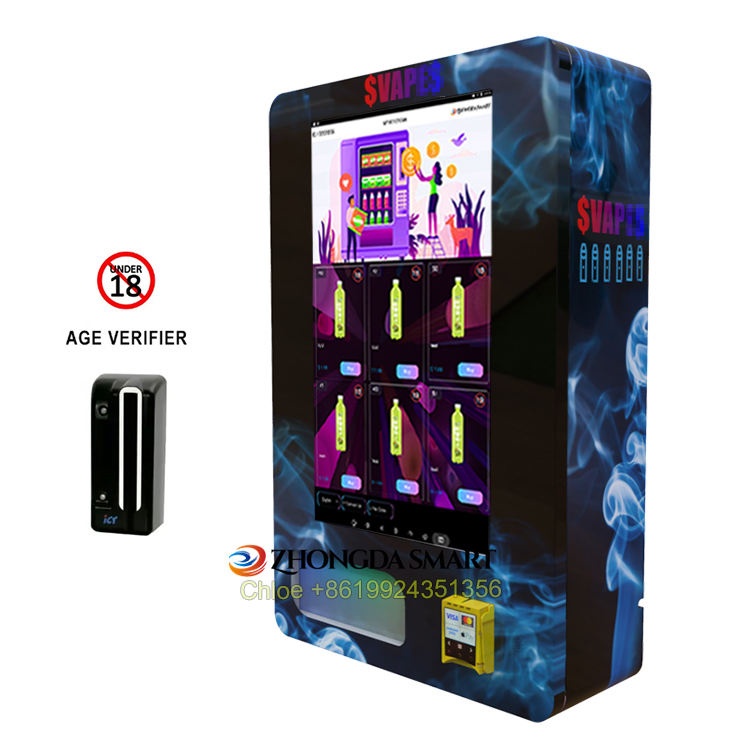
I have worked with manufacturers like Zhongda Smart who build machines with integrated ID scanners that connect to a central database. These machines do not just scan the barcode; they check the ID's format against known standards to detect fakes. If the scanner fails to verify the ID, the transaction is declined. This is the kind of technology that keeps you compliant.
Real-World Example: A Failed Audit in a Midwest Bar
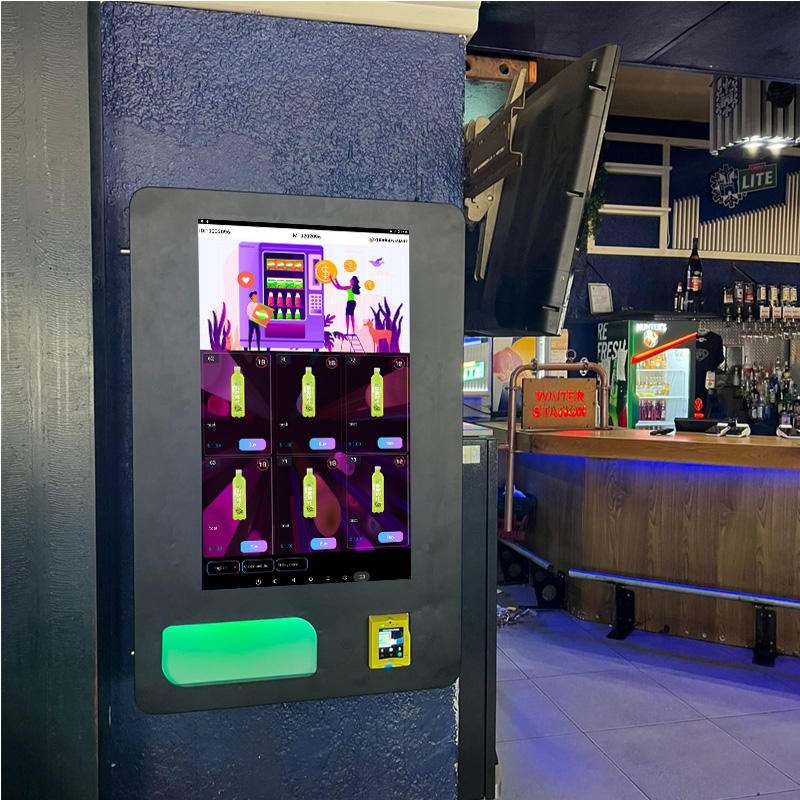
A few years ago, I had a client who placed a machine in a sports bar in Ohio. He had his tobacco retail license, but his machine was an older model that used a simple "credit card swipe" for age verification. The local health department did a sting operation with a 19-year-old who used a borrowed ID. The machine accepted it. The client lost his license, was fined $5,000, and had to remove the machine. The lesson was clear: the license is a contract with the state, and the machine must uphold that contract.
State-by-State Variations: What You Need to Know
There is no federal law that explicitly bans vape vending machines, but the FDA's 2016 deeming rule brought them under regulation. The real control is at the state and local level. Some states, like Massachusetts and Rhode Island, have outright bans on all tobacco vending machines. Others, like Florida and Texas, allow them but with strict conditions.
In Florida, for example, you can place a vape vending machine only in a facility that is not open to the public and where minors are not permitted. This includes bars, nightclubs, and certain private clubs. In Texas, the machine must be in the immediate vicinity of a licensed retailer who can monitor it. These nuances matter.
I have seen operators in California struggle because each city has its own rules. Los Angeles County has different requirements than Orange County. You cannot assume that a license from one city transfers to another. You must apply for a tobacco retail license for each physical location where you place a machine.
The Profit Model: Is a Vape Vending Machine Worth the Hassle?
Let me be direct: the margins on vape products are good, but the regulatory overhead can eat into your profits if you are not careful. A typical disposable vape that retails for $12.99 might cost you $6.00 wholesale. That is a 53% gross margin. After you account for the license fee, credit card processing fees (usually 2.5% to 3.5%), and machine maintenance, your net margin might land around 30% to 35%.
However, the real value is in volume and location. A well-placed machine in a busy nightclub can sell 30 to 50 units a night. That is $150 to $250 in profit per night. Over a month, that single machine can generate $4,500 to $7,500 in net profit. The key is finding the right location and keeping the machine stocked with popular flavors.
I have a client who runs a small chain of machines in Houston. He started with two machines and now has twelve. His biggest expense is the annual renewal of his tobacco retail licenses, which cost him about $800 per machine per year. He considers that a cost of doing business, not a burden.
Common Mistakes That Kill Profitability
- Ignoring local tax stamps: Some cities require a tax stamp on each pack or device sold. If you forget this, you can be fined.
- Poor location selection: Placing a machine in a low-traffic area will not generate enough sales to cover the license fee.
- Using a non-compliant machine: If your machine fails an age verification audit, you lose your license and your revenue stream.
- Underestimating restocking costs: You need to visit the machine at least once a week. If it is far from your base, fuel costs add up.
How to Choose the Right Vape Vending Machine for Compliance
Not all vending machines are created equal. When you are shopping for hardware, you need to look for specific features that support your tobacco retail license. The machine must have a secure cabinet, a reliable age verification system, and the ability to generate sales reports for tax purposes.
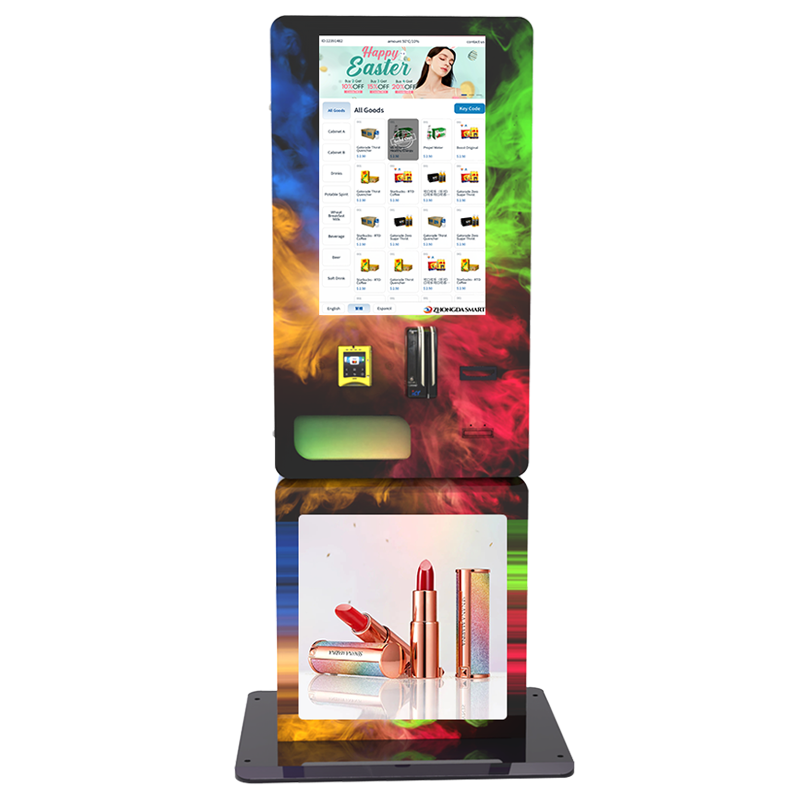
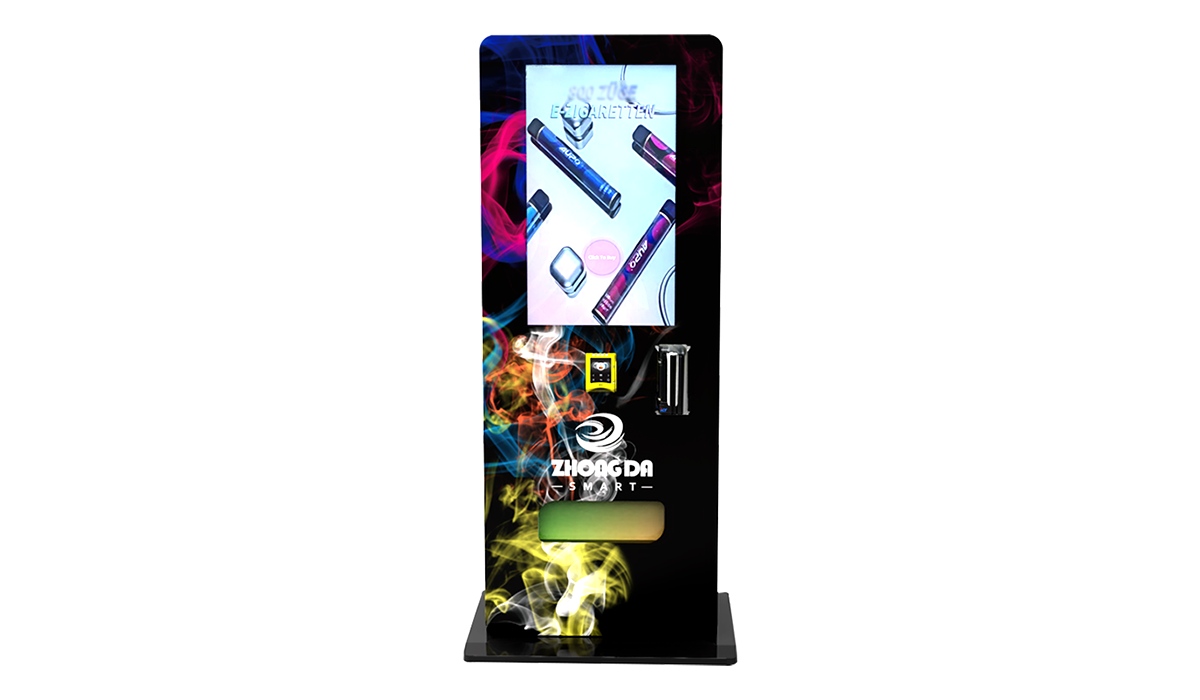
I have tested machines from several manufacturers over the years. The ones that stand out are those that treat compliance as a core feature, not an afterthought. For example, the machines from Zhongda Smart are designed with a built-in ID scanner that can read both the front and back of a driver's license. They also have a remote management system that lets you monitor sales and inventory from your phone. This is critical for operators who manage multiple machines across different cities.
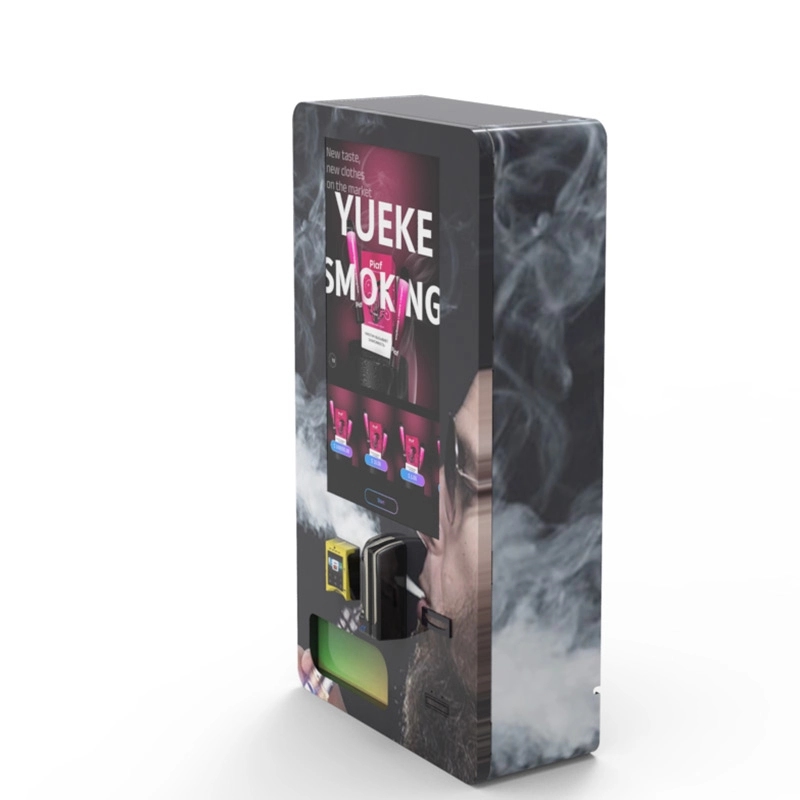
If you are looking for a specific model, I recommend checking out the age verification vending machine from Zhongda. It is built for the US market and includes a tamper-proof age gate. Another good option is their ID scan vending machine, which is compact enough for smaller venues like cigar shops or hotel lobbies. For high-traffic locations, the high-capacity model can hold up to 243 units, reducing the frequency of restocking trips.
Technical Specifications to Look For
- ID Scanner: Must be able to read 2D barcodes and magnetic stripes. It should also have a UV light to check for holograms.
- Remote Monitoring: Allows you to check inventory levels and sales data in real time. This helps you avoid stockouts.
- Payment System: Should accept credit cards, mobile wallets (Apple Pay, Google Pay), and cash. Many modern machines are cashless-only.
- Security: Look for a steel cabinet with a high-security lock. Vape machines are targets for theft because the products are small and valuable.
The Application Process: Step-by-Step
Applying for a tobacco retail license for vape vending machines is not something you can do in an afternoon. It requires paperwork, background checks, and sometimes a physical inspection of the machine. Here is the process I have followed for my own deployments.
- Determine the governing body: Is it the city, the county, or the state? In some places, you need both a state license and a city permit.
- Gather documents: You will need your business license, proof of incorporation (if applicable), a diagram of the machine's location, and proof of age verification technology.
- Submit the application: This is usually done online or in person at the local tax office or health department. Expect a fee of $100 to $1,000.
- Undergo a background check: Anyone with a felony conviction related to tobacco or alcohol sales may be denied.
- Schedule an inspection: Some jurisdictions require a health officer to inspect the machine and verify the age verification system works.
- Receive your license: This is typically a physical certificate that must be displayed on or near the machine.
One piece of advice: start this process at least 60 days before you plan to deploy the machine. Bureaucracy moves slowly, and you do not want your machine sitting in a warehouse while you wait for a piece of paper.
Long-Term Strategy: Keeping Your License Active
Once you have the license, the work does not stop. You must renew it annually, and you must keep records of every sale. Most states require you to retain transaction data for at least three years. This is where a machine with a good software backend becomes invaluable.
I also recommend setting up a compliance checklist. Every quarter, check that your age verification system is functioning correctly. Run a test transaction with a known valid ID and a known invalid ID. If the machine fails either test, call the manufacturer immediately. I have seen operators lose their licenses because they ignored a faulty scanner for a few weeks.
Another long-term consideration is changes in legislation. The legal landscape for vape vending machines is evolving. In 2023, several states introduced bills to ban self-service sales of nicotine products. While most of these bills did not pass, the trend is toward tighter regulation. Stay informed by subscribing to industry newsletters or joining a vending machine operator association.
Real Data: Market Size and Growth
To give you a sense of the opportunity, the global vending machine market for tobacco and vape products was valued at approximately $1.2 billion in 2023, according to a report by Statista. The market is expected to grow at a compound annual growth rate (CAGR) of 5.2% through 2030. This growth is driven by the increasing acceptance of vaping as an alternative to smoking and the convenience of automated retail.
Another data point from the CDC shows that about 4.5% of US adults currently use e-cigarettes. That is roughly 11 million potential customers. While not all of them will buy from a vending machine, the demand is clearly there, especially in nightlife and entertainment districts.
Frequently Asked Questions
Do I need a separate tobacco retail license for each vending machine?
Yes, in most jurisdictions. Each machine is considered a separate retail location. You must apply for a license for the specific address where the machine is placed. Some states offer a "master license" for multiple machines within the same county, but this is not common.
Can I use a mobile app for age verification instead of a physical ID scanner?
Some states allow this, but it is risky. A mobile app that relies on the buyer's phone to verify their age is easier to bypass than a dedicated hardware scanner. Most regulators prefer a physical ID scan. If you are considering a mobile-only solution, check with your local licensing authority first.
What happens if my machine sells a vape to a minor?
The consequences are severe. You will likely lose your tobacco retail license, face a fine of several thousand dollars, and the machine may be confiscated. In some states, the business owner can also face criminal charges. This is why investing in a high-quality age verification system is non-negotiable.
Can I place a vape vending machine in a convenience store?
It depends on the state. In some states, like Texas and Florida, vape vending machines are only allowed in adult-only facilities. In others, like Nevada and Arizona, they are allowed in convenience stores as long as the machine is within 20 feet of the counter and under direct employee supervision. Always check local laws.
How often do I need to renew my tobacco retail license?
Most licenses are valid for one year and must be renewed annually. Some states offer a two-year renewal option. Mark your calendar; operating with an expired license is the same as operating without one.
Final Thoughts from a Decade in the Business
I have seen the vape vending machine industry grow from a niche experiment to a legitimate retail channel. The operators who succeed are the ones who treat the tobacco retail license for vape vending machines as a critical business asset, not a bureaucratic hurdle. They invest in the right hardware, they stay on top of local regulations, and they build relationships with reliable manufacturers.
If you are serious about entering this business, start with the license. Get that sorted first. Then choose a machine that is built for compliance, like the ones from Zhongda Smart. I have been using their equipment for years, and I have never had a compliance issue. You can see their full range of vape vending machines here. They also have a resource center with articles on legal requirements and deployment tips.
References and Data Sources
- Statista - Vending Machine Market for Tobacco and Vape Products (2023). https://www.statista.com/statistics/
- CDC - Electronic Cigarette Use Among US Adults (2023). https://www.cdc.gov/tobacco/data_statistics/fact_sheets/adult_data/cigarette_smoking/index.htm
- FDA - Deeming Rule for Tobacco Products (2016). https://www.fda.gov/tobacco-products/rules-regulations-and-guidance/deeming-tobacco-products