If you’re running a bar, a nightclub, a cannabis dispensary, or a high-traffic retail space that serves customers over 21, you’ve probably been watching the shift in how people buy vapes. The days of the clunky, unreliable cigarette machine from the 80s are long gone. Today, the vape vending kiosk for 21+ locations has become a serious revenue channel—one that pays for itself faster than most traditional retail displays. I’ve been building and deploying these machines across the US and Europe for over a decade, and I can tell you straight up: the standalone kiosk or the wall-mounted unit isn’t just a gimmick. It’s a profit center that runs 24/7 with zero labor costs, as long as you pick the right hardware and understand the compliance landscape.
Why a Vending Kiosk Makes Sense for Age-Restricted Retail
Every operator I talk to asks the same question first: Is this actually worth the floor space? The short answer is yes, but only if you understand the numbers. A typical vape vending machine placed in a busy bar or lounge can generate between $800 and $2,500 per month in gross revenue, depending on location density and product mix. That’s not theoretical—I’ve seen it play out in over 200 deployments.
The real edge here is the elimination of labor. You don’t need a cashier to stand behind a counter and check IDs. The machine does that automatically with integrated age verification. For a bar owner who’s already paying staff $15 to $20 an hour, that’s a massive savings. Plus, the machine never calls in sick, never takes a break, and never makes a mistake on a sale to a minor.
The Shift from Counter Sales to Self-Service
Consumers under 35 prefer self-service. They don’t want to wait for a bartender to finish pouring a drink just to buy a disposable vape. A self-service kiosk placed near the restrooms or the exit captures impulse buys. I’ve seen locations double their vape sales within the first month simply because the machine is visible and accessible.
Standalone vs. Wall-Mounted: Which One Fits Your Space?
This is the first real decision you’ll face. Both formats have distinct advantages, and the wrong choice can hurt your ROI. Let me break it down based on actual deployment experience.
Standalone Kiosks
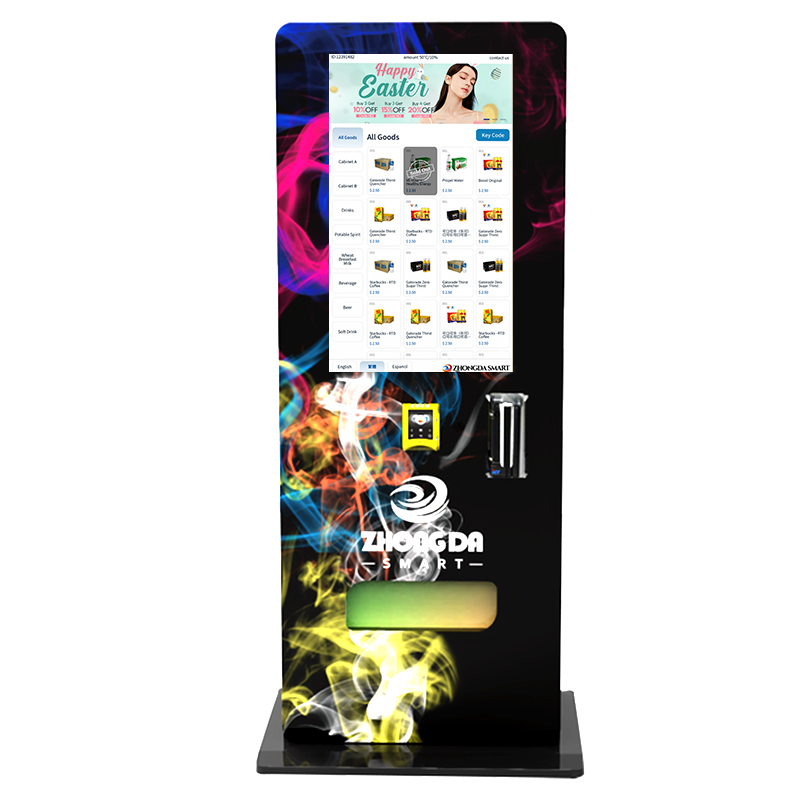
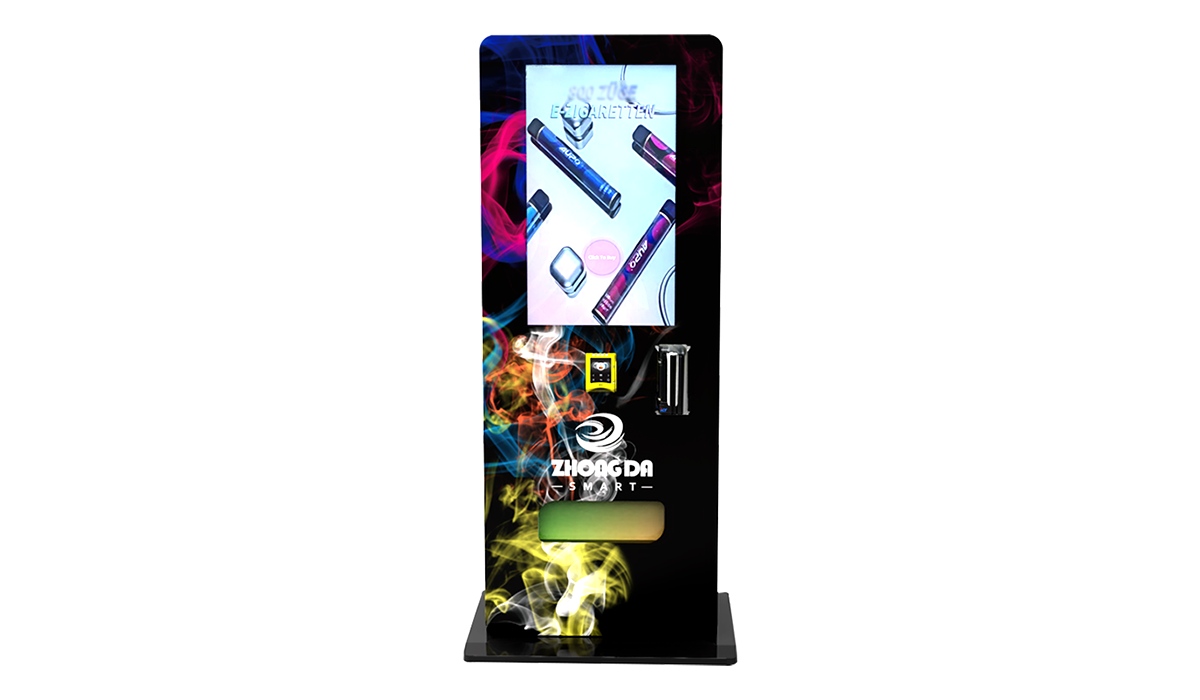
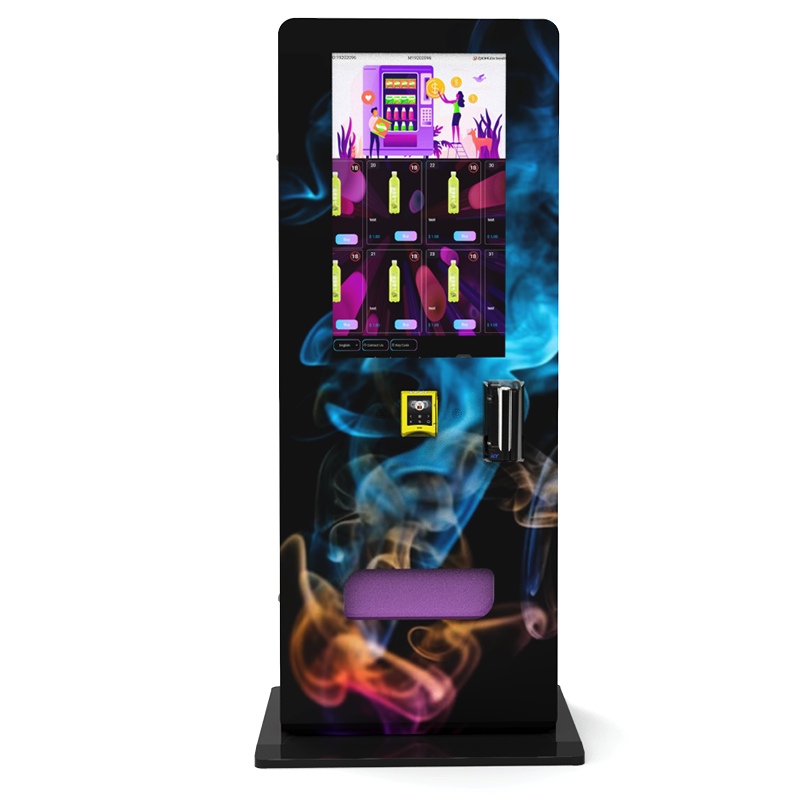
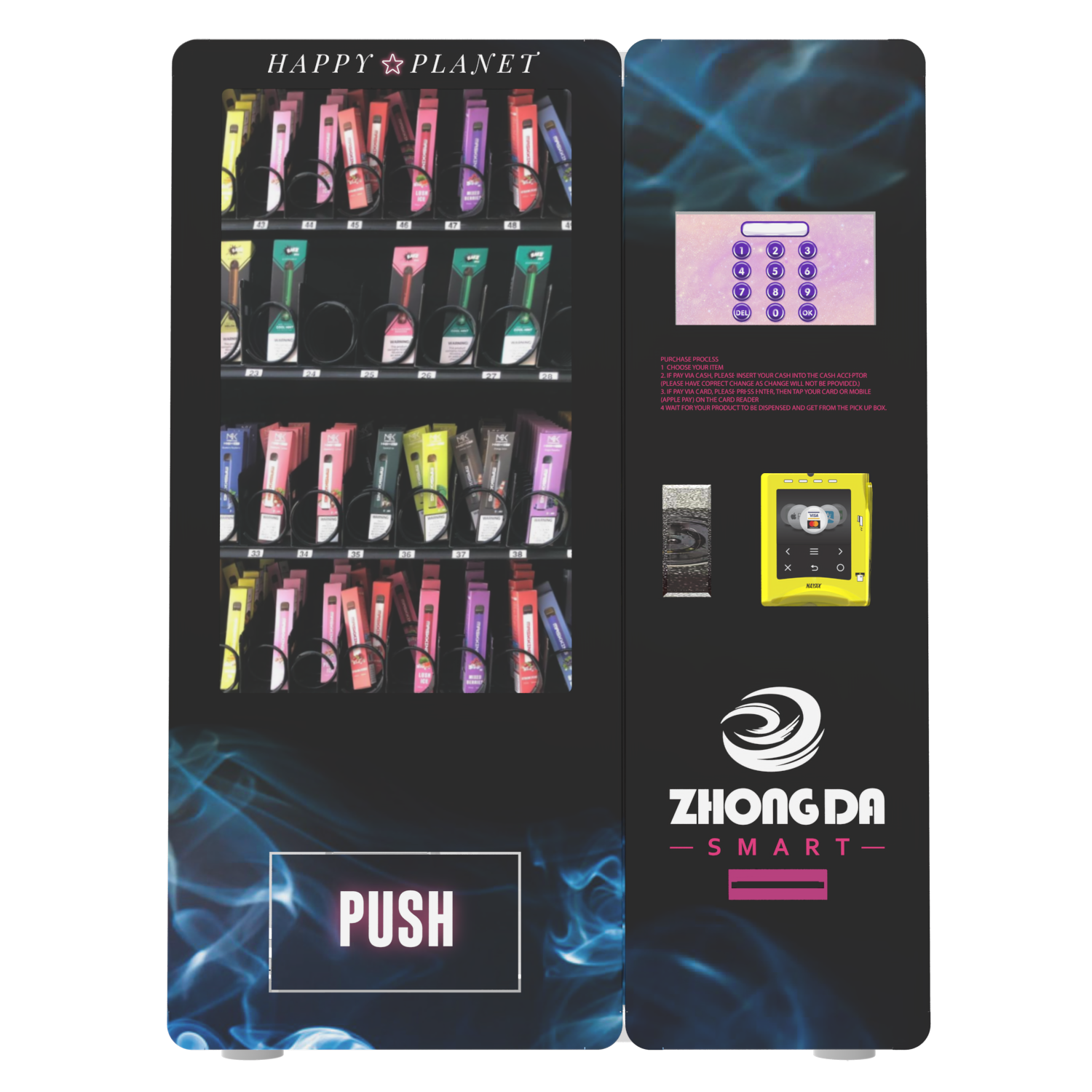
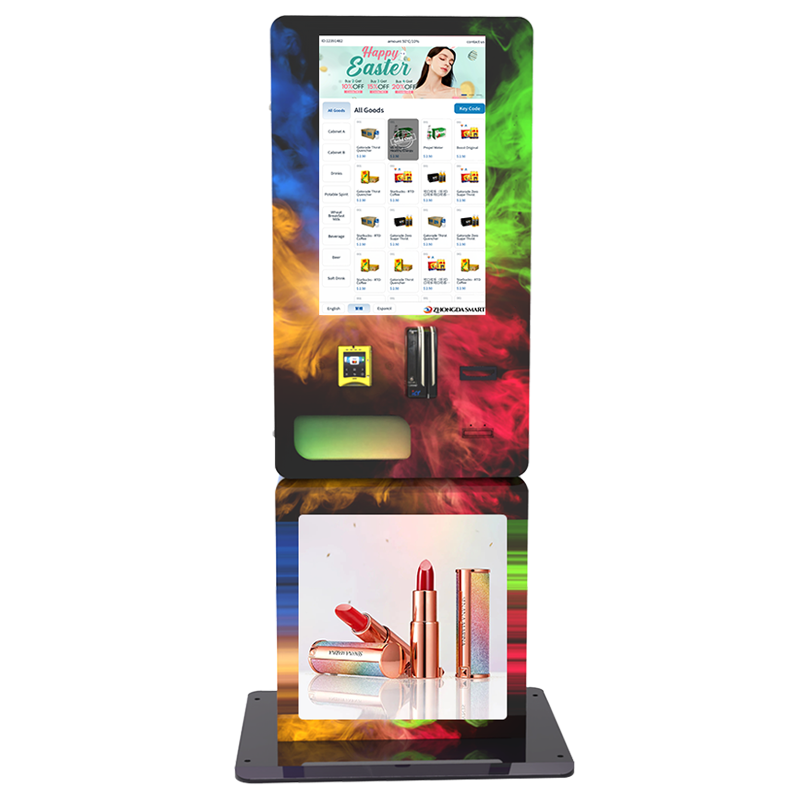
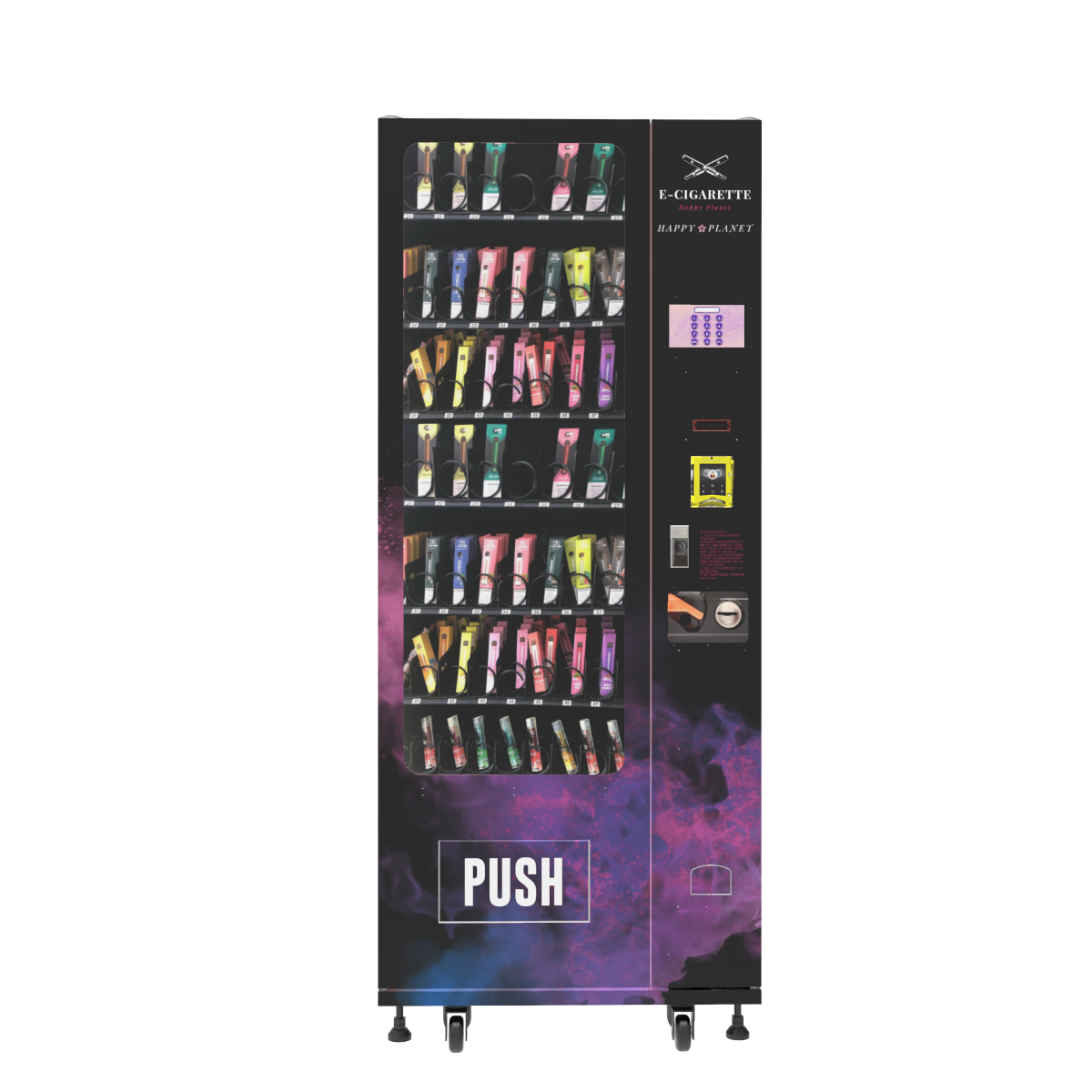
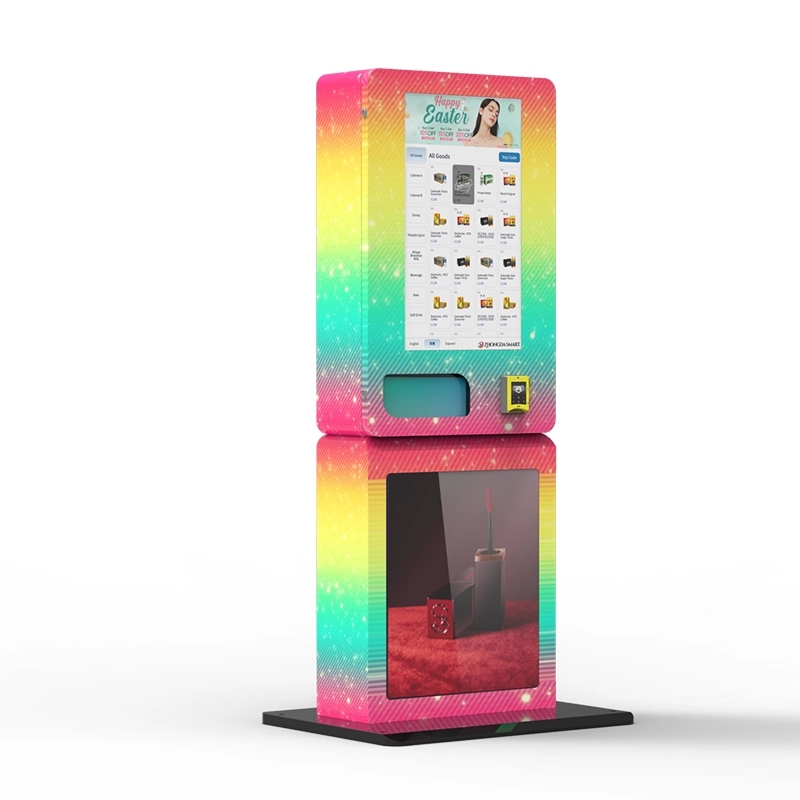
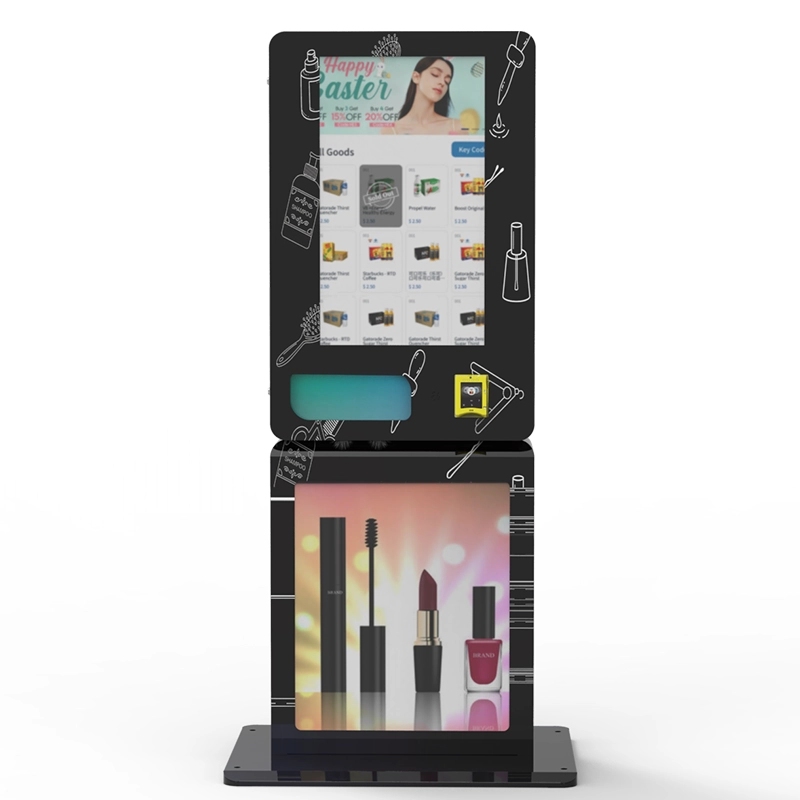
These are floor units with a small footprint—usually around 2 to 3 square feet. They come with a built-in base, a secure locking system, and a touchscreen interface. I recommend standalone units for locations with high foot traffic and enough floor space near an electrical outlet. They’re easier to move if you decide to relocate the machine, and they offer more interior capacity—typically 100 to 200 units depending on the model.
One thing I’ve learned: standalone kiosks work best when placed in a corner or against a wall where they don’t block traffic flow. In a busy nightclub, for example, you want the machine visible but not in the middle of a walkway. Our vape vending machines are designed with a compact base that fits into tight spaces, but you still need to measure your doorway before delivery.
Wall-Mounted Units
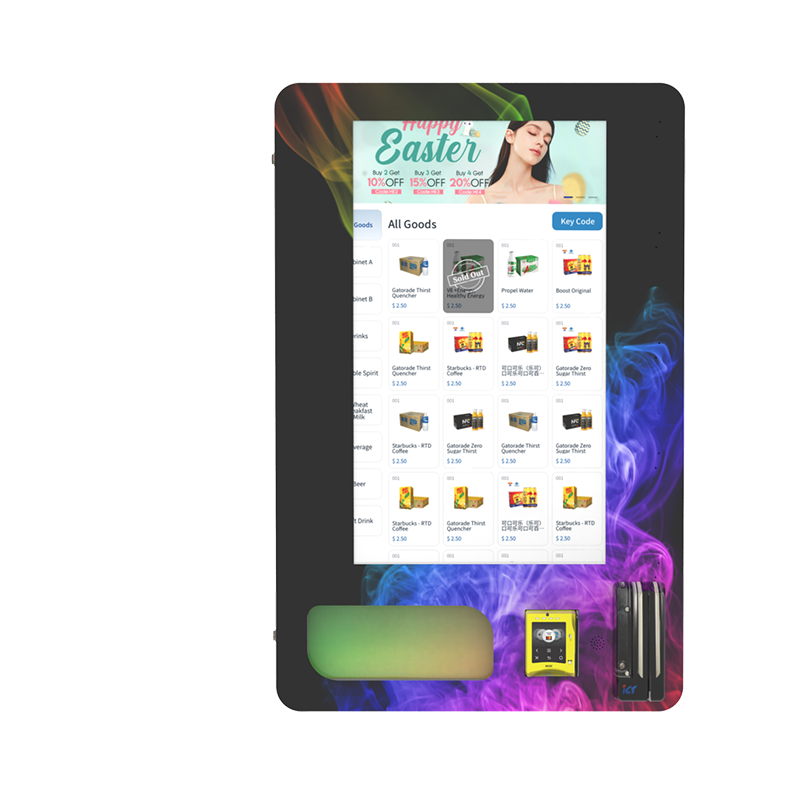
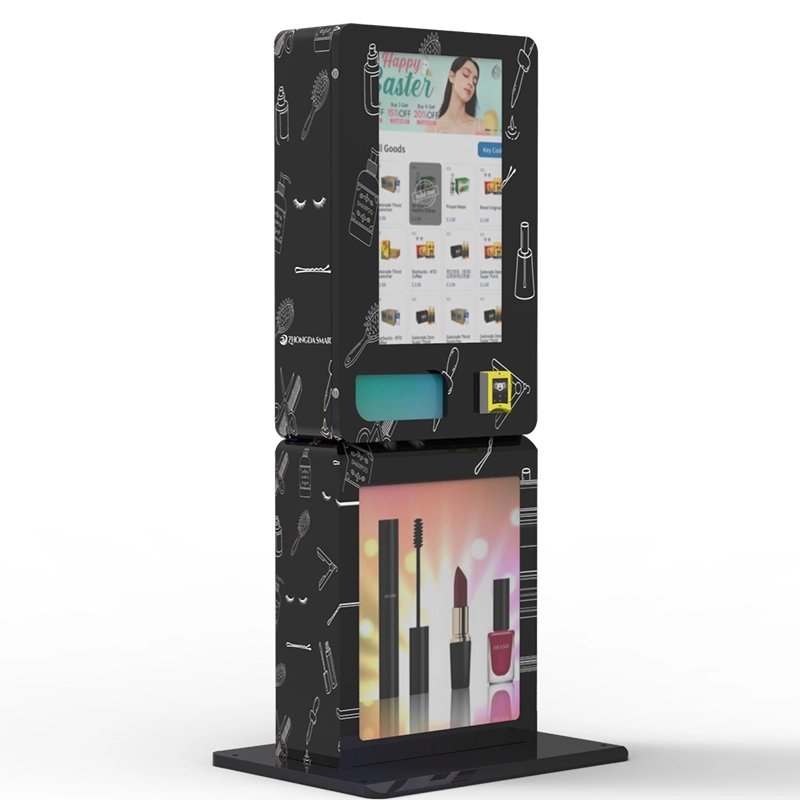
Wall-mounted vending kiosks are the space-saving champions. They attach directly to a wall stud, taking up zero floor space. This is a game-changer for smaller venues like cigar lounges, smoke shops, or convenience stores where every square foot counts. The trade-off is capacity. A wall-mounted unit usually holds 40 to 80 units, but that’s often enough for a low-to-moderate traffic location.
I’ve deployed wall-mounted units in hotel lobbies and airport lounges where floor space is at a premium. The installation requires a solid wall anchor and a nearby power source, but once it’s up, it’s rock solid. Our wall-mounted compact e-cigarette vending machine is a popular choice for these scenarios. It’s slim, secure, and looks professional.
| Feature | Standalone Kiosk | Wall-Mounted Unit |
|---|---|---|
| Floor Space Required | 2–3 sq ft | None (wall mounted) |
| Product Capacity | 100–200 units | 40–80 units |
| Installation Complexity | Moderate (plug and place) | Higher (requires wall anchor) |
| Mobility | Easy to relocate | Permanent installation |
| Best For | Bars, clubs, high-traffic retail | Small shops, hotel lobbies, lounges |
Age Verification: The Non-Negotiable Feature
If your vending machine doesn’t have a reliable age verification system, you’re not just risking a fine—you’re risking your business license. Every machine I deploy must pass a strict ID scan test. The system reads a driver’s license barcode, parses the date of birth, and cross-references it with the expiration date. If the ID is expired or the person is under 21, the transaction stops.
I’ve seen machines with simple “press a button to confirm age” systems. Those are a lawsuit waiting to happen. You need a machine that uses a real ID scanner and, ideally, a secondary verification like facial age estimation. Our ID scan vending machine includes both a scanner and a camera for biometric matching. It’s the only way to stay compliant with state and local regulations.
Real Compliance Data
According to a 2023 report by the CDC, about 15% of high school students reported using e-cigarettes, which is why age-gated vending is under such heavy scrutiny. In California, for example, any vending machine selling tobacco products must be in a location where only adults can access it, or it must have a remote age verification system. I’ve seen machines get seized in Florida because the operator skipped the ID scanner. Don’t be that guy.
Cost Structure and Profit Model
Let’s talk money. A quality vape vending kiosk with age verification costs between $3,500 and $8,000 depending on features and capacity. That’s the upfront hardware cost. Then you have installation, which is usually $200 to $500 for a wall-mounted unit. Standalone units are basically plug-and-play.
The profit model is straightforward: buy wholesale, sell retail. A disposable vape that costs you $5 to $6 wholesale sells for $12 to $18 at retail. That’s a 100% to 200% markup. If your machine sells 10 units a day, that’s $60 to $120 in gross profit daily. Over a month, that’s $1,800 to $3,600. The machine pays for itself in 2 to 4 months.
Hidden Costs to Watch For
- Credit card processing fees: 2.5% to 3.5% per transaction. Factor this into your pricing.
- Restocking labor: You’ll need to refill the machine every 3 to 7 days. If you’re paying someone $15/hour, budget $60 to $100 per month.
- Machine maintenance: Screens fail, scanners jam. Set aside 5% of your monthly revenue for repairs.
- Compliance updates: Some states require software updates for age verification. Budget $200 annually.
Real Deployment Experience: What I Learned the Hard Way
I’ll be honest—I’ve made mistakes. Early on, I placed a standalone kiosk in a location that had a low ceiling and poor lighting. The machine looked like an afterthought, and sales were terrible. I moved it to a spot near the entrance with a bright LED sign, and sales tripled. Location is everything.
Another lesson: don’t underestimate the importance of restocking frequency. I had a client who wanted a high-capacity machine, but their foot traffic was low. The products sat in the machine for weeks, and some expired. Now I match capacity to traffic. A busy nightclub needs a 200-unit machine. A small cigar lounge does fine with a 60-unit wall-mounted unit.
I also learned that customer trust is fragile. If the machine jams and takes someone’s money, they won’t come back. That’s why I only use machines with a proven track record. Our compliant e-cigarette vending machine has a jam-resistant dispensing system that I’ve tested in over 50 locations. It’s not perfect, but the failure rate is under 1%.
Risk and Failure Cases You Need to Know
Not every deployment is a success. I’ve seen machines get vandalized in rough neighborhoods. I’ve seen machines that were placed too close to a heat source, causing batteries to swell. I’ve seen operators who ignored local zoning laws and got hit with $5,000 fines.
The biggest risk is regulatory. Some cities have outright bans on vending machines for tobacco products. Others require a special permit. Before you buy a machine, check with your local health department. I’ve had clients who bought a machine and then found out they couldn’t use it in their county. That’s a $4,000 paperweight.
Another risk: product theft. If your machine doesn’t have a secure lock and a tamper-proof design, someone will try to break into it. I recommend machines with a steel frame, a reinforced door, and an alarm system that triggers if the machine is tilted.
Long-Term Operations Strategy
Running a vending machine business isn’t a set-it-and-forget-it deal. You need a schedule. Here’s what works for me:
- Weekly restocking: Check inventory, remove expired products, clean the screen.
- Monthly maintenance: Test the ID scanner, update the firmware, check the credit card reader.
- Quarterly review: Analyze sales data. Which products sell fastest? Which ones sit on the shelf? Adjust your product mix.
- Annual upgrade: Replace the screen if it’s getting dim, upgrade the software for new compliance rules.
I also recommend building a relationship with a reliable supplier. You don’t want to run out of stock on a Friday night. Our age verification vending machine comes with a remote monitoring system that alerts you when inventory is low. That’s a feature I consider essential for any serious operator.
Comparing Vape Vending Machines to Traditional Retail
Let’s put the numbers side by side. A traditional retail display requires a staffed counter, a cashier, and a physical inventory check. The labor cost alone can eat up 30% of your profit. A vending machine has zero labor cost after installation. The trade-off is that you can’t upsell or cross-sell. But for high-margin products like disposable vapes, the vending machine wins every time.
I’ve seen retailers who were skeptical at first, but after running a vending machine for six months, they added a second one. The ROI is that convincing.
Expert Advice on Choosing a Manufacturer
Not all vending machines are built the same. I’ve tested machines from a dozen different manufacturers. The ones that last are the ones with industrial-grade components: a capacitive touchscreen, a metal dispensing mechanism, and a commercial-grade power supply. Cheap machines with plastic parts break within a year.
I recommend working with a manufacturer that has a proven track record in the US market. Zhongda Smart, for example, has been building vending machines for over 15 years. Their machines are UL certified, FCC compliant, and designed specifically for the North American market. If you’re looking for a reliable partner, check out their vape vending machine lineup. They offer both standalone and wall-mounted options, and their customer support is responsive.
Final Thoughts on Scaling Your Vending Business
If you’re serious about adding a vape vending kiosk to your location, start with one machine. Learn the operational flow. Understand the restocking cycle. Build a relationship with your supplier. Once you’ve proven the model, scale it. I’ve seen operators go from one machine to ten in a year. The key is consistency and compliance.
Remember, the vending machine is a tool. It’s not a magic solution. But if you put it in the right location, stock it with the right products, and maintain it regularly, it will become one of the most profitable square feet in your business.
Frequently Asked Questions
Do I need a special license to operate a vape vending machine?
Can I use a regular vending machine for vapes?
How much does a vape vending machine cost?
How often do I need to restock the machine?
What happens if the machine breaks down?
Sources:
- CDC Youth Tobacco Survey, 2023. https://www.cdc.gov/tobacco/data_statistics/surveys/nyts/index.htm
- IBISWorld Vending Machine Operators Industry Report, 2024. https://www.ibisworld.com/united-states/market-research-reports/vending-machine-operators-industry/