If you’ve been in the vaping industry for any length of time, you’ve seen the shift. Brick-and-mortar sales are getting squeezed by regulations, labor shortages, and rising rent. The solution that’s quietly taking over is the vape vending machine. It’s not a retro cigarette dispenser from the 1980s. Today’s units are smart, connected, age-restricted kiosks that handle sales, ID checks, and inventory tracking without a cashier. I’ve been deploying these machines across the US and Europe for over a decade, and I’ve seen what works and what burns cash. This guide is the straight talk on how they function, what they cost, and how to make real money with them.
How a Modern Vape Vending Machine Actually Works
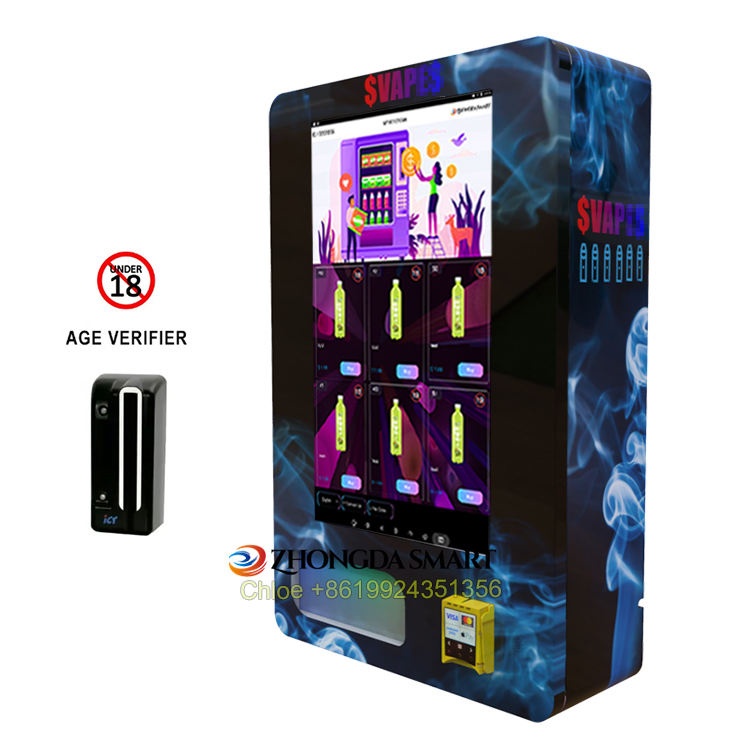
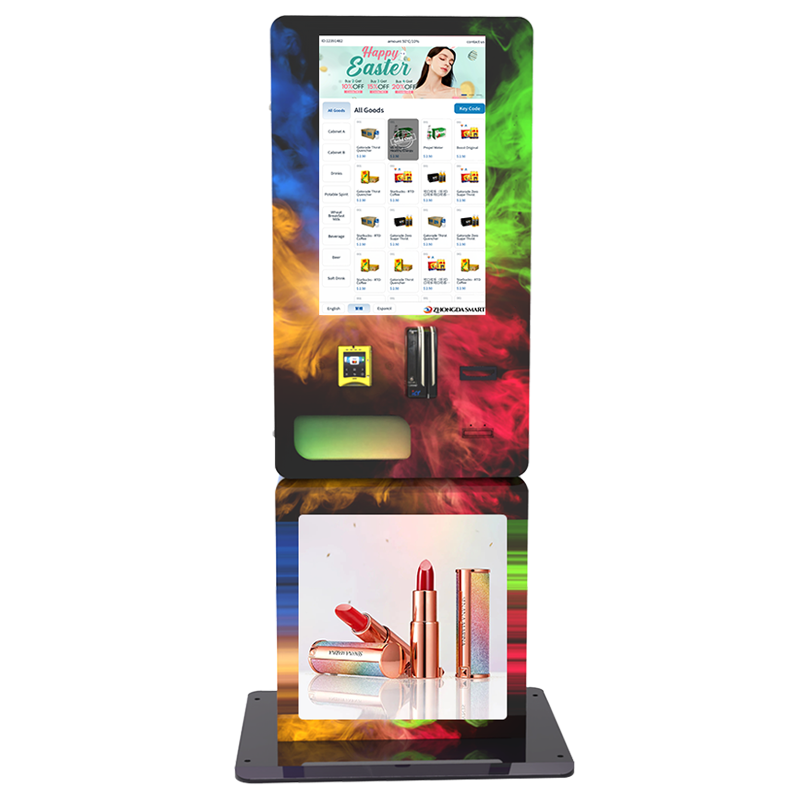
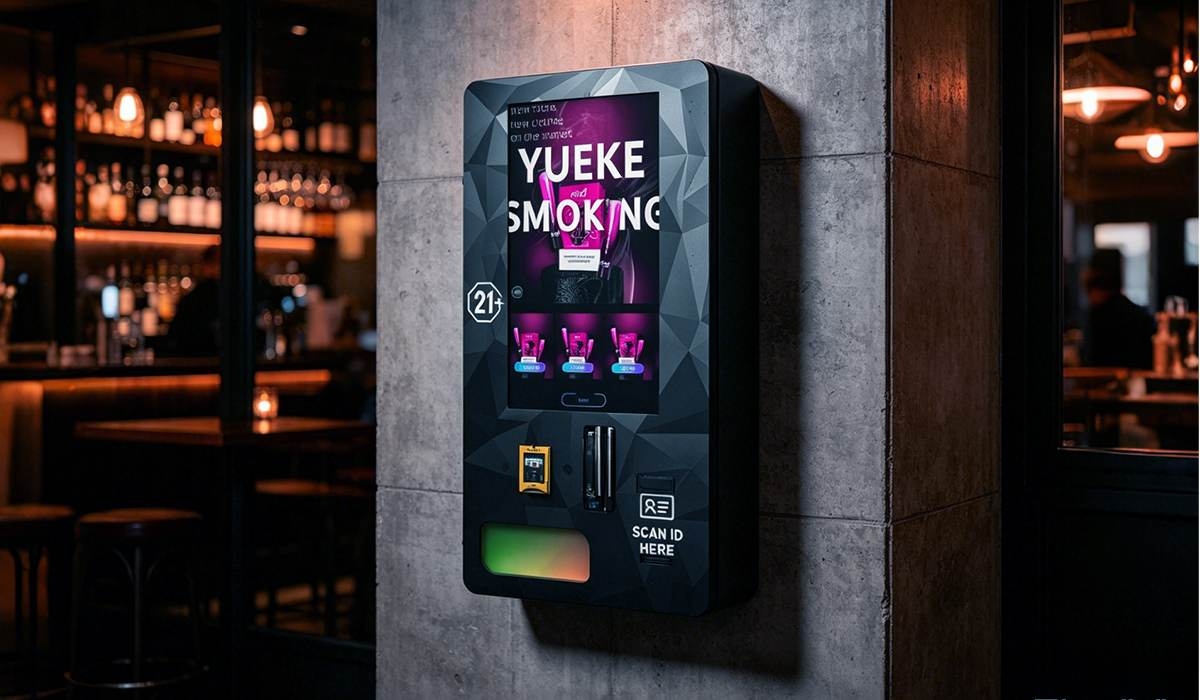
Forget the old coil-and-spring junkers. A modern vape vending machine is a self-contained retail point of sale. It’s got a refrigerated cabinet, a touchscreen interface, and a payment system that takes cards, Apple Pay, and Google Pay. The critical difference from a snack machine is the age verification vending machine technology built into every unit.
The Hardware Stack
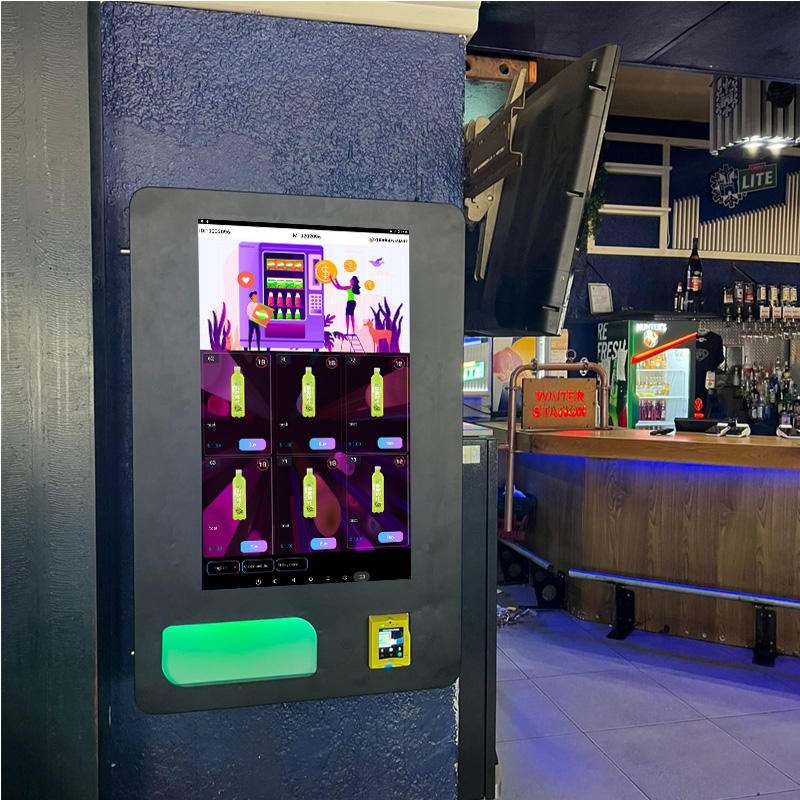
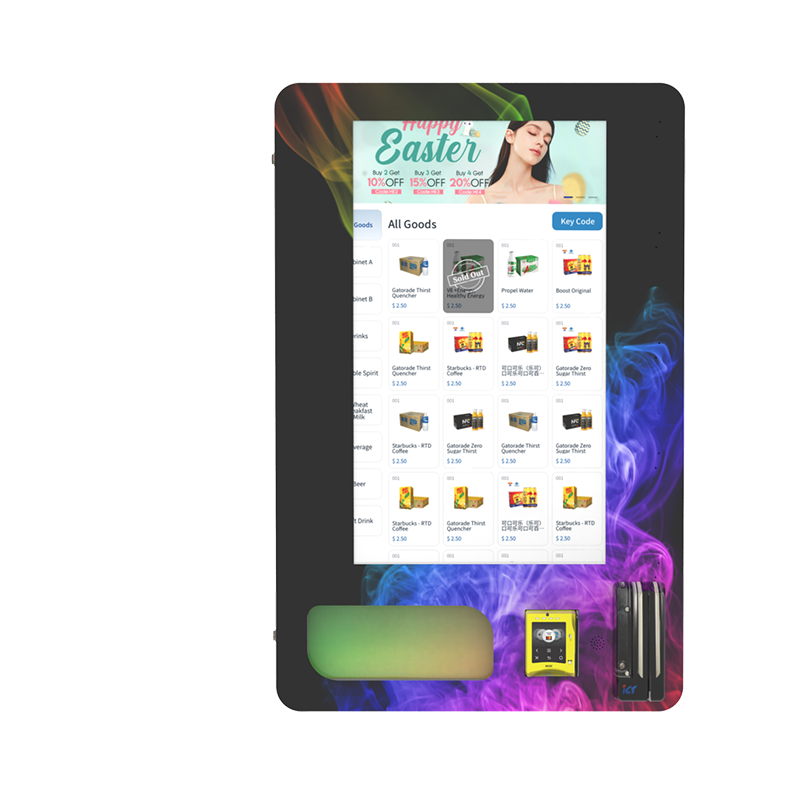
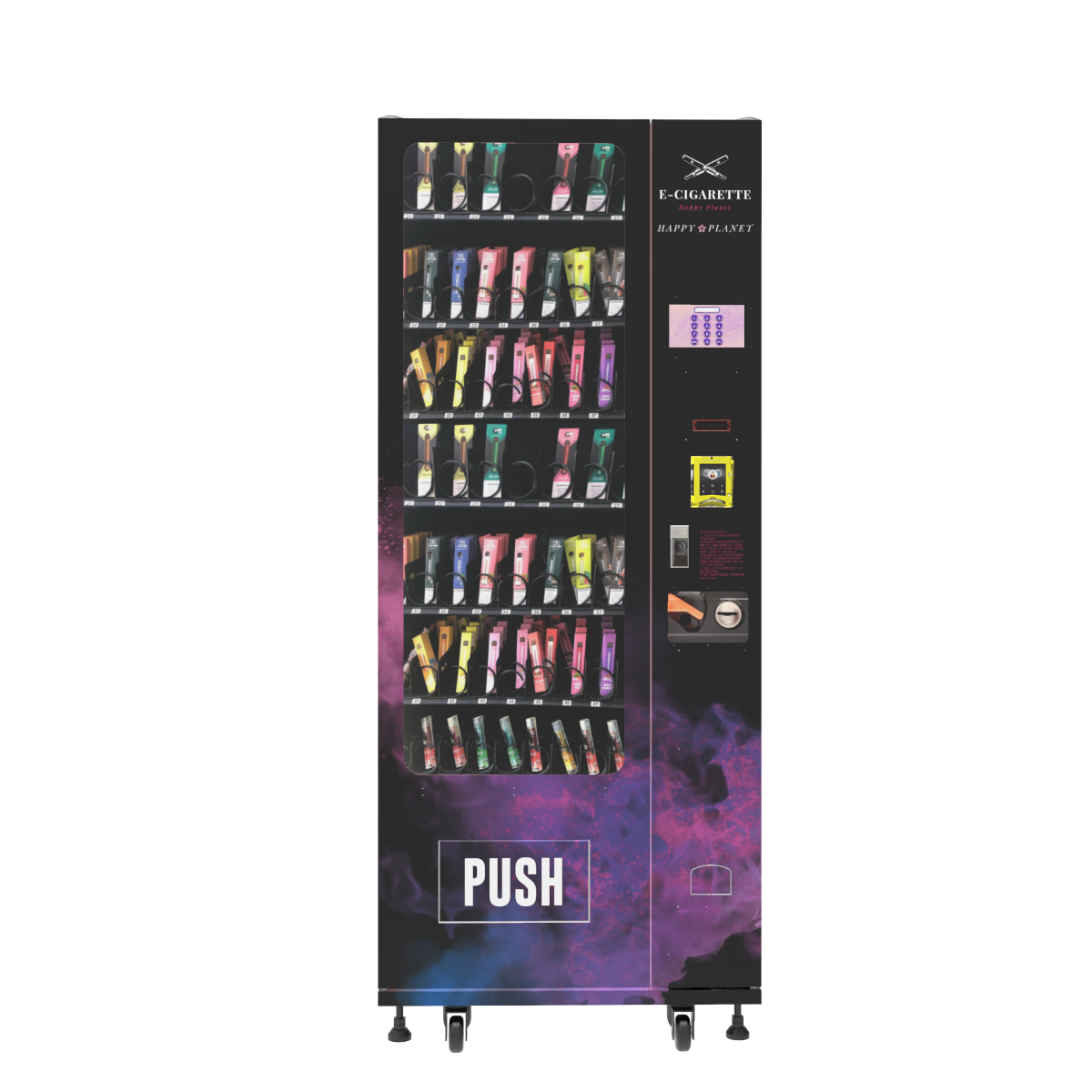
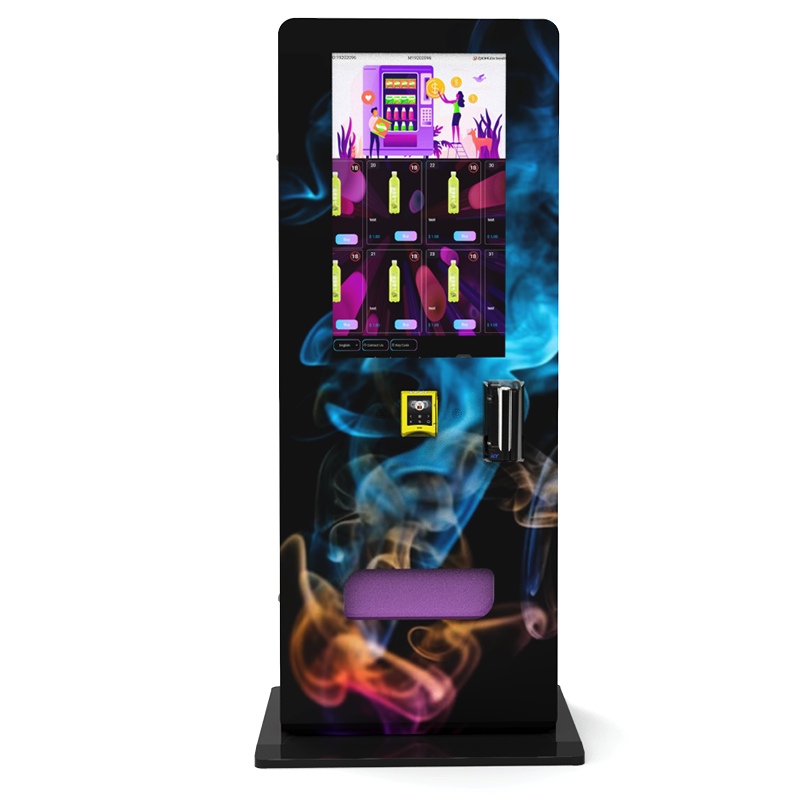
The chassis is typically steel with a tempered glass front. You’ll see two main form factors: a full-size cabinet (around 72 inches tall) that holds 200 to 400 units, and a wall mounted vape vending machine that fits in tighter spaces like a bar corner or hotel lobby. Inside, you’ve got spiral coils or tray systems that dispense the product. The cooling system keeps e-liquids stable—heat is the enemy of nicotine salts.
The Age Verification System
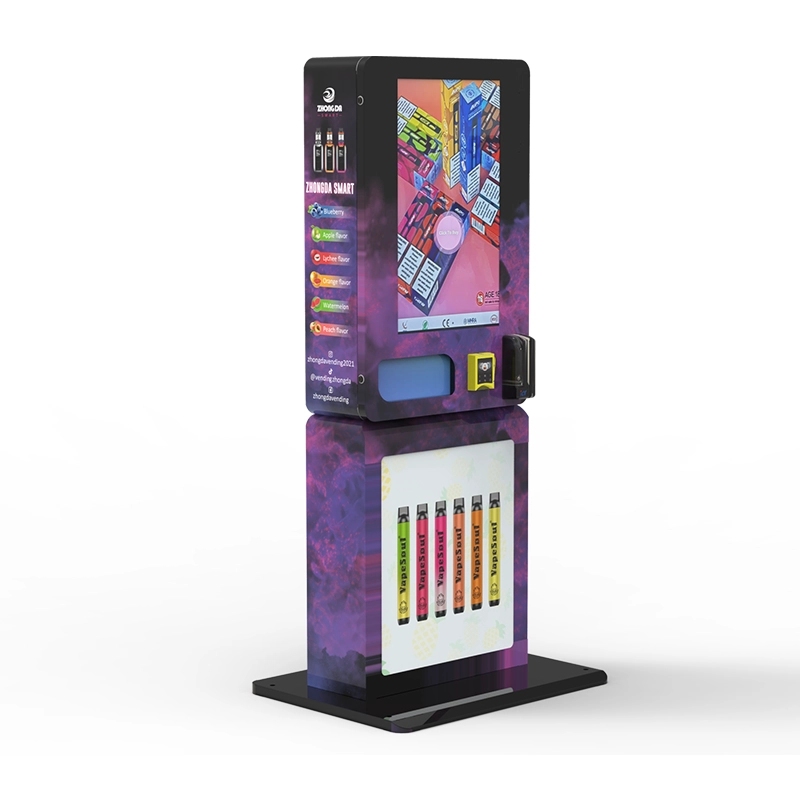
This is the make-or-break feature. Every legal machine in the US and EU must have an ID scan vending machine module. The buyer scans their driver’s license or passport. The machine’s software parses the barcode, checks the date of birth against the legal age (21 in the US, 18 or 19 in most EU countries), and validates the ID’s authenticity. Some advanced units use a biometric vape vending machine system that matches the face to the photo on the ID. If the scan fails or the person is underage, the transaction stops cold. I’ve seen operators try to skip this step to save money, and it always ends with fines or confiscated machines.
The Payment and Telemetry Loop
Once age is verified, the machine unlocks the payment screen. The machine is always connected to the cloud via 4G or Wi-Fi. Every sale updates the inventory in real time. I can log into a dashboard from my phone and see that Machine #7 at a bar in Austin is out of 50mg salt nic in Blueberry Ice. That data lets me restock precisely, not on a fixed schedule. This telemetry also flags mechanical issues—like a jammed coil—before a customer complains.
Why Businesses Are Switching to Self-Service Kiosks
The economics of a traditional vape shop are getting ugly. The average store pays $4,000 to $8,000 a month in rent, plus labor for two or three employees. A self-service kiosk eliminates the labor line item entirely. You pay for electricity, the machine lease or purchase, and restocking labor. That’s it.
The Labor Crunch
Finding a reliable clerk who won’t sell to minors, shows up on time, and knows the difference between a pod system and a disposable is nearly impossible in many markets. A smart vending machine doesn’t call in sick. It doesn’t steal. It doesn’t argue with customers about ID checks. The machine enforces the law every single time, which is a massive liability off your shoulders.
24/7 Revenue Without Staffing
Bars and clubs close at 2 AM, but the demand for nicotine doesn’t clock out. A vape vending machine placed in a venue’s hallway or near the restrooms keeps selling until the lights go out. In one of my deployments at a casino in Nevada, the machine did 40% of its daily volume between midnight and 4 AM. No human employee would work those hours for the commission that machine earns.
Real Numbers: Cost, Margin, and Payback Period
Let’s talk cash. This is where most articles get fluffy, but I’ll give you the hard numbers from my own deployments and from industry benchmarks.
| Cost Item | Typical Range (USD) | Notes |
|---|---|---|
| Machine purchase (new, compliant) | $5,500 - $12,000 | Depends on capacity, ID scan quality, cooling |
| Shipping and installation | $300 - $800 | Freight, setup, network configuration |
| Monthly software/telemetry fee | $30 - $80 | Cloud dashboard, remote monitoring |
| Average product cost (per unit) | $4.00 - $8.00 | Disposables or pods at wholesale |
| Average retail price | $12.00 - $22.00 | Depends on brand, nicotine strength, local tax |
| Gross margin per sale | 50% - 65% | Before machine cost and location share |
| Average transactions per day | 15 - 35 | High-traffic bar or convenience store |
| Monthly gross revenue (est.) | $5,400 - $12,000 | Based on 20 transactions/day at $15 avg |
| Payback period | 4 - 9 months | Assuming good location and no major issues |
Profit Model Breakdown
I’ll walk you through a real example from a deployment last year. We placed a high-capacity unit in a truck stop along a major interstate corridor in the Midwest. The location owner wanted a 20% commission on gross sales. The machine cost $9,200 delivered. We stocked it with a mix of 5% disposable vapes and 35mg salt nic pods. Average sale was $16.50. In the first month, the machine did 540 transactions. Gross revenue was $8,910. The location owner got $1,782. Product cost was roughly $3,200. That left $3,928 before the machine payment and telemetry fees. The machine paid for itself in 2.5 months. That’s not typical—most units take 5 to 7 months—but it shows the ceiling.
Where to Place a Vape Vending Machine for Maximum ROI
You can put the best machine in the world in the wrong spot and it will collect dust. Location is 80% of the success equation. I’ve tested dozens of venue types. Here’s what works and what doesn’t.
High-Traffic, Low-Labor Venues
- Bars and Nightclubs: These are the gold standard. Patrons are already spending money. They run out of their vape or want a backup. The vape vending machine for bars is a proven concept. The key is placement—near the restrooms or exit, not behind the bar where staff has to manage it.
- Hotels: Especially properties without a 24-hour convenience store. Business travelers forget their devices. A hotel vape vending machine in the lobby near the elevators sees steady, low-effort sales.
- Truck Stops and Travel Centers: Truckers are heavy nicotine users. They have cash and time. The machine needs to be visible from the checkout line.
- Smoke Shops and Convenience Stores: These locations already sell vapes. The machine extends their sales footprint to a corner of the store or outside the entrance, capturing after-hours traffic.
Venues to Avoid
- College Campuses: Even if legal, the optics are terrible. You’ll get community pushback, and many universities ban nicotine products entirely.
- Gas Stations with Low Foot Traffic: If the store averages 50 customers a day, you won’t hit your numbers. You need at least 200 daily visitors to make the math work.
- Laundromats: I tried it. The dwell time is high, but the customer demographic is often price-sensitive and not willing to pay premium retail for disposables.
Regulatory Landmines and How to Navigate Them
Every operator asks me the same question: “Are these legal?” The answer is yes, but only if you follow the rules. The landscape is patchwork. Federal law in the US requires age verification for any tobacco product sale. The FDA’s 2020 guidance effectively banned flavored closed-system pods, but exempted disposable devices and open-tank systems. That exemption is why most machines stock disposables.
State and Local Laws
Some states, like California and New York, have banned flavored tobacco products entirely. That kills the disposable market. Other states, like Florida, allow the machines but require a specific permit and restrict placement to areas not accessible to minors. I’ve seen operators ignore these rules and lose their machines to seizure. If you’re looking at a vape vending machine legal framework, you must check the local county health department regulations. They often have stricter rules than the state.
Age Verification Compliance
The machine must reject underage buyers 100% of the time. A simple “click to confirm you are 21” button is not enough. The FDA and state attorneys general have made examples of operators who used weak verification. The standard now is a physical scan of a government-issued ID. Some machines add a secondary verification via a live video call for high-risk transactions. I always recommend the ID scan vending machine with facial matching. It costs more upfront but eliminates the legal risk.
Common Mistakes Operators Make (And How to Avoid Them)
I’ve made most of these mistakes myself over the years. Here’s the short list so you don’t have to learn the hard way.
Buying a Cheap Machine Without Age Verification
There are dozens of listings on Alibaba for “vape vending machines” at $2,000. They are not compliant. They have no ID scanner, no telemetry, and often use a flimsy cabinet that can be pried open. You will lose money on fines, theft, and replacement costs. A compliant machine from a reputable manufacturer like Zhongda smart starts around $5,500, but it includes the age verification module, cloud software, and a steel cabinet that can take a beating.
Ignoring Inventory Management
I once had a machine in a hotel that ran out of the top-selling SKU on a Friday night. I didn’t check the dashboard until Monday. That was three days of lost revenue and a pissed-off location owner. Modern smart vending machines send push notifications when inventory drops below a threshold. Use them. Set alerts for your top three items.
Neglecting the Location Partner
The bar owner or hotel manager is your customer as much as the end user. If the machine breaks down and you take three days to fix it, they will pull the plug. I have a service contract that guarantees a 24-hour response time for mechanical issues. That trust keeps my machines in place for years.
Technical Specifications: What to Look for in a Machine
If you’re buying a machine yourself, you need to know what separates a workhorse from a headache. Here’s what I check before I purchase.
Key Components
- Refrigeration: The cooling system must maintain a stable 60-70°F range. Cheap compressors fail within a year. Look for a Danfoss or equivalent commercial-grade compressor.
- Touchscreen: It must be bright enough to read in direct sunlight if the machine is near a window. A 21.5-inch capacitive screen is the minimum.
- ID Scanner: Not all scanners are equal. The best ones read 2D barcodes, magnetic stripes, and can parse the encrypted data on modern driver’s licenses.
- Connectivity: 4G LTE is non-negotiable. Wi-Fi is fine for backup, but you need cellular for reliability in basements or concrete-walled venues.
- Vandalism Protection: Tempered glass (at least 6mm), reinforced locks, and a tilt sensor that triggers an alarm if the machine is moved.
Model Comparison: Wall-Mounted vs. Full-Size
| Feature | Wall-Mounted Compact | Full-Size Cabinet |
|---|---|---|
| Capacity | 50 - 100 units | 200 - 400 units |
| Footprint | 24” wide, 12” deep | 40” wide, 28” deep |
| Best for | Small bars, hotel rooms, offices | Truck stops, casinos, large stores |
| Installation | Wall anchors, low weight (~150 lbs) | Floor placement, heavy (~400 lbs) |
| Price range | $4,500 - $7,000 | $7,500 - $12,000 |
If you’re just starting out, I recommend the wall mounted vape vending machine. It’s cheaper, easier to place in existing businesses, and you can test multiple locations with a lower capital investment. Once you know what works, scale up to the full-size units.
Long-Term Maintenance and Operations
These machines are not set-and-forget. They require regular attention, but the workload is manageable for one person.
Weekly Routine
- Check the dashboard for low inventory alerts.
- Restock top sellers. Never let a SKU sit empty for more than 24 hours.
- Wipe down the touchscreen and glass. A dirty machine looks abandoned and reduces sales.
- Test the ID scanner with a known valid ID. Calibration drifts over time.
Monthly Routine
- Pull the sales report and reconcile with the location partner’s commission.
- Check the refrigeration temperature with a secondary thermometer.
- Update the firmware for the payment system and age verification software.
- Inspect the cabinet for any signs of tampering or attempted break-in.
Common Mechanical Failures
- Jammed coil: Usually caused by a product that is slightly too large for the spiral. Switch to a different brand or adjust the coil spacing.
- Card reader failure: The most common issue. Keep a spare reader in your car. Swap it out in under 10 minutes.
- Network dropout: The machine will still vend offline, but it won’t report sales. Most machines cache the data and upload it when the connection returns.
Expert Advice from a Decade in the Field
I’ve been doing this since before most people knew what a vape was. Here’s the advice I give to every new operator.
Start with one machine. Don’t buy five at once. Buy one, find a location, learn the operational rhythm. Fix the problems on a small scale. Once that machine is doing $4,000 a month in profit, then buy the second one. I’ve seen people go all in and end up with four machines sitting in a warehouse because they couldn’t find good locations.
Build a relationship with your location partner. The bar owner or store manager is your ally. Give them a free vape every week. Keep the machine clean. Respond to their complaints immediately. They can kick you out anytime. Make them want you to stay.
Don’t compete on price. Your machine is a convenience, not a discount store. Price your products at or slightly above the local retail price. People pay for the convenience of buying at 2 AM without waiting in line. If you undercut the store owner, they will see you as a threat and pull the machine.
Frequently Asked Questions
What is a vape vending machine?
A vape vending machine is an automated self-service kiosk that sells vaping products. It includes an age verification system to confirm the buyer is of legal age, a payment terminal, and a refrigerated cabinet to store e-liquids and disposable devices.
How much does a vape vending machine cost?
A compliant machine with age verification and telemetry typically costs between $5,500 and $12,000. Wall-mounted compact models are on the lower end, while full-size high-capacity units are at the higher end.
Are vape vending machines legal?
Yes, but only if the machine includes a robust age verification system that scans a government-issued ID. Federal and state laws require that no sale be made to anyone under 21 in the US. Local regulations vary, so you must check your specific county and state laws.
How much money can a vape vending machine make?
A well-placed machine in a high-traffic venue can generate $5,000 to $12,000 in monthly gross revenue. After product costs and location commission, net profit is typically $2,000 to $5,000 per month. Payback period ranges from 4 to 9 months.
Where is the best place to put a vape vending machine?
The best locations are bars, nightclubs, hotels, truck stops, and convenience stores. The key is high foot traffic and a demographic that already uses nicotine products. Avoid low-traffic venues and locations near schools.
Do I need a license to operate a vape vending machine?
In most states and countries, you need a tobacco retail license. Some jurisdictions have specific permits for vending machines. You also need a business license and must register with the local tax authority to collect sales tax.
Final Thoughts on the Vape Vending Machine Business
This is not a passive income scheme. It’s a real business that requires attention to detail, compliance, and relationships. But if you do it right, it scales beautifully. One machine can pay for itself in six months. Ten machines can replace a full-time job. Fifty machines can become a company. I’ve seen it happen. The key is starting with the right equipment, placing it in the right location, and never cutting corners on age verification. If you want to see the specific models I recommend and trust for my own deployments, check out the vape vending machine lineup from Zhongda smart. They build the machines I use in my own network.
References and Data Sources
The following sources provided data and context used in this article. They are authoritative industry references and are cited for transparency.