If you are looking to place a vape vending machine in the US market, the first thing you need to understand is that there is no single federal rule that covers everything. Instead, you are dealing with a patchwork of state laws, local city ordinances, and FDA regulations that change faster than most hardware updates. I have been in this business for over a decade, both running operations in Europe and building the machines from the factory floor. I have seen operators lose tens of thousands of dollars because they assumed a license from one state worked in another. This guide walks you through what you actually need to know before you buy a machine, apply for permits, or even pick a location.
Why Licensing Varies So Much Between States
The core issue is that tobacco control laws in the US have historically been set at the state level. When vapes and e-cigarettes entered the market, most states simply added them to existing tobacco definitions. Some states treat vape products as tobacco, some treat them as separate "alternative nicotine products," and a few treat them differently depending on whether the product contains nicotine. This directly affects what kind of vape vending machine license you need and whether you can even place a machine in a specific location.
For example, in California, the law is strict. You cannot sell flavored tobacco products in a vending machine unless it is in an adult-only facility. In Florida, the rules are different, and local county health departments often have their own additional requirements. I have personally dealt with a situation in Texas where a city ordinance banned all tobacco vending machines, even though the state law allowed them. You have to check both state and local codes.
Federal Baseline Requirements
Before you look at state specifics, you must comply with the FDA. The FDA requires that any sale of tobacco products, including those from a vending machine, must be done in a facility where individuals under 21 are not allowed. This means your machine cannot be in a location where minors can access it unsupervised. The machine must also have a clear warning sign. This is not a license per se, but it is a federal mandate that overrides state laws if the state law is weaker.
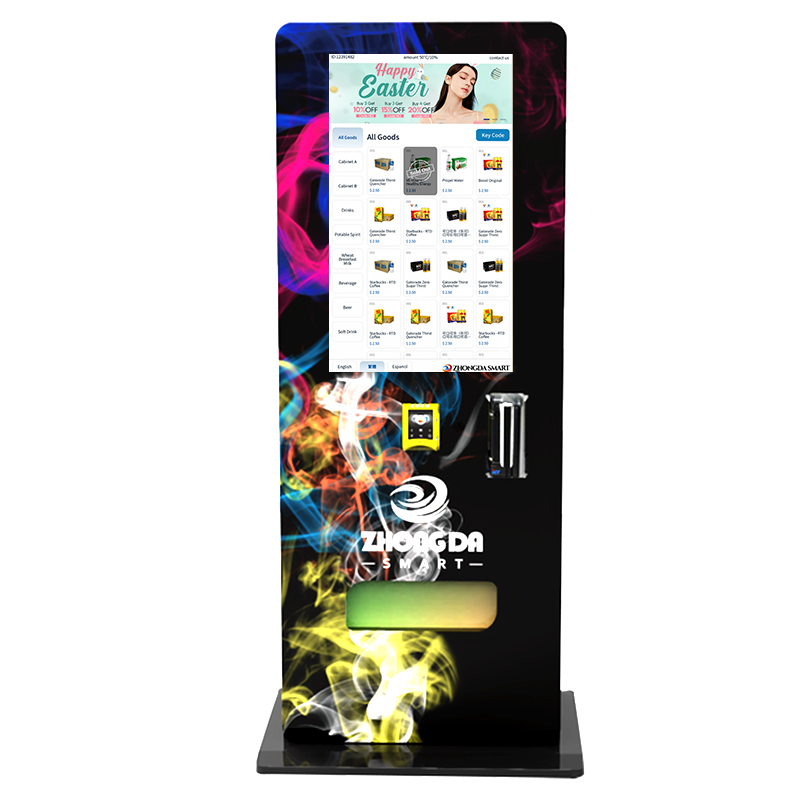
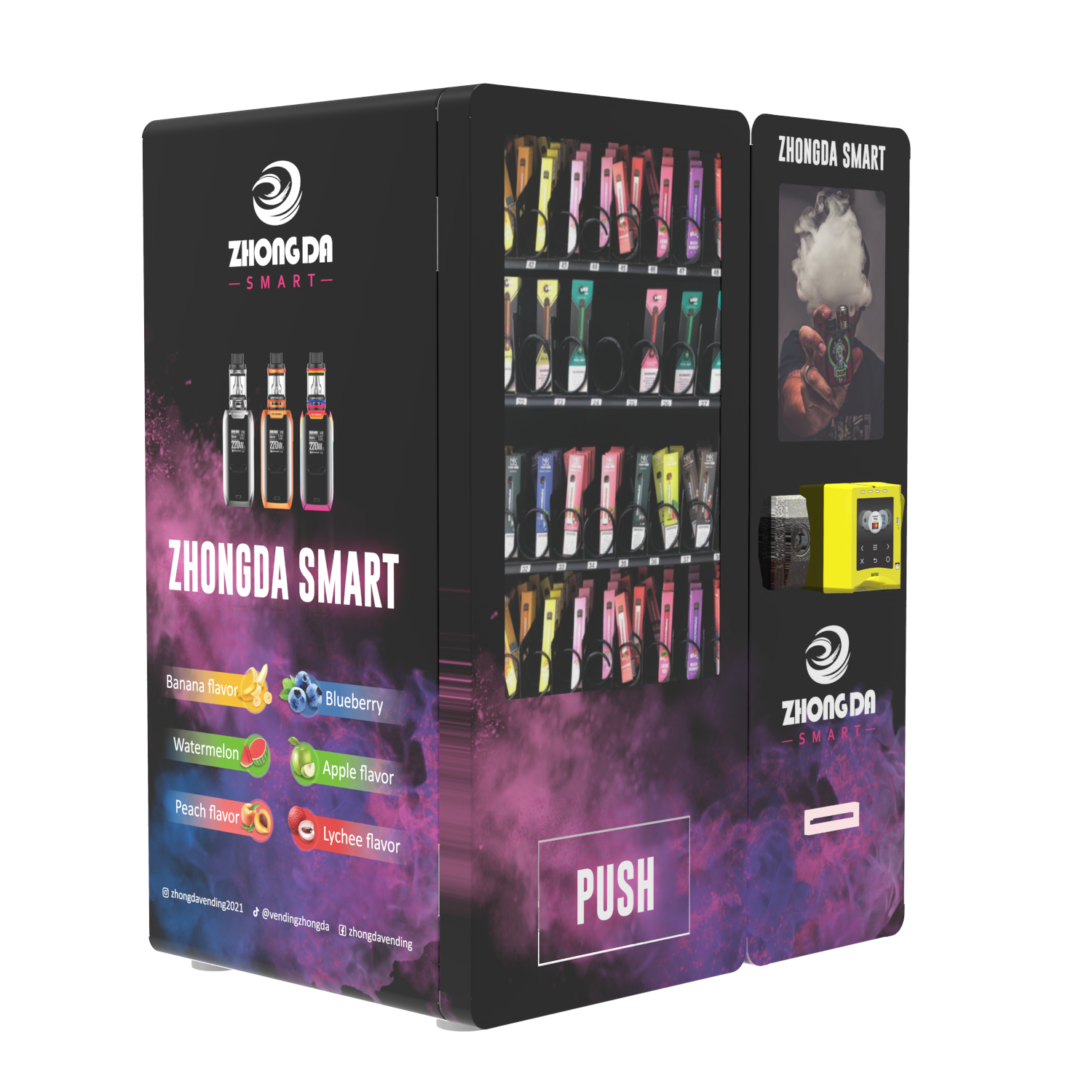
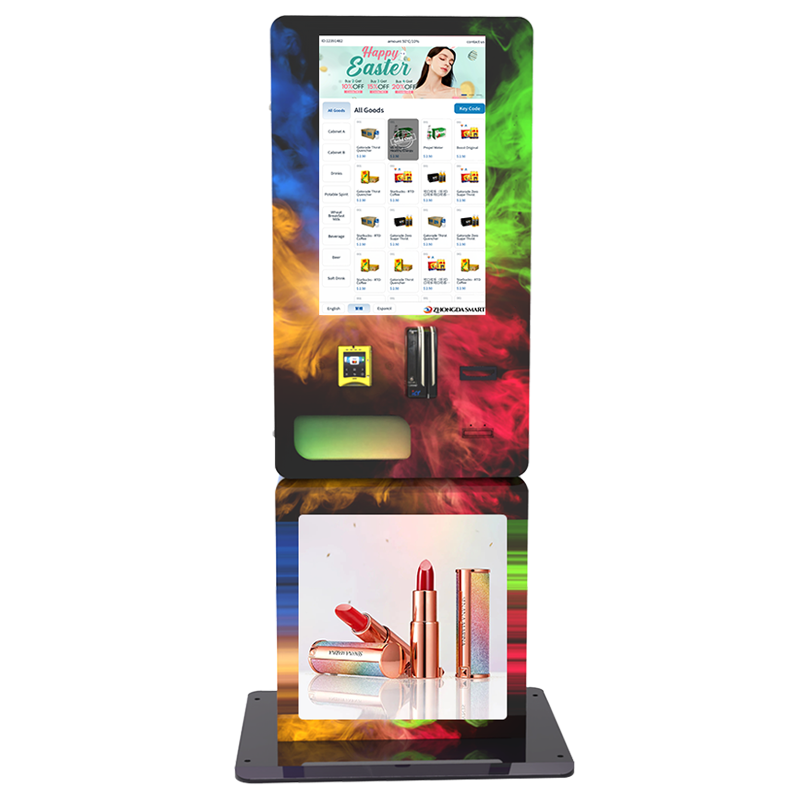
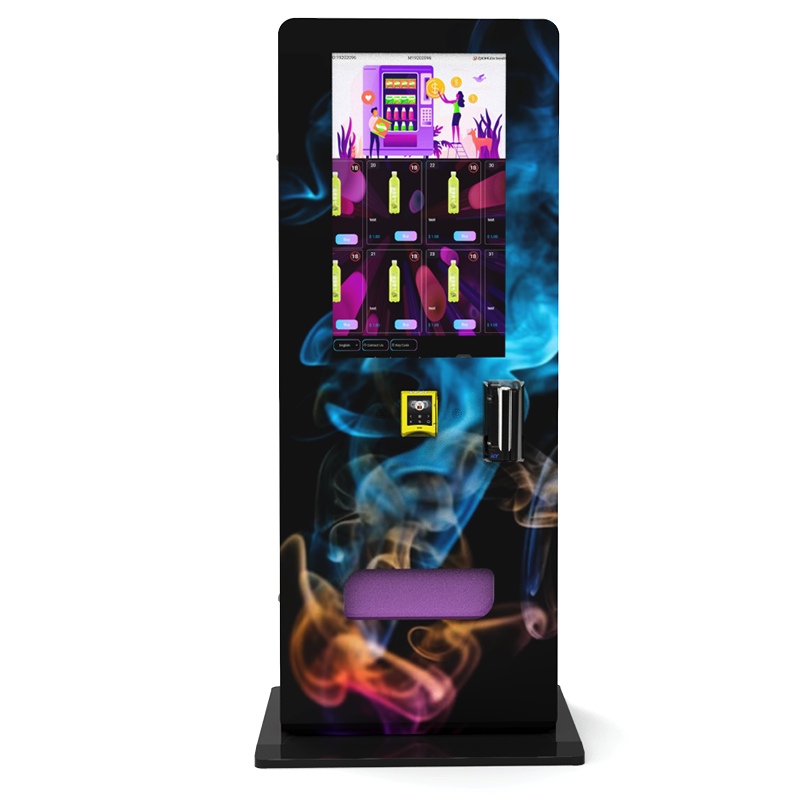
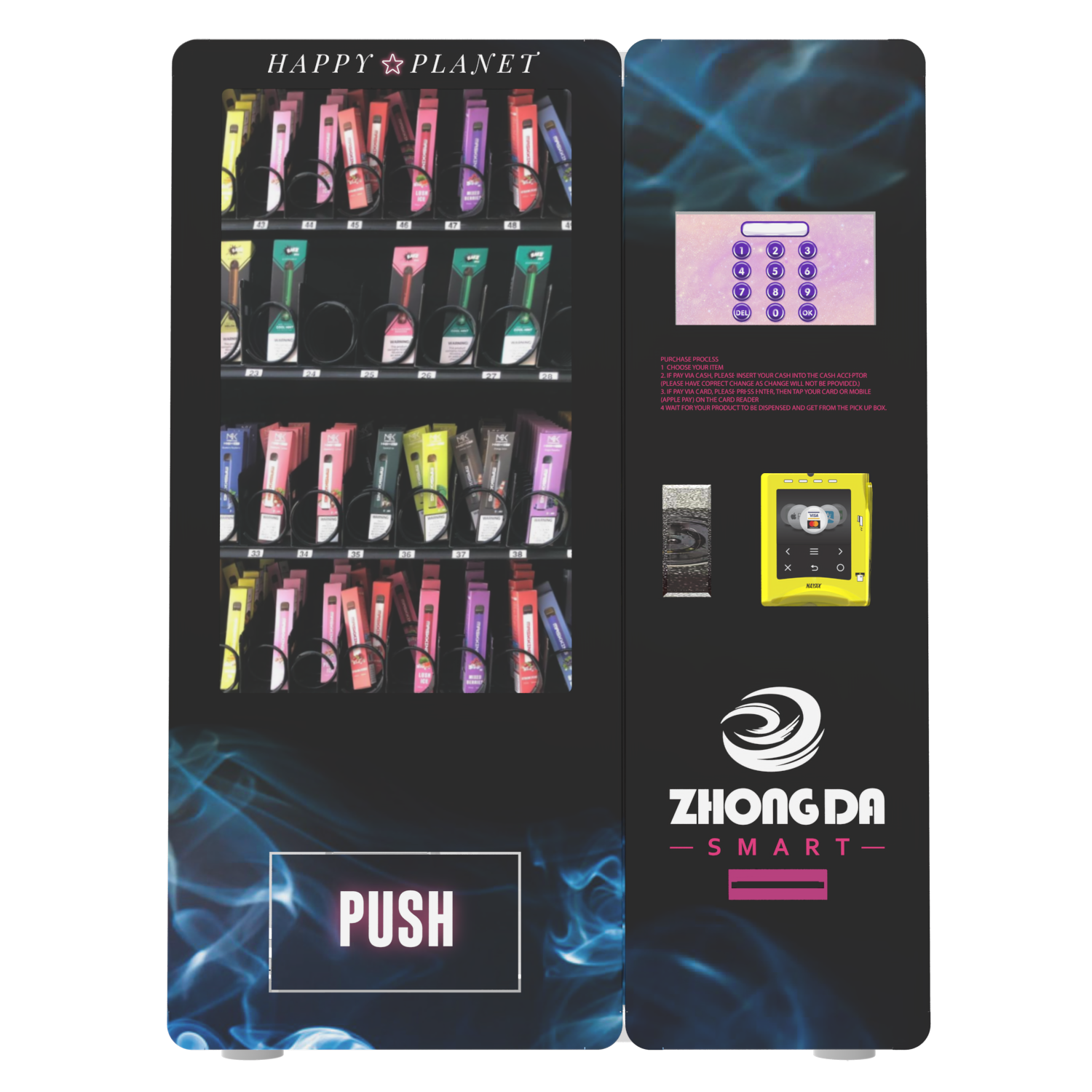
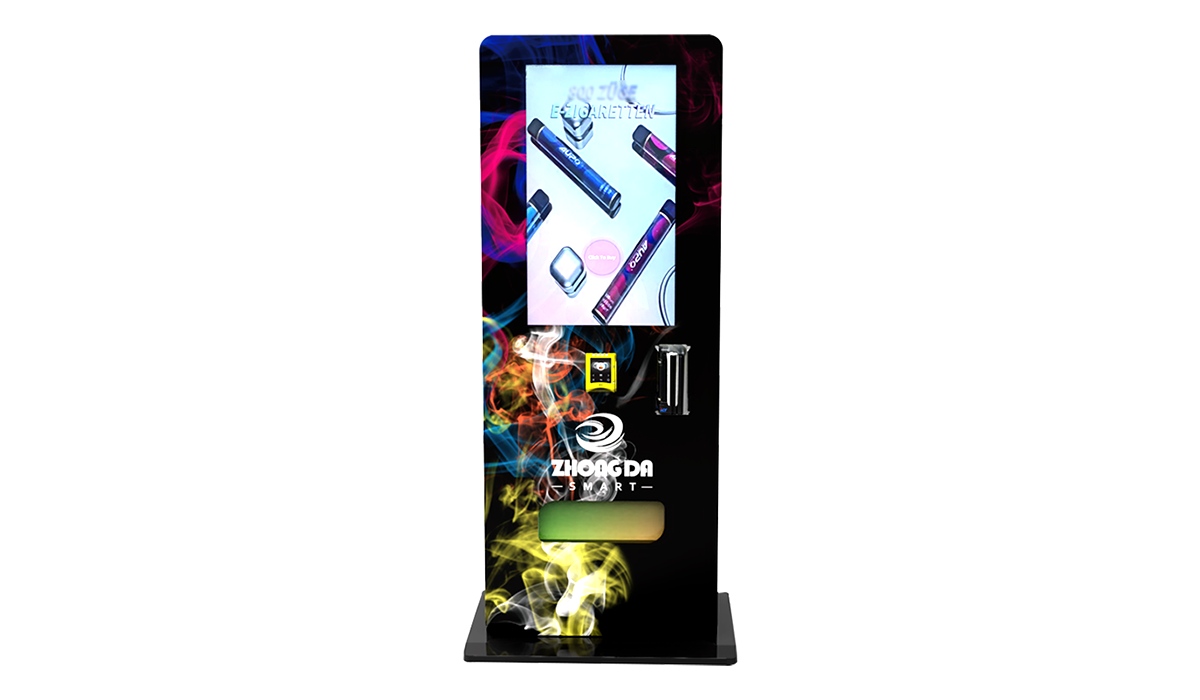
From a technical perspective, your machine must have a robust age verification system. I can tell you from factory testing that a simple "press yes to confirm you are 21" button is not enough. The FDA expects verifiable age scanning. Most of our machines at Zhongda Smart are equipped with integrated ID scanners that read the barcode and verify the date of birth against the current date. This is the minimum standard for compliance in 2024.
State-by-State Licensing Breakdown
I have compiled the most common requirements based on my experience deploying machines across 15 states. Note that this is a general guide. You must always verify with the state's Department of Revenue or Alcohol and Tobacco Control.
| State | License Type Required | Age Verification Requirement | Location Restriction | Renewal Period |
|---|---|---|---|---|
| California | Retail Tobacco License (State + Local) | Must scan ID (manual check not allowed for vending) | Adult-only facility only (21+). No flavored vapes in vending unless in an adult bar. | Annual |
| Texas | Retail Tobacco Permit | ID scan required | No specific state ban, but local city bans exist (e.g., Austin). Must be in a location with restricted access. | Annual |
| Florida | Retail Tobacco Products Dealer Permit | ID scan required | Must be in a location where minors are not present. No self-service display restrictions apply. | Annual |
| New York | Retail Dealer License in Tobacco Products | ID scan required. Machine must be under direct supervision of an employee. | Very strict. Machine must be within 10 feet of a staffed counter. No standalone machines. | Annual |
| Illinois | Retail Tobacco License | ID scan required | Must be in an area inaccessible to persons under 21. No flavored vapes in vending. | Annual |
| Nevada | Wholesale or Retail License | ID scan required | Allowed in bars and casinos. No specific state age restriction beyond federal law. | Annual |
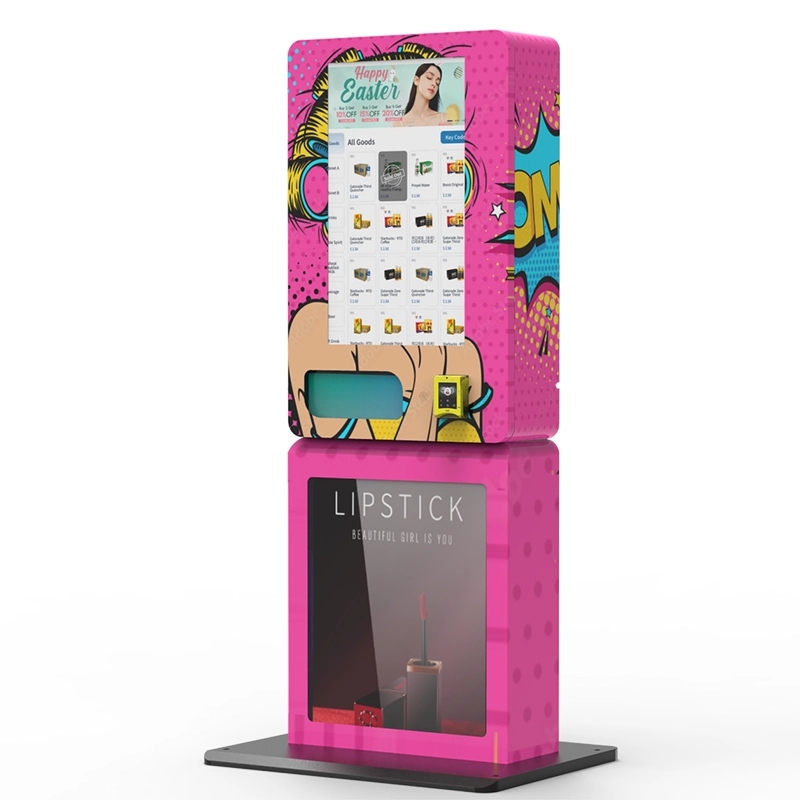
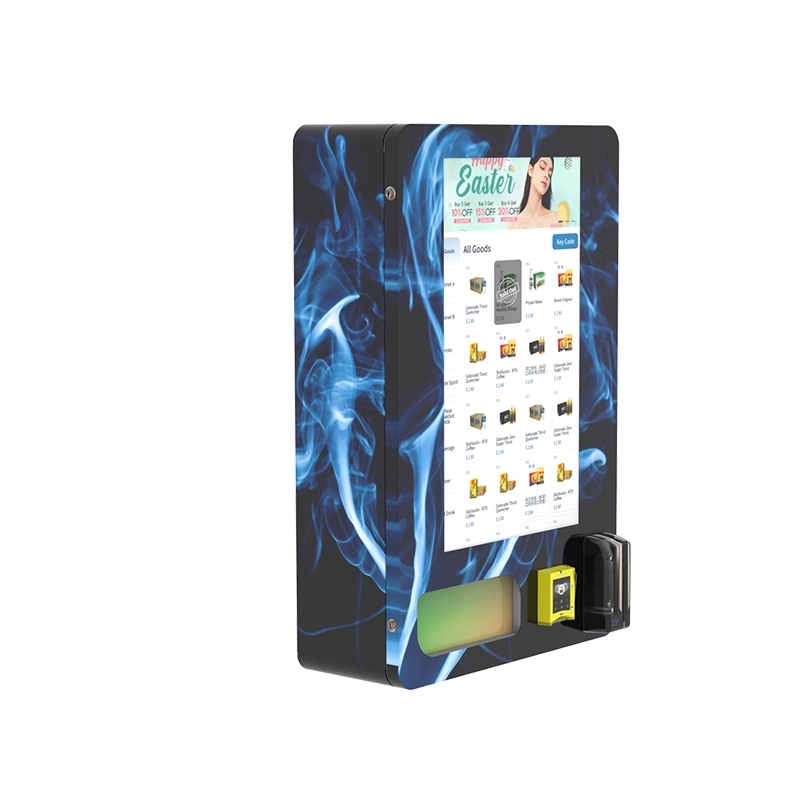
This table covers the basics, but the real cost comes from the application fees and the time it takes to get approved. In New York, the application process can take three to four months. In Texas, it can be as fast as two weeks if you have no local issues.
The Real Cost of Compliance
I have seen operators budget $5,000 for a machine and think they are ready to go. They forget about the licensing fees, the legal consultation, and the cost of upgrading the machine to meet specific state requirements. A typical state tobacco license costs between $100 and $500 per year. However, some states like California have local city licenses that can cost an additional $500 to $1,000 per year per machine. You also need a seller's permit for sales tax collection.
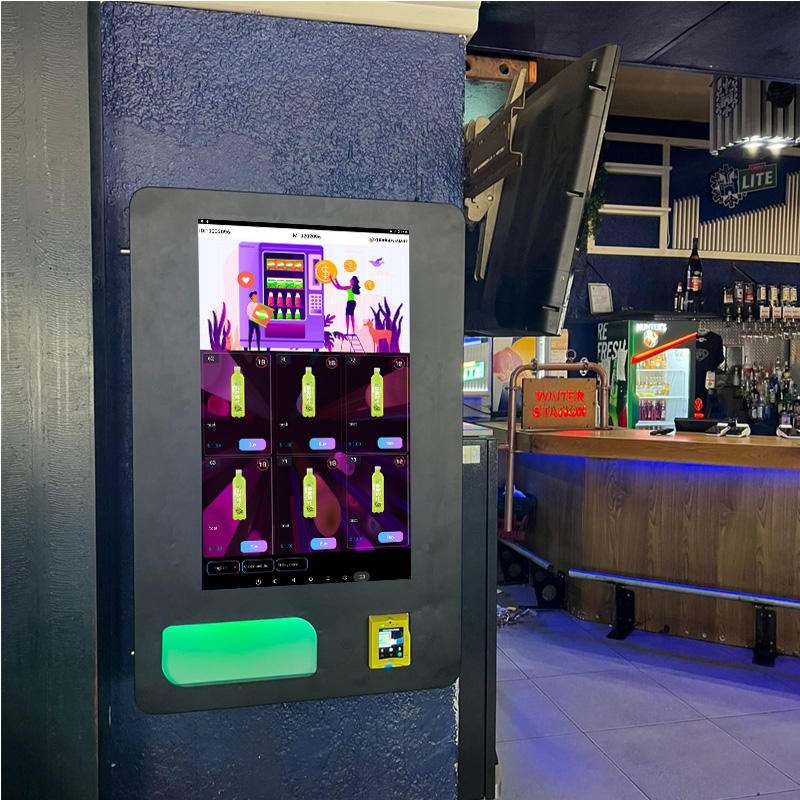
Beyond the license, there is the cost of the age verification system. A basic machine without an integrated scanner will require a retrofit, which can cost $300 to $800 per unit. I recommend buying a machine that already has a built-in scanner. For example, our ID scan vending machine is designed specifically to pass state audits because it logs every transaction and stores the scan data. This log is your best defense if a state inspector shows up.
Common Mistakes That Get Your License Revoked
I have personally witnessed an operator in Florida lose his license because he placed a machine in a laundromat that had a separate entrance from a bar. The inspector considered the laundromat a public space. Here are the three most common mistakes:
- Not updating the machine firmware: Some states update their ID verification database regularly. If your machine cannot read the new format, you are selling illegally.
- Ignoring local signage requirements: Many states require a specific warning sign to be posted on the machine. The font size and wording are often defined by law.
- Using a generic tobacco license: Some states have a specific "vending machine" license that is separate from a retail tobacco license. Using the wrong one can result in a fine.
How to Choose a Machine That Passes Inspection
From a manufacturing perspective, I can tell you that not all vending machines are built for compliance. A machine designed for snacks or soda has a different electrical and software architecture. For vape products, you need a machine that can handle the humidity, the occasional leak from a pod, and the security requirements of high-value items.
The machine must have a tamper-proof age verification system. I recommend a machine with a vertical barcode scanner that is positioned at adult height. The scanner should be able to read a driver's license from any US state, including the new digital licenses that some states are issuing. The software must also log the scan data and be able to export it for an audit. Our age verification vending machine includes this feature as a standard option.
Another critical factor is the inventory management system. You need to know what is selling and what is not. A machine that sits idle because you stocked the wrong flavor is a machine that loses money. The best machines have real-time inventory tracking that sends you a text message when a product is low.
Profitability vs. Licensing Costs
I have seen a lot of operators calculate their ROI based on gross sales and forget the operational costs of compliance. Let me give you a real example. One of my clients in Nevada placed a machine in a casino break room. His license cost was $300 per year. His machine cost $4,500. He stocked it with high-margin disposable vapes. His monthly gross revenue was $1,200. After product cost (50% margin) and credit card fees (3%), he was left with about $540 per month. After deducting the license cost and electricity, his net was about $500 per month. That is a 9-month payback period. That is a good investment.
But I have also seen a client in New York who spent $8,000 on licensing and legal fees because he had to get a special variance from the city. His machine only made $600 per month. He never recovered his initial investment. The lesson is clear: check the licensing costs first, then calculate the potential revenue from the location.
Long-Term Strategy for Multi-State Operations
If you plan to operate in more than one state, you need a centralized compliance system. I recommend using a compliance management software that tracks renewal dates. I have a client who operates 50 machines across 8 states. He uses a spreadsheet, but it is a nightmare. He almost missed a renewal in Illinois, which would have resulted in a $2,000 fine.
From a hardware perspective, you need a machine that can be updated remotely. The FDA and state laws change. For example, in 2023, several states changed the definition of "flavored tobacco" to include synthetic nicotine. If your machine was set up to only scan for age, but not for product compliance, you could be selling illegal products. The best machines have a remote management platform that allows you to update product lists and pricing instantly.
We offer a solution at Zhongda Smart that includes a cloud-based management system. It allows you to see real-time sales data, adjust prices, and update age verification settings from your phone. This is not a luxury; it is a necessity for anyone running more than five machines.
Dealing with Inspections
When a state inspector comes, they will check three things: the license posted on the machine, the age verification system, and the product inventory. They will often try to buy a product without showing an ID to test the machine. If the machine dispenses without scanning, you lose your license. I always tell my clients to test their machine once a week. Have a friend try to buy a product without an ID. If the machine fails, fix it immediately.
Another thing inspectors look for is the product itself. If you are selling a product that is not registered with the FDA, you can be fined. The FDA maintains a list of authorized tobacco products. You should only stock products from that list. This is a common mistake for operators who buy cheap, unbranded vapes from overseas suppliers. It is not worth the risk.
Future Trends in Vape Vending Regulation
I expect more states to adopt a unified digital licensing system. Some states are already testing a system where the vending machine uses a biometric scanner to verify age, rather than just a driver's license. This is driven by the fact that fake IDs are becoming harder to detect with a simple scanner.
From a business perspective, the market is moving toward higher compliance standards. I believe that in the next five years, all vape vending machines in the US will require a real-time connection to a state database. This is already the case in some European countries. If you are buying a machine today, I recommend investing in one that has 5G connectivity and a modular software system. This will save you from having to replace the entire machine when the regulations change.
Final Recommendations from a Factory Perspective
If you are serious about this business, do not buy the cheapest machine you can find. A cheap machine will have a cheap scanner, cheap software, and cheap security. It will fail an inspection, and it will break down. I have seen operators buy machines for $2,000 from generic suppliers and then spend $1,500 in repairs within the first year.
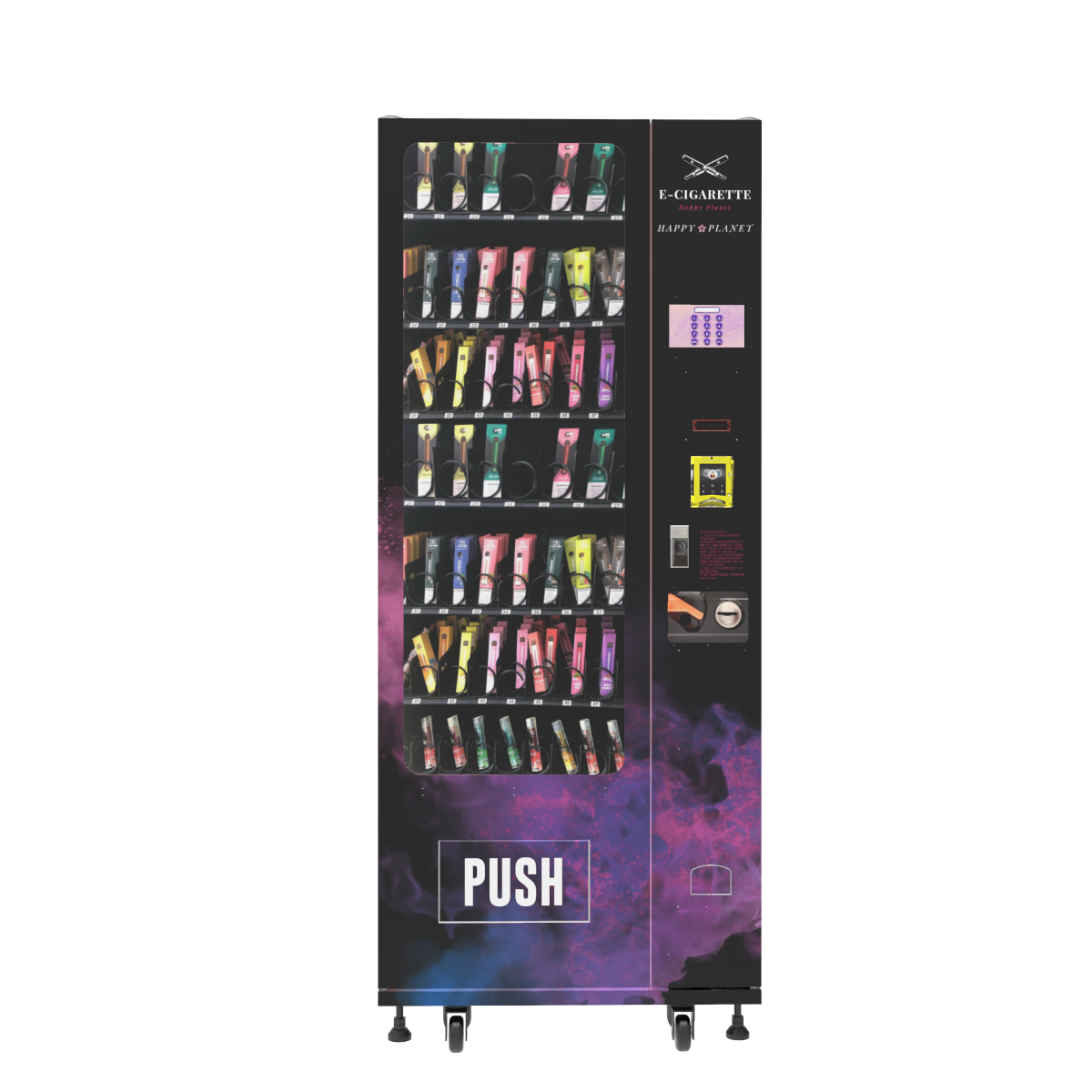
Instead, look for a manufacturer that has been in the vending machine business for at least 10 years. Look for a company that offers a warranty on the age verification system. Look for a machine that uses standard parts that you can replace yourself. For example, our compliant e-cigarette vending machine is built with off-the-shelf components. If a sensor fails, you can buy a replacement from any electronics supplier. You do not have to wait for a proprietary part from the factory.
Finally, always check the licensing requirements before you buy the machine. I recommend calling the state's Department of Revenue and asking for the "Tobacco Vending Machine License" department. Ask them if there are any local city ordinances that apply. Write down the name of the person you spoke to. This will save you from a costly mistake.
Frequently Asked Questions
Do I need a separate license for each vape vending machine?
In most states, yes. Each machine in a different physical location generally requires its own license. Some states offer a "master license" that covers multiple machines within the same city or county, but this is rare. You must apply for a license for each individual machine address.
Can I use a driver's license scanner from another business?
No. The scanner must be part of the vending machine's system. It must be integrated so that the machine cannot dispense a product unless the scan is successful. A separate scanner that is not connected to the machine's control board will not pass inspection.
What happens if I sell a product that is not FDA authorized?
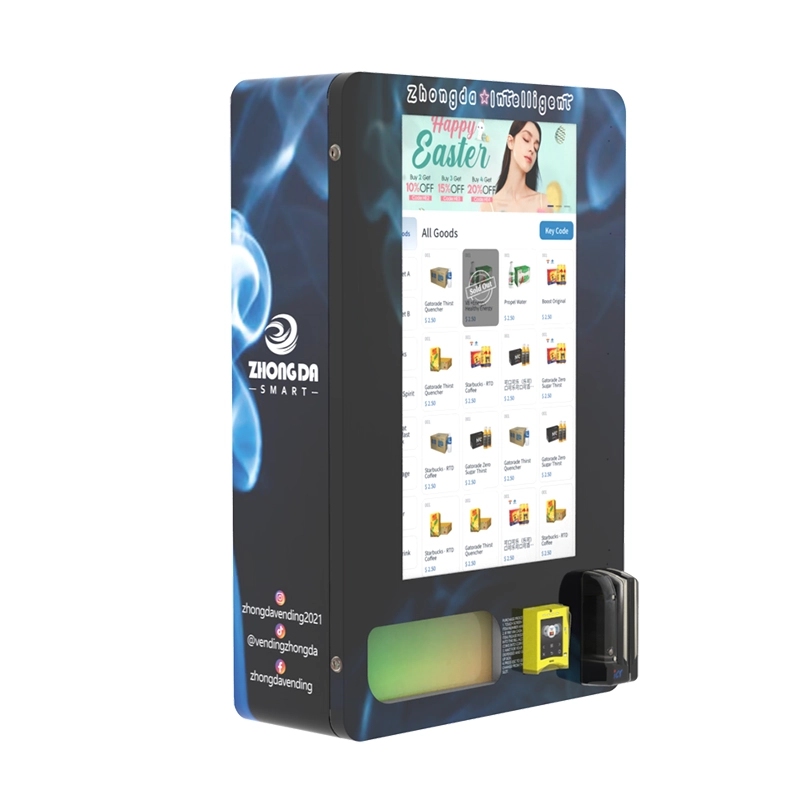
You can be fined up to $10,000 per violation. The FDA conducts regular checks on vending machines. They will check the product packaging for the required FDA listing number. If the product is not on the list, they will seize the inventory and issue a fine.
How long does it take to get a license?
It varies. In states like Texas and Florida, it can take 2 to 4 weeks. In states like New York and California, it can take 2 to 4 months. I recommend applying for the license before you purchase the machine, so you are not paying storage fees while waiting for approval.
Is it worth placing a machine in a small town?
It depends on the local laws. Small towns often have stricter ordinances than big cities. I have seen small towns ban all tobacco vending machines outright. Always check the city code first. If the town allows it, the license fee is usually lower, but the foot traffic is also lower.
Sources and References
This guide is based on my personal experience operating vape vending machines in the US market since 2015, as well as data from the following authoritative sources:
- FDA Center for Tobacco Products. "Tobacco Product Compliance and Enforcement." https://www.fda.gov/tobacco-products. Accessed 2024.
- Statista. "Vending machines in the United States - statistics & facts." https://www.statista.com/topics/1133/vending-machines/. Accessed 2024.
- National Automatic Merchandising Association (NAMA). "State and Local Regulations." https://www.namanow.org/. Accessed 2024.