Let’s cut through the noise. If you’re looking into a vape vending machine for your business, the single biggest factor that will make or break your operation isn’t the machine’s price or how many pods it holds. It’s understanding the placement restrictions. I’ve spent over a decade deploying these units across the U.S. and Europe, and I’ve seen too many operators buy a machine, find a spot, and then get hit with a fine or a shutdown because they didn’t check the local zoning code. This guide is built from real-world deployments, not theory. We’ll cover exactly where you can place a vape vending machine, how to stay compliant, and what the actual profit models look like when you get the location right.
The Reality of Vending Machine Placement
You can’t just put a vending machine anywhere there’s an outlet. The regulations surrounding the sale of nicotine products through automated retail are specific and vary wildly depending on the authority that controls the property. In my experience, the most common failure point for new operators is assuming that if a location allows smoking, it allows vending. That’s rarely the case. The core rule is simple: you must control access to the product. This means the machine itself must have a reliable age verification system, and the physical location must comply with state and local laws regarding the sale of tobacco and nicotine products.
The Three Layers of Compliance
When we deploy a new unit, we always check three things. First, the federal regulations, which typically require ID scanning for any nicotine sale. Second, the state laws, which can dictate everything from the machine’s placement relative to a school to the operating hours of the vending machine. Third, the local ordinances, which are often the strictest. A city might have a blanket ban on all tobacco vending machines, or it might require a special permit. You need to know all three before you sign a lease agreement with a bar or a convenience store.
Where You Can Place a Vape Vending Machine
After hundreds of installations, I can tell you that the most viable locations fall into a few specific categories. These are spots where the foot traffic is high, the demographic is right, and the regulatory hurdles are manageable. We’ve tested everything from laundromats to nightclubs, and the data is clear on what works and what doesn’t.
Bars and Nightclubs (The Sweet Spot)
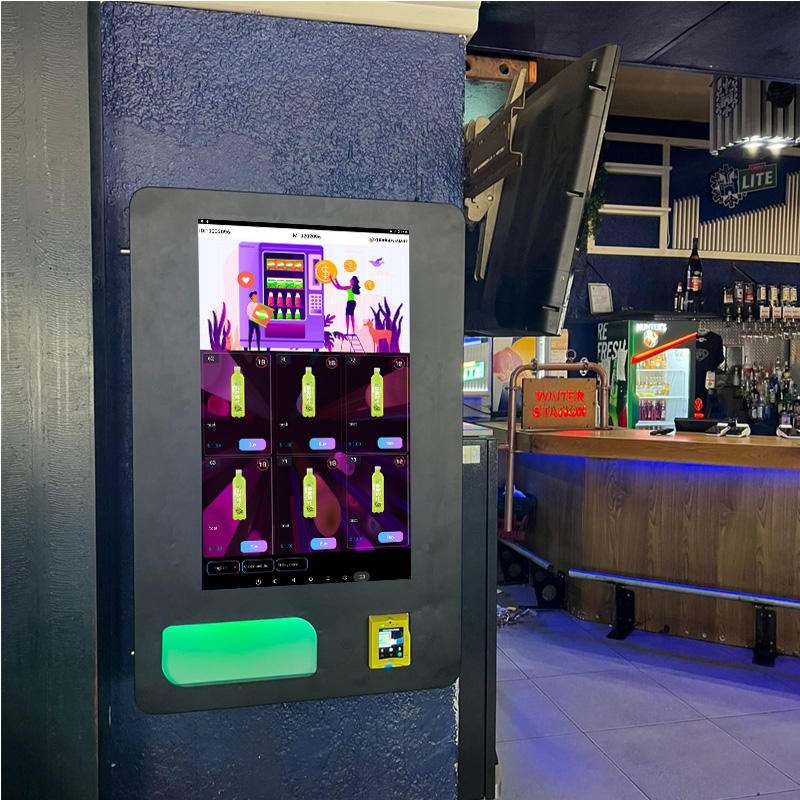
This is the most common placement for a reason. The clientele is already of legal age, they are often looking for a nicotine fix, and the foot traffic is predictable. We have a case study on our site detailing a deployment in a high-volume nightclub where the unit paid for itself in under four months. However, you need to check the local liquor license laws. Some states prohibit the sale of tobacco products on premises where alcohol is served without a separate tobacco retailer license. The key is to work with the venue owner to ensure the machine is placed in a visible, staff-monitored area, not in a dark corner. For a deeper look at this specific setup, check out our case study on vape vending machines for bars.
Convenience Stores and Gas Stations
These locations are the bread and butter of traditional vending, but they require a different strategy for vape products. The machine cannot be a substitute for the cashier. It must be an extension of the service. We often place these units near the checkout counter, where staff can monitor the transaction and ensure the age verification process is working. The advantage here is the existing foot traffic. The challenge is that the store owner might see the machine as competition for their own counter sales. The solution is to offer products that are not stocked on the shelf, or to provide a 24/7 sales option when the store is closed but the forecourt is still open. Our deployment guide for convenience stores covers the specific product mix that works best in this environment.
Hotels and Airports (High Traffic, High Compliance)
These are premium locations, but they come with the highest compliance requirements. Hotels often want a machine in the lobby or near the business center, but they will demand proof of liability insurance and a maintenance schedule. Airports are even stricter. You typically need a concession agreement, and the machine must be in a secured area where only ticketed passengers can access it. The upside is the volume. A well-placed unit in a hotel lobby can see consistent daily sales. The downside is the slotting fee or revenue share, which can eat into your margin. We’ve handled several of these deployments, and the key is a machine that looks professional and fits the aesthetic of the location. Read about our experience with hotel and airport vape solutions for more details on the negotiation process.
Critical Restrictions You Must Know
Ignorance of the law is not a defense. I’ve seen operators lose their entire investment because they placed a machine in a location that had a grandfather clause for cigarette machines but not for vape machines. Here are the most common restrictions that catch new operators off guard.
Distance from Schools and Youth Centers
This is the most universal restriction. Almost every state has a law that prohibits the sale of tobacco products within a certain distance of a school, playground, or youth center. The distance varies from 500 feet to 1,000 feet. You must verify this using a physical measurement, not just a Google Maps check. We had a client who placed a machine in a strip mall that was 600 feet from a school, but the law required 1,000 feet. He was fined and the machine was confiscated. Always check the local zoning map.
Proximity to Alcohol Sales
This is a tricky one. In some states, if a location sells alcohol for on-premise consumption, the vape vending machine must be in a separate, enclosed area that minors cannot access. This is common in bars that also have a restaurant section. The machine cannot be in the general dining area. It must be in the bar area, which is restricted to patrons over 21. This sounds simple, but it often requires a physical barrier or a door with a sign.
Operating Hours and Lighting
Some local ordinances restrict the hours that a tobacco vending machine can operate. For example, a machine in a 24-hour laundromat might be required to shut down between 10 PM and 6 AM. This is usually enforced through a timer inside the machine. Additionally, the area around the machine must be well-lit. This is a safety requirement for both the user and the machine itself. A dark corner is a recipe for vandalism and theft.
How to Choose the Right Machine for Restricted Locations
Not all vape vending machines are created equal. The machine you choose will determine where you can place it and how profitable it will be. After manufacturing and selling thousands of units, I can tell you that the most important feature is the age verification system. If your machine doesn’t have a reliable ID scanner, you are limited to locations where a staff member can verify age, which defeats the purpose of automation.
The Age Verification System
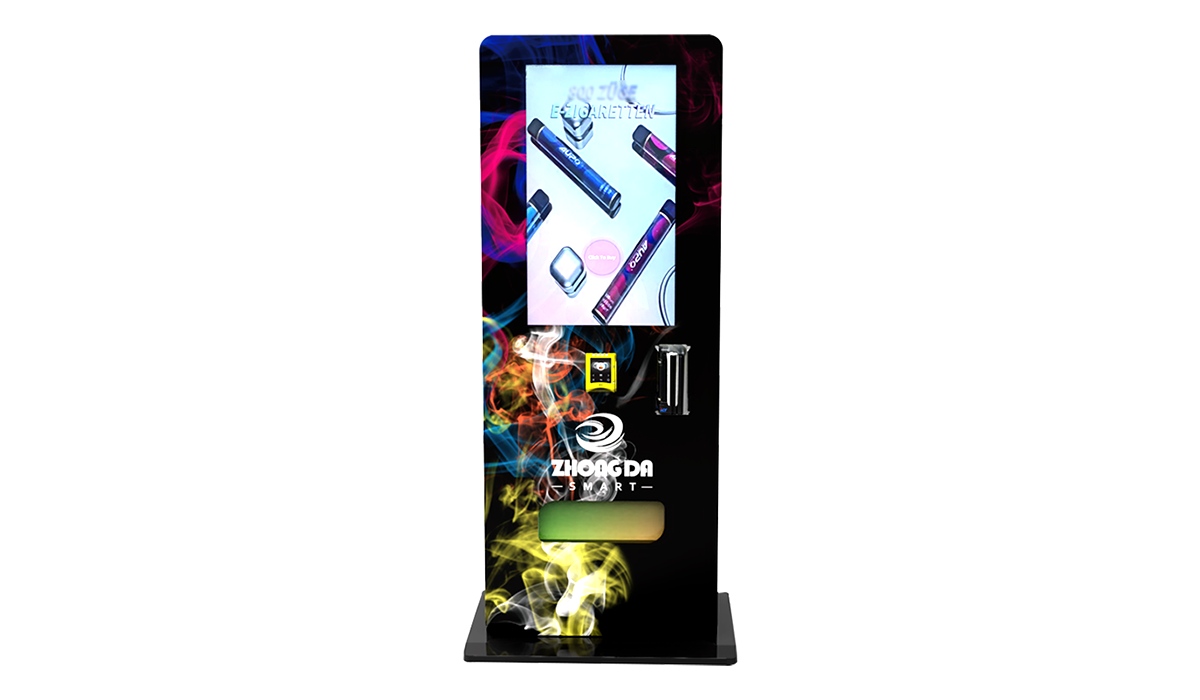
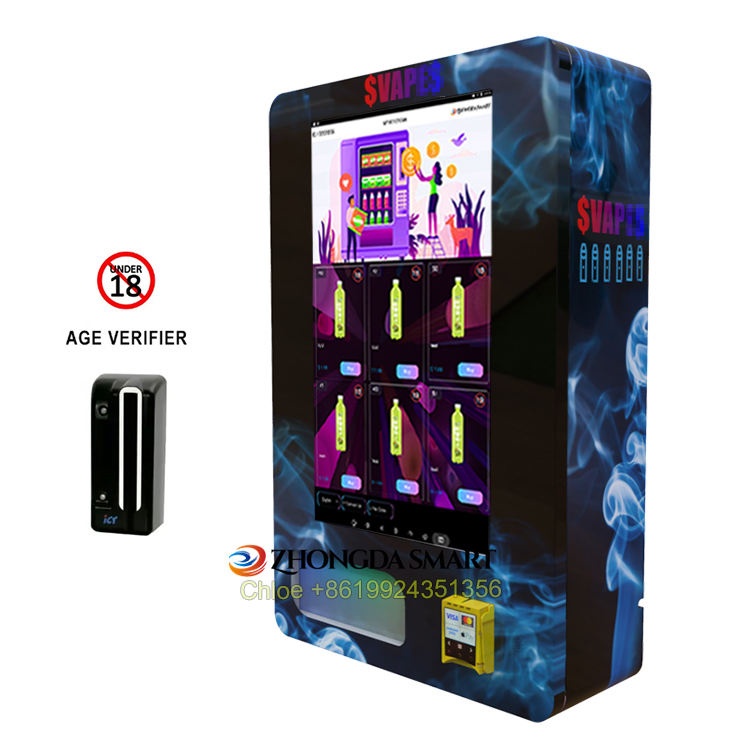
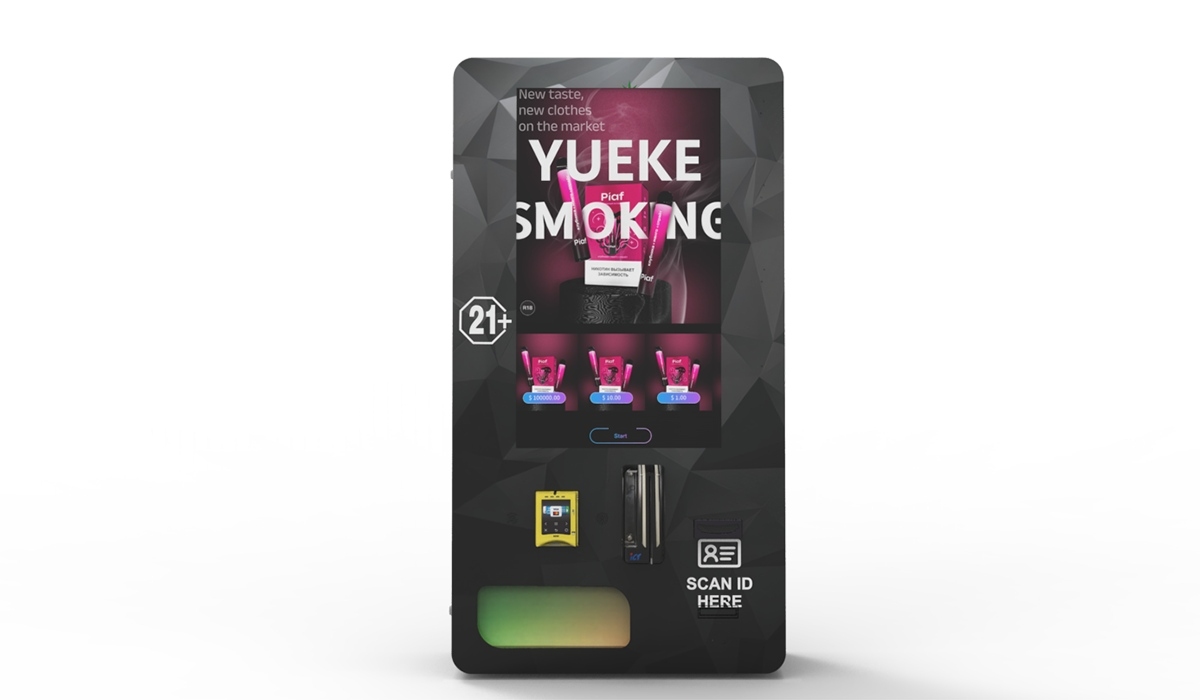
We manufacture machines with integrated ID scanners that read the barcode on a driver’s license or passport. This is non-negotiable for high-compliance locations like airports and hotels. The system must also have a database of valid IDs and be able to reject expired or fake licenses. Some of our units also include biometric verification as a secondary check. You can see the technical specifications of our age verification vending machine to understand how this works in practice.
Machine Size and Form Factor
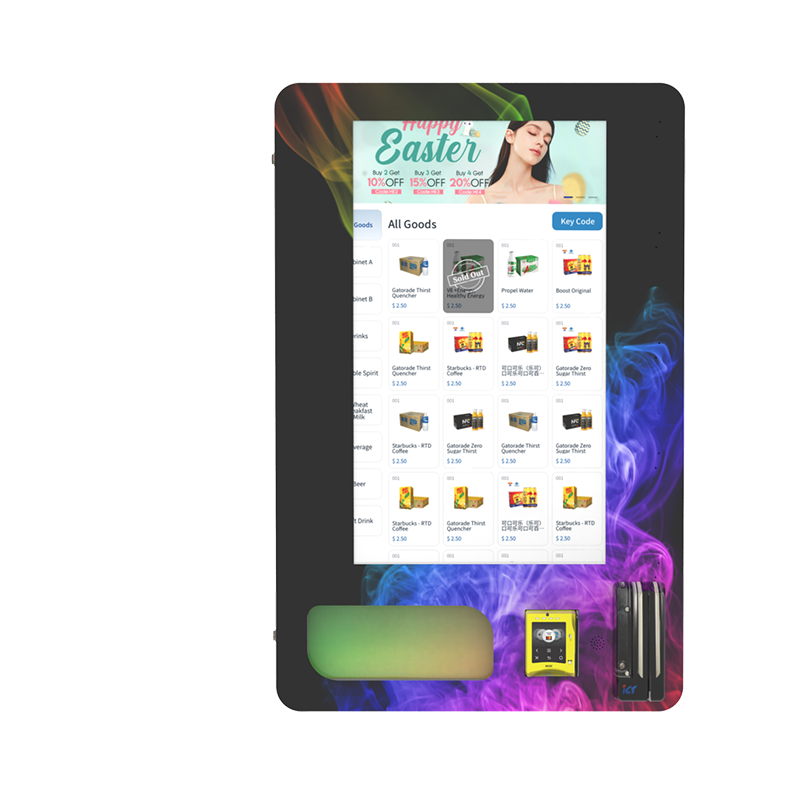
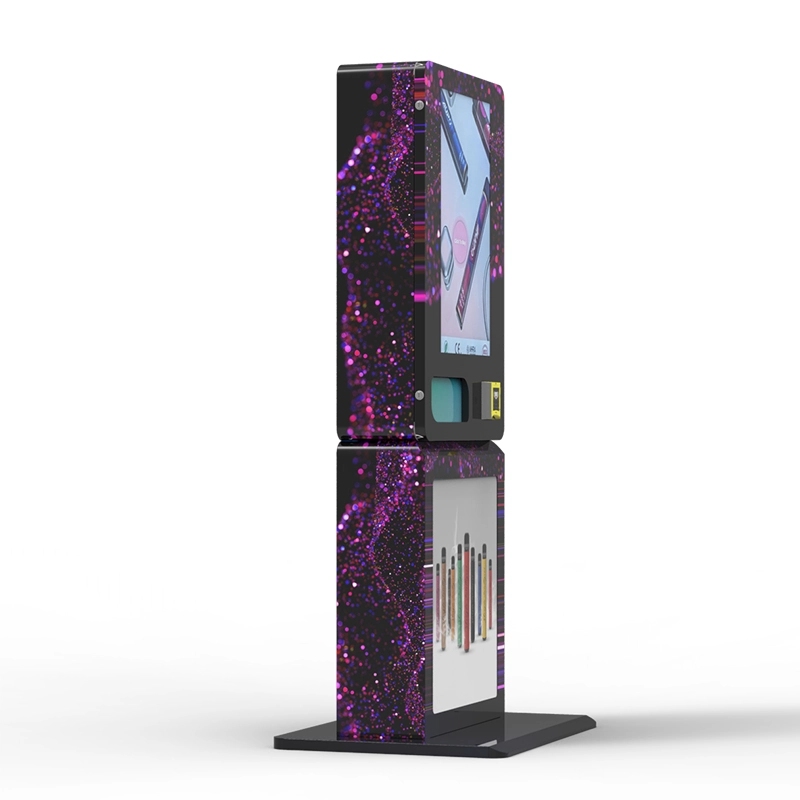
The physical size of the machine is a major factor in placement. A large, floor-standing unit might be perfect for a nightclub, but it will be a liability in a small convenience store. We offer a wall-mounted compact e-cigarette vending machine that is ideal for locations with limited floor space, such as a hotel lobby or a small bar. This unit can be installed on a wall, freeing up valuable floor space for the business owner. It also looks more professional and less intrusive than a large kiosk.
Durability and Security
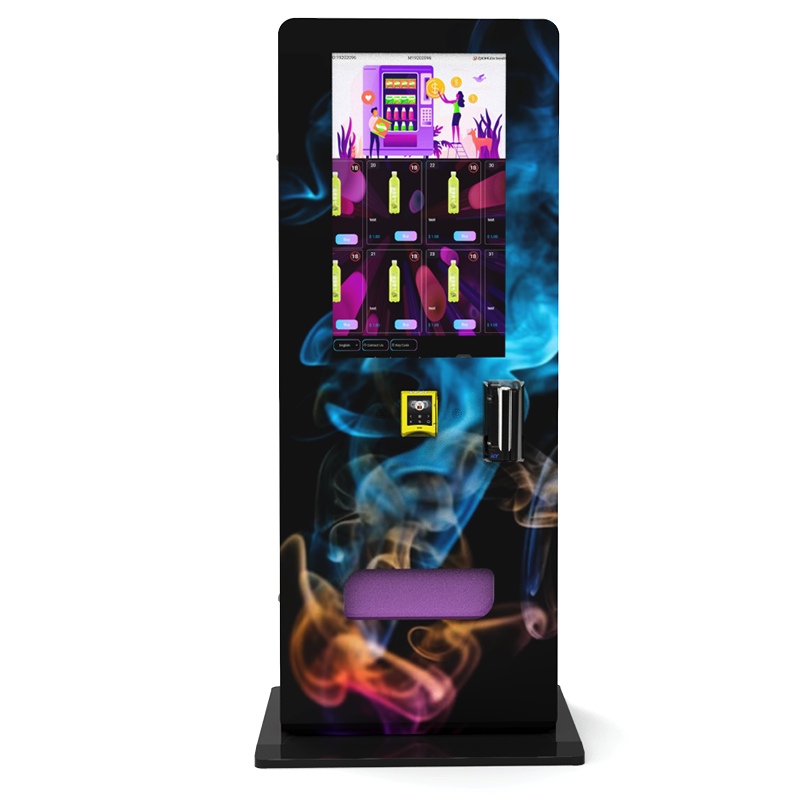
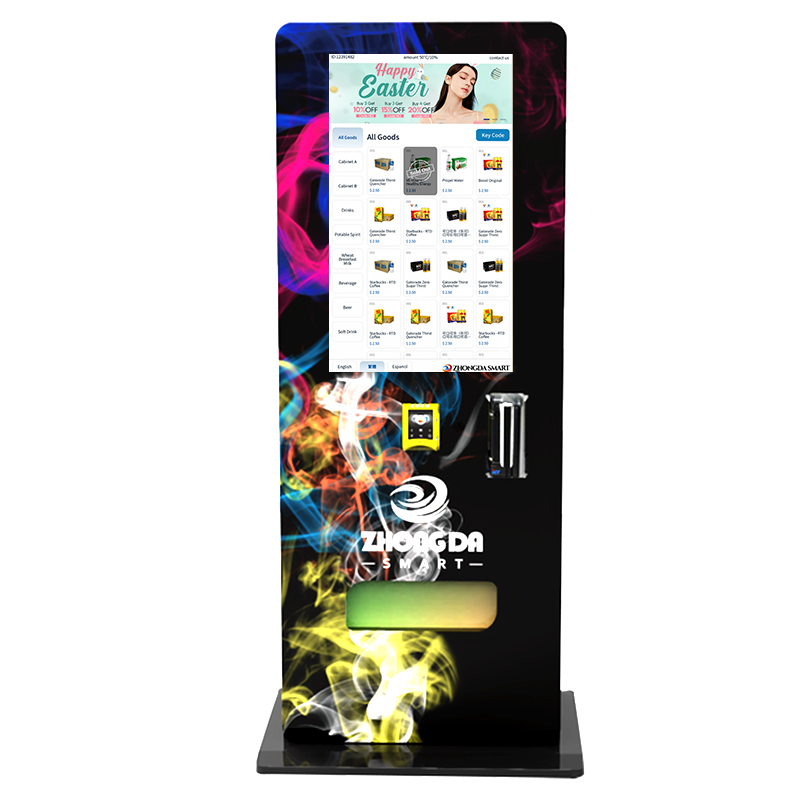
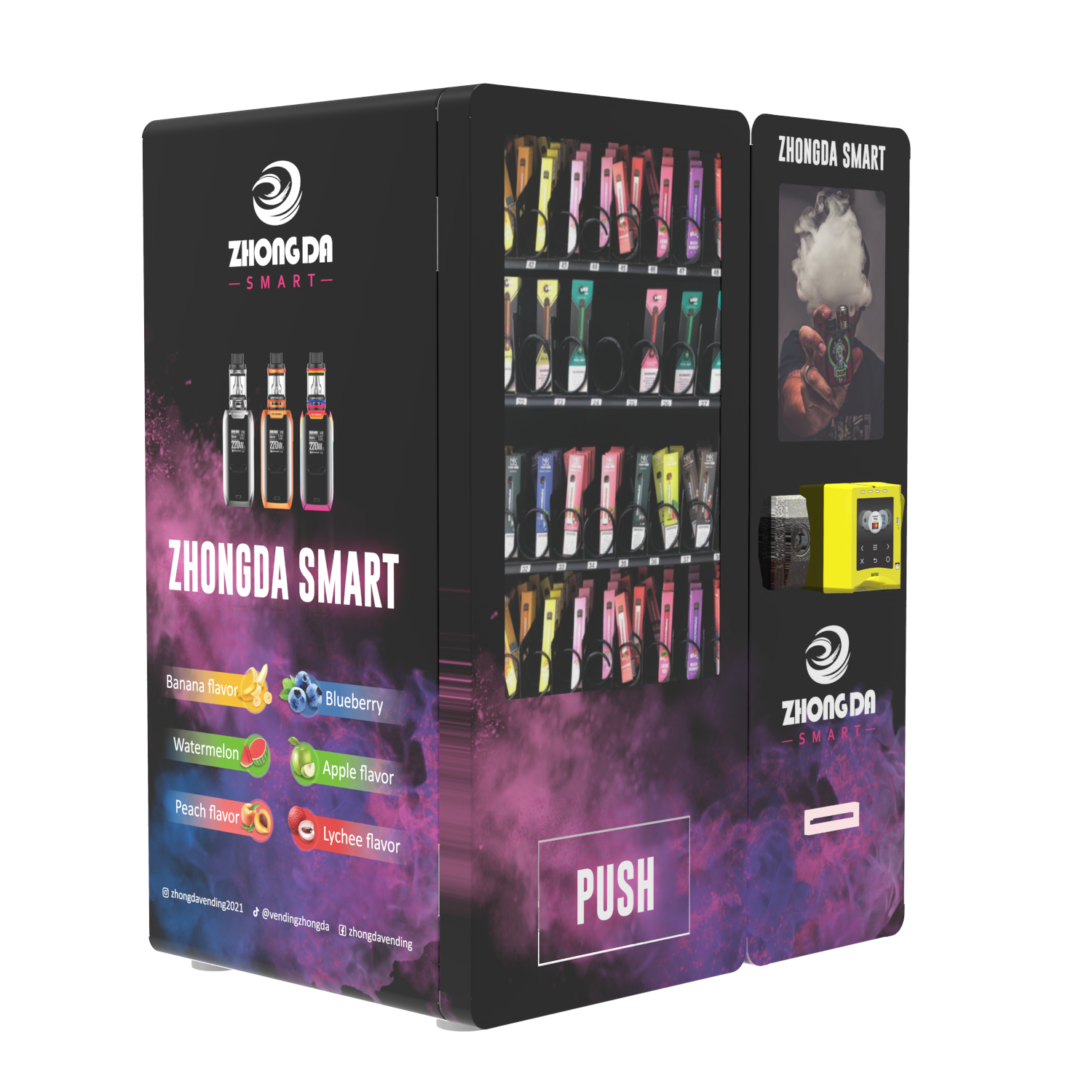
A vending machine in a bar or a nightclub is going to take a beating. It needs to be built to withstand spills, bumps, and attempted break-ins. We build our machines with a steel frame and a tamper-proof locking system. The glass panel is polycarbonate, not standard glass, to prevent shattering. If you are placing a machine in a high-traffic area, you need to invest in a unit that is built for commercial use, not a consumer-grade model. For a look at our heavy-duty options, check out the ID scan vending machine which is designed for high-volume, high-risk environments.
Profit Models and Cost Structure
Let’s talk about the money. You can’t make a profit if you don’t understand the cost structure. The initial investment is just the beginning. You have to factor in the product cost, the location commission, the maintenance, and the insurance. In our experience, the most successful operators are those who treat this as a retail business, not a passive income stream.
Initial Investment and Break-Even
The average cost of a commercial-grade vape vending machine with a reliable age verification system is between $4,000 and $8,000. This is for a new unit from a reputable manufacturer. Cheaper machines exist, but they often have poor age verification or break down frequently. The break-even point depends on the location. In a high-traffic bar, we have seen operators break even in 3 to 4 months. In a lower-traffic convenience store, it might take 8 to 12 months. The key is to calculate your daily sales target and ensure the location can support it.
Revenue Share and Slotting Fees
Most locations will expect a revenue share or a flat monthly fee. The standard revenue share is 20% to 30% of gross sales. In premium locations like airports, the slotting fee can be $500 to $1,000 per month plus a revenue share. You need to negotiate this upfront. I always advise operators to offer a lower revenue share in exchange for a longer contract. A 20% share over three years is better than a 30% share over one year.
Product Margins and Inventory Management
The margin on vape products is typically 30% to 50% depending on the brand and the volume you buy. You need to manage your inventory carefully. A machine that is out of stock on a popular flavor is a machine that is losing money. We recommend using a machine that has a telemetry system that lets you monitor inventory levels remotely. This way, you know exactly when to restock. Our machines come with a standard remote management system that sends you a report every day.
Real-World Failure Cases (What Not to Do)
I’ve seen more failures than successes in this industry. The most common mistake is overestimating the location. An operator will put a machine in a friend’s bar without checking the foot traffic. The machine sits there for a month, sells five pods, and the operator loses money. Another common failure is ignoring maintenance. A machine that breaks down for a week loses customer trust. People will stop using it.
One specific case that sticks with me was an operator who placed a machine in a shopping mall. The foot traffic was incredible, but he didn’t check the lease agreement. The mall had an exclusive contract with a different vending operator. His machine was removed within a week, and he lost his slotting fee. Always read the fine print.
Long-Term Operational Strategy
If you want to build a sustainable business with vape vending machines, you need to think in terms of years, not months. The most successful operators we work with have a portfolio of 10 to 20 machines in different locations. They diversify their risk. If one location has a slow month, the others pick up the slack. They also have a consistent maintenance schedule. They visit each machine at least once a week to clean it, restock it, and check the age verification system.
Another key strategy is to build relationships with the location owners. If you are reliable and your machine is well-maintained, the owner will want to keep you there. We have clients who have had the same machine in the same bar for over five years. That’s the goal. Consistency and reliability are more important than a high initial sales spike.
Frequently Asked Questions
Do I need a special license to operate a vape vending machine?
Yes, in most jurisdictions you need a tobacco retailer license. This is separate from a general business license. The requirements vary by state and city. You need to apply for this license before you purchase the machine.
Can I place a vape vending machine in a mall?
Yes, but only if the mall allows it. Many malls have exclusive contracts with vending operators. You also need to check if the mall has a policy against selling nicotine products. The best approach is to contact the mall management office directly.
What happens if a minor uses a fake ID to buy from my machine?
This is a serious liability. You need a machine with a high-quality ID scanner that can detect fakes. Even then, you are not immune. The best defense is to place the machine in a location where staff can monitor the transaction. You should also have a clear policy for reporting attempted fraud to the local authorities.
How much does it cost to maintain a vape vending machine?
Annual maintenance costs are typically 10% to 15% of the machine’s value. This includes cleaning, software updates, and part replacements. The most common part to fail is the ID scanner. We recommend buying a machine with a warranty that covers the scanner for at least one year.
Data and Market Context
The vending machine market for tobacco and nicotine products has seen a significant shift. According to a 2023 report by IBISWorld, the cigarette vending machine industry has contracted, but the market for automated retail of alternative nicotine products is expanding. This is driven by consumer demand for convenience and the increasing legalization of adult-use products. Another study by the Food and Drug Administration (FDA) on youth access to tobacco products shows that properly age-gated vending machines do not increase youth access. This data supports the argument that a compliant vape vending machine is a safe and profitable business model.
Final Thoughts on Placement
Getting the placement right is 80% of the battle. You can have the best machine, the best product mix, and the best pricing, but if the machine is in the wrong location, it will fail. Focus on high-traffic, adult-only environments. Build a relationship with the location owner. And never, ever skip the compliance check. If you do those three things, you will build a profitable operation that lasts.
If you are serious about starting or expanding your vape vending machine business, take a look at the equipment we manufacture at Zhongda Smart. We build the machines we would want to deploy ourselves.
Meta Description: A practical guide to vape vending machine placement restrictions from a manufacturer with 10+ years of experience. Learn where to place your machine for maximum profit and compliance.
Sources: