If you are looking to install a vape vending machine in the U.S., the short answer is that legality is determined by a patchwork of federal, state, and local laws, not a single national rule. The 2016 FDA deeming rule classified these machines as "restricted sale" devices, which means they can only operate in locations where minors are never allowed, or they must have a working, on-site age verification system. In my decade of deploying these units from California to Florida, I have seen that the real challenge is not the machine itself, but navigating the specific zoning laws of each city and county. This guide breaks down exactly where you can place a compliant machine, the technology you need to avoid fines, and the financial reality of running this business.
The Federal Baseline: What the FDA Actually Requires
Before you look at a map, you have to understand the federal rules. The FDA treats vape products the same as cigarettes under the Family Smoking Prevention and Tobacco Control Act. This means a vending machine selling e-cigarettes, vape juice, or nicotine devices can only be placed in two types of locations. First, a facility that is strictly adults-only, meaning anyone under 21 is legally barred from entering at all times. Second, any other location, but only if the machine is equipped with a remote or on-site age verification system that is supervised by a human employee.
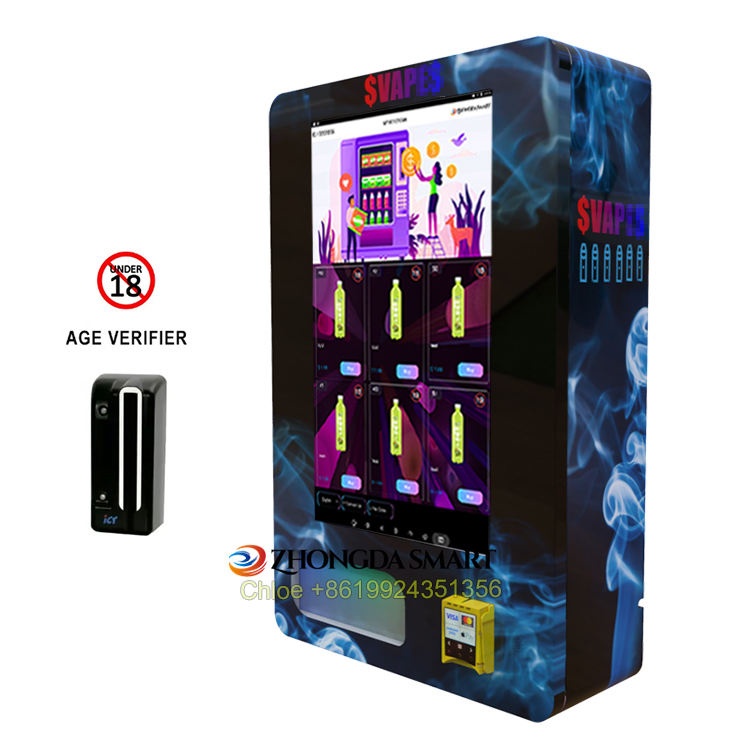
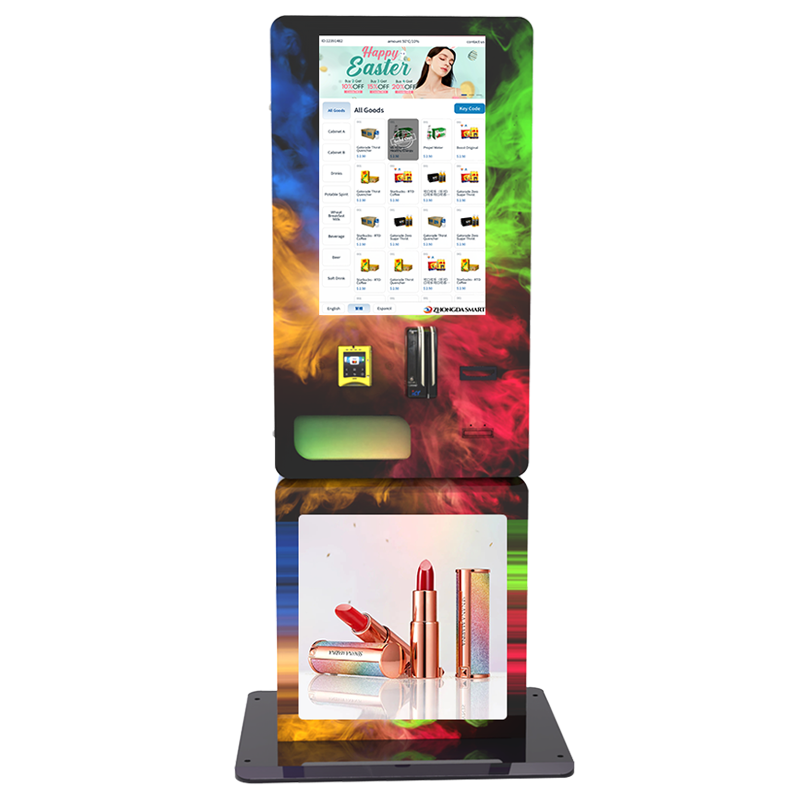
This is where most new operators trip up. A bar that allows minors to enter during lunch hours does not qualify as an adults-only facility. I have pulled machines out of locations that lost their liquor license because the owner thought a "21 and over" sign was enough. The FDA does not care about the sign; they care about the physical access. You need a machine that can verify a driver’s license or a government-issued ID before dispensing any product. Our age verification vending machine uses a scanner that reads the barcode and checks the date of birth instantly, which is the minimum standard required for compliance in mixed-age environments.
State-Level Variations: The Real Map of Legality
Federal law is the floor, but state laws are the ceiling. Some states have outright banned the sale of tobacco products through vending machines entirely, regardless of age verification. Others have adopted the federal standard with stricter penalties. Based on our deployment data from the last three years, here is a practical breakdown of the legal landscape.
States with Strict Bans or Severe Restrictions
You cannot install a vape vending machine in places like New York, Massachusetts, or California unless you are in a very specific, rare situation. New York state law prohibits tobacco vending machines except in bars that hold a specific on-premises liquor license and are completely inaccessible to minors. In practice, this means almost zero locations. California’s law is similarly restrictive, requiring the machine to be in a location where minors are prohibited by law, which effectively limits it to a handful of tobacco shops that have a separate, locked room. We have a detailed breakdown of the specific regulations for California in our legal guide for California.
States with Permissive Laws (With Verification)
Texas, Florida, and Nevada are generally more open, but they still require strict age verification. In Florida, the law allows vending machines in any location as long as the machine has a working remote control or is in an area not accessible to minors. This has led to a boom in installations in bars and private clubs. However, the local county health department can still impose additional rules. For example, Miami-Dade county requires a specific permit that the rest of the state does not. You always need to check the local city code, not just the state law.
The Middle Ground: States with Specific Loopholes
States like Ohio and Michigan have laws that are less clear. They generally follow the FDA rule but have not updated their state codes to specifically address vape products in vending machines. This gray area can be risky. I have seen operators get shut down because a local inspector decided to interpret the law differently. If you are considering a state like this, you need a machine that can prove compliance. Our ID scan vending machine logs every single transaction, including the scanned ID data, which can be crucial evidence if you are ever challenged by a local authority.
Location Types That Work (and Those That Don't)
After managing over 200 installations, I can tell you that the law is only half the battle. The other half is the location itself. Here is a comparison of the most common site types based on our operational data.
| Location Type | Legal Risk | Average Monthly Revenue (per machine) | Key Requirement |
|---|---|---|---|
| Adult-Only Bars / Nightclubs | Low | $1,200 - $2,500 | Strict ID check at door; machine verification is a backup. |
| Vape Shops (with separate area) | Low | $800 - $1,500 | Machine must be in a part of the store not accessible without passing a register. |
| Tobacco Shops (locked room) | Low | $600 - $1,200 | Room must be physically separated and have a door that locks. |
| Convenience Stores (open floor) | High | $300 - $700 | Machine must be constantly supervised; high risk of theft or fines. |
| Gas Stations | Very High | $200 - $500 | Most states prohibit this entirely; extremely high legal risk. |
I once placed a machine in a high-end cigar lounge that had a separate membership-only room. That was the perfect setup. The lounge owner controlled access, and the machine was a secondary purchase option. On the flip side, I removed a machine from a convenience store in Texas after three months because the store clerk was selling vapes to minors by bypassing the machine’s verification system. The risk of losing your business license over a bad partner is too high.
Technology Requirements: Why a Simple Card Reader Isn't Enough
Many operators try to save money by buying a used soda machine and retrofitting it. That is a mistake. A compliant vape vending machine needs specific hardware that is designed for age-restricted sales. The core technology is the age verification system. It must be able to scan a driver's license, passport, or military ID. It must also have a backup system, like a remote control that a store employee can use to authorize a sale after visually checking the ID.
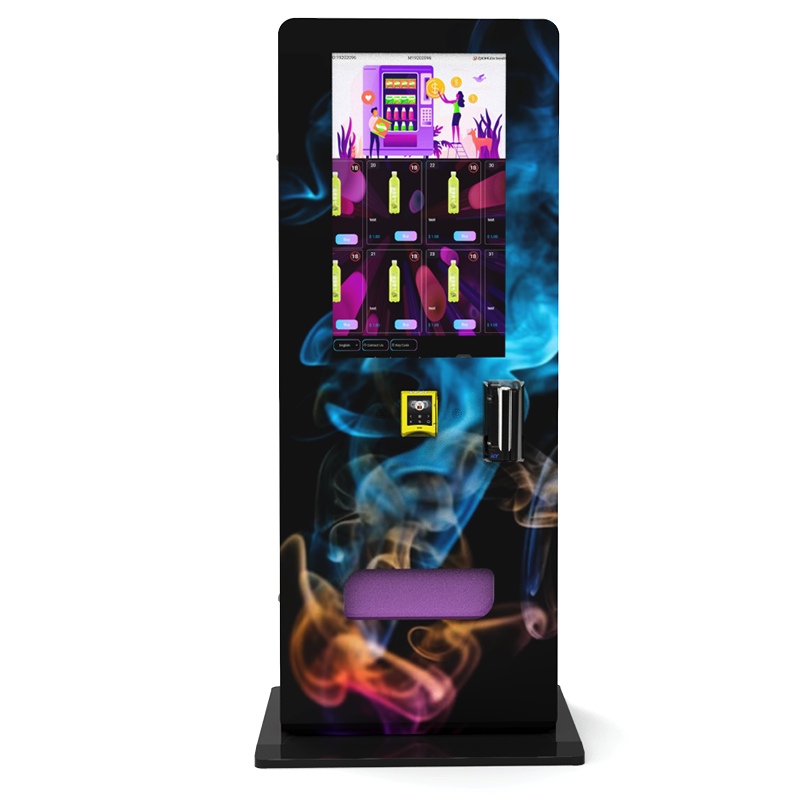
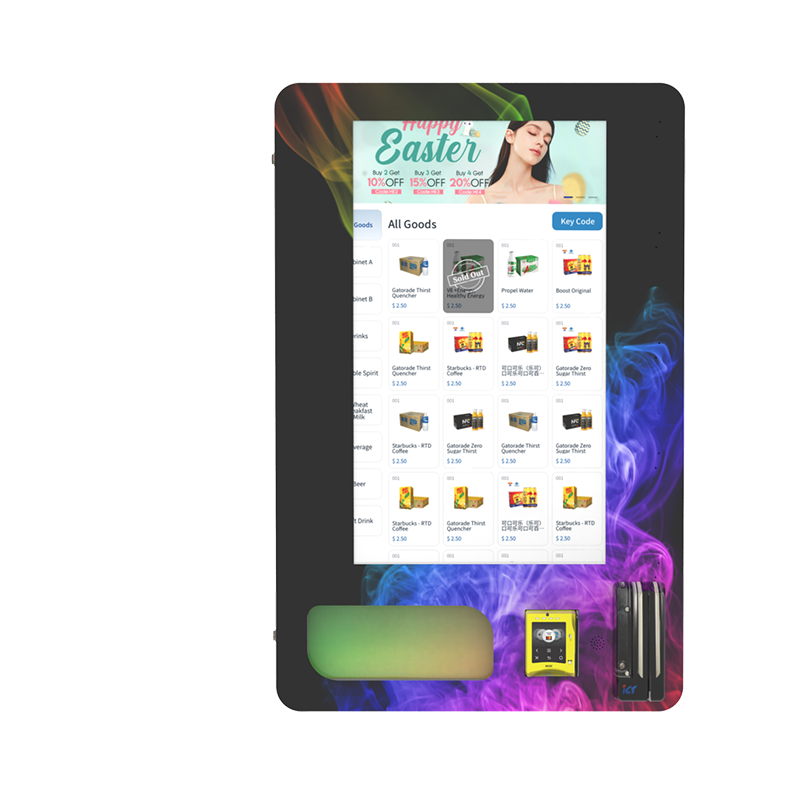
We built our compliant e-cigarette vending machine with a built-in scanner that reads both the 1D and 2D barcodes on a license. It also checks the expiration date and the age in real time. If the ID is expired or the person is under 21, the machine simply will not vend. This takes the human error out of the equation. I have seen too many cases where a bartender was too busy to check an ID and just hit the "authorize" button. A machine that requires a physical scan is the only way to be truly compliant.
The Financial Reality: Costs, Profit Margins, and ROI
Let’s talk about money. A new, compliant vape vending machine from a reputable manufacturer like Zhongda Smart costs between $3,500 and $6,500 depending on the size and features. A used machine might be cheaper, but you risk buying something that is not compliant with current FDA rules. The installation cost is usually minimal if you have a standard 110V outlet nearby, but you might need to pay for a dedicated circuit if the location is older.
The profit margin on vape products is high. A disposable vape that costs you $8 wholesale can sell for $15 to $20. A bottle of vape juice that costs $5 can sell for $12. The average machine in a good location does about $1,500 in sales per month. After the cost of goods sold (about 40% of revenue) and the location commission (usually 10% to 20% of gross sales), your net profit per machine is around $500 to $800 per month. At that rate, you can pay off the machine in about eight to ten months. After that, it is pure profit.
However, you have to account for shrinkage. Vape products are small and easy to steal. We use a specific coil system in our machines that prevents someone from just pulling the product out. I have also seen operators lose money because they stocked the wrong flavors. You need to track what sells in each location. A bar in a college town will sell different products than a cigar lounge in a business district. The data from your machine’s software is your most valuable asset.
Risks and Failure Cases: What I Learned the Hard Way
I have been doing this for a long time, and I have made every mistake you can imagine. The biggest failure I see is people ignoring local zoning laws. I once installed a machine in a private club in a city that had a specific ordinance against "automated retail devices" in any building within 500 feet of a school. The club was 480 feet from a school. I got a cease and desist letter within a month. I had to move the machine, which cost me the installation fee and lost revenue.
Another common failure is the "set it and forget it" mentality. A vape vending machine needs maintenance. The scanner lens gets dirty. The product gets stuck. The payment system can glitch. If you do not check your machine at least once a week, you will have unhappy customers and lost sales. I recommend having a local service partner or a dedicated employee who can handle these issues. Our service page at Zhongda Smart Service offers remote diagnostics, but you still need a physical person on the ground.
Long-Term Strategy: Building a Scalable Route
If you are serious about this business, you should not think about a single machine. You need to think about a route. A route is a series of machines that you service on a regular schedule, usually once a week. The economics of a route are much better than a single machine because you can spread your labor costs across multiple units. I have a partner who runs a route of 15 machines in the Dallas-Fort Worth area. He makes about $12,000 a month in net profit, but he spends two full days a week driving, restocking, and cleaning.
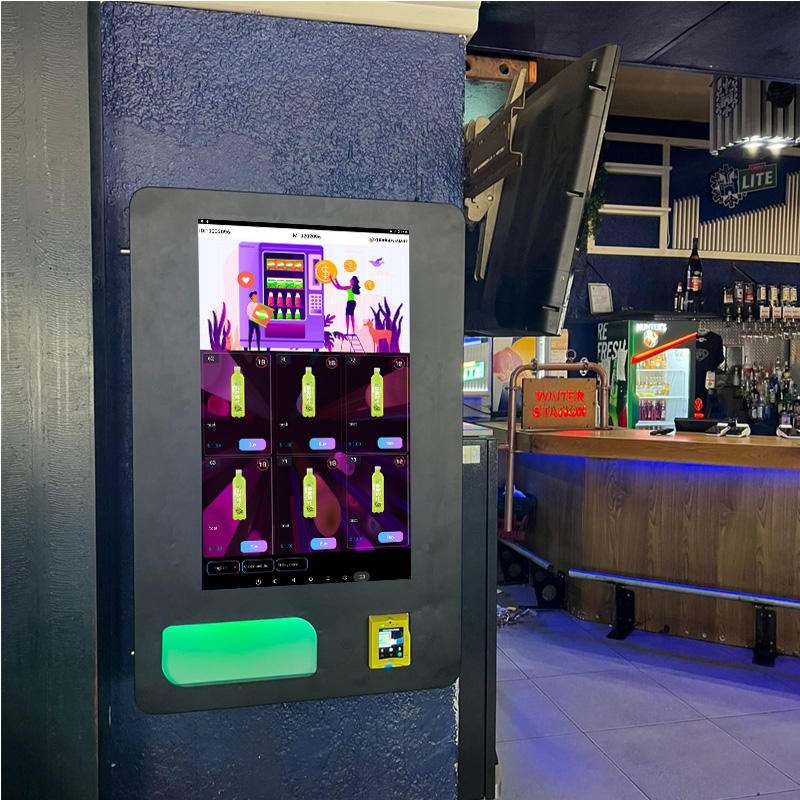
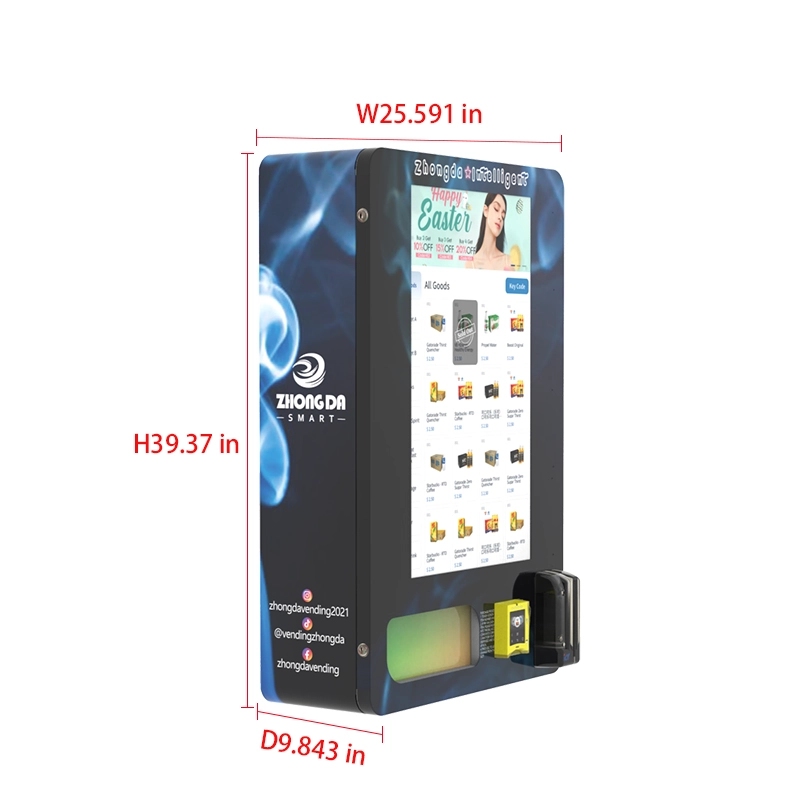
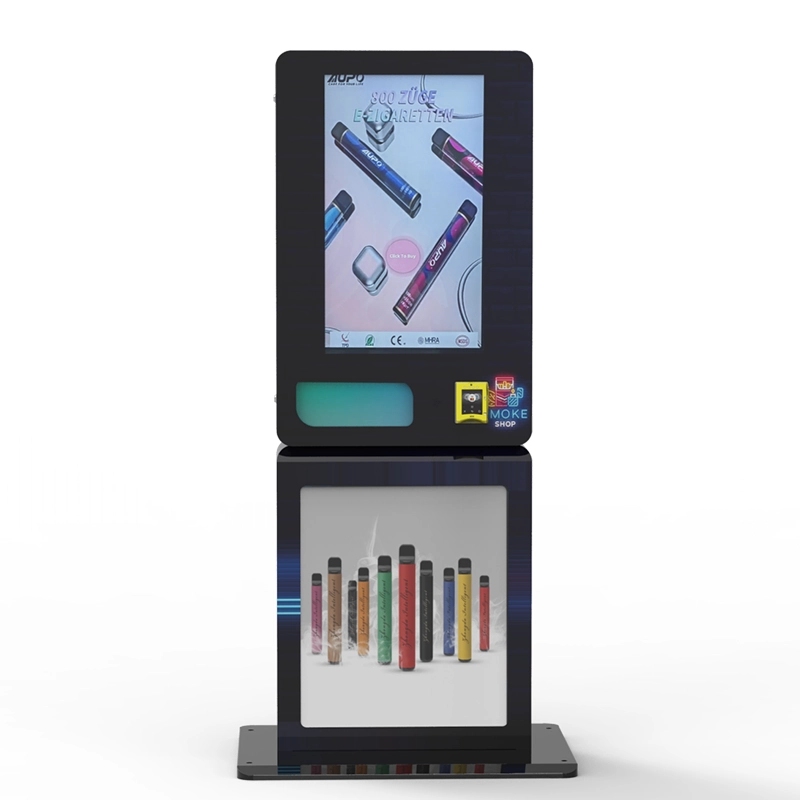
To build a successful route, you need a reliable machine that is easy to service. Our wall-mounted compact vape vending machine is popular for this because it takes up very little floor space and can be mounted in tight bars or lounges. It also has a simple tray system that makes restocking fast. The key is to start with one or two machines, prove the model, and then reinvest the profits into more machines. Do not take out a huge loan to buy 20 machines at once. Start small, learn the local laws, and scale slowly.
Frequently Asked Questions
Can I put a vape vending machine in a bar that allows minors during the day?
No. If the bar is not strictly 21 and over at all times, you need a machine with a working age verification system that is supervised by a human employee. Most bars fail this test because they do not have staff dedicated to watching the machine.
What happens if I get caught selling to a minor from a vending machine?
The penalties are severe. You can face a fine from the FDA of up to $15,000 per violation for a first offense. You can also lose your business license and face state-level criminal charges. This is why a compliant machine with a working scanner is not optional.
Do I need a special license to operate a vape vending machine?
Yes, in most states you need a tobacco retailer license. Some states also require a specific vending machine license. You must apply for these licenses before you install the machine. The process can take several weeks, so plan ahead.
Can I use a regular vending machine to sell vapes?
No. A regular vending machine does not have the required age verification technology. You risk immediate fines and seizure of your machine. You must use a machine specifically designed for age-restricted products.
Sources:
- U.S. Food and Drug Administration. "Tobacco Product Vending Machines." www.fda.gov
- Centers for Disease Control and Prevention. "State Tobacco Activities Tracking and Evaluation (STATE) System." www.cdc.gov
- Statista. "Vending machines in the United States - statistics & facts." www.statista.com