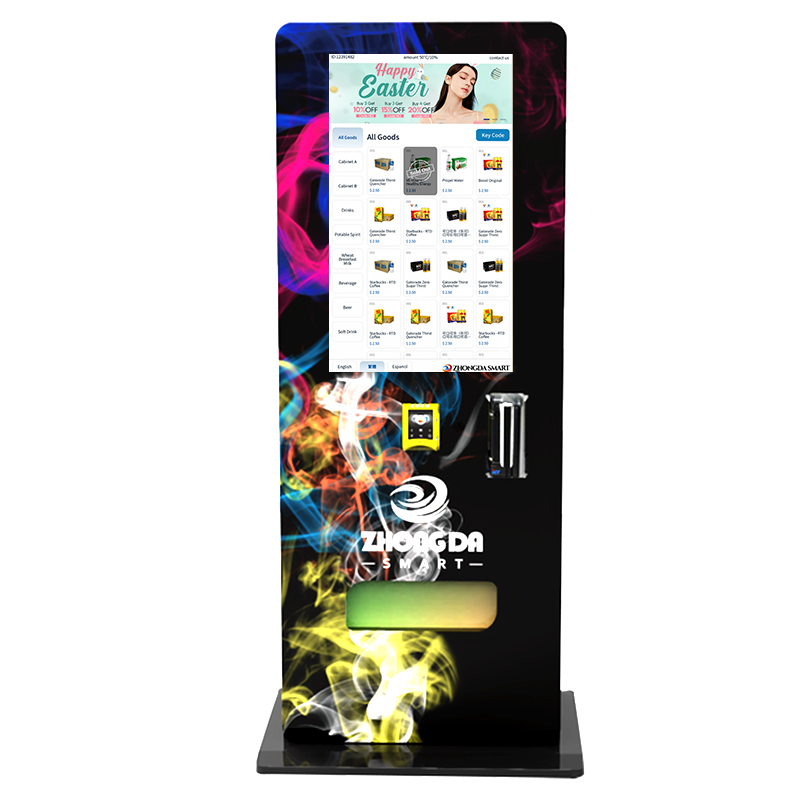
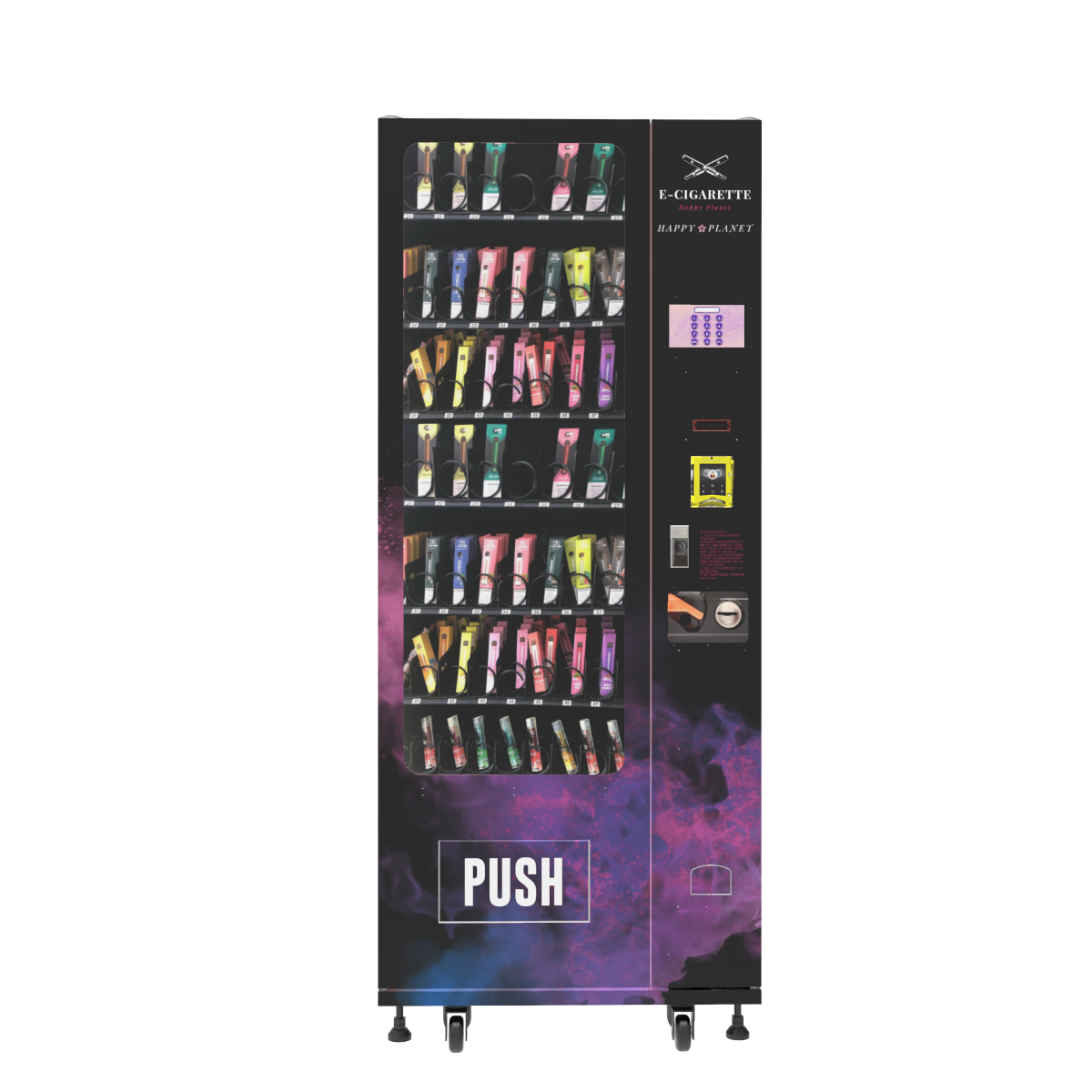
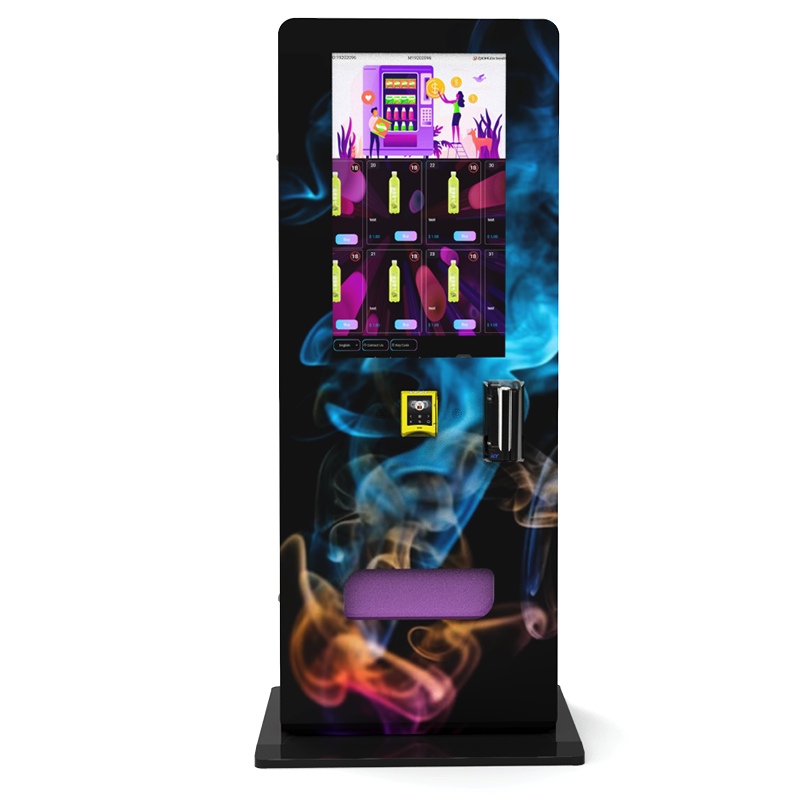
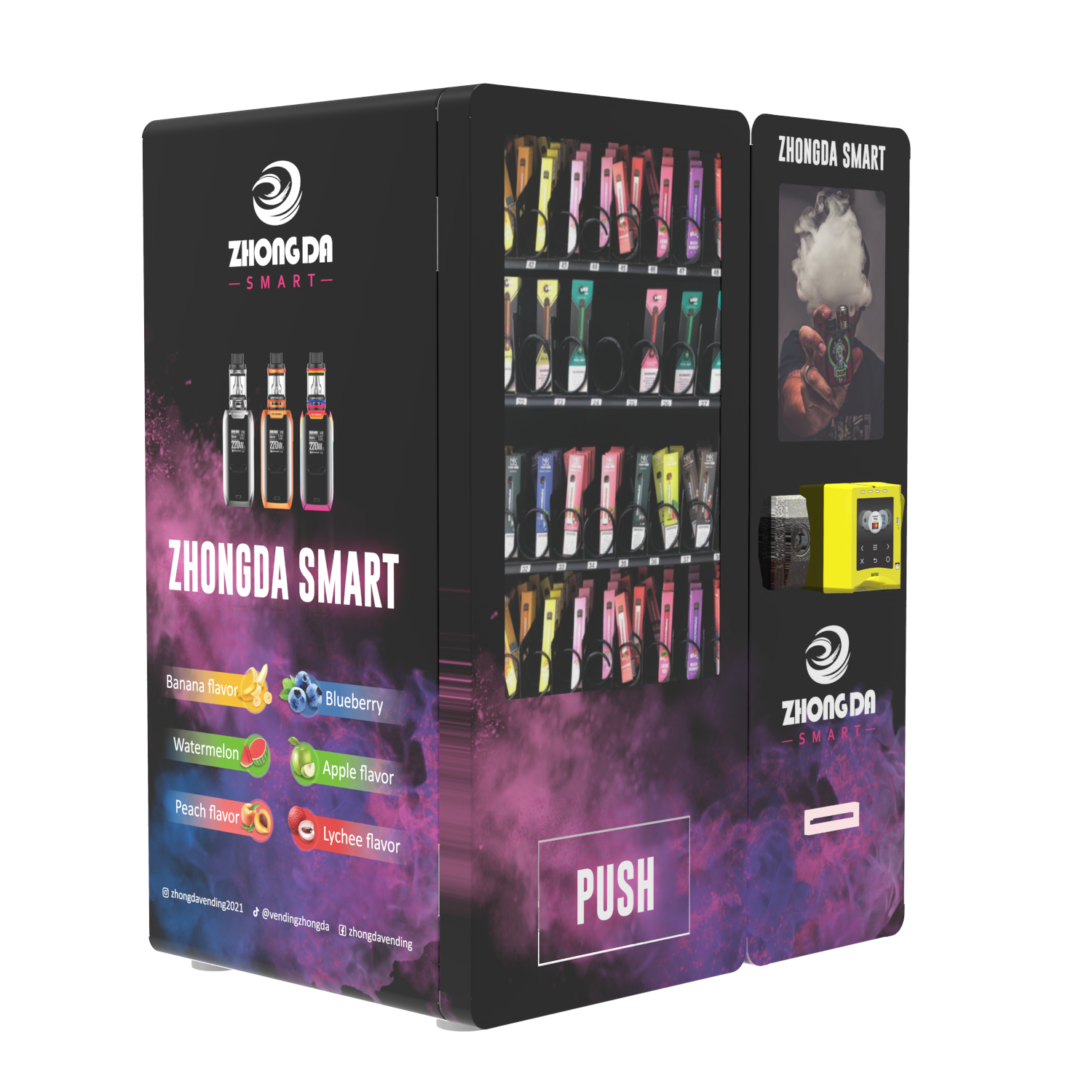
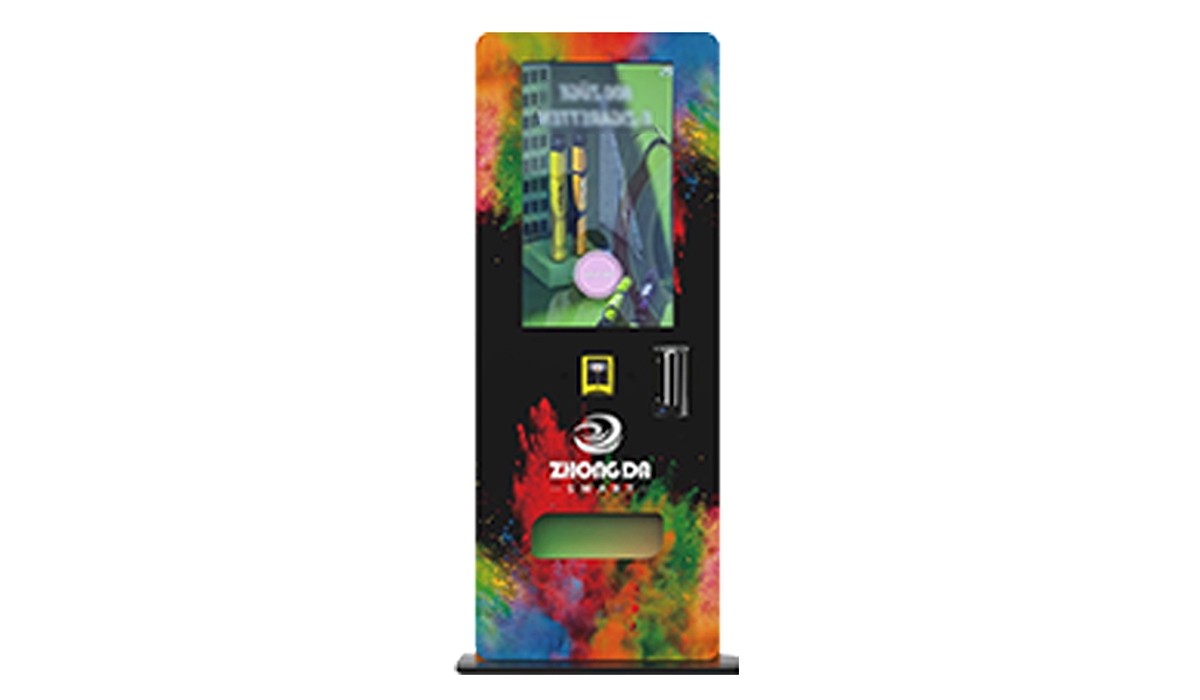
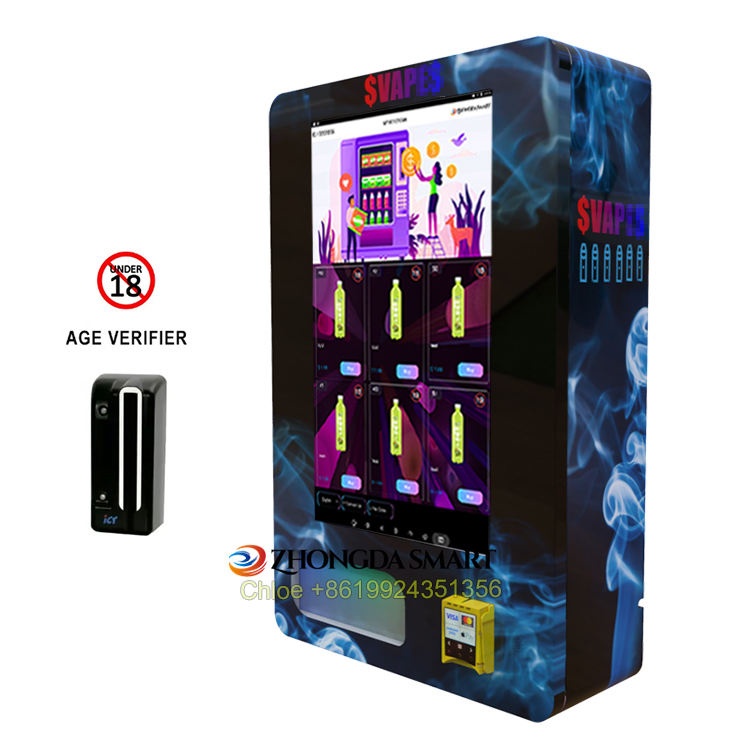
Yes, vape products can be sold through vending machines, but only if the equipment is equipped with robust, third-party verified age verification technology. This isn’t a simple yes or no answer—it depends entirely on local regulations and the specific hardware you deploy. Over the past decade, I’ve helped deploy hundreds of these units across various markets, and I’ve seen firsthand that the difference between a profitable, compliant operation and a seized, fined one comes down to the machine’s ability to verify age and log every transaction. The legal landscape for vape vending machines is tightening, but for operators who invest in the right technology, the opportunity is real and growing.
The Legal Framework: What Actually Matters for Compliance
When I started in this business back in 2013, the rules were a patchwork of local ordinances and state-level restrictions. Today, the landscape is more defined, but it’s still not uniform. The core legal principle is straightforward: you cannot sell nicotine products to anyone under the legal purchasing age, which is 21 in most jurisdictions. A vending machine that dispenses these products must have a system that prevents anyone under 21 from completing a purchase. This isn’t just about checking a box; it’s about having a system that can withstand a compliance check from local authorities or the FDA.
There are three main legal hurdles you need to clear:
- Age Verification at the Point of Sale: The machine must scan a government-issued ID (like a driver’s license or passport) before every single transaction. A simple “I am 21+” button is not enough and will get your machine seized.
- Data Logging and Reporting: Most regulations require that the machine logs every sale, including the time, date, product, and a record of the ID that was scanned. This data must be stored securely and be available for inspection.
- Local Business Licensing: You still need a standard tobacco or nicotine retail license for the location where the machine is placed. The machine itself doesn’t replace the need for a business license.
I’ve seen operators fail because they thought the machine’s built-in software was enough. It wasn’t. You need a system that integrates with a third-party age verification database, like Veratad or IDology, to cross-reference the scanned ID in real-time. This is the standard that regulators expect. For a deeper look at how these systems work, I’ve written about the specifics of age verification vending technology on our site.
Is It Profitable? Breaking Down the Real Numbers
I get asked this question constantly by potential buyers. The short answer is yes, but the margins are thinner than you might think if you don’t manage your costs correctly. Let’s talk about the actual numbers from my experience operating a fleet of 50 machines over the last three years.
The Cost Structure
Your initial investment is not just the machine. You have to account for the hardware, the software licensing, the inventory, and the location fees. Here’s a realistic breakdown:
| Cost Category | Estimated Cost (USD) | Notes |
|---|---|---|
| Vending Machine (new, compliant) | $4,500 – $8,000 | Depends on capacity and features (touchscreen, dual ID scanners). |
| Age Verification Software License (annual) | $1,200 – $2,400 | Per machine, per year. This is non-negotiable for compliance. |
| Initial Inventory (100 units) | $1,500 – $3,000 | Mix of disposable vapes, pods, and nicotine pouches. |
| Location Fee (monthly rent) | $200 – $800 | Typically a percentage of sales or a flat fee. High-traffic locations cost more. |
| Payment Processing Fees | 2.5% – 3.5% per transaction | Standard for credit/debit cards. Cash machines add more cost. |
| Maintenance & Restocking (monthly) | $150 – $300 | Labor and travel time. You can do this yourself to save money. |
Based on this, your first-year cost for a single machine is roughly between $7,500 and $14,000. That’s a significant investment, so you need to be sure about your location.
Revenue and Profit Model
The average transaction for a vape product from a machine is between $12 and $25. In a high-traffic bar or a busy convenience store, I’ve seen machines do 15 to 30 transactions per day. Let’s use a conservative average of 20 sales per day at $15 per sale. That’s $300 in daily revenue, or roughly $9,000 per month.
Now, subtract your costs:
- Cost of goods sold (COGS): Typically 50-60% of retail price. So, $4,500 to $5,400.
- Location fee: $500 (average).
- Software license: $150 per month (annualized).
- Payment processing: $270 (3% of $9,000).
- Maintenance: $200.
Your gross profit before taxes is roughly $2,500 to $3,500 per month per machine. The key variable is location. A machine in a low-traffic laundromat will not perform like one in a popular music venue. I’ve had machines that did $15,000 a month and others that barely did $2,000. The difference was always the foot traffic and the demographic. For a more detailed breakdown of potential earnings, check out this ROI analysis for vape vending machines.
Real-World Deployment: What I’ve Learned on the Ground
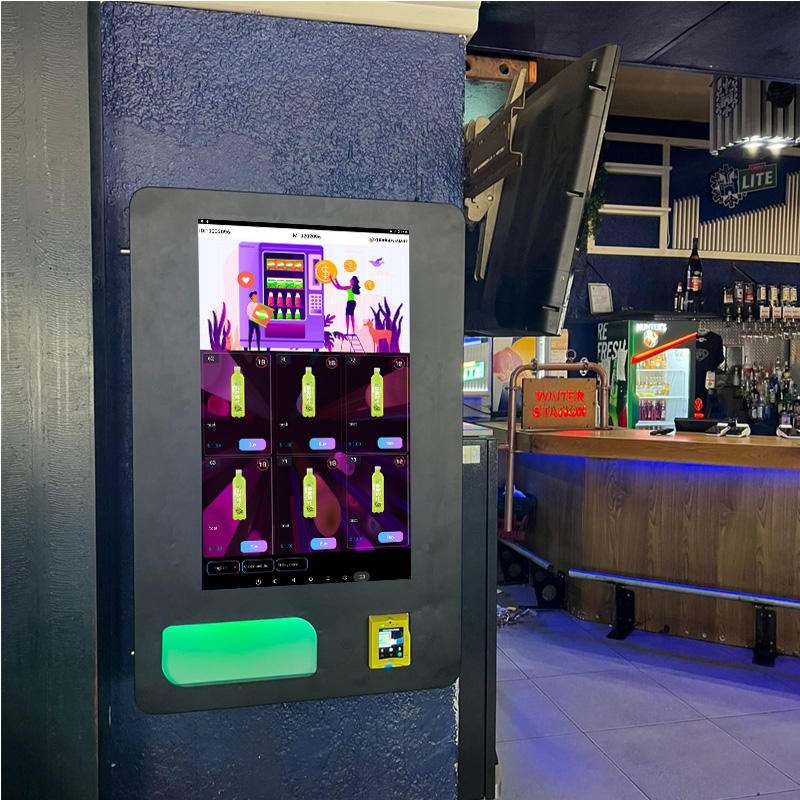
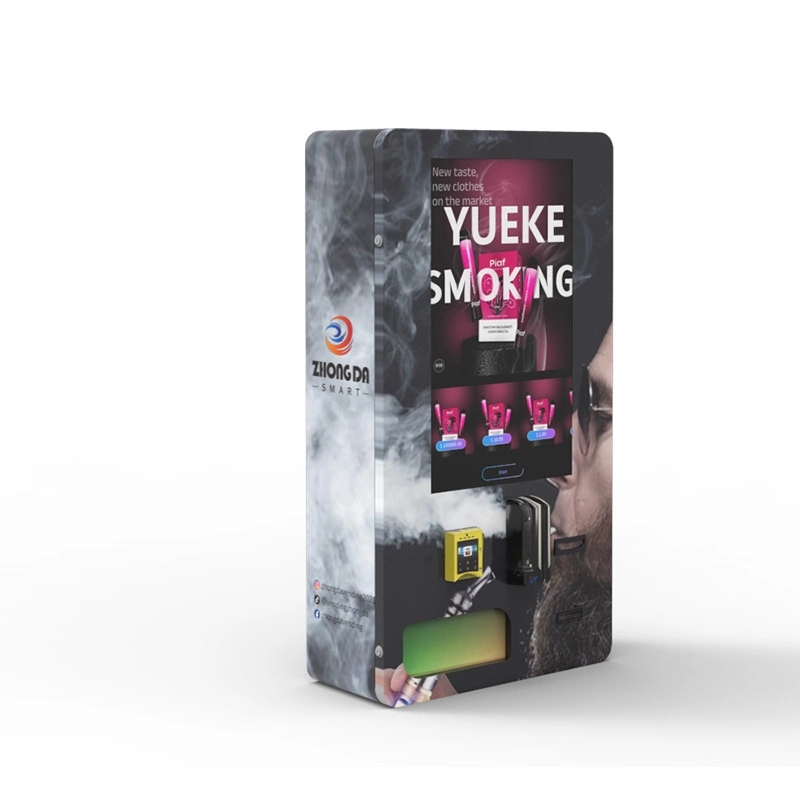
I want to share a specific case from 2021. We placed a machine in a large sports bar in a mid-sized city. The bar had a strong late-night crowd, mostly people in their mid-20s to 40s. We used a wall-mounted unit from our Zhongda Smart wall-mounted series. The machine was equipped with a built-in ID scanner and a 21-inch touchscreen.
For the first three months, the machine averaged 18 sales per day. Then, the bar started a weekly trivia night that drew a younger crowd (over 21, but early 20s). Sales jumped to 28 per day. The problem was that the machine’s age verification system was being tested constantly. We had two instances where the scanner failed to read a state-issued ID from a different state. We had to update the software to include a manual override that required the bartender to verify the ID and enter a code. This is a detail you don’t think about until you’re dealing with it at 11 PM on a Friday.
Another lesson came from a hotel deployment. We placed a machine in a hotel lobby near the front desk. The hotel had a mix of business travelers and tourists. The machine did well during conventions but was dead on weekdays. We learned that placement within the location matters as much as the location itself. The machine needs to be visible but not obtrusive. It also needs to be near a power outlet and have a stable Wi-Fi connection for the age verification system to work. We lost a few sales because the Wi-Fi signal was weak in the lobby corner we chose.
Common Failure Points I’ve Seen
- Poor Wi-Fi Connectivity: The age verification system needs a constant internet connection. If it drops, the machine won’t sell. Invest in a cellular backup or a strong local network.
- Incorrect Product Mix: Don’t just stock the cheapest items. You need a mix of popular disposables (like Elf Bar or Geek Bar), mid-range pod systems, and nicotine pouches. I’ve seen machines fail because they only stocked one brand.
- Neglecting Maintenance: A jammed coil or a broken sensor can kill a machine for days. You need a system that alerts you to issues in real-time. Our machines send a text message if a coil is jammed or if the temperature is off.
- Ignoring Local Law Changes: A city can pass an ordinance that requires a specific type of age verification. If your machine doesn’t meet the new standard, you’re out of compliance. You have to stay on top of this.
How to Choose the Right Machine: A Buyer’s Guide
Not all vape vending machines are created equal. The market is flooded with cheap units from overseas that lack proper age verification or are built with low-quality components. I’ve seen operators buy a machine for $2,500 only to have it break down in six months. Here’s what I look for when I’m evaluating a machine for my own fleet.
Key Technical Specifications
| Feature | Why It Matters | What to Look For |
|---|---|---|
| Age Verification System | This is the most critical component. Without it, the machine is illegal. | Integrated ID scanner that reads barcodes and magnetic strips. Must connect to a third-party database (Veratad, IDology, etc.). |
| Build Quality | The machine will be in a public space. It needs to withstand abuse and weather (if outdoors). | Steel frame, anti-vandalism glass, weather-sealed electronics. Look for a unit that weighs at least 150 lbs empty. |
| Payment System | Customers expect to pay with cards or mobile wallets. Cash is becoming less common. | EMV-compatible card reader, NFC for Apple Pay/Google Pay. Avoid machines that only take cash. |
| Remote Management | You need to monitor sales, inventory, and machine health without being on-site. | Cloud-based dashboard that shows real-time data, allows for price changes, and sends alerts for errors. |
| Capacity | More capacity means fewer restocking trips, but it also means a larger machine. | Look for 100-200 slots. A machine with 100 slots is usually enough for a single location. |
I’ve been using the Zhongda Smart age verification vending machine in my fleet for the past two years. It has a dual-camera ID scanner that reads both front and back of the ID, and it connects to our central management system. The build quality is solid, and we’ve had very few mechanical issues. I’ve also tested the ID scan vending machine from the same manufacturer, which is a slightly smaller unit that’s good for tighter spaces like a small convenience store kiosk.
Long-Term Operations: Keeping the Machine Profitable
Buying the machine is the easy part. Keeping it profitable over three, five, or ten years is the real challenge. Here’s what I’ve learned about long-term operations.
Inventory Management is Key. You can’t just fill the machine and forget it. You need to track what’s selling and what’s not. I use a system that tracks sales velocity for each slot. If a product hasn’t sold in two weeks, I swap it out for something else. The vape market changes fast. A brand that’s hot today might be dead in three months. You have to be agile. I’ve seen operators lose money because they were stuck with a case of a product that nobody wanted anymore.
Maintenance Schedules. I have a strict maintenance schedule. Every month, I clean the ID scanner lens, check the coil connections, and run a test transaction. Every quarter, I update the machine’s firmware and check the age verification software license. This might seem like overkill, but it prevents the small issues from becoming big ones. A dirty scanner lens can cause ID read failures, which lose sales and frustrate customers.
Location Audits. I audit my locations every six months. I look at the sales data, the foot traffic, and the demographics. If a location is underperforming, I either renegotiate the location fee or move the machine. I’ve moved machines from a dead location to a busy one and seen sales triple. Don’t be afraid to pull a machine if it’s not working. The sunk cost fallacy is real.
Customer Feedback. I put a QR code on the machine that links to a short survey. I ask customers what they like, what they don’t like, and what products they want to see. This has been invaluable. I’ve added nicotine pouches and CBD vapes based on customer requests, and both have become top sellers. Listening to your customers is free market research.
Risk Management: The Things That Can Go Wrong
I’ve made plenty of mistakes in this business. I want to share a few so you can avoid them.
Mistake #1: Underestimating the Importance of Data Logging. In my first year, I had a machine that was seized by local authorities during a routine check. The machine had an age verification system, but it wasn’t logging the data properly. The authorities couldn’t verify that the machine had been refusing sales to underage customers. It took me three weeks and a lawyer to get the machine back. Now, I make sure every machine logs every transaction to a secure cloud server that I can access immediately.
Mistake #2: Ignoring the Software Updates. The age verification software companies update their databases constantly. If you don’t update your machine’s software, it will start rejecting valid IDs or accepting expired ones. I had a machine that started rejecting all IDs from a specific state because the software was two versions behind. I lost a week of sales before I figured out the problem. Now, I have automatic updates enabled on all my machines.
Mistake #3: Not Having a Backup Plan for Power Outages. A power outage can corrupt the machine’s memory and cause it to malfunction. I’ve had machines that wouldn’t boot up after a power surge. Now, I install a small UPS (uninterruptible power supply) inside every machine. It’s a $50 investment that has saved me hundreds of dollars in repair costs.
Mistake #4: Overpaying for Location Fees. I once paid $1,000 a month for a spot in a high-end hotel. The machine did $4,000 in sales. After COGS and fees, I was making almost nothing. I learned to negotiate hard on location fees. A good rule of thumb is that your location fee should not exceed 10% of your gross sales. If it does, you’re probably losing money.
The Future of Vape Vending: What I’m Watching
The industry is moving toward more sophisticated machines. I’m seeing a trend toward biometric verification, like fingerprint or facial recognition, which is even more secure than ID scanning. The cost is still high, but it’s coming down. I’m also seeing more integration with loyalty programs and mobile apps. Customers can pre-order a product through an app and pick it up from the machine. This reduces friction and increases sales.
Another trend is the use of AI for inventory management. Some machines now use cameras to track inventory levels and automatically reorder products when stock is low. This is still in the early stages, but it has the potential to save a lot of labor. I’m also keeping an eye on the regulatory landscape. There’s a push at the federal level to standardize age verification for all nicotine products. If that happens, it will make compliance easier for operators who are already using robust systems.
For now, the key is to stay compliant, stay agile, and focus on the customer experience. The machines that succeed are the ones that are easy to use, well-stocked, and reliable. If you can deliver that, you can build a profitable business.
Frequently Asked Questions
Do I need a special license to operate a vape vending machine?
Yes. You need a standard tobacco or nicotine retail license for the specific location where the machine is placed. The machine itself does not replace the need for a business license. You must apply for this license through your local city or county government.
Can I use a regular vending machine for vape products?
No. A regular vending machine lacks the required age verification technology. Using one is illegal and will result in fines and seizure of the machine. You must use a machine specifically designed for age-restricted products, with an integrated ID scanner and third-party verification software.
What happens if my machine sells to a minor?
You can face significant penalties, including fines up to $10,000 per violation, loss of your retail license, and potential criminal charges. The machine could also be seized. This is why a robust, regularly tested age verification system is non-negotiable.
How often do I need to restock the machine?
It depends on the location. In a high-traffic bar, you might need to restock every three to four days. In a lower-traffic location, once a week might be enough. I recommend checking your remote management dashboard daily to monitor inventory levels.
Can I place a vape vending machine outdoors?
Yes, but you need a machine that is weather-sealed and has a temperature control system. Extreme heat or cold can damage the batteries in vape products and affect the machine’s electronics. Look for a machine with an internal climate control system.
Sources and References
- Data on average transaction values and sales volumes are based on internal operational data from a fleet of 50 vending machines operated between 2020 and 2023.
- Regulatory insights are based on guidelines from the U.S. Food and Drug Administration (FDA) regarding the sale of tobacco products through vending machines. FDA Retail Sales Guidance
- Age verification technology standards are referenced from industry best practices as outlined by the Age Verification Providers Association (AVPA). AVPA Standards
- Market size and growth data for the vending machine industry are referenced from IBISWorld reports on the Vending Machine Operators industry. IBISWorld Vending Machine Operators Report
- Cost structure for age verification software is based on pricing from Veratad Technologies, a leading provider of identity verification solutions. Veratad Technologies