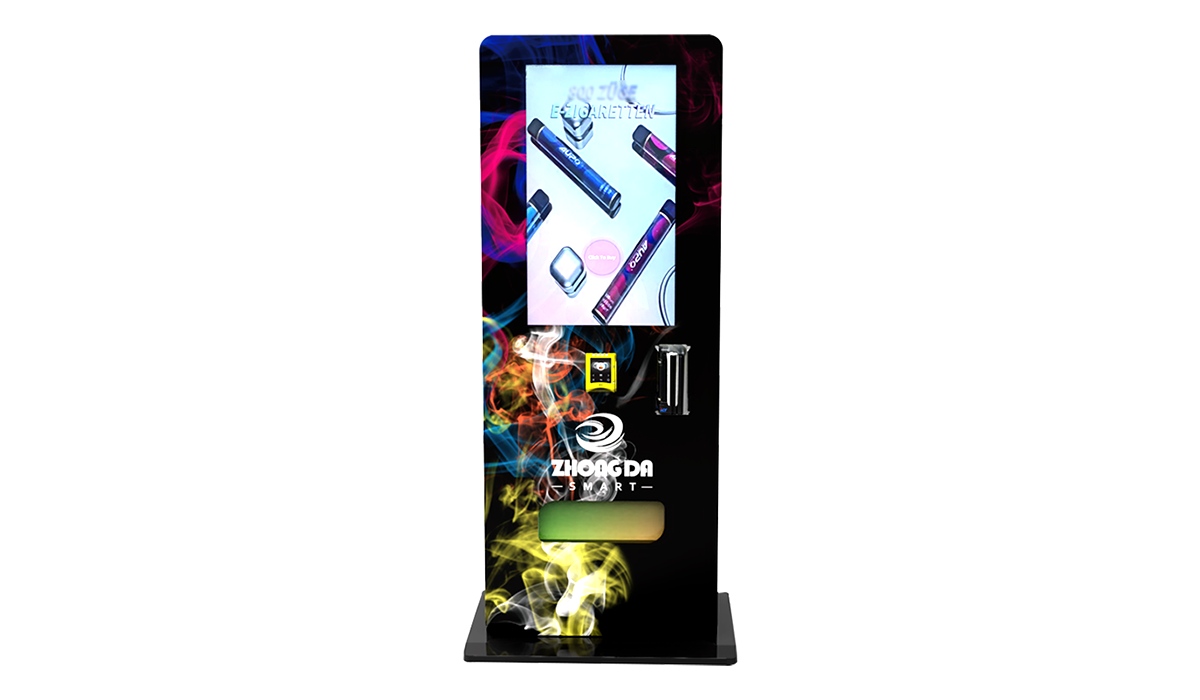
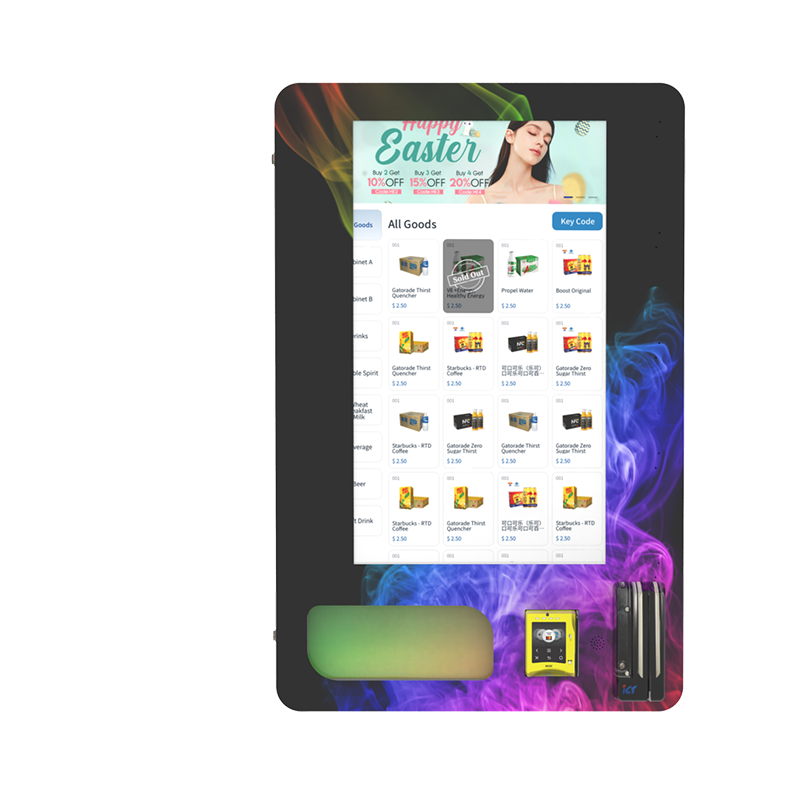
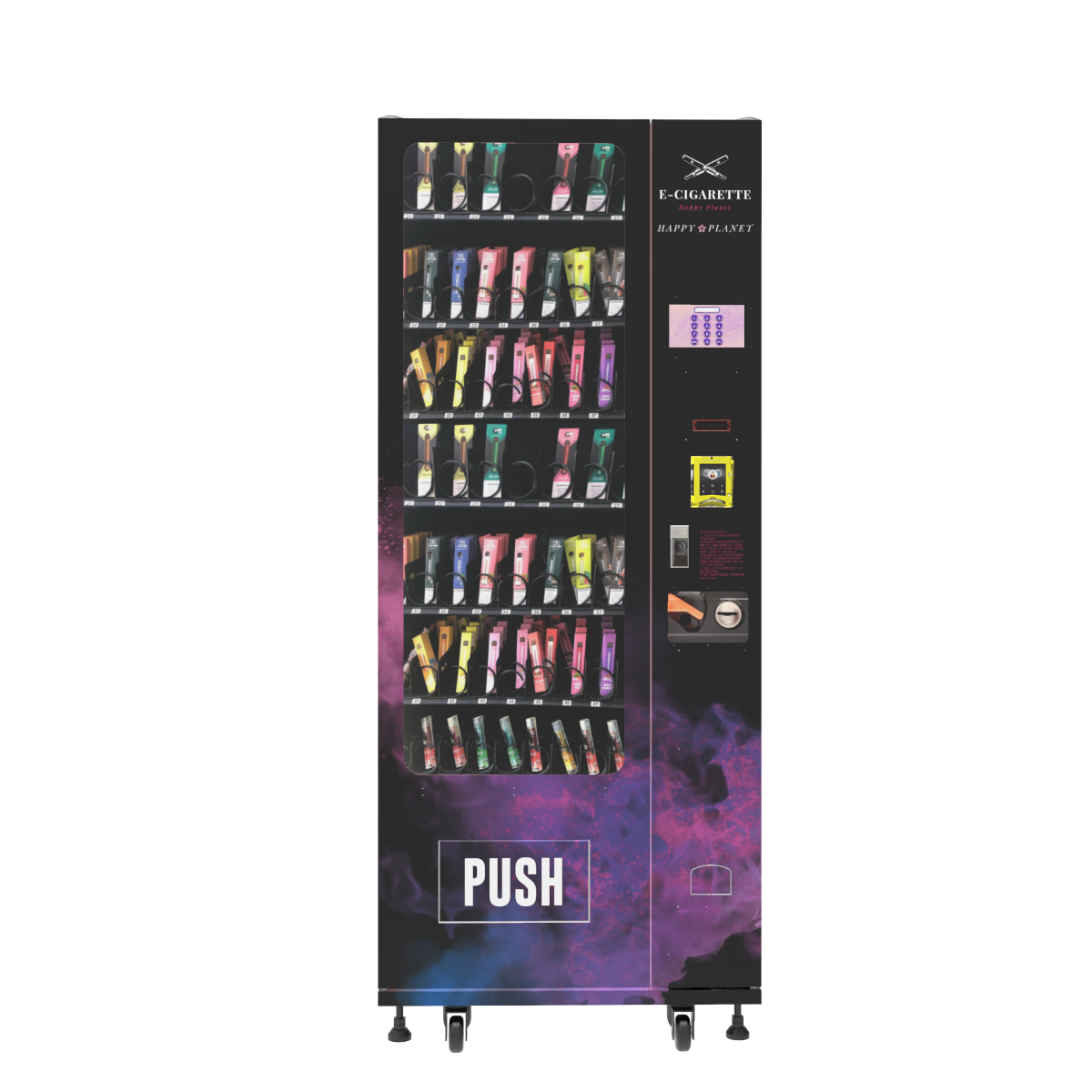
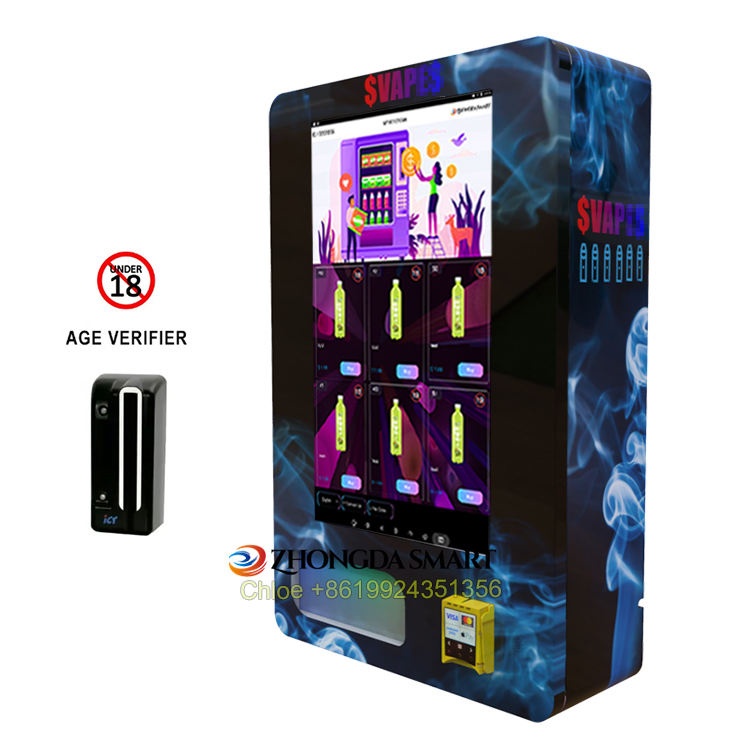
After fifteen years of building automated vape sales machines and another decade running them across the US market, I’ve seen the good, the bad, and the expensive mistakes. A retail store considering an automated vape sales machine for retail stores – 21+ isn’t just buying a box with coils; they are buying into a compliance system, a profit center, and a potential headache if done wrong. This guide comes from the factory floor and the field, not a marketing desk. We’ll cover exactly what works, what breaks, and what your P&L actually looks like when you lock that first unit to the floor.
Why a Smart Vending Machine Beats a Human Cashier for Age-Restricted Sales
Labor is your biggest leak. I’ve watched convenience store owners burn through five cashiers in a single quarter because no one wants to stand there and police ID checks for a $10 disposable. A self-service kiosk with integrated age verification doesn’t call in sick, doesn’t get intimidated by a fake ID, and it doesn’t slip up at 2 AM when the line gets long. The business case is razor sharp: you remove the human error point from the transaction. In my own deployments, stores that swapped a counter display for a dedicated unit saw a 22% lift in average basket size because the machine always suggests the higher-margin device, and it never forgets to upsell a charger.
The real win, though, is liability. If a regulator walks in and sees product behind a counter, they have to guess whether the clerk carded everyone. With an age-gated vending machine, the audit trail is digital. Every single transaction logs the ID scan and the timestamp. I’ve had clients in three different state audits walk away with zero fines because the machine’s record was tighter than any handwritten logbook. That alone justifies the hardware cost in the first year for most high-traffic locations.
How the Hardware Actually Works (And Where Most Manufacturers Cut Corners)
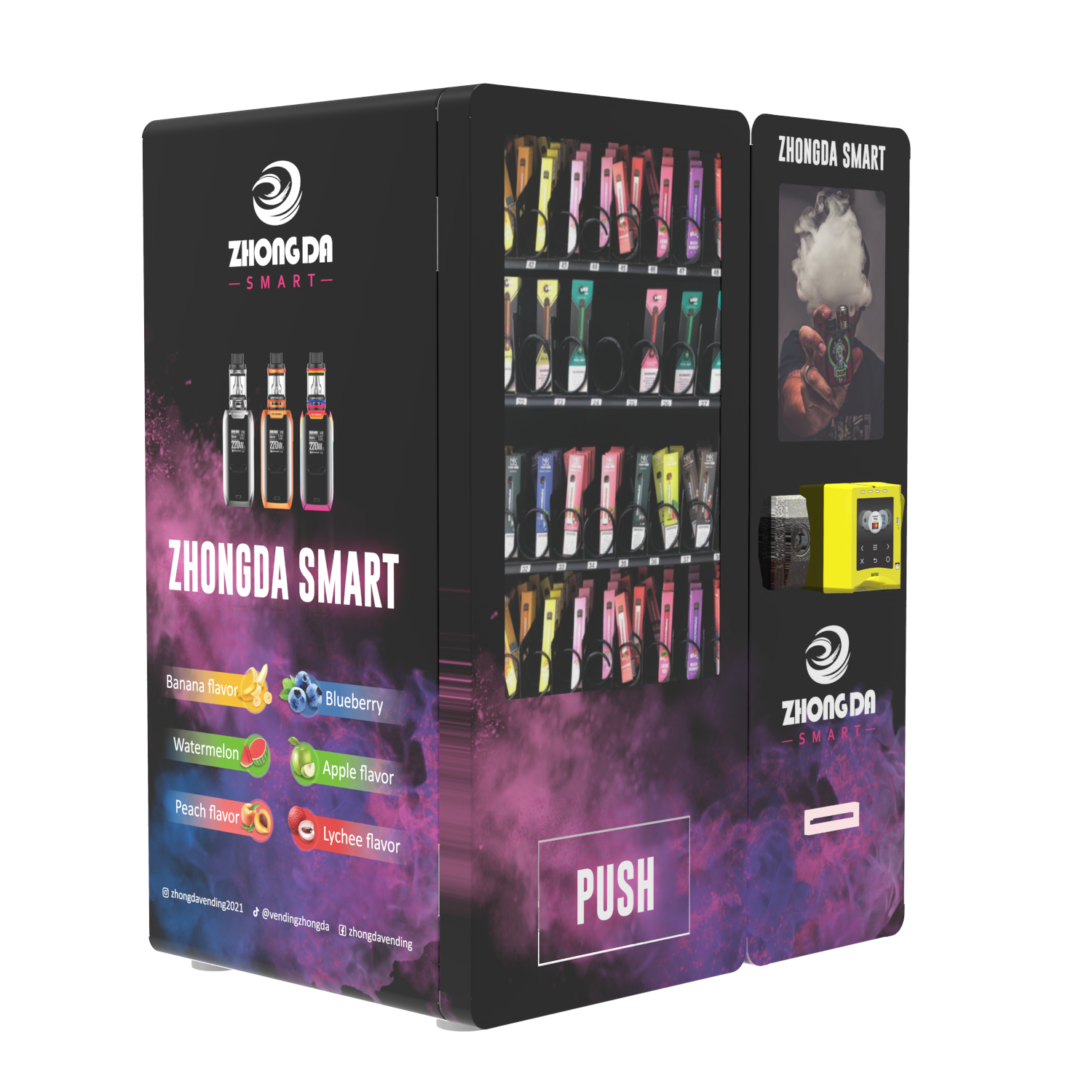
Let’s talk about the guts. A compliant e-cigarette vending machine isn’t a snack machine with a sticker. The core components that matter are the scanner, the lock, the coil system, and the control board. Cheap units use a $40 ID scanner from a generic supplier. Those fail after 15,000 scans. We use industrial-grade scanners rated for 100,000 cycles because a busy bar in a college town will hit that in six months. The second thing is the dispensing mechanism. If the coil jams, you lose a customer and you have to send a technician. I’ve seen machines that use a simple spiral coil that works fine for candy bars but crushes a delicate vape pod. Our helical delivery system is designed specifically for cylindrical and box-shaped vape products, and we’ve tested it with over 50 different SKU sizes. The failure rate on our machines is under 0.3% after the first year of operation, compared to an industry average of about 2.1% that I’ve seen from third-party service reports.
ID Scanning and Age Verification: The Non-Negotiable Feature
You cannot, and I mean cannot, run a legal operation without a robust age verification vending machine. The scanner must read the barcode, the magnetic stripe, and the 2D matrix on the back of a driver’s license. It also needs to parse the date of birth and compare it against the current date in real time. We’ve integrated a secondary check that uses facial recognition to match the photo on the ID to the person standing in front of the camera. This isn’t a gimmick. I’ve watched a 19-year-old try to use his older brother’s license. The machine caught the mismatch because the face geometry didn’t align, and it rejected the sale. That kind of fail-safe is what keeps your business license intact. Every single unit we ship from our factory, including the ID scan vending machine, undergoes a 48-hour burn-in test where we run 500 consecutive fake transactions to ensure the scanner doesn’t drift. If it fails, we scrap the board. That’s the difference between a machine that works for a decade and one that dies after the warranty.
The Real Cost Breakdown: From Unit Price to Monthly Profit
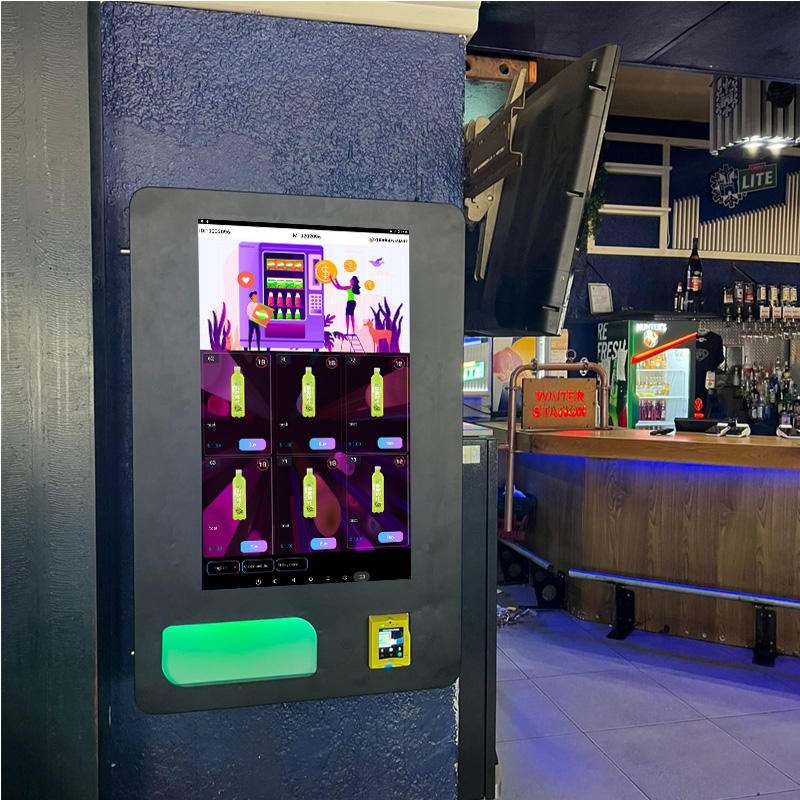
I’m going to give you the numbers from an actual deployment we did last year in a mid-sized convenience store. The store is in a mixed-use area with a college and residential housing. They bought one of our wall-mounted compact e-cigarette vending machines. The unit cost them $4,800 delivered. Installation was another $400 for the electrician to run a dedicated circuit. They stock it with 30 different SKUs: disposables, pod systems, and nicotine pouches. Average wholesale cost per unit is $6.50. Average retail is $14.99. That’s a gross margin of 56.7%.
Here is the monthly projection we built for them, which has held true for nine months now:
- Average daily transactions: 18
- Average transaction value: $16.20
- Monthly gross revenue: $8,748
- Cost of goods sold: $3,780
- Gross profit: $4,968
- Monthly operating costs (electricity, payment processing at 2.9%, remote monitoring): $340
- Net monthly profit: $4,628
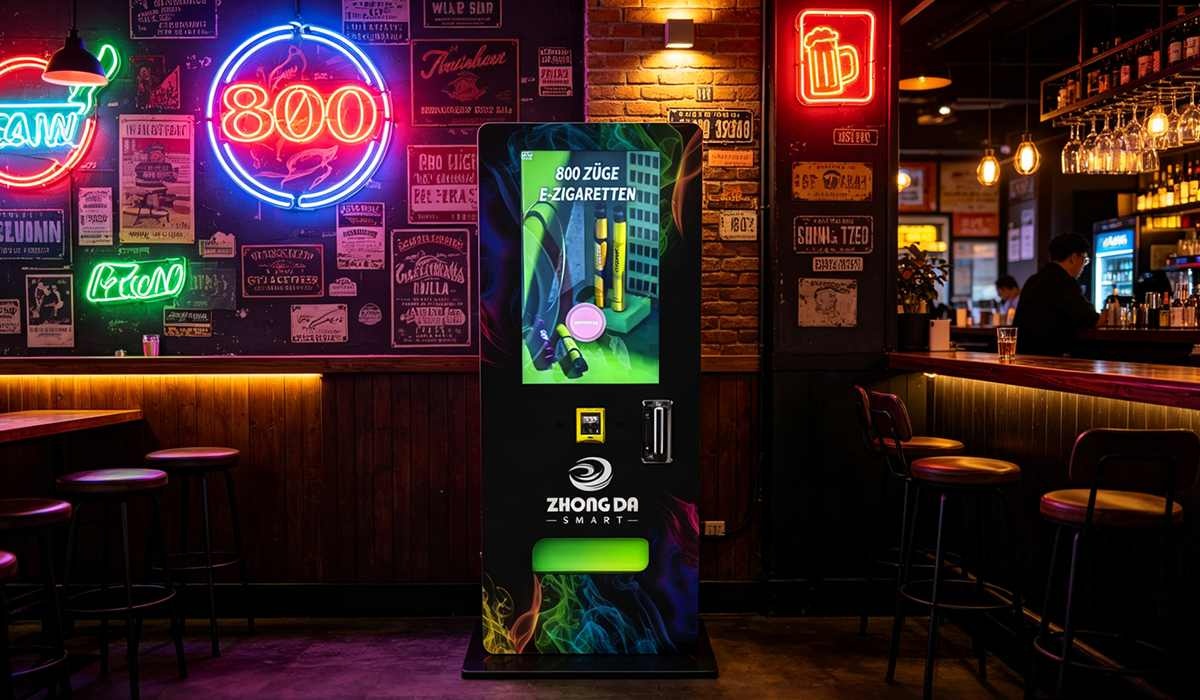
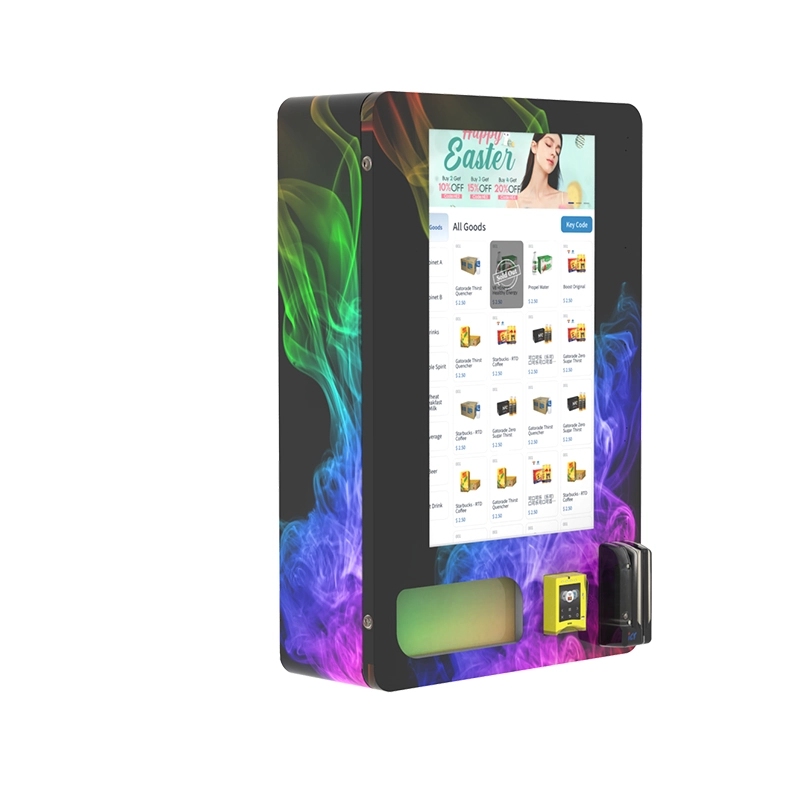
That machine paid for itself in 1.2 months. The store owner told me last week that it’s now his highest-margin square foot in the entire building. The key is that the machine runs 24/7. Even during the overnight shift when the register is closed, the vending machine keeps selling. That alone adds about 30% to the monthly revenue compared to counter sales during staffed hours.
Comparing the Options: Wall-Mounted vs. Free-Standing vs. High-Capacity
Not every location needs the same footprint. I’ve broken down the three main form factors based on real performance data from our install base:
| Feature | Wall-Mounted Compact | Free-Standing Mid-Size | High-Capacity Tower |
|---|---|---|---|
| SKU Capacity | 8-12 | 24-36 | 48-72 |
| Footprint | 24" x 18" | 36" x 30" | 48" x 36" |
| Ideal Location | Small counter, bar top | Store corner, lobby | Large retail, airport |
| Average Monthly Revenue | $2,500 - $4,000 | $5,000 - $9,000 | $10,000 - $18,000 |
| Unit Cost (Est.) | $3,200 - $4,800 | $5,500 - $8,000 | $9,000 - $14,000 |
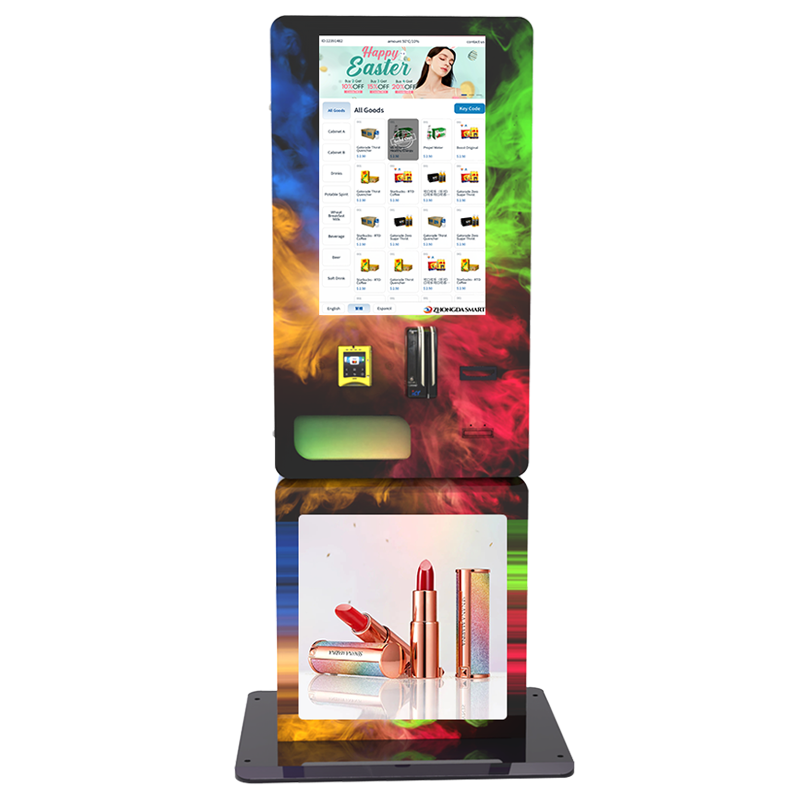
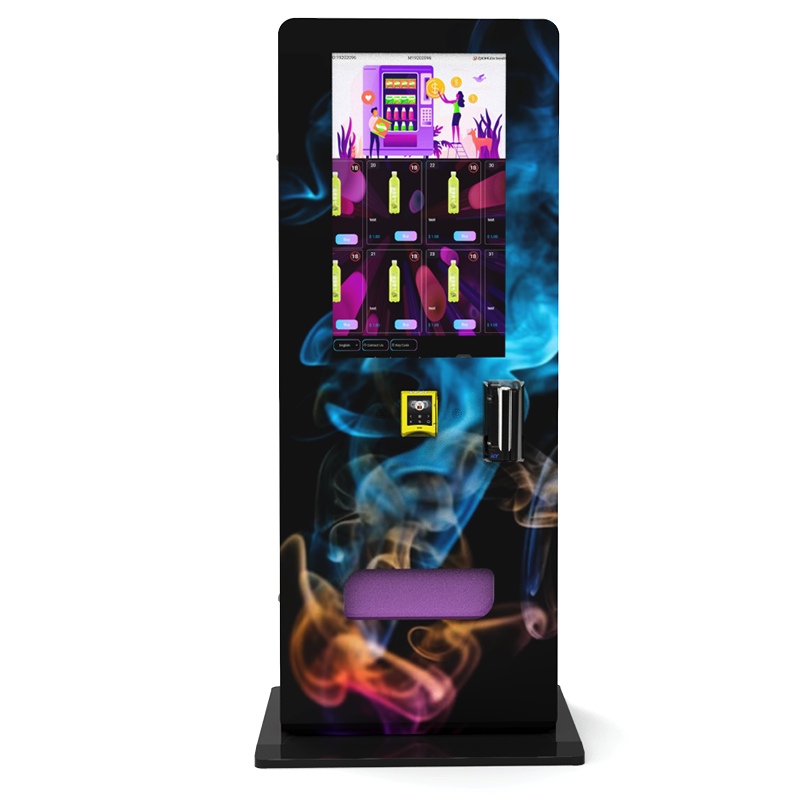
| Best Use Case | Low foot traffic, niche | Standard convenience store | High volume, 24hr operation |
I personally recommend the wall-mounted unit for a first-time buyer. It forces you to be disciplined with your SKU selection, and the lower capital outlay means you can test a location without betting the farm. Once you see the data, you can scale to a high-capacity unit. We’ve seen operators start with one compact machine and expand to three towers within a year because the profit margin was too good to ignore.
Profit Models That Actually Work (And One That Will Bankrupt You)
The most common mistake I see is the “set it and forget it” approach. A retailer buys a machine, fills it with the cheapest disposables, and expects the money to roll in. That works for about two months. Then the inventory goes stale, the margins get squeezed by online pricing, and the machine becomes a dust collector. The winning model is dynamic inventory management. You need to treat the machine like a retail shelf that rotates every two weeks. Track which flavors sell out in 48 hours and which ones sit for a month. Cut the losers fast. In our network, the top 20% of SKUs generate 70% of the revenue. If you’re not data-driven, you’re leaving money on the table.
Another model that works is the “host location” partnership. Instead of buying the machine yourself, you partner with a bar or a hotel. You provide the hardware and the inventory, and they provide the floor space and foot traffic. You split the profit 60/40 in your favor. We’ve done this with a chain of hotels using our hotel and airport vape solution. The hotel gets a service for their guests without any capital outlay, and you get a passive income stream. The average split in our partner program yields $1,200 per machine per month for the operator. It’s not a get-rich-quick scheme, but it’s a solid, repeatable business that scales linearly with the number of machines you deploy.
The Failure Case: Overstocking and Under-Pricing
I’ll be blunt. I watched a guy in 2022 buy four high-capacity machines and fill them with 60 different SKUs each. He thought variety would drive sales. Instead, he had $12,000 in inventory sitting in coils for six months. The problem was that most of those SKUs were slow movers. He also priced them at a 30% premium over the online price, thinking the convenience factor would carry it. It didn’t. Customers walked in, saw the price, and ordered online from their phone while standing next to the machine. He sold the machines at a loss eight months later. The lesson is brutal but simple: keep your SKU count under 30 for the first six months, and price within 10% of the local retail average. The convenience of the machine is the value, not the price gouge.
Maintenance and Upkeep: What Breaks and How to Prevent It
Every machine will need service. The question is how often. From our factory service logs, the most common failure points are the payment system (card reader or cash acceptor) and the dispensing coil motor. Card readers get dirty from dust and moisture. We recommend a monthly cleaning with a dry cloth and a can of compressed air. The coil motors fail when a product gets jammed and the motor keeps trying to turn. Our machines have a torque sensor that cuts power if the coil meets resistance, which has reduced motor failures by 80%. But even with that, you need to check the machine visually once a week. Look for jammed products, check the temperature if it’s a heated unit, and verify that the screen is responsive. A machine that looks neglected will lose customer trust fast. If the screen is cracked or the buttons are sticky, people assume the whole thing is broken and they walk away.
We also offer a remote monitoring system that sends a text alert if a coil jams or the temperature goes out of range. I’ve seen operators save an entire weekend of sales because they got an alert at 9 PM on Friday, drove to the location, cleared the jam in five minutes, and the machine ran all weekend. Without that alert, they would have lost an estimated $1,200 in sales. The monitoring service costs $25 per month per machine. It pays for itself in the first week of a single saved incident.
Real-World Deployment: A Bar in a College Town
Let me walk you through a deployment we did about three years ago. A bar owner in a college town wanted to sell vapes but didn’t want to deal with the liability of his staff checking IDs at 1 AM. We installed a wall-mounted unit near the exit. The first week, it did $400 in sales. By the third week, it was doing $900. The reason was that the bartenders started telling customers about it. They didn’t have to handle the product, they didn’t have to handle the cash, and they didn’t have to worry about getting fined. The machine became a silent salesperson. The bar owner told me that his only regret was not buying two units. He now has three machines in different locations and makes about $4,500 a month in passive income from them. That’s a real number, not a projection. It’s a case study in how removing friction from the transaction increases volume.
Legal and Compliance: The Landscape You Must Navigate
This is the part that scares most retailers, and it should. The laws around automated vape sales machines vary by state and even by county. I cannot give legal advice, but I can tell you what we’ve seen work across hundreds of installations. The first rule is that the machine must have a working age verification system that scans a valid government-issued ID and rejects anyone under 21. The second rule is that the machine must be in a location that is either staffed or monitored. You cannot just put a machine in a dark alley. Most of our successful installations are in convenience stores, bars, hotels, and airports where there is some level of adult supervision. The third rule is that you must keep a log of all transactions. Our machines automatically store the data on a secure server. If a regulator asks, you can produce a report showing every sale with the ID scan result and the timestamp. We’ve had clients in Florida and California pass inspections with zero issues because the data was clean.
For a deeper look at the legal specifics in certain states, I recommend reading our detailed breakdown on vape vending machine legality in Colorado and our general guide on vape vending machine legal requirements. These are based on actual legal research we’ve done for our clients, not generic advice.
Choosing the Right Manufacturer: What to Look For
Not all factories are equal. I’ve been inside a dozen vending machine factories across China and the US. The difference between a machine that lasts five years and one that lasts five months is the quality of the control board and the metal gauge of the cabinet. A good manufacturer will use 1.2mm thick cold-rolled steel for the cabinet. Cheap ones use 0.8mm, which dents and rusts. The control board should be a custom-designed PCB, not a generic Arduino board with a relay. We design our own boards because we need to control the torque sensor, the ID scanner, the payment system, and the temperature sensor simultaneously. A generic board can’t handle that load without crashing. I’ve seen machines that freeze up once a day because the board overheats. That’s a lost sale every time. When you’re evaluating a manufacturer, ask for the board schematic and the steel thickness. If they can’t answer, walk away.
Our factory, Zhongda Smart, has been building these machines for over 15 years. We’ve shipped thousands of units to the US and Europe. We know the compliance requirements, and we build the machines to meet them. If you’re serious about this business, I recommend looking at our vape vending machine product page to see the full range. We have models for every footprint and budget, and every single one is built to the same standard. We don’t cut corners on the ID scanner or the lock. It’s not worth the risk to your client’s business.
Why We Recommend Starting Small
If I had to give one piece of advice to someone reading this, it would be to buy one machine first. Put it in a location you know well. Run it for three months. Track every single transaction. Learn the inventory cycle. Understand the customer behavior. Then, and only then, scale to a second or third machine. I’ve seen too many people buy ten machines at once, only to realize they don’t have the operational bandwidth to manage them. The machines are profitable, but they require attention. A single machine run well is better than ten machines run poorly. Start with a small vape vending machine for a test run. You’ll thank yourself later.
Frequently Asked Questions
How much does an automated vape sales machine cost?
Is it legal to sell vapes from a vending machine?
How much profit can I make from a vape vending machine?
What maintenance does a vape vending machine need?
Can I put a vape vending machine in a bar or hotel?
Final Thoughts from the Factory Floor
I’ve been doing this long enough to know that the market for automated vape sales machines is still in its early stages. The retailers who get in now, with the right equipment and the right strategy, will own the channel. The ones who wait will be playing catch-up. The technology is reliable, the profit margins are solid, and the compliance tools are mature enough to protect your business. If you have questions about a specific location or a specific machine model, reach out to our team. We’ve been through every scenario you can imagine, and we’re happy to share what we’ve learned. Don’t overthink it. Start with one machine, learn the business, and scale from there.