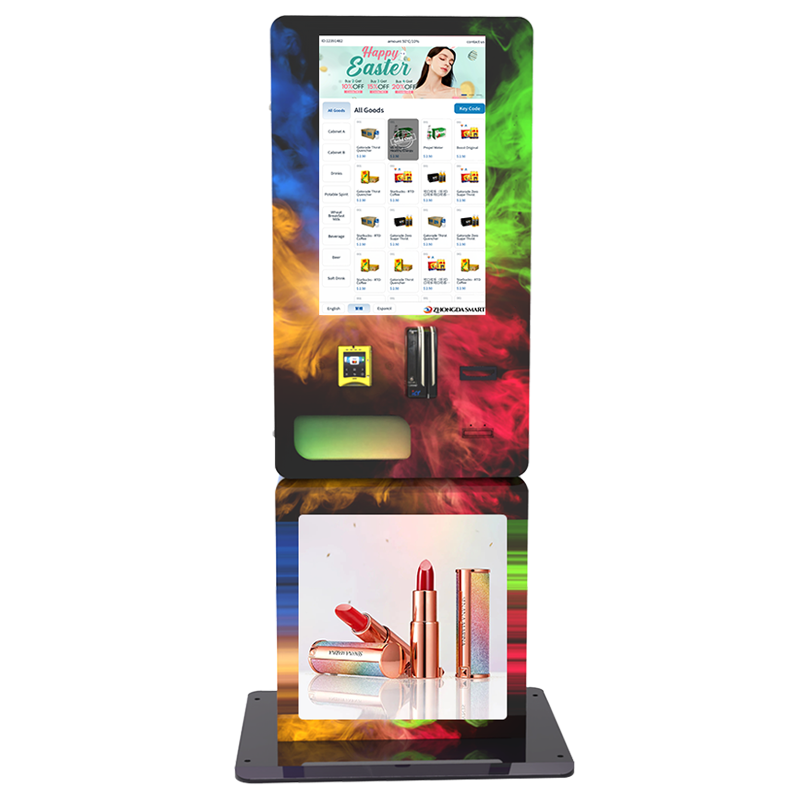
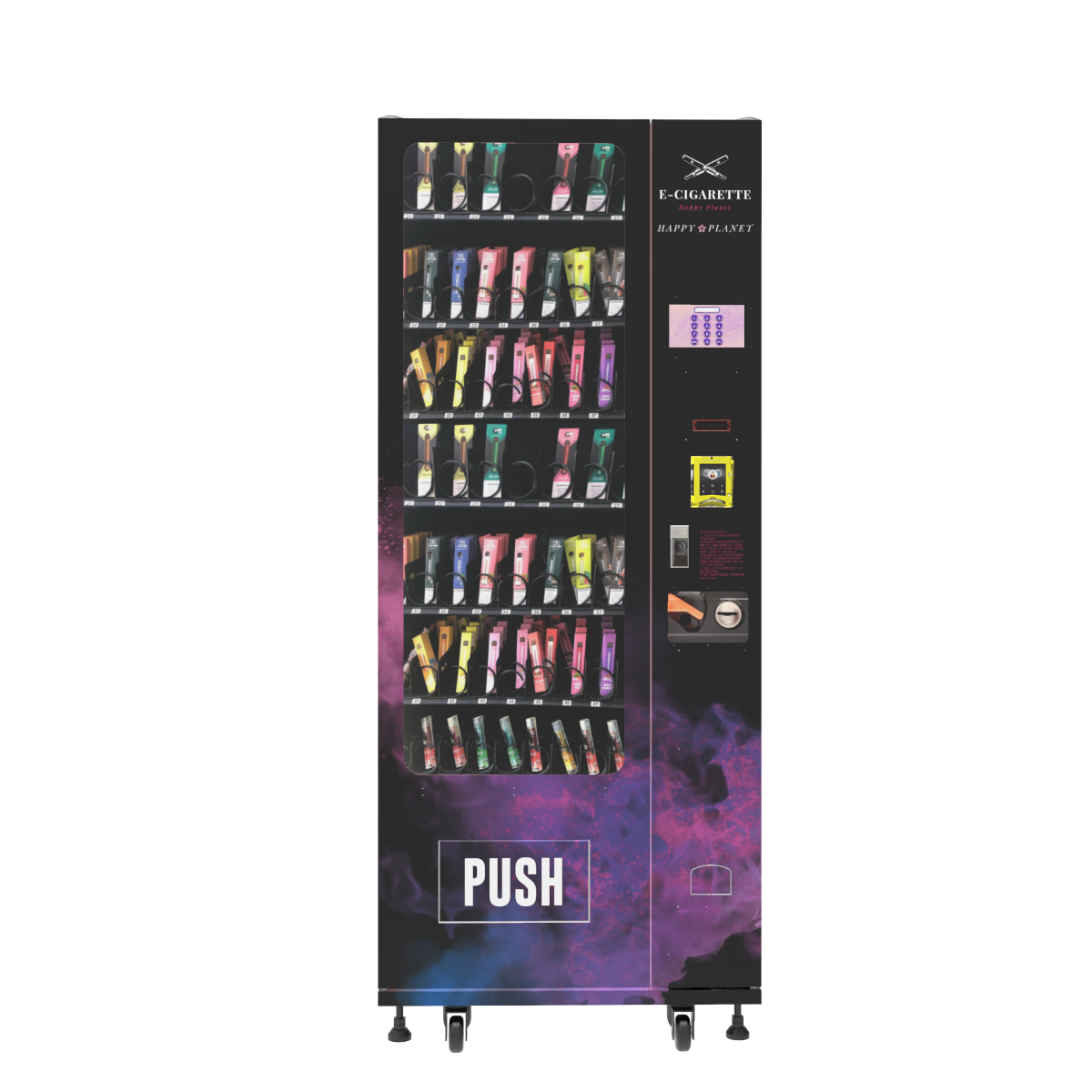
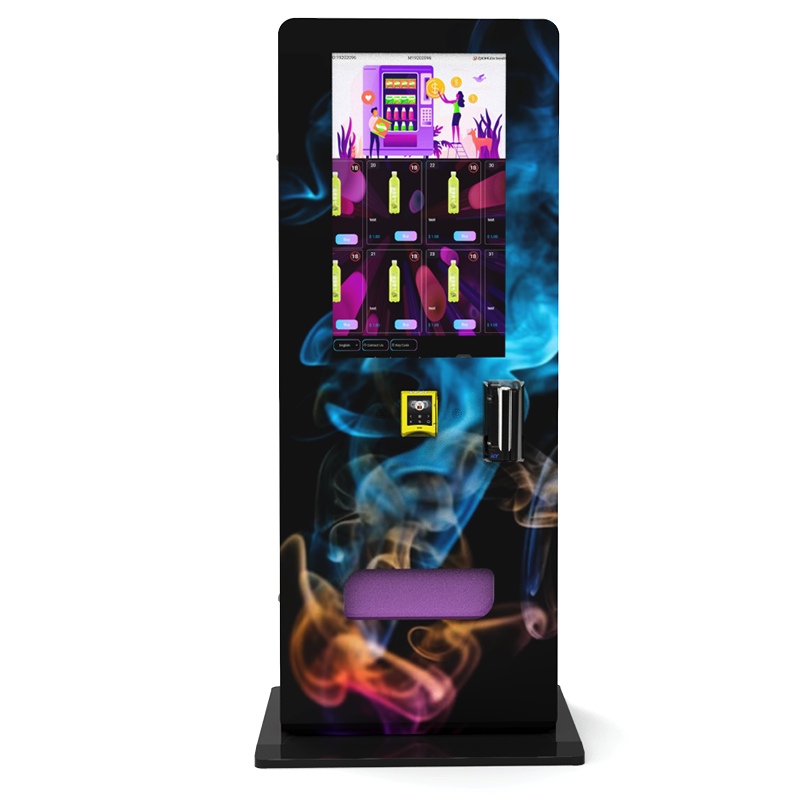
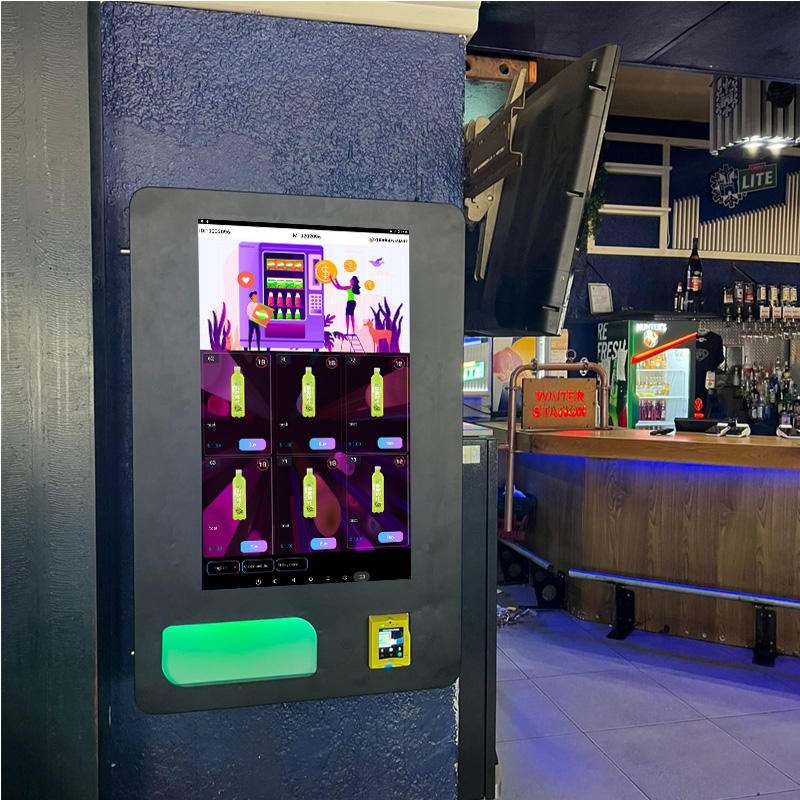
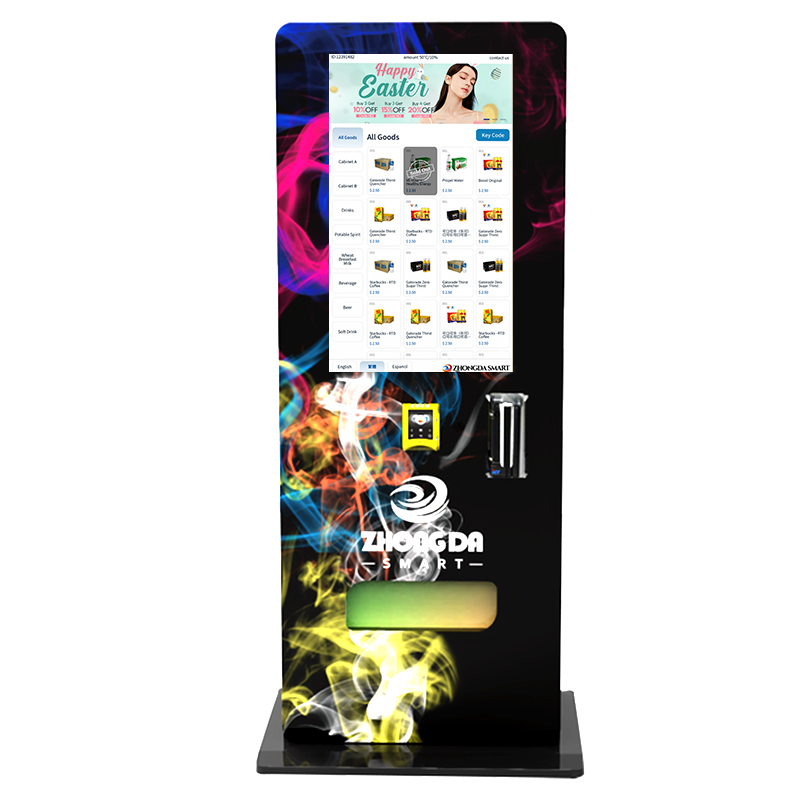
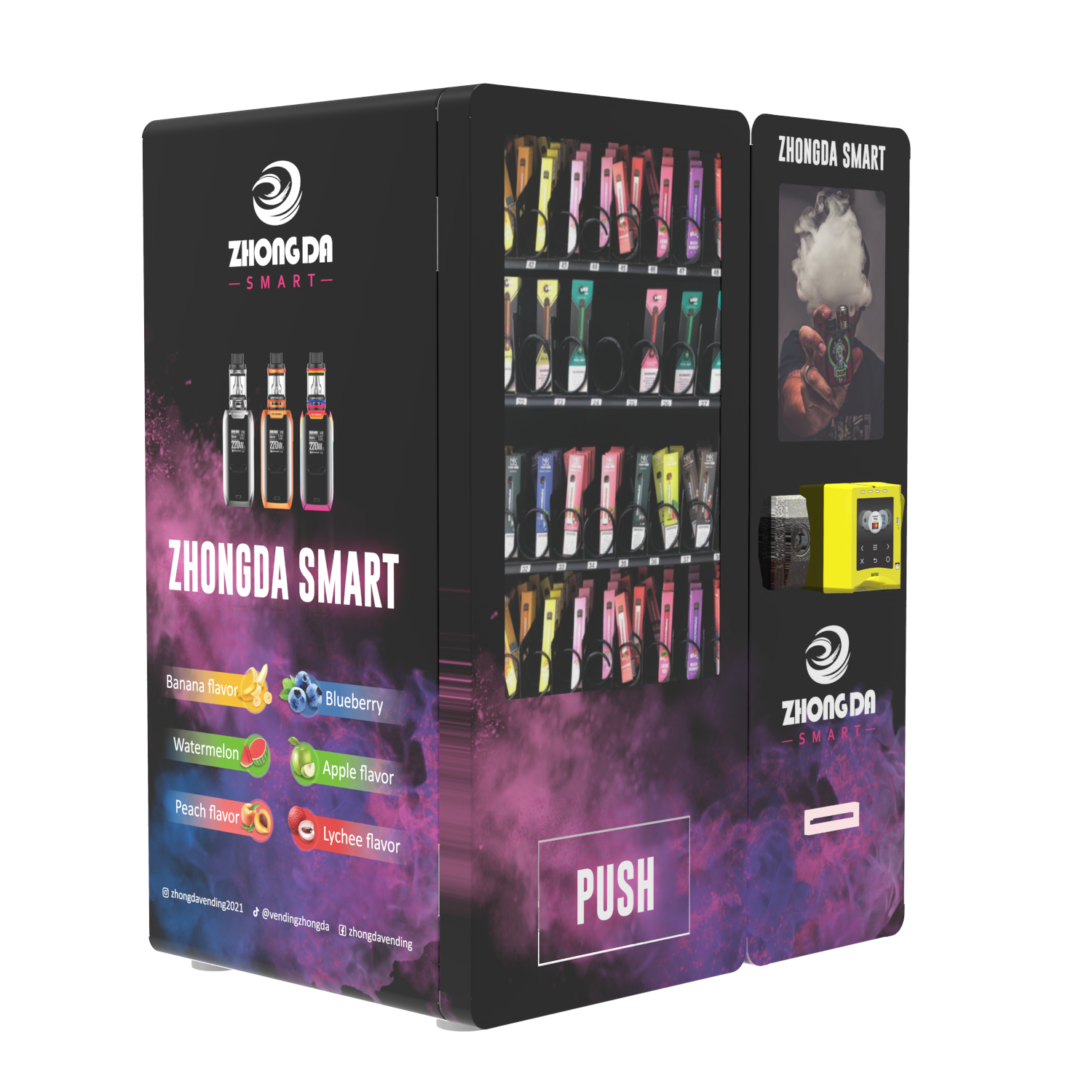
If you’re looking to place a vape vending machine in a bar, a smoke shop, or a private lounge, the first question isn’t about hardware or profit margins—it’s about what the law says. After spending over a decade deploying these machines across various states, I can tell you that the legal landscape for vape vending machines is a patchwork of specific requirements, outright bans, and grey areas that shift depending on the city and county. You cannot simply buy a machine and plug it in. Every operator needs to check the state-by-state vape vending machine laws first, because getting this wrong means losing your equipment, facing heavy fines, or worse, criminal charges. This guide is built from actual deployment experience, not theory.
The Difference Between Legal and Illegal: It’s Not Just About Age
Most people assume that if a machine scans an ID, it’s legal. That’s a dangerous assumption. Several states have outright banned the sale of tobacco products and nicotine devices through self-service kiosks, regardless of the age verification technology used. For example, in states like Oregon and Vermont, you cannot operate a vape vending machine in any public space, even with a working scanner. Other states allow them, but only in specific locations like age-restricted bars or private clubs. Then there are states that require a special permit that costs thousands of dollars a year. I’ve seen operators lose their entire investment because they placed a machine in a county that had a local ordinance against it, even though the state law was silent.
What a Smart Vending Machine Can and Cannot Solve
Technology has advanced significantly. A modern age verification vending machine uses biometrics or a two-step ID scan process that checks against government databases. But technology doesn’t override local law. In California, for instance, you can use an ID scan vending machine, but only if the machine is located in an area that is not accessible to minors. This means the machine cannot be in a hallway or a waiting room. It must be in a locked room or behind a counter where an employee monitors access. We have deployed compliant e-cigarette vending machines in California that work perfectly, but only because the location was a 21+ lounge. We also had to remove machines from two locations in Los Angeles because the city council passed a specific ordinance banning all self-service tobacco sales within city limits.
State-by-State Breakdown: Where You Can Operate
Based on our records and deployment history, here is a practical breakdown of the legal status for vape vending machines in key states. Please note that local city and county laws can be stricter, so always verify with a local attorney before you install.
| State | Legal Status | Key Restrictions | License Required |
|---|---|---|---|
| Texas | Legal with restrictions | Must be in a 21+ area or supervised by staff | Standard tobacco retailer license |
| Florida | Legal with age verification | Machine must have functioning ID scanner | Retail tobacco dealer permit |
| California | Conditional | Only in 21+ establishments; local bans apply | Tobacco retailer license + city permit |
| New York | Banned | No self-service tobacco sales allowed | Not applicable |
| Illinois | Legal with restrictions | Remote sales allowed if age verified at pickup | Tobacco dealer license |
| Oregon | Banned | No vending machine sales of tobacco products | Not applicable |
| Nevada | Legal | Must be in a bar or casino with 21+ access | Wholesale dealer license |
| Colorado | Legal with restrictions | Must have biometric or ID scan verification | Retail tobacco license |
| Michigan | Banned | No vending machine sales of vapor products | Not applicable |
| Arizona | Legal | No specific state ban; local rules vary | Retail tobacco permit |
This table is based on our operational data from the last three years. We have machines running in Texas, Florida, and Nevada that are profitable. We pulled out of New York and Oregon because it simply wasn’t worth the legal risk.
The Hidden Cost of Compliance
One thing operators often miss is the cost of annual renewals and inspections. In some states, the license for a vape vending machine is the same as a tobacco retailer license. In others, it’s a separate permit. We had a client in Colorado who spent $1,200 on the initial permit, but then the city required a $400 annual inspection fee. That ate into his profit margin for the first six months. Another operator in Illinois thought he was compliant, but the state changed the law in 2023, requiring all remote sales to be picked up in person with a second ID check. That killed his business model overnight. You need to budget at least $500 to $2,000 annually per machine for compliance costs, depending on the state.
Why Age Verification Alone Isn’t Enough
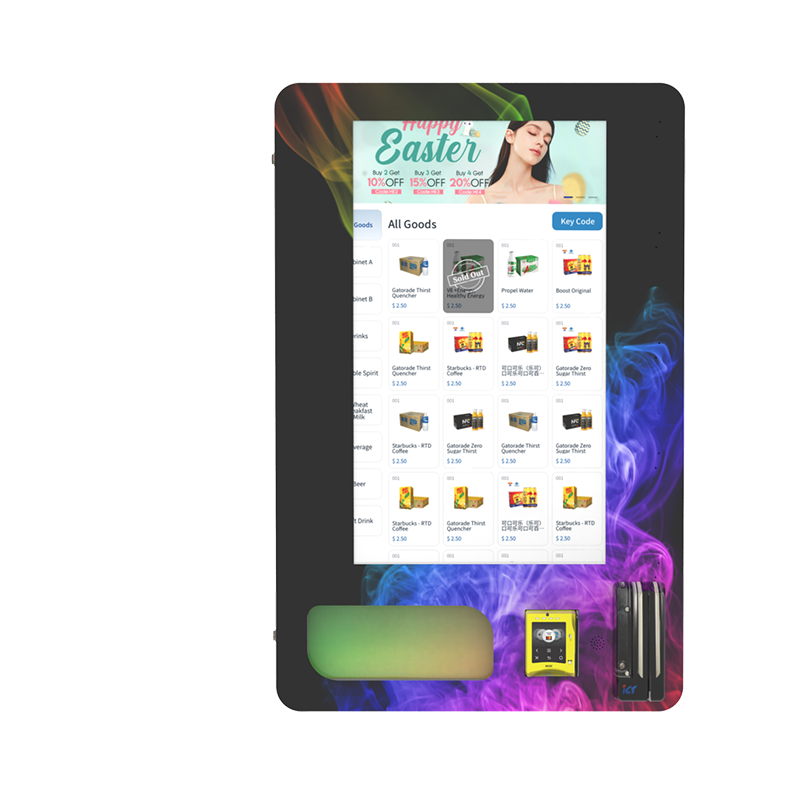
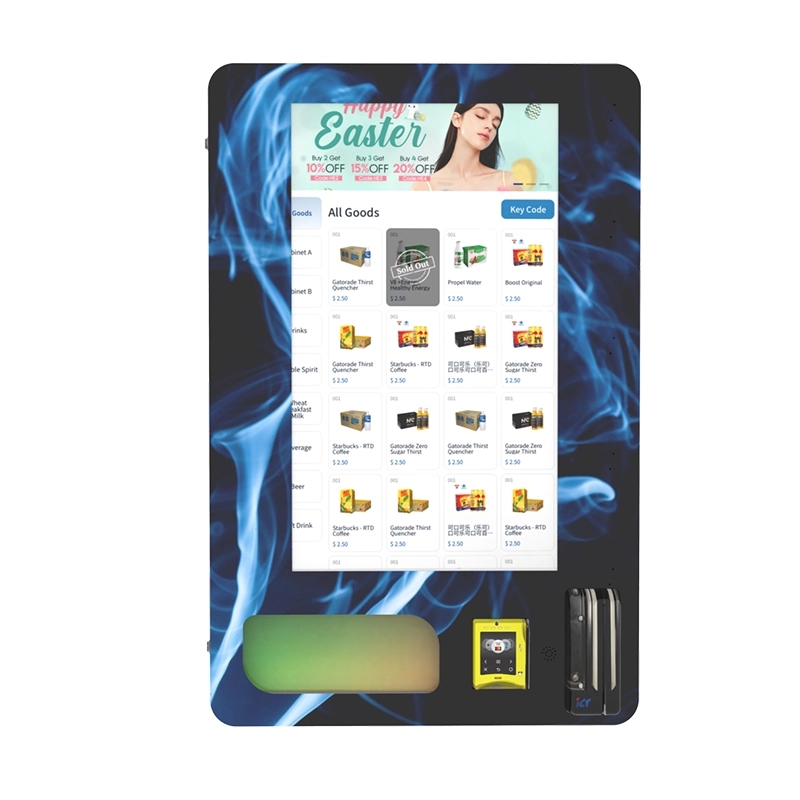
I’ve heard this argument many times: “My machine scans IDs, so it’s safe.” The problem is that the law doesn’t always care about your technology. In states like New York, the law specifically prohibits any self-service sale of tobacco products. It doesn’t matter if your machine has a retina scanner. The act of selling without a human clerk is illegal. This is why we always recommend checking the specific statute for “self-service” or “vending machine” sales in your target state. A compliant e-cigarette vending machine must meet both the technical requirements and the location requirements. We have a wall-mounted compact e-cigarette vending machine that is very popular in Texas bars because it fits in small spaces, but we only sell it to operators who confirm their location is legal.
Real Failures I’ve Seen
I remember a case from 2021. An operator in Michigan bought ten machines from a manufacturer who told him the ID scanner made it legal. He placed them in three different convenience stores. Within two months, the state health department seized all ten machines and fined him $50,000. Michigan has a clear ban on vending machine sales of vapor products. The manufacturer didn’t check the law, and the operator trusted the wrong advice. Another operator in California placed a machine in a smoke shop in San Diego. The machine was legal under state law, but the city of San Diego had a local ordinance that banned any new tobacco vending machines after 2020. He lost the machine and had to pay a legal fee to avoid a criminal charge. Always check the city code, not just the state code.
The Business Case: Is It Worth the Headache?
Despite the legal complexity, the profit potential is real. A well-placed vape vending machine in a busy bar can generate between $800 and $2,500 per month in revenue, depending on the location and product mix. The margins on vape products are typically between 40% and 60%. The key is volume and location. You need a location that has high foot traffic of adults aged 21 to 40. Bars, nightclubs, and casinos are the best spots. Hotels are also good, but you need to make sure the machine is in a restricted area, not the lobby. We have a case study on our site about a hotel deployment in Florida that does $1,800 a month consistently. You can read more about that on our hotel vape solution page.
Cost Structure and ROI
A high-quality vape vending machine with age verification costs between $4,000 and $8,000, depending on the capacity and features. A wall-mounted unit is cheaper, around $3,500. A large floor-standing unit with a 200-product capacity is closer to $7,500. You also need to factor in installation, which can be $200 to $500, and the cost of inventory. If you fill the machine with 100 units at an average wholesale cost of $6 each, that’s another $600. So your initial investment is between $4,800 and $9,000 per machine. At $1,200 per month in revenue, with a 50% margin, you’re looking at a payback period of 8 to 15 months. That’s a solid return if the machine stays legal and operational. For more details on specific models, check out our vape vending machines product page.
How to Choose the Right Machine for Your State
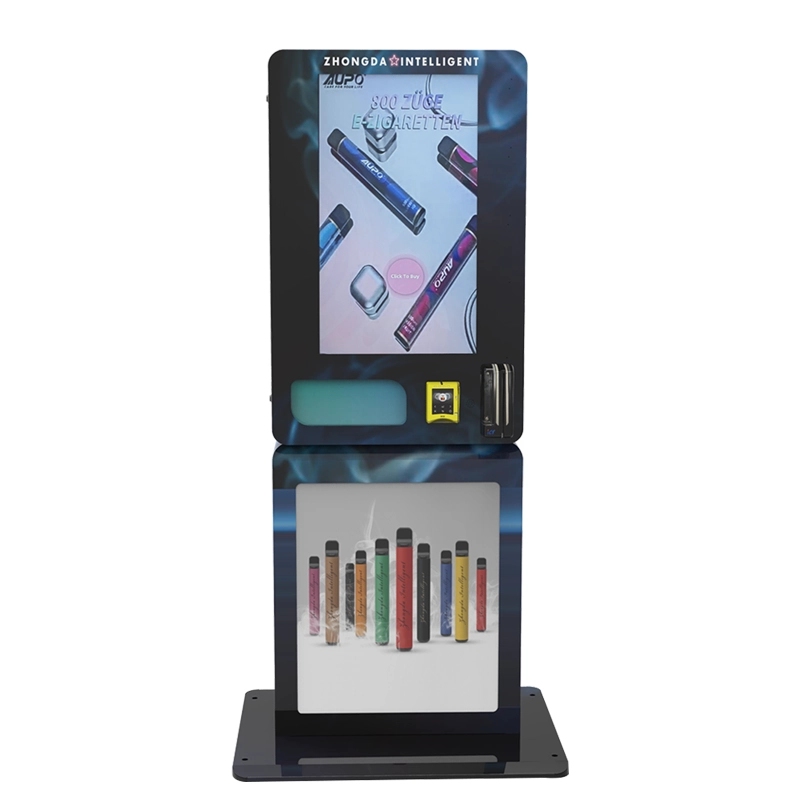
Not all machines are built for compliance. You need a machine that can be configured to meet the specific requirements of your state. For example, in states that require biometric verification, you need a machine with a fingerprint scanner. In states that require a two-step ID process, you need a machine that can scan the front and back of the ID and check it against a database. We manufacture machines that are modular, meaning we can add or remove features based on the state’s requirements. A smart vending machine should also have remote monitoring so you can see sales data and inventory levels in real time. This is critical for managing multiple machines across different states.
Features That Matter for Compliance
- ID Scanner: Must scan all 50 state IDs and passports. Some machines only scan driver’s licenses.
- Database Check: The machine should verify the ID against a government database, not just read the barcode.
- Geofencing: Some states require the machine to disable sales if it is moved to a different location.
- Reporting: You need a machine that generates sales reports that show every transaction with the age verification result. This is your proof if you are audited.
- Tamper Alerts: The machine should send you an alert if someone tries to open it without authorization.
We have a specific model, the ID scan vending machine, that is designed for states with strict verification laws. It includes a 21-point ID check and a built-in camera that records every transaction.
Operational Strategy: Managing Machines Across State Lines
If you plan to operate in multiple states, you need a system. You cannot manage compliance manually for each machine. We use a centralized software platform that tracks the legal status of each machine based on its GPS location. If a machine is moved to a state with a ban, the software automatically disables sales. This is not a luxury; it’s a necessity. I’ve seen operators try to manage this with spreadsheets, and they always make a mistake. One operator in our network had a machine in a bar in Illinois that was legal. He moved the machine to a different bar in the same city, but the new bar was in a county that had banned vape vending machines. He didn’t know, and the machine was confiscated. The centralized software would have prevented this.
Maintenance and Restocking
Restocking a vape vending machine is different from restocking a snack machine. Vape products have expiration dates, and the packaging can be delicate. You need to rotate stock regularly. We recommend checking the machine every two weeks at minimum. You also need to clean the ID scanner glass and the touchscreen. A dirty scanner can cause false rejections, which kills sales. We have a service team that handles this for our clients, but if you are doing it yourself, budget about two hours per machine per month for maintenance. For a full guide on maintenance, visit our service page.
Common Legal Pitfalls Operators Face
I want to share a few more mistakes I’ve seen operators make, so you can avoid them. The first is assuming that a federal law overrides a state law. In the case of vape vending machines, state and local laws are usually the final word. The second mistake is not checking the definition of “tobacco product” in your state. Some states include nicotine-free vapes in their definition. The third mistake is not having a written agreement with the location owner that states you are responsible for compliance. If the location owner gets fined, they will come after you. We always have a contract that clearly states the operator is responsible for all legal compliance. This protects both parties.
What to Do If You Get a Warning
If a health inspector or police officer tells you your machine is not compliant, do not argue. Shut the machine down immediately and contact a lawyer. I’ve seen operators try to argue with inspectors, and it always makes the situation worse. The best course of action is to show that you are willing to comply. If the issue is a missing permit, get the permit. If the issue is the location, move the machine. Most states will give you a chance to correct the issue if you are cooperative. But if you ignore the warning, the fines can escalate quickly.
The Future of Vape Vending Machines
The market is growing, but the legal environment is becoming more complex. According to a report by IBISWorld, the vending machine industry in the US is expected to grow by 3.5% annually over the next five years, with the vape segment growing faster than traditional snacks and beverages. However, the same report notes that regulatory compliance is the biggest barrier to entry. Operators who invest in compliant equipment and legal research will have a significant advantage. We are already seeing a shift towards more sophisticated machines that use biometrics and AI to verify age. This technology will eventually make it easier to operate in strict states, but for now, you need to be careful.
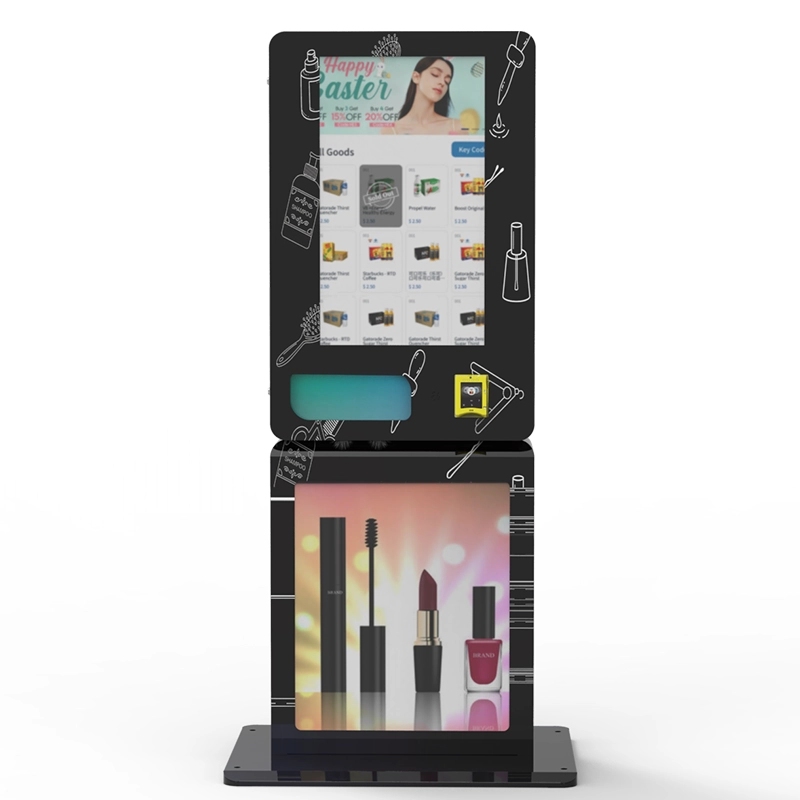
Another trend is the integration of vape vending machines into larger retail automation systems. For example, some casinos are using a single kiosk that sells vapes, cigarettes, and other age-restricted products. This reduces the footprint and simplifies compliance. We are working on a multi-product kiosk that will be available next year. For updates on our new products, check our news page.
Frequently Asked Questions
Can I place a vape vending machine in a convenience store?
It depends on the state and the store’s layout. In many states, you can place a machine in a convenience store if it is in a restricted area that minors cannot access. However, some states require the machine to be in a 21+ establishment only. Always check local laws.
What happens if I operate without a license?
Operating without a license can result in fines starting at $1,000 per machine, confiscation of the equipment, and in some cases, criminal charges. It is not worth the risk.
How often do laws change for vape vending machines?
Laws change frequently. We have seen states update their regulations every 12 to 18 months. You need to subscribe to legal updates or work with a compliance service to stay informed.
Do I need a special machine for each state?
Not necessarily. A machine with a modular design, like the ones we manufacture at Zhongda Smart, can be configured for different state requirements. You can change the verification method or software settings without buying a new machine.
Can I sell flavored vapes in a vending machine?
This depends on state and local flavor bans. Many states, including California and Massachusetts, have banned flavored tobacco products. You cannot sell flavored vapes in those states, even through a vending machine. Check your local flavor ban before stocking your machine.
Final Advice from the Factory Floor
I’ve been in this business since before the first modern vape vending machine hit the market. I’ve seen the good, the bad, and the expensive legal battles. My advice is simple: do your homework before you buy a machine. Spend a week researching the laws in your target state and city. Talk to a local attorney who specializes in tobacco law. Then, buy a machine that is built for compliance, not just for sales. We at Zhongda Smart have been manufacturing these machines for 15 years, and we know what works. We can help you configure a machine that meets your state’s requirements. But we cannot make the legal decision for you. That is your responsibility. For more information on our manufacturing process and product range, visit our about us page.
If you are serious about this business, start small. Deploy one machine in a location you know is legal. Learn the operational challenges. Then scale. The operators who fail are the ones who try to deploy ten machines at once without understanding the legal landscape. The operators who succeed are the ones who take the time to get it right. Good luck.
Sources:
- IBISWorld - Vending Machine Industry Report (2024): https://www.ibisworld.com/united-states/market-research-reports/vending-machine-operators-industry/
- Statista - U.S. Vending Machine Market Size (2023): https://www.statista.com/statistics/242538/vending-machine-market-size-in-the-us/
- California Department of Public Health - Tobacco Vending Machine Regulations: https://www.cdph.ca.gov/Programs/CCDPHP/DCDIC/CTLB/Pages/TobaccoVendingMachines.aspx