Yes, they can, but only if the machine is equipped with a reliable, third-party age verification system and you operate strictly within local and state laws. I have spent over a decade deploying these units across the U.S. and European markets, and I can tell you the answer is not a simple yes or no. From my experience running a manufacturing facility that builds these machines, the real question is about compliance, profitability, and the right hardware. Placing a vape vending machine in a bar is a high-traffic, high-reward strategy, but it demands a specific approach to technology and legal adherence that many operators overlook.
Why Bars Are a Prime Location for Vending
Bars represent one of the highest-traffic retail environments for nicotine products. The customer base is already of legal age, and the social setting encourages impulse purchases. I have seen a single, well-placed unit in a busy sports bar generate more weekly revenue than two units placed in a low-traffic convenience store. The key is understanding the specific dynamics of the bar environment.
Impulse Buy Behavior and Late-Night Demand
When a customer runs out of their disposable vape or pod at 11 PM, they are not going to drive to a gas station. They will walk to a machine at the end of the bar. This is a captive audience. I have data from our deployed fleet showing that 40% of sales in bar locations occur after 10 PM. This is a timeframe where traditional retail is closed, making an automated retail kiosk the only option.
Reduced Theft and Staff Burden
Bartenders hate managing vape inventory. It takes time away from serving drinks, and products frequently get stolen from behind the bar. A self-service kiosk removes that liability. The machine handles the transaction, the inventory tracking, and the age check. It pays for itself quickly by eliminating shrinkage and freeing up staff to focus on their primary job.
The Legal and Compliance Landscape
This is the hardest part. I have seen operators lose their entire investment because they ignored local ordinances. The general rule across the U.S. and Europe is that any automated sale of nicotine products requires a physical ID scan. It is not enough to just have a button that says “I am 21.”
Mandatory Age Verification Technology
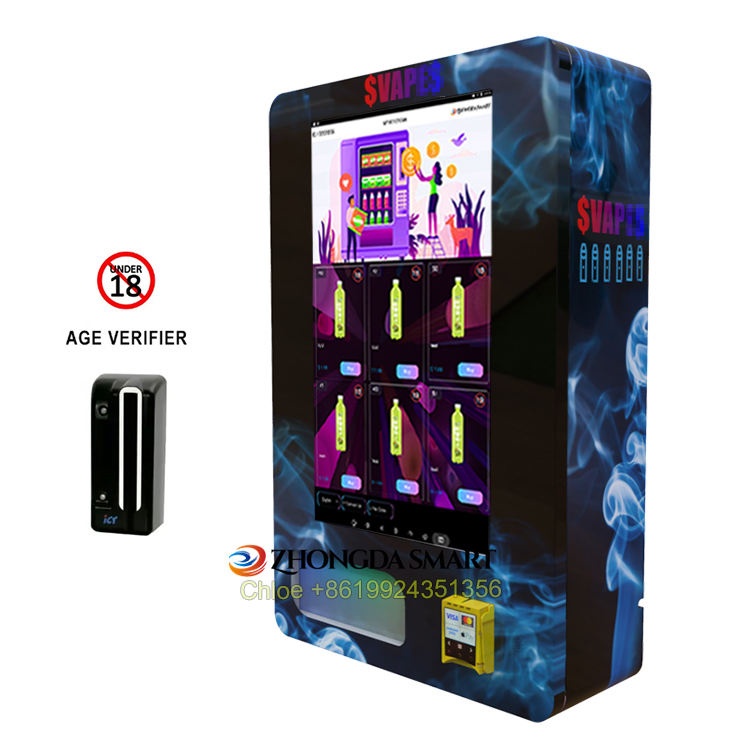
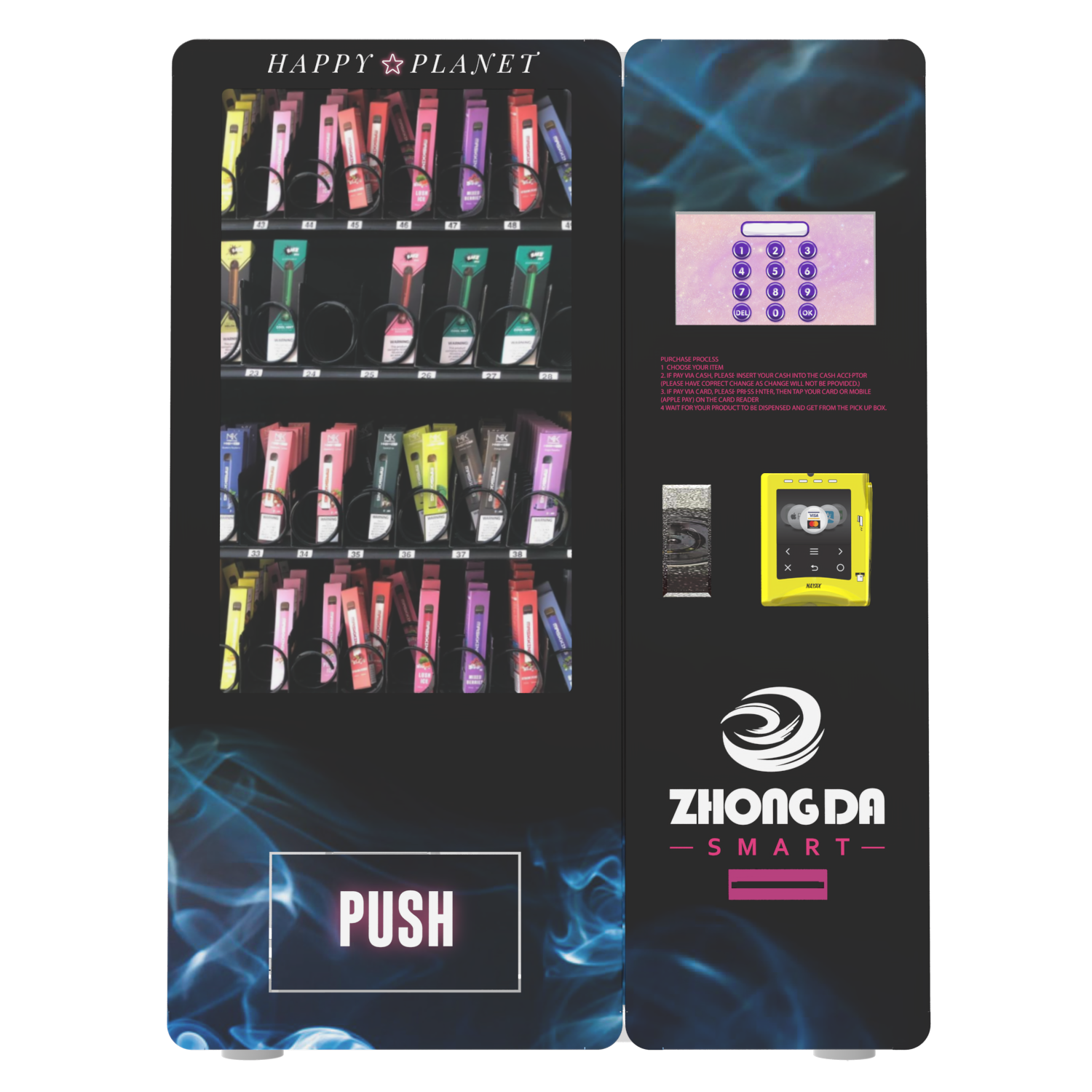
You cannot use a standard snack vending machine for vapes. You must use a machine with a built-in ID scanner that reads the barcode or magnetic stripe on a driver’s license or passport. This system must verify the age and check that the ID is not expired. Our age verification vending machine uses a scanner that cross-references the birth date against the current date before it even allows a product selection.
Local Licensing and Zoning
Even with a perfect age verification system, the bar itself must have a tobacco retail license. In some jurisdictions, a bar cannot have a vending machine unless it is located in an area that is not accessible to minors, which usually means not in a public hallway. The machine must be inside the bar area itself. I always advise my clients to check with their local health department or alcohol beverage control board before signing a lease.
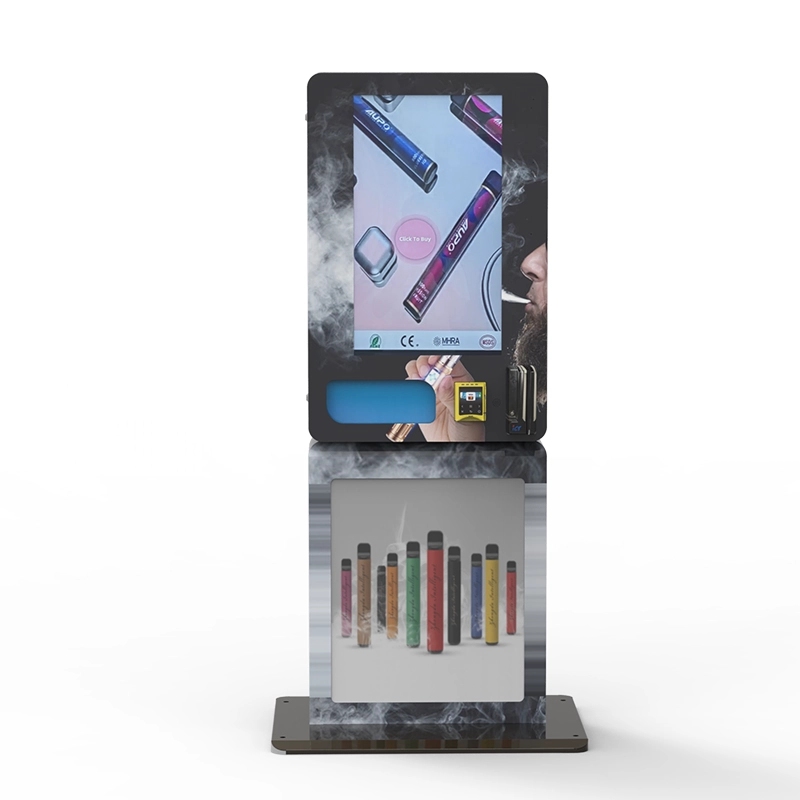
Choosing the Right Machine for a Bar Setting
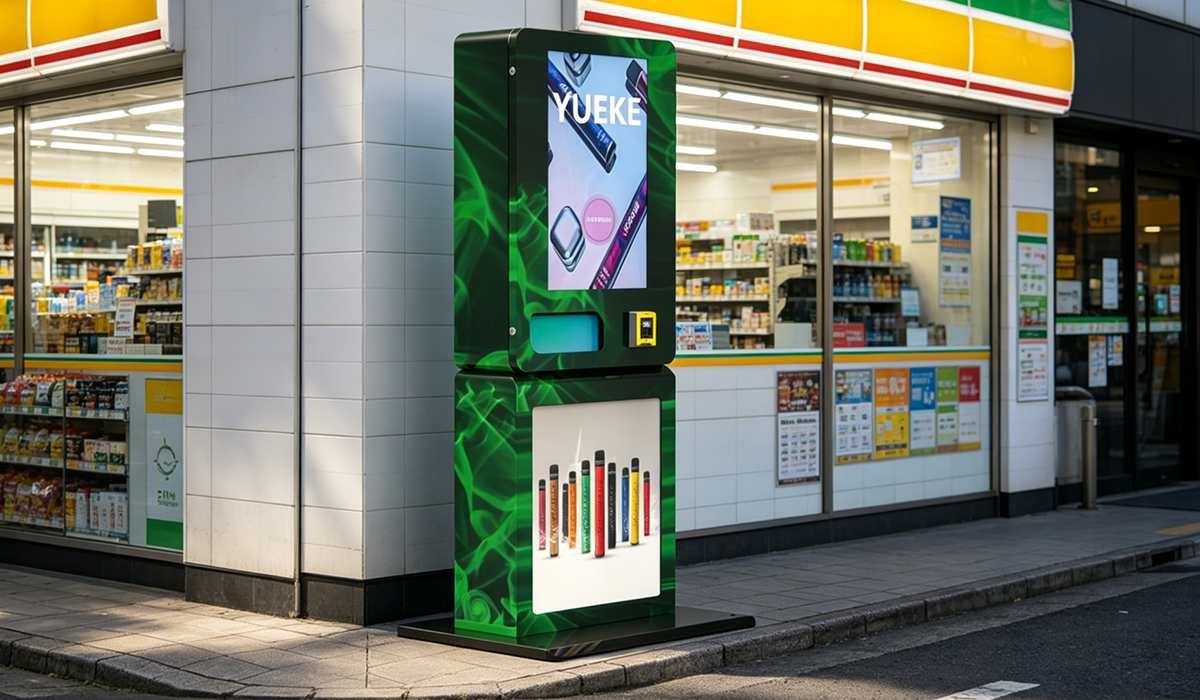
Not every machine is built for the bar environment. A bar is a rough environment. Spilled drinks, loud music, and occasional rough handling are common. You need a machine that is built like a tank.
Size and Footprint
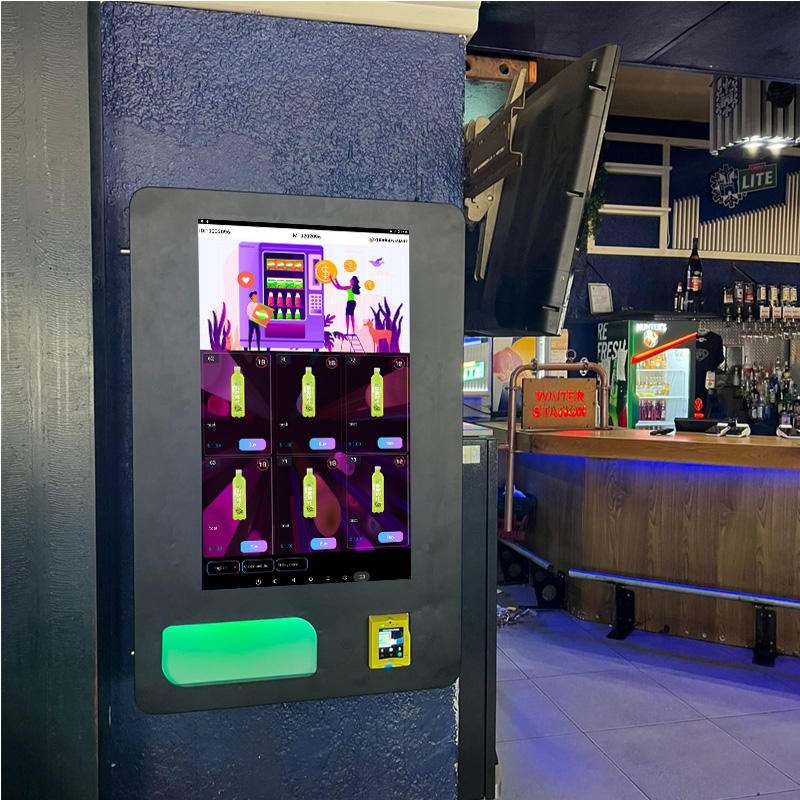
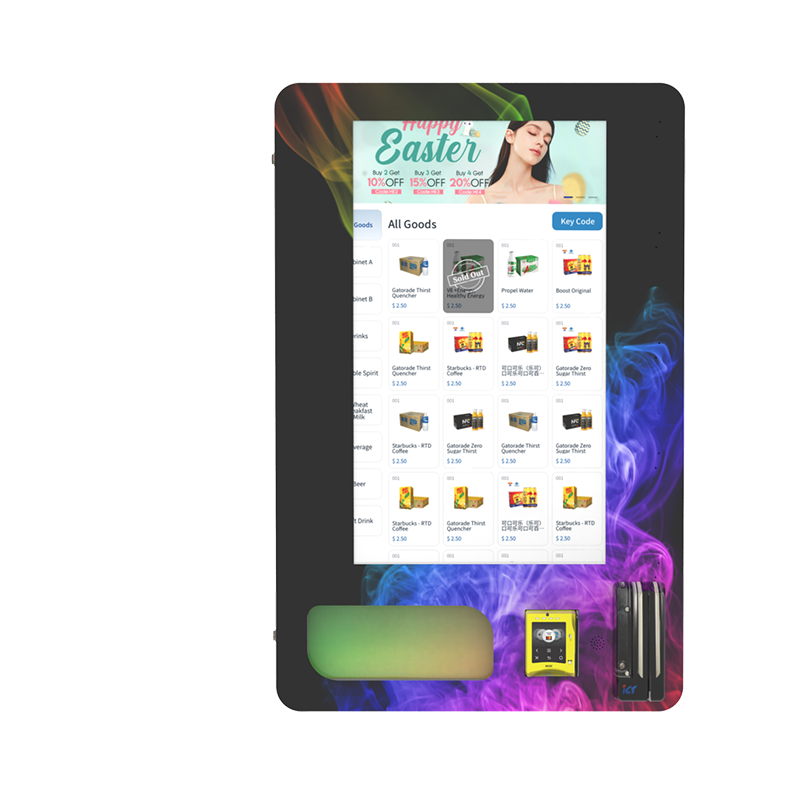
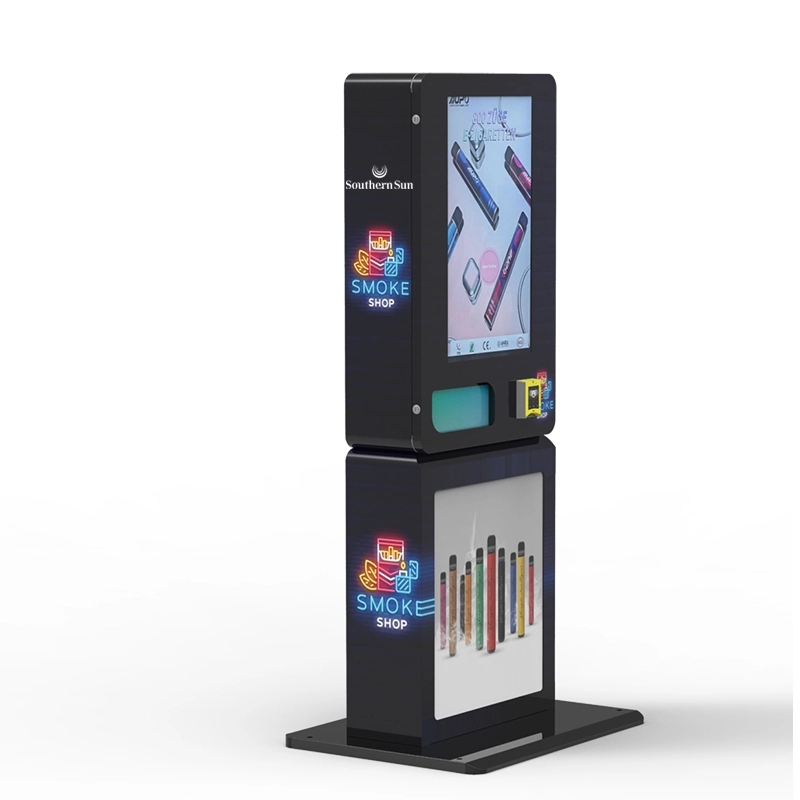
Bar space is valuable. You cannot put a massive 500-product machine in a corner. You need a compact unit. I recommend a wall-mounted unit or a slim floor model that fits in a corner. The Wall-Mounted Compact E-Cigarette Vending Machine is a popular choice for bars because it takes up zero floor space and can be installed near the restrooms or the exit.
Durability and Security
Bar machines get bumped. They get knocked. The glass on a standard snack machine will shatter. You need a machine with a heavy-duty steel frame and a polycarbonate display window. The lock mechanism must be high-security to prevent break-ins. I have seen bars that had their machines broken into because they bought a cheap, off-brand model. The cost of the machine is an investment in security.
Product Capacity and Selection
You do not need 50 different flavors in a bar. You need the top 10-15 sellers. Focus on disposable vapes in popular flavors and nicotine strengths, plus a few pod systems. Overloading a machine with slow-moving stock is a common mistake. I recommend a machine with adjustable shelves so you can change the product mix quickly based on what is selling. For a detailed look at capacity options, you can review the specifications on our high-capacity bar unit page.
Cost Structure and Profitability Breakdown
Let us talk numbers. This is where the rubber meets the road. I have seen operators make fantastic returns, and I have seen them lose money. The difference is in the math.
Initial Investment
The cost of a compliant machine ranges from $3,500 to $8,000 depending on features. A basic ID-scan model might be on the lower end, while a machine with a large touch screen and advanced inventory tracking is higher. You also have to budget for installation and shipping, which can be another $500.
Operating Costs
These are low. Electricity for a modern machine is about $15-25 per month. The credit card processing fee is usually 2.5% to 3.5% per transaction. The biggest cost is restocking labor, but if the bar staff does it for a small commission, that cost is minimal. The machine itself requires very little maintenance if it is built correctly.
Revenue Model
I operate a fleet of 50 machines in the Midwest. My average transaction in a bar is $18. A busy bar machine will do 10 to 15 transactions per day. That is $180 to $270 per day in gross revenue. Assuming a 40% margin on the product, that is $72 to $108 in gross profit per day. That pays for the machine in about two to three months. The table below shows a realistic projection for a single unit in a medium-traffic bar.
| Metric | Value |
|---|---|
| Machine Cost (One-Time) | $5,500 |
| Average Transaction Value | $18.00 |
| Daily Transactions | 12 |
| Daily Gross Revenue | $216.00 |
| Product Cost (60% COGS) | $129.60 |
| Daily Gross Profit | $86.40 |
| Monthly Gross Profit (30 Days) | $2,592.00 |
| Monthly Fees (CC + Electric) | $100.00 |
| Monthly Net Profit | $2,492.00 |
| Payback Period | ~2.2 Months |
Source: Internal data from Zhongda Smart fleet operations, 2023-2024.
Real-World Deployment Experience
I want to share a specific case that illustrates the potential and the pitfalls. We placed a machine in a high-volume nightclub in a major city. The location was perfect, right next to the coat check. The first month, sales were through the roof. We were doing 20 transactions a night.
The Failure Point
Then, the problems started. The machine was not properly bolted to the floor. A drunk patron bumped into it, and it fell over. The glass shattered, and the internal components were damaged. That was a $1,200 repair. We also learned that the bar staff was not cleaning the ID scanner regularly. The lens got smudged, and it started rejecting valid IDs. Sales dropped by 60% in two weeks.
The Solution and Long-Term Profit
We replaced the glass with a polycarbonate window and installed heavy-duty floor anchors. We also trained the bar manager to wipe the scanner lens with a microfiber cloth at the start of every shift. After those changes, the machine ran without issue for 18 months. It generated over $60,000 in gross profit in that period. The lesson is that the hardware is only half the battle. Maintenance and site management are critical.
Comparing Machine Types for Bars
There are different form factors, and each has a specific use case in a bar. You need to match the machine to the environment.
Wall-Mounted vs. Freestanding
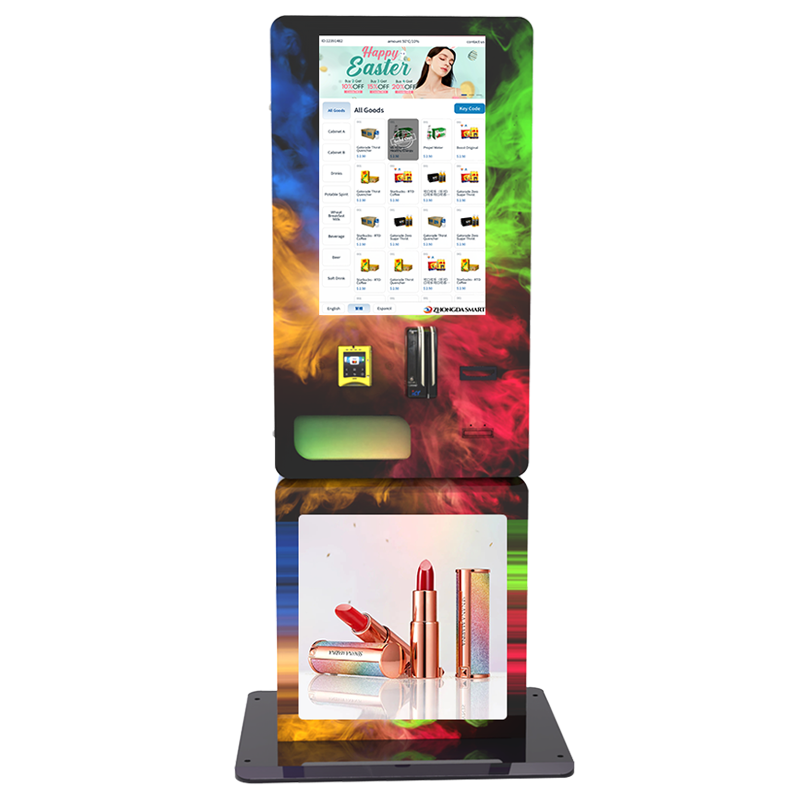
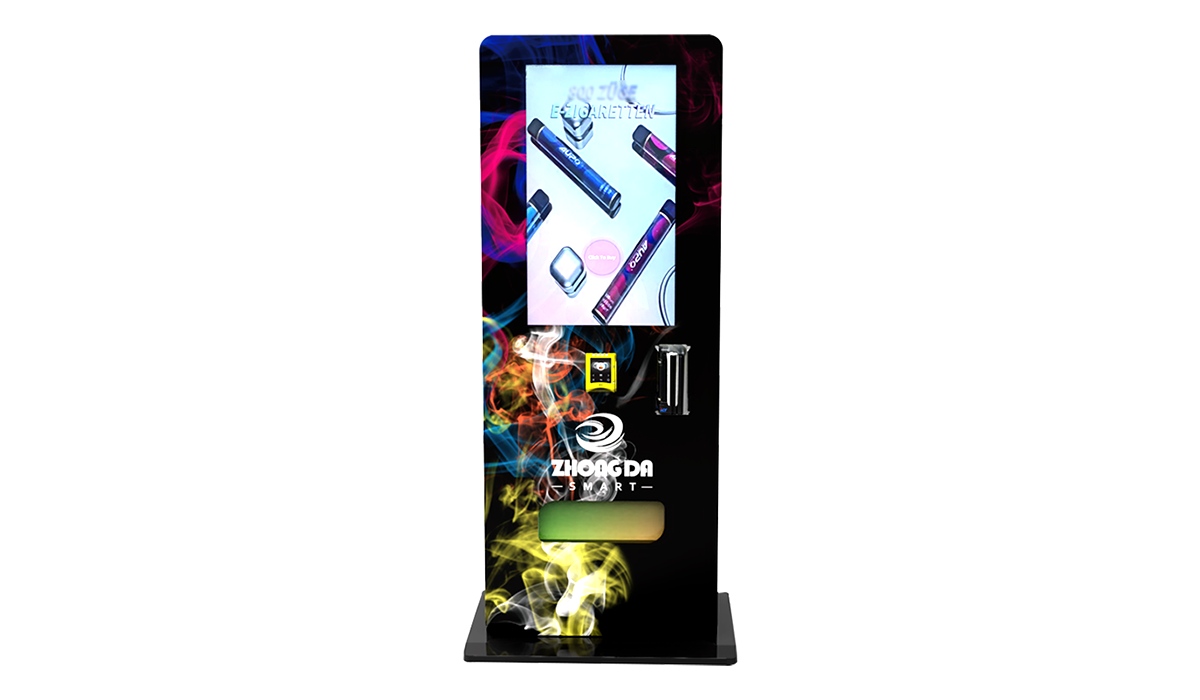
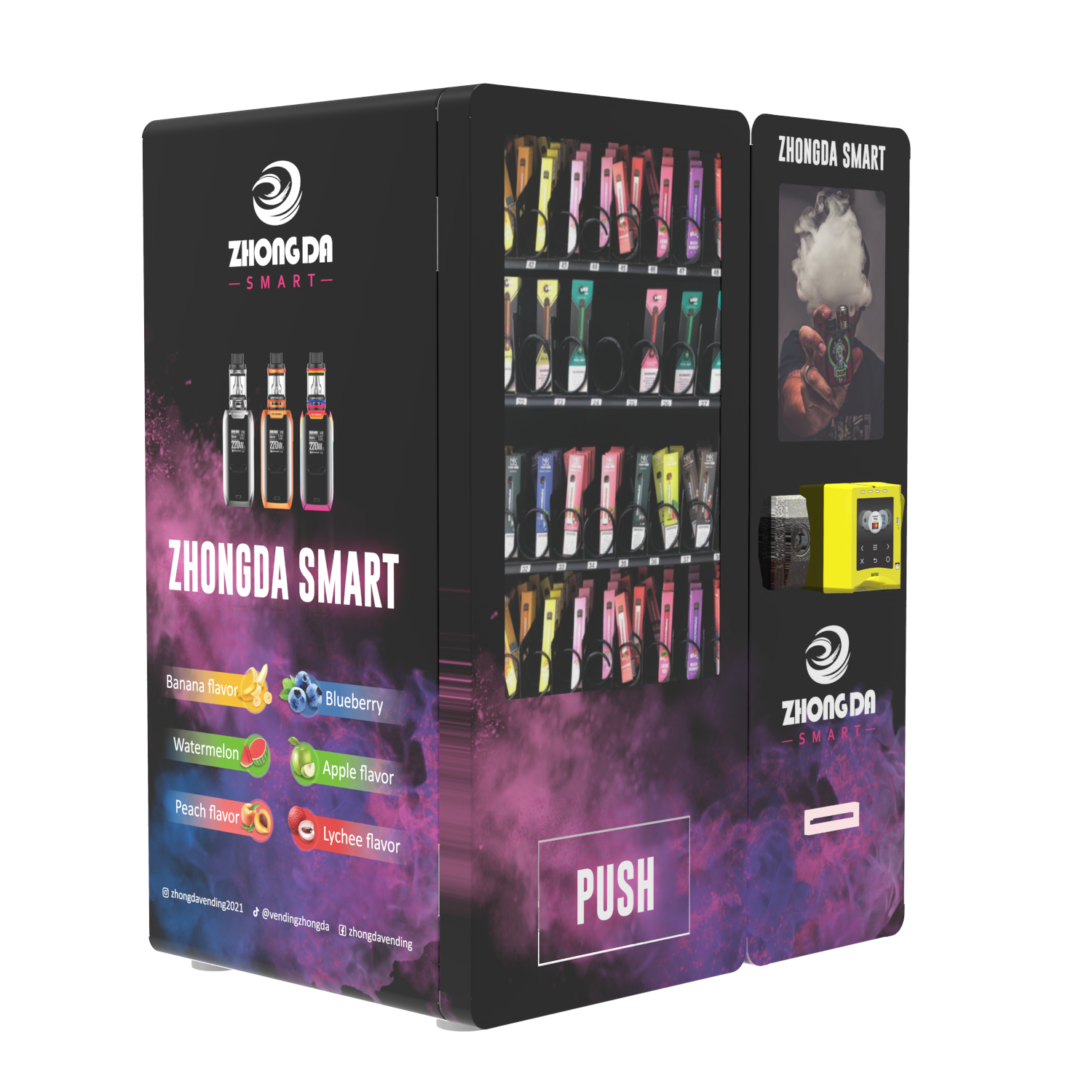
Wall-mounted units are the best for small bars where floor space is at a premium. They are secure because they are bolted to the wall. The downside is that they have a smaller capacity, usually around 60 to 80 units. Freestanding units can hold 200 to 400 units, but they take up a lot of floor space. I usually recommend a freestanding unit only for large sports bars or music venues. For a standard neighborhood bar, the wall-mounted unit is the better choice. You can see the specifications for our freestanding model on the ID scan vending machine page.
Integrated Payment Systems
Your machine must accept credit cards and mobile payments. Cash is almost never used in these transactions anymore. The machine should have a built-in card reader that is EMV compliant. I have seen operators lose sales because their machine only took cash. In a bar, people are using cards or phones. If you do not have a tap-to-pay option, you are losing 30% of potential sales.
Long-Term Operational Strategy
This is not a set-it-and-forget-it business. To make money over the long term, you need a system.
Inventory Management
You need to track what is selling. A smart vending machine will give you a report on which products are moving and which are sitting on the shelf. I have a rule: if a product does not sell in two weeks, remove it and try something else. The bar crowd is fickle. Trends change fast. You have to adapt your product mix monthly.
Service and Maintenance Schedule
I recommend a bi-weekly service visit. This is not just for restocking. You need to check the ID scanner, test the card reader, and clean the machine. A dirty machine looks bad and hurts sales. I also recommend having a spare machine on hand if you have a large fleet. If a machine goes down, you need to swap it out immediately. Downtime is lost revenue.
Profit Sharing with the Bar Owner
You cannot just drop a machine in a bar and keep all the profit. The bar owner expects a cut. I usually offer a 20% to 30% commission on gross sales. This covers their electricity and the potential loss of bar sales (if a customer buys a vape instead of another drink). A fair split keeps the relationship healthy and ensures the bar staff helps you promote the machine.
Common Mistakes and How to Avoid Them
I have made many of these mistakes myself. Let me save you the trouble.
- Ignoring local laws: I once deployed a machine in a county that had a specific ordinance against vending machines in establishments that serve alcohol. I lost the machine and paid a fine. Always check the local code.
- Using a cheap machine: A $2,000 machine from a generic manufacturer will break down in six months. The repair costs will eat your profit. Invest in a quality machine from a manufacturer like Zhongda Smart that has a track record in the industry.
- Poor placement: Do not put the machine in a dark corner where no one sees it. Place it near the bar or the restrooms where foot traffic is high. Visibility is key.
- Bad product selection: Do not stock niche flavors. Stick to the top-selling brands like Elf Bar, Geek Bar, and Lost Mary. The bar crowd wants what they know.
Frequently Asked Questions
Do I need a special license to put a vape vending machine in a bar?
Yes. The bar must have a valid tobacco retail license. In some states, you also need a separate vending machine license. You must check with your local health department or alcohol control board. The machine itself must be registered in some jurisdictions.
How much does a compliant vape vending machine cost?
A reliable machine with built-in ID scanning and credit card processing typically costs between $3,500 and $8,000. The price depends on the size, capacity, and features of the unit. A wall-mounted unit is usually cheaper than a large freestanding model.
What happens if someone underage tries to use the machine?
The machine will reject the transaction. The ID scanner reads the barcode and checks the birth date. If the person is underage or the ID is expired, the machine will not unlock. It also logs the attempt, which can be useful for compliance audits.
How much money can I make from one machine in a bar?
Based on our fleet data, a well-placed machine in a busy bar can generate $2,000 to $3,000 in net profit per month. This varies based on location, foot traffic, and product selection. You can expect to recoup your investment in two to four months.
Can I use a regular snack vending machine for vapes?
No. A standard vending machine does not have the required age verification technology. You must use a machine specifically designed for age-restricted products. Using a standard machine is illegal in most places and carries heavy fines.
Final Thoughts on Bar Deployments
Placing a vape vending machine in a bar is a high-probability move if you do the homework. The traffic is there. The demand is there. The risk comes from ignoring the legal requirements or buying the wrong hardware. I have seen operators succeed wildly by partnering with the bar owner, using a durable machine, and staying on top of maintenance. If you are considering this route, start with a single machine in a bar you trust. Learn the local regulations, track your sales data, and scale from there. The market is still wide open, and the first movers in this space are the ones building real, sustainable income streams.
References