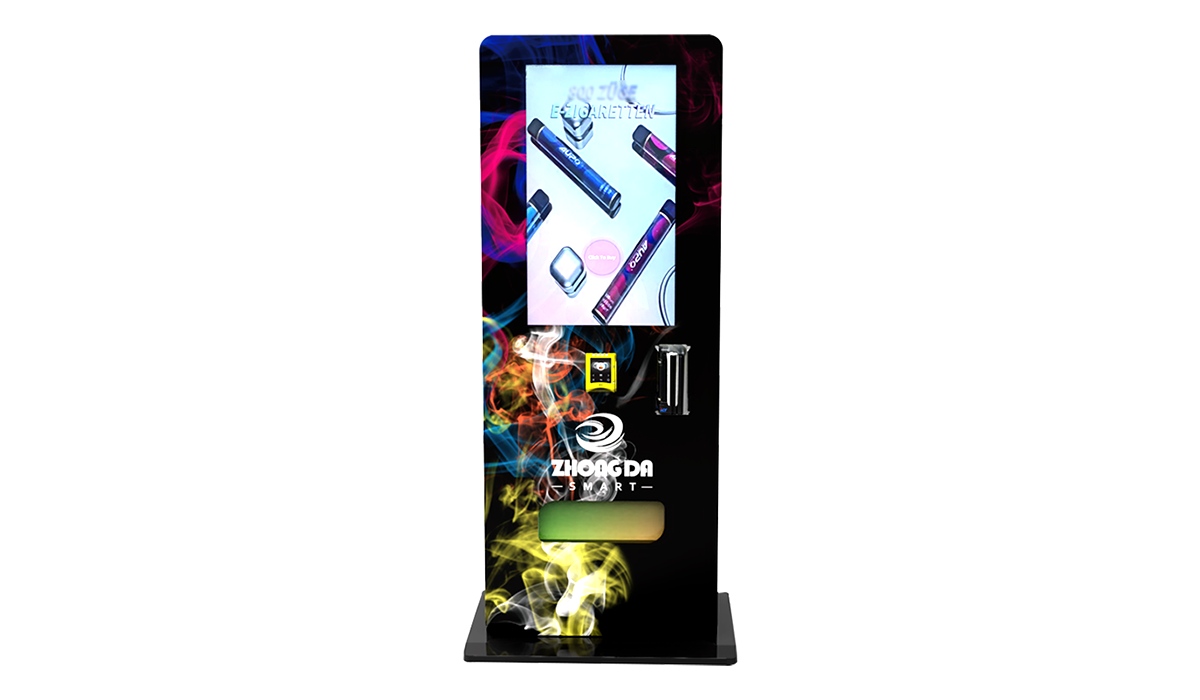
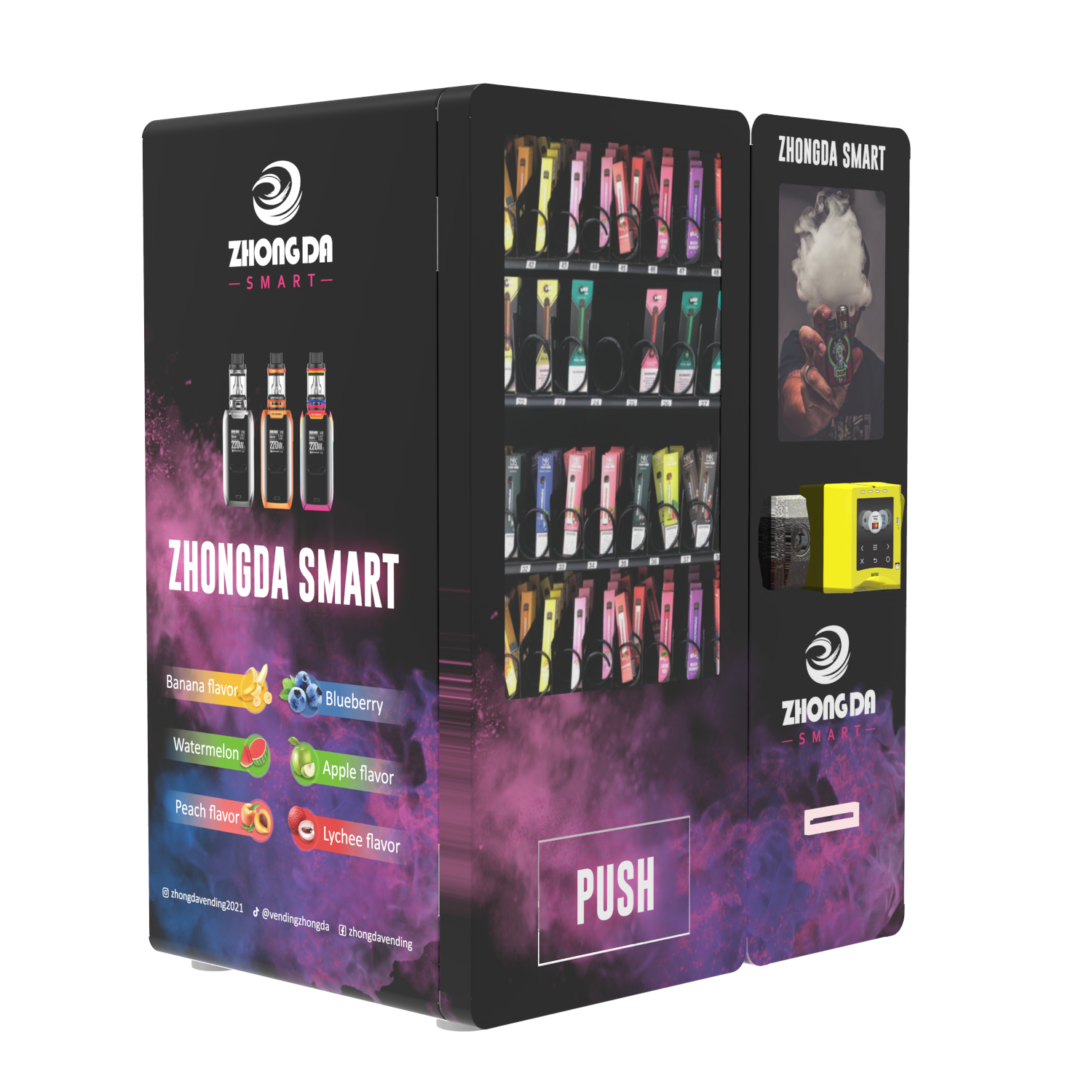
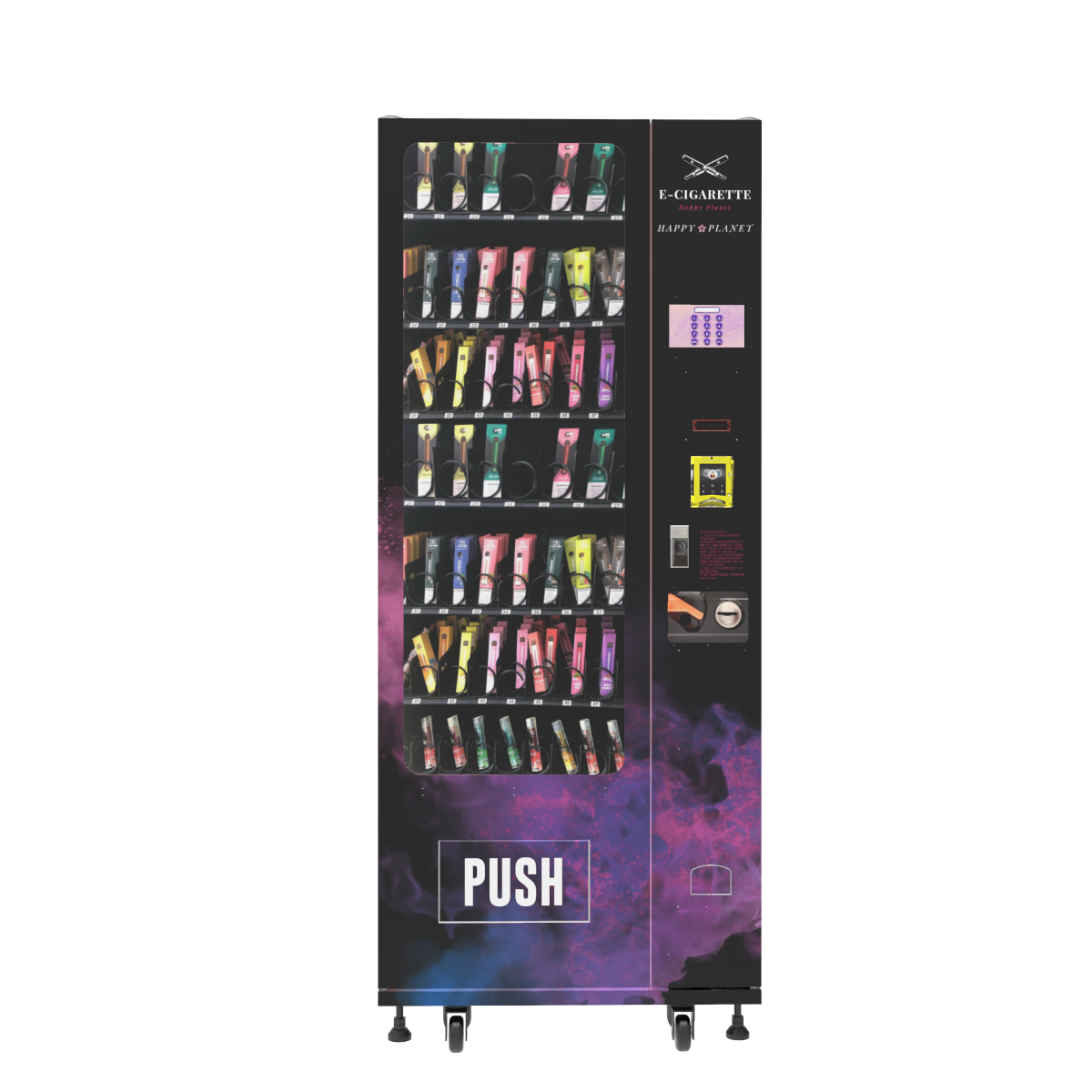
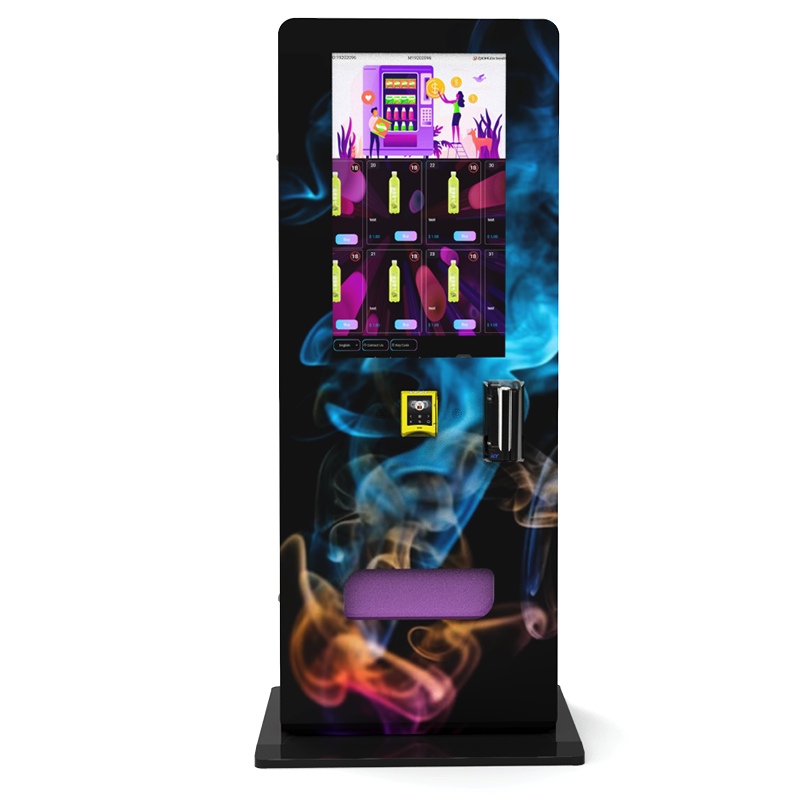
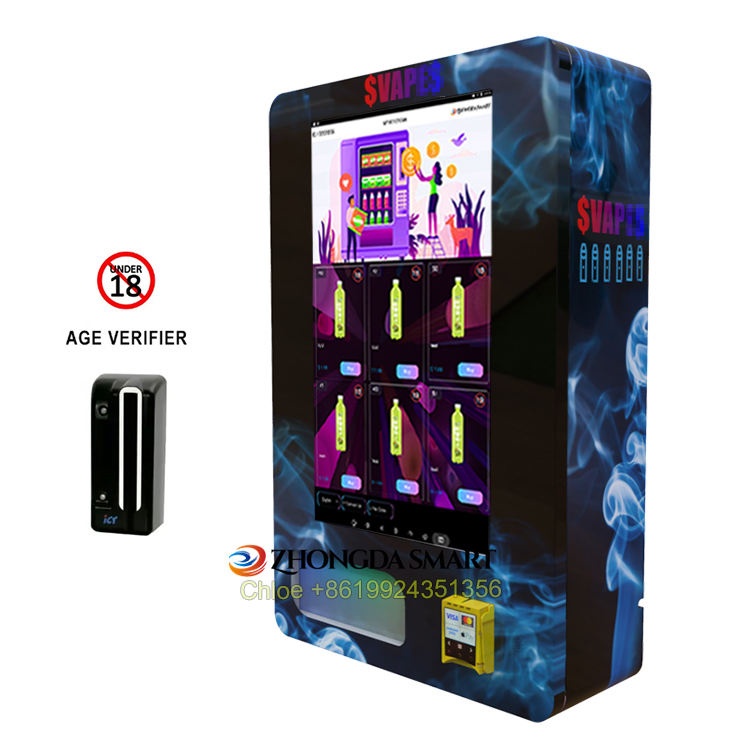
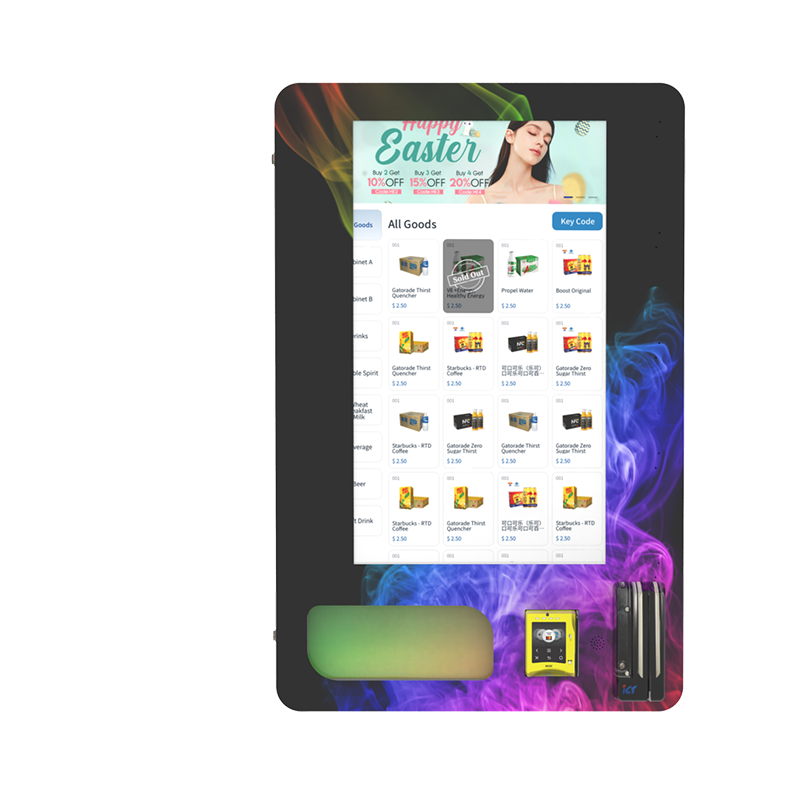
After a decade spent deploying and servicing vape vending machines across high-traffic retail environments, I can tell you that the single biggest operational headache isn’t the payment system or the inventory—it’s theft. I’ve seen machines pried open in under two minutes, and I’ve watched operators lose thousands in margins because they skimped on hardware. That’s why a vape vending machine with anti-theft system & locking isn’t just a nice-to-have; it’s the difference between a profitable route and a constant liability. I’ve been on the factory floor designing these units for fifteen years, and in this guide, I’m going to walk you through exactly what separates a secure machine from a vulnerable one, what the cost implications are, and how to choose a setup that actually protects your bottom line.
Why Theft Protection Defines Your Profit Margin
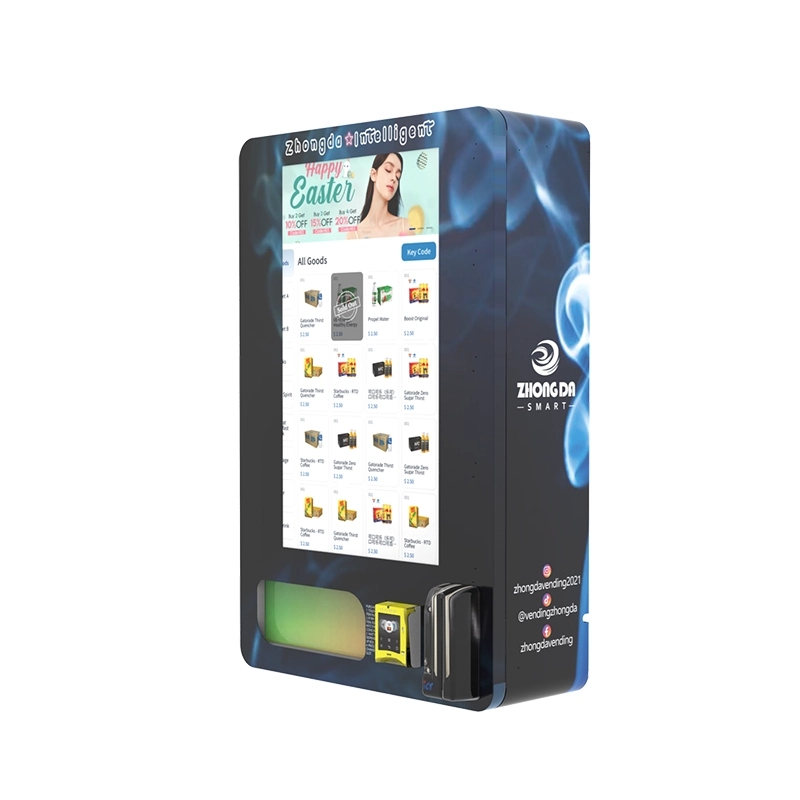
When I first started building these machines, I underestimated how creative people could get. A standard lock on a glass-front cabinet was a joke. We learned fast. If you’re looking at a smart vending machine for nicotine products, the enclosure needs to be treated like a safe, not a snack dispenser. The anti-theft system isn’t just a lock; it’s an integrated package of physical barriers, electronic monitoring, and real-time alerts.
In our factory, we test every cabinet against pry tools, sledgehammers, and even crowbars. A unit that passes our test has a door frame made of 1.5mm cold-rolled steel, with reinforced hinges that are welded, not bolted. The locking mechanism itself is a multi-point system—usually three or four bolts that shoot into the frame, not just a single latch. I’ve seen operators in busy gas stations lose entire stock because they used a machine with a single-point lock. One good hit with a pry bar, and the door pops open. That’s a total loss of product, plus the cost of repairing the cabinet.
The Real Cost of a Break-In
Let’s put numbers on it. A typical vending machine holds around 200 to 300 units of product. If you’re selling disposable vapes at an average wholesale cost of $4.50 each, a single break-in costs you between $900 and $1,350 in lost inventory. Add the repair cost for the door and lock—around $200 to $400 if the frame isn’t bent—and you’re looking at a $1,500 incident. If that happens twice a year, you’ve lost $3,000. That’s the annual profit from a decent location. Suddenly, paying an extra $500 for a heavy-duty anti-theft system seems like the smartest investment you can make.
According to data from the National Automatic Merchandising Association, theft and vandalism account for roughly 2.5% of annual revenue loss for unattended retail operators. For a vape route doing $100,000 a year, that’s $2,500 gone. A good locking system reduces that risk by at least 80%.
What Makes an Anti-Theft System Work
I’ve broken down our own internal checklist at the factory into three layers. If a machine doesn’t have all three, I don’t put it on the floor.
Layer 1: Physical Security
The cabinet must be constructed from heavy-gauge steel. We use a minimum of 14-gauge (about 1.9mm) for the body and 12-gauge for the door frame. The lock should be a high-security electronic solenoid or a UL-rated cam lock. Avoid anything that uses a standard tubular key—those can be picked in seconds with a cheap tool. We’ve moved entirely to electronic locks with tamper sensors. If someone tries to drill the lock or force the door, the machine triggers an alarm and sends a notification.
Layer 2: Electronic Monitoring
The control board should monitor the door position, the lock status, and any vibration. We install a shock sensor that’s calibrated to ignore normal bumps from stocking but triggers on sustained impact. This connects to a cellular modem—not Wi-Fi, because Wi-Fi goes down when someone cuts the power. The system sends a real-time alert to your phone or your monitoring center. I’ve had operators catch break-ins in progress because they got the alert within five seconds and called the police.
Layer 3: Inventory Tracking
This is often overlooked. If a machine is opened without authorization, the system logs every product that’s removed. We use weight sensors and infrared beams on each coil. If the door is opened legitimately by a route driver with a code, the system records that. If it’s opened without a code, the system flags the exact inventory discrepancy. This helps you identify internal theft, which is actually more common than external break-ins. I’ve seen cases where a route driver “borrowed” product and marked it as a malfunction. The tracking system caught it immediately.
Why a Locking Mechanism Alone Isn’t Enough
A few years back, I had a client who insisted on using a cheap lockable kiosk from a generic manufacturer. The cabinet looked solid, but the lock was a standard solenoid. Someone figured out that if you hit the top of the door with a heavy object, the solenoid would bounce and release. They did that in twenty seconds. After that, we redesigned our locking system to use a motorized deadbolt that physically rotates into a hardened steel receiver. It can’t be bounced open. That’s the kind of detail you only learn from field failures.
If you’re sourcing a self-service kiosk for age-restricted products, ask the manufacturer for a video of them trying to break into it. If they can’t provide one, or if it’s just a marketing video, dig deeper. I can show you the test footage from our factory where we try to pry open our own machines with a crowbar. It takes a lot of force, and the door doesn’t budge.
Cost Structure: What You’re Really Paying For
Let’s talk about the price tag. A basic, non-secure vending machine for vapes might cost you $2,500 to $3,500. That’s a machine with a glass front, a simple lock, and a basic payment terminal. A properly built, secure machine with an anti-theft system, electronic lock, cellular monitoring, and reinforced cabinet starts at around $5,500 and can go up to $8,000 depending on the capacity and features.
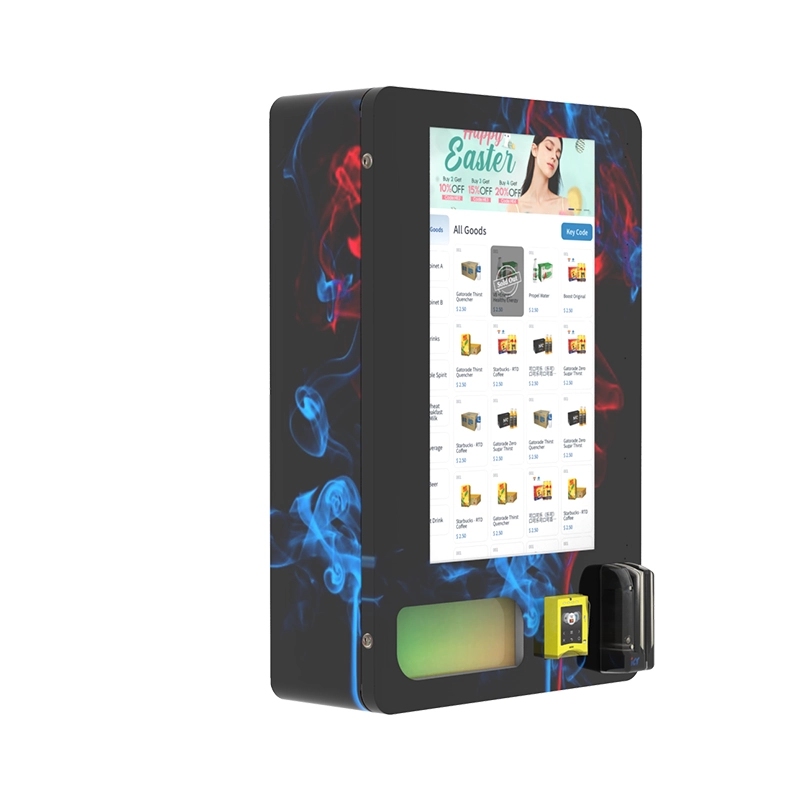
Here’s a comparison table that breaks down the differences based on what we’ve seen in the market:
| Feature | Budget Machine ($2,500–$3,500) | Secure Machine ($5,500–$8,000) |
|---|---|---|
| Cabinet Steel Gauge | 18-gauge (1.2mm) | 14-gauge (1.9mm) body, 12-gauge door |
| Locking Mechanism | Single-point cam lock or basic solenoid | Multi-point motorized deadbolt with tamper sensor |
| Alarm System | None | Shock sensor, door sensor, cellular alert |
| Inventory Tracking | None | Weight and IR sensors per coil |
| Age Verification | Basic ID scan (often fails) | Integrated ID scanner + facial age estimation |
| Typical Lifespan | 2–3 years before structural issues | 8–10 years with routine maintenance |
| Annual Theft Risk | 15–20% chance of break-in | 2–5% chance of break-in |
That extra upfront cost pays for itself in reduced theft and longer machine life. I’ve had operators tell me their secure machines paid for the difference in the first six months just by avoiding one break-in.
Profit Model: How Security Drives Revenue
You don’t just make money by selling product. You make money by keeping that product inside the machine until a legitimate customer buys it. A secure vape vending machine allows you to place units in higher-traffic, higher-risk locations that other operators avoid. Think about it: a 24-hour laundromat in a busy urban area has huge foot traffic, but it also has a higher risk of vandalism. With a reinforced machine, you can put a unit there and capture that revenue stream that your competitors can’t touch.
I’ve seen a route operator place a secure machine in a location that had been broken into three times in the previous year. The previous operator had given up. We installed a reinforced unit with a cellular alarm. In the first month, that machine did $1,800 in sales. In two years, it was never broken into. The location manager was thrilled, and the operator had a monopoly on that spot.
Real Numbers from the Field
Based on data we’ve collected from our clients, a well-placed secure machine in a high-traffic location averages $1,200 to $2,500 in monthly sales. With a gross margin of 40% to 50% after product cost, that’s $480 to $1,250 in gross profit per machine per month. Subtract a location commission of 10% to 20% ($120 to $500), and you’re left with $360 to $750 per machine. If you have a route of ten machines, that’s $3,600 to $7,500 monthly net profit. The machine pays for itself in four to six months.
Compare that to a non-secure machine that gets hit once a year. That one incident wipes out two months of profit. Over five years, the secure machine generates significantly more net revenue because it doesn’t have those catastrophic losses.
Choosing the Right Hardware: What I Look For
I’ve been on the manufacturing side long enough to know that not all reinforced cabinets are created equal. When you’re evaluating a unit, here’s what I check first:
- Lock type: Is it a standard solenoid or a motorized deadbolt? Motorized is better. It can’t be bounced open.
- Door alignment: Does the door have a recessed frame that sits inside the cabinet? That prevents someone from getting a pry bar between the door and the frame.
- Hinges: Are they welded or bolted? Welded is stronger. Bolted hinges can be unscrewed from the outside if the machine isn’t mounted correctly.
- Glass: Is it tempered or laminated? Laminated glass is harder to break and holds together if shattered. Tempered glass shatters into small pieces but can be broken with a sharp impact.
- Mounting: The machine must be bolted to the floor or wall with heavy-duty anchors. A machine that can be rocked or tipped is a target. We recommend using four 3/8-inch concrete anchors for floor mounting.
For a deep dive into our specific reinforced cabinet design, you can read more about our compliant e-cigarette vending machine which includes the multi-point locking system I described.
The Age Verification Connection
Security isn’t just about keeping product in. It’s also about controlling who can buy it. An age verification vending machine is a core component of the anti-theft strategy because it prevents underage sales, which can lead to fines, license revocation, and legal liability. Our machines integrate an ID scanner that reads the barcode and validates the date of birth. If the ID is expired or the person is under 21, the machine won’t vend. This also prevents chargebacks from parents claiming their kids bought product.
I’ve had operators tell me that having a robust age verification system also reduces theft because it eliminates the secondary market. If a minor can’t buy from the machine, they can’t resell to friends. It keeps the product moving through legitimate channels.
Operational Maintenance for Long-Term Security
Even the best machine needs regular attention. Here’s what I tell every operator who buys from us:
- Check the lock monthly: Electronic locks can fail over time. Test the solenoid or motorized bolt to make sure it’s engaging fully. If it’s sluggish, clean the contacts or replace the unit.
- Inspect the door seal: A gap in the seal is an invitation for a pry bar. Replace the rubber gasket if it’s worn.
- Update the firmware: The control board software gets updated to patch security vulnerabilities. Stay current.
- Monitor the alarm logs: Review the alert history on your management platform. If you see multiple “door ajar” alerts at odd hours, investigate.
- Test the cellular connection: If the machine loses connectivity, you lose the alarm. We use dual SIM cards with failover to a secondary network.
I’ve seen operators who set up a machine and never checked the lock. After a year, the solenoid failed, the door was stuck open, and they lost $1,200 in stock. A five-minute monthly check would have prevented it.
Deployment Lessons from Real Locations
I’ve personally overseen the deployment of over 500 machines in the last five years. Here are three lessons that stick with me:
Lesson 1: Don’t trust the location manager. They’ll tell you the area is safe. They’re wrong half the time. I always do a site survey at 2 AM on a weekend. If I see people loitering, I know the machine needs extra reinforcement. I’ve walked away from locations that looked great during the day but were sketchy at night.
Lesson 2: Bolt it down right. I’ve seen a machine that was bolted to a wooden floor. Someone just ripped the bolts out with a truck. Now we only install on concrete, and we use wedge anchors that are set into the slab. The machine isn’t going anywhere.
Lesson 3: Test the alarm before you leave. After installation, we simulate a break-in. We hit the machine with a rubber mallet and try to pry the door. If the alarm doesn’t trigger within three seconds, we adjust the sensitivity. I’ve had to recalibrate sensors because they were too sensitive to passing trucks or not sensitive enough to a real attack.
For a specific example of a successful deployment in a bar environment, you can see our case study on vape vending machines in bars and clubs. That location had a history of theft, and the reinforced cabinet with cellular alarm reduced incidents to zero in the first year.
Common Mistakes Operators Make
I’ve been in this business long enough to see the same mistakes repeated. Here are the ones that cost the most money:
- Buying a machine with a glass front and no reinforcement. Glass is the weakest point. If you want a glass front, it must be laminated and at least 6mm thick. We use a polycarbonate overlay on the glass for added impact resistance.
- Using a Wi-Fi-based alarm. Wi-Fi goes down when someone cuts the power or the router fails. Cellular is the only reliable option for unattended retail.
- Ignoring the hinge side. Many operators focus on the lock and forget that the hinges can be cut or unscrewed. We use security hinges with non-removable pins.
- Not having a backup key. Electronic locks can fail. Always keep a mechanical override key in a secure location. I’ve had to fly a key to a client because they lost the only one.
- Underestimating internal theft. Route drivers and stockers can steal product. Use the inventory tracking system to audit every restock. I’ve caught drivers taking product and selling it on the side.
The Future of Vending Machine Security
We’re already seeing the next generation of anti-theft systems. Biometric locks are becoming more common, and some machines now use facial recognition to verify the operator during restocking. We’re also testing a system that uses a camera to record every interaction with the machine, with AI that flags suspicious behavior. In the next three years, I expect all commercial vending machines for high-value products to include a cellular-based security module as standard.
If you’re planning to enter this market, buy for the future. Don’t buy a machine that’s already obsolete. Look for a manufacturer that updates their firmware and offers remote diagnostics. We provide that with all our units, and you can see the full range on our vape vending machines product page.
Frequently Asked Questions
How much does a secure vape vending machine cost?
A reinforced machine with a multi-point locking system, cellular alarm, and inventory tracking typically costs between $5,500 and $8,000. Budget machines without these features cost $2,500 to $3,500 but have a much higher risk of theft.
Can I install a vape vending machine in a high-crime area?
Yes, but only if the machine has a heavy-gauge steel cabinet, a motorized deadbolt, a cellular alarm, and is bolted to a concrete floor. We’ve successfully deployed machines in areas with high vandalism rates, and the security features have prevented break-ins.
What happens if the electronic lock fails?
All our machines include a mechanical key override. You can unlock the door manually. We also recommend keeping a backup key in a secure location. The control board will send an alert if the electronic lock malfunctions.
How do I prevent internal theft by route drivers?
Use a machine with inventory tracking that records every product removed during a restock. Compare the system log to the driver’s report. If there’s a discrepancy, investigate. We also recommend using unique access codes for each driver so you know who opened the machine.
Do I need a cellular plan for the alarm system?
Yes. The cellular modem is essential for real-time alerts. Wi-Fi is unreliable for unattended machines. The cost is typically $10 to $20 per month per machine, and it’s worth it for the peace of mind. We include a dual-SIM setup for network redundancy.
Final Thoughts from the Factory Floor
I’ve been building these machines for fifteen years, and I’ve seen the market evolve from simple cigarette pack dispensers to sophisticated, secure kiosks that rival the security of a bank ATM. The operators who succeed are the ones who treat the machine as an investment, not an expense. They buy the reinforced cabinet, they bolt it down, they monitor the alerts, and they audit the inventory. They don’t cut corners on security because they know that one break-in wipes out months of profit.
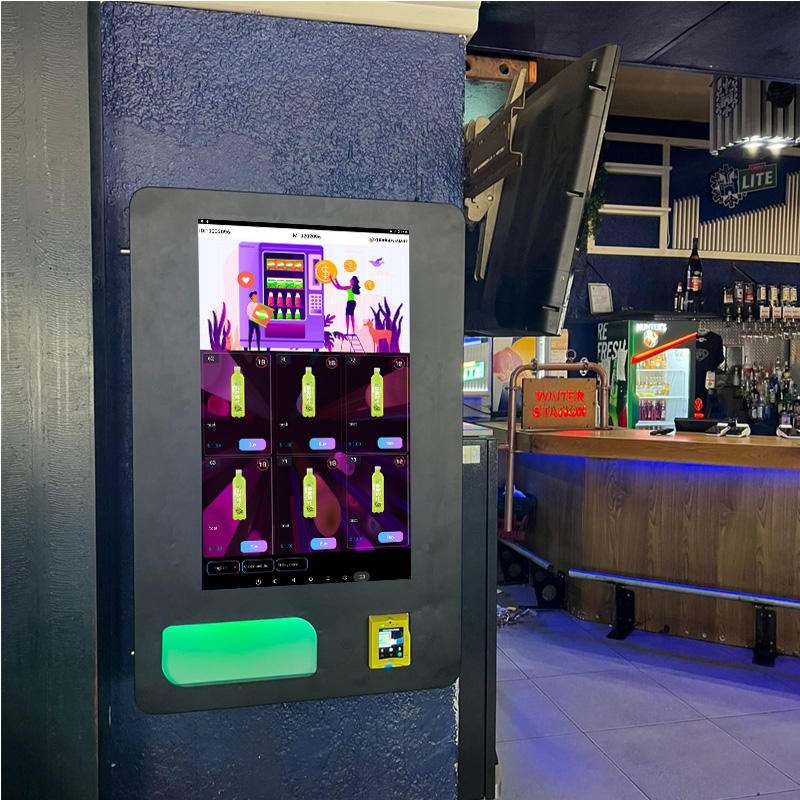
If you’re looking for a partner who understands the real-world demands of this business, I’d suggest looking at a manufacturer that has been doing it for over a decade. You can explore our full lineup of secure machines at zhongdavending.com, including our wall-mounted compact model for tight spaces. The right machine will protect your product, your revenue, and your reputation.
References:
- National Automatic Merchandising Association (NAM), Industry Data Report, 2023. https://www.nam.com/
- Statista, “Vending machine theft and vandalism costs in the United States,” 2022. https://www.statista.com/