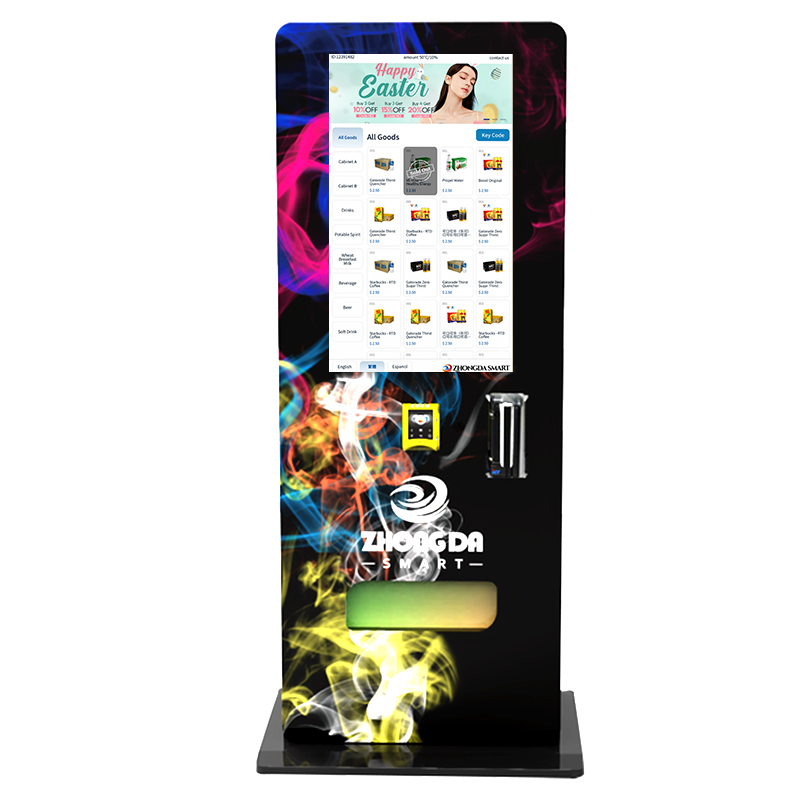
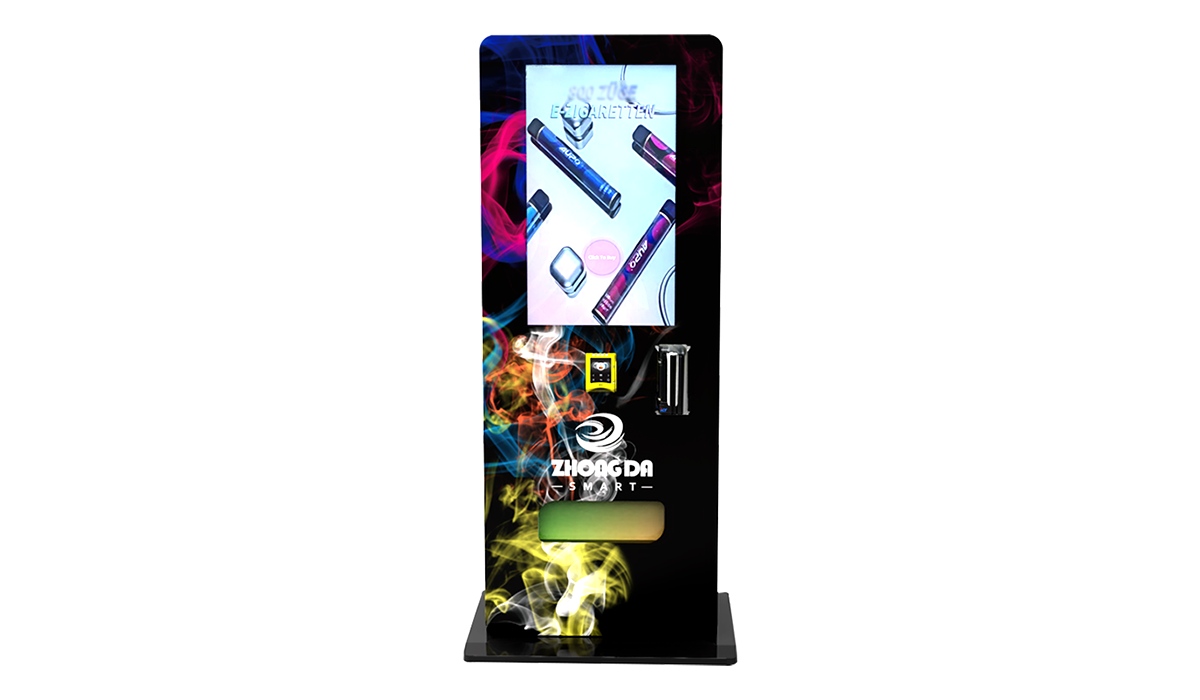
The short answer is yes, vape vending machines are legal in the US, but only under a patchwork of strict federal and state-level regulations that make compliance the single biggest factor determining success or failure. As of 2025, the landscape has shifted significantly since the PACT Act was updated to include vaping products, and operating a compliant vape vending machine today requires far more than just a machine that takes credit cards. Having spent over a decade deploying these units across North America and Europe, I can tell you that the difference between a profitable route and a legal nightmare usually comes down to one thing: the quality of your age verification system. This guide walks through the practical business side of legality, cost, and technology.
The Real Legal Framework for Vape Vending Machines in 2025
Understanding the legal status of a vape vending machine isn’t about reading one federal law. It’s about understanding a three-tiered system: federal mandates, state-specific restrictions, and local municipal codes. The baseline is the federal requirement that any vending machine selling tobacco or nicotine products must be in a location that is only accessible to adults aged 21 and older. This usually means a bar, a nightclub, a casino, or a restricted-access lounge. However, the PACT Act (Prevent All Cigarette Trafficking Act), which was extended to cover e-cigarettes and vaping products in 2021, adds heavy burdens for shipping and sales tracking, even for vending machine operators.
Most operators fail because they underestimate state laws. For example, California bans all tobacco vending machines except in bars and nightclubs that never allow minors. New York has a complete ban on self-service vending of tobacco products, which has been interpreted to include vapes. Texas allows them but requires specific licensing per machine. Florida permits them with strict age verification. The key takeaway is that you cannot buy a machine, place it in a gas station, and expect to stay legal. The machine must be in an age-restricted venue, and it must have active, working age verification technology.
Federal Regulations and the PACT Act
The PACT Act now treats vaping products similarly to cigarettes for shipping and sales reporting purposes. For a vape vending machine operator, this means you are required to register with the ATF, report your sales to state tobacco tax administrators, and maintain meticulous records. This is not a minor paperwork issue. I have seen operators get hit with six-figure fines because they failed to file quarterly reports. The act also mandates that any delivery sale must be conducted through a method that verifies the purchaser’s age. While a vending machine in a physical location is not a "delivery sale," the principle of age verification is the same. The FDA’s enforcement of the Tobacco Control Act also means that any vending machine must be placed in a facility where the operator ensures no one under 21 can enter. This is why you rarely see these machines in convenience stores anymore.
State-by-State Compliance Checklist
Before you purchase a machine, you must check your state’s specific laws. Some states like Alabama and Mississippi are more lenient, allowing machines in any retail location with an ID scanner. Others like Massachusetts and New Jersey have near-total bans. A practical checklist includes:
- Confirm the venue is 21+ only.
- Check if the state requires a specific "tobacco vending machine" license.
- Verify if the state mandates a specific type of age verification (biometric vs. ID scan).
- Understand local city ordinances, which can be stricter than state laws.
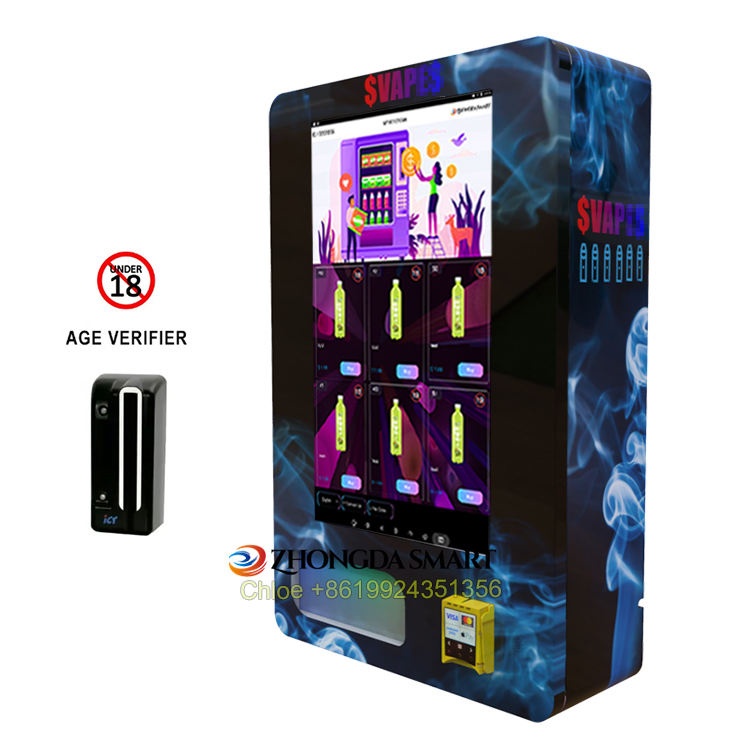
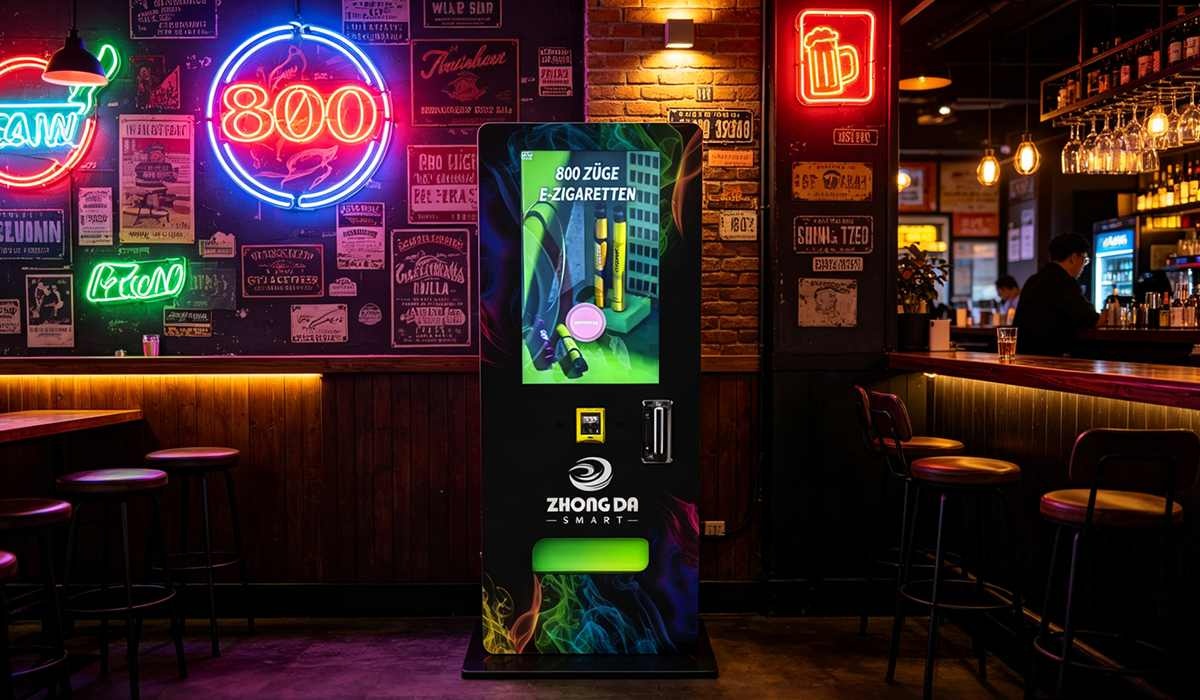
For example, when we deployed machines in Chicago, we had to get a separate city sticker and a specific vending machine license on top of the state license. Ignoring this step can lead to seizure of the machine. If you are looking for a machine that is built with compliance in mind, the compliant e-cigarette vending machine from Zhongda Smart is designed to integrate with these regulatory frameworks.
Why Age Verification Technology Is Your Most Important Investment
In my fifteen years of manufacturing and operating these machines, I can say without hesitation that the age verification system is the heart of the business. A vape vending machine without a reliable, fast, and accurate age check is not a vending machine; it is a liability. The technology has evolved from simple "press a button to confirm you are 21" to sophisticated biometric and ID scanning systems. The FDA and state regulators are looking for active verification, not passive confirmation. This means the machine must scan a government-issued ID and validate it against a database or use a biometric scanner like a fingerprint or facial recognition to ensure the person using the machine is the same person on the ID.
ID Scanning vs. Biometric Verification
There are two primary methods for age verification in the market today. ID scanning is the most common. The machine has a reader that scans the barcode or magnetic stripe on a driver’s license or passport. It then parses the date of birth and checks it against a database of valid IDs. The transaction is denied if the ID is expired, invalid, or the person is under 21. Biometric verification is becoming more popular in high-traffic venues. This system uses a fingerprint or facial scan linked to the user’s ID. Once registered, the user can simply scan their fingerprint to make a purchase. This is faster for repeat customers and reduces friction. The age verification vending machine solutions we manufacture include both options, but for most operators, a high-quality ID scanner is the baseline.
How Age Verification Affects Your Liability
If a minor purchases a product from your machine, the liability falls on you, the operator, and the venue owner. A robust age verification system is your primary defense. In a compliance check, regulators will test your machine with an underage buyer. If the machine allows the sale, you can face fines, loss of license, and even criminal charges. The data from your machine’s age verification logs is your proof that you are operating legally. We always recommend machines that store transaction logs securely for at least three years. This is a standard we built into the ID scan vending machine models.
Cost Structure and Profitability of a Vape Vending Machine Business
Let’s talk about the numbers. I have seen too many people jump into this business thinking it is a passive income goldmine. It is not. It is a capital-intensive business with thin margins if you are not careful. The initial cost of a compliant vape vending machine ranges from $3,500 to $8,000 depending on the features, capacity, and age verification technology. A basic wall-mounted unit with a simple ID scanner might be on the lower end, while a full-size kiosk with biometrics and a large inventory capacity will be higher. But the machine cost is only the beginning. You have to factor in installation, licensing fees, inventory, payment processing fees, and maintenance.
Breakdown of Initial Investment
Here is a realistic budget breakdown based on our deployments:
- Machine Cost: $4,000 - $7,500 (for a compliant unit with ID scan).
- Installation and Shipping: $500 - $1,500 (depends on location and setup).
- Licensing and Permits: $200 - $1,000 (varies wildly by state and city).
- Initial Inventory: $1,000 - $2,500 (for a mix of disposables, pods, and devices).
- Payment Processing Setup: $100 - $300 (for the merchant account).
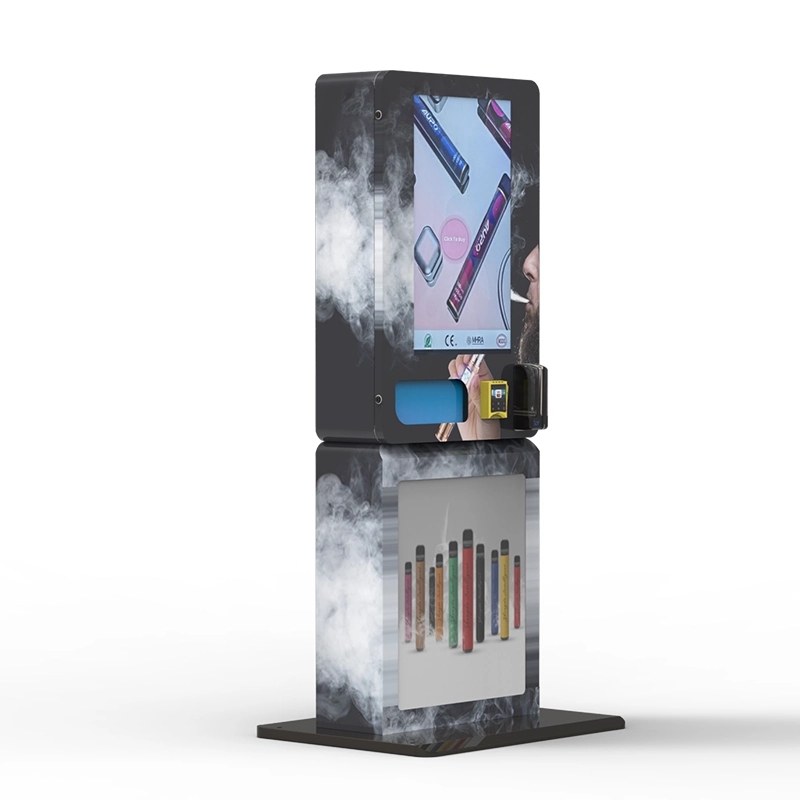
Total initial investment per machine is usually between $5,800 and $12,800. You need to have this capital ready. A common mistake is buying a cheap, non-compliant machine to save money, then spending more on fines and legal fees later. The wall-mounted compact e-cigarette vending unit is a good entry point for operators with a smaller budget because it reduces the upfront cost while maintaining compliance features.
Revenue and Profit Margins
Revenue depends entirely on foot traffic and location. A machine in a busy nightclub can generate $500 to $1,500 in weekly sales. A machine in a lower-traffic lounge might only do $200 a week. The average profit margin on vape products sold through vending machines is around 30% to 40%. This is lower than retail because you have to account for processing fees (2.5% to 4%) and the cost of goods. If you are selling a disposable vape for $15 that cost you $9, your gross profit is $6. After fees, you net about $5.50. If you sell 50 units a week, that is $275 gross profit per machine per week. Multiply that by 10 machines, and you have a solid business. But you need to hit those sales volumes.
| Item | Cost/Unit | Selling Price | Gross Profit |
|---|---|---|---|
| Disposable Vape (6000 puffs) | $9.00 | $15.00 | $6.00 |
| Pod System (device + 2 pods) | $14.00 | $25.00 | $11.00 |
| Nicotine Pouch (can) | $4.50 | $8.00 | $3.50 |
| Replacement Coils (pack of 5) | $6.00 | $12.00 | $6.00 |
Real-World Deployment Experience: What Works and What Fails
I have personally overseen the deployment of over 500 vape vending machines across the US and Europe. The biggest lesson I have learned is that location is everything, but compliance is the gatekeeper. We had a deployment in a high-end cigar lounge in Dallas that failed within three months. The reason was not the machine or the product. It was the fact that the lounge had a separate bar area that was occasionally accessible to 18-year-olds. The local health department considered the entire venue non-compliant, and we had to pull the machine. We also had a deployment in a hotel casino in Las Vegas that did exceptionally well. The casino had a strict 21+ policy, and the machine was placed right next to the poker tables. We did over $2,000 a week in sales from that single unit.
Common Operational Mistakes
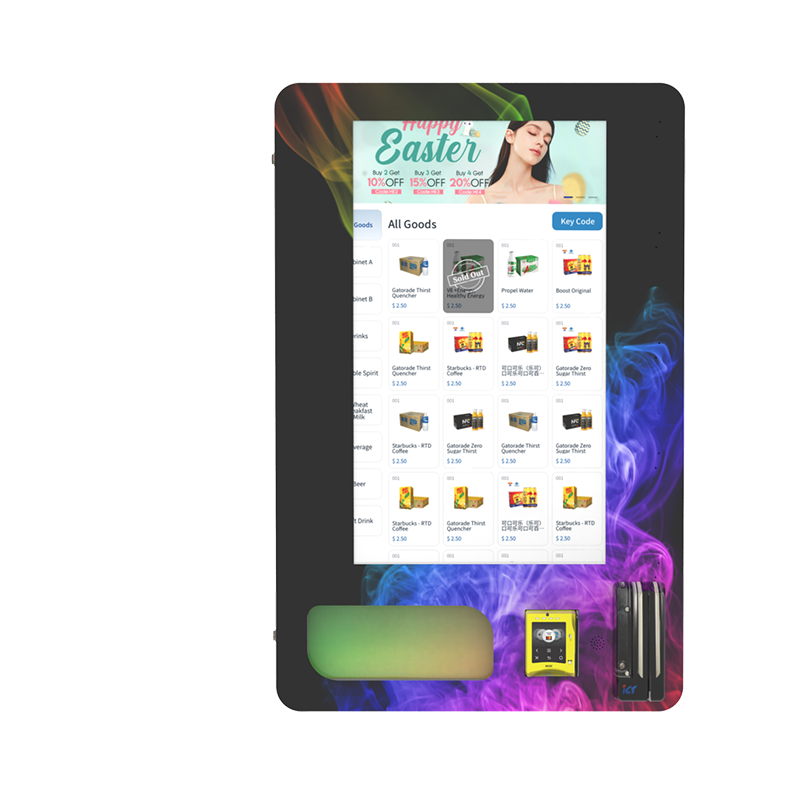
There are three mistakes I see operators make repeatedly. First, they underestimate the importance of inventory management. You cannot just fill the machine and forget it. You need to track what sells and what sits. Disposable vapes rotate quickly, but pod systems might sit for a month. You have to adjust your product mix based on sales data. Second, they ignore maintenance. A bill validator that jams or a card reader that fails can kill your revenue for a week. You need a service contract or the ability to service the machine yourself. Third, they fail to build a relationship with the venue owner. The venue owner can kick you out at any time. If you are not sharing a percentage of the revenue or providing excellent service, they will replace you with another operator. The wall-mounted e-cigarette vending machine is popular for venues with limited floor space, but even a compact machine requires regular attention.
Case Study: A Successful Deployment in a Nightclub Chain
One of our most successful partnerships was with a regional nightclub chain in the Midwest. They had five locations, each with a 21+ policy. We deployed one machine per location. The key to success was the integration of the age verification system with their existing ID scanning system at the door. Patrons were already scanned upon entry. We used a biometric system that allowed registered users to purchase with a fingerprint scan. This reduced friction significantly. The average transaction value was $22.00, and the machines paid for themselves within four months. The chain saw a 15% increase in overall sales because patrons did not have to wait in line at the bar to buy a vape. This is a perfect example of how a vape vending machine can enhance the customer experience and drive revenue.
Technology and Machine Selection for Long-Term Success
Choosing the right machine is a strategic decision that affects your business for years. The market has machines ranging from cheap Chinese imports with no compliance features to high-end American-made units. I manufacture machines, so I have a bias, but I will give you the honest assessment: the technology in the machine matters more than the brand name. You need a machine with a reliable cooling system (for nicotine pouches and certain e-liquids), a robust payment system that accepts credit cards, Apple Pay, and Google Pay, and a telemetry system that lets you monitor inventory and sales remotely.
Key Technical Features to Look For
- Telemetry and Remote Monitoring: You need to see sales data, inventory levels, and error codes in real time. This saves you from driving to a machine that is out of stock or broken.
- Payment System: Cashless is mandatory. Most transactions are by card or mobile wallet. The machine must have an EMV-compliant card reader.
- Cooling System: If you plan to sell nicotine pouches or certain e-liquids, you need a refrigerated compartment. Heat degrades the product.
- Security: The machine must be tamper-proof. We use reinforced steel and electronic locks with audit trails.
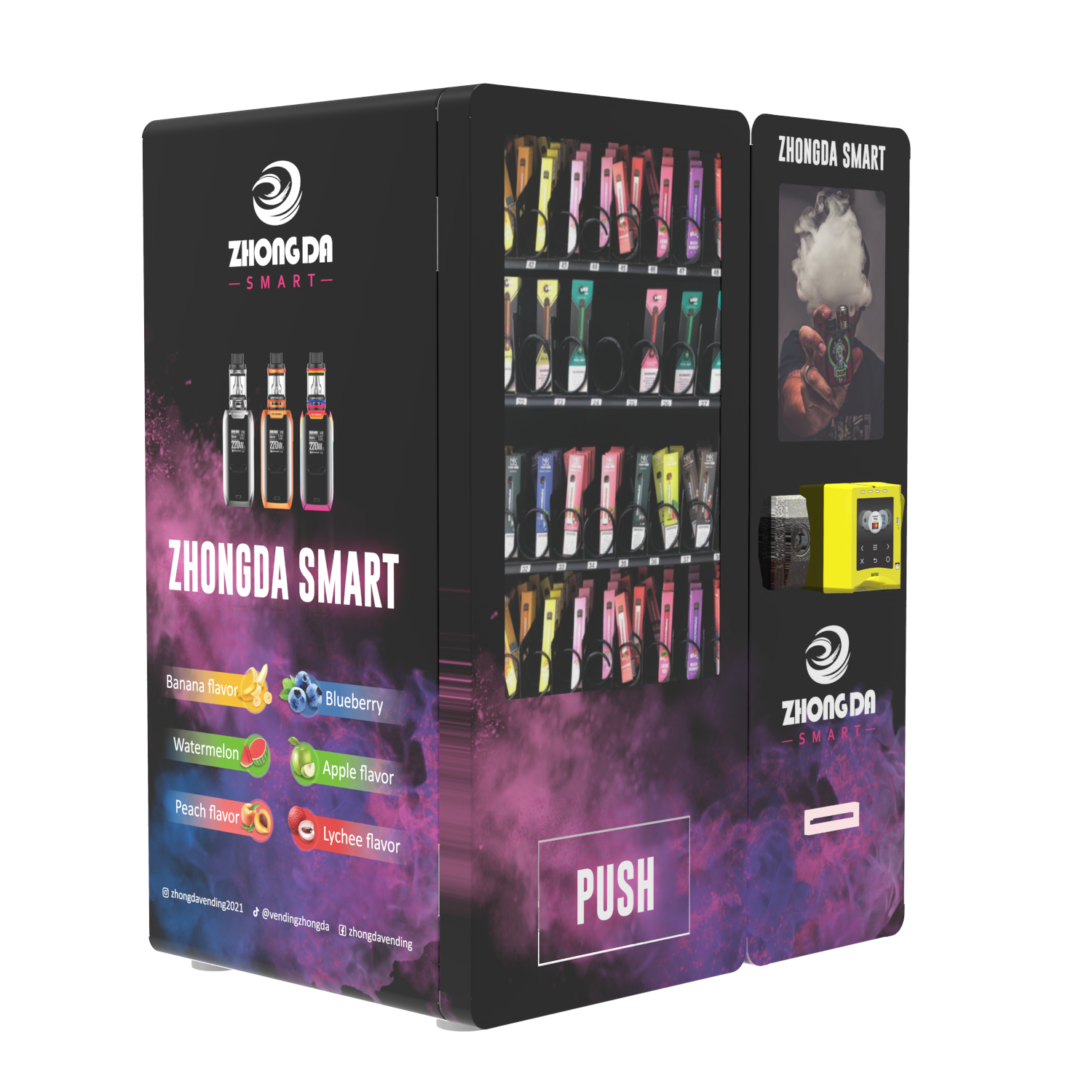
For operators looking for a specific solution, the 84-model vape vending machine offers a good balance of capacity and footprint. It is designed for medium-traffic venues and includes an integrated ID scanner.
Why You Should Avoid Cheap Machines
I have seen operators buy machines for $1,500 from online marketplaces. These machines usually have a basic "age check" that is just a button on the screen. They fail compliance checks immediately. They also break down frequently. The cost of lost revenue, fines, and replacement parts makes them far more expensive in the long run. A quality vape vending machine from a reputable manufacturer is an investment in your business’s longevity. The machine should have a warranty and a support team that can help you with compliance questions.
Long-Term Strategy and Scaling Your Vending Route
Once you have one machine running profitably, the next step is scaling. This is where the business model becomes attractive. A single machine is a side hustle. Ten machines is a business. Scaling requires a systematic approach to location acquisition, financing, and logistics. You need to build relationships with venue owners who have multiple locations. You also need to negotiate better pricing on inventory as your volume increases. The profit margins on a route of 20 machines can be very healthy if you manage your costs.
Financing and Lease Options
Most operators do not pay cash for a fleet of machines. They use equipment financing or lease-to-own programs. A typical equipment loan for a vape vending machine might have an interest rate of 6% to 12% over three to five years. The monthly payment on a $5,000 machine over three years is around $150. If the machine generates $500 a month in profit, you are cash flow positive from month one. Some manufacturers, including us, offer financing programs for qualified buyers. This reduces the barrier to entry significantly.
Exit Strategy and Resale Value
A well-maintained, compliant vape vending machine holds its value. If you decide to exit the business, you can sell your route or individual machines. The resale value of a three-year-old machine from a reputable brand is usually 50% to 60% of the original cost. Machines from no-name brands have virtually no resale value. This is another reason to invest in quality equipment from the start. The 243-model high-capacity machine is a good example of a unit that holds its value because of its robust construction and compliance features.
Frequently Asked Questions About Vape Vending Machines
Do I need a special license to operate a vape vending machine?
Yes, in most states. You typically need a tobacco retailer license, a vending machine license, and possibly a specific age-verification device permit. The requirements vary by state and city. You must check with your local tax board and health department before purchasing a machine.
Can I place a vape vending machine in a convenience store?
Generally, no. Federal law requires that vape vending machines be located in a facility that is restricted to adults 21 and older. Most convenience stores allow minors to enter, so placing a machine there would be illegal. The only exceptions are areas within the store that are physically separated and age-restricted, but this is rare.
How much does a vape vending machine cost?
A compliant vape vending machine with age verification technology typically costs between $3,500 and $8,000. The price depends on the size, features, and type of age verification system. Budget machines under $2,000 usually lack the compliance features required to operate legally in the US.
What happens if a minor buys a vape from my machine?
You face significant penalties. Fines can range from $500 to $10,000 per violation. You could also lose your business license and face legal action from the state attorney general. A robust age verification system that scans IDs and logs transactions is your only defense.
Can I use a credit card reader in a vape vending machine?
Yes. In fact, cashless payment is essential for success. Most customers do not carry cash. You need a payment system that accepts credit cards, debit cards, Apple Pay, and Google Pay. The payment terminal must be EMV-compliant and integrated with your age verification system.
Final Thoughts on the Vape Vending Machine Business
The market for vape vending machines in the US is growing, but it is a business for operators who take compliance seriously. The days of placing a machine anywhere and collecting cash are over. Today, success comes from a combination of legal knowledge, smart technology choices, and solid operational execution. If you are willing to invest in a compliant machine, build relationships with venues, and manage your inventory actively, this can be a highly profitable venture. If you cut corners on compliance or equipment, you will lose money and possibly face legal consequences. I have seen both sides of this business, and the operators who succeed are the ones who treat it like a professional enterprise, not a side project.