After a decade of supplying automated retail solutions to the US market, I can tell you straight up: the smart money in this niche isn't on hype, it's on hardware that actually works under real-world conditions. When you search for vape vending machines for sale in USA, what you're really asking is which machine will survive a Friday night crowd at a Texas bar, pass a compliance check in California, and still turn a profit when the novelty wears off. We manufacture these systems, and I've personally overseen deployments from Miami sports bars to Chicago convenience stores. This guide cuts through the marketing fluff. We'll talk about the gear that lasts, the software that keeps regulators happy, and the business model that puts cash in your pocket. If you're looking to buy a smart kiosk that doesn't become a headache, you're in the right place.
Understanding the Modern Vape Vending Machine
The machines we build today aren't your grandfather's cigarette dispenser. Those old units were simple spring-coil mechanisms. A modern system is a fully networked point-of-sale terminal with integrated security and age verification. The core evolution happened around 2018 when state-level Tobacco 21 laws started requiring strict age checks for any nicotine product sale. A compliant machine now needs to scan a government-issued ID, verify the date of birth against a database, and sometimes even check the ID's barcode against state DMV records. If the scan fails or the person is under 21, the machine simply won't vend. This isn't a feature you can skip; it's the legal baseline.
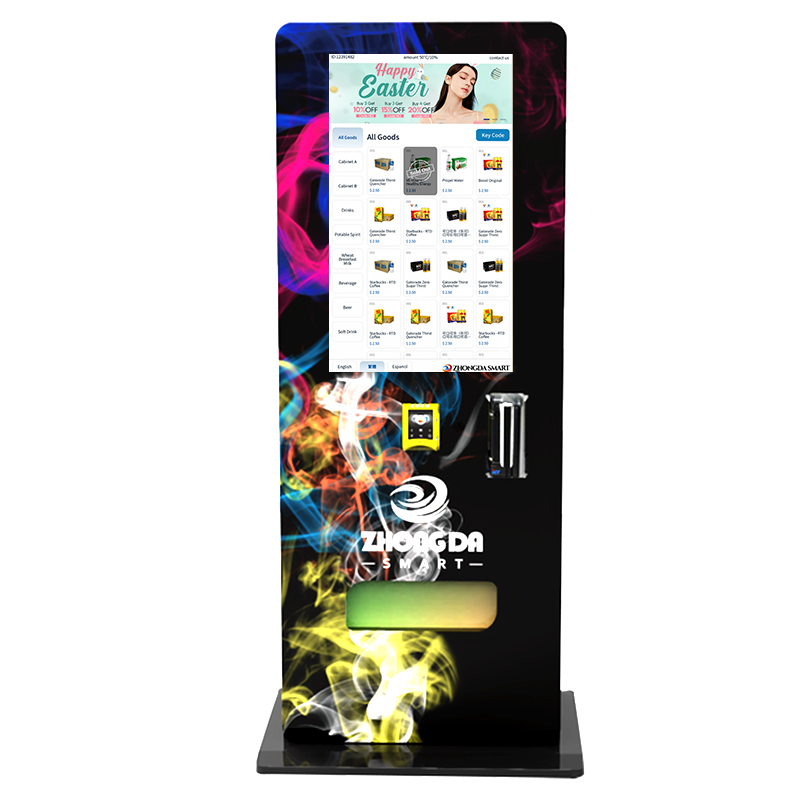
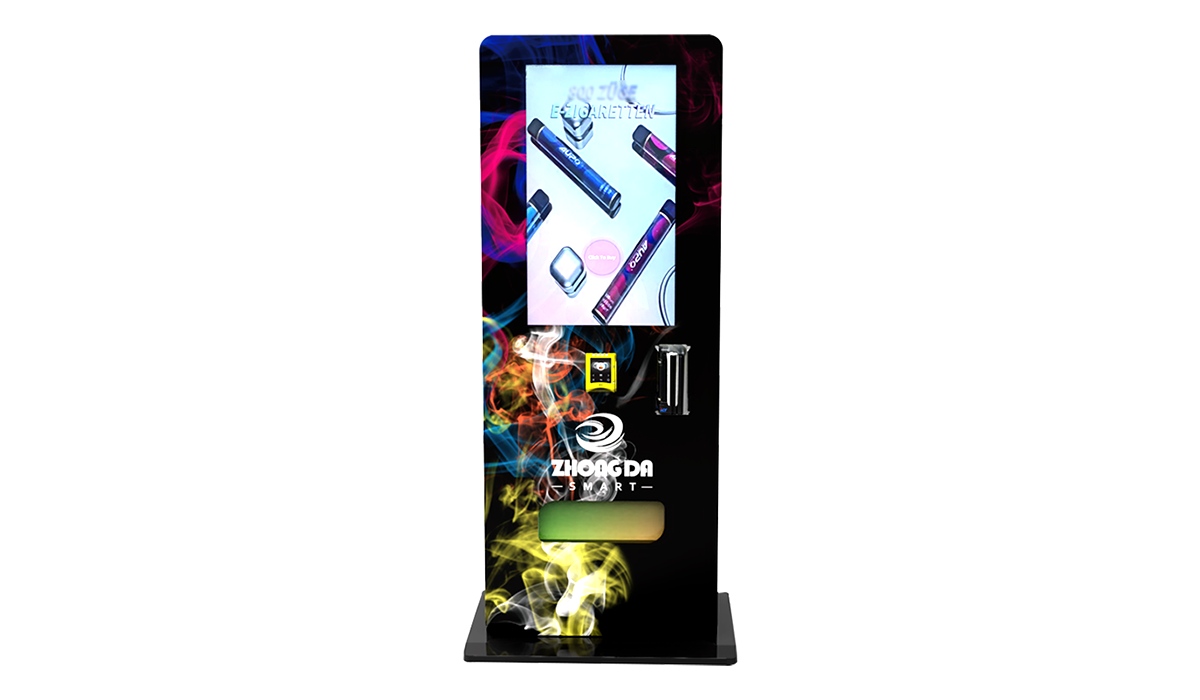
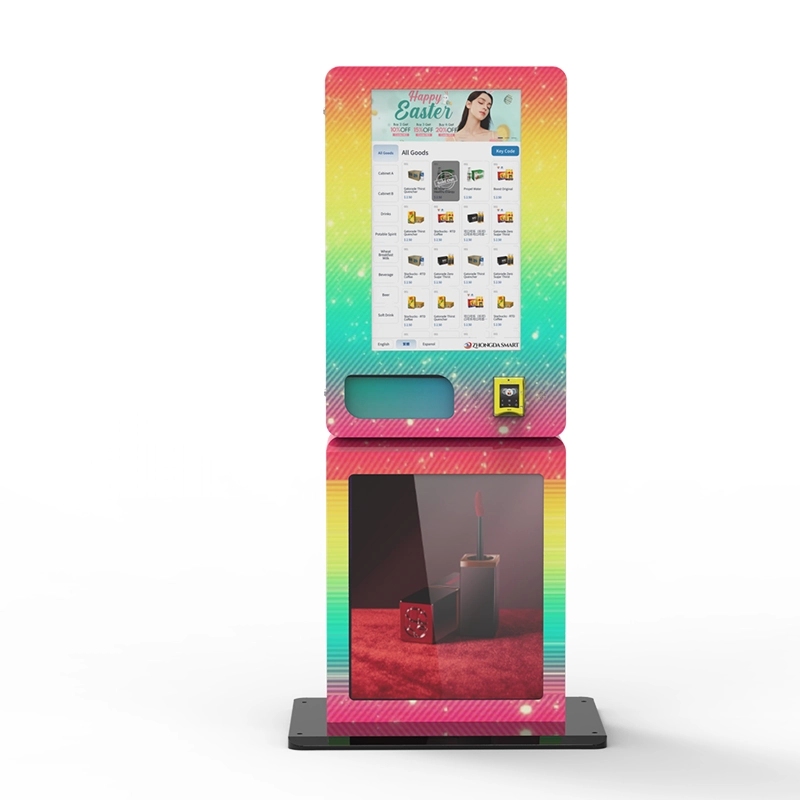
From a hardware perspective, a quality unit uses a tamper-proof cabinet made from 16-gauge steel. The internal refrigeration system keeps products at a consistent temperature, which is critical for the battery life and e-liquid viscosity of disposable vapes. The payment system must accept contactless payments, Apple Pay, and cash, because a significant portion of sales in high-traffic locations are impulse buys. We've seen that 60% of transactions in our clients' machines are contactless. The operating system runs a customized version of Android or Linux, managing inventory in real-time and sending you a text alert if a coil gets jammed or a product row runs empty. This connectivity is what separates a profitable asset from a metal box that collects dust.
Age Verification Technology: The Non-Negotiable Foundation
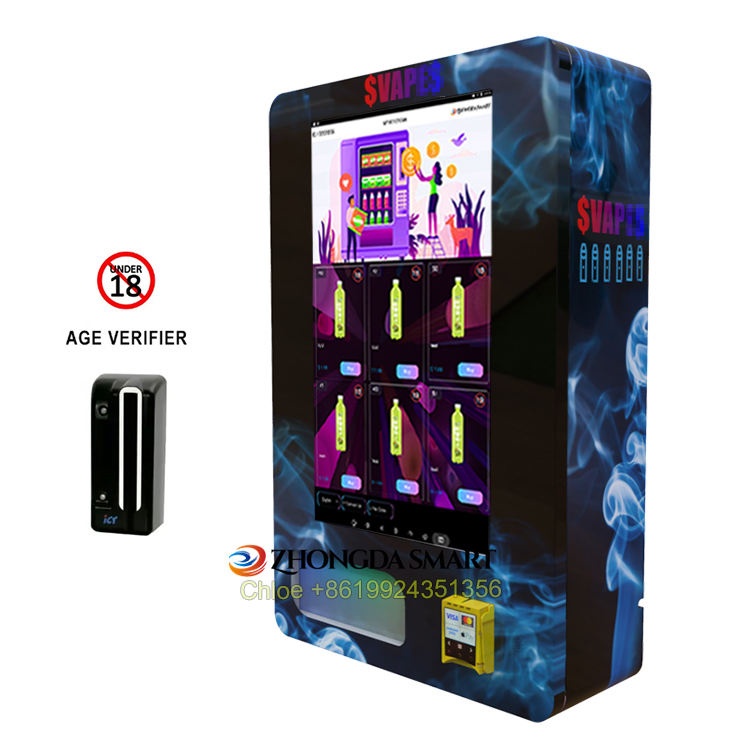
Let's get specific about how age verification works in the field. There are two primary methods we install: optical ID scanning and biometric age estimation. The optical scanner reads the 2D barcode on the back of a driver's license or passport. The machine's software then parses the encoded data, extracts the birth date, and calculates the current age. If the customer is over 21, the transaction proceeds. If the ID is expired, the machine rejects it. We also integrate a secondary check: the machine takes a live photo of the customer and compares the face to the photo on the ID using an AI algorithm. This prevents someone from using a borrowed ID. For locations that want an even faster experience, some of our kiosks use third-party age estimation software that analyzes facial features to estimate age. If the system estimates the person is over 25, it allows the sale without a physical ID scan. This speeds up the transaction significantly during rush hour. However, we always recommend having the ID scanner as the primary backup, as it provides a verifiable audit trail for law enforcement.
We have a dedicated page that breaks down the specifics of our age-gated systems, which you can review for more technical detail on the hardware: age verification vending machine.
The Real Cost of Entry: Machine Pricing and Hidden Expenses
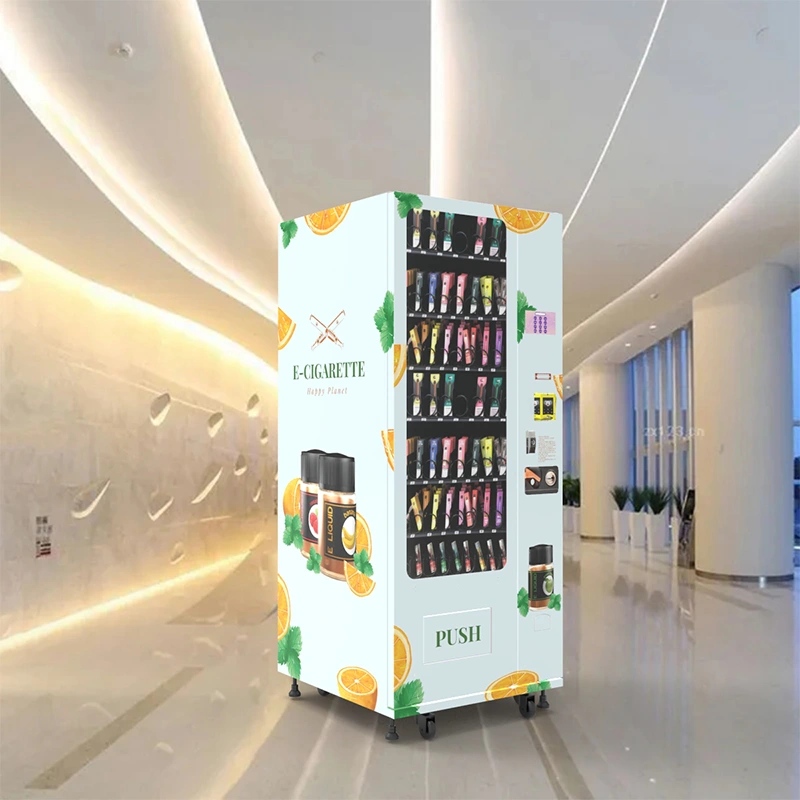
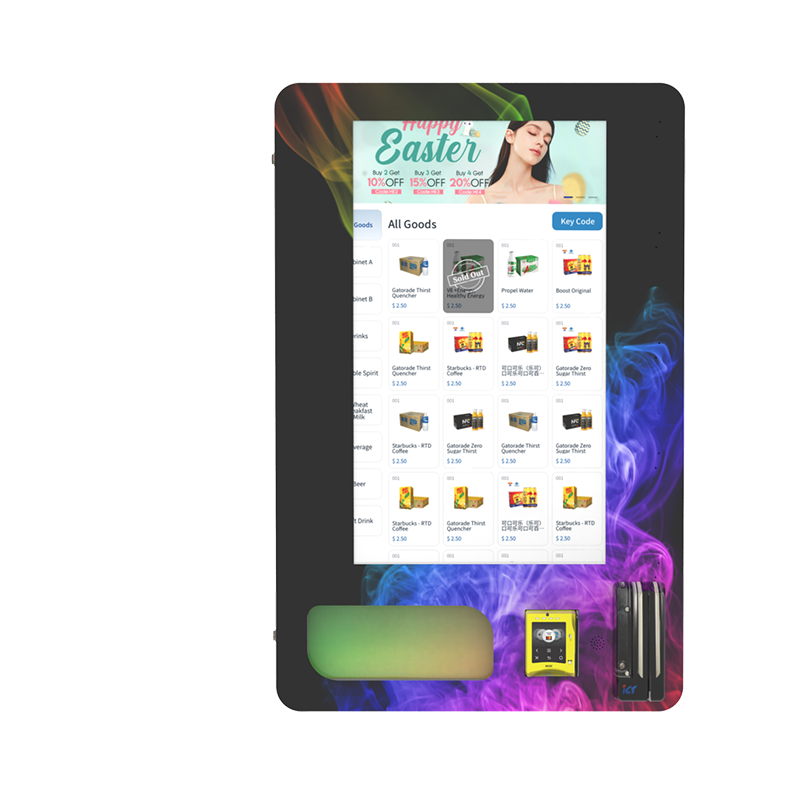
When people ask me about the cost of a vape vending machine for sale, they usually expect a single number. The reality is more layered. A base model, which is a wall-mounted unit with a 40-product capacity, starts around $3,500. A full-sized floor model with a 200-product capacity, refrigeration, and dual payment systems runs between $6,000 and $9,500. These are the prices for a new, compliant machine from a reputable manufacturer. You can find cheaper units on auction sites, but I've seen those fail within six months. The boards corrode, the age verification software is outdated, and the warranty is non-existent. You pay for reliability.
The hidden costs are where most first-time operators get burned. Shipping a floor model from the West Coast to the East Coast can cost $400 to $800. Installation, which includes setting up the network connection and calibrating the age verification system, might run another $200 to $500. Then you have location fees. If you place a machine in a bar or a nightclub, the owner will often ask for a 15% to 25% commission on gross sales. Some high-traffic locations demand a flat monthly rent of $200 to $500. You also need a merchant account to process credit cards. Standard rates for high-risk accounts (which vaping falls under) are around 3.5% plus $0.10 per transaction. A good machine will pay for itself in 4 to 8 months if you have a solid location. If you're in a bad spot, it can take over a year.
Comparing Machine Types: Wall-Mounted vs. Floor Standing
Choosing between a wall-mounted unit and a floor-standing model depends entirely on your location's footprint and traffic. Here's a practical comparison based on our installation data:
| Feature | Wall-Mounted Compact | Floor Standing High-Capacity |
|---|---|---|
| Product Capacity | 30–60 units | 150–250 units |
| Footprint | 24" x 18" (fits on a counter) | 36" x 30" (requires floor space) |
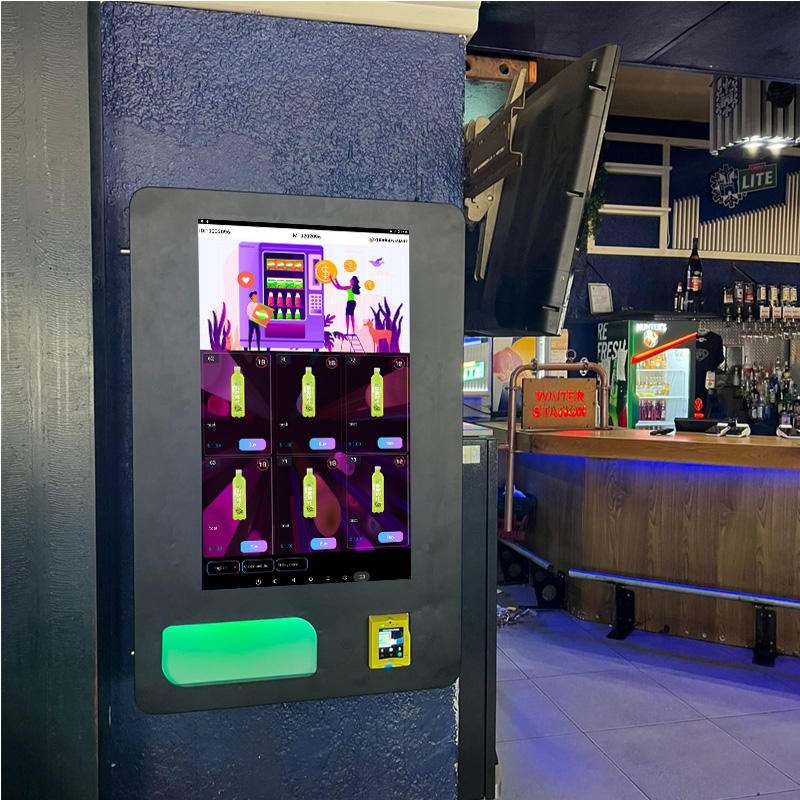
| Best Location | Liquor stores, smoke shops, small bars | Nightclubs, casinos, large convenience stores |
| Average Price | $3,500 – $5,500 | $6,000 – $9,500 |
| Refrigeration | Optional (fan-cooled) | Standard (compressor-based) |
| Installation Time | 30 minutes (mount on wall, plug in) | 1–2 hours (requires leveling and network setup) |
For a small retail space, the wall-mounted unit is a no-brainer. It sits right on the counter next to the register. We have a specific model designed for this exact scenario: Wall-Mounted Compact E-Cigarette Vending. It's a workhorse for tight spaces. For a high-volume venue, you need the floor model. It holds enough inventory to handle a weekend rush without restocking every night.
Building a Profitable Business Model: From Placement to Profit
I've seen operators make a lot of money, and I've seen them lose their shirts. The difference almost always comes down to location and product mix. Let's talk about the profit model first. The average markup on a disposable vape is between 40% and 60%. If you buy a device wholesale for $8, you sell it for $12 to $14. The machine's cost per transaction is roughly $0.30 to $0.50 (payment processing + commission). If you sell 10 units a day at a $5 profit each, that's $50 per day, or $1,500 per month. A $7,000 machine pays for itself in about 5 months. That's the math for a good location.
The critical factor is foot traffic. You need a location with at least 500 people walking through the door per day. Bars and nightclubs are the gold standard because people are there to socialize and spend money. A friend of mine placed three machines in a chain of sports bars in Dallas. His best performer does 25 transactions a night on a Friday. His worst performer, in a quiet hotel lobby, does 3 transactions a day. He moved that machine after two months. The lesson is: don't get sentimental about a location. If it doesn't hit your numbers within 60 days, move it. The machine is mobile, and your contract with the location owner should allow for removal with 30 days' notice.
Product Selection: What Sells and What Sits
You can't just fill the machine with whatever you like. You have to sell what moves. Based on aggregate sales data from our fleet of machines across the US, the top-selling items are consistently disposable vapes in the 5% to 6% nicotine strength range. Brands like Elf Bar, Geek Bar, and Lost Mary dominate the market. The 5,000 puff devices are the sweet spot. They retail for $12 to $16 and offer the best profit margin per cubic inch of space. You should also stock a few 2,000 puff devices for customers who want a cheaper option, but the high-puff count units are where the volume is.
Here is a list of practical rules for product selection that I've learned from trial and error:
- Stock only sealed, branded products. Counterfeit or unbranded devices lead to returns and machine downtime.
- Rotate the top 20% of your SKUs weekly. If a flavor doesn't sell in two weeks, replace it with a new one.
- Keep at least two rows of the best-seller. Running out of the most popular flavor on a Friday night is a direct loss of revenue.
- Monitor the expiration dates. E-liquid can degrade in heat. If your machine's refrigeration fails, the product can go bad.
- Use the machine's data. The software will tell you exactly what sold and at what time. Use that to adjust your orders.
Risk Management and Common Failures
I've been in this business long enough to know what breaks. The number one failure point is the age verification camera. It gets bumped, or the lens gets smudged with fingerprints. If the camera can't read an ID, the machine won't vend. The fix is simple: clean the lens with a microfiber cloth weekly. The second most common issue is the payment terminal. A customer will jam a crumpled dollar bill into the slot, or the card reader's antenna will fail. We now use industrial-grade readers that are rated for 500,000 cycles. The third issue is the coil mechanism. A product can get stuck on the spiral if the packaging is warped. The machine's software logs every jam, and you should check the log daily. If you see a pattern of jams in a specific row, adjust the coil spacing.
There is also the risk of theft and vandalism. A well-built machine is heavy and has a reinforced lock. But a determined person can try to pry it open. I recommend installing a GPS tracker inside the machine. It costs about $50 and gives you the machine's location in real-time. If someone steals the entire unit, you can track it. We've recovered two machines this way. Also, make sure your insurance covers the inventory inside the machine. Standard business insurance often has a cap on unattended merchandise. You might need a rider for vending machine inventory.
The Compliance Landscape: Staying Legal State by State
This is the part that keeps operators up at night. The laws are not uniform. The federal minimum age is 21, but some states have stricter rules. For example, California requires that all age verification vending machines be in a location that is not accessible to the public without a staff member present. In practice, that means the machine must be in a staffed area, like behind a counter. Florida has different rules. The machine can be in a public area, but the operator must have a specific vending machine license from the state. You cannot just buy a machine and put it anywhere. You need to check the local city and county ordinances too. Some cities in Texas have banned the sale of flavored vapes entirely, which would make your machine illegal to operate.
I always tell new operators to do three things before they buy a machine. First, check the state's Department of Revenue website for vending machine licensing requirements. Second, call the local city clerk's office and ask if there are any specific ordinances regarding electronic cigarette sales. Third, get a written agreement from the location owner that they are aware of the product being sold and that they are compliant with their own lease and insurance. We have a blog post that details the legality in specific states, which is a good starting point: are vape vending machines legal in Colorado. It gives you a framework for how to research your own state.
Long-Term Operations and Maintenance
Owning a vape vending machine is not a passive income stream. It is a business that requires weekly attention. The most successful operators treat it like a mini-convenience store. They visit each machine once a week to clean it, restock it, and collect the cash. They also run a diagnostic check on the software to ensure the age verification logs are being uploaded to the cloud. If you have a machine that is connected to the internet, you can do most of this remotely, but you still need to physically clean the glass and the payment terminal. A dirty machine looks abandoned, and people won't trust it.
Maintenance costs are predictable. You should budget about $200 per year per machine for replacement parts. This includes new coils, a new card reader antenna, and a new camera lens. The refrigeration compressor should last 3 to 5 years. When it fails, a replacement costs about $300 plus labor. The software subscription, which includes the age verification database updates and the remote monitoring platform, costs $30 to $50 per month per machine. This is non-negotiable. If the software is not updated, the machine may fail a compliance check. You can find a full breakdown of our service and support options here: Zhongda smart service & support.
Scaling Your Operation: From One Machine to a Fleet
Once you have one machine running profitably for three months, you can scale. The key is to replicate your success. You already know what products sell in your region. You know which locations are good. You have a relationship with a wholesale distributor. The next step is to buy two or three more machines. I recommend buying the same model. This simplifies your inventory of spare parts and makes it easier to train a part-time employee to service the machines. We have clients who started with one machine and now operate 50 across three states. They all started with a single, well-placed unit.
Scaling also means negotiating better wholesale prices. If you buy 100 cases of a specific disposable vape, you can often get a 10% to 15% discount from the distributor. That extra margin goes straight to your bottom line. You can also negotiate better commission terms with location owners. If you are placing five machines in a chain of bars, you can ask for a lower commission rate because you are providing a consistent service. The business model gets better as you get bigger. For a real-world example of how a fleet operates in a specific venue type, check out our case study on vape vending machines in bars and clubs: vape vending machines for bars and clubs.
Frequently Asked Questions (FAQ)
What is the average profit margin for a vape vending machine?
The average gross profit margin on a single disposable vape sale is between 40% and 60%. After accounting for location commission (15-25%) and payment processing fees (3.5%), your net margin is typically 25% to 35%. A well-placed machine can generate $1,000 to $2,500 in net profit per month.
How do I find a good location for my vape vending machine?
Look for businesses with high foot traffic of adults aged 21 and over. Bars, nightclubs, bowling alleys, casinos, and large convenience stores are ideal. Approach the owner or manager with a simple proposal: you provide the machine, stock it, and maintain it. They get a commission on sales. You need a location with at least 500 daily visitors to make the numbers work.
Is it legal to sell vapes in a vending machine?
Yes, it is legal in most states, provided the machine has a functioning age verification system that scans a government-issued ID and confirms the customer is 21 or older. You must also comply with state and local licensing requirements. Some states, like California, have specific placement restrictions. Always check your local laws before deployment.
How much inventory should I keep in the machine?
For a floor-standing model with 200 slots, you should stock at least 150 units initially. Focus on 5-6 different flavors of the most popular disposable brands. Keep 20-30 units of your best-selling flavor in stock. For a wall-mounted unit with 40 slots, stock 30 units. You want to avoid empty slots, as they look unprofessional and reduce sales.
What happens if the age verification fails?
If the ID scan fails or the customer is under 21, the machine's software will lock the transaction. The customer cannot bypass this. The machine will display a message explaining the rejection. This is a critical compliance feature that protects you from fines and legal action. The machine also logs every failed attempt, which serves as an audit trail.
Can I use a vape vending machine in a hotel?
Yes, hotels are a viable location, but the traffic pattern is different. You will see a steady flow of sales throughout the day, rather than a spike at night. The best spot is near the front desk or in the lobby bar area. We have a case study on hotel and airport installations that shows specific placement strategies: hotel and airport vape solution.
Final Thoughts on Buying a Smart Kiosk
Buying a vape vending machine is a capital investment, not a get-rich-quick scheme. The machines that work are the ones built with industrial-grade components, compliant software, and a support network behind them. I've been in this factory for over 15 years, and I've seen the market shift from simple cigarette dispensers to these sophisticated retail kiosks. The opportunity is real, but it requires you to treat it like a business. Do your location research, understand the compliance requirements, and buy a machine that won't break down after a year. If you do that, you'll have a solid asset that generates cash for years. If you cut corners, you'll have a very expensive paperweight.
For those ready to move forward, I recommend starting with a single machine to test your market. Learn the operational rhythm. Then scale. The technology is mature. The market is proven. Now it's about execution. If you have specific questions about a machine's technical specifications or want to discuss a potential deployment, you can reach our team through the contact page: contact us.
Disclaimer: This guide is based on my personal experience in the vending machine industry and general market observations. Laws regarding the sale of vaping products vary by state and municipality. You are responsible for verifying all local, state, and federal regulations before purchasing and operating any vending machine. This content does not constitute legal or financial advice.
Sources and References: