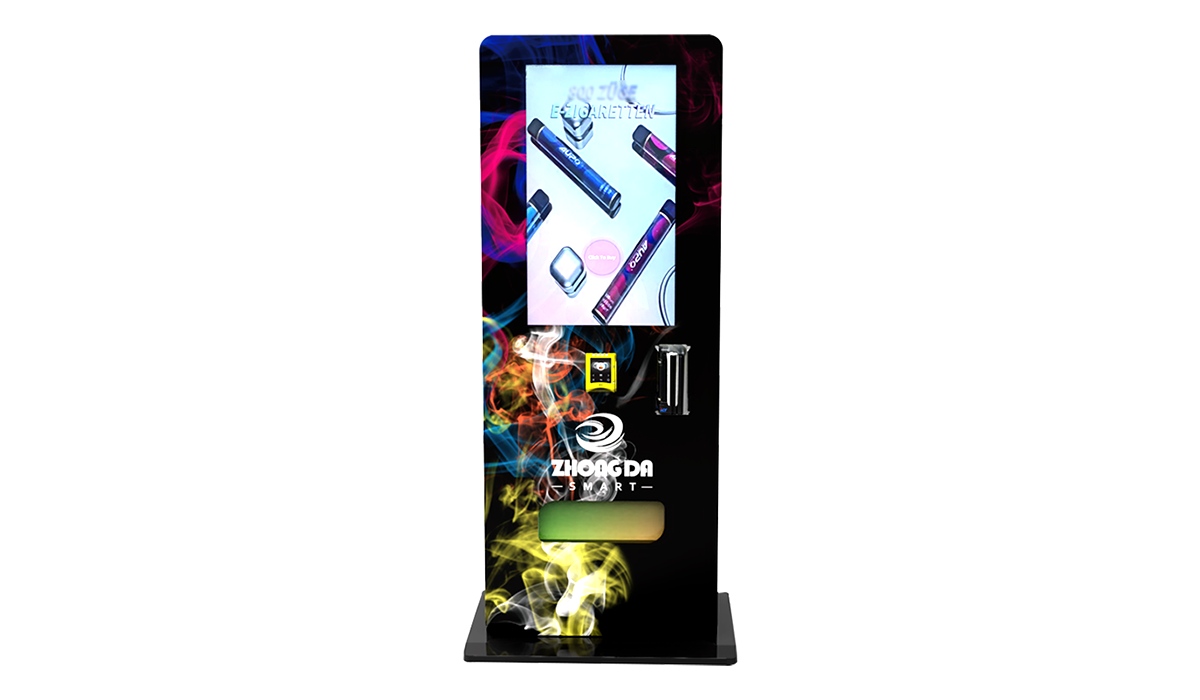
If you run a lounge, bar, or nightclub and you’re still walking customers through a glass case to sell vapes, you’re leaving money on the table. A vape vending machine for lounges isn’t just a convenience—it’s a profit center that runs 24/7 without needing a bartender to handle the transaction. Over the last decade, I’ve deployed hundreds of these units across the US and Europe, and the shift from counter sales to touchscreen self-service is the single biggest operational efficiency I’ve seen in the industry. This guide covers exactly what you need to know to buy, place, and profit from one.
Why a Touchscreen Self-Service Kiosk Works Better Than Counter Sales
I’ve watched lounge owners try every method to sell hardware and disposables. Some keep a locked cabinet behind the bar. Others rely on staff to hand-sell. Both methods create friction. The customer has to interrupt the bartender, wait for a key, and then decide under pressure. A smart vending machine eliminates that entirely.
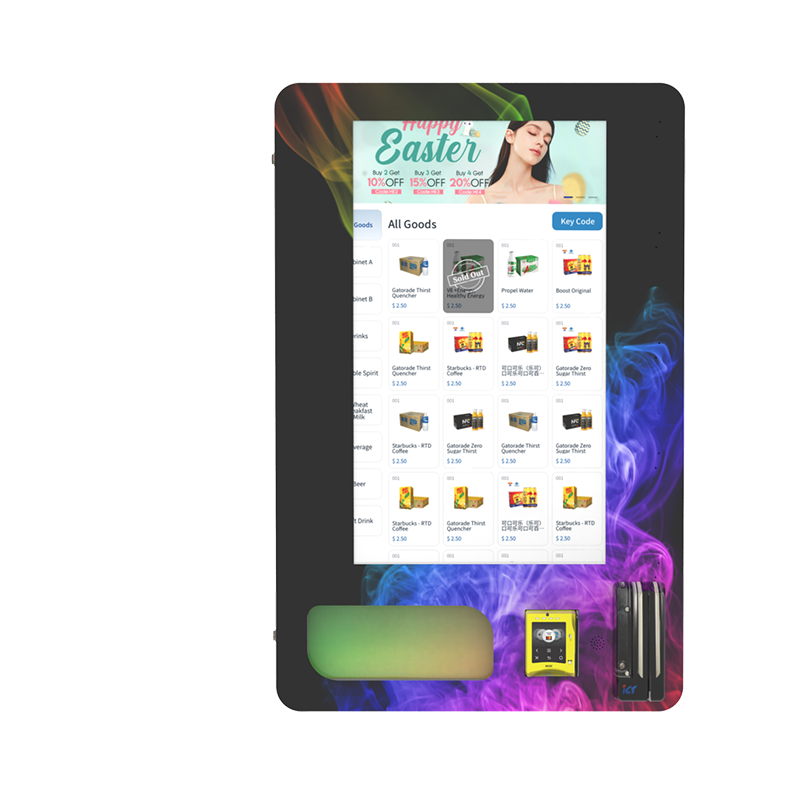
One of my clients in Austin replaced a counter display with a wall-mounted unit. Within three months, his vape sales jumped 40%. Why? Because the machine never gets distracted. It’s always available, the screen shows clear product images, and the customer can browse without feeling rushed. That’s the difference between a passive display and an active retail channel.
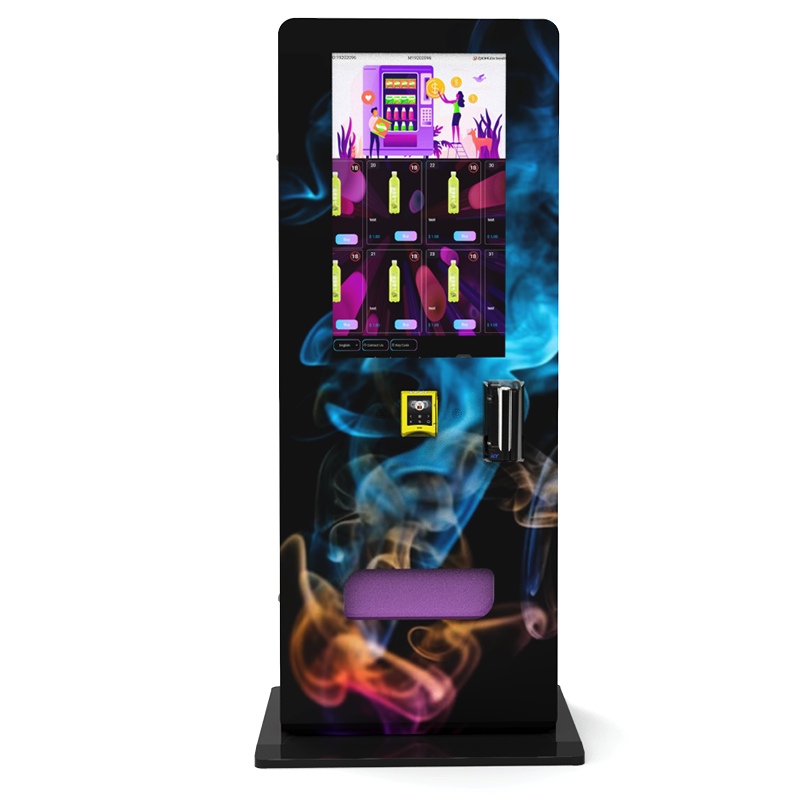
The touchscreen interface is critical. Older machines used mechanical buttons and small windows. Today’s units run on Android-based systems with high-resolution displays. Customers tap, select, pay with a card or phone, and the product drops. No cash handling. No mistakes. No lost sales because the bartender was busy pouring a drink.
What the Data Says About Self-Service Adoption
According to a 2023 report by IBISWorld, the vending machine industry in the US is growing at about 3.5% annually, but the subsegment of age-restricted vending is expanding faster because of the push for unattended retail. Another stat from a 2022 study by the CDC shows that over 2.5 million middle and high school students reported using e-cigarettes. That’s exactly why age verification isn’t optional—it’s the backbone of legal operation. Every machine I deploy uses ID scanning or biometric verification to stay compliant.
Hardware That Handles Real Abuse
I’ve seen machines die in three months because an operator bought the cheapest unit they could find. The screen cracked. The coil delivery system jammed. The payment terminal stopped reading cards. If you’re placing a vape vending machine for lounges, the build quality has to match the environment. Lounges have sticky floors, drunk customers, and occasional power surges.
At our factory, we build machines with industrial-grade steel enclosures and scratch-resistant touchscreens. The internal coils are tested for 50,000 cycles minimum. That’s not a marketing number—it’s the actual test pass we run before shipping. One machine we installed in a Miami club has been running for 18 months without a single service call. The owner told me he forgot it was there until he checked the monthly revenue report.
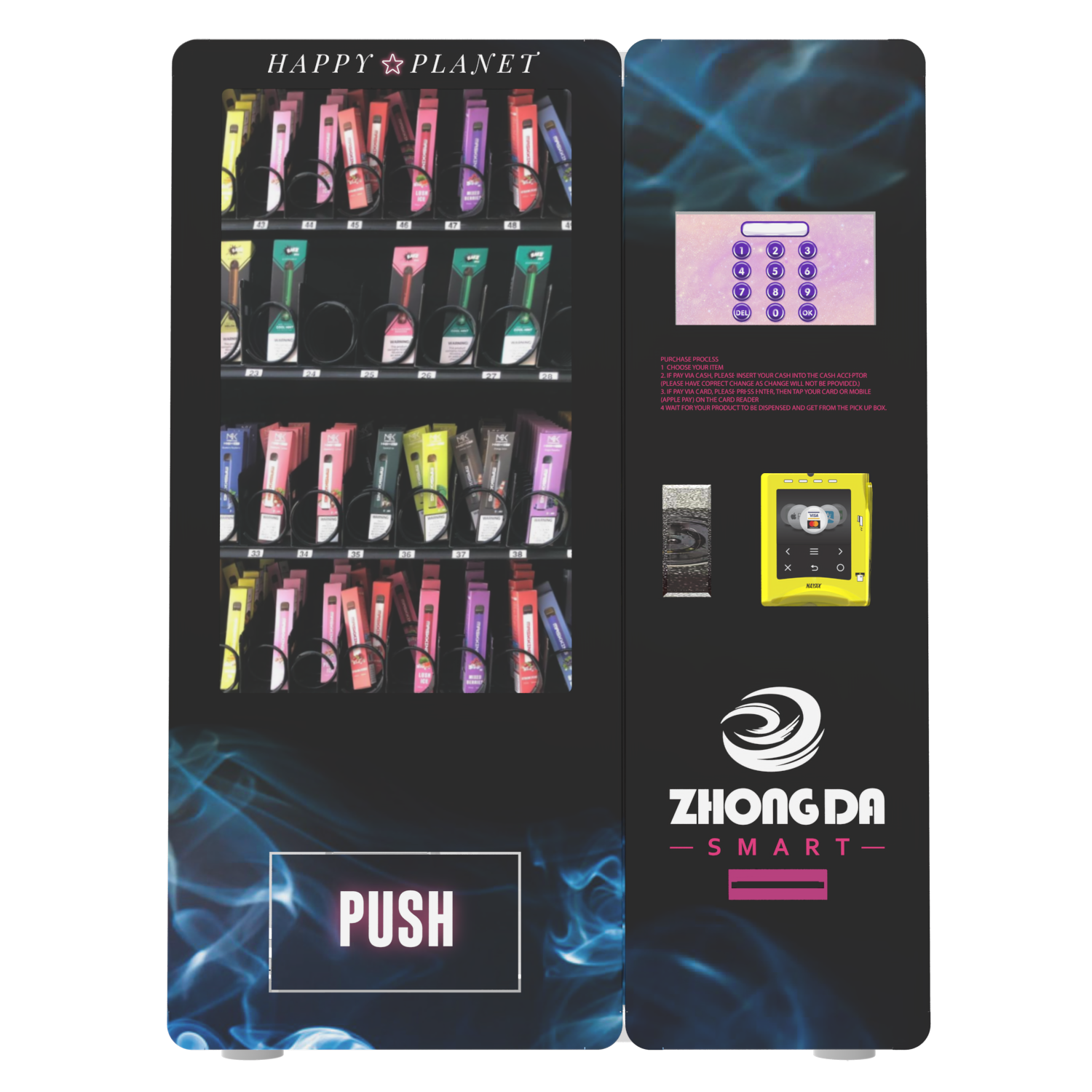
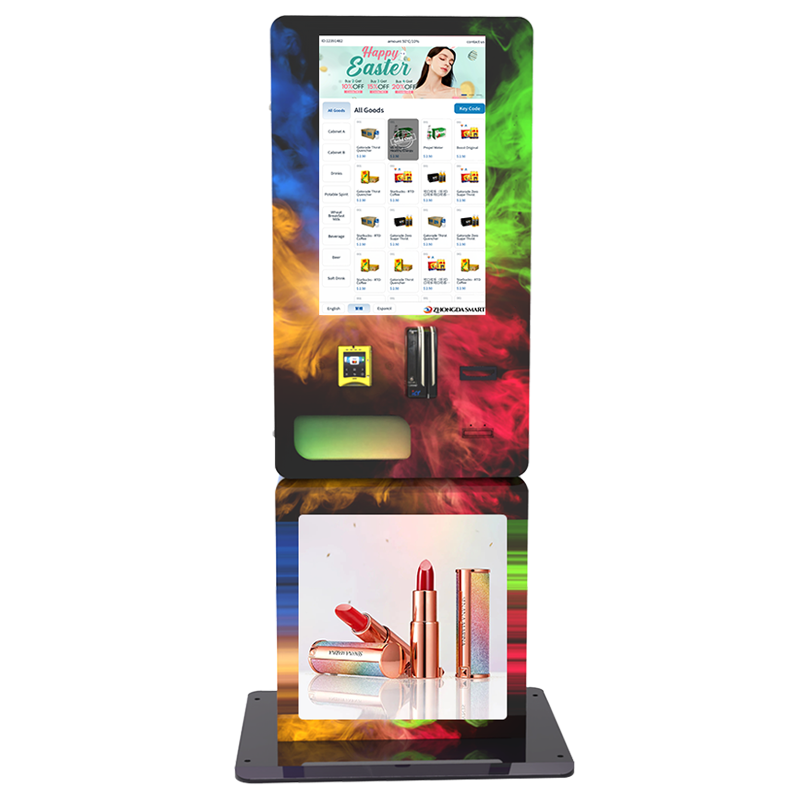
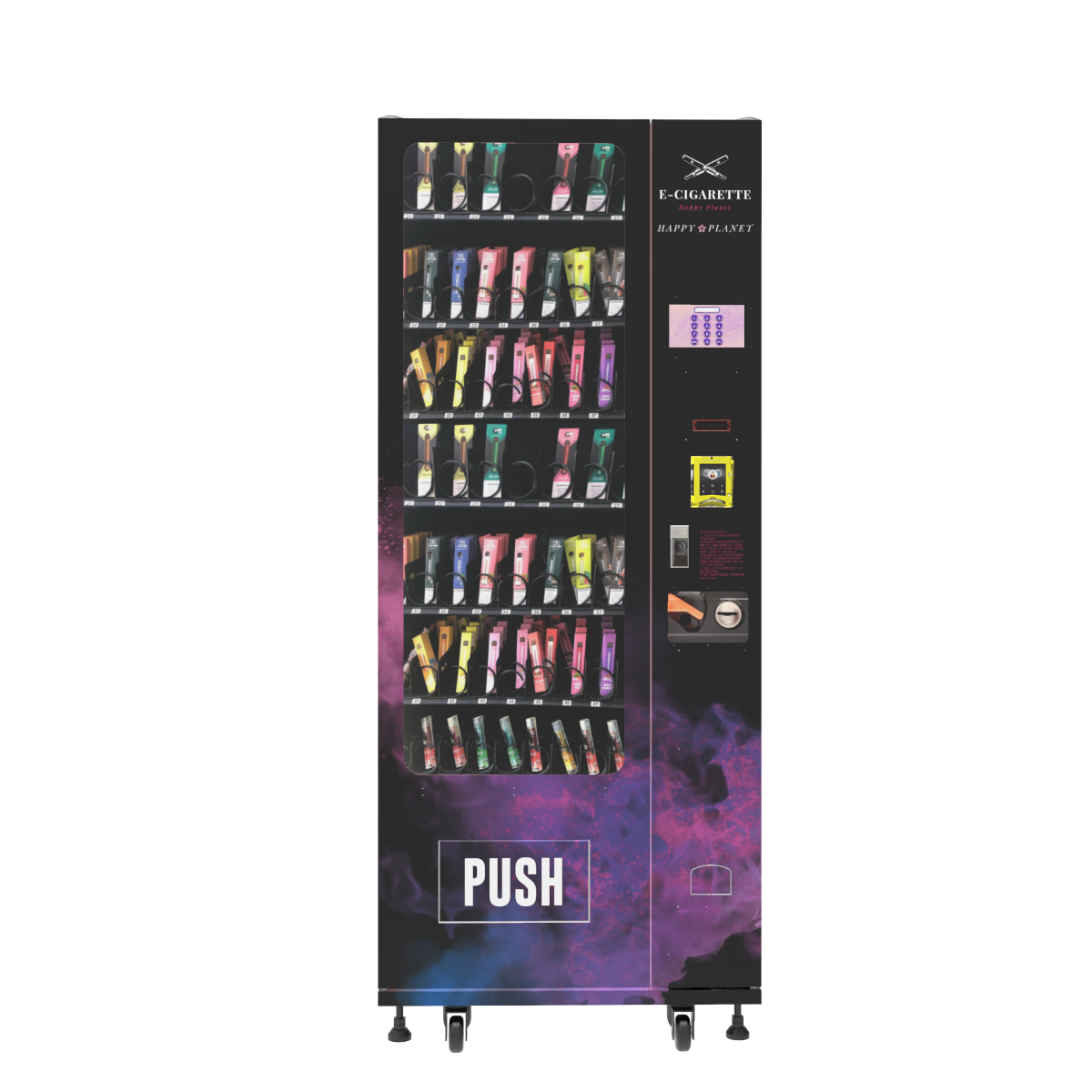
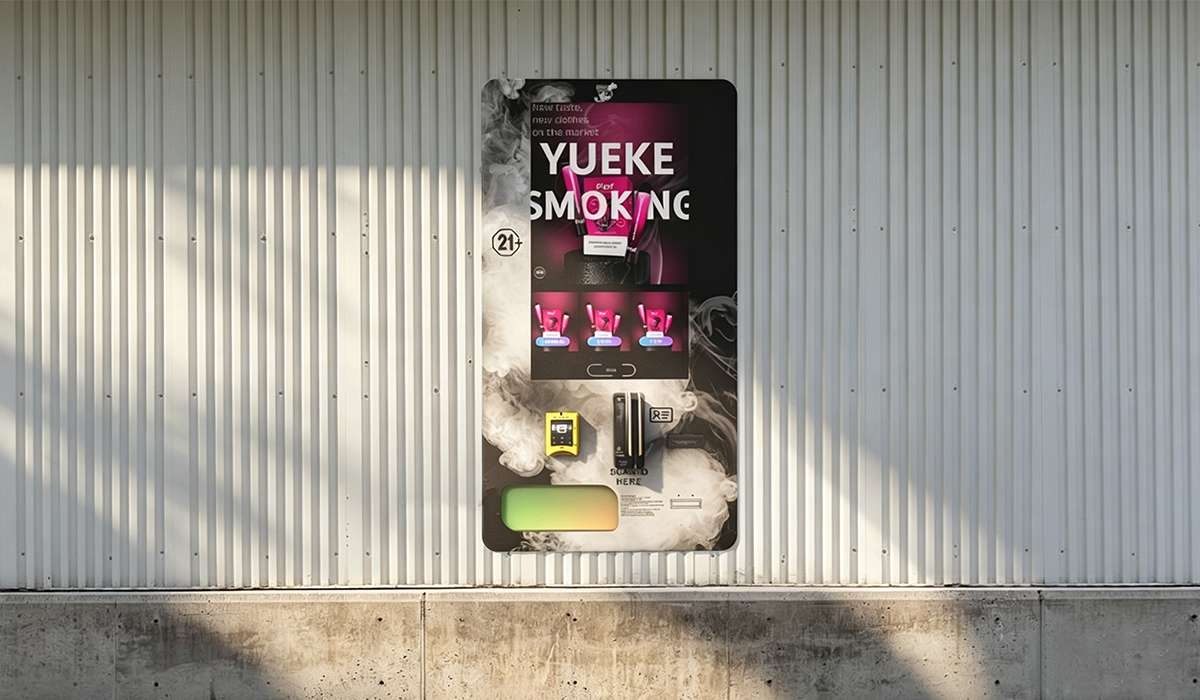
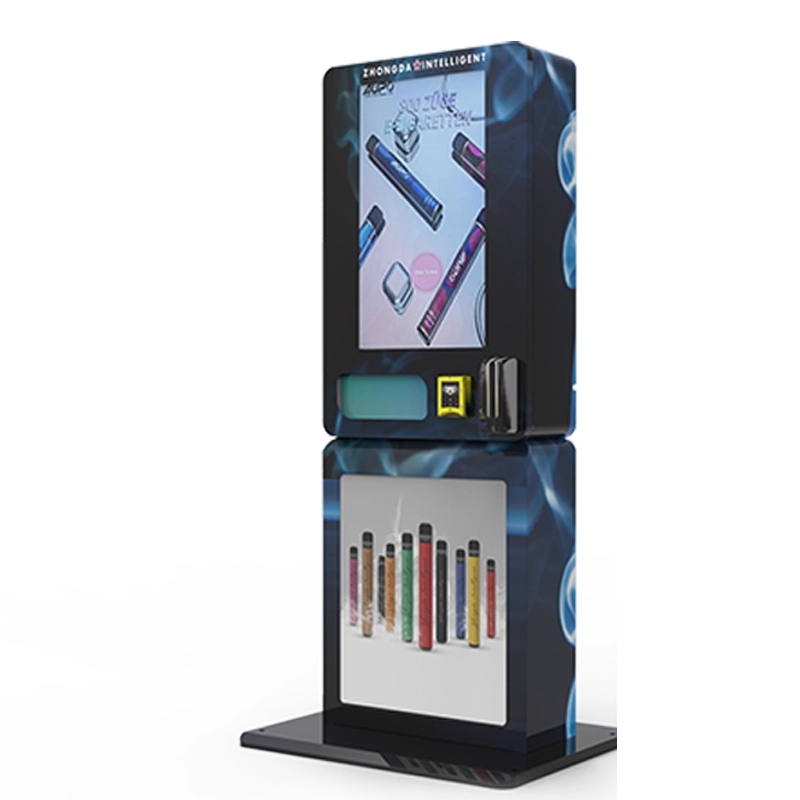
For lounges, I recommend a wall-mounted unit if floor space is tight. The wall-mounted compact e-cigarette vending machine fits against any wall and holds up to 84 units. If you have more traffic, a floor-standing model with higher capacity makes more sense. The key is matching the machine size to your average nightly footfall.
Payment and Connectivity That Don’t Fail
Nothing kills a sale faster than a payment terminal that times out. Every machine I spec uses a certified EMV reader with NFC support for Apple Pay and Google Pay. Cash acceptance is optional, but in my experience, 90% of lounge transactions are card or mobile. The machine should also have 4G LTE connectivity so you can monitor inventory and sales in real time. I’ve seen operators lose thousands because they didn’t know a coil was empty until a customer complained.
Cost Structure and What You Actually Pay
Let’s talk money. A decent vape vending machine for lounges costs between $3,800 and $7,200 depending on features. The lower end gets you a basic unit with a small screen and no age verification. The higher end includes ID scanning, a larger touchscreen, and higher capacity. I’ve seen operators try to save money by buying used machines from China that weren’t built for US compliance. They end up spending more on repairs and fines.
Here’s a breakdown of what a typical deployment costs:
| Item | Cost Range |
|---|---|
| Machine (new, compliant) | $3,800 – $7,200 |
| Shipping and installation | $300 – $600 |
| Payment processing setup | $0 – $200 |
| Initial inventory (100 units) | $800 – $1,500 |
| Monthly software/monitoring fee | $30 – $80 |
Total first-year investment lands around $5,000 to $9,500. That includes the machine, inventory, and setup. If you place it in a lounge with 200 nightly customers and a 10% conversion rate, you’re selling 20 units a night at an average $12 per sale. That’s $240 a night, or roughly $7,200 a month in gross revenue. Subtract product cost (about 40%) and the machine pays for itself in two to three months.
Profit Models That Actually Work
I’ve seen three main profit models for vending machines in lounges. The first is direct ownership: you buy the machine, stock it, and keep all the profit. This works best if you own the lounge or have a strong relationship with the owner. The second is a revenue split: you place the machine for free and give the lounge 20% to 30% of sales. This is common when you’re an operator placing machines in multiple locations. The third is a hybrid: the lounge buys the machine but you handle restocking and maintenance for a fee.
In my experience, the revenue split model scales fastest. I have 14 machines placed in lounges across Florida and Texas. Each one nets me about $1,200 a month after the split and product cost. That’s $16,800 a month from a network of machines that require about four hours of restocking per week. The lounges love it because they get passive income with zero upfront cost.
Inventory Selection That Maximizes Turns
Not all vapes sell the same. In lounges, disposable devices and pod systems move fastest. I stock 70% disposables (like Elf Bar and Geek Bar) and 30% pod systems (like Juul and Vuse). The average price point is $12 to $18. I avoid high-end mods because they sit on the shelf. One operator I know tried selling rebuildable tanks in a lounge. He sold three in six months. Stick to what people grab on impulse.
I also rotate flavors based on season. In summer, mint and fruit sell better. In winter, tobacco and dessert flavors pick up. The machine’s software lets me adjust pricing and inventory remotely. If a flavor isn’t moving, I drop the price by a dollar and it clears out in two days.
Age Verification That Keeps You Legal
This is the part that scares most operators. Selling vapes through a machine requires robust age verification. In the US, federal law under the Tobacco 21 Act requires a face-to-face sale or an equivalent electronic verification. That means your machine must scan a government-issued ID or use biometric verification before dispensing.
I only deploy machines with built-in ID scanners that read the barcode and verify the age in under three seconds. The ID scan vending machine we manufacture uses OCR technology to validate the license and cross-check against a database. If the ID is expired or fake, the transaction stops. We’ve had zero compliance issues across all our deployed units.
Some operators try to use manual override buttons or disable the scanner to speed up sales. That’s a fast way to lose your business license. I’ve seen two operators get shut down in California because they bypassed the age check. The fines were over $10,000 each. Don’t cut corners. A compliant machine is the only machine you should buy.
What Happens When the Scanner Fails
No system is perfect. Occasionally, a scanner won’t read a damaged ID or a customer’s license is from a state with a barcode format the machine doesn’t recognize. In those cases, the machine should have a fallback: a manual entry mode where the customer types their birth date and the system checks against a third-party database. Our machines use that as a secondary verification. It takes an extra 15 seconds, but it keeps the sale legal.
Real Failures I’ve Seen (And What They Cost)
I’ve been in this business long enough to collect a list of mistakes. One operator in Chicago bought a machine from a generic manufacturer that didn’t support US payment protocols. The card reader worked for two weeks, then stopped. He lost $4,000 in sales before he replaced the terminal. Another operator placed a machine in a lounge without checking the local fire code. The machine blocked an exit path, and the lounge was fined $2,500.
The most common failure is poor placement. I’ve seen machines shoved into dark corners where no one sees them. A vending machine needs visibility. It should be near the bar or the entrance, with good lighting. One of my clients moved his machine from a hallway to the end of the bar counter. Sales tripled in a week. The machine itself didn’t change—just the location.
Another failure is ignoring maintenance. Coils jam, screens get sticky, and software needs updates. I schedule a remote check every Monday morning. If a machine is offline, I know within an hour. One operator I know didn’t check his machine for two weeks. The coil had jammed on day three, and he lost 11 days of sales. That’s roughly $2,600 in missed revenue.
Long-Term Operations and Scaling
Once you have one machine running profitably, the temptation is to buy ten more. I’ve done that, and I’ve also watched it go wrong. Scaling requires a system. You need a reliable restocking route, a backup machine for when one goes down, and a relationship with a distributor who can ship inventory fast.
I keep a spreadsheet of every machine’s daily sales, stock levels, and maintenance history. After 18 months, I can predict exactly when a coil will fail based on cycle count. That kind of data lets me replace parts before they break. It’s the difference between a network that runs smoothly and one that bleeds money.
For operators looking to scale, I recommend starting with two machines in different lounges. Run them for six months. Learn the quirks of each location. Then expand. I’ve seen operators jump from one machine to twenty and collapse because they couldn’t manage the logistics. Slow growth wins in this business.
When to Replace vs. Upgrade
Technology changes fast. A machine from 2019 might not support the latest payment apps or age verification standards. I typically recommend a hardware refresh every four years. But sometimes an upgrade is enough. Swapping a smaller screen for a larger one or adding a biometric scanner can extend a machine’s life by two years. I’ve done that for several clients and saved them the cost of a full replacement.
If you’re buying new today, look for a machine with modular components. That way you can upgrade the payment terminal or the screen without replacing the entire unit. The compliant e-cigarette vending machine we build is fully modular. The main board, screen, and scanner can all be swapped in under 30 minutes.
Comparing Machines: What to Look For
Not all machines are built the same. Here’s a comparison of the key specs I look at when evaluating a unit for lounge use:
| Feature | Basic Unit | Mid-Range Unit | Premium Unit |
|---|---|---|---|
| Screen size | 7-inch | 10-inch | 15-inch |
| Capacity | 40 units | 84 units | 150 units |
| Age verification | None or basic | ID scanner | ID + biometric |
| Payment options | Cash only | Card + NFC | Card + NFC + crypto |
| Connectivity | None | WiFi | 4G LTE + WiFi |
| Warranty | 6 months | 1 year | 2 years |
For a lounge, I’d never go below the mid-range. The basic unit lacks age verification, which is a legal risk, and the capacity is too low for any real traffic. The premium unit is overkill for most lounges unless you’re placing it in a high-volume club. The sweet spot is a mid-range machine with ID scanning and 4G connectivity.
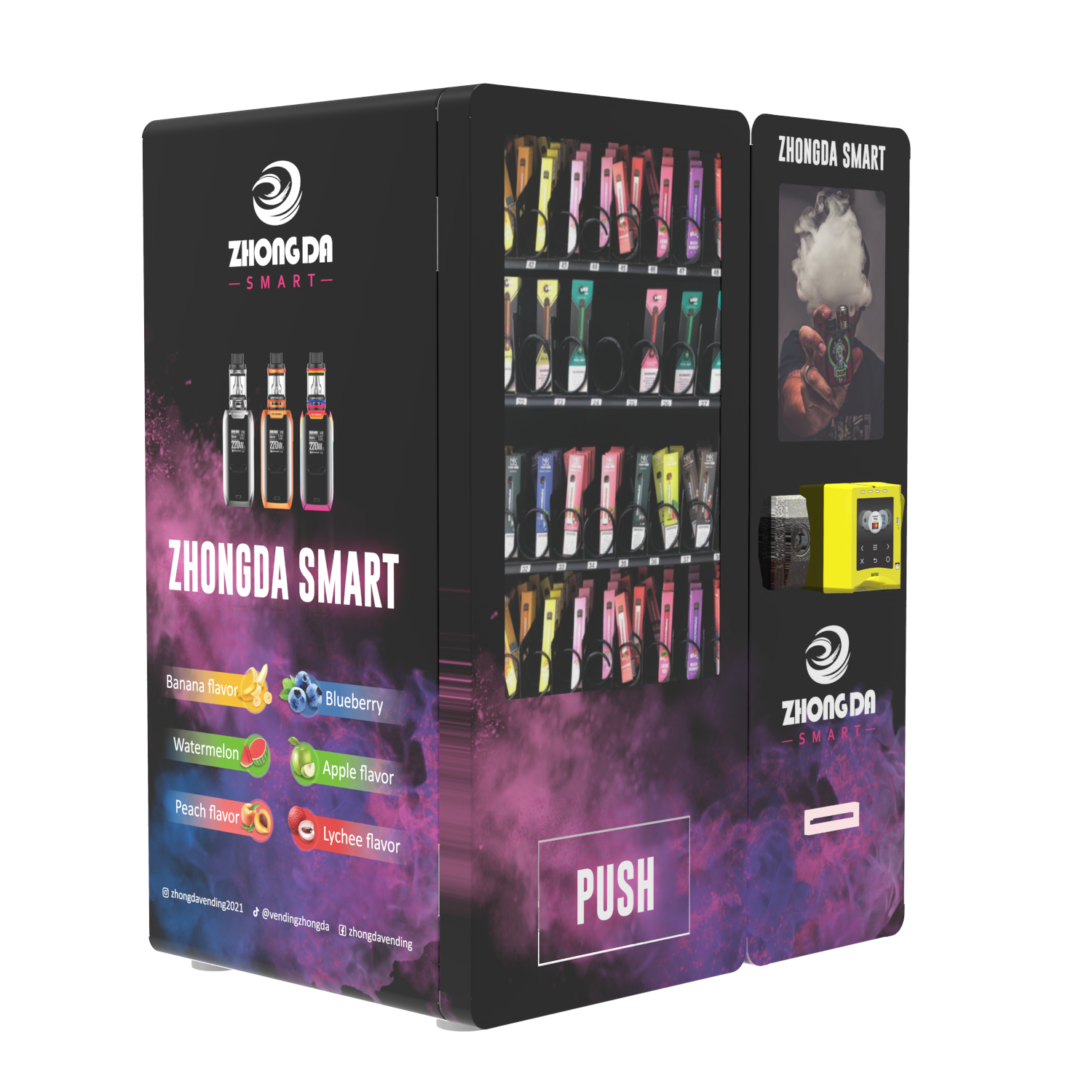
One machine I often recommend is the age verification vending machine from our line. It hits the mid-range specs, supports all major payment types, and has a rugged enclosure that handles the abuse of a busy lounge. I’ve installed over 40 of these in the last two years, and the failure rate is under 2%.
Frequently Asked Questions
How much can I make from a vape vending machine in a lounge?
Gross revenue typically ranges from $4,000 to $8,000 per month depending on foot traffic and pricing. After product cost and location split, net profit is usually $2,000 to $4,000 per machine per month.
Do I need a special license to operate a vape vending machine?
Yes. Most states require a tobacco retailer license for each machine location. You also need to register with the FDA if you’re selling in the US. The machine itself must have age verification.
Can I use a regular vending machine for vapes?
No. Standard vending machines don’t have age verification, and they’re not designed for the small form factor of vape products. You need a dedicated unit with ID scanning or biometric verification.
How often do I need to restock the machine?
In a busy lounge, restocking every 5 to 7 days is typical. Machines with remote monitoring let you check inventory levels so you only go when needed. I restock 14 machines in about four hours once a week.
What happens if the machine breaks down?
Most issues can be diagnosed remotely. Common failures are jammed coils or payment terminal errors. A good manufacturer offers phone support and ships replacement parts overnight. I keep a spare machine for high-volume locations so I can swap it out in 30 minutes.
Final Thoughts From the Factory Floor
I’ve spent 15 years building and deploying vending machines. I’ve seen the market shift from cigarettes to vapes, from cash to card, from mechanical to touchscreen. The one constant is that operators who treat the machine as a business asset—not a novelty—are the ones who succeed. They track the numbers, maintain the hardware, and choose locations carefully.
If you’re serious about putting a vape vending machine for lounges in your venue, buy from a manufacturer that understands compliance and durability. Don’t chase the lowest price. Chase the lowest total cost of ownership over three years. That’s where the real savings are.
For more on technical specs and pricing, visit the vape vending machines page on our site. If you want to see how other operators have deployed machines in lounges, check out the case study section for real-world examples.
Sources:
IBISWorld – Vending Machine Operators Industry Report