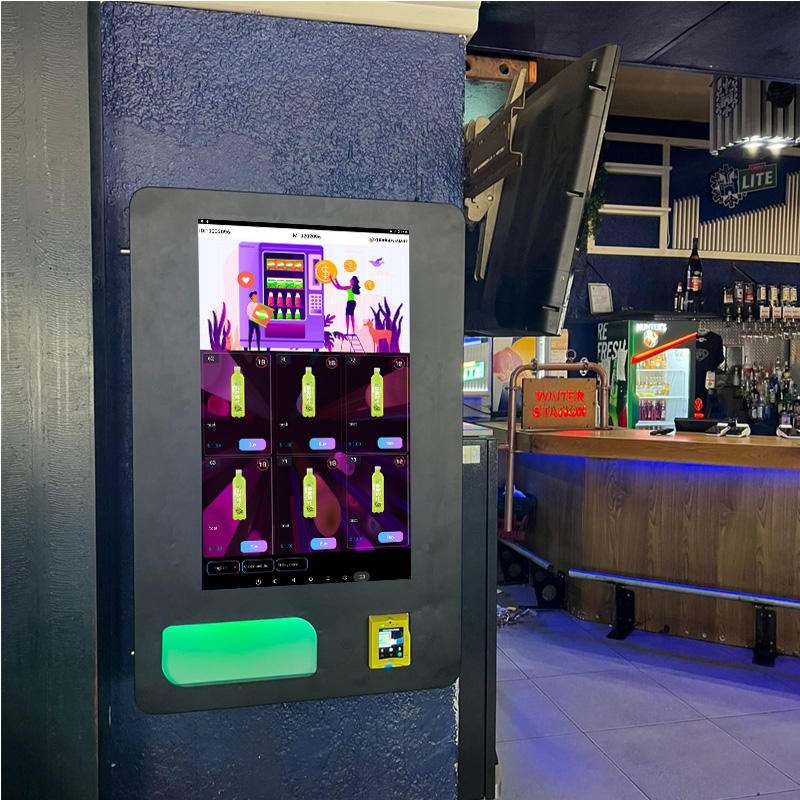
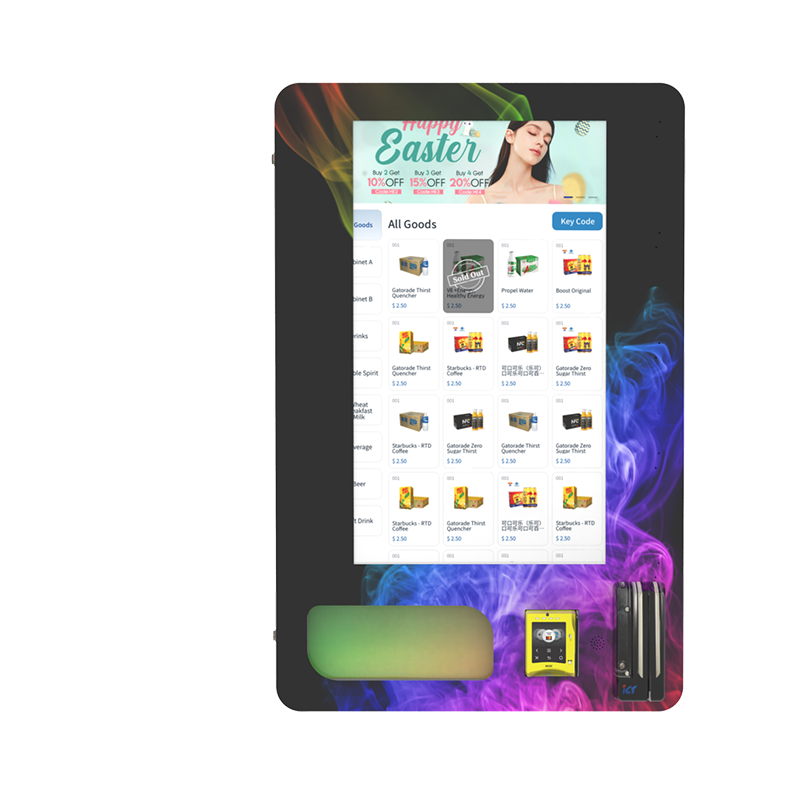
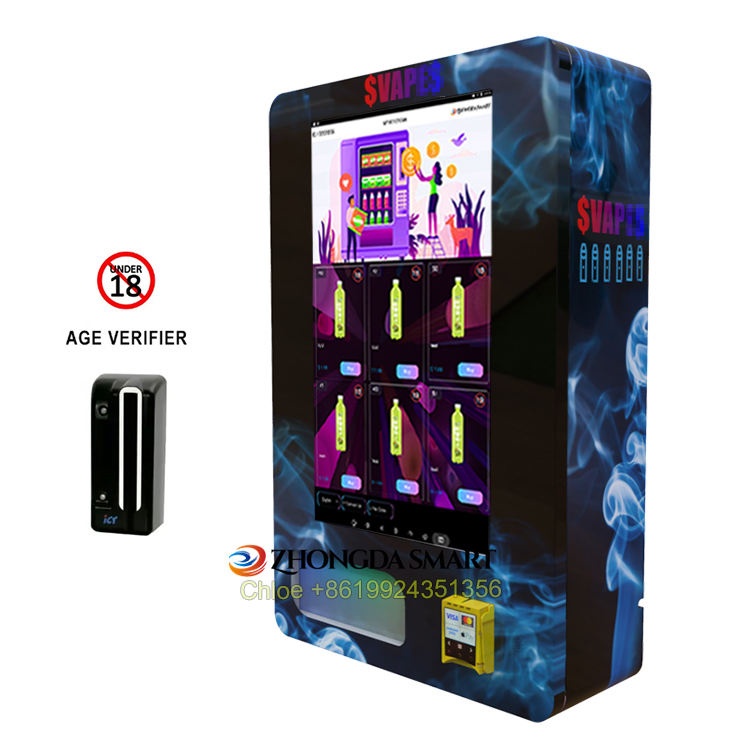
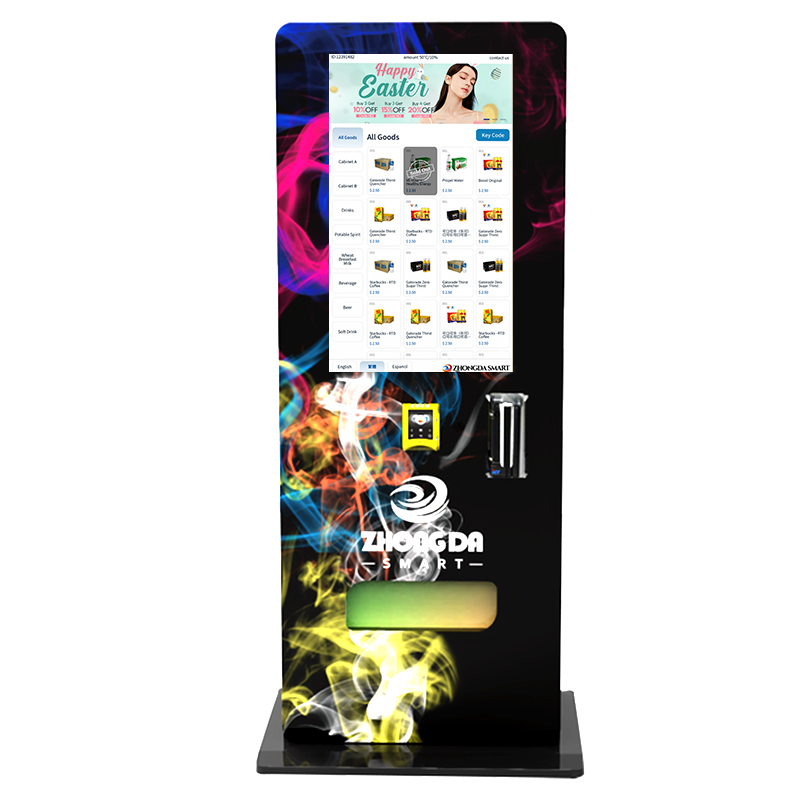
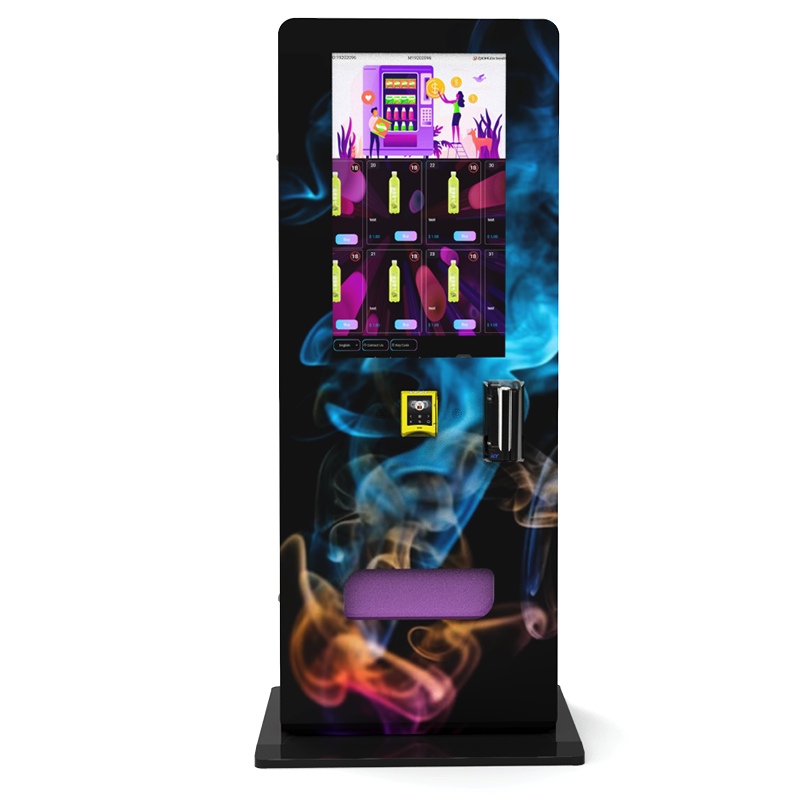
If you’re looking at placing a vape vending machine in a bar, a cannabis shop, or a convenience store, the first question that always comes up is whether you need to check IDs. The short answer is yes—every serious operator in this space requires ID verification. But the real story is more layered than a yes or no. Over the past decade, I’ve deployed hundreds of these machines across different territories, and I’ve seen what happens when you skip the age check. Spoiler: it ends with fines, confiscated equipment, or worse. This guide breaks down exactly how ID verification works in modern vending, what the law expects, and how to choose a setup that keeps you compliant without killing your profit margins.
Why ID Verification Isn’t Optional Anymore
Back in the early 2010s, you could still find cigarette machines in the corner of a dive bar that ran on quarters and a simple push-button mechanism. No questions asked. Those days are gone—especially for nicotine products. The shift started with the FDA’s Deeming Rule in 2016, which brought e-cigarettes under the same federal restrictions as traditional tobacco. That meant any sale of vapor products through a machine had to be face-to-face or, if unattended, had to include a robust age-verification system.
What most people don’t realize is that the legal requirement isn’t just about scanning a driver’s license. It’s about ensuring that the person standing in front of the machine is the same person on the ID, and that they’re over 21. A basic barcode scanner won’t cut it anymore. You need a system that validates the ID’s authenticity, checks the expiration date, and sometimes even compares a live photo or biometric against the ID image.
From a business perspective, skipping ID verification is a fast track to losing your location. I’ve worked with bar owners who thought they could get away with a simple “Are you 21?” button on the touchscreen. Within three months, local enforcement ran a sting operation, and that machine was gone. Worse, the bar faced a fine that wiped out six months of vending profit. So when someone asks me, “Do vape vending machines require ID verification?” I don’t just say yes—I say that your entire business model depends on it.
How Age Verification Actually Works Inside the Machine
There’s a lot of confusion about what “ID verification” means in the context of a vending machine. Some operators think it’s just a camera that records the transaction. Others assume a simple swipe of a card is enough. Here’s the reality: a compliant age-verification vending machine uses a multi-step process.
ID Scanning and Parsing
When a customer approaches the machine, they’re prompted to insert their driver’s license or state ID into a scanner. The machine’s software immediately reads the barcode or magnetic stripe, pulling data like date of birth, expiration date, and the unique ID number. But scanning alone isn’t enough. The machine needs to parse that data against a database of known ID formats. For example, a California driver’s license has a specific layout and security features that differ from a Texas ID. If the data doesn’t match the expected format, the transaction is rejected.
Age Calculation and Cutoff
Once the birthdate is captured, the system calculates the customer’s age in real time. If they’re under 21, the machine locks the transaction immediately. No override, no bypass. Some machines also have a “gray zone” feature where they flag IDs that expire within 30 days, forcing the customer to use a different form of identification.
Liveness Check and Photo Comparison
This is where the technology gets serious. The machine has a built-in camera that takes a live photo of the customer at the point of sale. That photo is compared—either by an automated algorithm or by a remote human operator—against the photo on the ID. If the faces don’t match, the sale is denied. This prevents someone from using a friend’s or sibling’s ID. I’ve seen this feature catch more than a few underage attempts, especially in college towns.
Third-Party Verification Services
Many modern machines don’t just rely on local software. They connect to third-party age-verification services that cross-reference the ID data with public records, credit bureau data, or even social security number traces. This adds another layer of security, especially for out-of-state IDs that the machine’s local database might not recognize. These services usually charge a small fee per transaction, typically between $0.10 and $0.25, but they drastically reduce your liability.
Legal Landscape: What the Regulators Actually Look For
I’ve sat through more compliance meetings than I can count, and I’ve learned that regulators don’t care about your intentions. They care about what your machine can prove after the fact. If an inspector shows up and asks to see the transaction log from last Tuesday, your machine better have a clear record showing that every single sale included a verified ID scan, a matched photo, and a successful age check.
The legal requirements vary depending on where you’re operating, but there are common threads across most states and local jurisdictions. First, the machine must be located in a place that minors cannot access without supervision. That usually means a bar, a locked lounge, or a section of a store that’s restricted to adults only. Second, the machine must have a mechanism to prevent the sale if the ID is expired, fake, or indicates the customer is underage. Third, the machine must keep a digital log of every transaction, including a timestamp, the ID data, and the verification result, for at least two years.
One thing that surprises new operators is that some states require the machine to be connected to a live monitoring system. That means a remote operator reviews every single transaction in real time before the product is dispensed. This is common in states like California and New York, where enforcement is aggressive. If you’re placing a machine in a high-risk area, you should expect this requirement.
For more detail on how these regulations apply to specific models, you can check the compliance features on the compliant e-cigarette vending machine page.
Cost Breakdown: What You’re Really Paying For
When operators ask me about the cost of a vape vending machine, they’re usually surprised that the price isn’t just for the hardware. The biggest expense is the verification system. A basic machine without age verification might cost $3,000 to $5,000. But a machine with a built-in ID scanner, camera, and third-party verification software can run between $6,000 and $12,000, depending on the features.
Here’s a rough breakdown of what you’re paying for:
- Hardware: The cabinet, cooling system, payment terminal, and touchscreen. This is the bulk of the cost, usually 50% to 60% of the total.
- ID Scanner Module: A high-quality scanner that can read both barcodes and magnetic stripes. This adds $500 to $1,200.
- Camera System: For liveness checks and photo comparison. Expect to pay $300 to $800.
- Software License: The age-verification software that runs on the machine. Some manufacturers charge a one-time fee, while others charge a monthly subscription of $50 to $150.
- Third-Party Verification Fees: As mentioned, $0.10 to $0.25 per transaction. If you’re doing 100 transactions a day, that’s $10 to $25 per day, or $300 to $750 per month.
I’ve seen operators try to cut corners by buying a used machine without verification and retrofitting it with a cheap scanner. That almost never works. The software integration is too complex, and you end up with a system that fails compliance checks. If you’re serious about this business, buy a machine that’s designed for age verification from the start. The age verification vending machine from Zhongda Smart, for example, comes with the scanner and camera pre-integrated, which saves you the headache of retrofitting.
Profit Model: Can You Make Money With a Verified Machine?
I get this question constantly: “Does adding ID verification kill my profit?” The answer is no, but it changes your profit structure. You’re not going to sell as many units as an unverified machine would, but you’re also not going to get shut down. The key is to focus on high-margin products and high-traffic locations.
Let me give you a real example from a deployment I managed in a busy nightclub district. We placed a machine that sold disposable vapes and nicotine pouches. The average transaction was $18, and the cost of goods was about $8, leaving a gross profit of $10 per sale. After deducting the third-party verification fee ($0.15), the location commission (20% of gross revenue), and the electricity cost, we were netting about $6.50 per transaction. The machine averaged 40 transactions per night on weekends and 15 on weekdays. That’s roughly $1,200 per week in net profit, or about $62,000 per year. The machine paid for itself in four months.
But that only works if you’re in a location with high foot traffic and an adult-only crowd. If you put the same machine in a laundromat or a family restaurant, you’ll struggle. The verification step adds friction, and customers who are in a hurry might walk away. That’s why location selection is critical. I always tell operators to look for places where people are already expecting to show ID—bars, nightclubs, cannabis dispensaries, and adult entertainment venues.
For a deeper look at potential locations, the case study on vape vending machines for bars, clubs, and lounges offers specific insights on what worked and what didn’t.
Comparing Verification Methods: Which One Is Right for You?
Not all ID verification systems are created equal. Over the years, I’ve tested several approaches, and each has its trade-offs. Here’s a comparison table based on my direct experience:
| Method | Accuracy | Speed | Cost per Transaction | Best For |
|---|---|---|---|---|
| Barcode Scanner Only | Low | Fast | $0.00 | Low-risk, low-volume locations (not recommended) |
| ID Scanner + Local Database | Medium | Moderate | $0.00 | Small bars with regular customers |
| ID Scanner + Liveness Check | High | Moderate | $0.10 – $0.15 | Nightclubs, high-traffic venues |
| ID Scanner + Third-Party Service | Very High | Slow (5-10 seconds) | $0.15 – $0.25 | States with strict enforcement, high-risk areas |
| Biometric (Fingerprint or Face ID) | Very High | Fast | $0.00 (hardware cost) | Membership-based venues, employee-only areas |
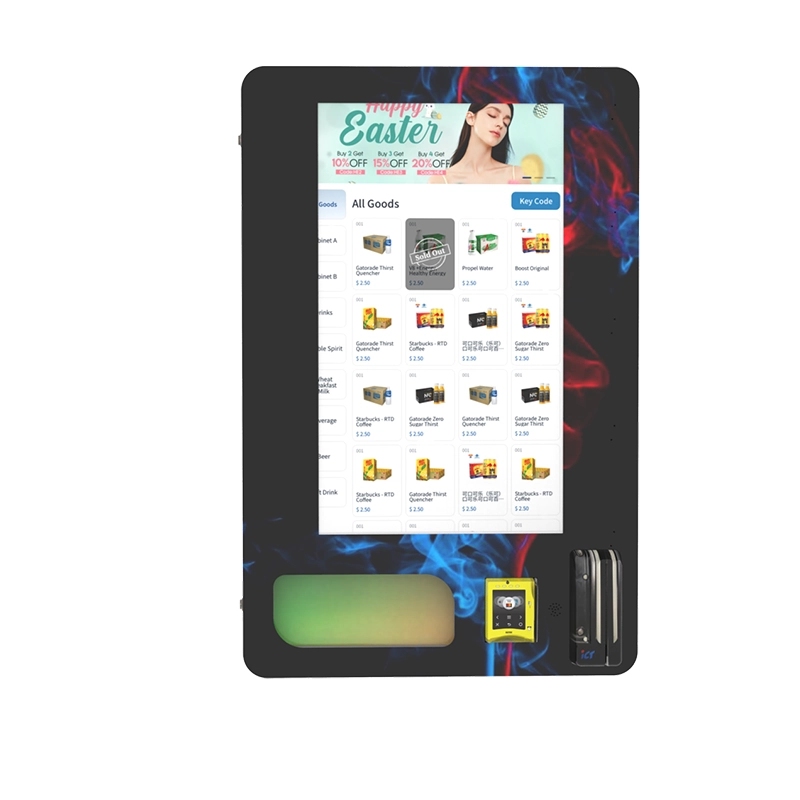
From my experience, the sweet spot for most operators is the combination of an ID scanner with a liveness check. It’s fast enough that customers don’t get frustrated, and it’s accurate enough to pass most compliance audits. If you’re operating in a state like California or Florida, I’d recommend adding the third-party service for extra protection.
Real-World Failures: What I Learned the Hard Way
I’ve made plenty of mistakes in this business, and I’ll share a couple that I think are instructive. Early on, I deployed a machine in a college town without a liveness check. The machine scanned IDs and checked the birthdate, but it didn’t compare the photo. Within a week, a group of underage students figured out that they could use a fake ID with a friend’s photo. They bought $300 worth of product before the machine’s transaction log caught the pattern. By then, the local police had already been tipped off, and I had to pull the machine and pay a $2,000 fine.
Another failure was in a location that had poor cellular connectivity. The machine relied on a third-party verification service that needed a constant internet connection. Every time the network dropped, the machine would lock up and refuse to sell anything. That location lost about $800 in potential sales over two weeks before I figured out the issue. I ended up switching to a machine with a local database fallback, so even if the internet went down, the machine could still verify IDs using the built-in data.
These experiences taught me that reliability is just as important as compliance. A machine that’s always going down for verification errors will kill your relationship with the location owner. That’s why I now recommend machines that have a redundant verification system—one that can work offline if needed. The ID scan vending machine from Zhongda Smart has this dual-mode capability, which has saved me in more than a few remote locations.
Maintenance and Long-Term Operation
Once your machine is deployed, the work isn’t over. ID verification systems require regular updates. The database of valid ID formats changes as states redesign their licenses. The third-party verification services update their algorithms. If you ignore these updates, your machine will start rejecting valid IDs or, worse, accepting fake ones.
I recommend a maintenance schedule where you check the software updates every month. Most modern machines can do this automatically over Wi-Fi, but you should still verify that the updates are being applied. Also, clean the scanner lens and camera every week. Dust and smudges can cause false rejections, which frustrates customers and costs you sales.
Another aspect that operators overlook is the transaction log. You need to store these logs securely, ideally in the cloud, for at least two years. If a regulator asks for them, you need to be able to produce them within 24 hours. I’ve seen operators lose their licenses simply because they couldn’t produce the logs in time. Set up an automated backup system from day one.
Choosing the Right Manufacturer
Not every vending machine manufacturer understands the nuances of age verification. I’ve worked with a dozen different factories over the years, and the ones that stand out are the ones that treat verification as a core feature, not an add-on. Zhongda Smart, for example, has been manufacturing these machines for over 15 years, and they’ve integrated age verification into the hardware and software from the ground up. Their machines are built with the scanner, camera, and local database pre-configured, which reduces the risk of integration errors.
When you’re evaluating a manufacturer, ask them these three questions:
- Does your machine support offline ID verification?
- Can your machine connect to third-party verification services?
- Do you provide software updates for at least three years?
If the answer to any of these is no, keep looking. You’re going to be relying on this machine for years, and the last thing you want is to be stuck with obsolete hardware when the regulations change.
Frequently Asked Questions
Do vape vending machines require ID verification in all states?
Can I use a simple barcode scanner for age verification?
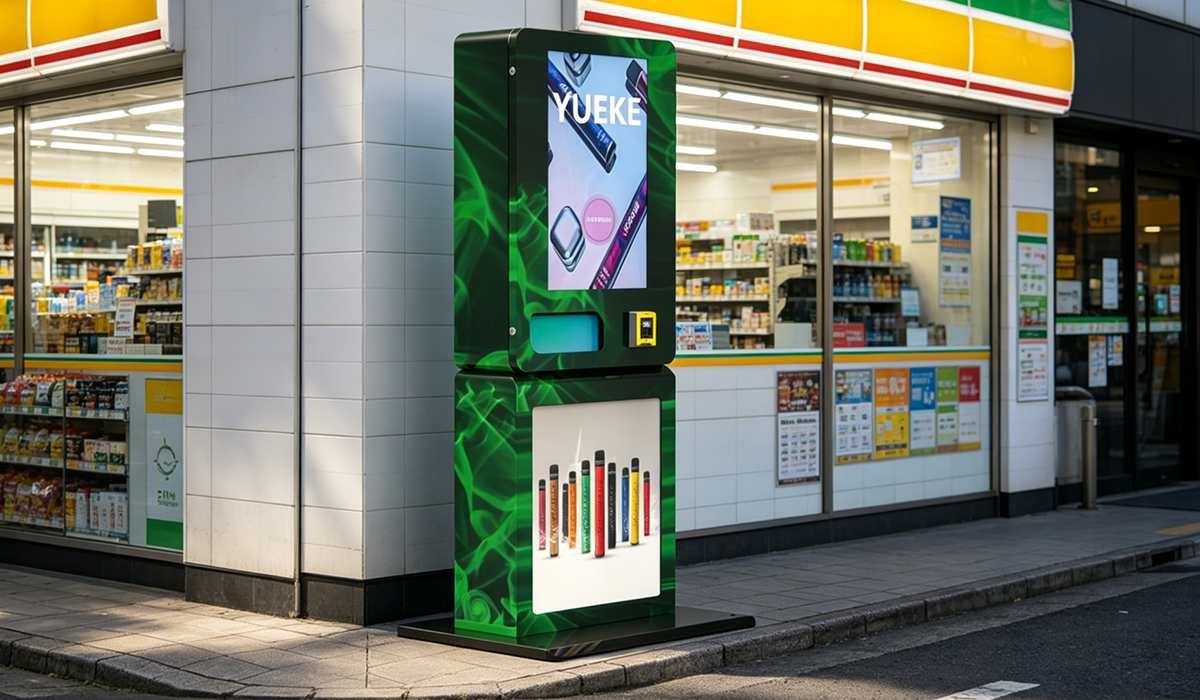
How much does a vape vending machine with ID verification cost?
What happens if the ID scanner fails during a transaction?
Do I need a special license to operate a vape vending machine?
Final Thoughts on ID Verification and Your Business
Running a vape vending machine business is not a passive income scheme. It’s a regulated industry that demands attention to detail, especially when it comes to age verification. The machines that succeed are the ones that treat compliance as a feature, not a burden. If you invest in a quality machine with robust ID verification, you’ll build a business that can withstand regulatory scrutiny and generate consistent revenue for years.
I’ve seen the market evolve from unregulated cigarette machines to the sophisticated smart vending machines we have today. The trend is clear: verification requirements will only get stricter. If you’re just starting out, do it right the first time. Buy a machine that’s built for compliance, place it in a location with an adult-only audience, and keep your transaction logs organized. That’s the formula that’s worked for me, and it’s the same advice I give to every operator I mentor.
Sources: