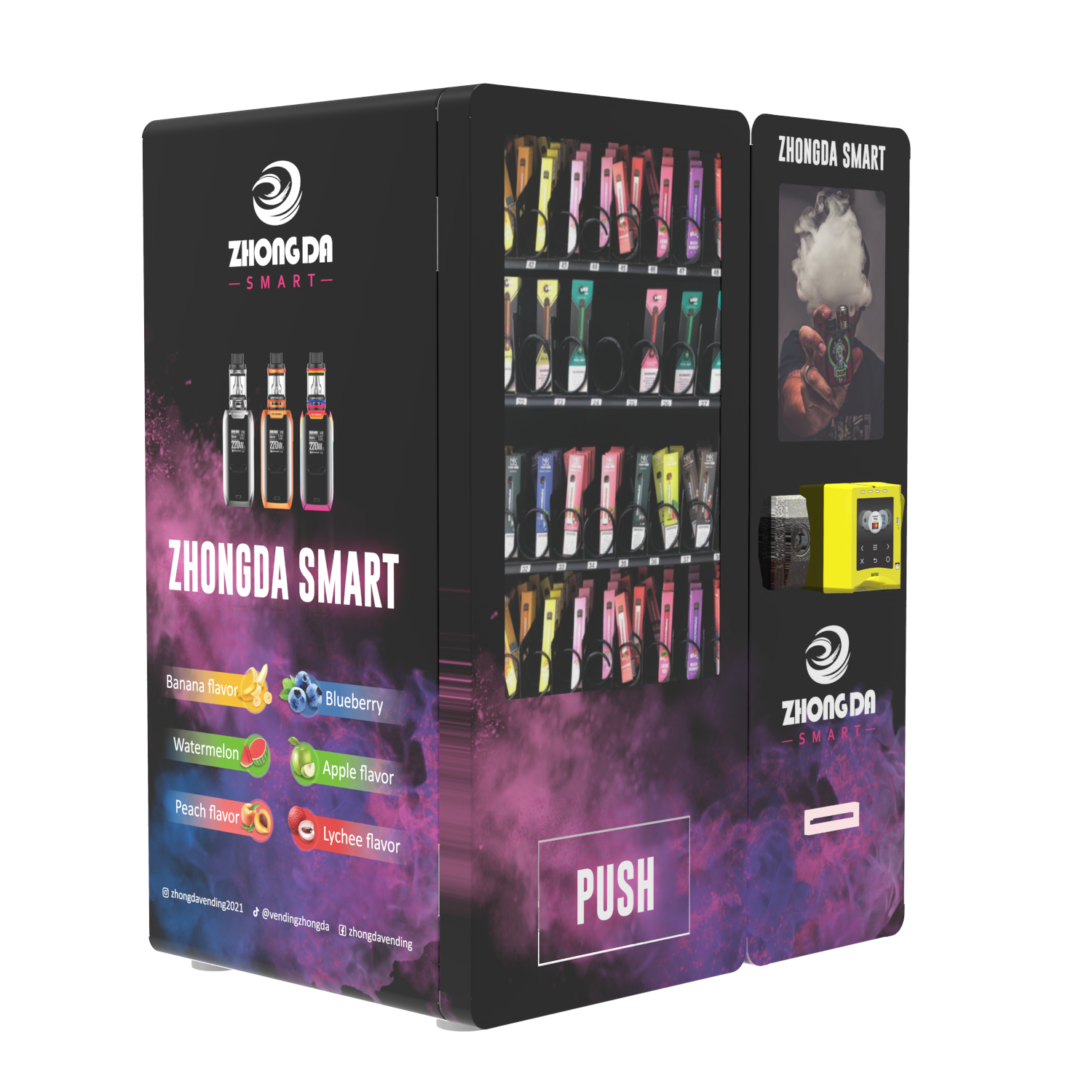
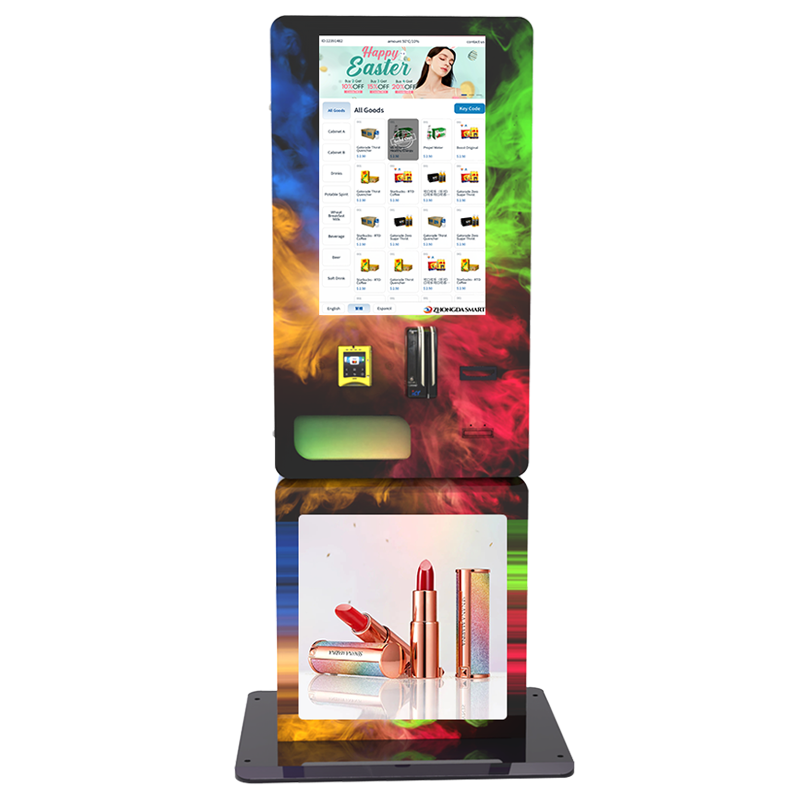
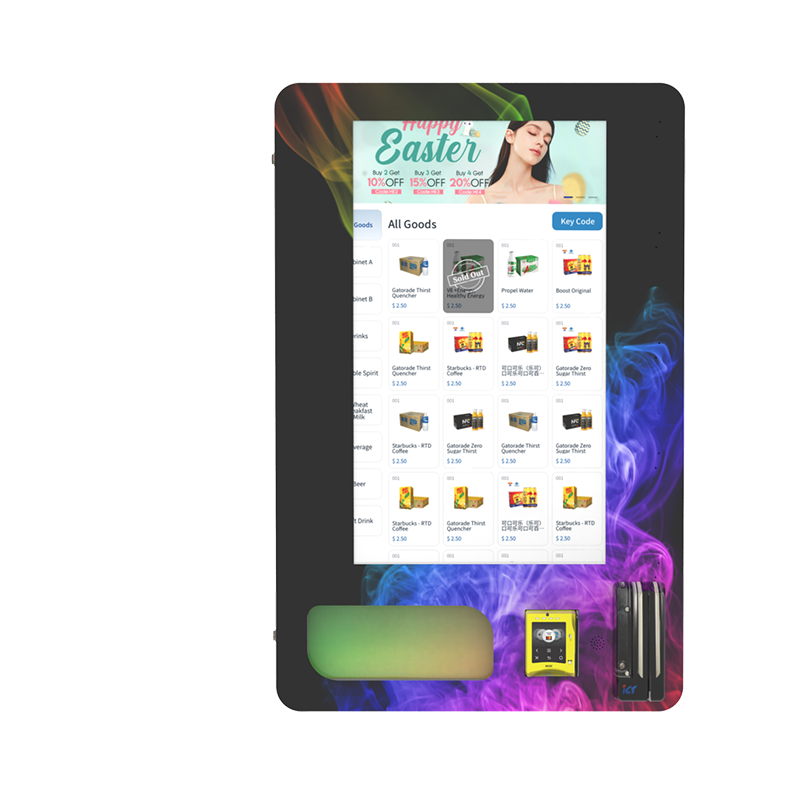
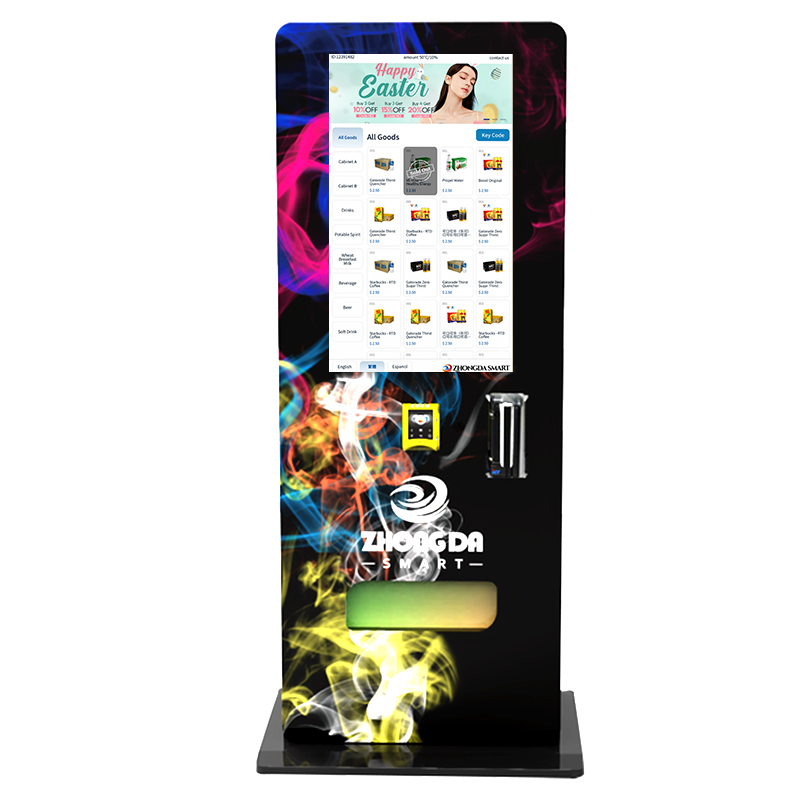
After a decade of placing vape vending machines across the US market, I can tell you the single biggest shift happened when states started enforcing strict age verification laws. The old cash-only, honor-system units are gone. What works today—and what we build at our factory—is a smart vending machine that scans a valid ID before it even shows the product selection. If you are looking at the vape vending machine USA landscape for 2025, the only machines worth your time are those with integrated age verification, telemetry for inventory tracking, and compliance software that updates with local regulations. Everything else is a liability.
How the Modern Age-Verified Machine Actually Works
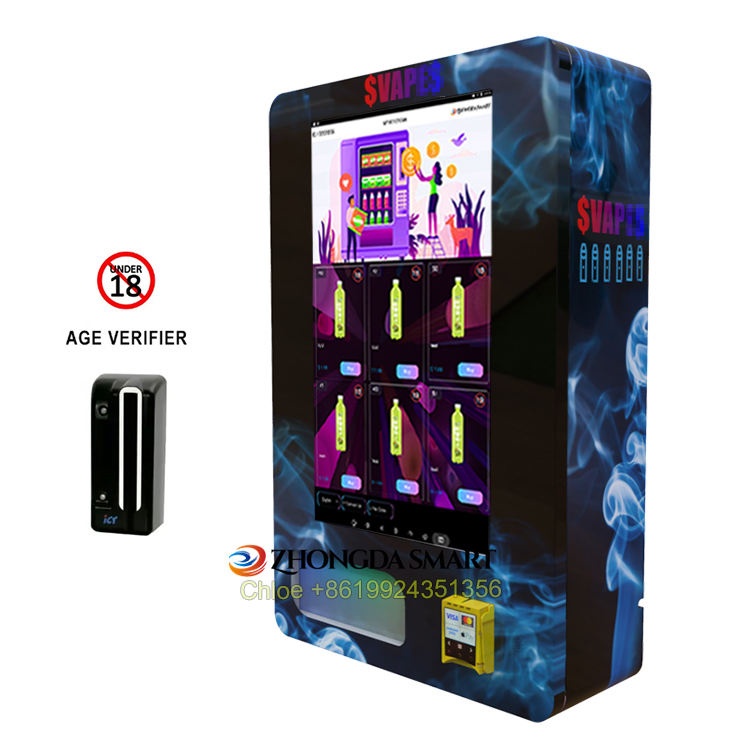
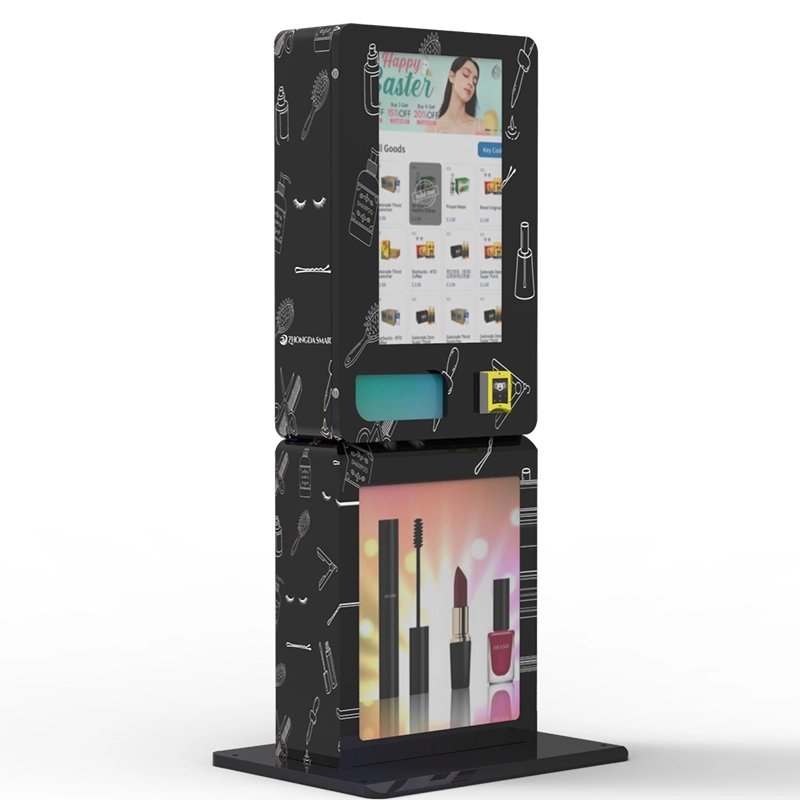
Let me walk you through the exact transaction flow because this is where most operators get confused. A customer walks up to a self-service kiosk. They tap the screen. The first prompt is not a product image—it is a request for identification. The machine uses a built-in scanner that reads the barcode on the back of a driver's license or state ID. It parses the birth date, checks it against the current date, and calculates age. If the customer is under 21, the transaction stops immediately. No override, no bypass.
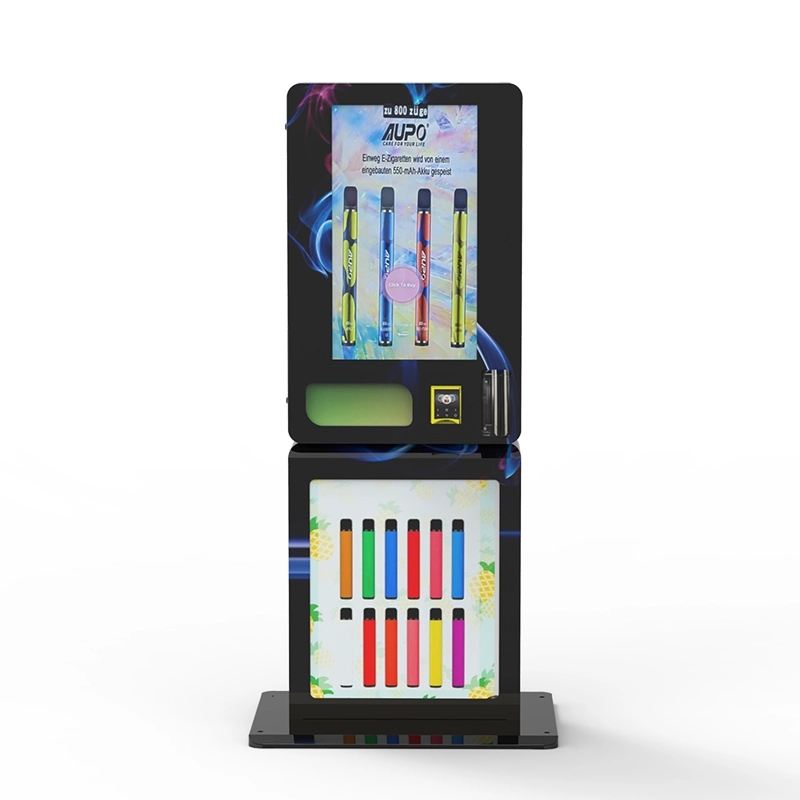
If the ID is valid and the age clears, the machine unlocks the product selection interface. The customer chooses a disposable vape, a pod, or a nicotine pouch. Payment is handled via credit card or mobile wallet through an encrypted reader. Once payment settles, the coil mechanism releases the product into a bin. The entire process takes about 45 seconds.
From a hardware perspective, the scanner must be FDA 21 CFR Part 11 compliant for data integrity. We use a specific camera module that captures the ID image without storing it locally—it processes the data on the edge and discards it after verification. This is critical for privacy laws in states like California and New York.
Why the Old Machines Failed
In 2019, I saw a wave of operators buy cheap units from overseas that had a simple "press 21 to confirm" button. Those machines lasted about three months before local authorities shut them down. The fine in some municipalities was $10,000 per violation. The cost of retrofitting those units with real scanners was often more than the machine itself. That experience taught me that compliance is not a feature—it is the entire product.
Cost Structure and Realistic Profit Models
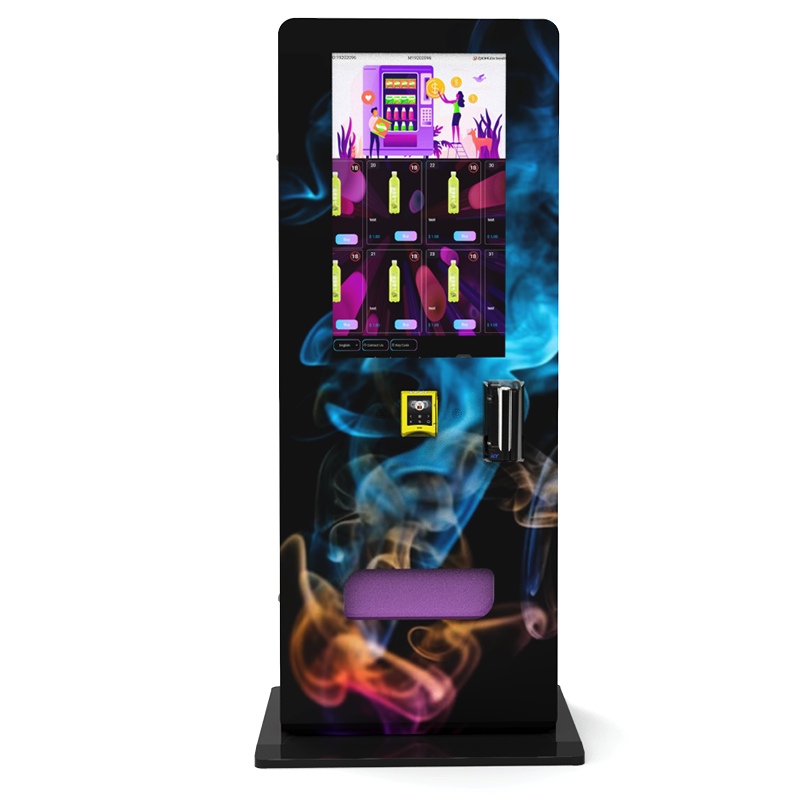
I want to be direct about the numbers because a lot of blog posts inflate the margins. A compliant smart vending machine from a reputable manufacturer runs between $4,500 and $8,500 depending on capacity, screen size, and whether it is wall-mounted or freestanding. At our facility, the wall-mounted compact model starts around $4,800, while the high-capacity unit with dual spirals and a 21.5-inch touchscreen lands closer to $7,200.
Installation adds another $300 to $800 if you need a dedicated electrical line or network cabling. Most locations have a standard outlet, but some older buildings need a licensed electrician to run a new circuit.
On the revenue side, a well-placed machine in a busy bar or nightclub can move 40 to 60 units per week. At an average retail price of $12 per disposable vape, that is $480 to $720 in weekly gross revenue. The wholesale cost for those units is roughly $6 to $7.50, depending on volume. Gross profit per unit lands around $5. So weekly gross profit sits between $200 and $300 per machine.
Monthly operational costs include restocking labor, credit card processing fees (about 2.9% plus $0.30 per transaction), and network connectivity. You also need a tobacco retailer license in most states, which can cost $100 to $1,000 annually. After all expenses, a single machine can net $600 to $1,000 per month. Payback period on a $6,000 machine is typically six to ten months if placement is good.
Where the Margins Disappear
I have seen operators lose money because they ignored location data. A machine in a laundromat with low foot traffic might sell five units a week. That same machine in a live music venue on a Friday night sells out by midnight. The difference is not the machine—it is the audience. You need a location with a high concentration of adults aged 21 to 40 who are already spending money on nicotine products. Bars, hookah lounges, and concert halls are prime. Gas stations and convenience stores can work, but only if they have a dedicated age-restricted section.
Device Selection: What to Look for in a Smart Vending Machine
I have evaluated dozens of units from different factories over the years. Here is what separates a reliable machine from a maintenance nightmare.
Age Verification Hardware
The scanner must support all US state IDs and military IDs. It should also detect fake IDs by checking holograms, microprint, and UV features. Some scanners now include facial recognition that matches the person standing at the machine to the photo on the ID. This is not mandatory everywhere yet, but it is becoming a requirement in states like Colorado and Oregon.
Inventory Management Software
Cloud-based telemetry is non-negotiable. You need to know in real time which slots are empty, which products are selling fastest, and when the machine last had a transaction. Without this data, you are restocking blind. Our machines use a system that sends a daily sales report and alerts when inventory drops below a threshold. This cuts restocking frequency by about 30% because you only go when you need to.
Payment Processing
The card reader must accept EMV chip, contactless, and mobile wallets. Cash is largely irrelevant in this vertical because most vape products cost over $10. A cashless-only system reduces vandalism and eliminates the need for coin collection.
Build Quality and Security
The enclosure should be 16-gauge steel with a tamper-proof lock. The glass front must be polycarbonate, not tempered glass, because tempered glass shatters if a bottle falls inside. I learned this the hard way after replacing three glass panels in a single month at a college bar.
| Feature | Entry-Level Unit | Commercial-Grade Unit |
|---|---|---|
| Age Verification | Basic barcode scan | Barcode + hologram + face match |
| Screen Size | 10-inch resistive | 21.5-inch capacitive touch |
| Capacity | 30 slots | 80 slots |
| Connectivity | 4G LTE | 4G LTE + Wi-Fi + Ethernet |
| Payment | Credit card only | Credit + mobile + tap |
| Price Range | $4,500 – $5,500 | $6,500 – $8,500 |
For more on technical specifications, you can check the product details on our vape vending machine overview page.
Real Deployment Experience from the Field
I want to share a specific case from early 2023. A nightclub owner in Austin reached out because his staff was spending two hours per shift managing cigarette and vape sales from behind the bar. He also had shrinkage issues—staff giving free products to friends. We installed a wall-mounted unit with ID scanning near the exit. The machine sold an average of 55 units per weekend night. The owner told me the machine paid for itself in four months. The key detail: we adjusted the product mix after the first week based on sales data. The original plan had 40% menthol, but the data showed 70% of sales were fruit-flavored disposables. We swapped the slots and sales jumped 18%.
Another deployment in a Denver dispensary lounge required a custom software integration because Colorado state law mandates that the machine cannot accept payments between 10 PM and 6 AM. We programmed a time lock into the controller. This is the kind of customization you cannot get from a generic unit.
If you are considering this business model, I recommend starting with two machines in different locations. This gives you comparative data. One machine might be in a high-traffic bar, the other in a smoke shop. After 90 days, you will know which location type works best for your region. We have a full breakdown of different use cases on our bars and clubs case study page.
Common Failure Points I Have Seen
- Poor network connectivity: A machine that cannot process credit cards is a brick. Always install a cellular backup if the venue Wi-Fi is unreliable.
- Wrong product selection: Do not stock high-end mod kits in a dive bar. Stick to disposables and pods in the $10–$20 range.
- Ignoring local ordinances: Some cities require a special permit for automated nicotine sales. Check with the city clerk before signing a location agreement.
- Underestimating restocking time: A full restock of an 80-slot machine takes about 20 minutes if you are organized. Double that if you are sorting through mixed inventory.
Legal Landscape and Compliance for 2025
The regulatory environment is not static. As of early 2025, 22 states have specific laws governing the sale of nicotine products through vending machines. Most require the machine to be in a location that is not accessible to minors, meaning it must be in an area where an employee can monitor the transaction. Some states, like California, require the machine to have a remote shutdown capability that law enforcement can trigger if the machine is found to be non-compliant.
We build our machines with a compliance dashboard that updates the age verification firmware whenever a state changes its ID format or legal age. For example, when Massachusetts raised the tobacco purchasing age to 21, we pushed an update to all active machines within 48 hours. This is the kind of ongoing support you need from a manufacturer.
For a deeper dive into state-specific rules, read our article on vape vending machine legal requirements.
Long-Term Operational Strategy
After the first year, most operators make the mistake of neglecting the software side. The hardware will run for years if you keep it clean and replace the scanner window when it gets scratched. But the software needs attention. You should review sales data weekly. Look for products that have not sold in 30 days and replace them. Seasonal trends matter—menthol sells more in summer, dessert flavors in winter.
You also need a relationship with a wholesale distributor who can drop-ship directly to your restocking location. Carrying inventory yourself ties up capital. We work with several operators who keep a small storage locker near their route and order weekly from their distributor.
Another strategy I have seen work well is the "hub and spoke" model. One operator in Chicago runs 12 machines across the city. He has one central storage unit where he stocks all products. He visits each machine on a rotating schedule based on sales velocity. High-traffic machines get restocked twice a week. Low-traffic machines get restocked every 10 days. This reduces labor cost by about 25% compared to a fixed weekly schedule.
If you want to see how other operators have structured their routes, take a look at our hotel and airport vape solution case study.
Expert Recommendations for First-Time Buyers
I have been on the manufacturing side for 15 years. Here is what I tell every first-time buyer who calls our sales line.
- Buy one machine first. Do not order a fleet until you have proven the concept in your local market.
- Negotiate the location agreement. Get a 12-month minimum with a 30-day out clause. Some venues will ask for a percentage of sales. Offer 5% to 10% but never more than that.
- Test the age verification before every shift. Have a staff member run a test transaction. If the scanner is dirty or the camera lens is fogged, the machine will reject valid IDs.
- Keep a spare scanner on hand. They are the most common failure point. A replacement takes two minutes to swap.
- Use the machine's data dashboard. Do not guess what is selling. The data is there. Use it.
For a complete list of our available models, visit the wall-mounted compact vape vending machine page.
Data Points You Should Know
According to a 2024 market analysis by IBISWorld, the vending machine industry in the US is projected to grow at an annualized rate of 4.2% through 2029, with the age-verified segment growing faster due to regulatory pressure (source: IBISWorld). Another report from Statista indicates that 62% of US vending machine operators plan to add age verification to their existing units within the next two years (source: Statista).
Frequently Asked Questions
Do I need a license to operate a vape vending machine in the US?
Can I use a regular vending machine and add an age verification scanner later?
What happens if the age verification scanner fails during a transaction?
How long does it take to get a return on investment?
Do you offer international shipping?
Meta Description: Expert guide to vape vending machine USA deployment in 2025. Real cost data, profit models, age verification requirements, and deployment experience from a 15-year manufacturer.
Sources:
IBISWorld Vending Machine Industry Report
Statista Vending Machine Operator Survey