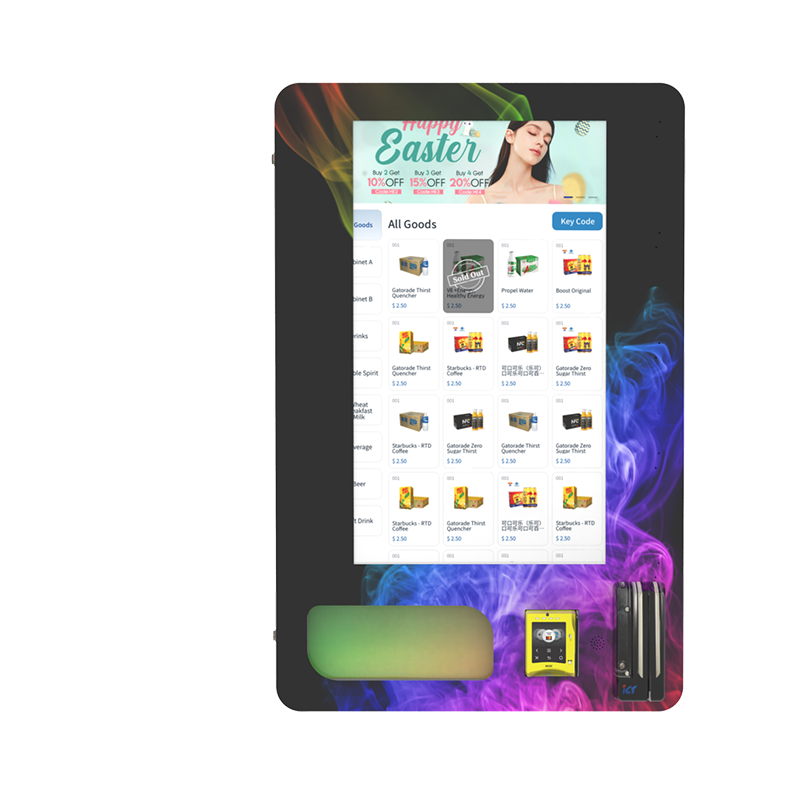
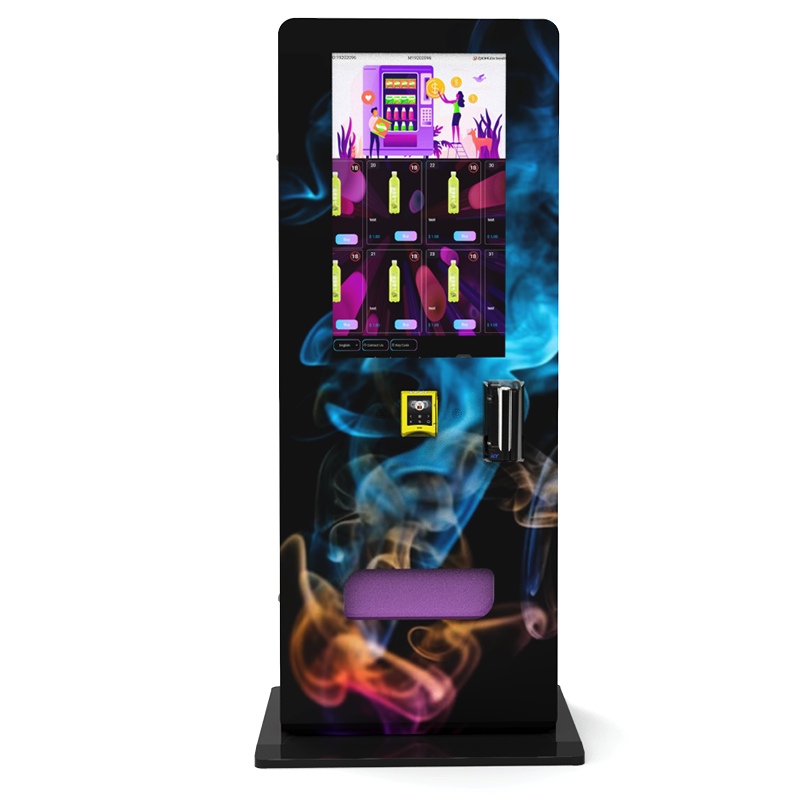
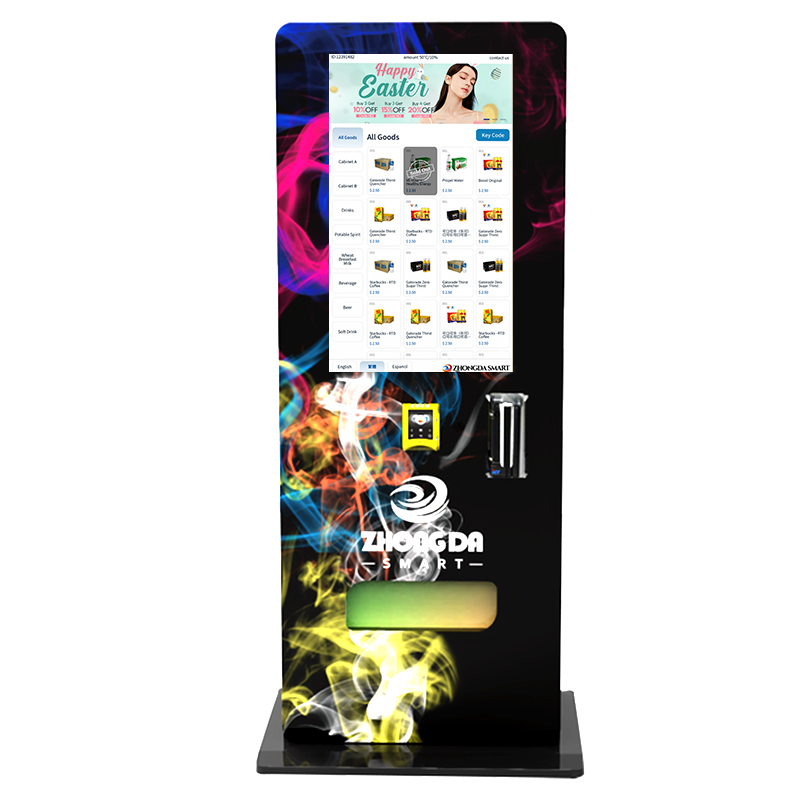
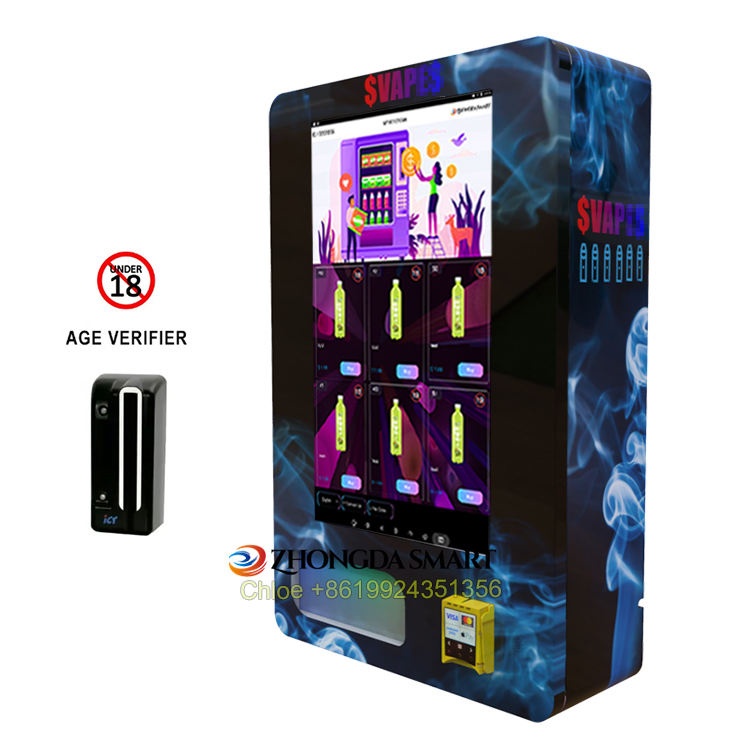
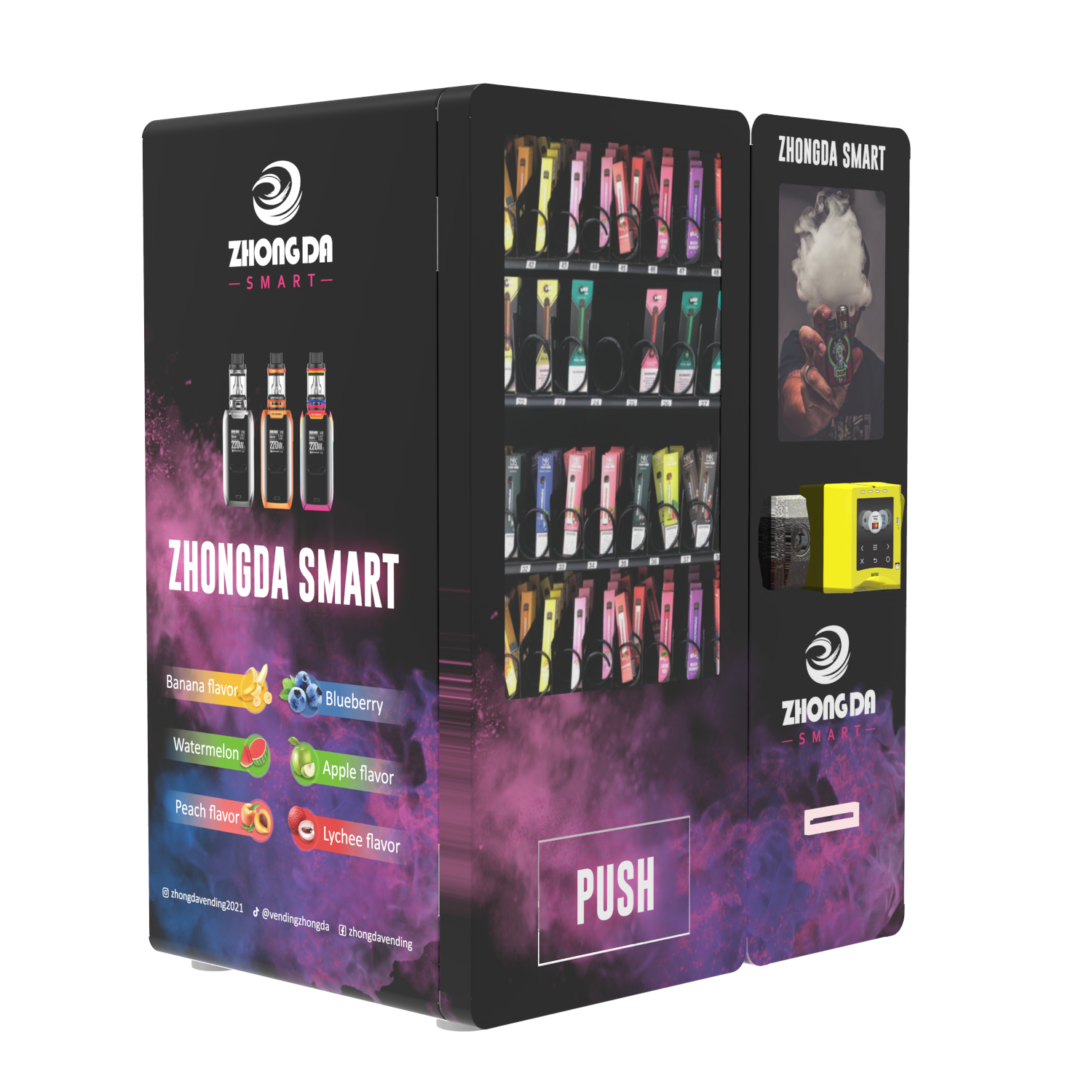
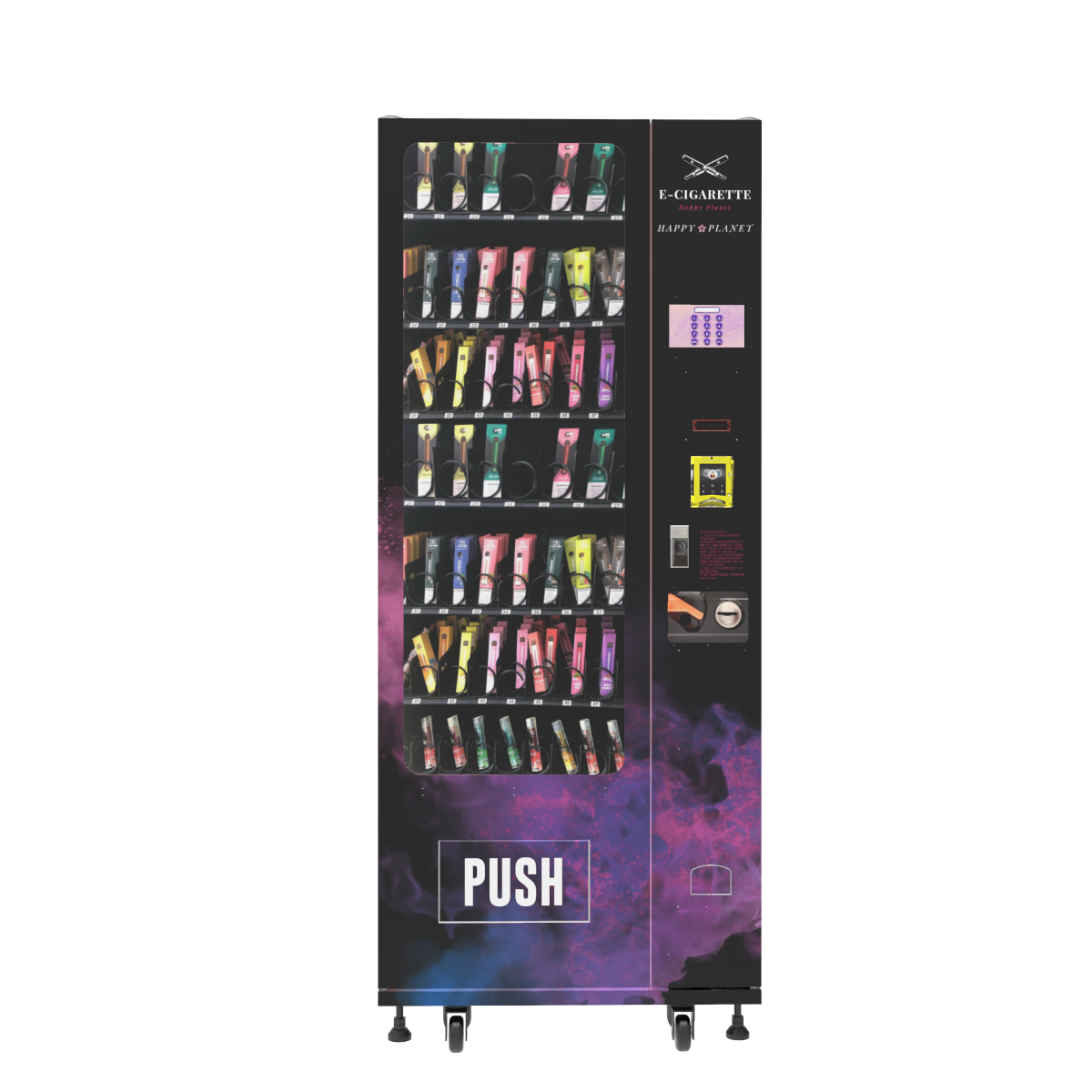
If you are asking whether vape vending machines are legal across the United States in 2026, the short answer is yes, but only if you build your business around strict age verification and state-by-state compliance. After spending over a decade deploying these machines from busy nightlife districts to quiet convenience stores, I can tell you that the legal landscape is not a single federal law but a patchwork of state and local rules. The biggest shift we have seen in the last three years is the enforcement of advanced ID scanning and biometric verification. A standard snack machine simply will not cut it. This guide is written from the perspective of someone who has both manufactured these units and operated them on the ground, covering what you need to know to stay legal and profitable.
The Current Legal Framework for Self-Service Vape Sales
The foundation of legality for any automated vape sales equipment in the U.S. rests on the Prevent All Cigarette Trafficking (PACT) Act and the Food and Drug Administration (FDA) regulations. These federal rules effectively require that any unattended sale of nicotine products must include a face-to-face or equivalent age verification. In practice, this means your smart vending machine must be equipped with a system that scans a government-issued ID, verifies its authenticity, and confirms the buyer is over 21. We have been integrating these systems into our machines at Zhongda Smart for years, and the technology has become the single most important factor in determining whether a location is viable.
Federal vs. State Authority
While the FDA sets the minimum age at 21, individual states have the authority to ban or restrict the sale of flavored products through vending machines. For example, states like California and New York have stringent flavor bans that directly impact what you can stock in your machine. If you are operating in a jurisdiction with a flavor ban, your machine must be configured to only sell tobacco or menthol flavors. This is not a suggestion; it is a legal requirement that carries significant fines for non-compliance. We have seen operators lose their entire investment because they ignored local flavor restrictions.
How Age Verification Technology Defines Legality
The core of a legal operation is the verification process. A machine that simply asks for a birth date on a touchscreen is not compliant. The market has moved toward three primary methods, and we manufacture machines that support all of them.
- ID Scanners: These read the barcode or magnetic stripe on a driver’s license and cross-reference the data with a database. They are the industry standard for reliability.
- Biometric Scanners: These use facial recognition or fingerprint scanning to ensure the person using the ID is the person standing in front of the machine. This adds a layer of security that prevents the use of fake IDs.
- Third-Party Verification Apps: Some operators use a system where a customer scans a QR code, uploads their ID to a remote server, and receives a one-time code. This is a viable option for lower-traffic locations but can slow down the purchase process.
We have found that the most successful deployments use a combination of an ID scanner and a biometric camera. Our age verification vending machine is designed specifically to pass compliance audits in the strictest markets.
Real-World Deployment: A Bar in Chicago
I recall a deployment in Chicago in early 2024. The bar owner was initially skeptical about the need for a biometric scanner. He thought a simple ID swipe would be enough. After the first compliance check by local authorities, they flagged the machine because it did not verify that the person swiping the ID was the actual owner. We had to retrofit the machine with a small camera module. That experience taught me that you should always over-engineer your verification system. It is better to have a system that is slightly slower but bulletproof than to have a fast machine that gets you shut down.
The Cost Structure and Profit Model
Understanding the financial side is critical for any business decision. The cost of a compliant machine is higher than a standard vending unit, but the profit margins can be significantly better if placed correctly.
| Component | Estimated Cost (USD) | Notes |
|---|---|---|
| Machine Hardware (Base) | $4,500 - $8,000 | Depends on capacity and build quality. |
| Age Verification System | $1,200 - $2,500 | Includes scanner and software license. |
| Installation & Setup | $500 - $1,500 | Location-specific electrical work. |
| Inventory (Initial Stock) | $1,000 - $2,500 | Based on average wholesale pricing. |
| Monthly Software & Compliance | $100 - $300 | For age verification database access. |
| Location Commission (Average) | 15% - 25% of gross sales | Negotiated with the venue owner. |
The profit model relies on high-margin consumables. A disposable vape that retails for $15 might cost you $7 wholesale. After accounting for the location commission and the cost of goods, your gross profit per unit is around $4 to $5. If your machine sells 10 units per day, you are looking at a daily gross profit of $40 to $50. This covers the machine cost in about 12 to 18 months, assuming consistent sales.
Why Some Operators Fail
The most common failure I see is not from legal issues but from poor location selection. An operator buys a machine, puts it in a low-traffic convenience store, and expects it to run itself. It does not work that way. You need a location with a high density of adults who are already purchasing nicotine products. Bars, nightclubs, and certain hotels are the gold standard. We have a case study on our site about vape vending machines for bars that breaks down the specific traffic patterns you need to look for.
Choosing the Right Equipment for Your Market
Not all machines are created equal. When you are sourcing equipment, you need to look at three things: the reliability of the dispensing mechanism, the robustness of the software, and the ease of maintenance. We manufacture machines in our own factory, which gives us direct control over the quality of the motors and the software logic. A common problem with cheaper machines is that they jam frequently, especially with disposable vapes that have slightly irregular shapes.
Technical Specifications to Consider
- Dispensing Mechanism: Look for a spiral or coil system that can handle different product sizes. A simple gravity drop system is less reliable for vape products.
- Remote Management: The machine must have a cloud-based system that lets you monitor inventory, sales, and error codes remotely. This saves you from making unnecessary trips to the location.
- Security: The machine should be tamper-proof. We use reinforced steel doors and electronic locks that alert the operator if the door is forced open.
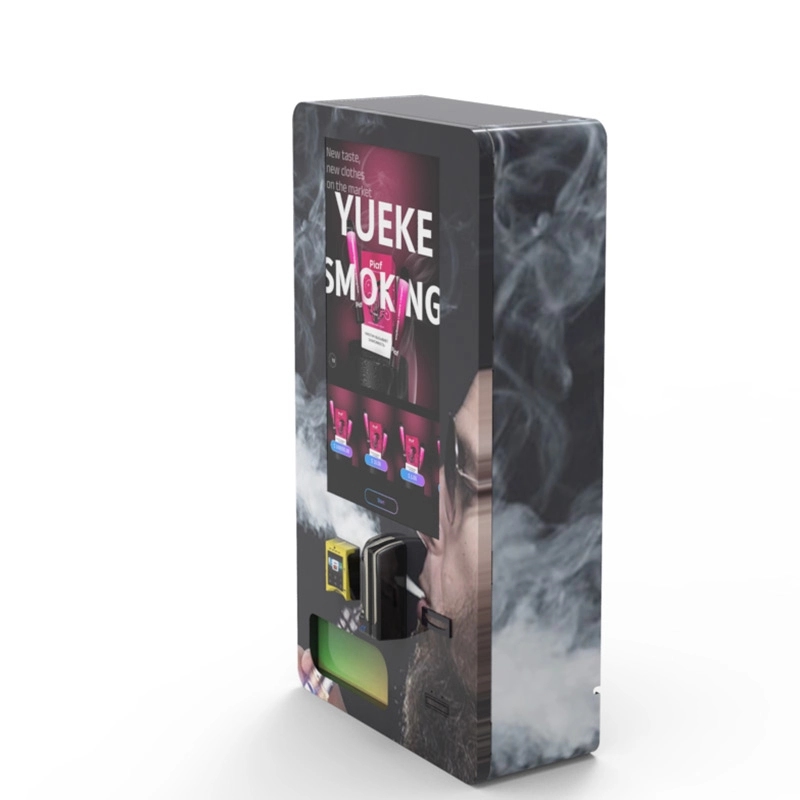
For operators looking for a space-saving solution, our wall-mounted compact e-cigarette vending machine is a popular choice for smaller venues like hotel lobbies or small bars where floor space is at a premium.
Long-Term Operational Strategy
Running a network of these machines is not a passive income stream. It requires active management. The most successful operators I know treat it like a small distribution business. They have a route driver who visits each location once a week to restock, clean the machine, and verify that the age verification system is working properly. The data from the machine’s remote management system tells you exactly what is selling and what is not. You need to be ruthless about removing slow-moving stock. If a particular flavor is not selling, replace it immediately.
Maintenance and Compliance Audits
You should also budget for periodic compliance audits. Even if your machine is legal, a local inspector may visit the location and ask to see the machine’s log files. Your machine should be able to produce a report showing every single transaction, including the age verification result and the time stamp. We provide this feature as standard in our machines. You can find more details on our service and support page about how we handle remote diagnostics and software updates.
Risk Management and Insurance
One area that many new operators overlook is liability insurance. If a minor somehow obtains a product from your machine, you are personally liable. Even with the best technology, there is always a risk of a system failure. You should have a policy that covers product liability and general business operations. I also recommend having a written agreement with the location owner that clearly states who is responsible for what. In our experience, the location owner is usually responsible for the physical security of the space, while the machine owner is responsible for the equipment and the compliance.
Frequently Asked Questions for Operators
Do I need a special license to operate a vape vending machine?
Yes. You typically need a tobacco retailer license from the state where the machine is located. Some cities also require a separate vending machine permit. You must apply for these before deployment.
Can I put a vape vending machine in a location that also sells alcohol?
Yes, but you must ensure the machine is in a controlled area where minors cannot access it. Many bars place the machine behind the counter or in a staff-only area, even if it is self-service for customers who have already been ID'd by the bartender.
What happens if my machine's age verification system fails?
The machine should automatically lock down and refuse all sales until the system is repaired. You should have a backup plan, such as a mobile payment system that uses a third-party verification app, to keep selling while the primary scanner is being fixed.
Is it better to buy a new machine or a used one?
For compliance purposes, I strongly recommend a new machine. Used machines often lack the latest age verification software and may not pass a modern compliance audit. The cost savings are not worth the legal risk.
How much inventory should I carry in the machine?
Start with a mix of 10 to 15 different SKUs. Focus on the top-selling brands and flavors in your area. You can adjust based on the sales data from your remote management system.
Final Thoughts on Market Viability
The market for automated vape sales is growing, but it is not a gold rush for everyone. The operators who succeed are the ones who treat it as a serious business with real operational demands. They invest in quality equipment, they understand the law, and they are prepared to manage the logistics. If you are looking for a reliable partner for your equipment needs, we invite you to explore our product range and contact us through our contact page for a consultation. We have the manufacturing capacity and the field experience to help you build a compliant and profitable operation.
Data references: Industry reports from Statista on the U.S. vaping market size and IBISWorld data on vending machine operator margins. These sources provide the broader market context for the financial projections discussed.