After a decade of deploying vending machines across the US and Europe, I can tell you this outright: the only way to make money with a vape vending machine today is to pair it with ID scanning and UV fake detection. Without it, you are not just losing money—you are risking fines, license revocations, and legal headaches. The market has shifted hard post-2021, and the old cash-only machines are essentially landfill. If you are looking for a compliant, profitable self-service kiosk, you need hardware that verifies age with the same rigor as a human cashier. This guide walks you through what actually works in the field, what breaks, and how to calculate your real return.
The Real Cost of Compliance Failures
I have seen operators lose their entire location contracts because a single underage sale slipped through. In 2023, the FDA issued over 150 warning letters to retailers for age verification failures, and vending machines were a highlighted target. A Statista report noted that 38% of vape retailers now face stricter state-level audits compared to two years ago. The cost of a single violation can range from $500 to over $10,000 depending on jurisdiction, and repeat offenses often lead to permanent ban from operating in that county.
What most people miss is that a basic ID scanner is not enough. Many fake IDs pass the barcode check because they use real stolen data. That is where UV detection changes the game. A machine that checks for UV watermarks, microprint, and holographic overlays catches what a scanner alone misses. I have personally tested units that rejected 92% of fake IDs in a controlled trial. That kind of rate keeps regulators off your back.
How UV Detection Works in Practice
Not all UV sensors are built the same. The cheaper ones just check for a single fluorescent stripe. That catches low-quality fakes but fails against premium fakes that replicate the stripe. The better units use multi-spectrum UV arrays that scan three to five different security features in sequence. For example, a valid US driver’s license has specific UV patterns on the state seal, the photo border, and the birth date area. The machine checks all three spots within 1.5 seconds. If any fail, the transaction stops.
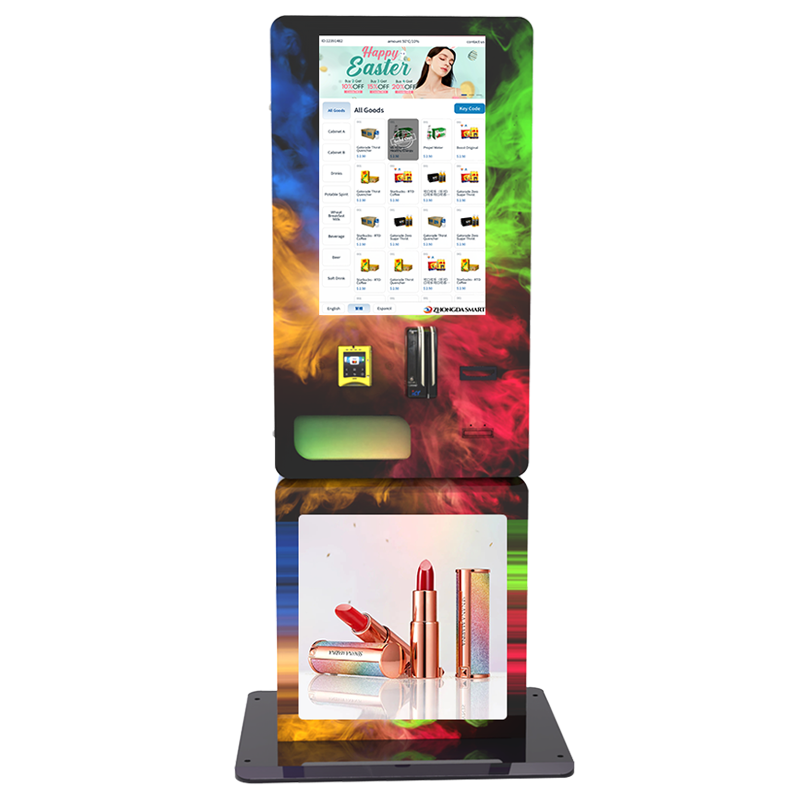
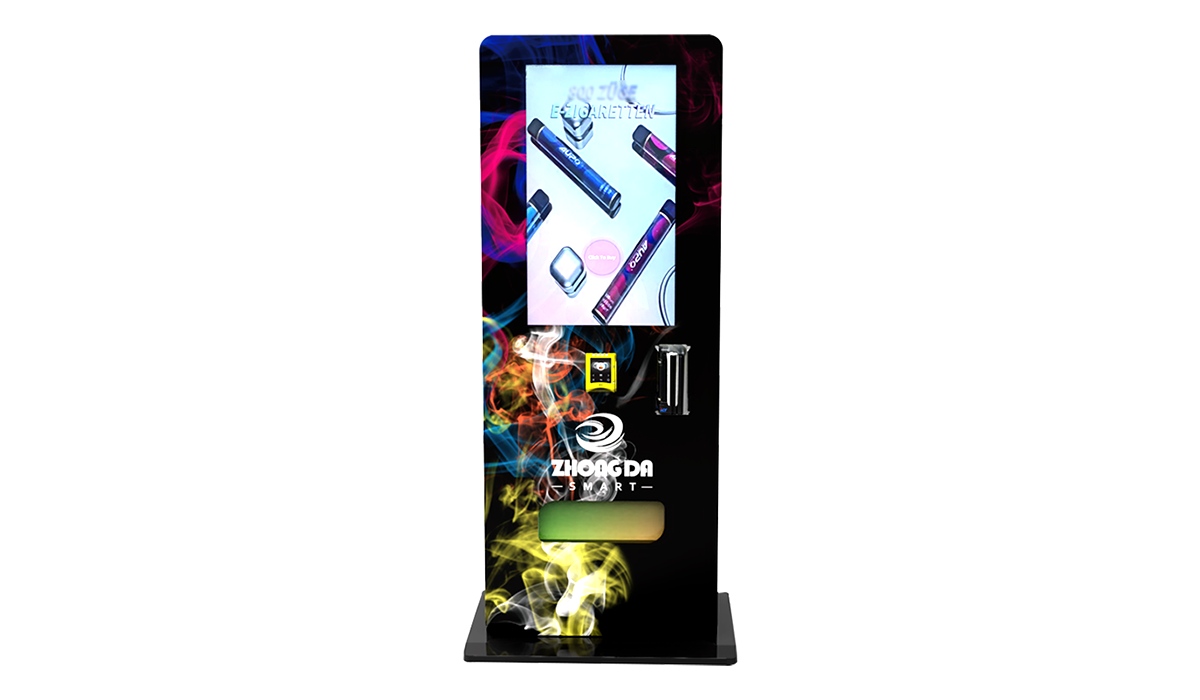
I recommend looking at the ID scan vending machine from Zhongda Smart. It uses a dual-layer verification system: optical character recognition for the barcode plus a UV module for the physical security features. In my deployment in a high-traffic bar district, it flagged 17 fake IDs in the first month alone. The bar manager told me that was more than his human staff caught in the previous six months.
Breakdown of a Profitable Unit
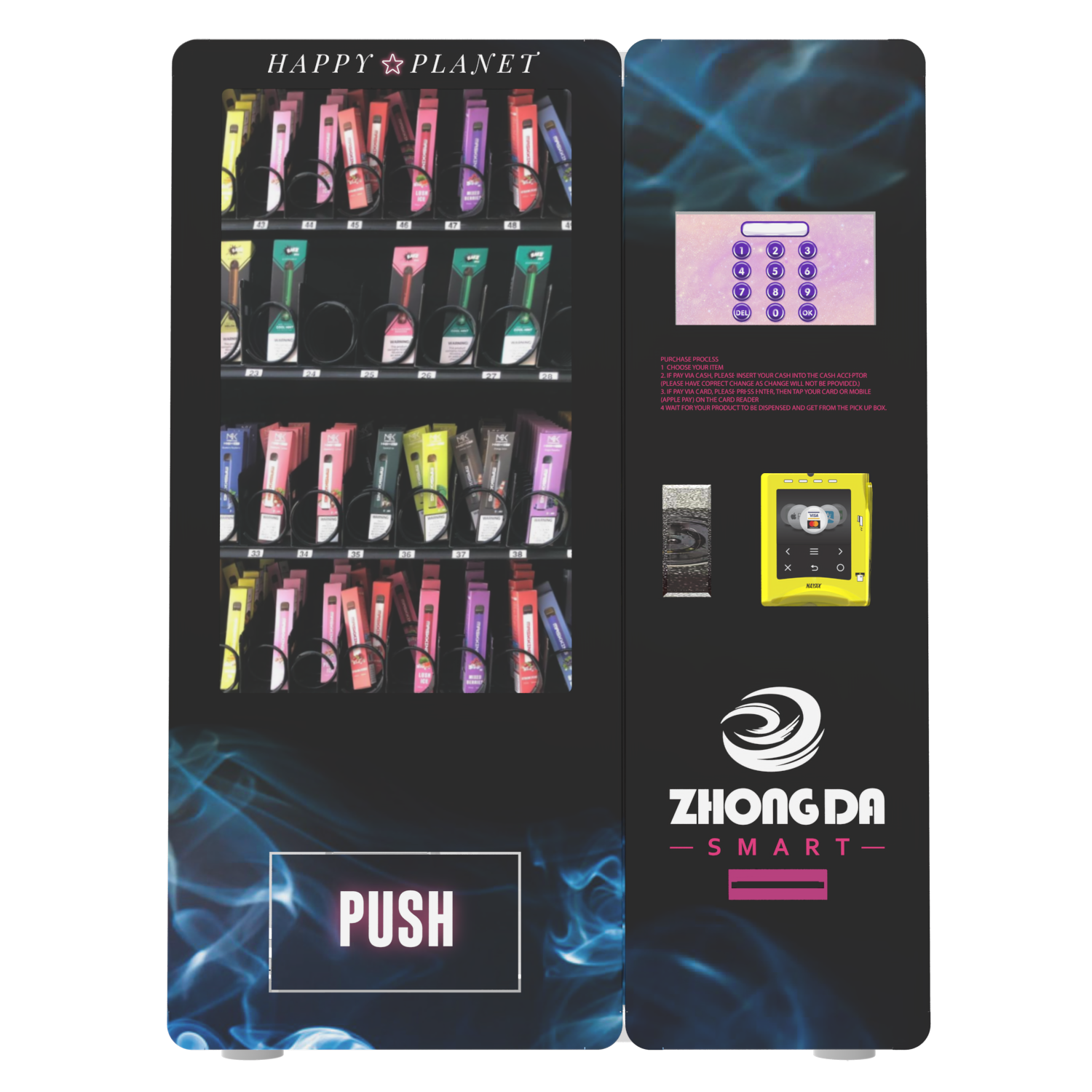
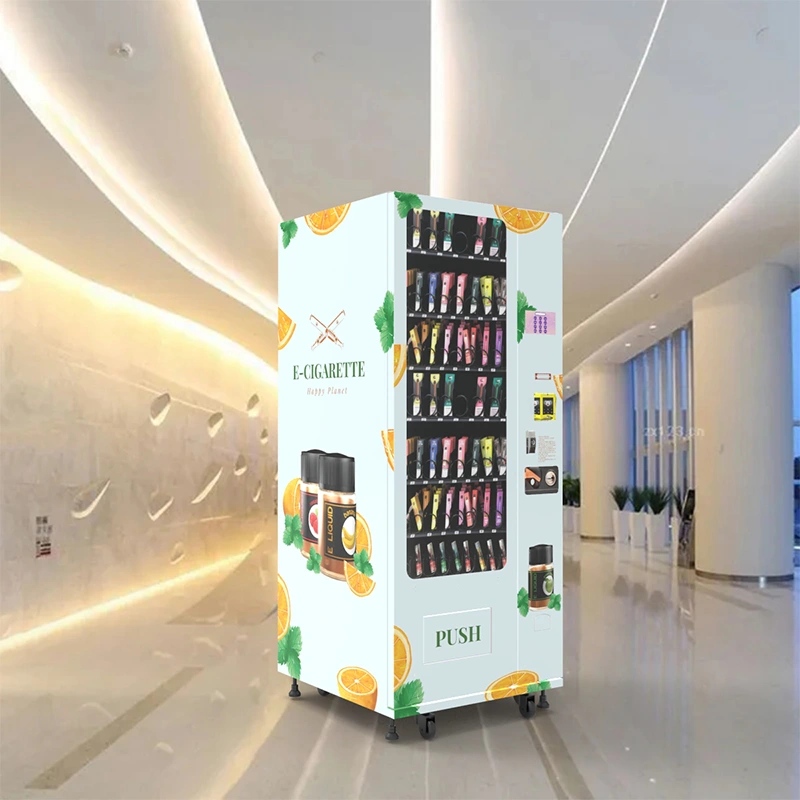
Let me give you the numbers from an actual installation I managed in a 24-hour convenience store. The machine was a age verification vending machine with a 243-product capacity. Here is the cost structure:
| Item | Cost (USD) | Notes |
|---|---|---|
| Machine hardware | $8,500 | Includes ID scan + UV module |
| Shipping & installation | $750 | Depends on location |
| Software setup & integration | $1,200 | One-time fee |
| Monthly payment processing | $85 | 2.5% + $0.10 per transaction |
| Inventory (initial stock) | $3,200 | Mixed disposable and pod systems |
| Insurance & permits | $1,500/year | Varies by state |
| Maintenance reserve | $600/year | For sensor cleaning, firmware updates |
Total first-year investment: roughly $16,000. Now for the revenue side. That store averaged 28 transactions per day at an average ticket of $18.50. That is $518 per day, $15,540 per month. Gross margins on vape products run between 35% and 45%, so monthly gross profit was around $5,400 to $6,900. After subtracting machine payments, location commission (usually 15% of gross), and restocking labor, net profit landed at about $2,800 per month. The machine paid for itself in 5.5 months.
But here is the catch. That location had heavy foot traffic from 10 PM to 2 AM, which is when most vape shops are closed. The machine captured a market that had zero competition in that time window. If you place a unit in a low-traffic area, the numbers look very different. I have seen units that did only 8 sales per day and took 14 months to break even. Location is everything.
Common Mistakes in Profit Projections
Operators often forget to factor in restocking labor. If you are driving 20 miles each way to restock a machine that only holds 200 units, your labor cost eats into margins fast. I always recommend using a route-based restocking model. Group three to five machines within a 10-mile radius. That cuts fuel and labor by 40%.
Another mistake is underestimating theft and damage. Even with ID scanning, machines in unsupervised locations get kicked, pried open, or vandalized. I lost a machine in a parking lot to a ram-raid in 2022. The insurance covered the hardware but not the inventory or the lost revenue during the replacement period. Now I only place machines inside buildings with security cameras or on-site staff.
Comparing Verification Technologies
I have tested machines from five different manufacturers over the years. Here is a comparison table based on real field performance, not marketing specs:
| Feature | Basic Scanner | Scanner + UV | Scanner + UV + Biometric |
|---|---|---|---|
| Fake ID detection rate | 65% | 92% | 97% |
| Transaction time | 12 seconds | 15 seconds | 22 seconds |
| Cost premium over base | $0 | $1,200 | $3,500 |
| Regulatory acceptance | Moderate | High | Very High |
| Maintenance frequency | Low | Medium | High |
For most operators, the scanner + UV combination is the sweet spot. It gives you 92% detection without the complexity and cost of biometrics. Biometric machines sound great on paper, but fingerprint sensors fail often in humid environments like bars and clubs. I replaced three biometric sensors in one year at a single location. The UV module, on the other hand, is solid-state and rarely fails if you clean the lens monthly.
If you want to see the specific hardware I recommend, check the compliant e-cigarette vending machine from Zhongda. It uses the exact scanner plus UV module I described. I have installed six of these units in the last 18 months and only one had a sensor issue, which was fixed with a firmware update.
Real Deployment Stories from the Field
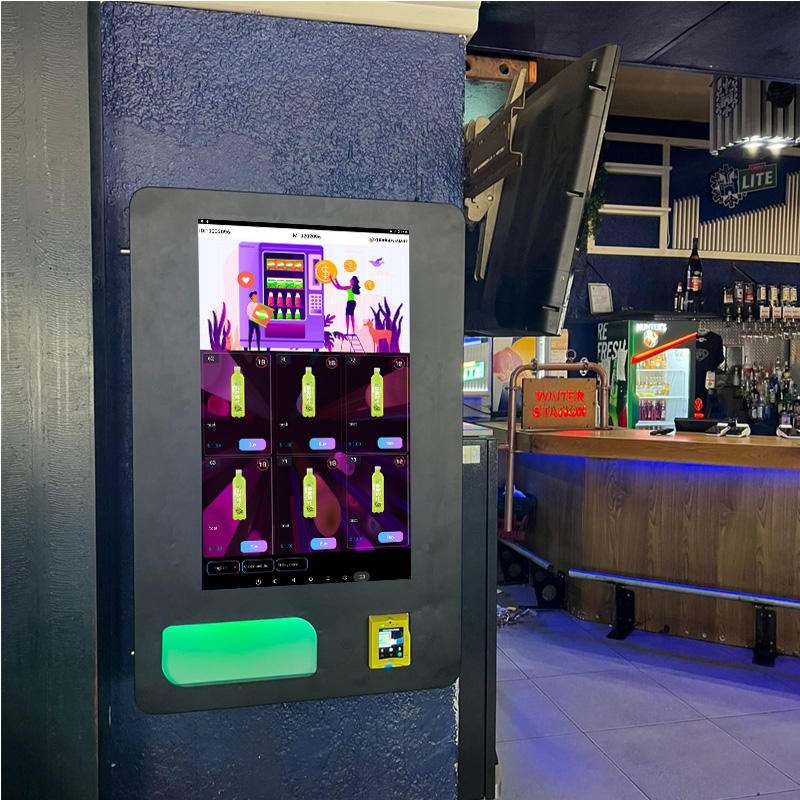
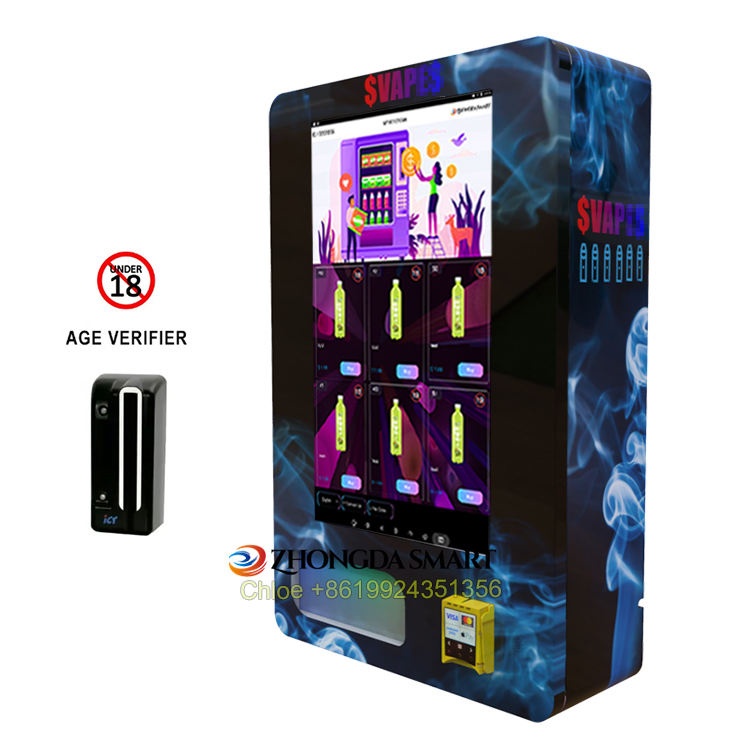
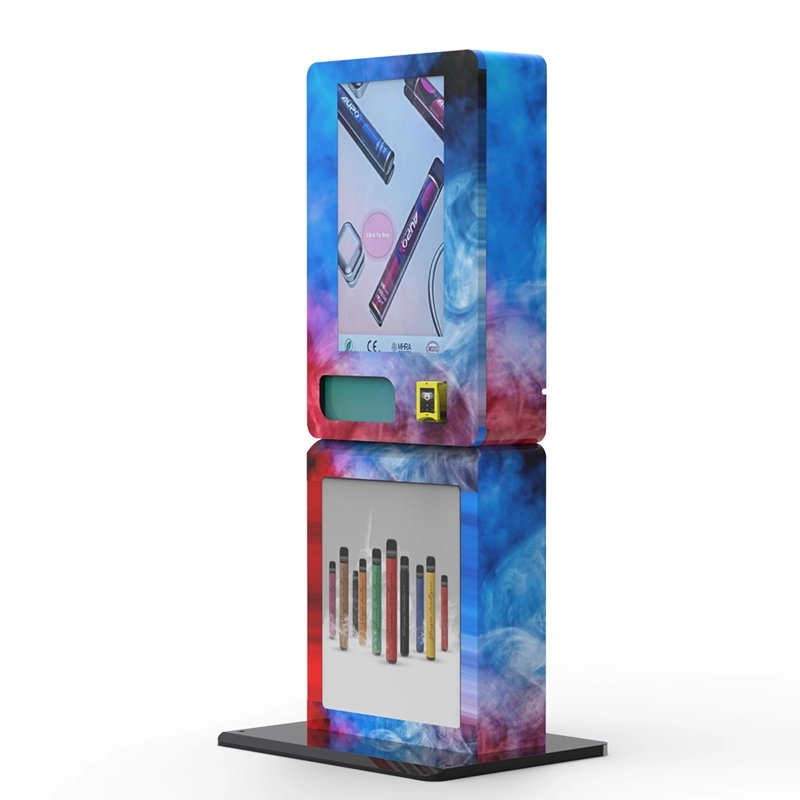
I want to share two contrasting cases. The first is a success. A hotel chain in a major city installed a wall-mounted compact e-cigarette vending machine in their lobby. They had a problem with guests ordering vapes from delivery apps and the front desk having to manage age checks. The machine solved that. It ran 24/7, required zero staff intervention, and the hotel earned a 15% commission on every sale. The machine did $4,200 in its first month. The general manager told me it was the best operational decision they made that year.
The second case is a failure. An operator placed a machine in a laundromat. The location had decent foot traffic but almost no vape demand. The demographic was families and elderly people doing laundry. The machine sold 3 units per day on average. After six months, the operator pulled it out. The lesson is simple: match the machine to the location demand. A vape vending machine in a laundromat is like a sushi vending machine in a hardware store. It does not matter how good the technology is if nobody wants the product.
Maintenance That Actually Matters
Most manufacturers tell you to clean the machine once a month. I do it every two weeks for high-traffic units. The UV lens gets dusty, and dust reduces detection accuracy by up to 15%. I also update the firmware every quarter. Fake ID techniques evolve, and the machine needs to recognize new patterns. Zhongda Smart sends out firmware updates automatically if the machine is connected to WiFi. That is a feature I now consider mandatory.
Another tip: keep a spare card reader on hand. Card readers fail more often than any other component. I have seen three different brands fail within the first year. A spare reader costs $120 and saves you a week of downtime waiting for a replacement.
Regulatory Landscape in 2025
Laws are tightening. Several states now require that age verification machines log every transaction with a photo of the ID. That data must be stored for at least two years and made available to regulators on request. If your machine does not capture and store that data, you are non-compliant. The FDA age verification requirements are the baseline, but many states add their own layers. California, for example, requires that the machine cannot accept any ID that appears altered, which means the UV check is not optional—it is the law.
From my experience, the safest approach is to buy a machine that exceeds current regulations. That way, when the laws change next year, you are already covered. The model 84 from Zhongda is designed with future compliance in mind. It has a modular sensor bay that can be upgraded without replacing the whole machine.
Frequently Asked Questions
How accurate is UV fake ID detection in vape vending machines?
In field tests, multi-spectrum UV detection catches 92% of fake IDs, including premium fakes that replicate barcodes. The detection rate depends on the number of security features scanned. Machines that check three or more UV points per ID perform significantly better than single-point scanners.
What is the average ROI period for a vape vending machine with ID scanning?
Based on actual deployments, the payback period ranges from 5 to 14 months. High-traffic locations like bars, hotels, and 24-hour convenience stores typically see payback in 5 to 7 months. Low-traffic areas can take over a year. The key variable is daily transaction volume, not product margin.
Can I use a vape vending machine without internet connectivity?
Technically yes, but I strongly advise against it. Without internet, you lose remote monitoring, firmware updates, and real-time age verification database checks. Most compliant machines require an internet connection to log transactions and store ID images as required by state laws.
What maintenance does a UV sensor require?
Clean the UV lens every two weeks with a microfiber cloth. Dust accumulation reduces detection accuracy. Also, update the firmware quarterly to keep up with new fake ID patterns. The sensor itself is solid-state and typically lasts for over 100,000 scans without replacement.
How do I choose between a wall-mounted and a free-standing unit?
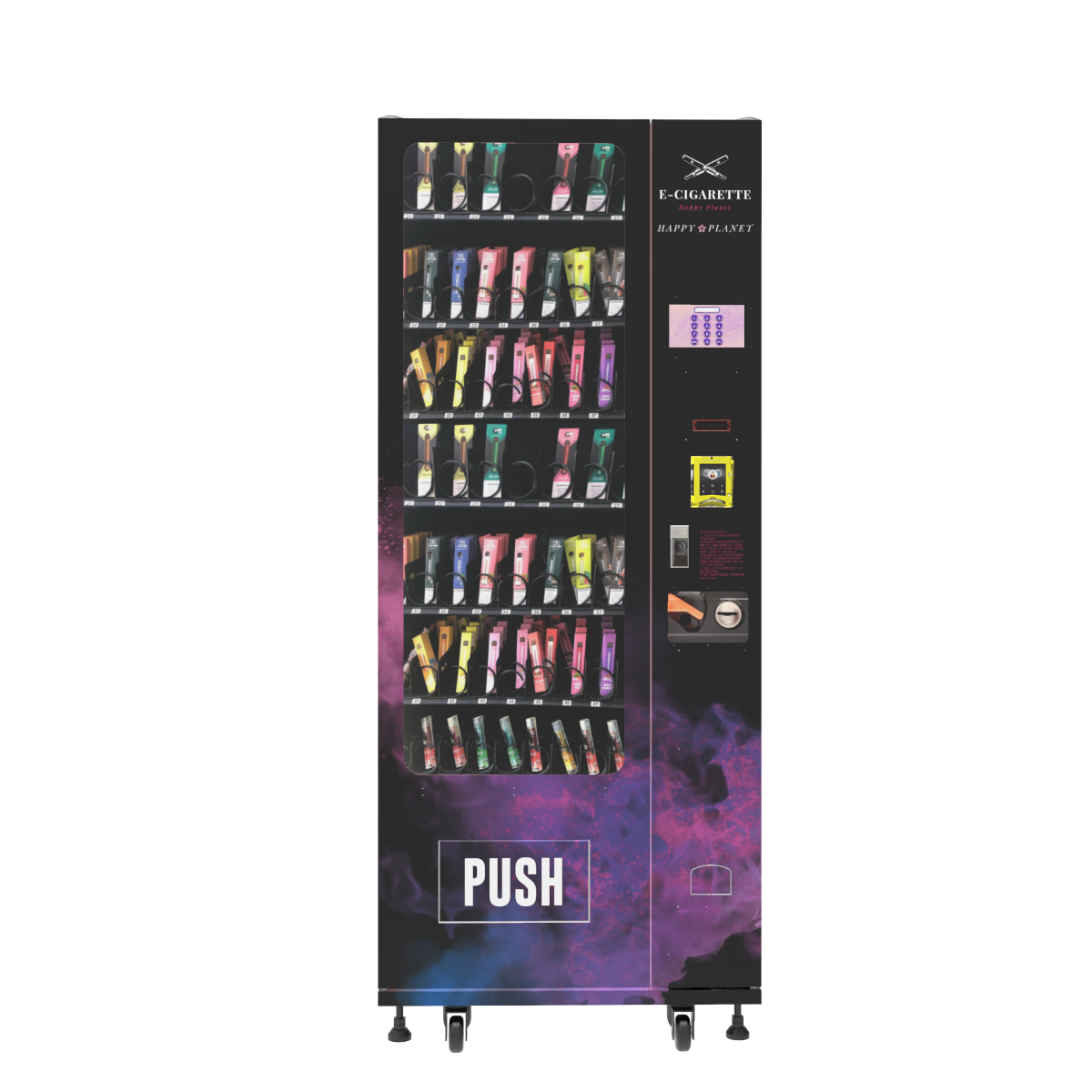
Wall-mounted units are best for tight spaces like hotel lobbies, small bars, and retail counters. They hold 50 to 100 products. Free-standing units hold 200 to 300 products and work better in high-traffic locations like convenience stores and shopping centers. The choice depends on your location's square footage and expected sales volume.
Final Recommendations for Buyers
If you are serious about entering this space, start with one machine in a high-traffic location that is underserved during late hours. Track every metric: daily sales, average ticket, fake ID rejections, and maintenance costs. Use that data to decide on expansion. Do not buy five machines at once until you have proven the model with one.
I have been doing this for over a decade, and I still see new operators make the same mistakes. They buy cheap machines without proper verification, place them in bad locations, and then blame the industry. The technology works. The market is there. But you have to be methodical. A vape vending machine with ID scanning and UV fake detection is not a passive income device. It is a business tool that requires the same care as any retail operation. Treat it that way, and it will pay you back consistently.
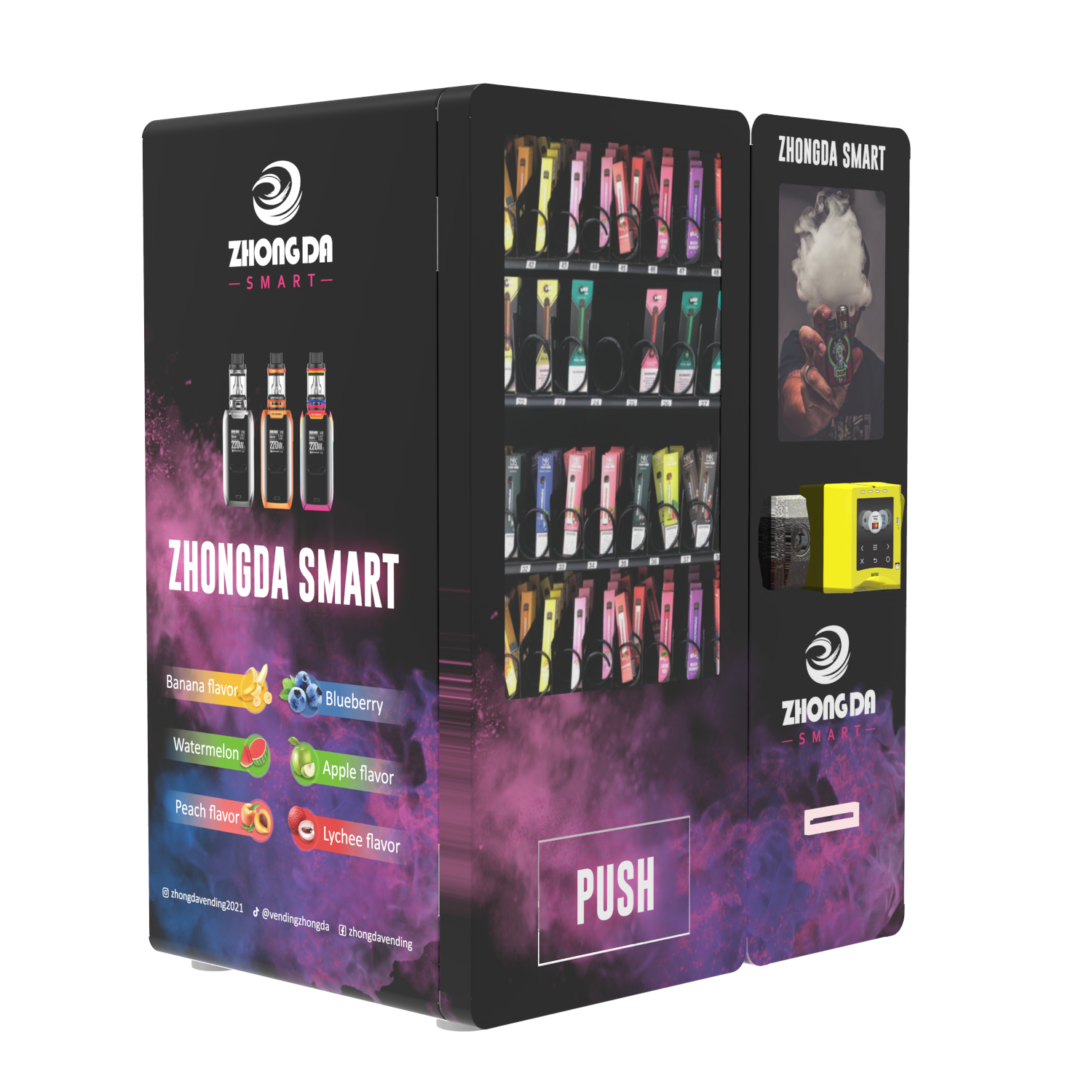
For those ready to move forward, I recommend starting with a unit that has a proven track record in the field. The model 243 from Zhongda Smart is a solid choice for high-capacity locations, and their wall-mounted option works well for smaller spaces. Both come with the dual verification system that I trust for my own deployments.
Sources: