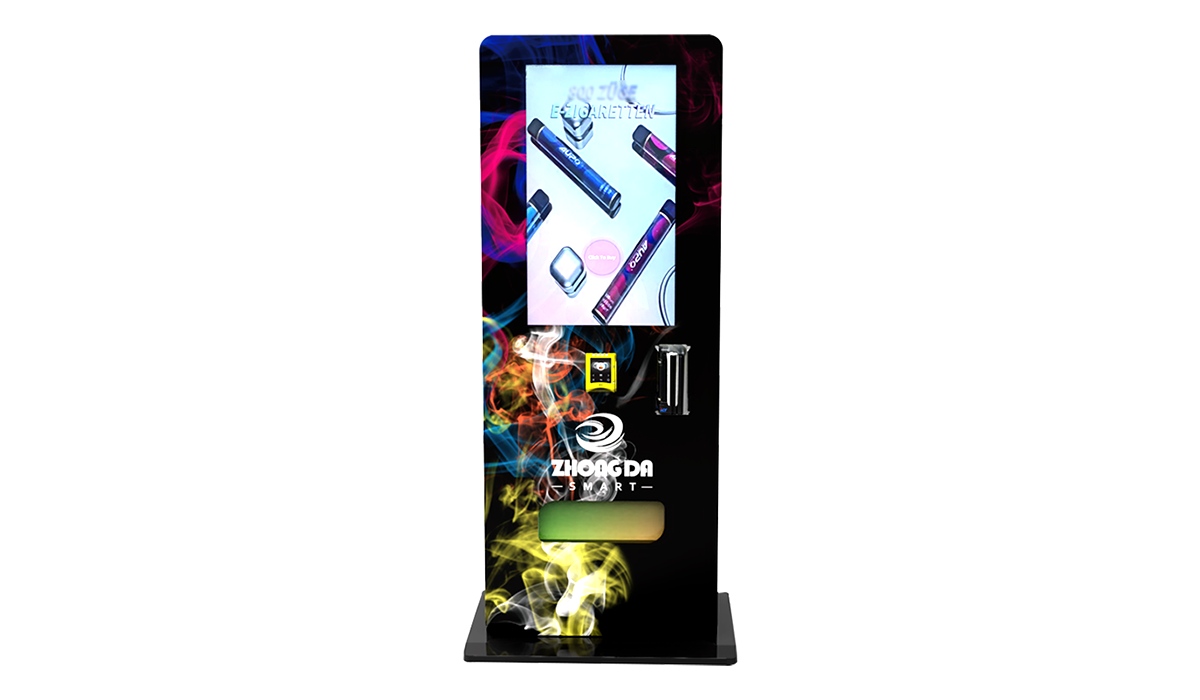
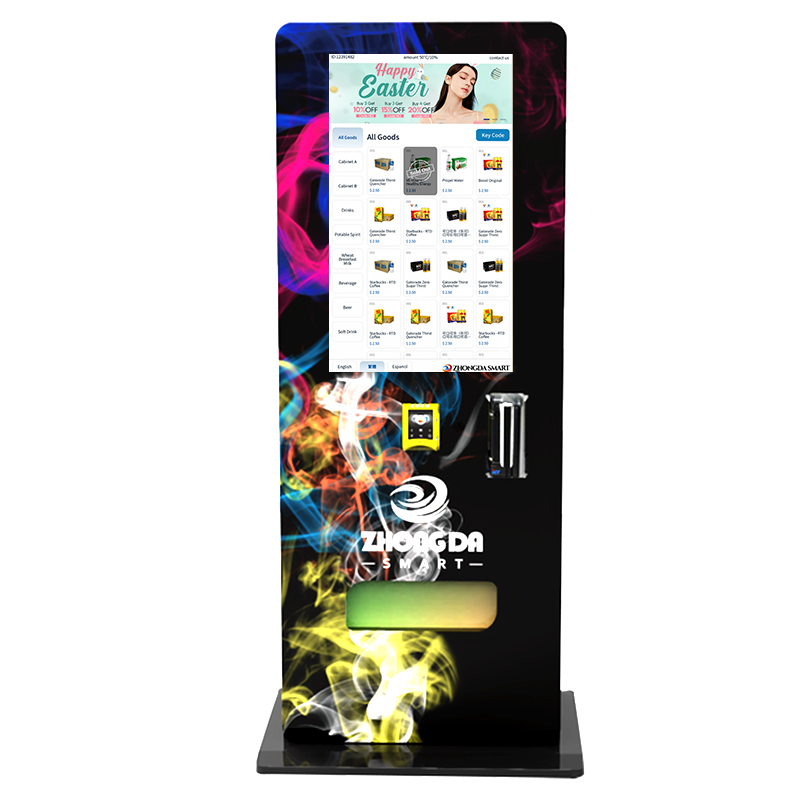
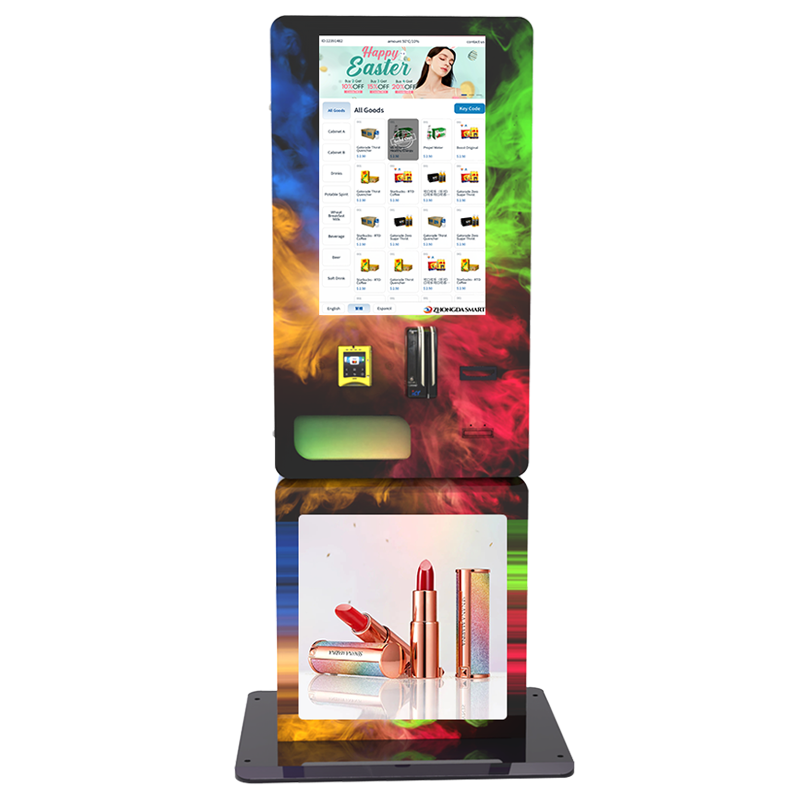
After a decade navigating the vending industry, I have seen few machines stir up as much conversation as the vape vending machine for bars and clubs. The demand is real, the margins are attractive, and the compliance requirements are non-negotiable. This is not a trend; it is a shift in how nightlife venues manage inventory and serve their patrons. Based on my experience running a factory that builds these units and deploying them across hundreds of venues, the core of a successful installation is not just the hardware, but the integrated ID-verification system. Without that, you are just selling trouble. This guide covers everything I have learned about selecting, deploying, and profiting from these machines in a high-traffic, high-stakes environment.
Why Bars and Clubs Are the Perfect Location for an ID-Verified Vending Unit
Running a bar or club comes with a specific set of operational headaches. The biggest one is the bottleneck at the main bar during peak hours. You have a line of customers waiting for a drink, and a separate group looking for a disposable vape or a pack of pods. That second group kills your bartender's efficiency. A self-service kiosk solves this instantly.
From a business perspective, the numbers work. A traditional retail markup on vape products is around 30% to 50%. In a bar setting, where convenience is the primary driver, you can operate at a 60% to 80% margin and still be the cheapest option compared to a delivery service or a convenience store run. The patron pays for the convenience, and the venue owner captures that value without adding labor costs.
There is also the issue of shrinkage. Every bar owner knows that inventory behind the counter has a way of walking out. A locked, automated dispenser eliminates that risk entirely. You know exactly what was sold, at what time, and to which customer (via the ID scan). It turns a loose product category into a tightly controlled profit center.
Solving the Age Verification Problem Without the Headache
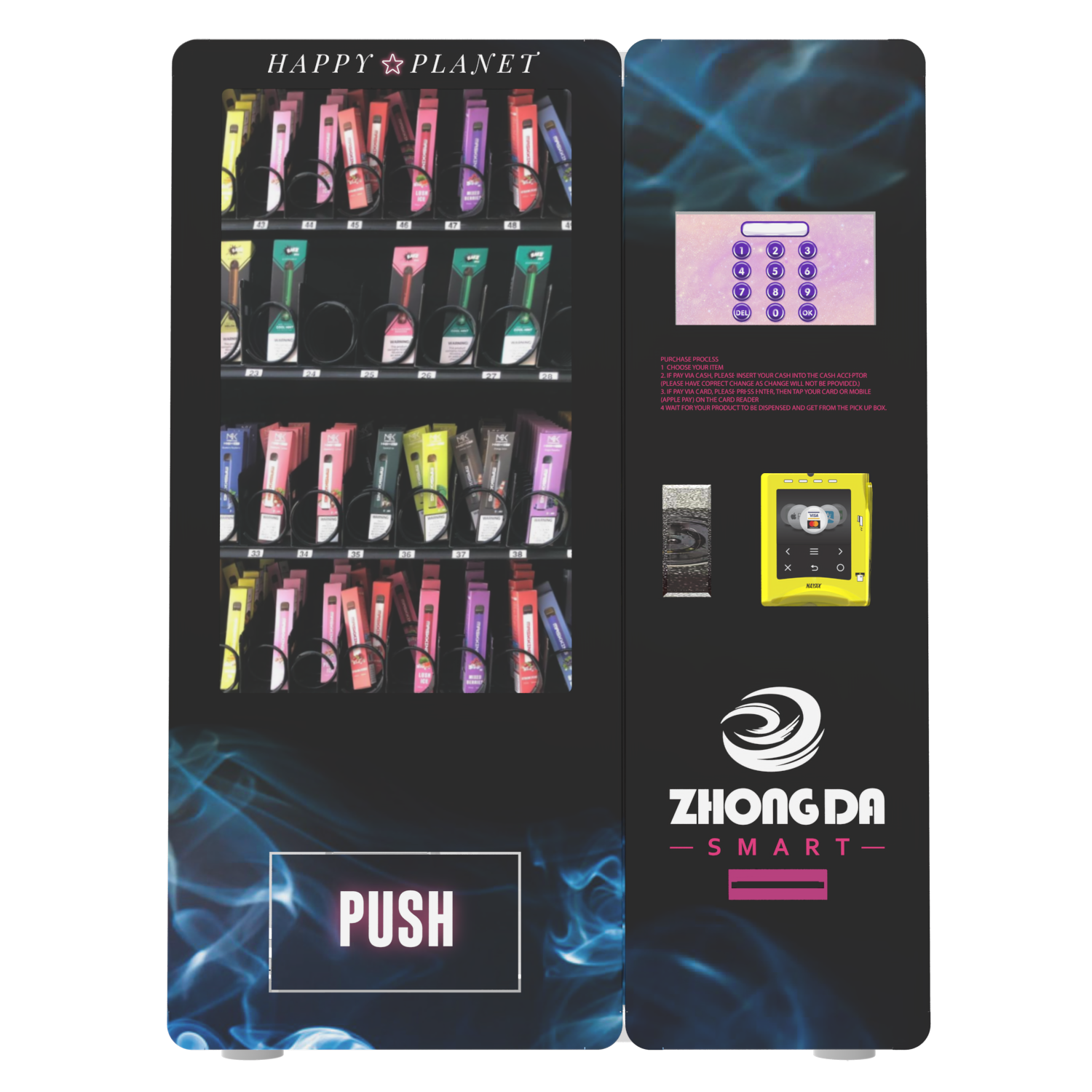
The single biggest barrier to entry for this business is compliance. You cannot sell tobacco or nicotine products to minors. A human bartender can be fooled by a fake ID. A properly configured age-verification vending machine cannot. The systems we build use a scanner that reads the barcode or magnetic stripe on a driver's license. It parses the date of birth, checks the format against known state standards, and only unlocks the payment system if the customer is over 21. Some units even cross-reference the photo with a camera, but the scanner is the workhorse.
I have seen operators try to use machines that only ask for a manual birth date entry. Do not do this. It is a liability nightmare. If you are a distributor looking to place machines, or a venue owner buying one, the ID-scan feature is not a luxury; it is the entire point of the machine. It provides a digital audit trail. If a regulator comes in, you can show them exactly who bought what and that the machine rejected underage attempts.
Hardware Choices: Wall-Mounted vs. Floor-Standing Units
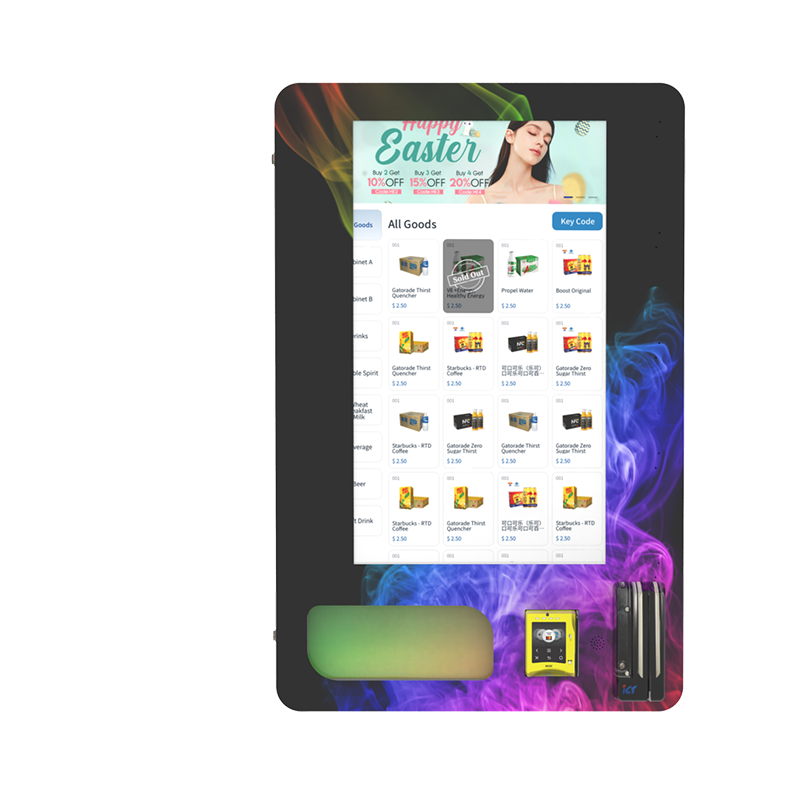
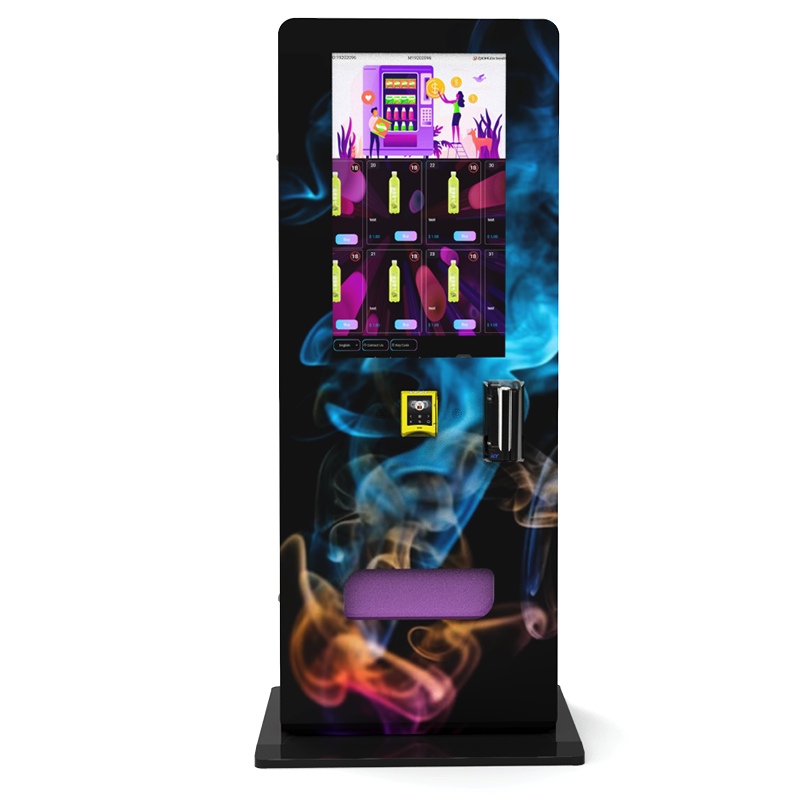
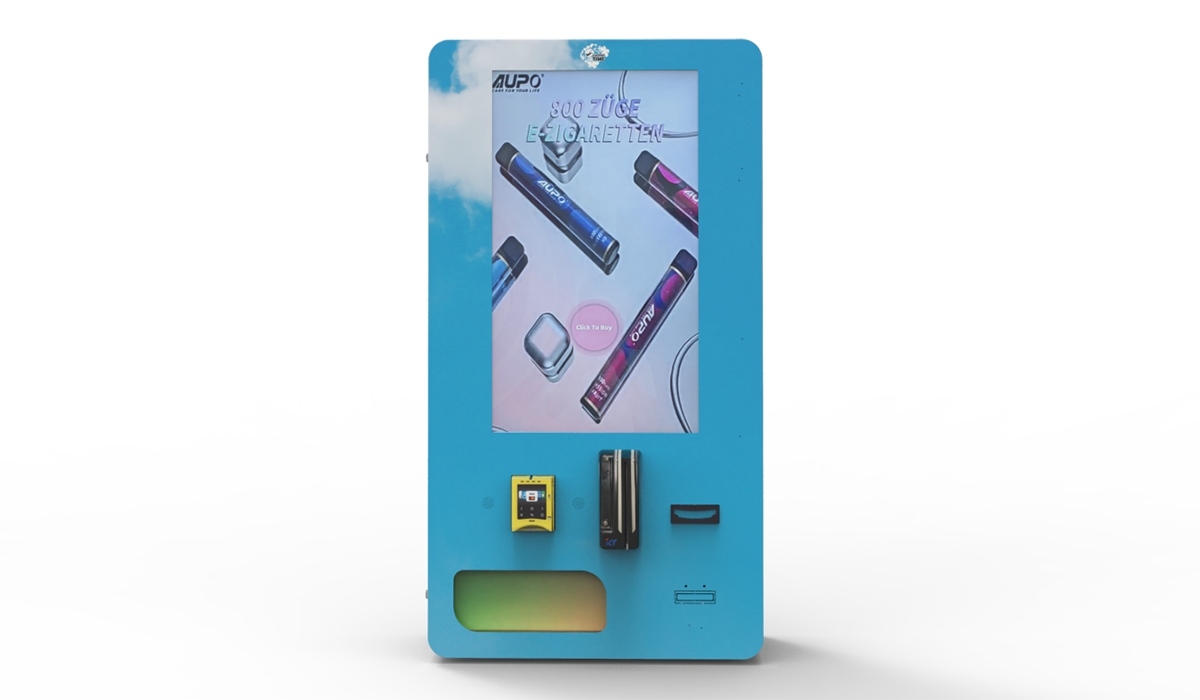
Space is the most expensive commodity in a bar or club. You do not want a massive refrigerator-sized unit taking up floor space that could hold a high-top table. This is where the form factor of the machine becomes critical.
| Feature | Wall-Mounted Unit | Floor-Standing Unit |
|---|---|---|
| Footprint | Minimal. Mounts on a wall or pillar. | Requires dedicated floor space (approx. 2x3 ft). |
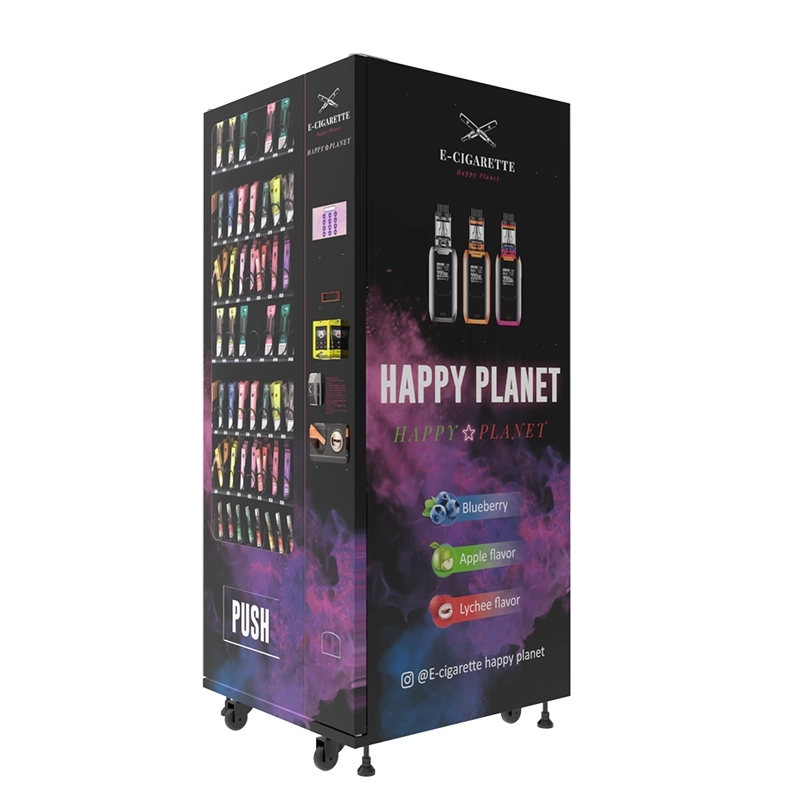
| Capacity | Lower (50-100 units). Best for disposables and pods. | Higher (150-300+ units). Can handle larger bottles and devices. |
| Installation | Requires wall anchoring and power. Relocation is easy. | Heavier, requires leveling. Harder to move. |
| Best Use Case | High-traffic areas near the dance floor or restrooms. | Entryways, lounges, or dedicated corners. |
| Price Point | Lower initial investment. | Higher initial investment, higher potential volume. |
For most bars, I recommend starting with a wall-mounted unit. It is less intrusive and easier to test the market. For larger clubs with higher throughput, a floor-standing unit with a larger capacity is a better fit. You can see the specific designs we offer for these scenarios on our vape vending machines product page.
Technical Specifications That Matter for Nightlife
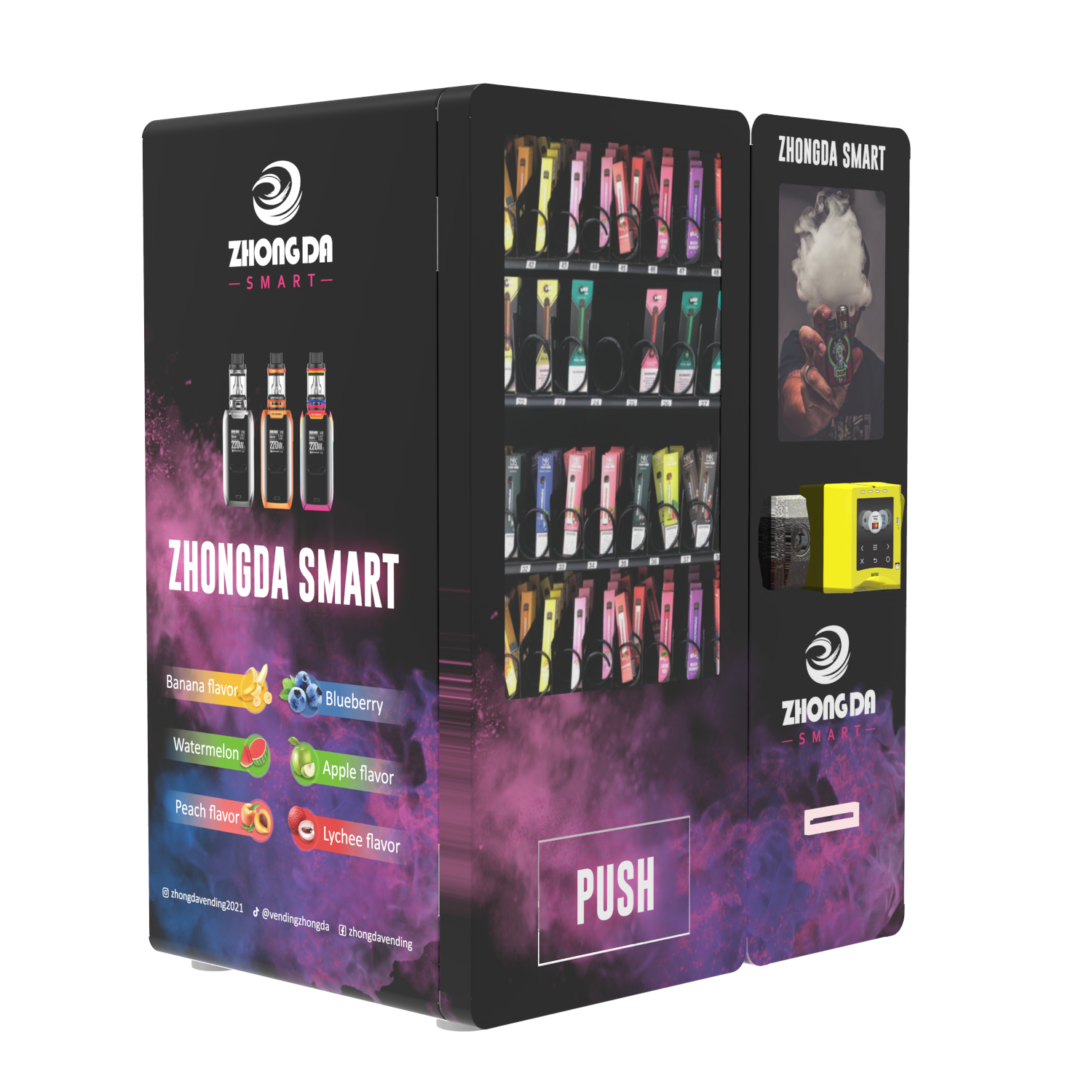
Not all machines are built for the environment of a bar. Spilled drinks, dust, and vibration from loud music are real threats. You need a machine with a robust casing, preferably metal, and a sealed payment system. The screen needs to be bright enough to read in a dimly lit room. We have moved to using capacitive touch screens instead of resistive ones for better sensitivity and durability.
The locking mechanism is another point of failure. A cheap solenoid lock will jam after a few thousand cycles. We use motorized locks with a manual override key. This is a detail that only becomes important at 2:00 AM on a Saturday when the machine freezes up.
The Real Profit Model: Margins, Inventory, and ROI
Let us talk about the money. A typical vape vending machine for bars and clubs costs between $3,000 and $8,000 depending on the features and capacity. If you are buying from a direct manufacturer like us, you cut out the middleman mark-up.
Here is a realistic profit projection based on actual operator data I have collected:
- Average Sale: $12 to $18 per transaction (disposable vape).
- COGS (Cost of Goods Sold): $4 to $6 per unit (buying bulk).
- Gross Profit per Sale: $8 to $12.
- Average Transactions per Night: 15 to 30 (depending on venue size).
- Weekly Gross Profit: $840 to $2,520.
At that rate, the machine pays for itself in 2 to 4 months. The ongoing cost is electricity (negligible) and restocking labor (low). The risk is dead stock. You must rotate inventory based on what moves. Strawberry ice flavors sell out. Tobacco flavors sit. You learn this in the first two weeks of operation.
Inventory Management for High-Traffic Venues
Do not overstock. A bar is not a vape shop. You only need the top 5 to 10 SKUs. Disposables dominate this channel. Rechargeable pod systems are a secondary market. You need to track sell-through rates weekly. If a product does not move in two weeks, swap it out. The data from the machine's telemetry system should tell you exactly what is selling and at what time.
One mistake I see repeatedly is operators filling the machine with cheap, low-quality devices to maximize margin. This backfires. A customer buys a dud, and they blame the venue, not the brand. They stop using the machine. Stick to known brands like Elf Bar, Geek Bar, and Lost Mary. The margin is slightly lower, but the velocity is higher. You make more money on volume.
Risk Management and Common Failures
I have seen machines get confiscated. I have seen operators get fined. I have seen units catch fire (cheap batteries in cheap machines). Here is how you avoid the worst of it.
The biggest risk is regulatory. Laws vary by state and county. You must check local ordinances. Some places ban the sale of flavored nicotine products. Some require a specific type of vending machine permit. You cannot assume that because it is legal in one city, it is legal in the next. I have a client in Colorado who operates 15 machines legally, but he had to get a separate license for each county.
The second risk is machine failure. The most common issue is the card reader failing. The vibration from a speaker system can kill a cheap card reader in weeks. We use hardened readers designed for outdoor kiosks. The second most common issue is the ID scanner getting dirty or the lens getting scratched. Regular cleaning is required.
A Case Study: The Club That Doubled Its Vape Sales
I worked with a club in a major metropolitan area. They had a staffed counter selling vapes. The line was always long, and staff were stealing inventory. They installed two of our ID-scan vending machine units near the main entrance. Within three months, their vape sales increased by 140%. The reason was simple: the machine was always available, there was no social friction (no judgment from a cashier), and the machine could upsell by showing product images on the screen. The venue owner told me that the machine paid for itself in six weeks.
The key takeaway from that deployment was location. We initially placed one machine near the bar. It did okay. We moved it to the entrance, right after the ID check point. Sales tripled. The customer is already pulling out their ID to get in. They just scan it again at the machine. It is a seamless flow.
Long-Term Operational Strategy
This is not a set-it-and-forget-it business. You need a service plan. Who restocks the machine? Who handles a jammed product? Who deals with a refund request?
For a single venue, the bar manager can handle restocking. It takes 15 minutes a day. For a multi-location operator, you need a dedicated route driver. We provide remote monitoring software with every machine. It alerts you when a product is low or when the cash box is full. This allows you to optimize your service routes.
You also need a plan for returns. A customer buys a vape that tastes burnt. You cannot test it before they buy it. We advise operators to keep a small stock of replacement units behind the bar. If a customer has a problem, the bartender swaps it out. This builds trust and keeps the machine in use.
Why Buying from a Manufacturer Matters
When you buy from a distributor, you pay a premium and you often get poor after-sales support. When you buy from a factory, you get the technical specs, the firmware updates, and the spare parts directly. We have been building these units for over 15 years. We know the firmware, the hardware, and the compliance requirements.
If you are looking at a specific model for a tight space, check our wall-mounted compact e-cigarette vending machine. It is one of our best sellers for this exact application. It fits on a wall between two restroom doors and holds a solid 60 units. For a larger club, the compliant e-cigarette vending machine offers better capacity and a larger screen for advertising.
We also publish detailed case studies on our site. If you want to see how other operators have set up their routes, read our analysis on vape vending machines for bars, clubs, and lounges. It covers specific deployment strategies that we have tested in the field.
Frequently Asked Questions
How does the ID verification work if the customer has a foreign passport?
Most standard ID scanners in our machines are programmed for US state-issued licenses and IDs. For foreign passports, the machine typically cannot scan the barcode. In that case, the machine should be configured to require manual override by a bartender, or it should simply decline the sale. We recommend having a staff member handle those rare transactions manually.
What happens if the internet goes down at the bar?
The machine relies on a network connection for credit card processing and remote monitoring. If the internet goes down, the machine can still operate in a cash-only mode if it has a bill acceptor, or it can be programmed to hold a cache of approved transactions. However, for security, most operators prefer to have the machine go offline until the connection is restored. We always recommend a backup cellular modem for critical locations.
Can I use this machine to sell THC or CBD products?
Technically, the hardware can dispense any product that fits in the coils. However, the legality of selling THC or CBD through a vending machine is a completely separate legal issue from nicotine. You must check local laws regarding the sale of hemp-derived or cannabis products. The age verification is the same, but the regulatory framework is different.
How often do the machines break down?
With proper maintenance, our machines have a failure rate of less than 2% per year. The most common issues are jammed products (usually due to damaged packaging) and card reader errors. We provide a one-year warranty on all electronics and a lifetime warranty on the cabinet and frame. Routine cleaning of the sensors and the ID scanner is essential.
What is the best way to handle a customer refund for a faulty product?
We recommend a "no questions asked" exchange policy. The bar staff should have a small inventory of the most popular devices behind the counter. If a customer complains, give them a new one. The cost of the replacement is far less than the cost of losing a repeat customer. The machine's software allows you to void a sale and issue a credit.
Meta Description: Expert guide on deploying an ID-verified vape vending machine for bars and clubs. Learn about ROI, compliance, hardware selection, and real-world profit models from a 15-year manufacturer.
Sources:
Statista - E-cigarettes in the US (Market Data)
Forbes - The Rise of Automated Retail