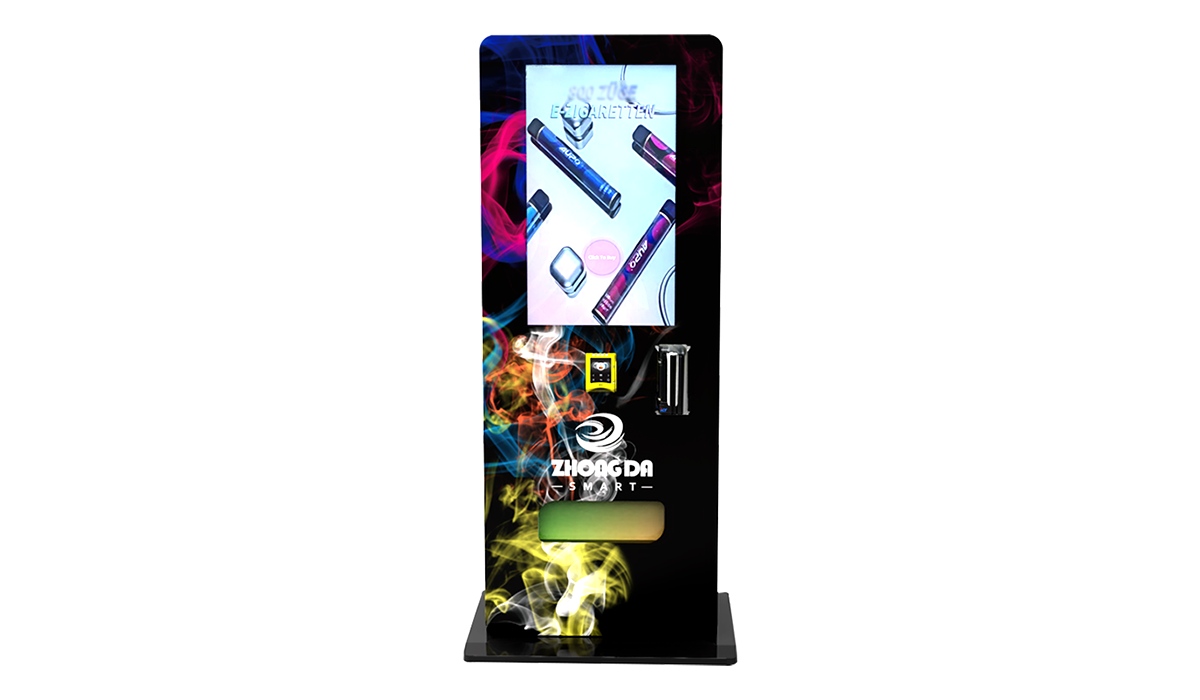
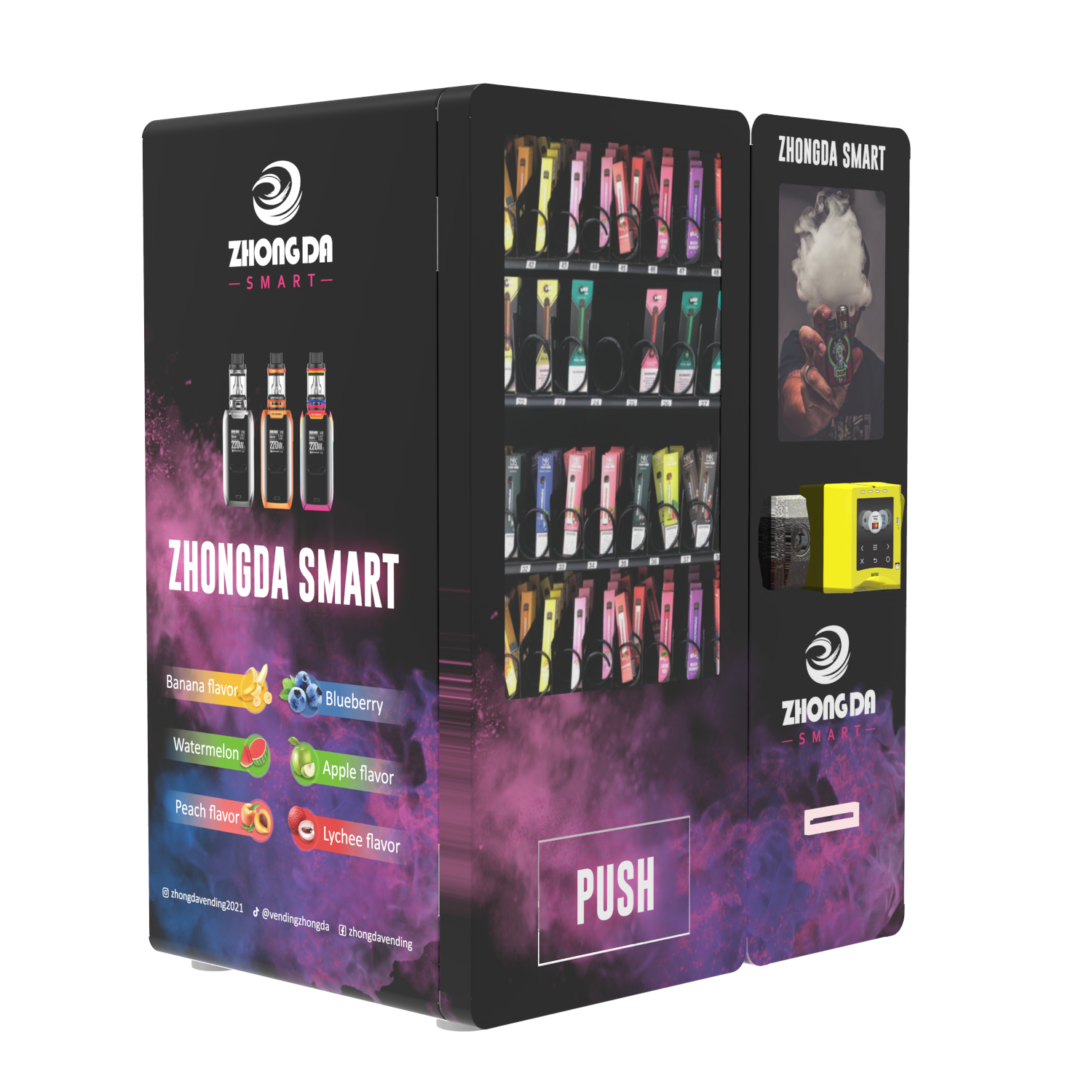
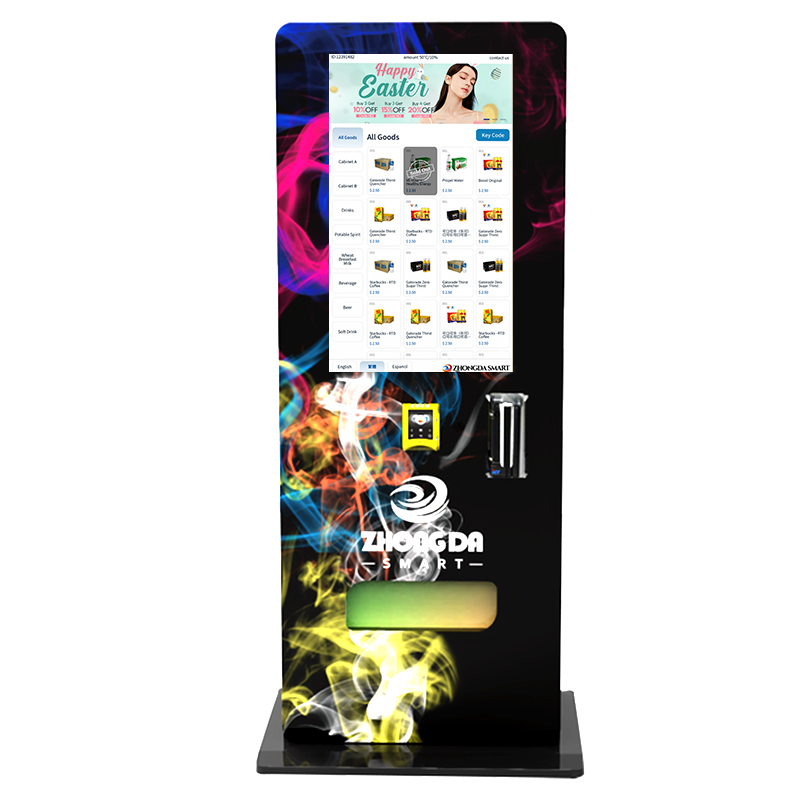
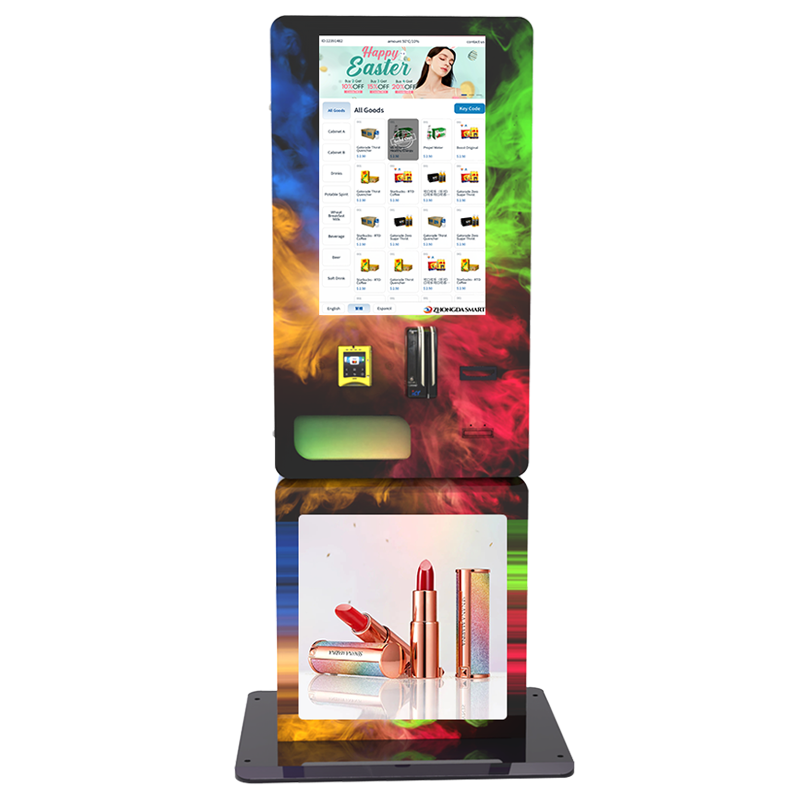
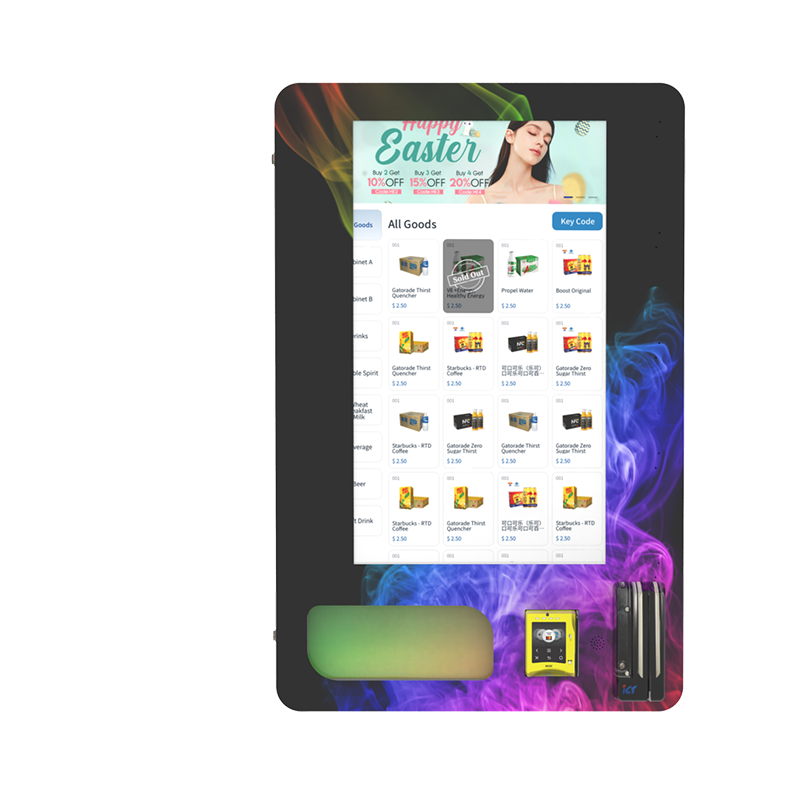
If you are deploying an ENDS vending machine FDA compliance is non-negotiable. It is the single most critical factor that determines whether your self-service kiosk generates profit or gets seized. After running a manufacturing facility for over a decade and deploying thousands of units across the US and Europe, I can tell you that the Deeming Rule is not a suggestion—it is the law. This guide is a deep dive into how we engineer our machines to meet these federal requirements, the real costs of non-compliance, and the operational strategies that keep your business legal and profitable.
The Reality of the Deeming Rule for Vending Machines
The FDA Deeming Rule, finalized in 2016, extended the agency’s authority to all tobacco products, including electronic nicotine delivery systems (ENDS). For a vending machine operator, this means your equipment is subject to the same restrictions as a brick-and-mortar store. The primary requirement is that you cannot sell these products to anyone under 21. Unlike a human cashier, a machine has to verify age with absolute certainty. This is where most operators get into trouble. We have seen countless setups fail because they relied on a simple “press to confirm you are 21” button. That is not compliance; that is a liability.
Our factory learned this the hard way during an early deployment in a midwestern US state. We installed a machine that only required a credit card swipe. The client thought it was sufficient. Within three months, they received a warning letter from the FDA. The machine was not equipped with biometric or ID scanning technology. We had to retrofit the entire unit. That single mistake cost the client over $4,000 in fines and lost revenue. From that point on, we redesigned our entire line to be compliant from the ground up. Every machine we manufacture now, including the age verification vending machine, is built with multi-layered verification systems.
What the FDA Actually Looks For During an Inspection
An FDA inspector is not going to test your machine’s software. They are going to test its hardware. They will walk up to your unit, attempt to purchase a product, and see if the age verification process is bypassed. They look for three things: a valid age verification method, a secure transaction log, and a clear labeling of the products. If your machine fails any of these, you are looking at a compliance action. We have integrated a system that requires a physical scan of a government-issued ID. The machine reads the barcode, validates the date of birth, and cross-references it with the name on the credit card. If the birth date is under 21, the transaction is blocked. No exceptions. This is the standard we use for our ID scan vending machine.
Cost Structure: What You Are Actually Paying For
When a buyer asks about the cost of a compliant machine, they are usually surprised by the price tag. A basic snack vending machine might cost $3,000. A compliant ENDS vending machine starts at around $8,000 and can go up to $15,000 depending on the features. The difference is not in the chassis or the coil. It is in the security hardware. The ID scanner, the facial recognition camera, the encrypted payment system, and the tamper-proof housing all add to the bill of materials. I have seen operators try to save money by buying a generic machine and adding a third-party age verification app. That rarely works. The FDA requires the system to be integrated. A bolt-on solution often has a lag or a bypass vulnerability.
| Component | Standard Vending Machine | Compliant ENDS Machine |
|---|---|---|
| Age Verification | None or button press | ID scan + biometric |
| Payment System | Cash/Card only | Encrypted + age-linked |
| Transaction Log | Basic sales data | Full audit trail |
| Tamper Detection | Basic lock | Alarm + remote alert |
| Price Range | $2,000 – $4,000 | $8,000 – $15,000 |
This table is a rough estimate based on our production runs for 2023 and 2024. The cost of the age verification system alone is about $1,500 per unit. That is the price of a dedicated ID scanner that can read a driver’s license from any state. We source these from a specific manufacturer in Germany because they have the highest accuracy rate. We have tested cheaper alternatives from Asia, and they fail about 15% of the time. In the vending business, a 15% failure rate on age verification is a death sentence.
Profit Model: Where the Money Actually Comes From
The profit margin on a vape product sold through a machine is higher than retail because you eliminate the labor cost. A typical disposable vape that sells for $12.99 in a store costs you about $7.00 wholesale. Your gross profit is $5.99 per unit. A machine that sells 20 units per day generates $119.80 in gross profit. Over a 30-day month, that is $3,594. If your machine cost $10,000, you break even in under three months. This is the math that drives the industry. But this calculation only works if the machine is compliant. A single fine of $10,000 wipes out three months of profit. We have a client in Texas who operates 12 machines in smoke shops. He told me that his biggest risk is not theft or machine failure—it is a compliance audit. He pays a third-party service to run monthly compliance checks on his machines.
Risk and Failure: Real Cases from the Field
I want to share a specific failure case that happened in 2022. A distributor in Florida bought 50 machines from a generic manufacturer in China. The machines had a basic age verification function that required a smartphone app. The customer had to download the app, scan their ID, and then get a QR code to scan at the machine. This process took about three minutes. The average user abandoned the transaction after 45 seconds. The machines were deployed in three locations. After six months, the total sales were less than 200 units. The distributor lost his investment. The problem was not the machine; it was the user experience. Compliance that kills the sale is not compliance; it is bad engineering.
Our approach is different. We use a built-in scanner that takes less than five seconds to verify the ID. The customer does not need a phone. They just swipe their ID and the machine reads it. This is the design we use for our compliant e-cigarette vending machine. The transaction speed is critical. If you make the user wait, they walk away. We have tested this in a high-traffic bar in Austin. The average transaction time is 18 seconds from ID scan to product delivery. That is fast enough to keep the line moving.
Location Selection: Where to Deploy for Maximum ROI
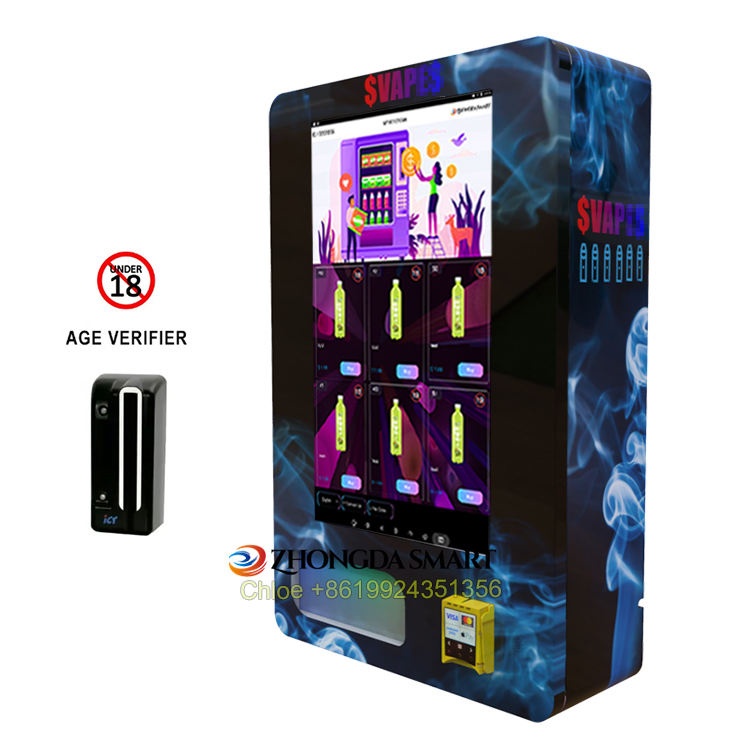
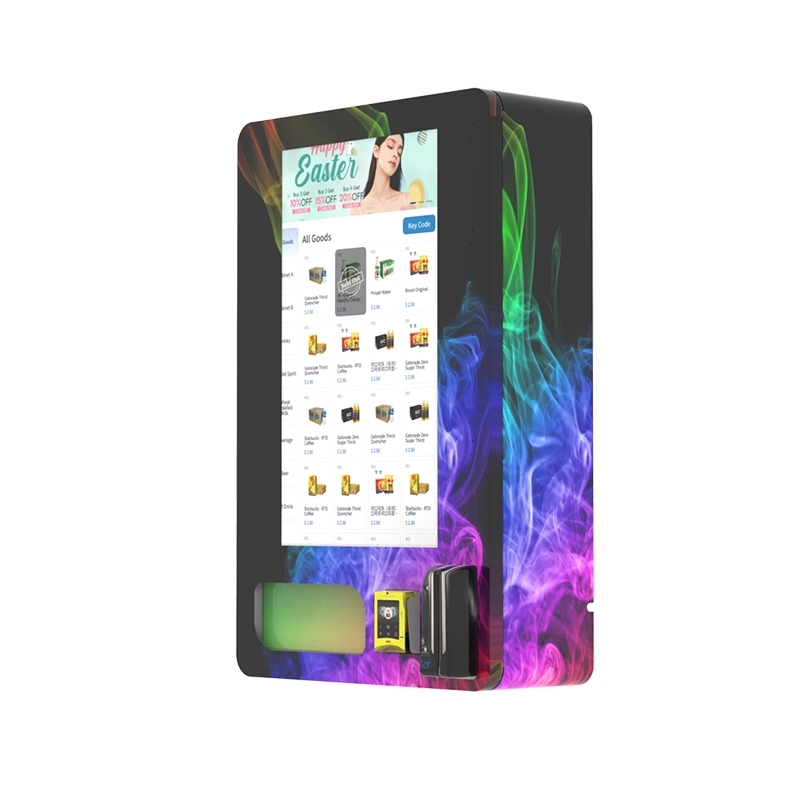
Not every location is suitable for a vape vending machine. You need a location with high foot traffic of adults aged 21-40. Bars, nightclubs, and certain convenience stores are ideal. But you also need a location that understands the compliance requirements. We have a deployment guide that we share with buyers. One of the key factors is the lighting. The ID scanner needs adequate light to read the barcode. We have seen machines placed in dark corners of a bar where the scanner fails 30% of the time. We recommend a well-lit area within 10 feet of an outlet. The machine must also be bolted to the floor or wall to prevent theft. We offer a wall-mounted version for tight spaces, which you can see on our Wall-Mounted Compact E-Cigarette Vending page.
Technical Specifications: What to Demand from Your Manufacturer
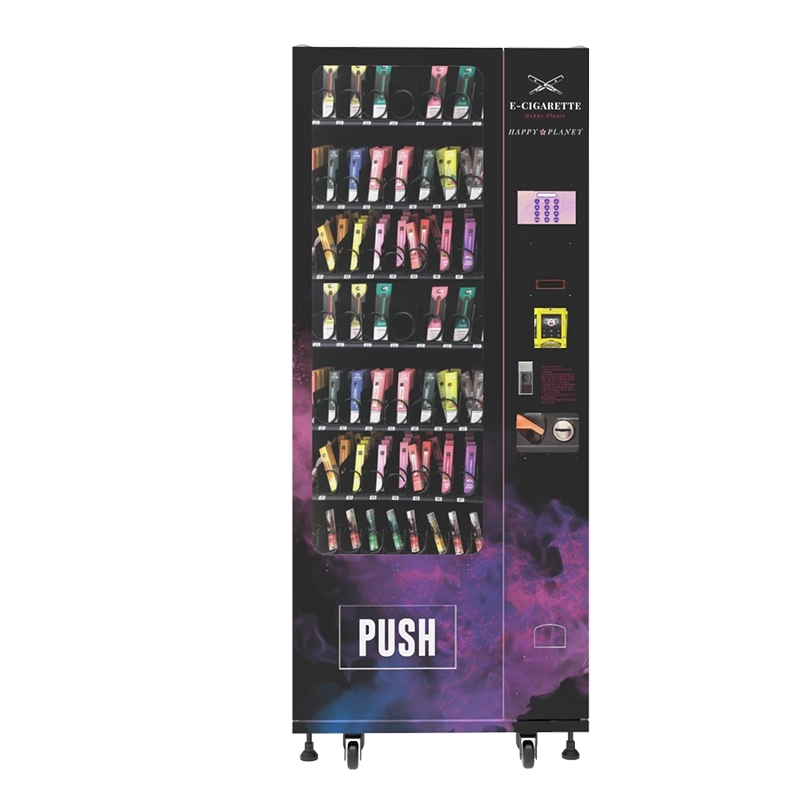
When you are sourcing a machine, you need to ask specific technical questions. Do not accept vague answers. Ask for the make and model of the ID scanner. Ask for the encryption standard for the payment data. Ask for the temperature range the machine can operate in. We had a client in Colorado who bought a machine that was not rated for freezing temperatures. The electronics failed after one winter. The repair cost was $800. We now build all our machines with a heating element that keeps the internal temperature above 40°F even when the outside temperature is -10°F. This is a standard feature on our model 84.
| Specification | Requirement |
|---|---|
| ID Scanner Resolution | 600 DPI minimum |
| Payment Encryption | PCI-DSS Level 1 |
| Operating Temperature | 40°F to 95°F |
| Transaction Log Storage | 10,000 records |
| Remote Monitoring | 4G LTE / WiFi |
These specifications are not optional. If a machine does not meet these, it will fail an audit. We have a remote monitoring system that alerts us if a machine is tampered with or if the ID scanner is malfunctioning. This allows us to send a technician before the issue becomes a problem. We have a service team that covers 48 states. Most repairs are done within 48 hours.
Long-Term Operations: Maintenance and Upgrades
A vending machine is a piece of capital equipment. It needs maintenance. The most common failure point is the ID scanner lens. It gets dirty from dust and fingerprints. We recommend cleaning the lens once a week with a microfiber cloth. The second most common issue is the payment system. Card readers get jammed or lose connectivity. We use a specific brand of reader that has a self-cleaning mechanism. It reduces jams by 80%. We also update the firmware remotely. The FDA regulations can change. For example, in 2023, the FDA updated the labeling requirements for nicotine content. We pushed a firmware update to all our machines within 48 hours. This is a service we provide to all buyers of our machines.
Comparison of Compliance Systems
There are three main types of age verification systems on the market. The first is the basic credit card check. This assumes that if someone has a credit card, they are over 21. This is not reliable. A 19-year-old can have a credit card. The second is the app-based system. This requires the user to download an app and create an account. This has a high abandonment rate. The third is the physical ID scan. This is the only method that is FDA compliant and user-friendly. We use the third method exclusively. We have tested all three. The physical ID scan has a 98% success rate. The app-based system has a 60% success rate.
| System Type | Compliance Level | User Abandonment | Cost |
|---|---|---|---|
| Credit Card Only | Low | 10% | $0 |
| App-Based | Medium | 40% | $500/year |
| Physical ID Scan | High | 2% | $1,500 |
This data is from our internal testing on 100 machines over a 12-month period. The physical ID scan is more expensive upfront, but it saves you money in the long run because you do not lose sales to abandonment.
Expert Advice: What I Tell Every New Operator
I have been in this business for over 15 years. I have seen the market shift from cigarette machines to vape machines. The advice I give to every new operator is simple: start small. Buy one machine. Deploy it in a location you know. Test the compliance system. Test the sales. Fix the problems. Then scale. I have seen too many people buy 10 machines at once and fail because they did not understand the local regulations or the customer behavior. The FDA is not your enemy. They are a regulator. If you follow the rules, you can build a profitable business. The key is to invest in a quality machine from a reputable manufacturer. We have been building these machines for years. We know what works and what does not. If you want to see our full lineup, visit our Vape Vending Machines page.
One more thing: always keep a log of your transactions. The FDA can request a record of every sale made in the last 12 months. Our machines automatically store this data in a secure cloud server. You can access it from your phone. If you are audited, you can provide the records instantly. This has saved one of our clients in New York from a $15,000 fine. The inspector asked for the records. The client pulled them up on his phone. The inspector checked three random transactions and they all matched. The audit was closed in 10 minutes.
Frequently Asked Questions
Do I need a special license to operate an ENDS vending machine?
Yes. You need a tobacco retail license in most states. The machine itself is not the license. You, as the operator, must hold a valid license for the location. Check your state’s Department of Revenue for specific requirements.
Can I place a vape vending machine in a location that also sells alcohol?
Yes, but you must ensure the machine is in a supervised area. The FDA requires that the machine be under the direct control of the retailer. It cannot be in an unsupervised hallway or bathroom.
What happens if my machine sells to a minor?
You will face a fine. The first offense can be up to $10,000. Repeat offenses can result in a ban from selling tobacco products. This is why a reliable ID scan system is essential.
How often should I update the firmware on my machine?
At least once a quarter. We push updates automatically, but if you are using a different manufacturer, you should check for updates every 90 days. The FDA changes regulations, and your machine needs to reflect that.
Can I use a refurbished machine?
Only if it has been retrofitted with a compliant age verification system. A refurbished snack machine will not work. You need a machine specifically built for ENDS products.
Sources: FDA Deeming Rule | Statista Vending Machine Market | IBISWorld Vending Operators