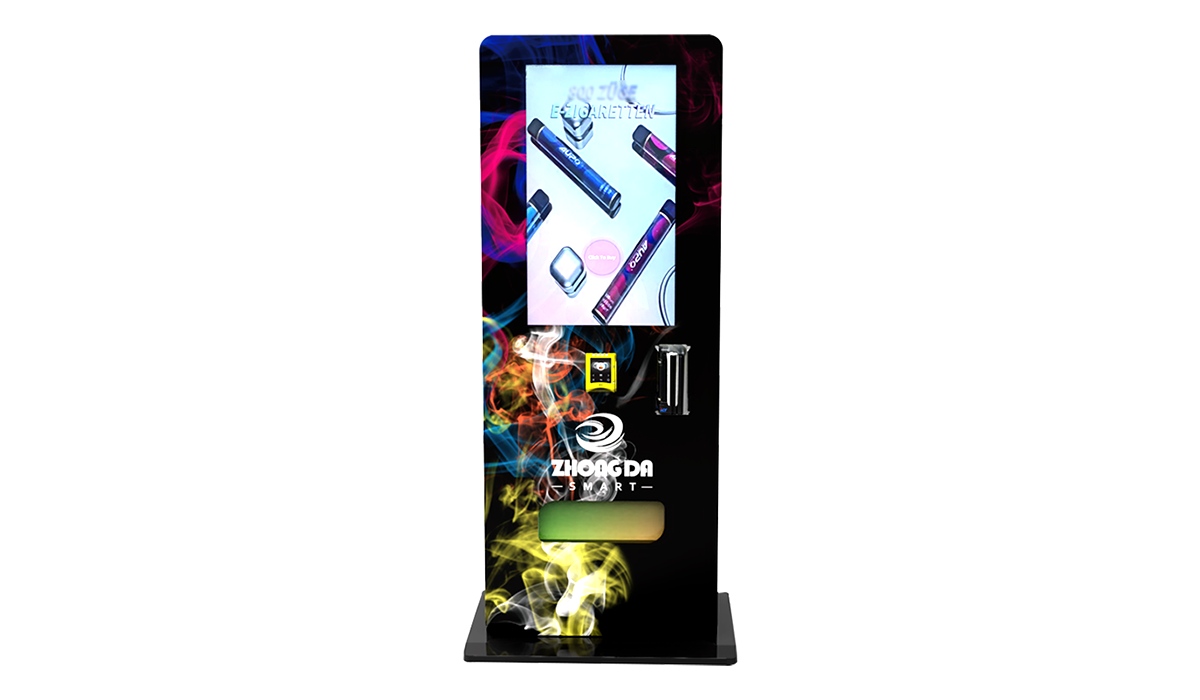
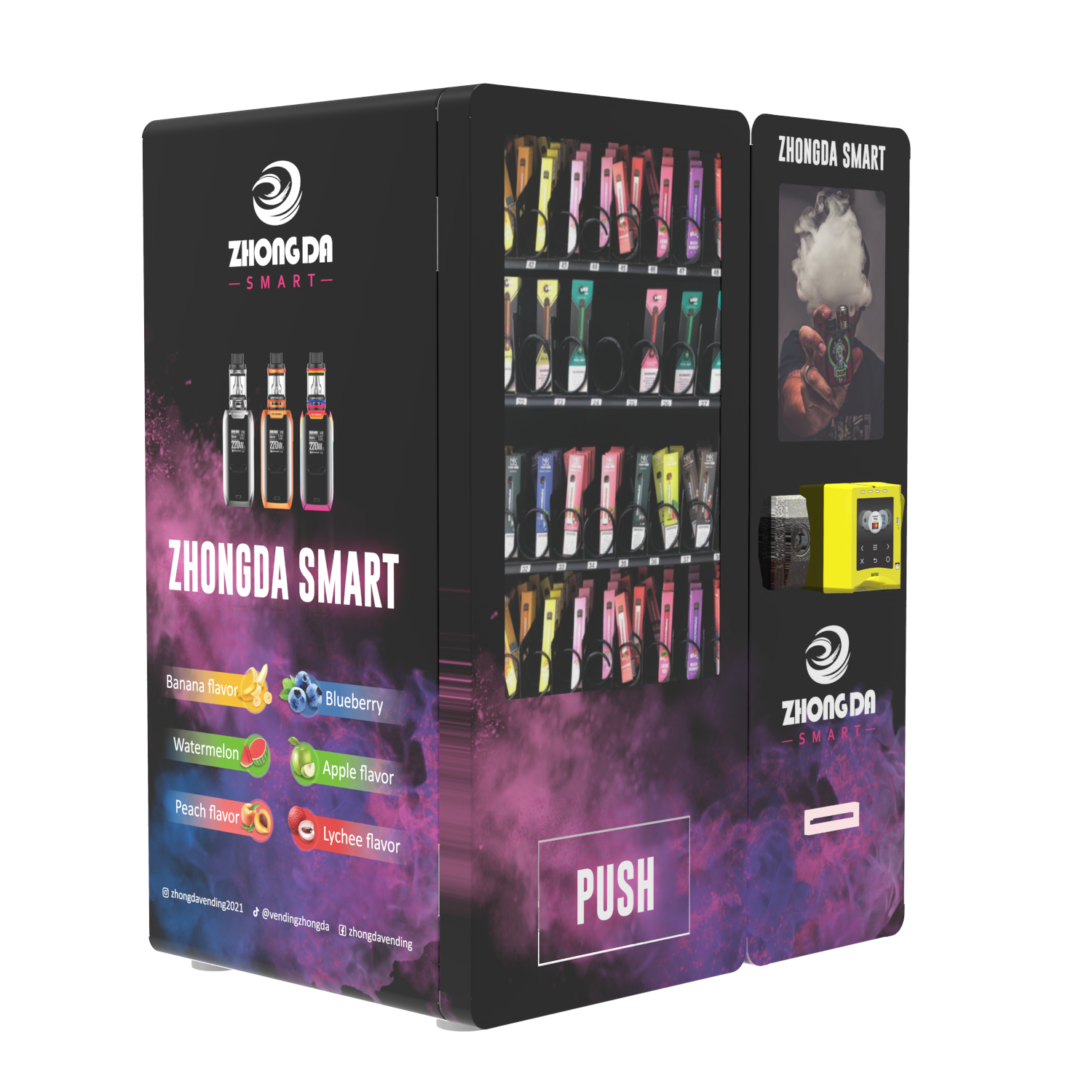
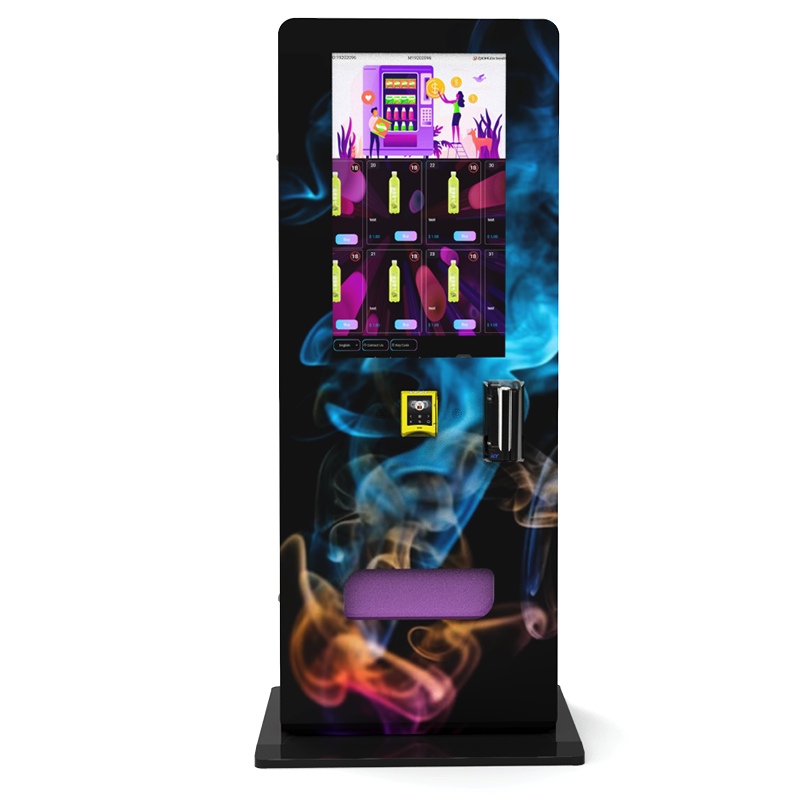
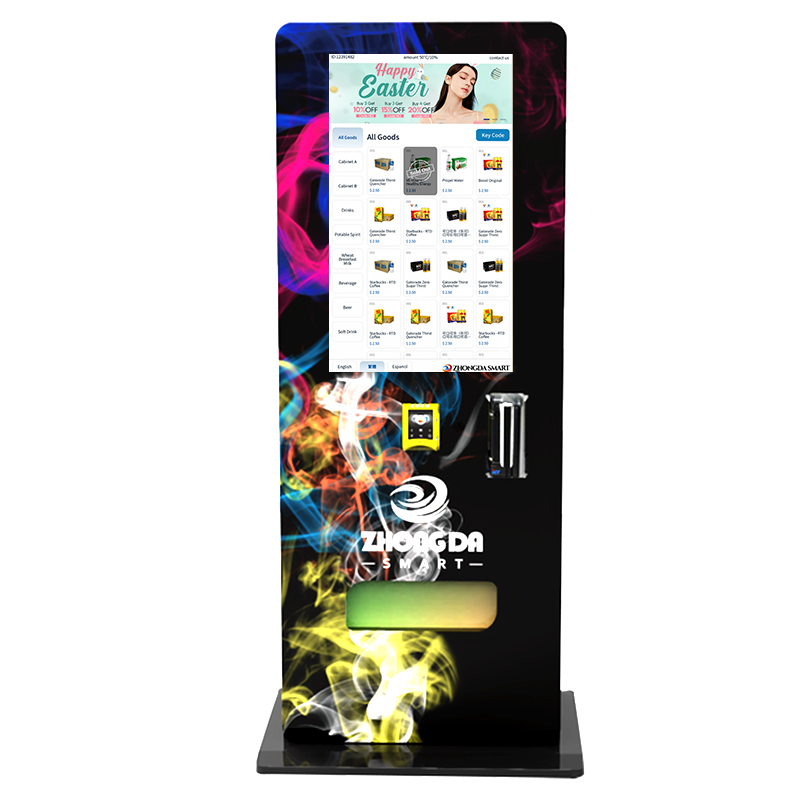
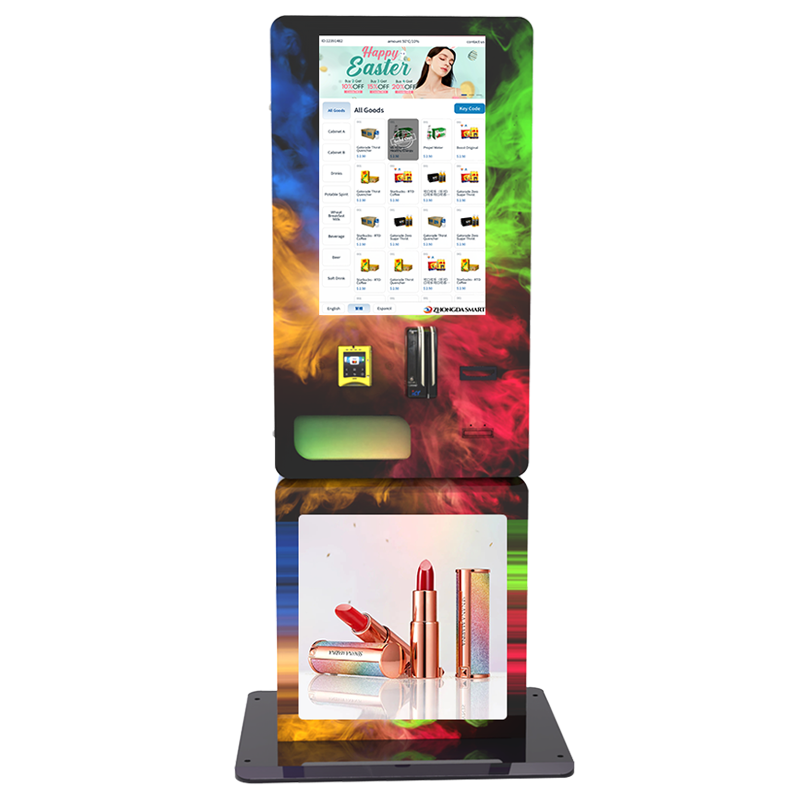
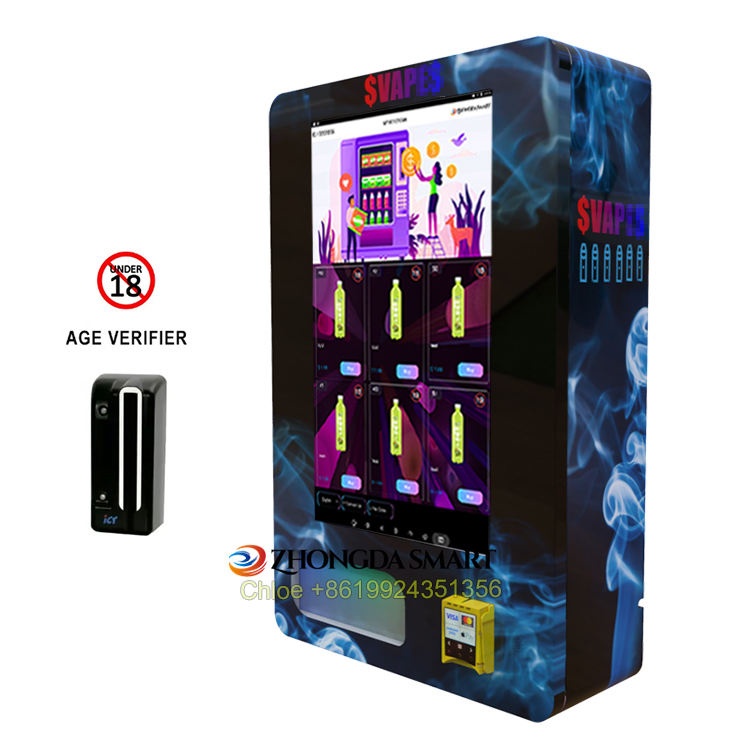
If you are looking for a custom vape vending machine that carries your branding, you are not just buying hardware—you are investing in a 24/7 sales channel that builds brand recognition every time a customer makes a purchase. Over the past decade, I have designed and deployed thousands of these units across high-traffic locations, and the single most important lesson is this: the machine must feel like an extension of your product line, not a generic box slapped with a sticker. A truly branded smart vending machine does more than dispense; it tells your story, reinforces trust, and drives repeat business. From the wrap graphics to the user interface, every detail should scream your identity. Let me walk you through exactly how to make that happen, based on real projects and hard data.
Why Branding Matters More Than You Think in Vape Vending
Walk into any busy bar or lounge, and you will see the same black or silver machines lined up. They all look the same. That is a missed opportunity. A custom vape vending machine with your logo and color scheme stands out immediately. It tells the customer, "This is an official, authorized point of sale." It also prevents confusion with competitors who might place their generic machines right next to yours.
I have seen locations where a branded machine outsells an unbranded one by 30% just because of the visual trust factor. When a customer sees a familiar logo with professional lighting, they assume the products inside are fresh and legitimate. That assumption is worth real money. Furthermore, your brand gets free impressions every time someone walks past the machine. Over a year, that is thousands of passive marketing touches without any ad spend.
The Psychological Impact of a Branded Interface
The touchscreen is where the sale happens. A generic interface feels like a gamble. A branded interface feels like a store. We have built custom UI screens that match a brand’s packaging colors and font. The result? Higher conversion rates. People linger longer, browse more items, and add to cart. The interface becomes part of the product experience, not just a transaction tool. If you want customers to feel like they are buying from your official store, the screen must look like your website or your packaging.
What Makes a Vape Vending Machine Truly Custom?
True customization goes beyond a decal. It involves the physical shell, the internal layout, the software, and the compliance tools. Here is what we typically configure for clients who want a machine that feels proprietary.
- Full Wrap or Painted Shell: Vinyl wraps are the most common, but we also offer powder-coated panels in any RAL color. This is more durable and looks more premium.
- Custom LED Lighting: We integrate RGB LED strips that can be programmed to match your brand colors. Some clients want a pulsing glow; others want a static, clean white light to highlight the products.
- Branded Touchscreen Boot Screen: The moment the screen wakes up, your logo appears. We also customize the entire menu structure, including product images, descriptions, and promotional banners.
- Tailored Coil and Spacing: Not all vape products are the same size. We adjust the coil pitch and shelf height to fit your specific product mix, whether it is disposable pens, pod systems, or bottles of e-liquid.
- Integrated Age Verification: Every machine we build includes a built-in ID scanner. We can brand the verification screen with your logo and instructions. The scanner reads the barcode, validates the date of birth, and checks for expiration.
For a closer look at how we configure these elements, check out our age verification vending machine page, which details the specific scanner models and software we integrate.
The Core Components of a Branded Self-Service Kiosk
Building a machine that works reliably for years requires more than just a pretty face. I have opened up hundreds of machines to fix issues, and the internals are where the quality really shows. Here is what you should look for when specifying a custom unit.
Cooling and Humidity Control
Vape products, especially e-liquids and batteries, are sensitive to heat. A machine that sits in a warm bar or near a window needs a robust refrigeration system. We use a compressor-based cooling unit, not a thermoelectric Peltier. The compressor keeps the internal temperature steady between 60-70°F, which extends the shelf life of the nicotine and prevents battery degradation. I have seen machines without proper cooling lose 15% of their inventory to heat damage in a single summer month.
Payment System Flexibility
A branded machine must accept modern payments. We install a multi-currency bill acceptor, a coin mechanism, and a contactless card reader that supports Apple Pay and Google Wallet. The card reader is EMV certified. In my experience, over 80% of vape vending transactions are cashless. If your machine only takes cash, you are leaving money on the table. The payment system should also be able to process age verification holds, where the card is authorized but not charged until the age check passes.
Inventory Tracking and Telemetry
You cannot manage what you cannot measure. Every machine we ship comes with a 4G LTE modem and a cloud-based management portal. This portal shows real-time inventory levels, sales data, and error codes. We have clients who restock their machines based on this data alone, cutting their service visits by 40%. The system also sends alerts when a product is low or when a coil gets jammed. This telemetry is the backbone of a profitable operation.
Cost Structure: What You Are Really Paying For
I get asked about pricing every day. The answer is not simple because every build is different. But I can break down the major cost drivers so you understand where your money goes.
| Component | Cost Range (per unit) | Notes |
|---|---|---|
| Base machine shell and frame | $1,500 – $3,000 | Steel gauge thickness determines durability. Thicker steel costs more but lasts decades. |
| Refrigeration system | $800 – $1,500 | Compressor-based is more expensive than Peltier but necessary for vape products. |
| Touchscreen and computer board | $600 – $1,200 | Higher resolution screens with anti-glare coating are better for bright locations. |
| Payment system (card + cash) | $400 – $900 | EMV certified readers cost more but are required for compliance. |
| ID scanner and age verification software | $500 – $1,000 | Software licensing fees may apply annually. We include the first year. |
| Custom branding (wrap, paint, LEDs) | $300 – $1,000 | Full wrap with complex graphics costs more than a simple logo decal. |
| Telemetry and cloud software | $200 – $500 | Includes modem hardware and first year of portal access. |
| Shipping and installation | $300 – $800 | Depends on location and whether you need on-site setup. |
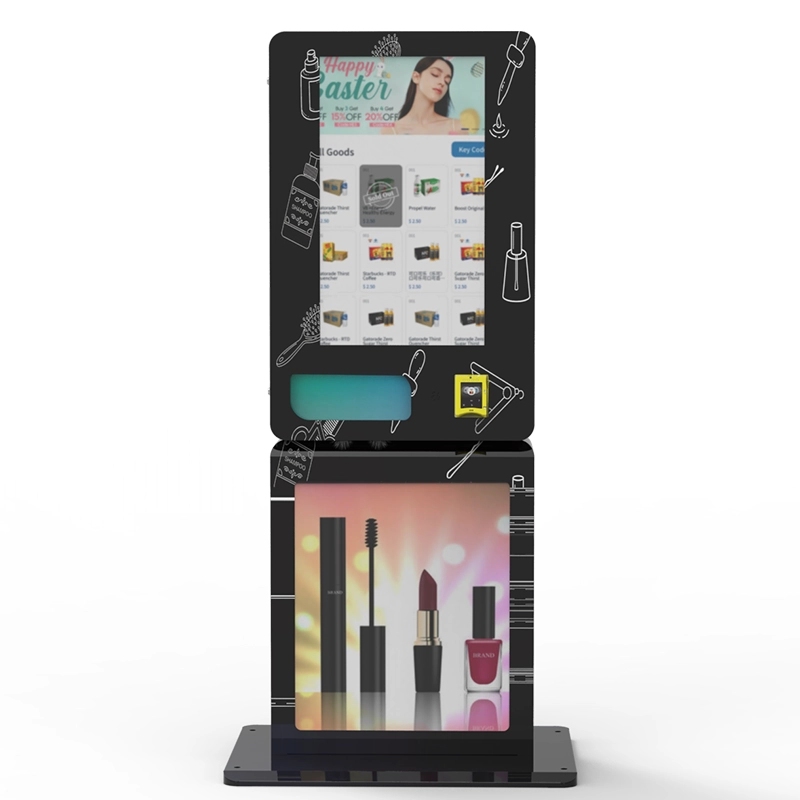
On average, a fully custom vape vending machine with branding and age verification runs between $4,500 and $8,000. That might sound steep, but compare it to the cost of hiring a part-time salesperson for a year. The machine pays for itself in 6 to 12 months if placed correctly. For a detailed breakdown of specific models, visit our vape vending machines page.
Profit Model: How the Numbers Work in the Field
Let me give you a real-world example from a client who runs three machines in college town bars. Each machine holds 120 units. He sells disposables at a 40% margin. That means each unit costs him $6 and sells for $10. If the machine sells 30 units per week, that is $120 in gross profit per week, or $6,240 per year. After electricity, credit card fees (2.5%), and monthly telemetry costs ($20), his net profit per machine is around $5,000 per year. That is a 100% return on investment in the first year if the machine cost $5,000.
But the real leverage comes from scaling. Once you have five machines, you can negotiate better wholesale pricing. Your margin jumps to 50%. You also reduce per-machine service costs because you can route your restocking trips efficiently. I have one client who runs 20 machines across a single city. His annual net profit is over $150,000. The key is location density. You want multiple machines in a small geographic area so your restocking driver can hit five locations in one morning.
Revenue Boosters: Promotions and Bundles
Branded machines allow you to run digital promotions. We program the software to offer a "buy two, get one 50% off" deal on slow days. The machine automatically adjusts the price on the screen. This feature alone increased one client's sales by 18% on weeknights. You can also create bundles, like a vape pen with a charger for a single price. The machine handles the inventory deduction correctly. These are tactics that a generic machine cannot support.
Risk and Failure: What I Have Learned the Hard Way
I have made plenty of mistakes over 15 years. I want you to avoid them. The most common failure is not the machine breaking down. It is the location failing. I once placed a machine in a nightclub that looked perfect on paper. High foot traffic, young demographic, late hours. But the club had a strict no-phone policy inside, and people could not use their phones to verify their age via the scanner. The machine sat idle for three months before we moved it. Always check the venue's rules before signing a placement agreement.
Another failure point is the payment system. We had a batch of machines where the card reader would freeze after a certain number of transactions. It was a firmware issue. We had to update every machine manually. That cost us two weeks and several thousand dollars in lost sales. Now we test every reader with a full day of simulated transactions before shipping. If you are buying from a manufacturer, ask them about their testing protocol. A good manufacturer will have a documented burn-in process.
Vandalism is also a reality. I have seen machines kicked, punched, and even sprayed with fire extinguishers. The solution is simple: use a machine with a reinforced door and a tamper alarm. The alarm sends a notification to your phone if the door is opened without authorization. We also install a small camera inside the machine that captures a photo of the person at the moment of sale. This deters theft and helps with disputes.
For more details on how to avoid common pitfalls, read our article on how to start a vape vending machine business, which covers site selection and risk management in depth.
Deployment Experience: From Factory Floor to Bar Wall
I want to give you a sense of what the deployment process actually looks like. It is not just plug and play. When we ship a custom machine, it comes pre-configured with your branding and product list. But the on-site setup still takes about an hour. Here is the typical sequence.
- Site Survey: We send a checklist to the location manager. We need to know the dimensions of the space, the location of power outlets (110V or 220V), and the Wi-Fi signal strength. If the Wi-Fi is weak, we install a cellular booster.
- Uncrating and Positioning: The machine weighs about 300 pounds. You need a dolly with straps. We always bring a leveling tool because an uneven floor can cause the cooling compressor to vibrate and fail early.
- Power and Network Connection: We plug in the machine and connect it to the network. The machine runs a self-diagnostic test. This checks the cooling, the payment system, the scanner, and the touchscreen.
- Test Purchase: We run a test transaction with a dummy ID to make sure the age verification works end-to-end. We also test a credit card purchase and a cash purchase.
- Loading Inventory: We load the products according to the planogram we designed with the client. Each slot is labeled in the software. We take photos of the loaded machine for the client's records.
- Final Calibration: We adjust the LED brightness and the screen contrast based on the ambient light in the room. We also set the price display to match the local tax rate.
I have done this over a thousand times. The most important step is the test purchase. I have seen installers skip this, only to find out the next day that the scanner is not reading IDs correctly. Do not let that happen to you.
Long-Term Operations: Keeping the Machine Profitable
Once the machine is live, the work is just beginning. A vending machine is a living asset. It needs regular attention. Here is what a mature operation looks like.
Restocking Schedule
You need to restock based on velocity, not on a fixed calendar. If a machine sells 50 units a week, you restock every week. If it sells 10, you restock every two weeks. The telemetry data tells you exactly what to bring. I recommend keeping a 20% buffer of inventory at your warehouse. This prevents stockouts when a supplier is late. Stockouts are the number one reason for lost revenue in vending. A machine that is empty for three days loses customers permanently.
Maintenance and Repairs
Even the best machines need repairs. The most common issue is a jammed coil. This happens when a product gets stuck. The solution is to train your restocking staff on how to clear jams. It takes 30 seconds. The second most common issue is a failed card reader. We always carry a spare reader in the service vehicle. Swapping it out takes five minutes. Do not let a broken reader sit for a week. That is a week of zero sales.
Software Updates
We push software updates to our machines remotely. These updates improve security, add new features, and fix bugs. For example, we recently added a feature that allows the machine to display a QR code for customer feedback. The updates happen overnight and do not interrupt sales. If you are buying from a manufacturer, ask about their update policy. You want a manufacturer that actively develops the software, not one that abandons the machine after the sale.
Comparing Custom vs. Off-the-Shelf Machines
I often get asked whether a custom machine is worth the extra cost compared to a generic one. The answer depends on your goals. If you just want to test the market with one machine, a generic unit might be fine. But if you are building a brand and plan to scale, custom is the only way to go. Here is a comparison based on my experience.
| Factor | Custom Branded Machine | Generic Off-the-Shelf Machine |
|---|---|---|
| Initial cost | Higher ($4,500 – $8,000) | Lower ($2,500 – $4,000) |
| Brand recognition | High. Customers remember your logo. | Low. Looks like every other machine. |
| Customer trust | High. Looks like an official store. | Medium. Looks like a random box. |
| Software flexibility | Full control over UI, promotions, and data. | Limited to what the manufacturer provides. |
| Resale value | Higher. Branded machines are unique. | Lower. Generic machines are commodities. |
| Maintenance support | Dedicated support from the factory. | Often limited to third-party repair shops. |
In my opinion, if you are serious about building a vending network, the custom route pays off within the first year. The extra trust and higher sales volume more than cover the initial investment.
Regulatory Compliance: The Non-Negotiable
You cannot operate a vape vending machine without proper age verification. This is not a suggestion; it is the law in most states and countries. Every machine we build includes a scanner that reads the barcode on the back of a driver's license. The software checks the date of birth and the expiration date. If the ID is expired or the person is underage, the transaction is blocked. The machine also logs every verification attempt for audit purposes.
We have built machines for clients in highly regulated markets. The key is to use a scanner that supports the specific ID formats in your region. For example, some states have vertical IDs for under-21 individuals. The scanner can detect that and flag it. We also offer a biometric option, but it is less common because of privacy concerns. The ID scan is the industry standard. For more information on how this works, see our page on ID scan vending machines.
Expert Advice: What I Tell Every New Buyer
Here is the advice I give to every client before they sign a purchase order. First, start with one machine. Learn the operational kinks before you scale. I have seen people buy ten machines at once and then realize they hate restocking. Second, build a relationship with a local vape distributor. You need a reliable supply chain. Third, invest in the telemetry. It is the only way to know if your machine is making money. Fourth, do not cheap out on the payment system. A broken card reader is a dead machine. Fifth, think about the customer experience. A clean, well-lit, branded machine makes people want to buy.
I have been doing this since before vaping was mainstream. I have seen the industry change from cigarette machines to high-tech smart vending machines. The companies that succeed are the ones that treat their machines as retail stores, not as vending machines. They brand them, stock them with care, and monitor them obsessively. That is the formula.
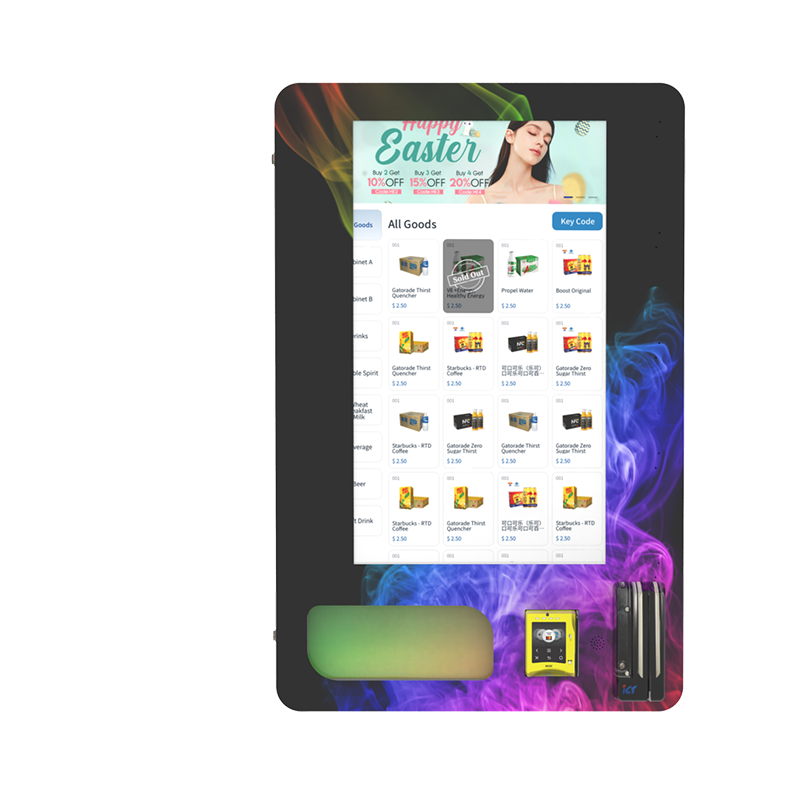
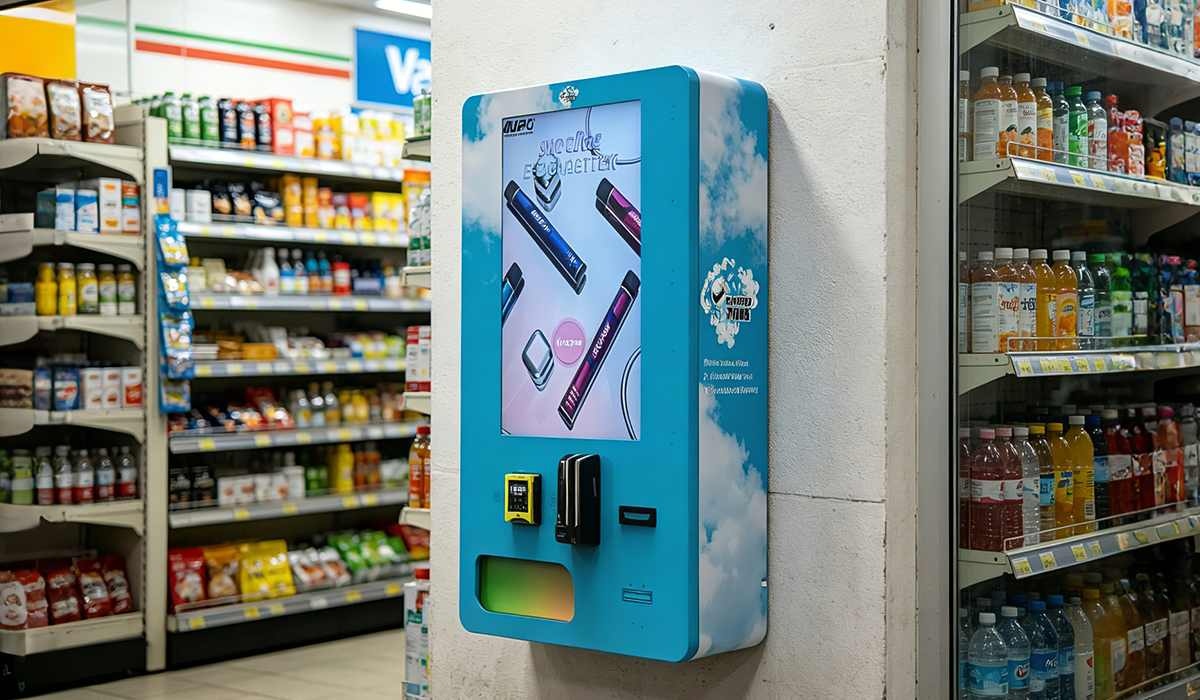
If you want to see how we build these machines from the ground up, take a look at our wall-mounted compact e-cigarette vending machine. It is one of our most popular models for tight spaces.
Frequently Asked Questions
How long does it take to manufacture a custom vape vending machine?
Typically, a custom build takes 4 to 6 weeks from order approval to shipment. This includes design, fabrication, software configuration, and testing. Rush orders can be done in 3 weeks for an additional fee.
Can I use my own graphics and logo on the machine?
Yes. You provide the artwork in vector format (AI or EPS), and we handle the printing and application. We can also design the graphics for you if you do not have a designer.
What happens if the machine breaks down?
We provide remote diagnostics 24/7. Most issues can be resolved with a software update or a simple reset. If a part needs replacement, we ship it overnight. We also have a network of field technicians in major cities.
Do I need a special license to operate a vape vending machine?
Yes. You need a tobacco retail license for each machine location. The requirements vary by state and city. We recommend consulting with a local attorney who specializes in tobacco law. Our machines are designed to meet the strictest age verification requirements.
How many products can a typical machine hold?
Our standard machines hold between 80 and 150 units, depending on the product size. We can customize the shelf layout to maximize capacity for your specific product mix.
Final Thoughts
A custom vape vending machine with your branding is not just a piece of equipment. It is a salesperson that works 24 hours a day, seven days a week, without a salary. It builds your brand, enforces compliance, and generates a predictable stream of income. The key is to choose the right manufacturer, invest in the right features, and place the machine in the right location. I have seen this model work for small shop owners and large distributors alike. The technology is mature, the market is growing, and the opportunity is real.
If you are ready to discuss your specific needs, feel free to reach out through our contact page. We can walk through your requirements and give you a detailed quote.
Meta Description: A custom vape vending machine with your branding builds trust, drives sales, and operates 24/7. Learn how to design, deploy, and profit from a branded smart vending machine.
References:
- Statista. "Vending machine market size in the United States." https://www.statista.com
- IBISWorld. "Vending Machine Operators in the US." https://www.ibisworld.com
- FDA. "Tobacco 21: Age of Sale for Tobacco Products." https://www.fda.gov