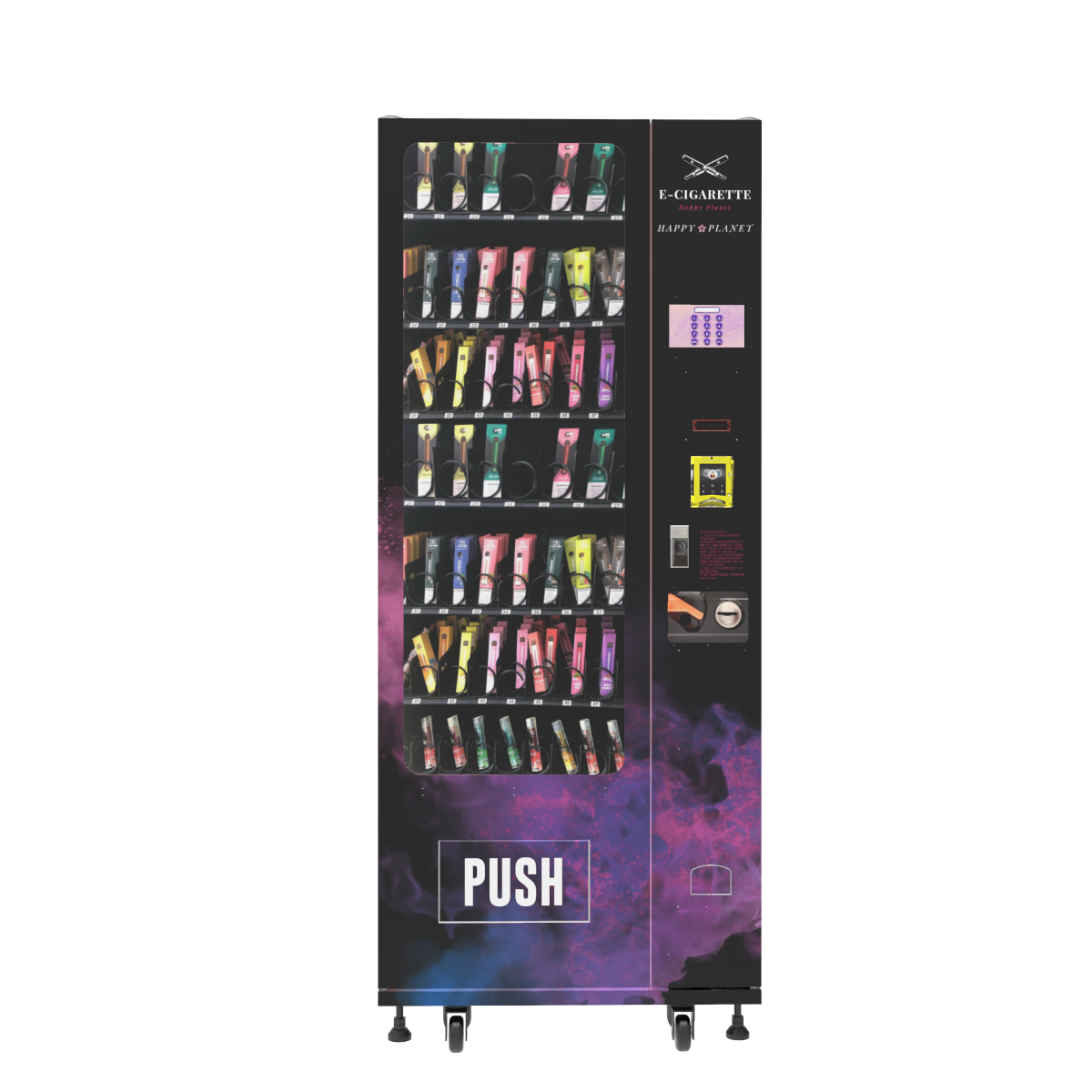
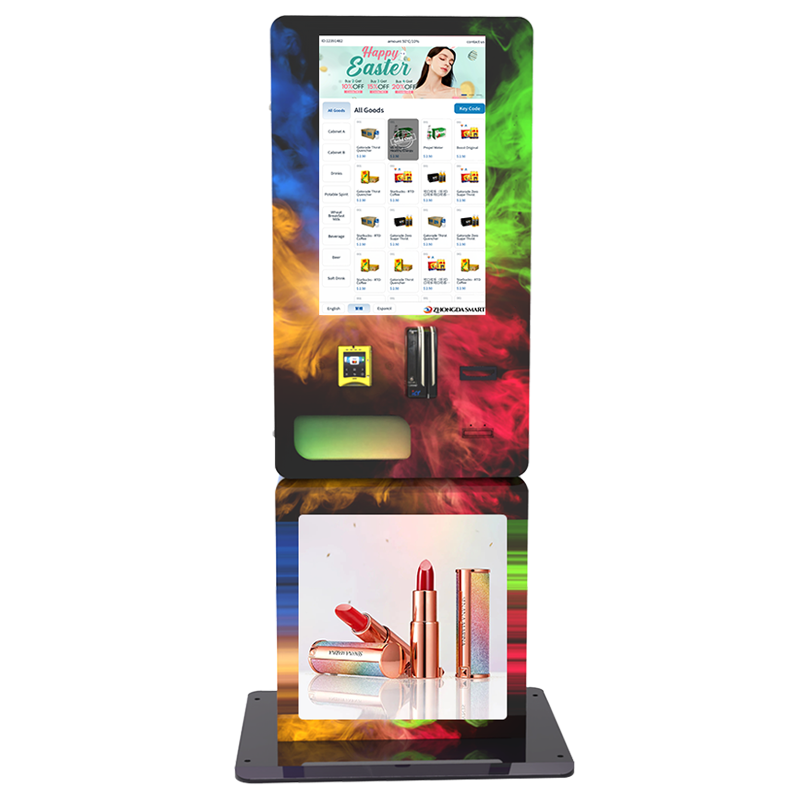
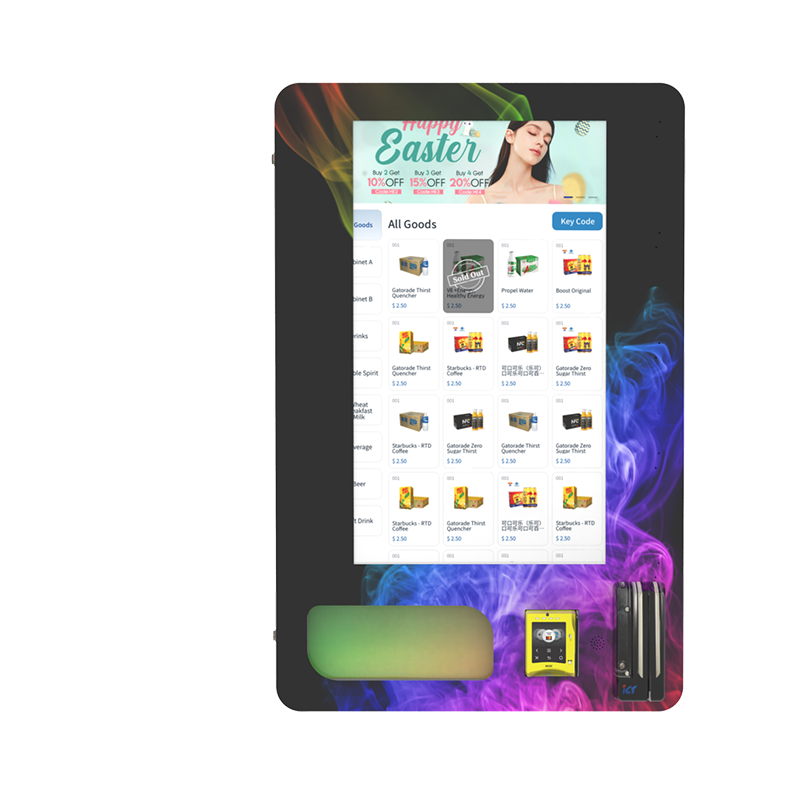
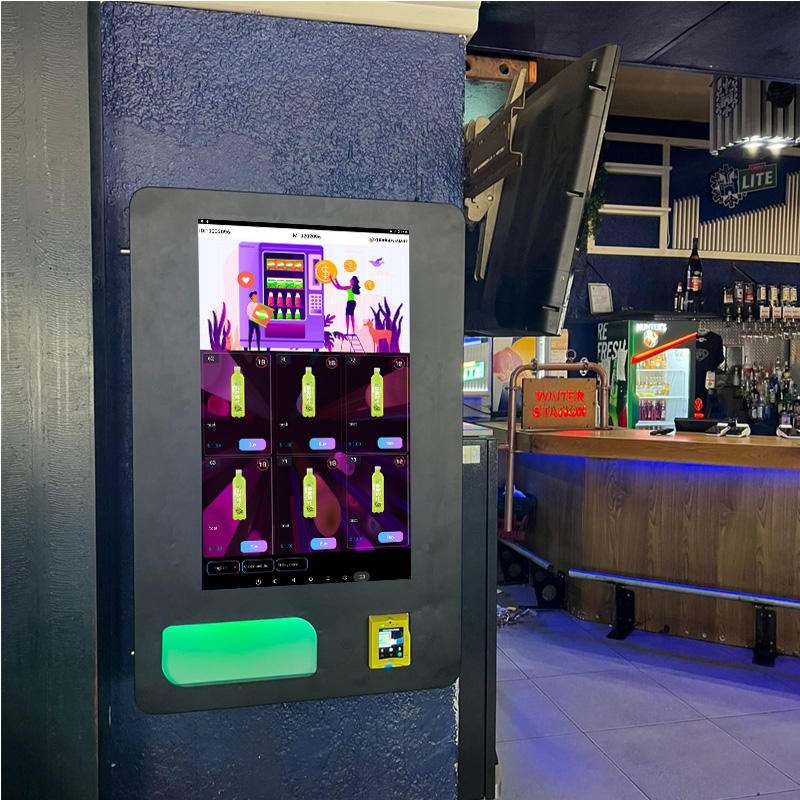
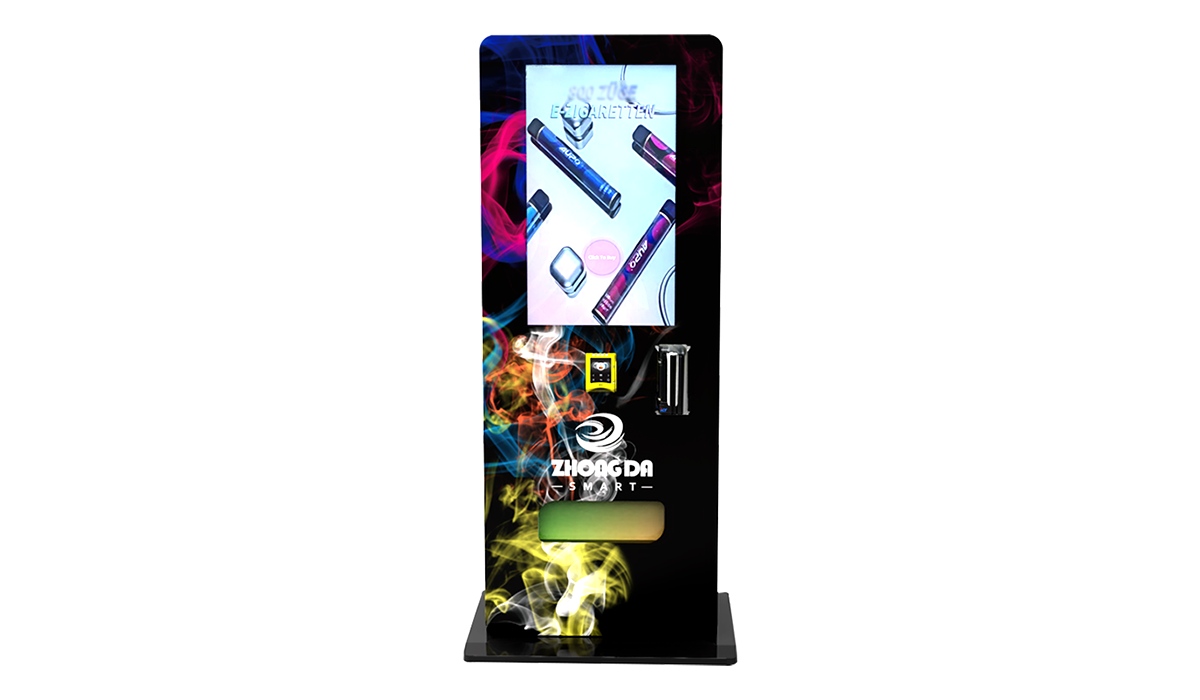
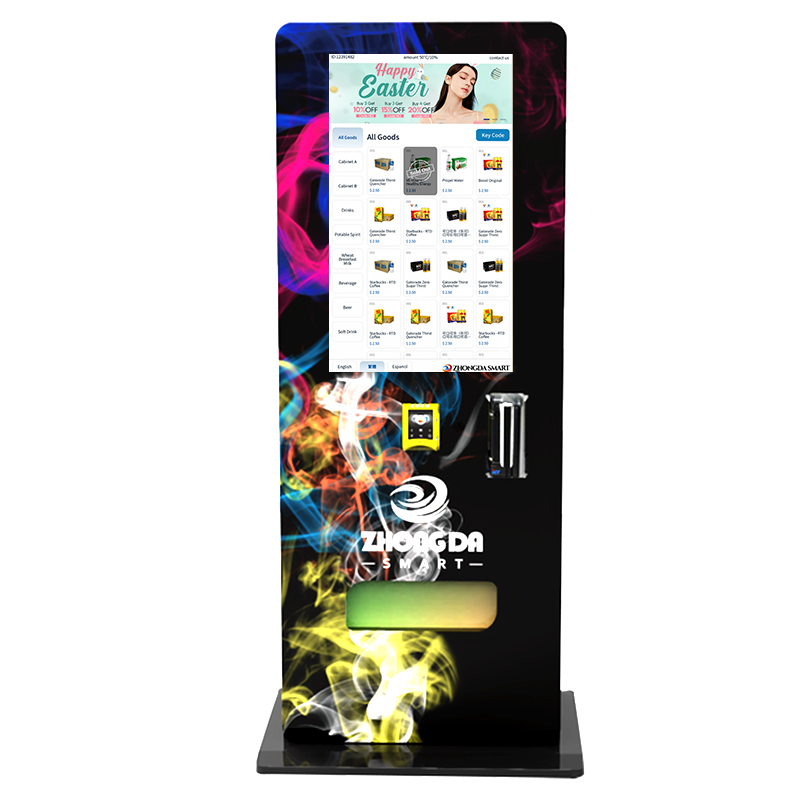
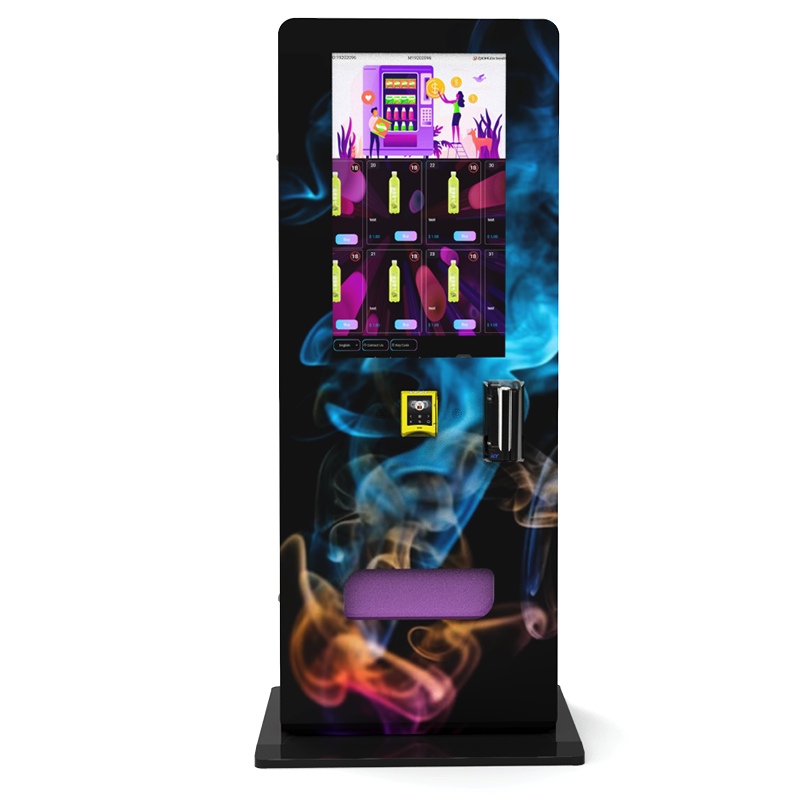
If you are serious about getting into the automated retail space, the first question you need a straight answer to is the vape vending machine startup cost. From my decade of deploying these machines across the US market, I can tell you the real number lands between $5,000 and $20,000 per unit, fully loaded. This isn't just the price of the box; it includes the age verification tech, the inventory, the software, and the installation. I have seen too many operators buy a cheap $3,000 machine only to spend another $2,000 retrofitting it to meet compliance standards. My factory has been building these systems for over fifteen years, and we have learned that cutting corners on the initial cost usually kills the profit margin within the first six months. Let me walk you through exactly where that money goes and how to avoid the rookie mistakes I have seen cost operators their entire first-year revenue.
The Real Breakdown of Your Initial Investment
When we talk about startup costs, we are looking at four distinct buckets: the hardware, the compliance technology, the inventory, and the location setup. Most people only focus on the machine price, which is a mistake. I have seen operators buy a unit for $4,500, but then they are shocked by the $1,200 shipping and the $800 installation fee for the ID scanner integration. The smart vending machine market is growing because it solves labor shortages, but the upfront cost needs to be calculated with a margin for error. Based on our sales data from last year, the average first-time buyer spent $11,500 to get their first unit operational. That number includes the machine, the first stock of products, and the payment processing setup.
Hardware and the Machine Itself
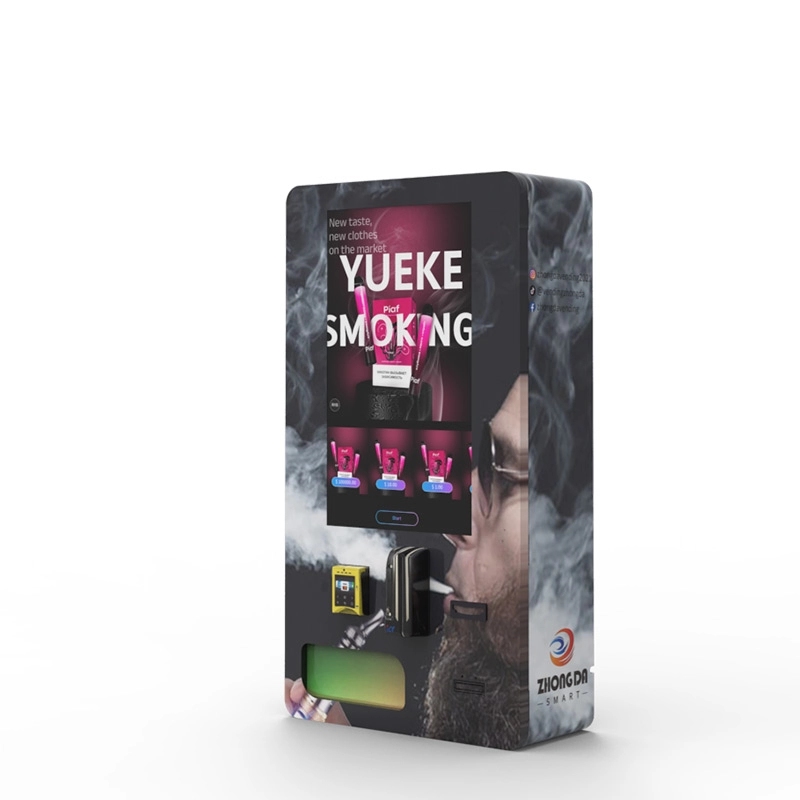
The base cost of a compliant e-cigarette vending machine varies wildly based on capacity and build quality. A wall-mounted compact unit, which is perfect for a bar or a small lounge, typically starts around $5,000. These units hold fewer products but require less floor space. On the other end, a high-capacity floor model with dual spirals and a heavy-duty cooling system can run up to $15,000. The material matters. We use a 1.2mm steel frame on our machines because we have seen cheaper units dent or get vandalized in high-traffic venues. You are paying for durability. If you are looking at a price point below $4,500, I would be very suspicious of the build quality and the longevity of the touchscreen.
Age Verification Technology is Non-Negotiable
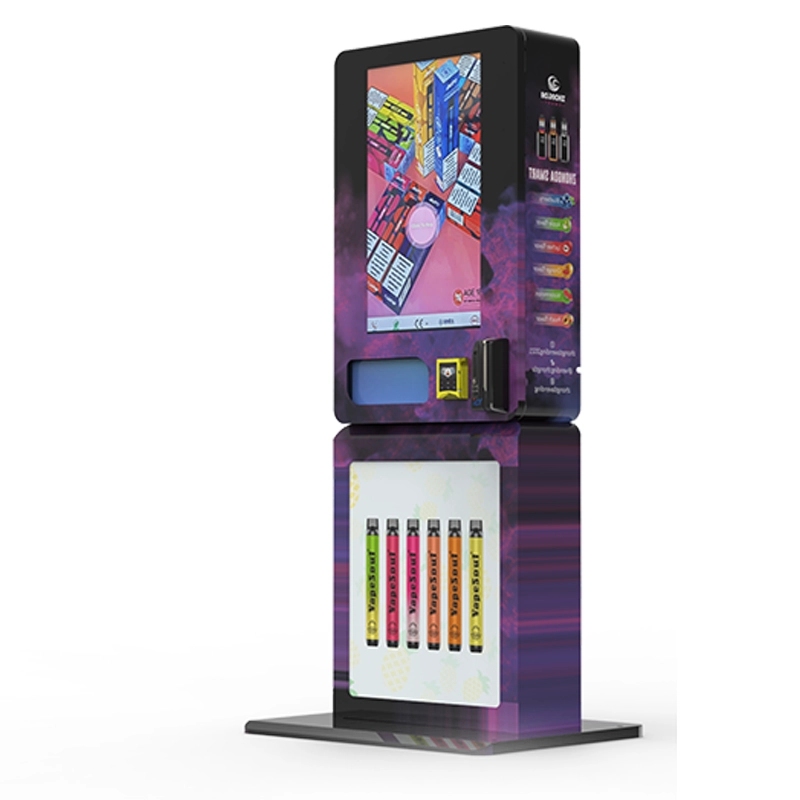
This is the biggest hidden cost. An age verification vending machine must have a scanner that reads the barcode of a driver’s license and verifies the date of birth. A basic ID scanner adds about $800 to $1,200 to the cost. However, if you need a system that checks against a government database or uses biometric verification, you are looking at an additional $1,500. In my experience, skimping on this is the fastest way to get your machine seized or fined. We had a client in Ohio who bought a used machine without proper age gating, and the local authorities impounded it within three weeks. The cost of the legal fees was higher than the machine itself. Always buy a unit with built-in, certified age verification.
Comparing Machine Types and Their Price Points
To help you visualize the investment, I have put together a comparison based on the machines we manufacture and deploy. This is not theoretical; these are the actual price tags we see on invoices every week. The choice between a wall-mounted unit and a large kiosk depends entirely on your location’s traffic and your product variety.
| Machine Type | Capacity (Units) | Base Price Range | Best Location Fit |
|---|---|---|---|
| Wall-Mounted Compact | 50 – 100 | $5,000 – $7,500 | Small bars, waiting rooms |
| Mid-Size Countertop | 100 – 200 | $7,500 – $11,000 | Vape shops, convenience stores |
| Full-Size Floor Model | 200 – 400 | $12,000 – $18,000 | Nightclubs, hotels, high-traffic retail |
| Custom Kiosk (Dual Screen) | 300+ | $18,000 – $25,000 | Airport lounges, large event venues |
I always recommend starting with a mid-size unit if you are testing the market. It gives you enough product variety to see what sells without the massive inventory cost of a full-size kiosk. For more technical specifications on our standard models, you can look at the vape vending machine product page on our site.
Inventory: The Silent Cost Killer
People often forget that the machine is just a shell. The real working capital is tied up in the inventory. For a machine holding 150 units, you need about $2,000 to $3,000 worth of product to fill it. This includes a mix of disposable vapes, pod systems, and e-liquid bottles. The margin on disposables is usually lower, but they turn over faster. Pod systems have a higher margin but move slower. I have a simple rule: never fill a machine with 100% of one product type. We had an operator who loaded his machine only with high-end mods, and he sat on that inventory for four months. You need a 70/30 split. 70% fast-moving, low-cost items and 30% premium items to boost the average transaction value.
Location Costs and Revenue Share
Getting the machine into a bar or a hotel is rarely free. Most prime locations will ask for a revenue share of 10% to 30% or a flat monthly rent of $100 to $500. I have seen operators get greedy and try to keep 100% of the revenue, which means they end up in a low-traffic laundromat that makes $50 a week. You have to pay to play. A busy nightclub that charges $300 a month in rent can easily generate $2,000 in weekly sales. The location cost is an investment, not an expense. I always budget an additional $1,000 for the first three months of location fees and marketing materials like stickers and signage.
Profit Models and Realistic ROI Timelines
Let’s talk about the math that actually matters. If you spend $10,000 on a fully equipped machine and $2,500 on inventory and location fees, your total outlay is $12,500. If you place that machine in a decent location, you can expect to sell 30 to 50 units per day at an average price of $12. That is $360 to $600 in daily revenue. The cost of goods sold (COGS) is usually around 50% to 60%. So your gross profit per day is roughly $180 to $300. Subtract the location fee and the payment processing fees (about 3% to 5%), and you are looking at a net daily profit of $150 to $250. At that rate, you can recoup your initial investment in three to four months. I have had clients who paid off their machine in eight weeks because they found a high-traffic location near a college campus. Conversely, I have seen machines in dead malls that took over a year to break even. Location is everything.
Maintenance and Operational Costs
Running a smart vending machine is not passive income. You need to service the machine at least once a week. This includes restocking, cleaning the touchscreen, and checking the ID scanner. If you are running ten machines, you need a dedicated route driver. The operational cost for a single machine is about $50 per week for restocking labor and gas. Software subscription fees for the telemetry and payment processing run about $30 to $60 per month. I always tell my buyers to set aside a maintenance fund of $500 per machine per year. The cooling system or the card reader will fail eventually. I keep a stock of spare parts in my warehouse because a machine that is down for two weeks loses its location contract.
Real Failure Cases and Lessons Learned
I have been in this business long enough to have a graveyard of mistakes. One of the most common failures is buying a machine that is not compliant with local age verification laws. I had a customer in Texas who bought a cheap unit from an overseas seller without a proper ID scanner. The machine was placed in a gas station, and a minor used it. The store owner was fined $5,000, and the machine was confiscated. That is a total loss. Another failure case is overstocking. An operator in Florida filled his machine with 200 units of a new flavor that nobody bought. He had to sell them at cost just to clear the spirals. The inventory sat for three months, and the cash flow dried up. The lesson is simple: test the market with a small order first. I always recommend buying a wall-mounted compact e-cigarette vending machine for your first deployment because it forces you to be selective about your product mix and keeps your inventory risk low.
The Location Trap
Another hard lesson I learned was about location contracts. Never sign a long-term lease for a machine location without a performance clause. I had a machine in a bowling alley that was doing $800 a week for the first month. Then the bowling alley changed management and stopped promoting the machine. Sales dropped to $100 a week. I was stuck in a one-year contract with a 25% revenue share. I lost money on that machine for six months before I could move it. Always negotiate a 30-day exit clause. If the machine is not doing $300 a week after the first month, move it. The cost of moving a machine is about $200, which is cheaper than letting it bleed cash.
Choosing the Right Manufacturer
When you are looking at manufacturers, you need to look at the engineering behind the machine. A lot of companies just assemble parts from different suppliers. My factory designs the entire system, from the vending mechanism to the software. This matters because when something breaks, you want one phone call to fix it, not a runaround between three different vendors. We build our machines with a modular design so that the cooling system, the payment terminal, and the ID scanner can be swapped out in minutes. For a specific example of a unit designed for high-traffic compliance, check out the ID scan vending machine we engineered for the US market. It includes a built-in database check that is updated monthly to keep up with changing ID formats. This is the kind of detail that saves you from legal trouble.
Software and Telemetry
The best hardware in the world is useless without good software. You need a system that tells you in real time which products are sold out, what the cash level is, and if the temperature is dropping. I have seen operators lose entire batches of e-liquid because the cooling system failed and they did not get an alert for three days. Our telemetry system sends a text message if the internal temperature rises above 80 degrees. This is a standard feature on our wall-mounted e-cigarette vending machine models. The software subscription is $30 a month, but it saves you thousands in spoiled inventory. Do not buy a machine that does not have a cloud-based management system. It is 2025, and you should be able to run your business from your phone.
Long-Term Strategy for Scaling
Once you have one machine running profitably, the temptation is to buy five more. I advise caution. The first machine teaches you the local market. You learn which flavors move, which price points work, and which locations are goldmines. Scale only when you have a consistent six-month track record. I have a client who started with one machine in a vape shop. After six months, he added a second machine in a hotel lobby. By the end of the second year, he had twelve machines across the city. He used the profit from the first machine to fund the second, and so on. That is the snowball method. Do not take out a loan to buy ten machines at once. The risk is too high. Start with a single, compliant unit. Learn the operational rhythm. Then scale.
Future-Proofing Your Investment
The regulatory landscape for these machines is changing every year. Some states are requiring biometric verification or linking the machine to a state database. When you buy a machine, make sure the software can be updated remotely. We designed our age verification vending machine with a modular software architecture so that when the law changes, you do not have to buy a new machine. You just push an update. This is critical for protecting your investment. I have seen operators with older machines that cannot be upgraded, and they have to scrap them when a new law passes. That is a $10,000 loss. Spend the extra money upfront for a machine that is built to adapt.
Frequently Asked Questions
Can I buy a used vape vending machine to save money?
I generally advise against buying a used machine unless you know exactly what you are looking for. Most used machines on the market are older models that lack the proper age verification software required by current laws. You might save $2,000 upfront, but you will spend that much in retrofits and legal fees. I have seen too many operators buy a used unit only to find out the ID scanner is incompatible with new driver’s licenses. Stick with a new, compliant unit from a manufacturer that offers a warranty.
How much cash do I need to start a vape vending machine business?
For a single machine, you need a minimum of $7,000 to $12,000. This covers the machine, the first inventory, the location deposit, and the software setup. Do not start with less than $7,000 because you will run out of cash for restocking. I always keep a reserve of $1,500 for emergency repairs or inventory replenishment. The vape vending machine startup cost is not just the machine; it is the working capital to keep it running for the first three months.
What is the average profit margin for a vape vending machine?
The gross profit margin is typically between 40% and 50%. This means if you sell a product for $12, your cost is about $6 to $7. After you subtract the location fee (10% to 20%) and the payment processing fee (3% to 5%), your net margin is around 30% to 35%. A well-placed machine doing $1,000 in weekly sales will net you about $300 to $350 per week. That is a solid return on a $10,000 investment if you run it for a year.
Do I need a special license to operate a vape vending machine?
Yes, in most states you need a tobacco retail license or a specific vending machine permit. The cost of these licenses ranges from $50 to $500 annually depending on the state. You also need to register with the local tax authority to collect sales tax and the specific excise tax on vaping products. I recommend consulting with a local business attorney before you buy the machine. Getting the license after you buy the machine is a common mistake that leads to fines.
How often do I need to restock the machine?
For a high-traffic location, you will restock every 3 to 5 days. For a medium-traffic location, once a week is sufficient. I always check the telemetry data before driving to the machine. If the machine is 70% empty, I go. If it is 40% empty, I wait another day. This saves on gas and labor. The average restock takes about 30 minutes if you have a organized inventory system.
Final Advice from the Factory Floor
I have been building these machines for fifteen years, and I have seen the market grow from a niche novelty to a serious retail channel. The vape vending machine startup cost is an investment in a system that eliminates labor costs and provides 24/7 sales. But it is not a set-it-and-forget-it business. You have to be active in managing the inventory, maintaining the hardware, and negotiating with location owners. The operators who succeed are the ones who treat it like a real business, not a passive income stream. They check their sales data daily, they rotate products based on trends, and they build relationships with the location staff. If you are willing to put in the work, the return on investment is solid. If you are looking for a machine that is built for the long haul, take a look at our full range of compliant e-cigarette vending machines designed specifically for the US regulatory environment.
Sources and References