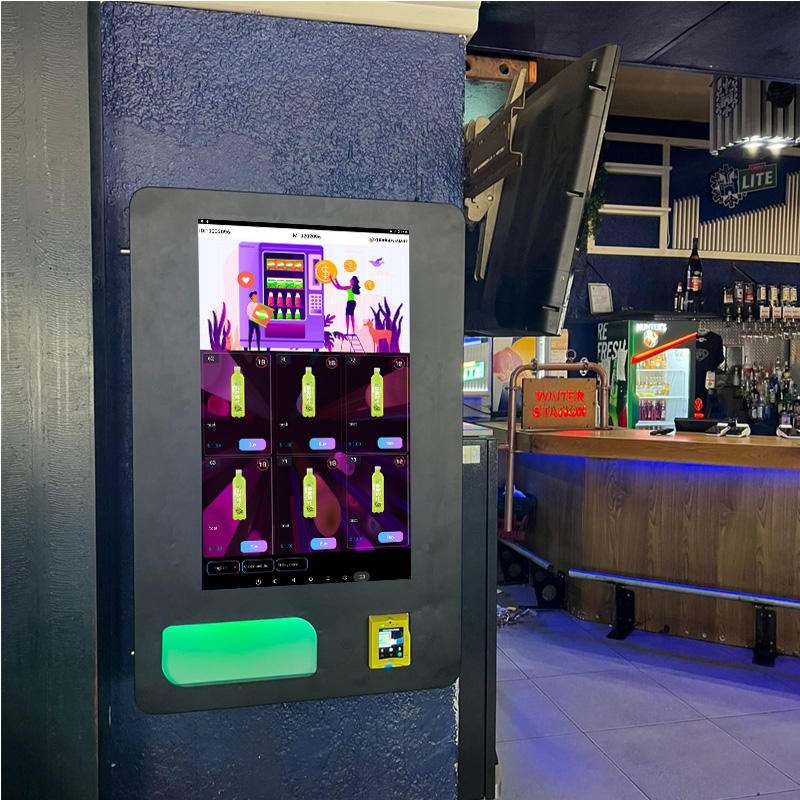
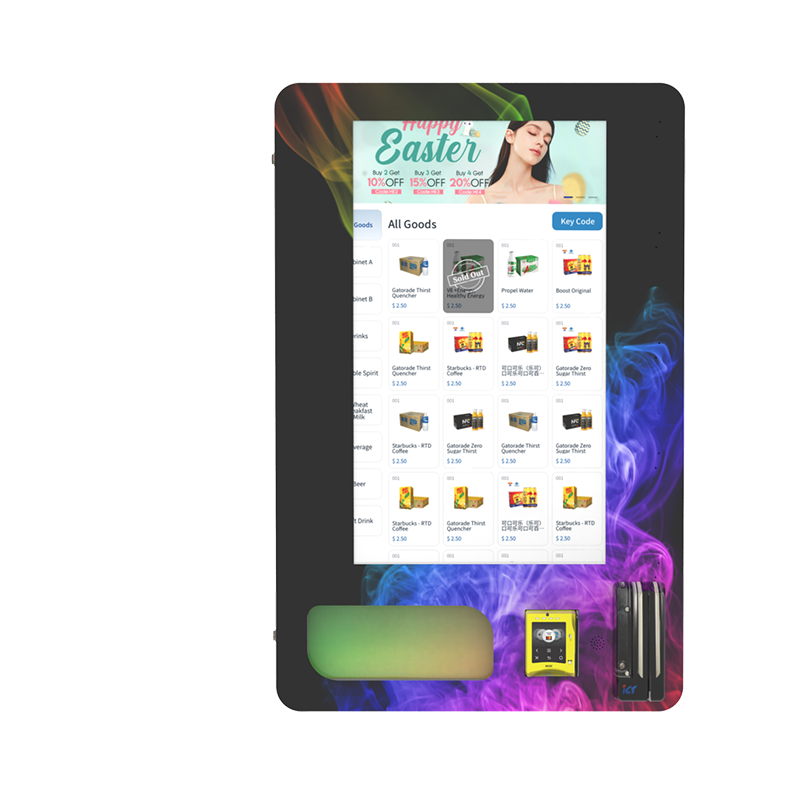
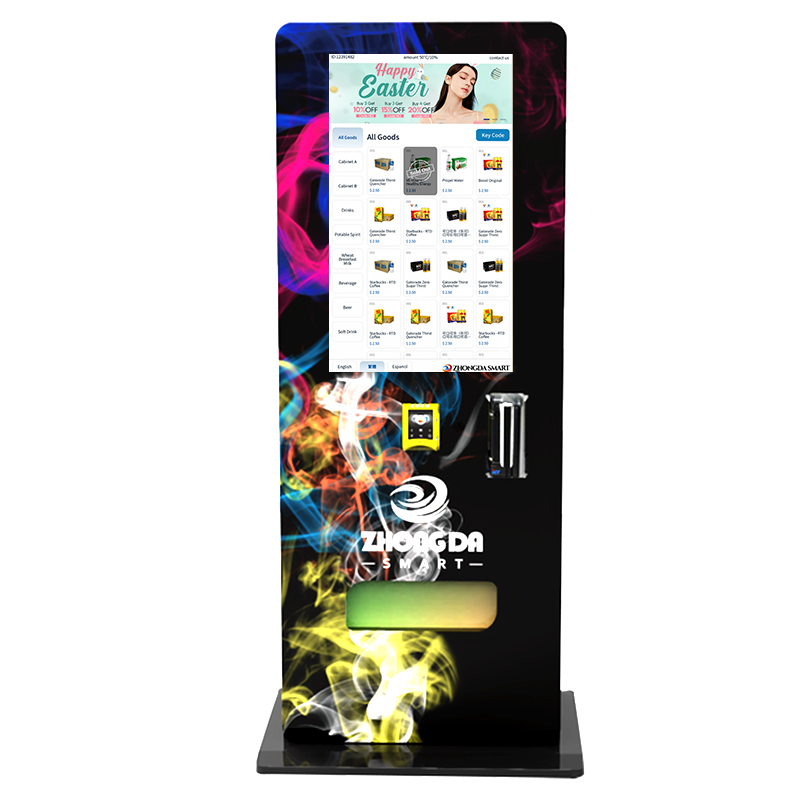
If you’re looking to place a vape vending machine on a retail floor, a bar, or a hotel lobby, the first question that stops most operators cold is what licenses are required to operate a vape vending machine. The short answer: it’s not one license, but a stack of them—federal, state, and local—and every single one has to be locked down before you plug that machine in. Over the last decade, I’ve deployed hundreds of these units across the U.S. and Europe, and I’ve seen more operators shut down by a missing piece of paper than by a broken coil. Let’s break down exactly what you need, why you need it, and how to avoid the traps that eat your margin before you sell your first pod.
The Legal Framework for Vape Vending Machines
Before you even think about purchasing hardware, you need to understand that a vending machine selling nicotine products sits at the intersection of tobacco control laws, age verification mandates, and local business licensing. Unlike a standard snack machine, this is a regulated product with teeth.
Federal Requirements: The Baseline
At the federal level, the Food and Drug Administration (FDA) treats vape products as tobacco products under the Family Smoking Prevention and Tobacco Control Act. This means any vape vending machine must comply with the FDA’s restrictions on sales to minors. The most critical federal requirement is that the machine must be located in a facility where individuals under 21 are not permitted, or it must be equipped with an age verification system that scans a valid ID before each transaction. According to a 2023 report by the Centers for Disease Control and Prevention, nearly 2.5 million middle and high school students reported using e-cigarettes, which is why federal enforcement is tightening. You’ll also need to register your business with the FDA as a tobacco product retailer, which involves submitting an application and paying a fee that varies by the number of locations. This is non-negotiable and must be renewed annually.
State-Level Licensing: Where It Gets Complicated
State laws are where most operators trip up. Some states, like California, require a specific tobacco retailer license that costs between $100 and $1,000 per year, depending on the city. Others, like New York, have outright banned vending machine sales of any nicotine product except in bars and adult-only facilities. Texas, on the other hand, allows vape vending machines but requires a permit from the Texas Department of State Health Services and proof of age verification technology. I’ve seen operators in Florida get hit with fines because they assumed a general business license covered everything—it doesn’t. You need to check your state’s department of revenue or health department for the specific tobacco or nicotine vending license.
Local City and County Ordinances
Even after you get state approval, local municipalities can add their own layers. For example, in Chicago, you need a public place of amusement license on top of the state tobacco license. In Los Angeles, the city imposes a location restriction—no vape vending machine can be within 500 feet of a school or playground. I’ve had clients who thought they were compliant statewide only to find out their chosen location was zoned out of compliance. Always check with the city clerk or zoning board before signing a lease. A good rule of thumb: pull the local business license application and look for the “tobacco” or “nicotine” addendum.
Age Verification: The Core of Compliance
If there’s one thing regulators care about more than anything else, it’s age verification. Without a robust system, you won’t get a license, and even if you do, one sting operation can shut you down permanently.
How Age Verification Works in Practice
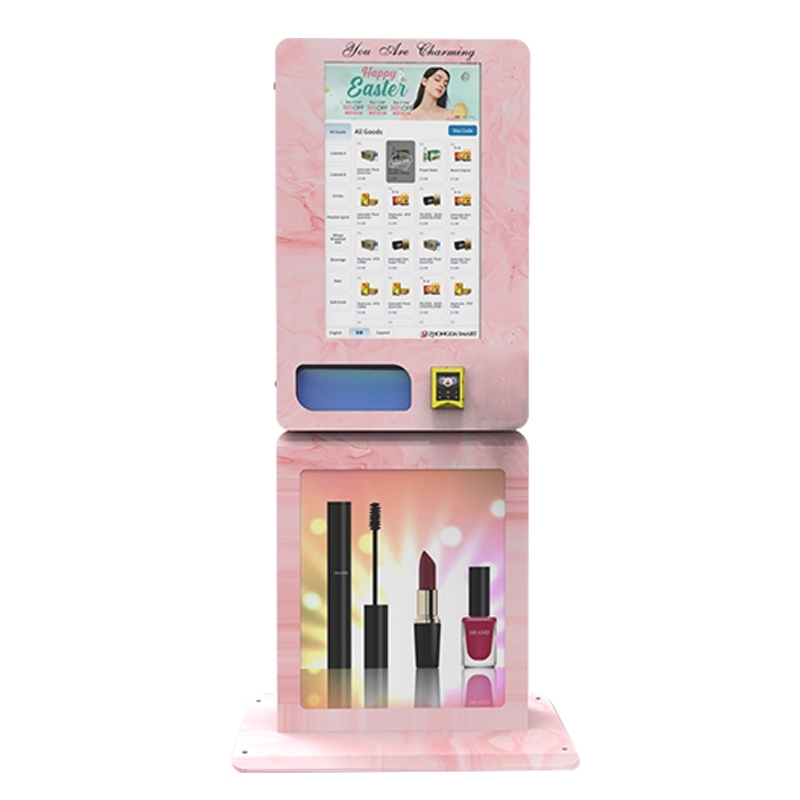
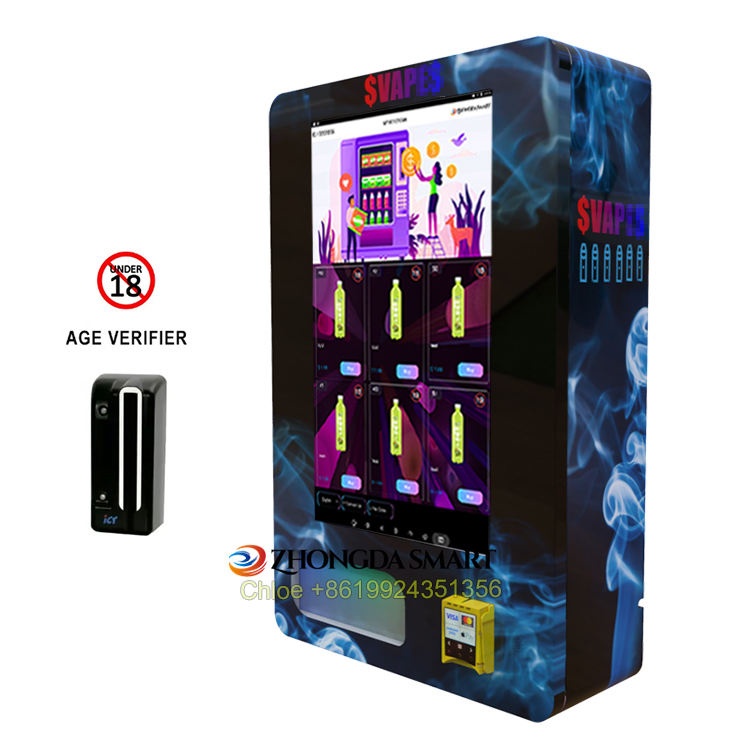
Modern vape vending machines use a combination of ID scanning and biometric checks. The machine reads the barcode or magnetic stripe on a driver’s license, validates the date of birth, and cross-references the information with a database. Some units also use facial recognition to match the person to the ID photo. For example, the age verification vending machine from Zhongda Smart includes a built-in scanner that verifies ID in under three seconds. This isn’t just about compliance—it’s about liability. If a minor bypasses your machine and you don’t have a verifiable audit trail, you’re personally on the hook.
Audit Trails and Record Keeping
Most states require you to keep transaction logs for at least two years. These logs must show the ID type, the scanned data, and the time of sale. I recommend machines that store this data locally and in the cloud. In one case, a client in Ohio avoided a $10,000 fine because he could produce a full audit log from his ID scan vending machine showing every sale was age-verified. Without that paper trail, the state assumed the worst.
Business Licenses and Tax Permits
Beyond the tobacco-specific licenses, you need standard business operation permits. This is the boring stuff, but it’s where most first-time operators waste money on fines.
General Business License
Every city and county requires a general business license to operate a commercial enterprise. The cost ranges from $50 to $500 annually. You’ll need to provide your business structure—LLC, sole proprietorship, or corporation—and your EIN (Employer Identification Number) from the IRS. If you’re operating multiple machines across different jurisdictions, you may need a separate license for each location.
Sales Tax Permit
Vape products are subject to sales tax in every state, and some states add an excise tax on nicotine products. For instance, Minnesota imposes a 95% wholesale tax on vapor products, which means your pricing has to account for that. You need a sales tax permit from your state’s department of revenue to collect and remit these taxes. Failure to do so can result in back taxes plus penalties. I’ve seen operators lose their entire first year of profit because they didn’t register for the excise tax.
Employer Identification Number (EIN)
Even if you’re a solo operator, get an EIN. It separates your personal and business liabilities and is required for most state licenses. You can get one for free from the IRS website in about 15 minutes.
Zoning and Location Restrictions
Where you place the machine is just as important as the licenses you hold. Zoning laws dictate whether a vape vending machine is allowed in a specific area, and violating these can lead to immediate removal.
Distance Requirements
Many states and cities have buffer zones around schools, parks, and churches. For example, in Massachusetts, no vending machine selling nicotine can be within 500 feet of a school. In New Jersey, the buffer is 1,000 feet. Measure the distance from your proposed location to the nearest school property line—not the building, the property line. I’ve had clients lose a prime spot because they measured from the school door instead of the fence.
Facility Type Restrictions
Some jurisdictions only allow vape vending machines in adult-only facilities like bars, nightclubs, or tobacco shops. In other areas, you can place them in convenience stores or hotels, but only if the machine is in a staffed area where an employee can monitor usage. For instance, a hotel vape vending machine solution often requires the machine to be in the lobby or a designated smoking area, not in a hallway where minors might wander. Always check the specific wording of the local code—some say “adult-only facility” but define it differently than you’d expect.
Cost Breakdown: What You’ll Actually Pay for Licenses
Let’s talk numbers. This is the part most guides skip, but I’ve tracked every dollar across dozens of deployments.
| License or Permit Type | Typical Cost (Annual) | Notes |
|---|---|---|
| FDA Tobacco Retailer Registration | $100 – $300 | Required per location |
| State Tobacco Retailer License | $100 – $1,000 | Varies widely by state |
| Local Business License | $50 – $500 | City or county specific |
| Sales Tax Permit | $0 – $50 | One-time fee in most states |
| Excise Tax Registration | $0 – $100 | Required in high-tax states |
| Age Verification System (Hardware) | $500 – $2,000 | One-time, built into machine cost |
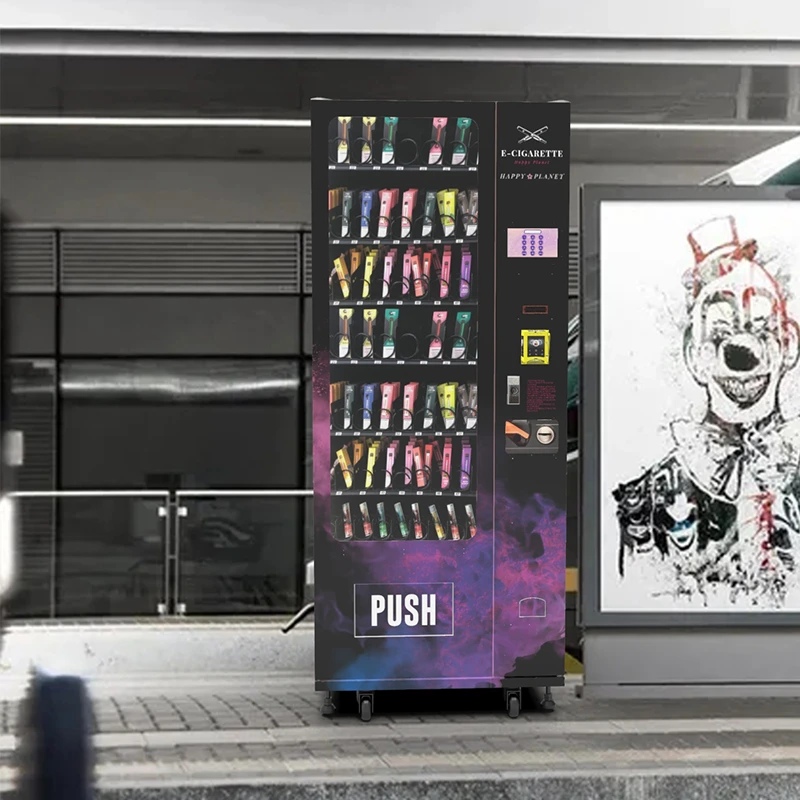
Based on my experience, the total upfront licensing cost for a single machine in a moderately regulated state like Colorado is around $1,200. In a heavily regulated state like California, you’re looking at $2,500 or more. And that’s just the first year. Renewals are typically cheaper, but don’t forget the excise tax filings which can add administrative overhead.
Common Pitfalls and How to Avoid Them
I’ve been in this game long enough to see the same mistakes happen over and over. Here are the ones that cost the most money.
Assuming One License Covers Everything
The biggest error is thinking a general business license covers vape sales. It doesn’t. I had a client in Phoenix who operated for six months without a tobacco license. When the city inspector showed up, he was fined $5,000 and forced to remove the machine. The general license only covers the act of doing business, not the specific product category.
Ignoring Local Zoning Changes
Zoning laws change. In 2022, the city of Denver updated its code to ban vape vending machines in any location that wasn’t a standalone tobacco shop. Operators who had machines in convenience stores had to relocate within 90 days. Stay subscribed to your city council’s meeting minutes or hire a compliance service to monitor changes.
Skimping on Age Verification
Some operators try to save money by using a simple button press for age confirmation. That’s not verification—it’s a lawsuit waiting to happen. Every state that allows vape vending machines requires some form of electronic age verification. The compliant e-cigarette vending machine models from Zhongda Smart include biometric and ID scan options that meet the strictest state requirements. Spending a little more upfront saves you thousands in fines later.
Real-World Deployment Experience
Let me walk you through a real deployment to show how licensing plays out in practice. A few years ago, I helped a hotel chain in Texas install vape vending machines in five of their properties. We started with state-level research. Texas requires a tobacco retailer permit from the Department of State Health Services, which costs $300 per year. Each hotel also needed a local business license from its respective city—Austin, Houston, Dallas, San Antonio, and El Paso. The Austin location had an additional requirement: the machine had to be placed in the hotel bar, not the lobby, because of a city ordinance about vending machines in public areas. We used the wall-mounted compact e-cigarette vending machine to save floor space in the bar area. The total licensing cost for the five machines was about $4,500 in the first year. The machines generated $12,000 in monthly revenue, so the licensing cost was recouped in the first two weeks. But if we had skipped the Austin city permit, we would have faced a $2,000 fine and a stop-work order.
How to Research Your Specific Requirements
I can’t give you a single checklist because every state is different, but I can tell you how to find the information yourself without relying on outdated blog posts.
Start with the State Health Department
Most states house tobacco control programs under the health department. Search for “tobacco retailer license [your state]” and you’ll find the application forms and fee schedules. If you can’t find it, call the department directly. I’ve found that speaking to a human often reveals local quirks that aren’t on the website.
Check the City Clerk’s Office
For local licenses, visit the city clerk’s website or office. Ask specifically about “vending machine permits” and “tobacco product sales.” Some cities have a combined application, while others require separate forms. Bring a copy of your proposed machine’s specifications—they may want to see the age verification system details.
Consult a Business Attorney
If you’re planning to deploy multiple machines across different jurisdictions, hire a business attorney who specializes in tobacco or alcohol licensing. The cost of a one-hour consultation—usually $300 to $500—can save you from a multi-thousand-dollar mistake. I do this for every new state I enter.
The Role of the Equipment Manufacturer in Compliance
Your vending machine manufacturer should be your partner in compliance, not just a hardware seller. When I work with clients, I always recommend manufacturers that provide compliance documentation with their machines. For example, Zhongda Smart includes a compliance packet with every unit that details the age verification system specifications, the audit trail capabilities, and the power requirements for local inspectors. You can see their full range of age-verified models on their vape vending machine product page. A good manufacturer will also help you understand which of their models fits the strictest regulatory environments, like the high-capacity age verification model that’s popular in California.
Long-Term Licensing Strategy
Licensing isn’t a one-and-done task. It’s an ongoing operational cost that needs to be budgeted for. I recommend setting up a compliance calendar with reminders for each renewal date. Most states send renewal notices 30 to 60 days before expiration, but don’t rely on that—some don’t, and you’ll be operating without a license without realizing it.
Another strategy is to consolidate your licenses under a single LLC or corporation. This simplifies tax filings and makes it easier to manage multiple locations. If you’re operating in multiple states, consider registering as a foreign entity in each state to streamline the process. I’ve seen operators with 20 machines across three states save 15% on administrative costs by using a single corporate structure.
Final Thoughts from the Field
After more than a decade in this business, I can tell you that the operators who succeed are the ones who treat licensing as a core business function, not an afterthought. The vending machine itself is just the hardware—your license stack is the permission to use it. I’ve seen too many smart operators lose everything because they skipped one permit or ignored a zoning change. Do the research, build the compliance system, and then deploy. If you’re looking for a reliable machine that makes compliance easier, the team at Zhongda Smart has been building compliant units for years, and their guide on starting a vape vending machine business is a solid resource for new operators. The market is growing—the global vending machine market for tobacco products is projected to reach $3.2 billion by 2028 according to a 2024 report by Grand View Research—but only for those who play by the rules.
Frequently Asked Questions
Do I need a separate license for each vape vending machine location?
Can I use a standard snack vending machine for vape products?
What happens if I operate without the correct license?
How long does it take to get all the licenses?
Are vape vending machines legal in all states?
Sources: