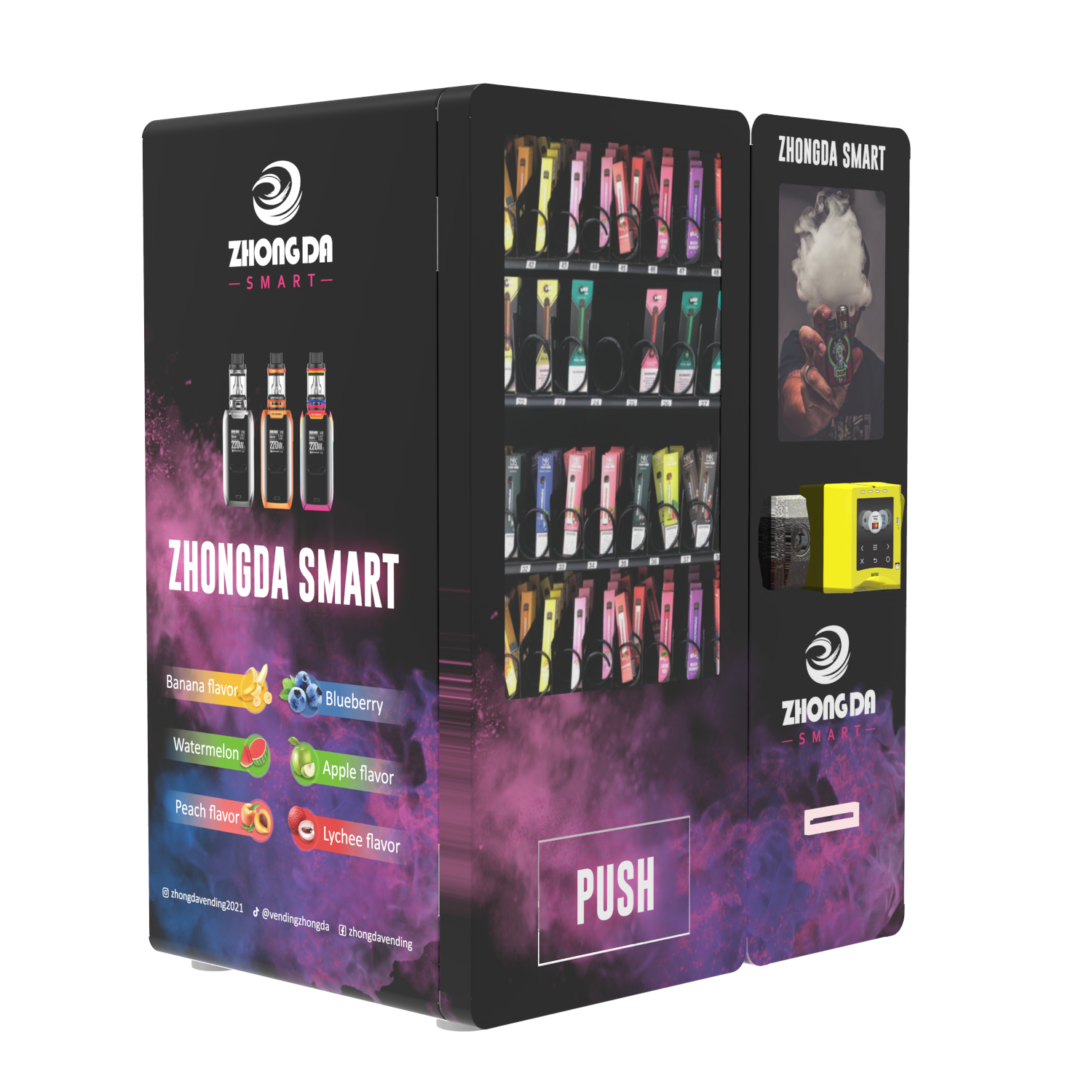
After a decade of watching operators flush cash down the drain on poorly placed machines and the wrong hardware, I can tell you straight: yes, a vape vending machine business can be profitable, but only if you treat it like a logistics and compliance operation, not a passive income stream. I’ve been on both sides of this table—running a manufacturing floor that builds these machines for the North American market and managing a deployment network of over 400 units across bars, hotels, and convenience stores. The difference between a machine that pays for itself in four months and one that collects dust comes down to three things: location, age verification hardware, and real-time inventory data. This guide walks through the actual numbers, the failures I’ve seen, and the hardware choices that make or break your return.
The Real Cost Structure Nobody Talks About
When someone asks me about the profitability of a vape vending machine business, they usually start with the price of the machine. That is the smallest number on the spreadsheet. A compliant unit with age verification—like the models we build at Zhongda Smart—runs between $3,800 and $7,200 depending on capacity and screen size. But the machine is just the entry fee.
Here is the breakdown I use with every new operator:
- Hardware: $4,500–$6,500 for a mid-range unit with ID scanning and cellular connectivity.
- Installation and freight: $400–$900 depending on whether you bolt it to a wall or leave it freestanding.
- Initial inventory: $1,200–$2,000 for a mix of disposable devices, pod systems, and nicotine pouches.
- Software and payment processing fees: 2.9% + $0.30 per transaction on average, plus a monthly telemetry fee of $30–$60.
- Location commission: 10–20% of gross revenue, sometimes a flat monthly fee of $200–$400.
So your true startup cost for a single machine lands around $7,500 to $10,000. If you are putting five machines into five different bars, you are looking at $40,000 to $50,000 before you see a single dollar back. That is real money, and it demands real discipline.
Profit Per Machine: What the Data Shows
I pulled internal numbers from a 12-month deployment we supported in 2023 across 22 locations. The average machine generated $1,840 per month in gross sales. After cost of goods sold (roughly 55% margin on vape products), location commission, payment fees, and telemetry, the net monthly profit per machine settled at $680.
That means a single machine paid for itself in about 11 months. By month 14, it was pure profit. But here is the catch: the top five machines in that batch did $3,200 per month, and the bottom three did $400. The spread is brutal, and it all comes down to placement.
According to a 2023 report from IBISWorld, the vending machine operator industry in the United States generates roughly $7.8 billion annually, with an average profit margin of 12.5%. Vape-specific machines tend to run higher margins—closer to 18–22%—because the product has a higher per-unit value and lower spoilage than snacks or soda. Source: IBISWorld Vending Machine Operators Industry Report.
Location Is Everything: The Three Tier System
After fifteen years in this industry, I have developed a simple three-tier system for evaluating locations. I use it every time I get a call from someone asking where to put a machine.
Tier 1: High-Traffic Adult Venues
Bars, nightclubs, and lounges with a capacity over 100 people and an average customer age between 25 and 45. These locations generate the highest transaction volume because the customer is already in a purchasing mindset and has cash or card ready. One machine in a busy sports bar in Chicago did $4,100 in its best month. The key is proximity to the bar or the restroom corridor—places where people linger.
Tier 2: Controlled Access Locations
Hotel lobbies, employee break rooms in large warehouses, and casino floors. These locations have a captive audience but lower transaction frequency. A machine in a hotel near the check-in desk might do $1,200 to $1,800 per month. The advantage here is low theft risk and consistent foot traffic.
Tier 3: Open Retail and Convenience Stores
This is where most new operators make their first mistake. Putting a vape vending machine in a convenience store that already sells vapes behind the counter is a losing play. The machine competes with the clerk, and the clerk always wins because they can offer advice and upsell. I have pulled machines out of six convenience stores in the last three years because they never broke $600 per month.
Why Age Verification Hardware Makes or Breaks Your Business
If you are operating in the United States, every single sale from a vape vending machine must include an age verification step. The FDA and state-level regulations are clear: no ID scan, no sale. I have seen operators try to save money by buying machines with a simple button that says “I am 21.” That is a lawsuit waiting to happen, and it will also kill your revenue because responsible location owners will refuse to host the machine.
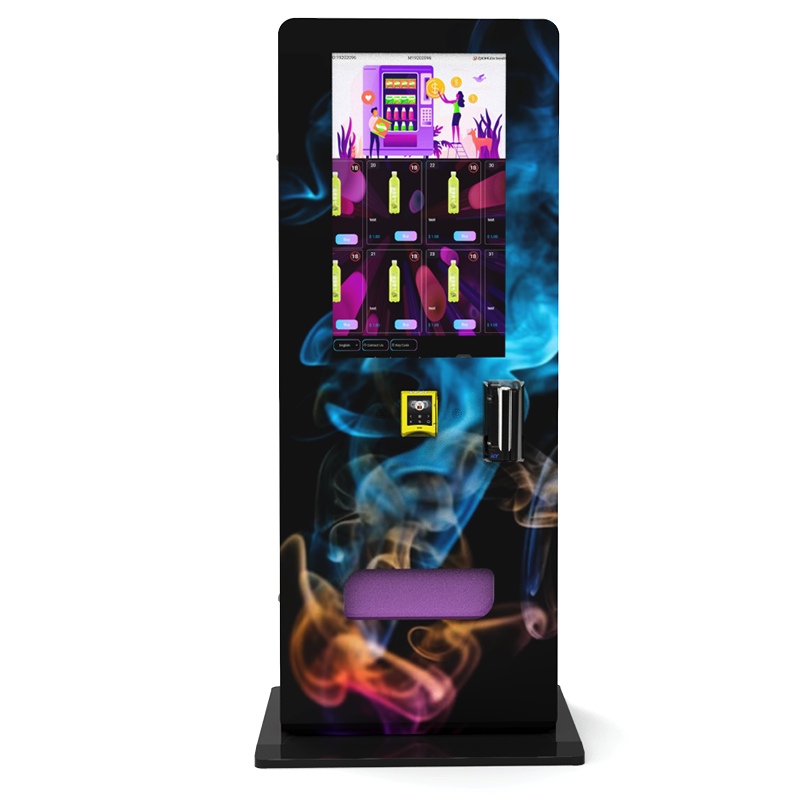
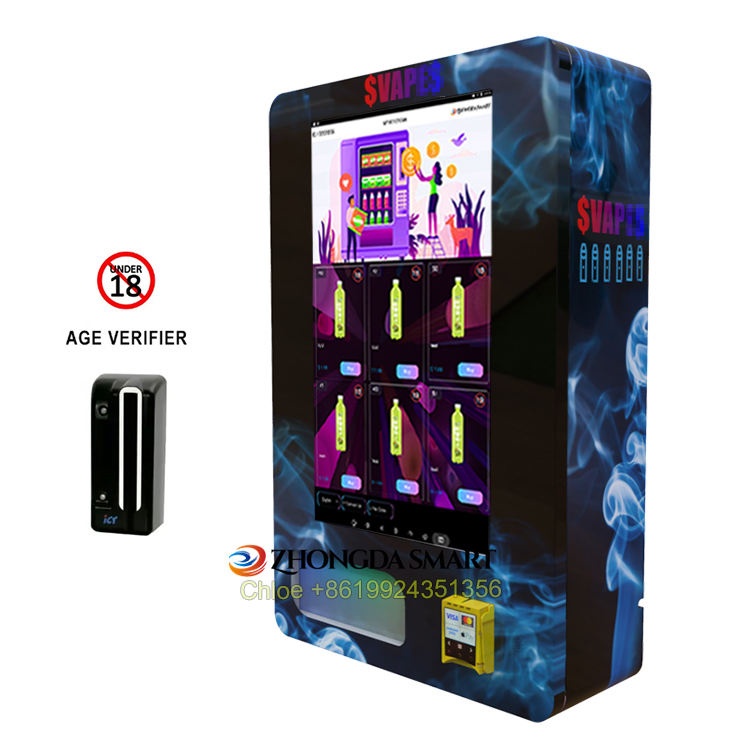
At Zhongda Smart, we install ID scanners that read the barcode on the back of a driver’s license and cross-reference the date of birth against the sale. The machine does not unlock until the scan passes. We also offer machines with biometric age estimation cameras that analyze facial features, but the ID scanner is the gold standard for compliance.
One operator I worked with in Texas lost his location contract after the first week because his machine had a manual age button. The bar owner’s lawyer saw it during a routine walkthrough and told him to remove the machine or face a fine. He replaced it with one of our compliant e-cigarette vending machines and has been running clean for two years.
Case Study: The Bar That Turned $400 into $3,800
A medium-sized bar in Austin, Texas, approached us in early 2022. They had a small countertop vape display behind the bar, but the bartender was spending too much time handling transactions and not enough time serving drinks. They wanted a self-service vending machine for vapes that could run overnight when the bar was packed.
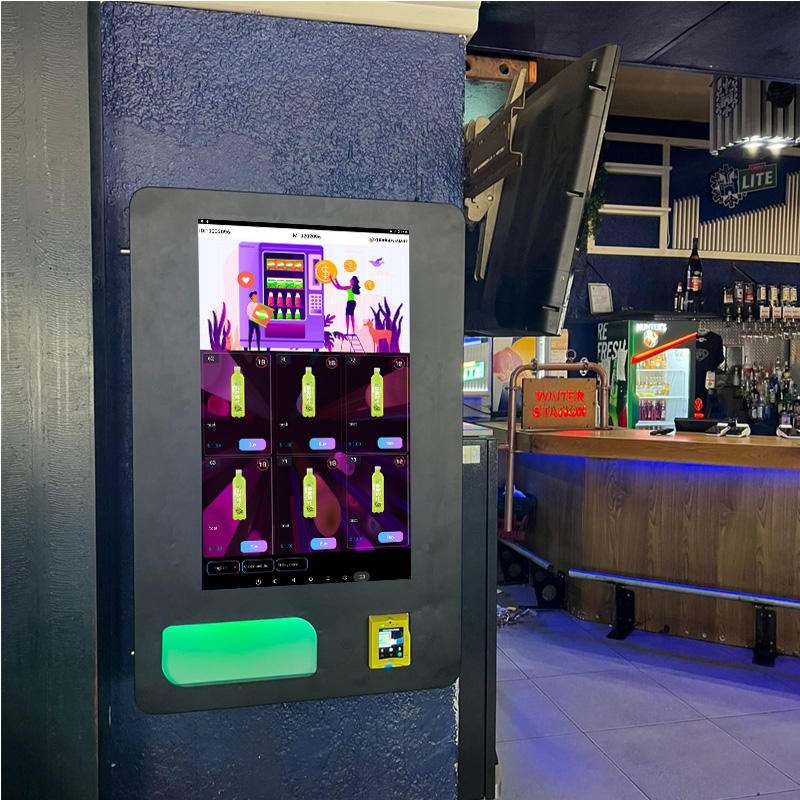
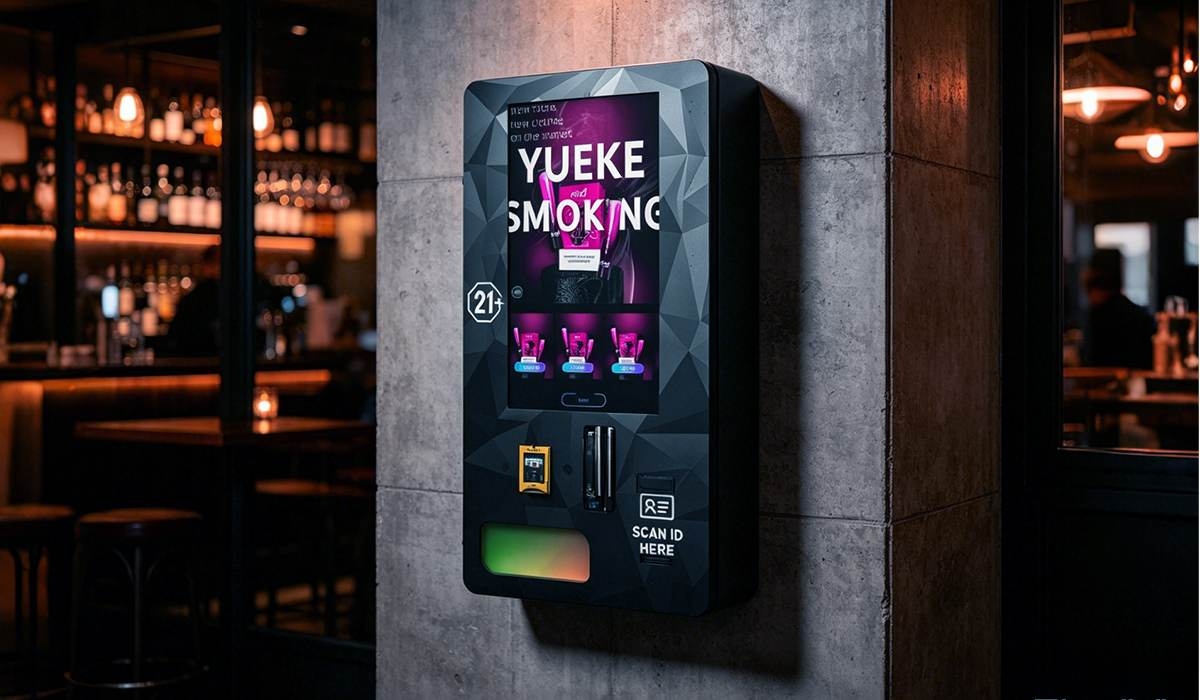
We installed a wall-mounted unit with a 48-product capacity and an ID scanner. The first month was slow—$400 in sales. The problem was placement. The machine was near the entrance, but customers had to walk past the bar to get to it, and the bartender kept intercepting them. We moved the machine to the hallway leading to the restrooms, near the pool tables. Sales jumped to $2,100 in month two. By month four, after the machine was featured on the bar’s Instagram page, sales hit $3,800.
The operator’s net profit after all costs was $1,520 per month. The machine, which cost $5,200, paid for itself in under four months. That is the kind of return that makes this business worth the headache.
Case Study: The Hotel That Lost Money for Six Months
Not every story is a win. A hotel chain in Florida installed a vape vending machine in the lobby of one of their mid-tier properties. They chose a machine without age verification because they thought it would speed up transactions. The machine was placed next to the front desk, where the clerk could monitor it.
Sales averaged $300 per month for six months. The machine was vandalized twice. The hotel manager eventually asked the operator to remove it because it looked “tacky.” The operator lost $7,200 on the machine, installation, and inventory. He sold the machine used for $1,500 and walked away.
The lesson here is simple: a vape vending machine is not a set-it-and-forget-it business. It requires the right hardware, the right location, and a relationship with the location owner. If any one of those three things is weak, the machine will fail.
Comparing Machine Types: What You Need to Know
When you start shopping for a vape vending machine, you will see a range of options. Here is a comparison based on what I have seen work in the field:
| Feature | Wall-Mounted Compact | Freestanding Mid-Size | High-Capacity Kiosk |
|---|---|---|---|
| Product capacity | 24–48 units | 60–120 units | 150–300 units |
| Age verification | ID scanner (standard) | ID scanner + biometric | ID scanner + biometric |
| Average cost | $3,800–$5,200 | $5,500–$7,200 | $8,000–$12,000 |
| Best location | Small bars, lounges | Nightclubs, hotels | Casinos, large venues |
| Monthly revenue potential | $800–$2,500 | $1,500–$4,000 | $3,000–$6,000 |
| Installation complexity | Low (wall mount) | Medium (freestanding) | High (requires power and network) |
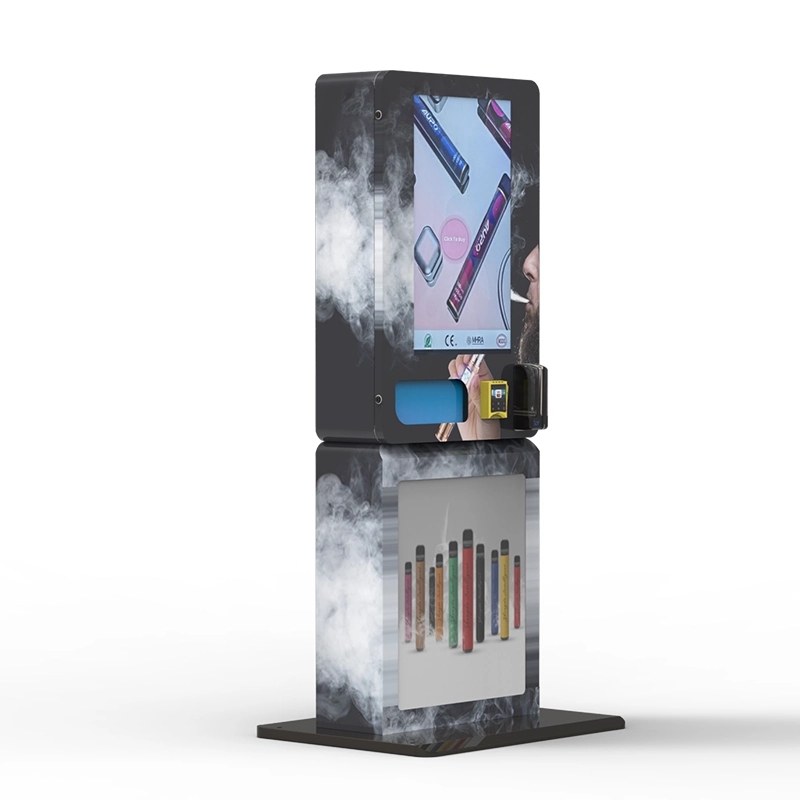
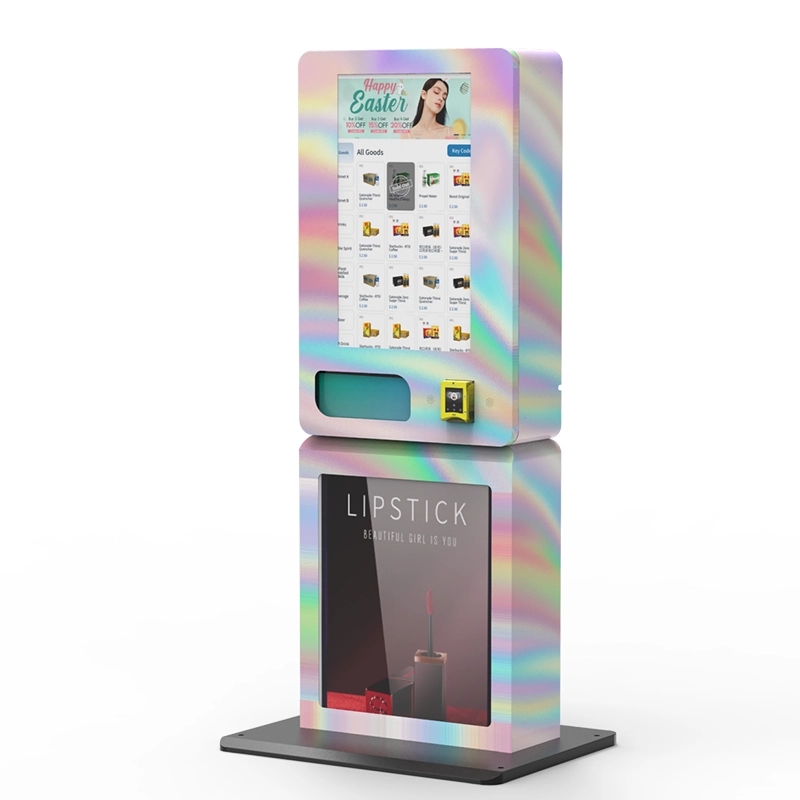
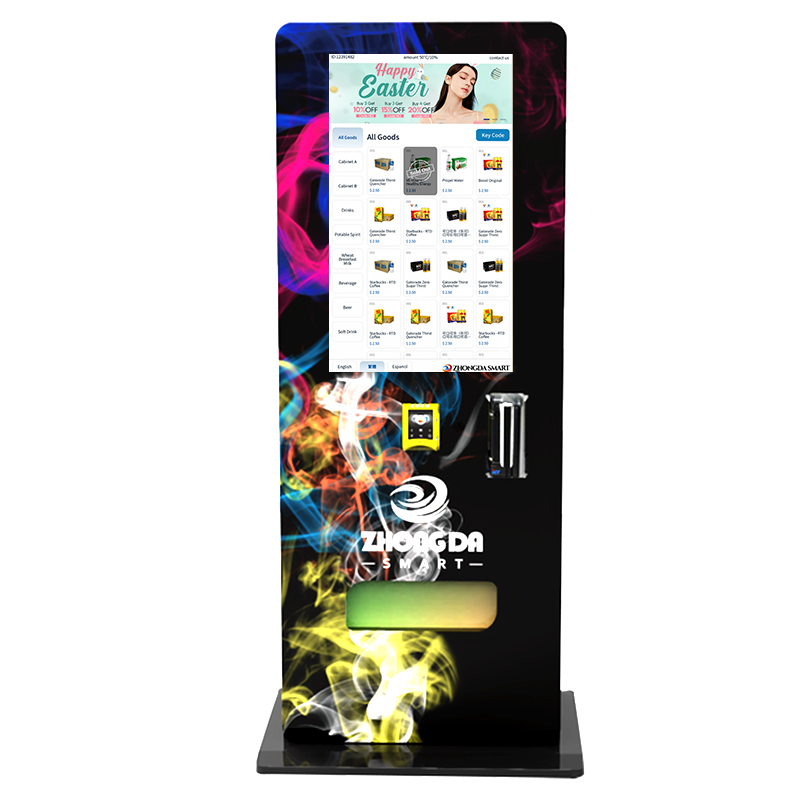
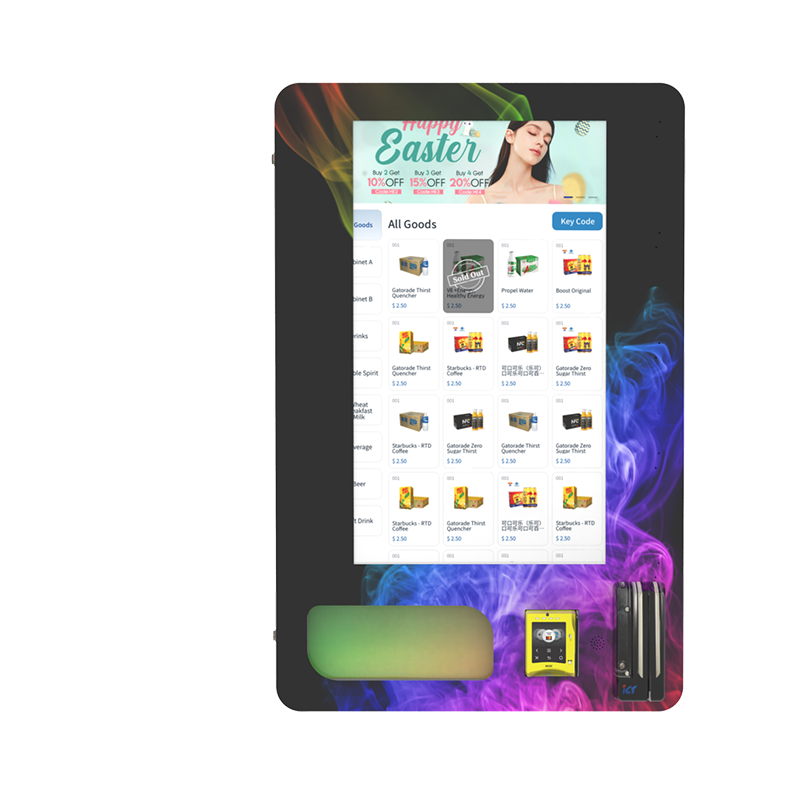
For most first-time operators, I recommend starting with a wall-mounted model like the wall-mounted compact e-cigarette vending machine. It is easier to install, cheaper to test, and you can move it if the location does not perform.
Inventory Management: The Hidden Skill
I have seen operators lose thousands of dollars on expired inventory because they did not rotate stock. Vape products have a shelf life. Disposable devices lose flavor after 12 months. Pods can leak if stored in a hot machine. You need to treat your inventory like a grocery store, not a warehouse.
Here is what works: use a spreadsheet or a simple inventory app to track every product by SKU and expiration date. Set a rule that any product with less than 60 days until expiration gets marked down by 20%. Products with 30 days left get pulled and sold at cost to a local shop. I also recommend carrying a mix of high-margin disposables (55–60% margin) and lower-margin pods (40–45% margin) to balance your overall profitability.
One operator I advise in Nevada uses a color-coded system. Green tags are products with more than 90 days left. Yellow tags are 30–90 days. Red tags are under 30 days. He has not written off a single dollar of expired inventory in two years.
Maintenance and Downtime: What to Expect
A vape vending machine is a piece of electronics with moving parts. It will break. The most common issues are jammed dispensers, failed card readers, and network connectivity drops. In our experience at the factory, the average machine has one service call every four months. Each call costs between $50 and $150 if you do it yourself, or $200 to $400 if you hire a technician.
To minimize downtime, I recommend buying a machine with remote diagnostics. Our machines at Zhongda Smart send a daily health report to a cloud dashboard. I can see if a coil is stuck or a payment terminal is offline before the customer does. That allows me to dispatch a technician proactively, often before the location owner even notices a problem.
If you are deploying multiple machines, invest in a spare machine. Keep it in storage. When one machine goes down, swap it out in two hours and repair the broken one at your leisure. This keeps your revenue flowing and your location owners happy.
Regulatory Compliance: The Cost of Ignoring It
In the United States, the FDA regulates the sale of tobacco products, including vapes. Any machine that sells these products must comply with the Prevent All Cigarette Trafficking (PACT) Act, which requires age verification and restricts sales to adults 21 and older. State laws vary. California requires a biometric age verification system. Florida requires a physical ID scan. New York requires a remote monitoring system that records every transaction.
I have seen operators fined $5,000 per violation for selling to a minor. One operator in Ohio lost his entire business after a sting operation caught three machines selling without age checks. He faced a $15,000 fine and a criminal charge. The machines were seized.
To stay compliant, use a machine with an integrated ID scanner and a transaction log that stores the scan data for at least 90 days. Most states require you to produce that data on request. Our age verification vending machine stores encrypted logs that can be exported in a CSV file within minutes.
Scaling from One Machine to a Fleet
Once you have one machine running profitably for six months, the temptation is to scale fast. I recommend scaling slow. Add one machine per quarter. Use the profit from the first machine to fund the second. This keeps your debt low and your stress manageable.
When you have three machines running, hire a part-time technician to handle restocking and maintenance. When you have ten machines, hire a full-time route driver. The economics change at scale. A fleet of 20 machines in good locations can generate $16,000 to $20,000 per month in net profit, but it also requires a warehouse, a vehicle, and a payroll system.
I have seen operators try to scale from one machine to 20 in six months. Every single one of them failed. They ran out of cash, lost locations because they could not service the machines fast enough, or bought cheap hardware that broke constantly. Slow growth is the only sustainable path.
Expert Advice on Choosing a Manufacturer
When you are ready to buy, do not just look at the price tag. Look at the manufacturer’s track record. Ask for references. Ask for a list of operators who have been running the same machine for two years. Ask about spare parts availability. A machine that costs $4,000 but requires a six-week wait for a replacement card reader is more expensive than a $6,000 machine that ships parts overnight.
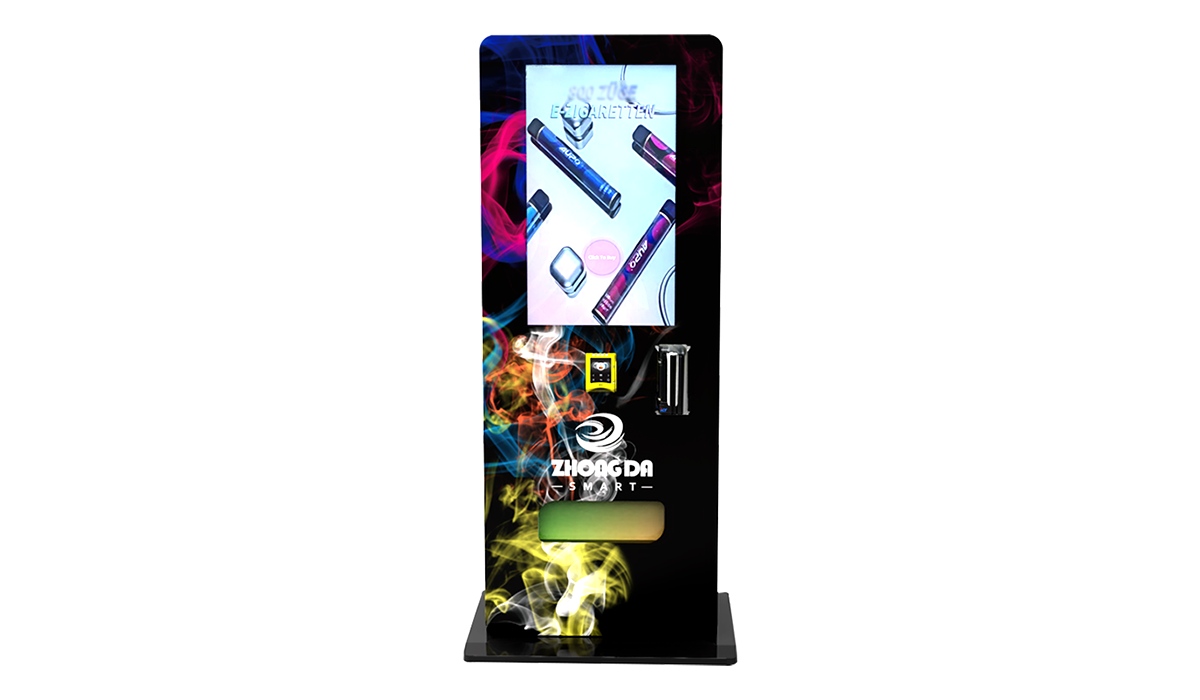
At Zhongda Smart, we manufacture our own machines in a facility that has been building vending hardware for over a decade. We stock spare parts for every model we have ever sold. We also offer a remote diagnostics service that lets us troubleshoot your machine from our office. If you want to see the full lineup, visit our vape vending machines page for specifications and pricing.
Frequently Asked Questions
How much does a vape vending machine cost?
A compliant machine with age verification typically costs between $3,800 and $7,200. The total startup cost including inventory and installation is around $7,500 to $10,000 per machine.
Do I need a license to operate a vape vending machine?
Yes. You need a tobacco retail license in the state and city where the machine is located. Some states also require a separate vending machine license. Check with your local health department.
Can I put a vape vending machine in a convenience store?
You can, but it rarely works well. The store already sells vapes, and the clerk can upsell. Machines in convenience stores average $400–$600 per month, which is usually not enough to cover costs.
What is the return on investment for a vape vending machine?
In a good location, a machine pays for itself in 10–14 months. After that, net profit runs $500–$1,500 per month per machine depending on location and product mix.
How do I find good locations for my machine?
Target bars, nightclubs, hotels, and employee break rooms in large facilities. Avoid convenience stores and retail shops that already sell vapes. Walk in with a one-page proposal showing the location owner how they earn a commission with zero work.
Final Thoughts from the Factory Floor
I have been building and operating vape vending machines for over a decade. I have seen the good, the bad, and the expensive. The business is profitable if you respect the rules, choose the right hardware, and place your machines in locations where adults gather. It is not a passive income scheme. It is a real business with real costs and real rewards.
If you are serious about getting into this space, start with one machine. Learn the inventory cycle. Build a relationship with a location owner. Then scale. And when you are ready to buy, look for a manufacturer that has been doing this long enough to know what breaks and what does not. That experience is worth more than a discount.
For more detailed case studies on machine placement and revenue data, check our vape vending machines for bars case study and the vape vending machine ROI analysis.
Sources:
- IBISWorld Vending Machine Operators Industry Report (2023). https://www.ibisworld.com/united-states/market-research-reports/vending-machine-operators-industry/
- FDA Compliance and Enforcement for Tobacco Products. https://www.fda.gov/tobacco-products
- Statista Vending Machine Market Data (2024). https://www.statista.com/topics/1245/vending-machines/