If you run a cannabis dispensary and you are serious about moving more product with less overhead, you have already looked at a vape vending machine for cannabis dispensaries. The question is not if you need one, it is which one will keep you out of regulatory trouble and actually turn a profit. After fifteen years of building these machines and deploying them across hundreds of locations, I can tell you that the hardware is only half the battle. The real win comes from a system that handles age verification, inventory tracking, and compliance in one smooth workflow. A smart vending machine does not just sell a cartridge—it sells peace of mind.
Why a Standard Snack Machine Will Get You Shut Down
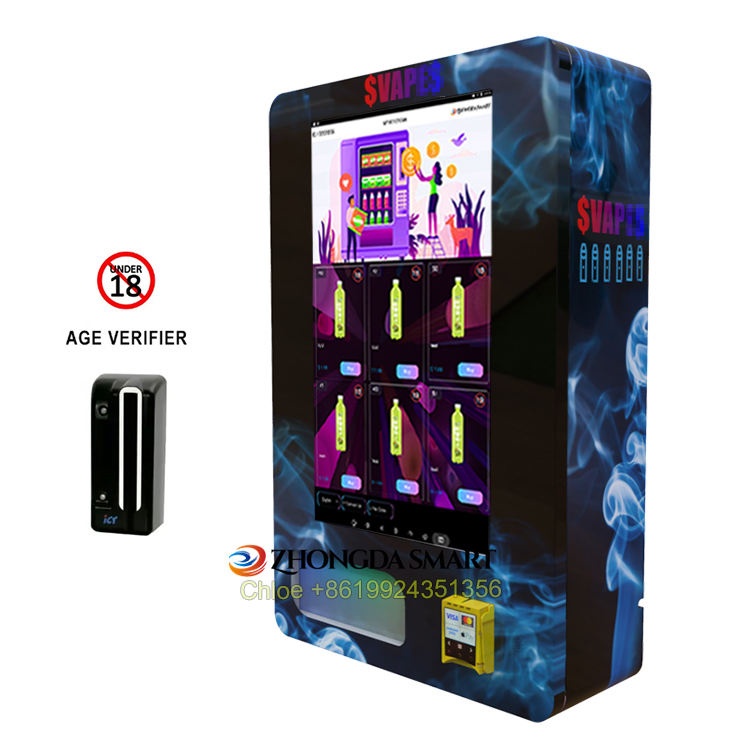
I have seen operators try to retrofit a standard coil vending machine to sell cannabis vapes. It never ends well. The problem is not the coils or the motors; it is the lack of integrated age verification. A regular machine has no way to confirm that the person standing in front of it is of legal age. You need a dedicated age verification vending machine that scans a government-issued ID, checks the date of birth, and either approves or rejects the transaction in under three seconds.
We built our first ID-scan unit back in 2018 for a dispensary in a state with strict regulations. The owner had been manually checking IDs at the counter, which created bottlenecks during peak hours. Within two weeks of installing a self-service kiosk with ID scanning, his transaction speed doubled. The machine did not just speed things up—it eliminated the human error factor. No more "I thought he looked old enough."
What Happens When the Scanner Fails
Every operator worries about a scanner that fails to read a valid ID. It happens. Maybe the barcode is scratched, or the lighting is off. A reliable compliant e-cigarette vending machine has a manual override that still requires a secondary check, like a PIN code tied to the scanned data or a remote approval from staff. I recommend testing this scenario during installation. Run ten IDs through the scanner, including a few with minor damage. If the machine rejects more than one valid ID, you need to adjust the scanner sensitivity or upgrade the optics.
Real Costs and Real Returns
Let me give you the numbers I have seen across fifty-plus installations. A fully equipped ID scan vending machine with a high-capacity cabinet, temperature control, and remote monitoring costs between $8,000 and $14,000 depending on the configuration. That is the upfront hardware cost. Installation adds another $500 to $1,500 if you need to run dedicated power or reinforce the floor. Monthly software fees for the age verification service and inventory management run about $150 to $300.
Now for the revenue side. A well-placed unit in a dispensary with steady foot traffic averages $1,200 to $2,800 in weekly sales. The margin on vape cartridges and disposable pens sits around 40 to 50 percent after wholesale cost. That means a single machine can gross $62,000 to $145,000 per year. Subtract the machine cost, installation, software fees, and restocking labor, and you are looking at a payback period of four to eight months. I have seen units pay for themselves in three months when placed near a high-traffic checkout area.
| Cost Category | Low Estimate | High Estimate |
|---|---|---|
| Machine hardware | $8,000 | $14,000 |
| Installation | $500 | $1,500 |
| Monthly software | $150 | $300 |
| Weekly revenue potential | $1,200 | $2,800 |
| Average payback period | 4 months | 8 months |
Where the Margin Disappears
I have also watched operators lose money. The most common mistake is putting a wall mounted compact e-cigarette vending unit in a low-traffic corner and expecting customers to find it. If the machine is not visible from the main path, it will collect dust. Another profit killer is poor inventory rotation. Vape cartridges have a shelf life. If you stock too many units of a slow-moving flavor, you end up discounting them at 30 percent off just to clear the coils. Set your restocking schedule to match sales velocity. I tell my clients to review the sales data every Monday and adjust the product mix immediately.
Compliance Is Not Optional
Regulatory bodies are watching. In the last three years, we have seen multiple dispensaries fined for using machines that did not meet the latest age verification standards. A vape vending machine for cannabis dispensaries must log every transaction, including the ID image, date, time, and product sold. That data must be stored for at least two years in most jurisdictions. I recommend a machine that stores data locally and syncs to a cloud backup. If an inspector shows up, you can pull the records in under a minute.
One operator I worked with in a mid-sized city got a surprise visit six months after installation. The inspector asked for a transaction log from a specific date. We had the records ready in thirty seconds. The inspector commented that most places take hours to produce those logs, and that quick response saved the operator from a follow-up audit. That is the kind of trust a compliant machine builds.
Age Verification Technology That Works
The core of any compliant system is the scanner. We use a high-speed optical scanner that reads the 2D barcode, MRZ, and photo ID in one pass. It cross-references the birth date against the current date and checks for expired licenses. If the ID is valid and the person is over the required age, the machine unlocks the purchase interface. If the ID is expired or the person is underage, the screen displays a clear rejection message. No gray area. No second chance without a valid ID.
Some operators ask about biometric options like fingerprint or facial recognition. I have tested both. Facial recognition works well in well-lit environments, but it struggles in dimly lit dispensary corners. Fingerprint scanners require a database that raises privacy concerns. A simple ID scan with a photo capture is the most reliable and least intrusive method for a self-service kiosk in a retail setting.
Choosing the Right Hardware for Your Floor Plan
Not every dispensary has the same footprint. A small shop in a busy strip mall needs a different machine than a large flagship store with a lounge area. I have installed three main form factors over the years, and each serves a specific purpose.
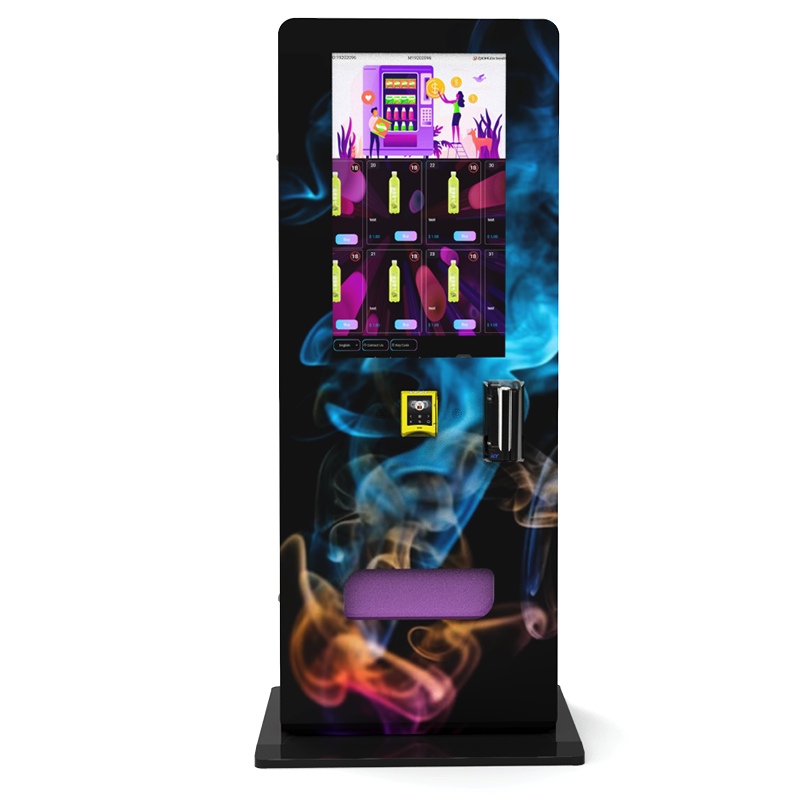
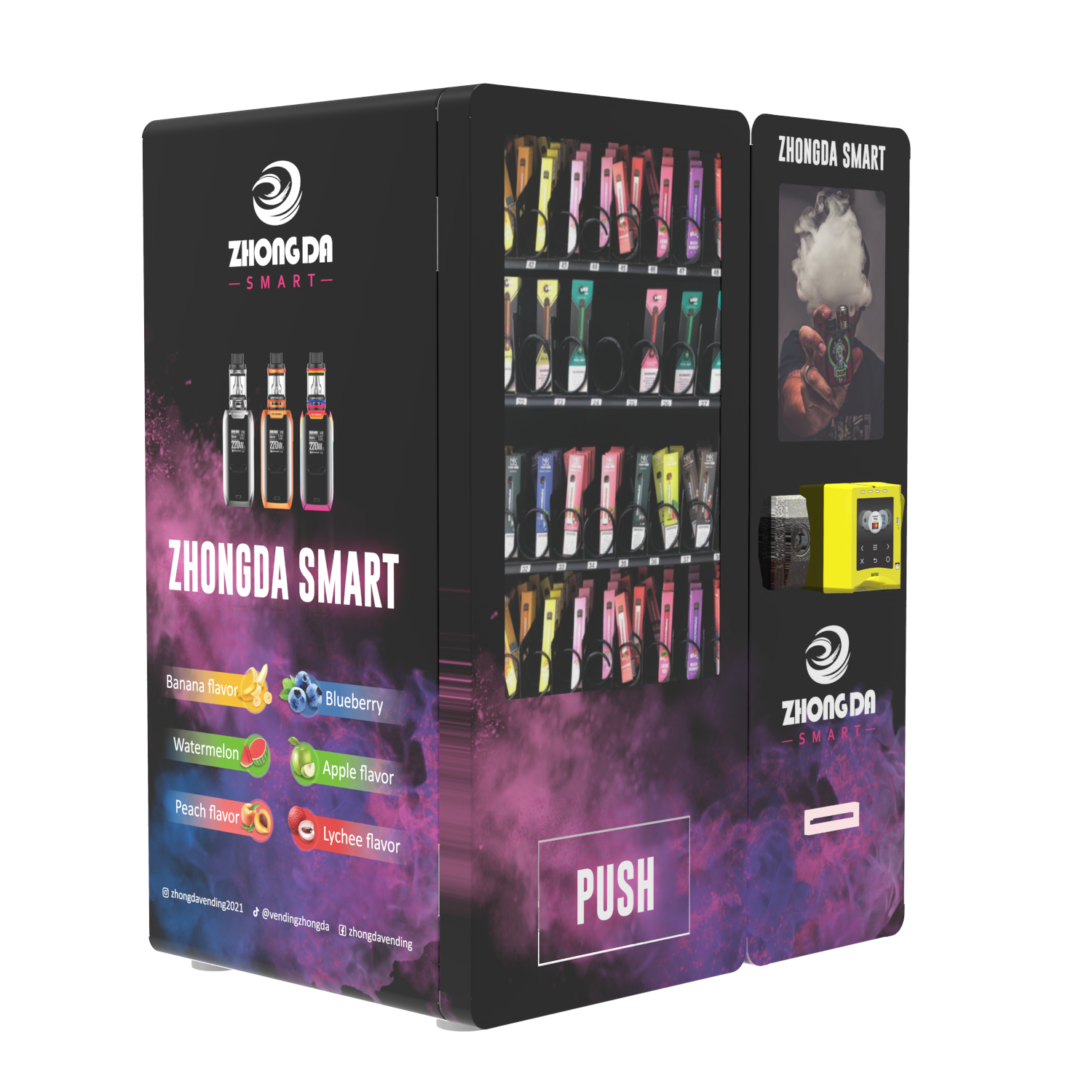
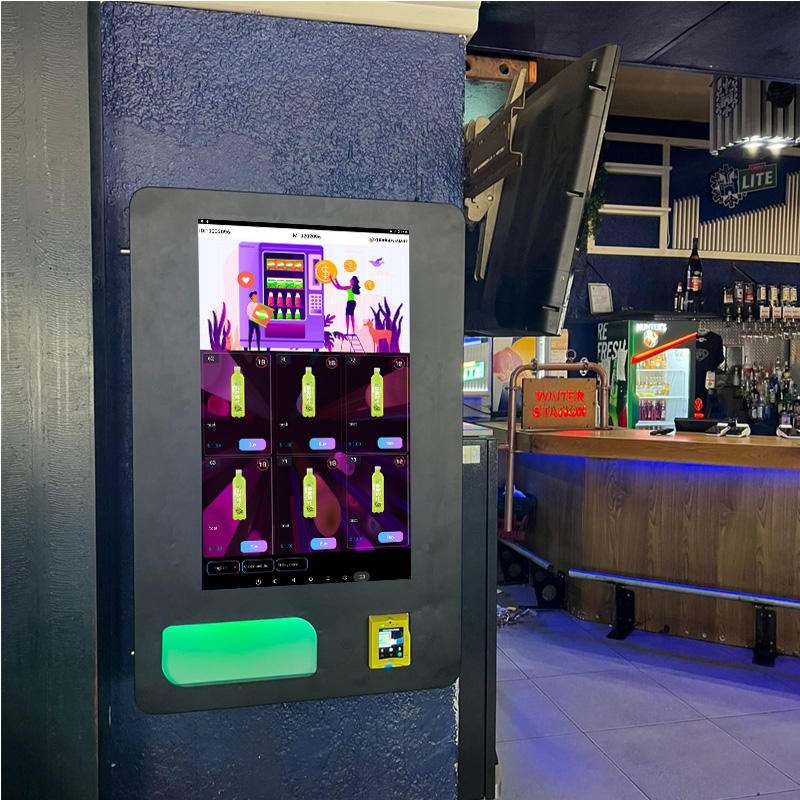
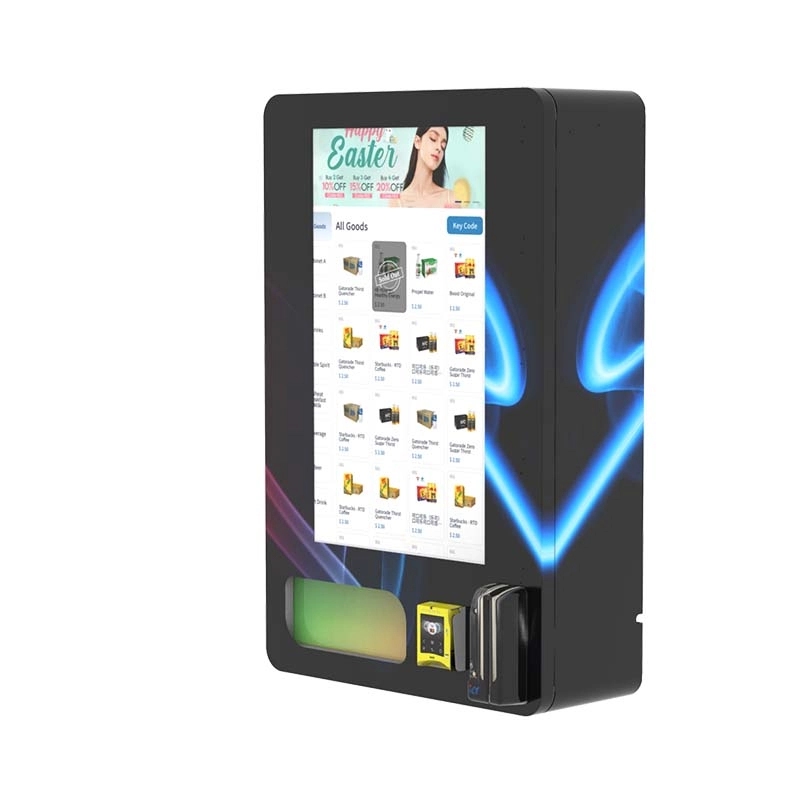
- Wall mounted compact units: Best for tight spaces. These hold 60 to 100 units and sit flush against the wall. They work well near the checkout counter or in a narrow hallway. One of our most popular models is the wall mounted compact e-cigarette vending machine, which fits in a 24-inch wide space.
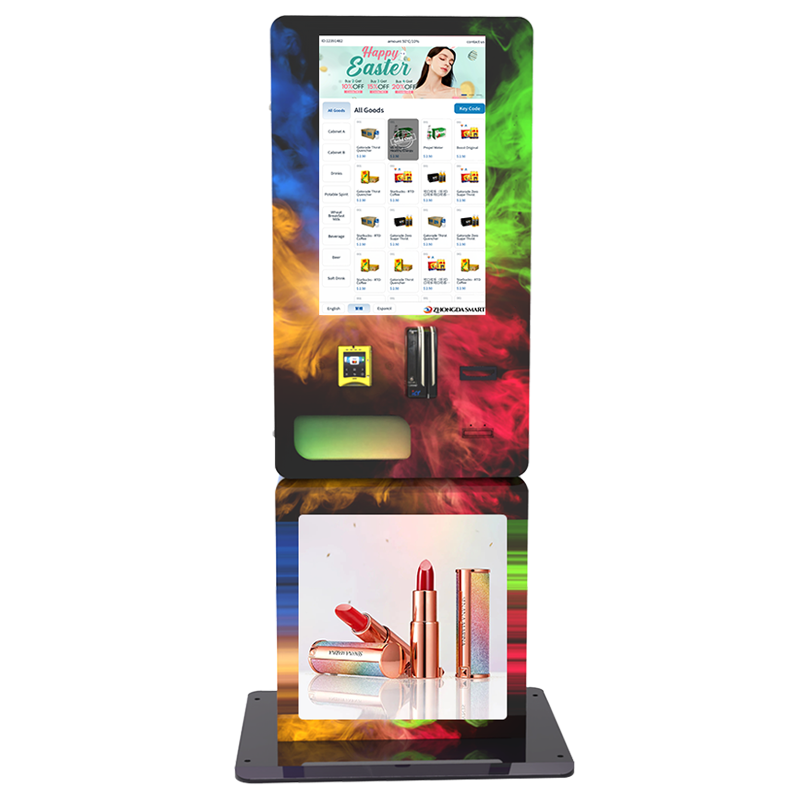
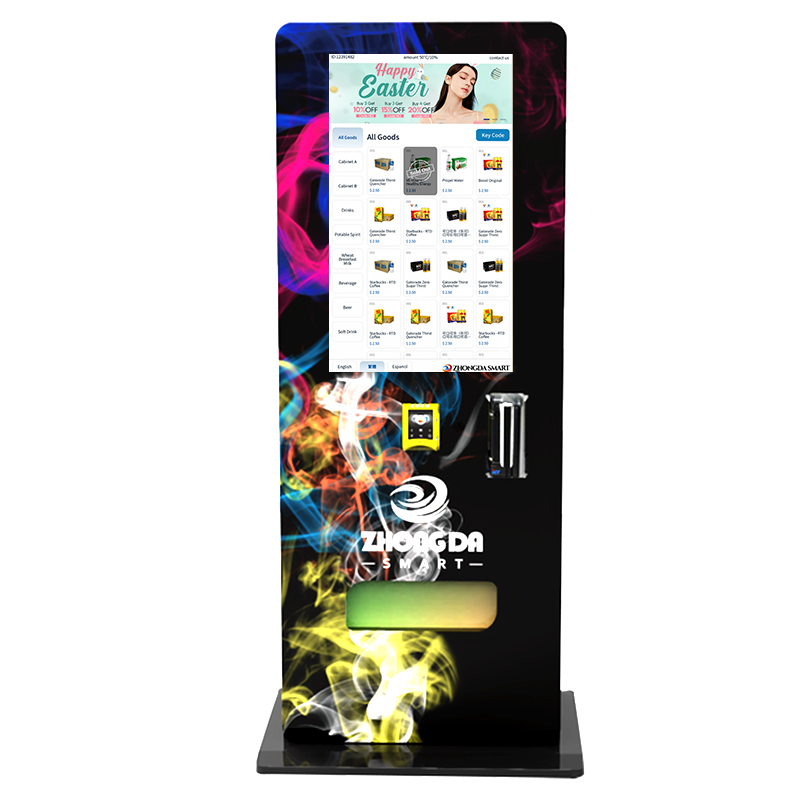
- Mid-size freestanding machines: These hold 150 to 250 units and include a larger screen for product browsing. They work best in dispensaries with a dedicated waiting area. The age verification vending machine in this category offers a 22-inch touchscreen and dual spirals for high-volume products.
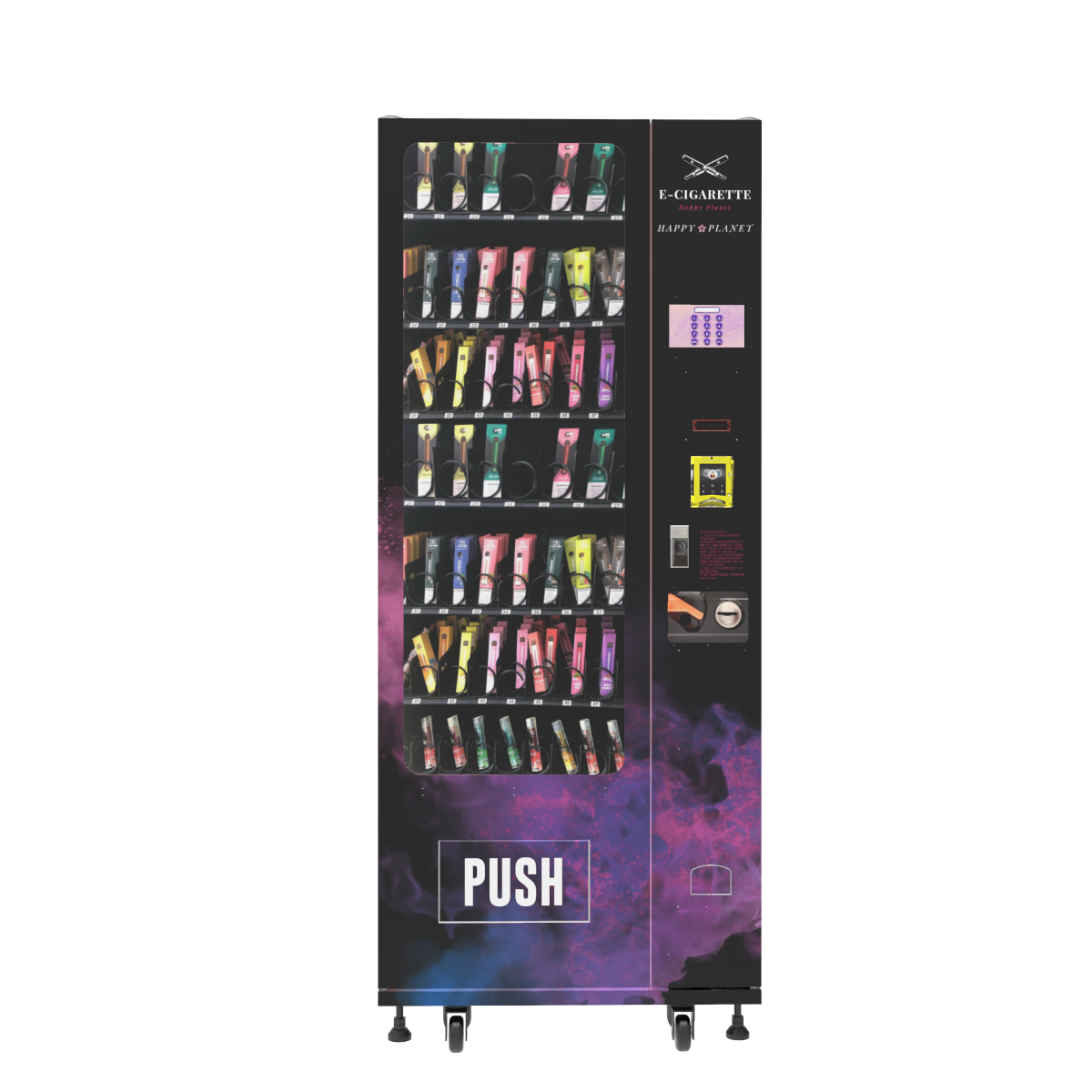
- High-capacity units: For locations with heavy foot traffic, a full-size machine that holds 400+ units is the right choice. These typically require a reinforced floor and dedicated 110V power. The ID scan vending machine in this class includes a built-in air circulation system to keep cartridges at a consistent temperature.
Installation Mistakes I Have Seen
I have walked into too many locations where the machine was placed directly under an air conditioning vent. The constant temperature fluctuation caused the cartridges to leak. Another common mistake is placing the unit where direct sunlight hits the screen. The glare makes the touch interface nearly unusable during afternoon hours. Before you bolt anything down, spend a day watching the light patterns and foot traffic in your space. Mark the spot with tape and observe how customers move around it. That simple exercise has saved my clients thousands in relocation costs.
Inventory Management That Saves Time
The worst part of running a vending operation is restocking blind. If you do not know which slots are empty, you either overstock or understock. A modern smart vending machine sends a real-time inventory report to your phone or tablet. You can see exactly which product is low and which flavor is not moving. I advise my clients to check the report every evening and plan the next day restock run. It takes five minutes and prevents the frustration of opening a machine to find 80 percent full inventory.
One client in a college town used the data to spot a trend. He noticed that a specific brand of disposable pen sold out every Thursday night. He doubled the stock for that brand and added a second row. Sales for that item increased by 35 percent within a month. That is the kind of insight you only get from a machine that tracks every transaction.
Remote Monitoring and Alerts
If you manage multiple locations, remote monitoring is not a luxury—it is a necessity. The system should alert you when a spiral is jammed, the temperature is out of range, or the cash box is full. I prefer machines that send alerts via SMS and email. Push notifications are fine, but they get buried in the noise. A text message with a clear subject line like "Machine 3 - spiral 4 jammed" gets immediate attention.
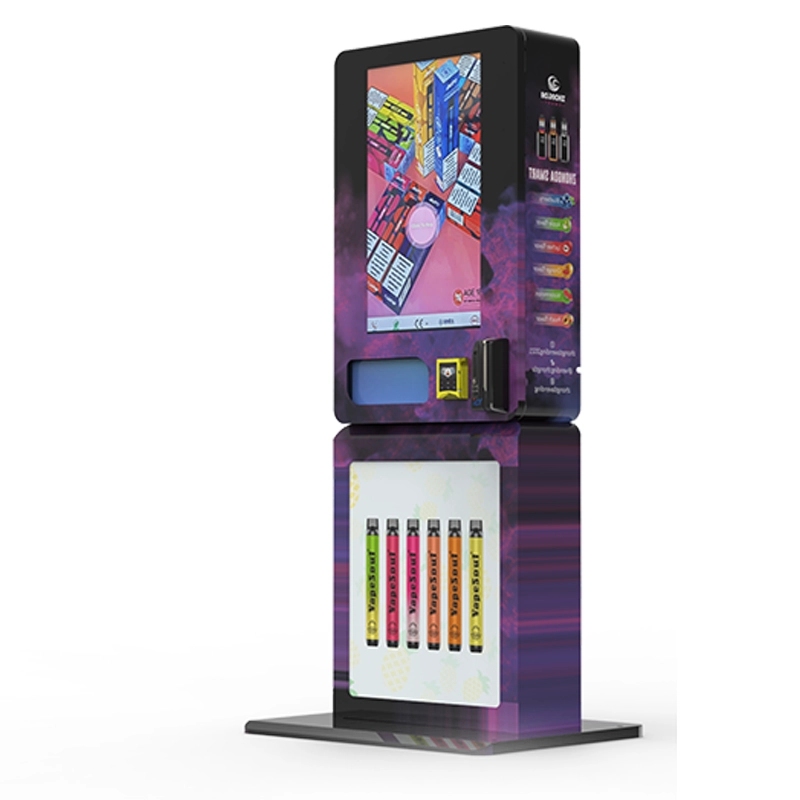
We have integrated this capability into our compliant e-cigarette vending machine line. The dashboard shows the status of every machine in your network, and you can drill down to see individual transaction histories. If you are serious about scaling, this is the feature that will save you hours of manual checking every week.
Common Failures and How to Avoid Them
I have collected failure data from over 200 installations. The most frequent issue is a jammed delivery mechanism caused by a product that is slightly too tall or too wide for the spiral. Always test the actual product packaging in the machine before loading a full order. Another frequent issue is the touchscreen becoming unresponsive after heavy use. We switched to industrial-grade capacitive screens two years ago, and the failure rate dropped by 80 percent.
The third most common failure is connectivity. If the machine relies on a cellular signal and the location has poor reception, the age verification system will time out. I recommend installing a signal booster or using a wired Ethernet connection if possible. A machine that cannot verify an ID is a machine that cannot sell anything.
What to Do When a Machine Goes Down
Every machine will need service at some point. The key is having a plan before it happens. Keep a spare parts kit at each location that includes a spare power supply, a spare screen cable, and a set of common tools. I also recommend having a direct contact at the manufacturer who can walk you through a reboot or a sensor calibration over the phone. We provide this kind of support for all our units because I know that a machine that is down for three days can lose a month of profit.
Long-Term Strategy for Scaling
If you start with one machine and it performs well, the natural next step is adding more units. But do not just replicate the same setup. Each location has its own traffic pattern and customer preferences. A machine in a medical dispensary will sell different products than one in a recreational store. I suggest running the first machine for at least three months before expanding. That gives you enough data to understand what sells and what does not.
When you do scale, consider a centralized inventory system that lets you manage all machines from one dashboard. The e-cigarette vending machine models we build now include a unified management platform that syncs inventory across all units. You can see stock levels, sales trends, and maintenance alerts for your entire network on one screen. That kind of visibility turns a collection of machines into a real business asset.
Training Your Staff to Handle the Machine
Do not assume your employees will know how to clear a jam or restart the system. I have seen staff members unplug the machine and plug it back in repeatedly, which can corrupt the configuration. Create a one-page quick reference guide that covers the three most common issues: jammed product, unresponsive screen, and connectivity loss. Tape it to the side of the machine. Train one person per shift to handle basic troubleshooting. That single step has reduced our clients average downtime by 60 percent.
Real Data from the Field
According to a report from IBISWorld, the vending machine industry in the U.S. generates over $7 billion annually, with the specialized segment for age-restricted products growing at 8 percent per year. Another study from Statista shows that 41 percent of consumers prefer self-service kiosks for purchasing age-restricted items because they feel less pressure than buying from a cashier. Those numbers align with what I see on the ground. Customers like the privacy and speed of a machine, and they return more often when the experience is consistent.
Why Most Machines Fail Within the First Year
I have analyzed the reasons behind failed installations. The number one reason is poor location selection. A machine placed in a back corner with no signage will not generate enough sales to cover the restocking labor. The second reason is using a machine that does not meet the latest compliance standards. Regulations change faster than most operators realize. A machine that was legal eighteen months ago may now be out of compliance. The third reason is neglecting software updates. The age verification databases need to be refreshed regularly to catch newly expired IDs and updated formats.
If you avoid those three pitfalls, your odds of success go up dramatically. I have clients who have been running the same machines for five years without a major issue because they stay on top of maintenance and compliance.
Final Thoughts from the Factory Floor
I have spent more hours than I can count inside vending machines, adjusting spirals, testing scanners, and rewriting firmware. The single most important lesson I have learned is that the machine is only as good as the system around it. You need a reliable age verification process, a smart inventory management routine, and a maintenance plan that does not rely on luck. If you build those three pillars, a vape vending machine for cannabis dispensaries will be one of the best investments you make.
Our team at Zhongda Smart has built machines that operate in some of the most regulated markets in the country. We know what works and what breaks. If you want to see the specific models we recommend for dispensary use, take a look at our vape vending machines page. Every unit we ship includes a direct line to our support team, because I believe that a manufacturer should stand behind the hardware long after the sale.
Frequently Asked Questions
What is the best vape vending machine for a small dispensary?
For a small dispensary with limited floor space, a wall mounted compact unit that holds 60 to 100 units is the best choice. It takes up minimal space and still includes full age verification. Our wall mounted compact model fits in a 24-inch wide area and includes a built-in ID scanner.
How does age verification work on these machines?
The machine uses an optical scanner that reads the barcode, MRZ, and photo on a government-issued ID. It checks the birth date against the current date and confirms the ID is not expired. If the person is over the legal age, the machine unlocks the purchase screen. If not, the transaction is rejected immediately.
How much does a compliant vape vending machine cost?
A fully equipped machine with age verification, temperature control, and remote monitoring typically costs between $8,000 and $14,000. Installation adds $500 to $1,500. Monthly software fees for the age verification service and inventory management run about $150 to $300.
Can I use a regular vending machine for cannabis vapes?
No. A regular vending machine does not have integrated age verification, which is required for selling age-restricted products like cannabis vapes. Using a standard machine can result in fines and loss of your license. You need a dedicated machine with ID scanning and transaction logging.
How long does it take to recoup the investment?
Based on real installations, the payback period is typically four to eight months. A well-placed machine can generate $1,200 to $2,800 in weekly sales with a 40 to 50 percent margin. Some operators have recouped their investment in as little as three months.
What happens if the ID scanner fails to read a valid ID?
Most compliant machines have a manual override feature that requires a secondary check, such as a PIN code tied to the scanned data or remote approval from staff. If the scanner consistently fails to read IDs, you may need to adjust the sensitivity or upgrade the scanner optics.
Do I need special software to manage the machine?
Yes. The machine requires software for age verification, inventory tracking, and remote monitoring. Most modern machines include a cloud-based dashboard that lets you view sales data, stock levels, and maintenance alerts from your phone or computer. The monthly fee typically covers the software and database updates.
Sources and References
Data referenced in this article comes from industry reports and market research. IBISWorld report on vending machine industry revenue and growth trends. Statista consumer preference survey on self-service kiosks for age-restricted products. Both sources provide third-party validation of the market trends discussed here.