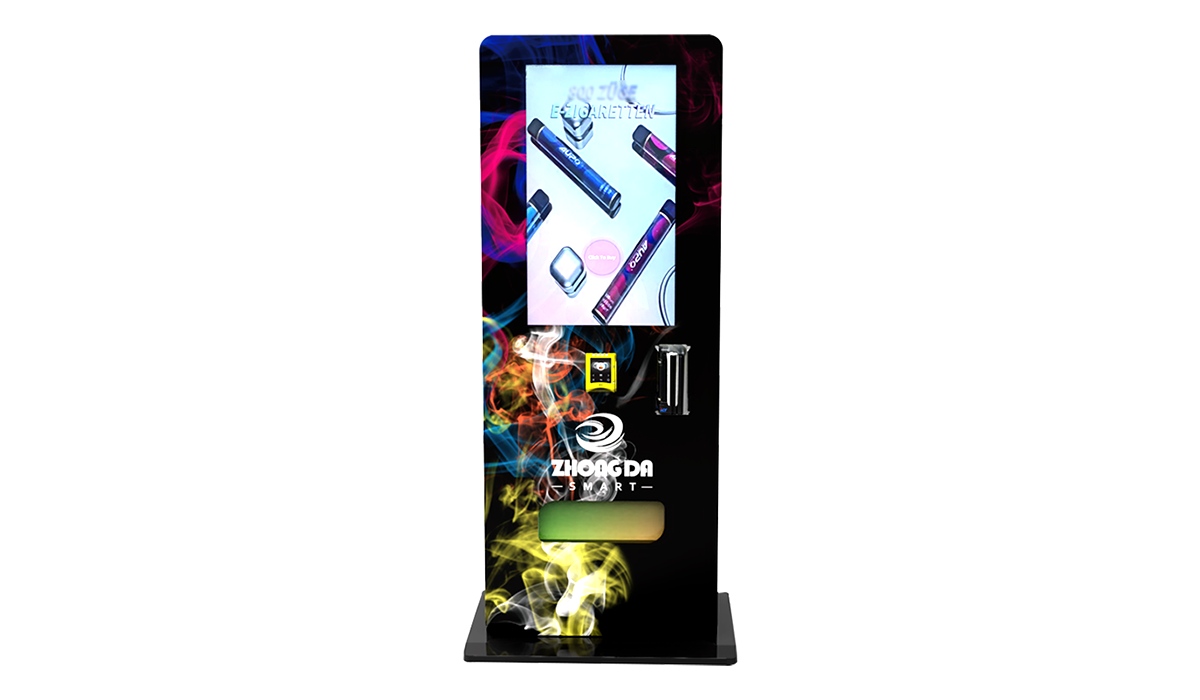
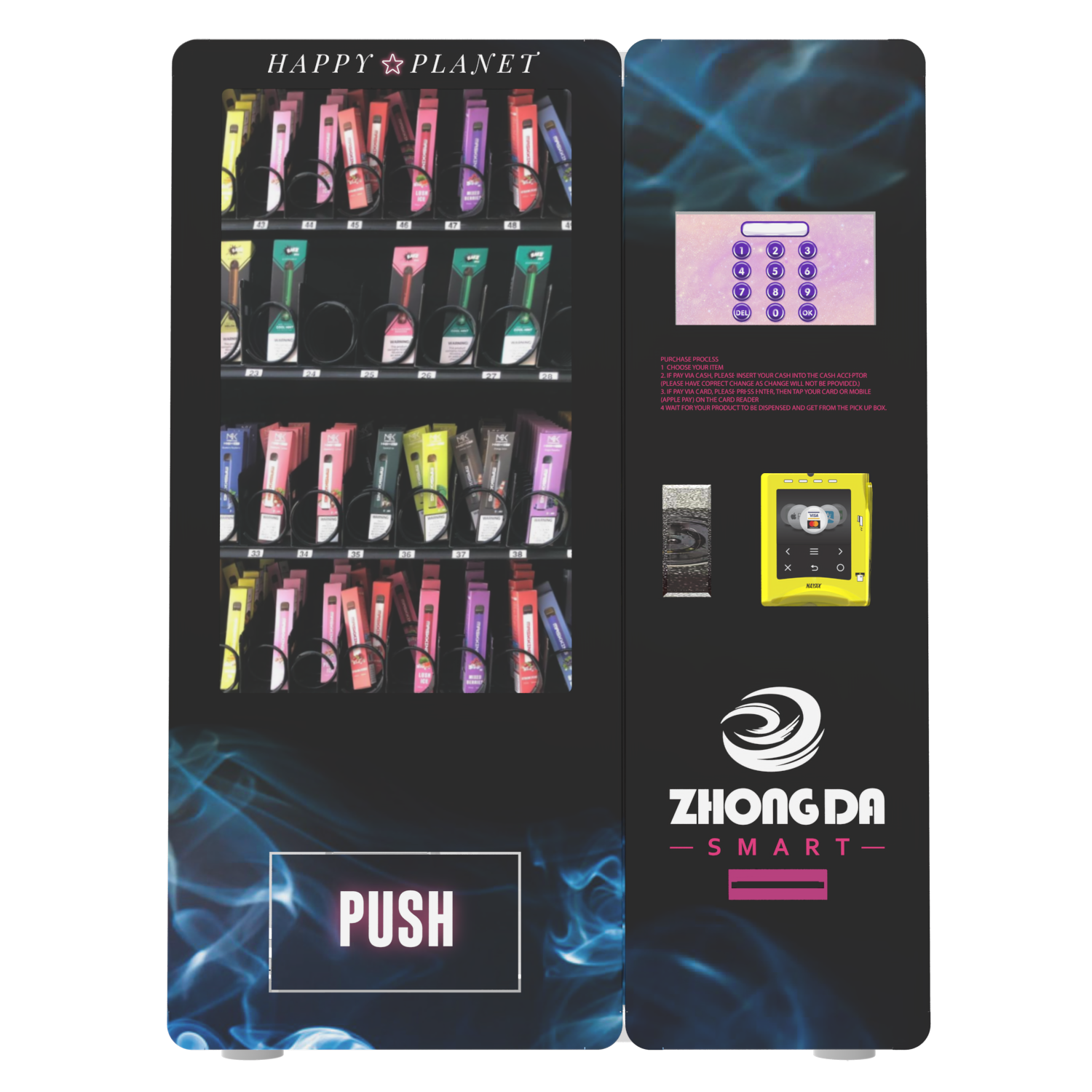
If you are looking to deploy a vending machine for nicotine products in the United States, you have probably hit a wall of confusing state laws and local ordinances. The short answer is that there is no single federal law that outright bans them, but the patchwork of state regulations makes it a minefield. Based on my decade of deploying smart vending machines across the US and running a factory that builds these units, the states that allow vape vending machines generally fall into two camps: those with strict age-verification mandates and those with outright bans. Currently, around 30 states permit them under specific conditions, primarily requiring a dedicated age-verification system like a scanner for a driver’s license or a credit card swipe that confirms the buyer is over 21. The rest have either banned them entirely or imposed restrictions so tight they are effectively impossible to operate profitably. This guide breaks down the legal landscape, the technology you need, and the real-world economics of running this business.
Understanding the Federal Baseline
Before we get into the state-by-state breakdown, you need to understand the federal rules. The FDA treats these machines the same as any other retail sale of nicotine products. The key regulation is the Tobacco Control Act, which was updated by the 2019 law raising the federal minimum age to 21. This means any machine selling these products must be in a location where minors are not allowed, or it must have a mechanism to verify age. In practice, this has killed the old-school cigarette machines you might remember from the 1980s. Modern machines rely on ID scanning and facial recognition to comply. At our factory, we have seen a massive shift toward these compliant units since 2020. The FDA does not issue a specific permit for the machine itself, but the location operator must follow all federal, state, and local laws. This is where most new operators trip up—they assume federal law is the ceiling, but it is actually the floor.
States Where You Can Operate (With Conditions)
Based on our deployment data and ongoing legal reviews, here are the states where we have successfully placed machines. This list is not exhaustive, but it represents the most common markets.
Arizona
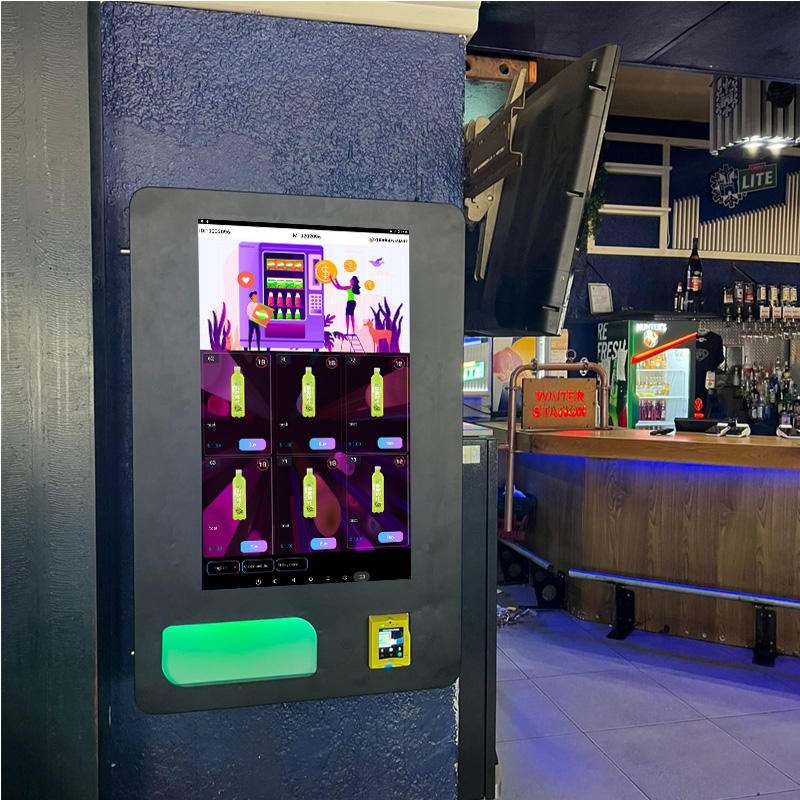
Arizona is a solid market. The law requires the machine to be in a location that is not open to minors, or it must have an age verification device. Most of our clients here use a machine with a built-in scanner. We have units in several smoke shops and bars in Phoenix and Tucson. The key is that the business itself must be 21+ or have a separate, supervised area. We have not seen any local preemptions that block the state law, which makes it a reliable place to start.
Florida
Florida is one of the busiest markets for these machines. The state law allows them as long as the machine is in a location that is not generally accessible to minors. This has been interpreted to mean a bar, a vape shop, or a tobacco store. We have a large deployment in Miami and Orlando. The trick in Florida is local county laws. For example, Miami-Dade has additional permitting requirements. You cannot just drop a machine in a laundromat. It needs to be in a place where the primary business is age-restricted. We recently helped a client in Tampa set up a unit in a cigar lounge, and it has been pulling in consistent revenue.
Texas
Texas is a free market for this, relatively speaking. The law allows them if the machine is in a location where minors are not allowed. This has been interpreted broadly. We have machines in truck stops, bars, and even some convenience stores that have a separate 21+ section. The state does not require a specific license for the machine, but the location must have a valid tobacco retail permit. We have seen a lot of growth in the Houston and Dallas areas. The main challenge here is theft, so we recommend a unit with a reinforced cabinet and a high-quality lock.
Nevada
Las Vegas is a natural fit. The state law allows machines in locations that are age-restricted. Casinos, bars, and nightclubs are the prime spots. We have a client with five machines on the Strip, and they do very well. The key is that the machine must be in a location that is not open to the general public without age check. A casino floor is fine because everyone is ID'd at the door. A standalone machine in a hotel lobby would not be legal. We have also seen success in Reno and Henderson.
Ohio
Ohio allows them, but with a specific requirement for a locking device or a location that is not open to minors. We have found that the best approach here is to use a machine with a biometric scanner or a card swipe that verifies age. The state has a list of approved age verification methods. We have units in Columbus and Cleveland, mostly in vape shops and bars. The market is competitive, but the margins are good because the state tax on these products is not as high as in some other states.
Michigan
Michigan is a bit of a mixed bag. The state law allows them, but local municipalities can opt out. For example, Detroit has its own rules that are stricter than the state. We have had success in Grand Rapids and Ann Arbor, where the local laws mirror the state. The machine must be in a location that is not accessible to minors. We use a machine with a built-in ID scanner that checks for a valid, unexpired license and calculates the age. This is critical because the state has been aggressive in enforcement.
States with Total or Near-Total Bans
You need to know where you cannot operate. These states have laws that make it nearly impossible or completely illegal to run this business.
California
California is a hard no. The state banned the sale of flavored nicotine products in 2022, and the law also effectively kills vending machines for any tobacco product. There is an exception for machines in locations that are 21+ and that use a remote sales mechanism, but the flavor ban makes it difficult to stock the machine with anything that sells. We do not deploy in California. The legal risk is too high, and the fines are substantial.
New York
New York is another state to avoid. The state has a ban on the sale of flavored nicotine products, and the vending machine laws are extremely restrictive. You would need a machine that is staffed by an employee, which defeats the purpose. We have seen a few attempts by operators to use machines in cigar bars, but the enforcement has been aggressive. The state also has a high tax rate, which eats into margins.
Massachusetts
Massachusetts has a complete ban on the sale of flavored nicotine products, and the state also has a ban on self-service displays for tobacco products. This effectively kills the vending machine model. We do not have any clients in Massachusetts.
Illinois
Illinois is complicated. The state allows machines, but only in locations that are 21+ and that have a specific tobacco license. The problem is that many local municipalities, including Chicago, have their own bans. Chicago has a ban on the sale of flavored nicotine products. We have a few clients in the suburbs of Chicago, but the market is very difficult to navigate.
Washington
Washington state has a ban on the sale of flavored nicotine products, and the state also has a law that requires all tobacco sales to be face-to-face. This means a vending machine is not allowed unless it is in a location that is not open to the public, like a private club. The market is essentially closed.
The Technology That Makes It Legal
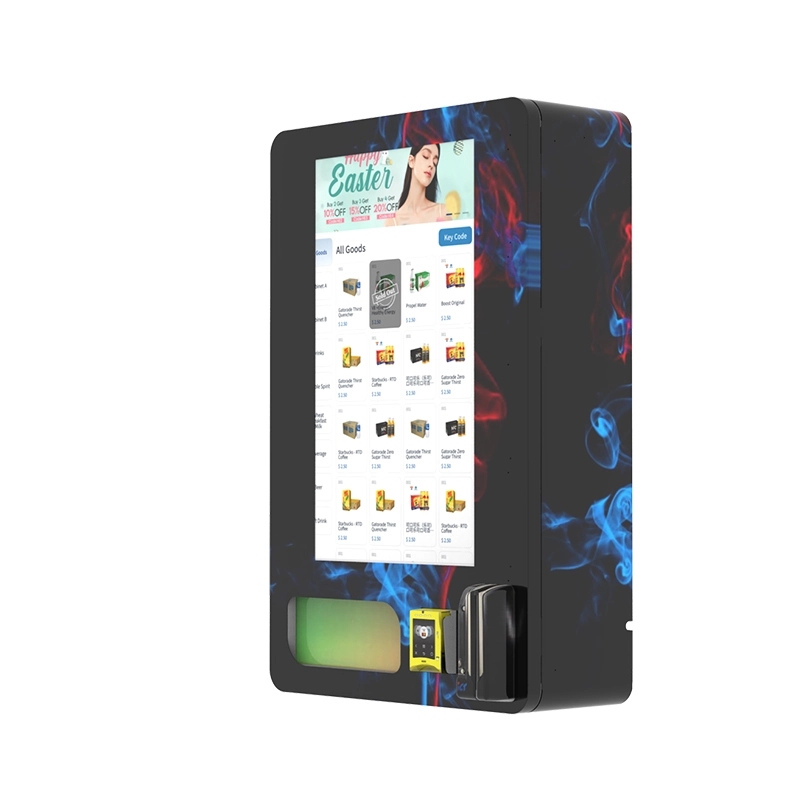
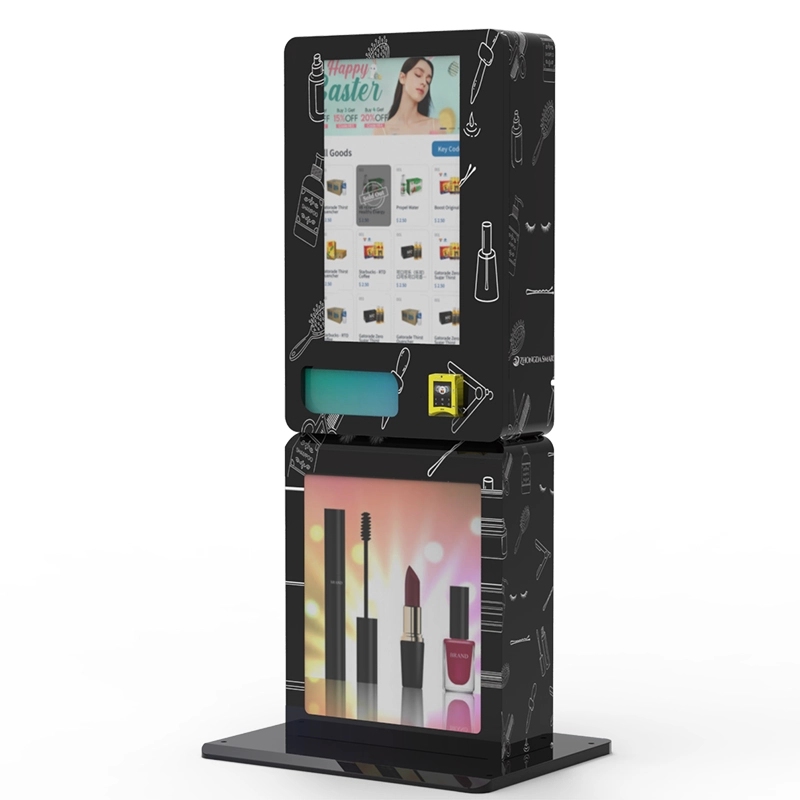
You cannot just buy any old machine. The days of a simple coin-operated unit are over. The machines we build at Zhongda Smart are designed specifically to meet the legal requirements of these states. The core technology is the age verification system.
ID Scanner Integration
Every machine we deploy in the US has a built-in scanner that reads the barcode on a driver's license. It checks the date of birth, validates the ID against a database of known formats, and ensures the ID is not expired. Some advanced models also use facial recognition to match the person to the photo on the ID. This is not optional. It is the primary way to prove compliance if you get audited. We have a model called the ID Scan Vending Machine that is specifically built for this purpose. It has a high-resolution camera and a fast processor that completes the scan in under two seconds.
Credit Card Age Verification
Another method is using a credit card swipe that checks the age of the cardholder. This is less reliable than an ID scan because a minor could use a parent's card. However, it is a valid method in some states. We typically recommend this as a secondary method. The machine can be configured to require both a card swipe and a signature, which creates a record of the transaction.
Remote Monitoring and Lockout
Compliance is not just about the sale. You need to prove that the machine was not accessible to minors at any time. Our machines have a remote monitoring system that logs every transaction, every ID scan, and every time the door is opened. This data can be pulled by regulators. We also have a lockout feature that can disable the machine if the age verification system fails or if the machine is moved to an unauthorized location. This gives the operator and the location owner peace of mind.
Real-World Economics and Profitability
I have seen too many people buy a machine and then realize they cannot make money. The economics are different from a snack vending machine. Here is a breakdown based on our client data.
| Item | Cost Range | Notes |
|---|---|---|
| Machine Cost | $3,000 - $8,000 | Depends on features (ID scan, screen size, capacity). A basic unit from our factory starts around $3,500. |
| Installation & Shipping | $500 - $1,500 | Heavy units require freight shipping and sometimes a liftgate. Installation is usually simple if you have a standard outlet. |
| Inventory (Initial Stock) | $1,000 - $3,000 | You need a mix of disposables, pods, and devices. Margins are higher on house brands. |
| Monthly Location Fee | $200 - $800 | You may pay a flat fee or a percentage of sales. Bars and clubs often ask for a cut. |
| Average Transaction Value | $15 - $30 | Disposables are the top seller. A single sale can cover the location fee for a week. |
| Monthly Revenue (per machine) | $1,500 - $5,000 | Depends on location traffic and product selection. High-traffic bars can hit the upper end. |
| Gross Margin | 40% - 60% | After COGS and location fee. You need to manage inventory to avoid dead stock. |
One of our clients in Texas runs a machine in a busy sports bar. He pays a flat $400 per month to the bar. His average sale is $22, and he does about 150 transactions per month. That is $3,300 in revenue. His cost of goods is about $1,400, and the location fee is $400. That leaves him with $1,500 per month per machine. He has three machines, so he is netting around $4,500 per month. The key to his success is that he restocks every three days and rotates products based on what is trending. He uses our remote monitoring system to see which products are selling and which are sitting.
Common Mistakes and Failures
I have seen a lot of people lose money. Here are the top three reasons.
Ignoring Local Laws
The biggest mistake is assuming state law is the only law. I had a client in Ohio who placed a machine in a convenience store that was in a county with a local ban on self-service tobacco sales. He lost the machine to a seizure and got a fine. You need to check the county and city laws. We provide a legal review service for our clients, but we are not lawyers. We always recommend hiring a local attorney to do a site-specific review.
Poor Location Selection
Not every bar is a good location. I have seen machines placed in a dive bar that gets 20 customers a night. The machine will never pay for itself. You need a location with high foot traffic and a demographic that matches the product. A nightclub in a college town is ideal. A quiet hotel bar is not. We have a detailed guide on location selection that we share with our buyers. The rule of thumb is that you need at least 100 potential customers per day who are over 21 and likely to buy.
Using the Wrong Machine
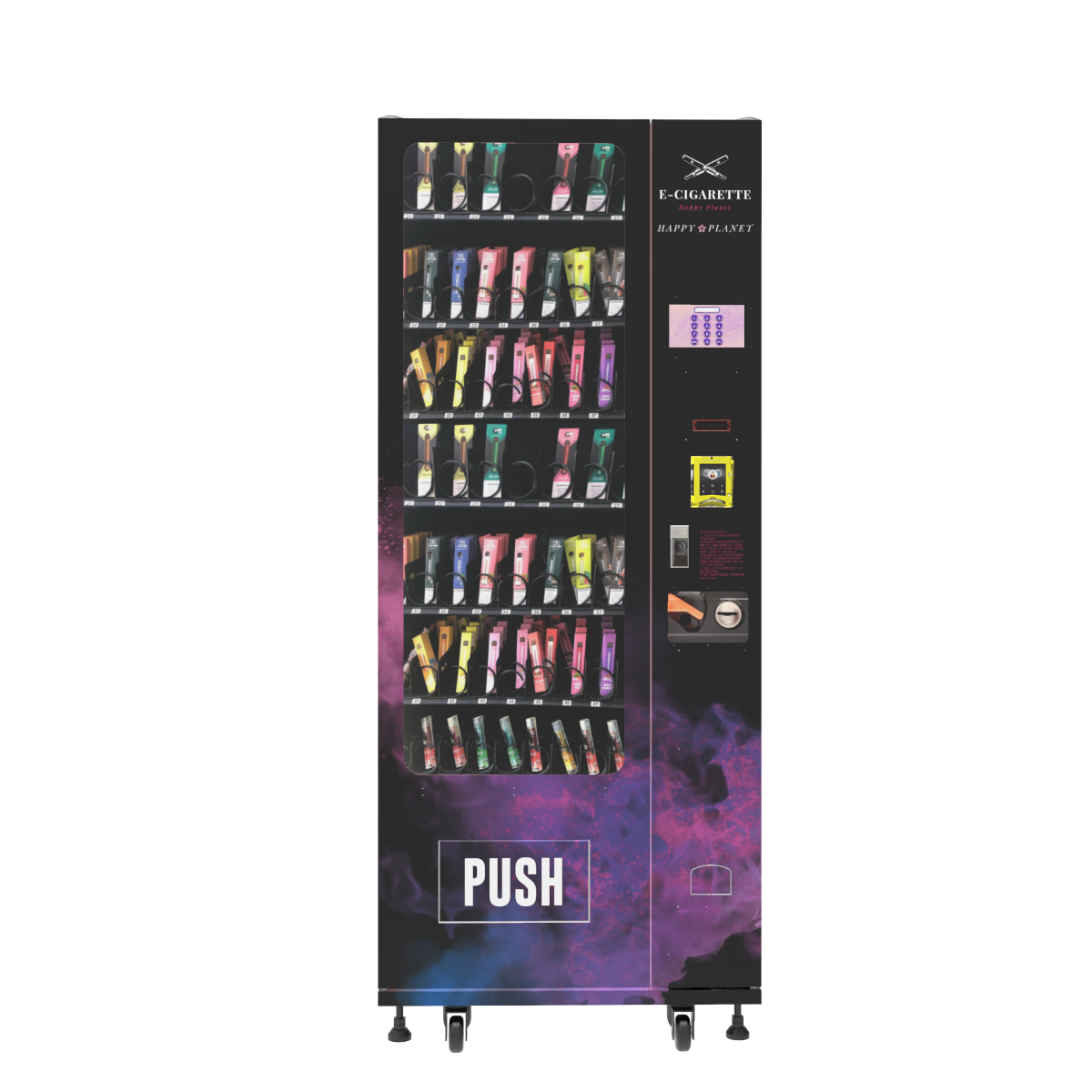
A cheap machine from a general vending supplier will not work. The age verification system must be robust. I have seen machines with a simple "press 21 to confirm" button. Those are illegal in every state that requires verification. You need a machine that physically scans an ID. We have a model called the Age Verification Vending Machine that is certified for use in the US. It has a tamper-proof log and a backup battery to ensure compliance. If you try to save money on the machine, you will lose money in fines.
How to Choose a Manufacturer
This is the most important decision you will make. The market is flooded with cheap machines from China that are not designed for the US market. I run a factory, so I know the difference. You need a manufacturer that understands US regulations. At Zhongda Smart, we have a dedicated team that tracks changes in state laws. We update our software to match new requirements. For example, when Florida changed its ID verification standards in 2023, we pushed an update to all our machines within a week.
You also need a manufacturer that offers remote support. If your machine goes down on a Friday night, you lose a weekend of sales. Our machines have a remote diagnostic system that allows our engineers to fix most issues without a site visit. We also have a network of service partners in major US cities. We have a service page that details our support options. Do not buy a machine from a company that cannot provide this level of support. You will be stuck with a brick.
Long-Term Operational Strategy
Running this business is not passive. It requires constant attention. Here is the strategy that works for our most successful clients.
Inventory Management
You need to track sales velocity. A product that sells well in January may be dead in June. We have a dashboard that shows real-time inventory levels. You should set alerts for low stock. The worst thing you can do is have an empty slot in the machine. It looks unprofessional and loses sales. We recommend keeping a buffer of 20% over your expected sales.
Maintenance Schedule
The machine needs regular cleaning and inspection. The ID scanner lens can get dirty. The payment system needs to be tested. We recommend a weekly visit to clean the machine and check the cash box. If you use a cashless system, you need to check the card reader for compatibility issues. We have seen issues with certain chip cards, and a quick firmware update usually fixes it.
Relationship with the Location
The bar or club owner is your partner. You need to keep them happy. We recommend a revenue share model that gives them a percentage of sales. This aligns your incentives. If the machine is not selling, they will not kick you out immediately. We have a client who gives the bar 15% of gross sales. The bar promotes the machine to its customers. It is a win-win. You also need to be responsive. If the location calls you because the machine is jammed, you need to be there within 24 hours. We have a case study on bar deployments that covers this in detail.
Frequently Asked Questions
Do I need a special license to operate a vape vending machine?
Yes, in most states. You typically need a tobacco retail license for the location. Some states also require a specific vending machine license. You need to check with the state's department of revenue or alcohol and tobacco control board. We provide a checklist to our buyers, but you should always verify with a local attorney.
Can I place a machine in a convenience store?
It depends on the state. In some states, like Texas, you can if the machine is in a separate 21+ section. In other states, like New York, it is not allowed because the store is generally open to minors. You need to check the specific state law. The safest locations are bars, nightclubs, and vape shops that are 21+.
How much does a compliant machine cost?
A fully compliant machine with an ID scanner, remote monitoring, and a high-capacity cabinet costs between $3,500 and $8,000. You can find cheaper machines, but they will not meet the legal requirements. The cost of the machine is a small part of the total investment. The real cost is in inventory and location fees.
What happens if a minor uses a fake ID?
Our machines have a database of known fake ID formats. The scanner checks the barcode against a list of valid formats. If the ID is not recognized, the machine will not complete the sale. We also use facial recognition that compares the person to the photo. It is not perfect, but it is the best technology available. The liability falls on the operator if they are found to be negligent, which is why we recommend a robust system.
Can I sell flavored products in a vending machine?
Only in states that allow the sale of flavored nicotine products. California, New York, Massachusetts, and several other states have bans. You need to check the state law. Even in states that allow them, some local municipalities have their own bans. You must check the local laws before stocking the machine.
Final Thoughts from the Factory Floor
I have been in this business for over a decade. I have seen the market grow from a niche hobby to a legitimate industry. The key to success is compliance. Do not try to cut corners. Buy a machine that is built for the US market. Work with a manufacturer that understands the laws. And always, always check the local regulations. The states that allow vape vending machines are a viable market if you do it right. The ones that do not are not worth the risk. If you are serious about getting into this business, start by looking at the states I listed as open markets. Do your due diligence, and you can build a profitable operation.
For more information on our compliant machines, visit our vape vending machine product page. We also have a news section that covers legal updates and market trends.
Article Sources:
- FDA - Selling Tobacco Products in Retail Stores
- CDC - State Tobacco Activities Tracking and Evaluation System
- Statista - Tobacco Industry Overview
Meta Description: Discover which US states allow vape vending machines, the legal requirements for ID scanning, and real-world profitability data from a factory with a decade of experience.