After a decade of deploying vending machines across the US and Europe, I can tell you that the single biggest hurdle isn't finding a location—it's staying compliant. The landscape for an ENDS vending machine USA operator has shifted dramatically. You cannot just buy a machine and plug it in. Between the FDA's enforcement priorities and the federal T21 law raising the purchase age to 21, every unit on the ground must be a verified age-gated device. I have seen too many operators lose their investment because they skimped on the hardware. This guide breaks down exactly what you need to know about hardware, compliance, and profitability from a manufacturer's perspective who has built these machines for the American market.
The Regulatory Reality: Why Your Machine Must Be a Fortress
The days of a simple coin-drop cigarette machine are long gone. If you are placing a vending machine for vapes in the US today, you are operating under the FDA's Deemed Rule and the Preventing Online Sales of E-Cigarettes to Children Act. This isn't just about stickers on the machine. The FDA requires that all sales of ENDS products through vending machines occur in a facility where minors are not permitted, or the machine must be equipped with an effective age verification system.
Most operators are in locations like bars, lounges, or cannabis dispensaries—places that are theoretically 21+. But enforcement is tricky. If a location loses its liquor license or gets a fine, your machine gets pulled. I have had clients who thought a "21+ only" sticker was enough. It is not. The current standard, and the only one I recommend, is a machine that physically scans a valid ID before the transaction can proceed.
Federal T21 law sets the baseline at 21, but state laws can be stricter. For example, California has added flavor bans, while Massachusetts has a complete ban on flavored tobacco products. Your machine's software must be flexible enough to handle these regional variations. We build our units at Zhongda smart with a configurable compliance module that allows operators to toggle product visibility based on state or even county laws.
Hardware Deep Dive: What a Compliant Machine Looks Like
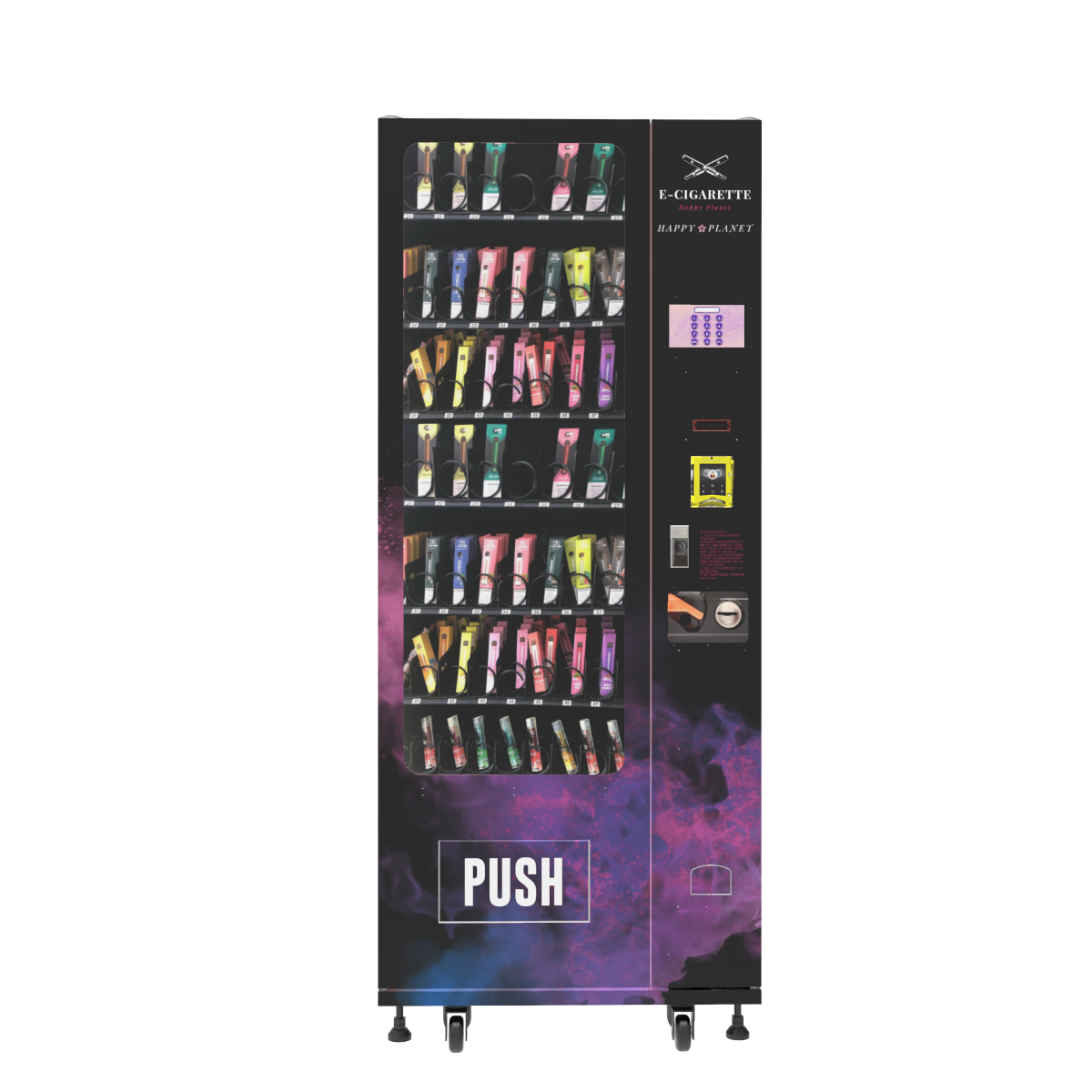
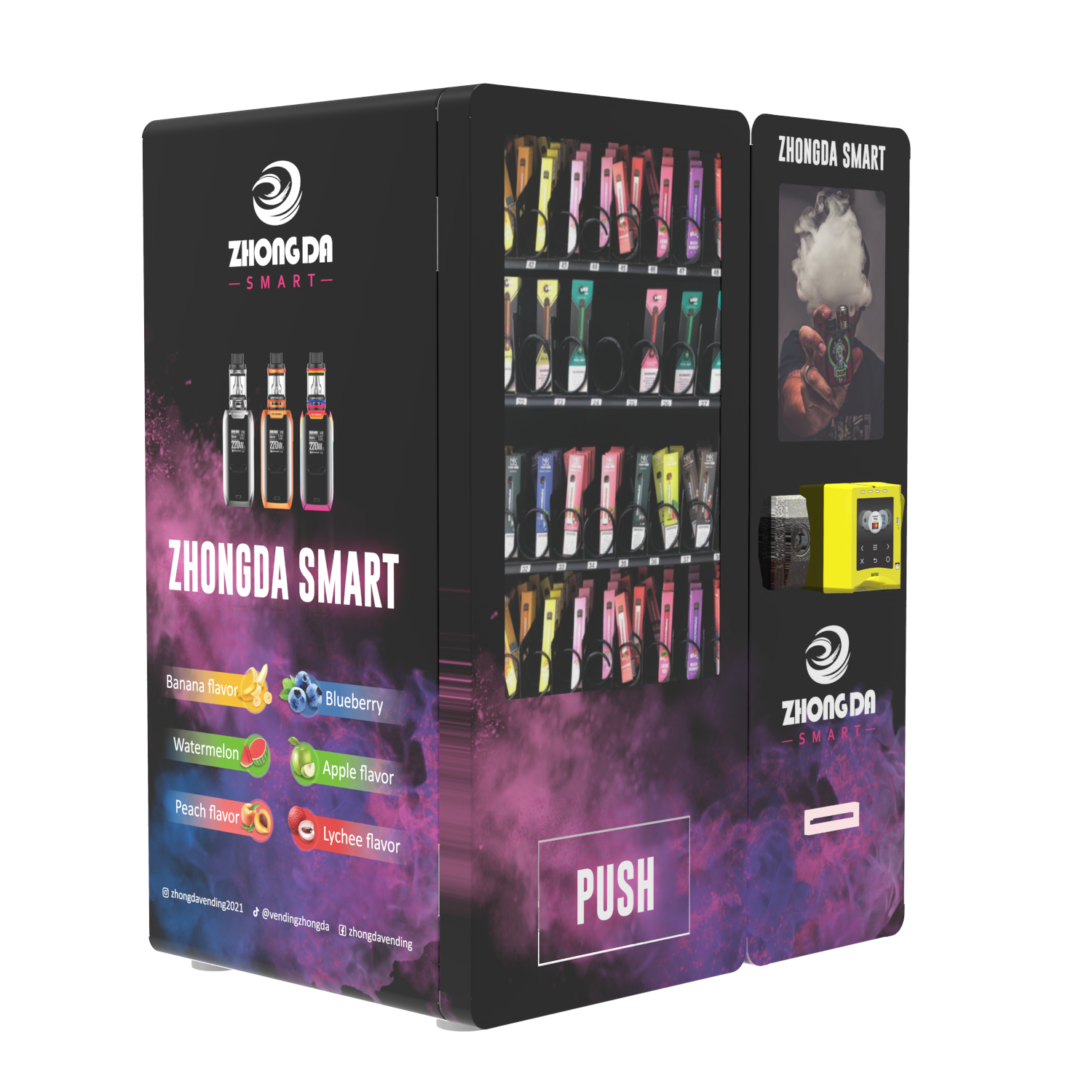
Not all vending machines are created equal. A standard snack machine retrofitted with a vape tray is a lawsuit waiting to happen. You need a purpose-built unit. Here is what I look for when I design a machine for the US market.
The ID Scanner: The Heart of Compliance
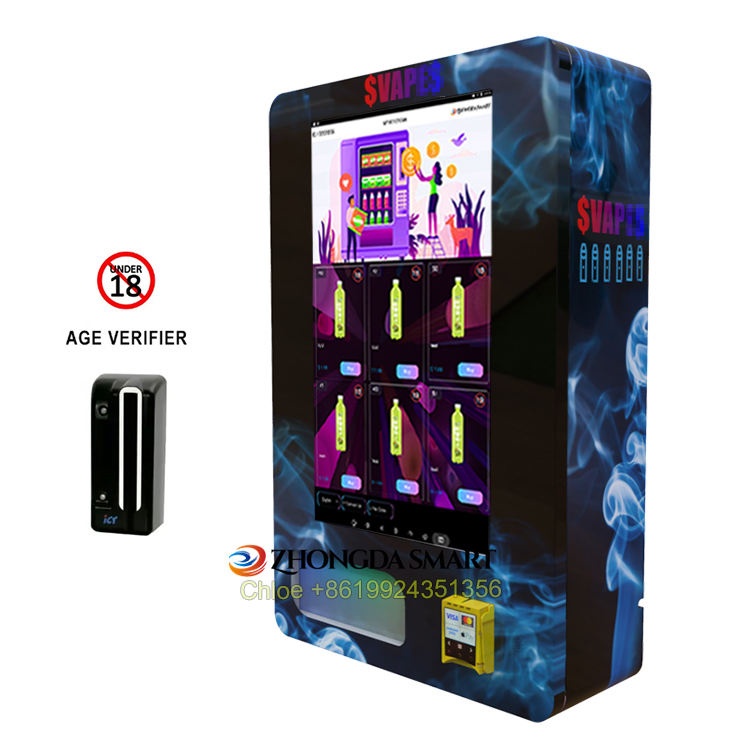
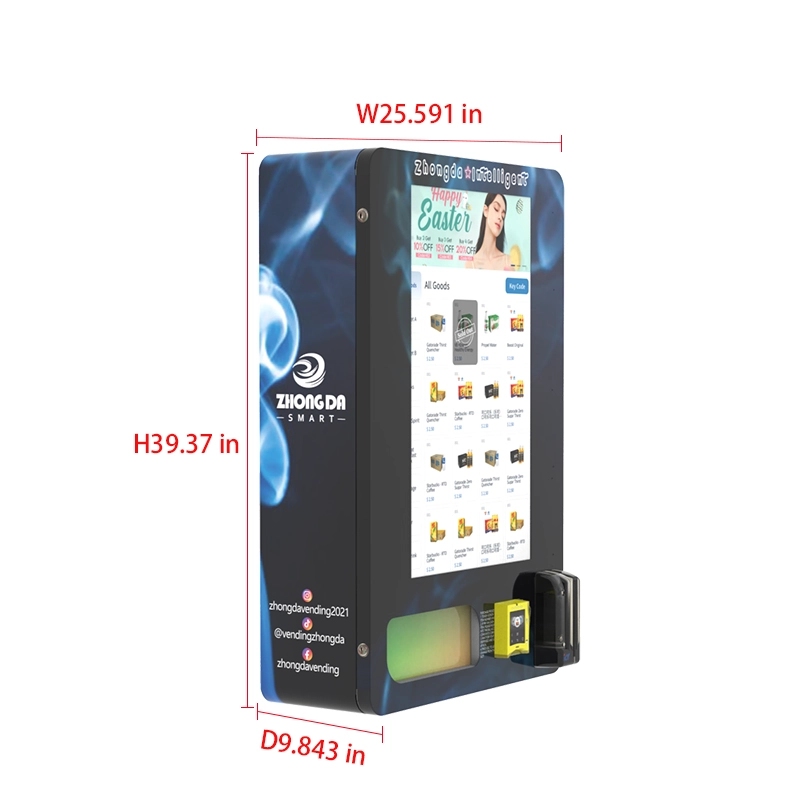
The scanner must read the barcode on the back of a driver's license. It must parse the data to verify the date of birth. But more importantly, it must check for falsification. We use ID scanners that validate the barcode format against known state standards. If the barcode fails, the transaction stops. We also integrate a secondary check: the machine takes a photo of the person standing in front of it. This creates an audit trail. If the FDA comes knocking, you have a record that a specific ID was scanned and a face was captured.
Inventory Management for Vapes
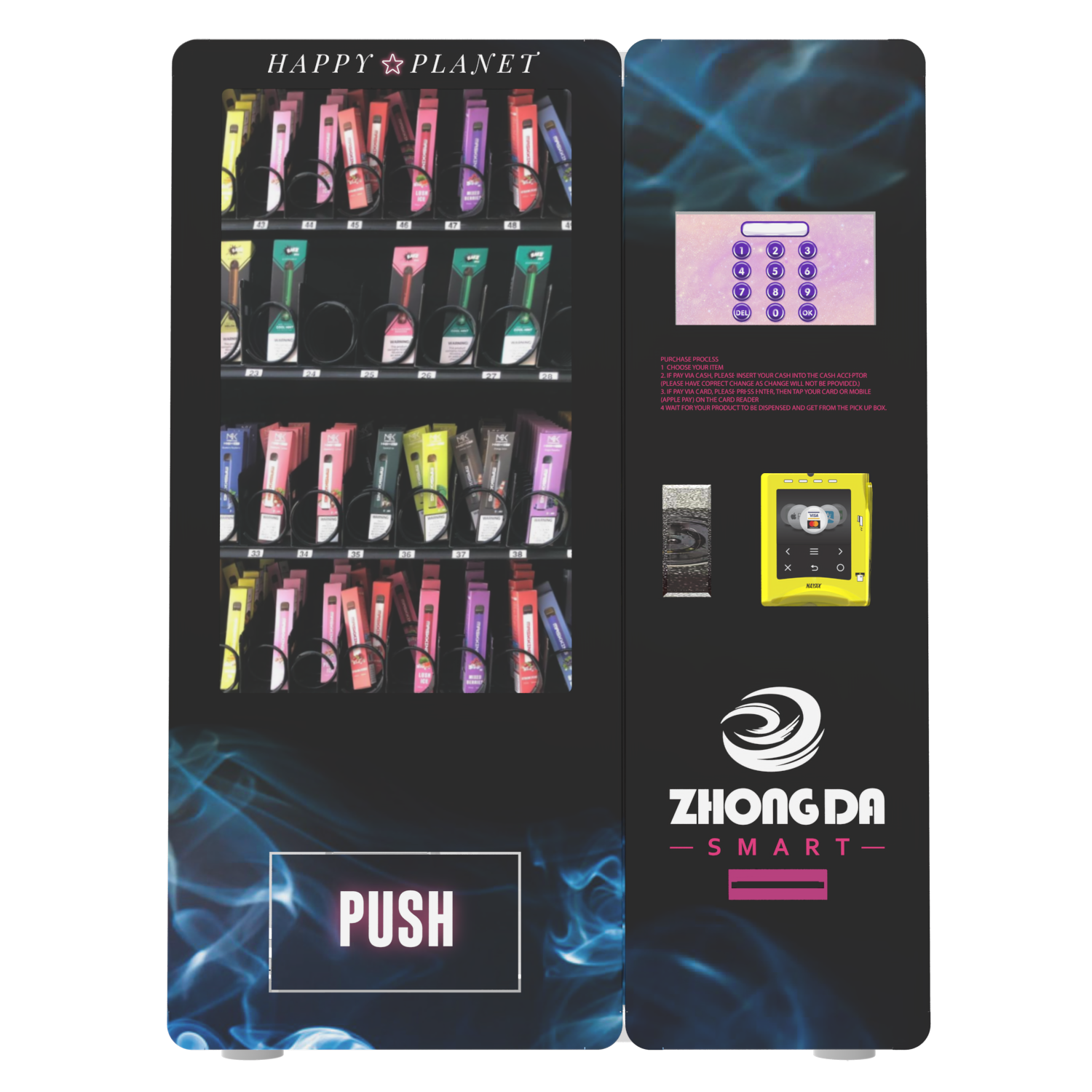
Vape products are not uniform. A disposable vape is a different shape than a pod cartridge. Your machine needs adjustable shelves or specific coils. I prefer machines that use a spiral or a tray system that can be reconfigured in under five minutes. This allows you to shift from high-margin disposables to lower-margin pods based on what moves in your location.
Temperature control is another factor. Vape juice degrades in heat. If you place a machine in a direct sunlight window, the liquid will darken and taste burnt. We install thermal insulation and a small ventilation fan in our cabinets to keep the internal temperature stable. It is a small detail that prevents a lot of customer complaints.
Payment Systems and Age Hold
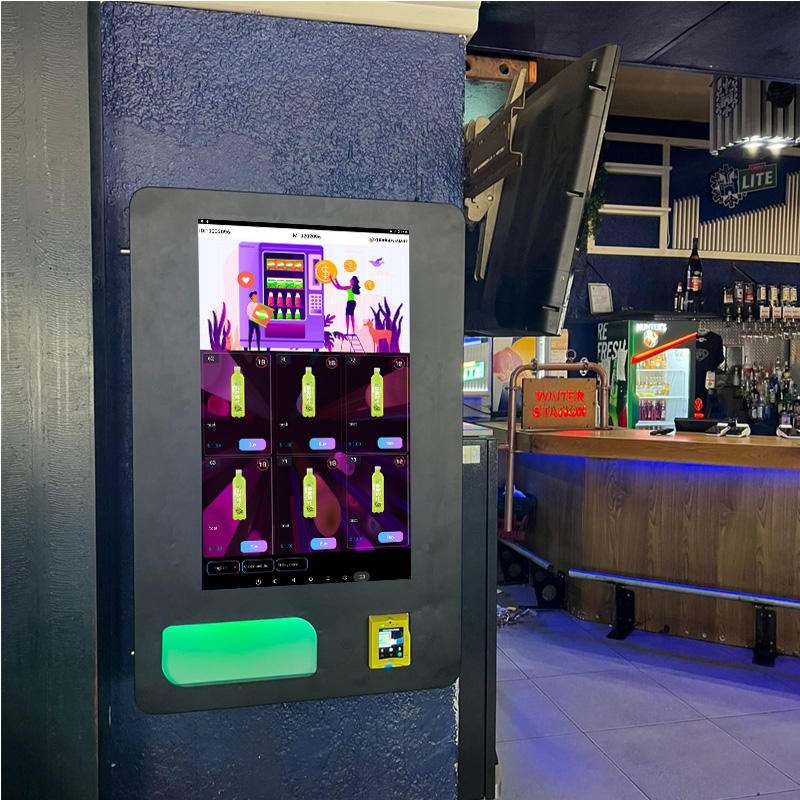
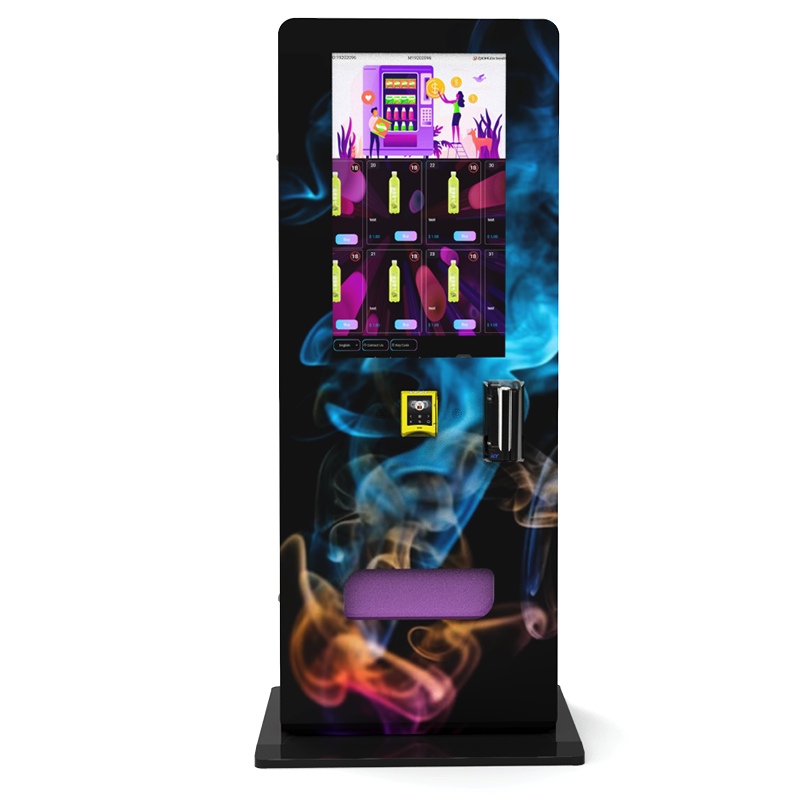
The payment system must work with the age verification. The sequence is critical: Scan ID -> Verify Age -> Unlock Payment -> Dispense Product. We use a system where the card reader is physically locked until the ID is validated. This prevents someone from trying to bypass the scanner. We also support cashless payments only. Cash creates a liability and makes accounting harder. With cashless, you get real-time data on what is selling.
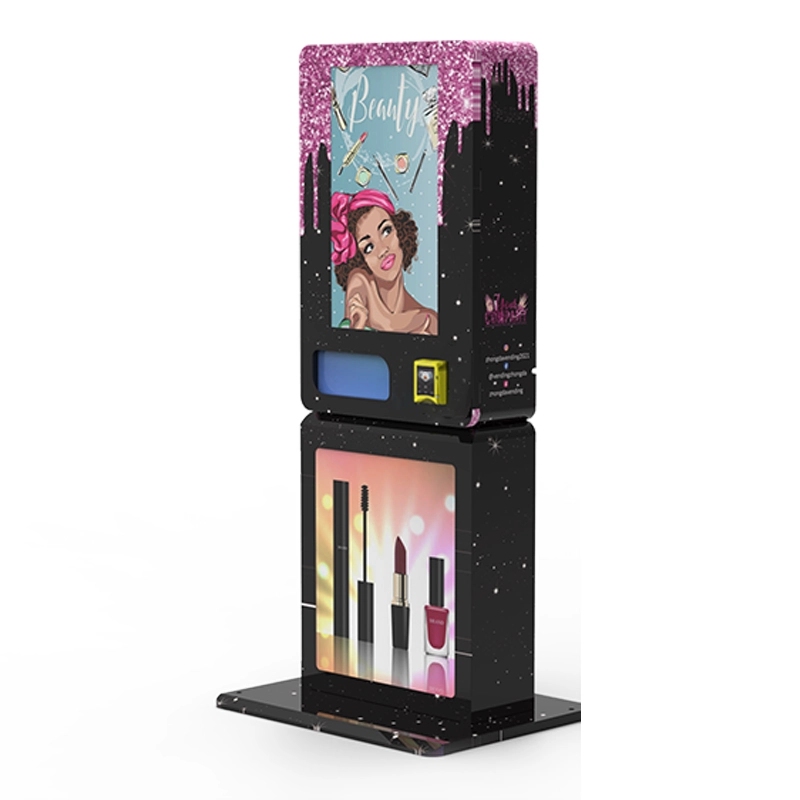
For a detailed look at our specific hardware configurations, you can review the technical specs on our Vape Vending Machines page.
Comparing the Top Machines on the Market
I have tested or built machines for most of the major players in this space. Here is a breakdown of how our approach at Zhongda compares to the generic import options you see on Alibaba.
| Feature | Generic Import Machine | Zhongda Smart Machine |
|---|---|---|
| ID Scanner Type | Basic optical scanner | Barcode + Magnetic stripe + 2D imaging |
| Age Verification Database | None | Real-time check against state DMV database (optional) |
| Photo Audit Trail | No | Yes, integrated camera |
| Remote Inventory Management | Manual only | Cloud-based dashboard |
| Temperature Control | None | Active ventilation + insulation |
| Compliance Updates | None (locked firmware) | OTA updates for new state laws |
| Warranty | 30 days | 2 years parts and labor |
The difference is night and day. The generic machine might cost half as much upfront, but it will cost you three times as much in lost product, fines, and maintenance. I have seen operators buy a cheap machine, put it in a bar, and have the scanner fail within a week. They then have to manually verify IDs, which defeats the purpose of automation.
If you are looking at a specific model, I recommend checking out the age verification vending machine we designed specifically for high-traffic US locations.
The Real Economics: Costs, Margins, and ROI
Let's talk money. This is what every operator asks me. Here is the reality based on our client data from the last three years.
Upfront Costs
- Machine Purchase: A compliant, new machine from a reputable manufacturer ranges from $5,000 to $12,000. Our units at Zhongda are in the $7,000 to $9,000 range for a full-size unit with ID scanning.
- Installation and Setup: Expect to pay $200 to $500 for shipping and a licensed electrician to install a dedicated outlet. Most of our machines are plug-and-play, but the location owner might need to run a line.
- Initial Inventory: Stocking a 300-unit machine with disposables and pods will cost you between $3,000 and $5,000 depending on wholesale pricing.
- Software and Connectivity: You need a cellular modem or Wi-Fi. Data plans run about $20 to $40 per month per machine.
Revenue and Margins
Disposable vapes typically have a retail margin of 40% to 60%. Pod systems have a lower margin, around 30% to 40%, but higher volume. A well-placed machine in a busy nightclub can do 50 to 100 transactions a night. At an average ticket of $15 to $25, that is $750 to $2,500 in daily revenue. Of course, not every location is a nightclub. A convenience store might do 10 to 20 transactions a day.
Here is a realistic monthly projection for a single machine in a medium-traffic bar.
| Item | Monthly Amount |
|---|---|
| Gross Sales (300 units at $18 avg) | $5,400 |
| Cost of Goods Sold (55% margin) | $2,430 |
| Gross Profit | $2,970 |
| Location Commission (20% of gross) | $1,080 |
| Data & Software Fees | $40 |
| Maintenance & Misc. (1% of machine value) | $70 |
| Net Monthly Profit | $1,780 |
At that rate, you pay off your machine in about 4 to 5 months. After that, it is pure profit. But you need volume. If your location is dead, your machine is a paperweight. That is why site selection is more important than the machine itself.
Site Selection: Where to Place Your Machine
I have seen operators fail because they put a machine in a laundromat. The traffic was there, but the demographics were wrong. You need a captive audience that is 21+ and has disposable income. Here are the locations that work.
- Bars and Nightclubs: This is the gold standard. People are already drinking and often want a vape. The bar owner loves it because it is a zero-labor revenue stream. We have a specific case study on Vape Vending Machines for Bars that shows a 6-month ROI.
- Vape Shops: This sounds counterintuitive, but it works. A vape shop can use the machine for after-hours sales. They can also use it to sell products that they don't want to keep behind the counter.
- Cannabis Dispensaries: This is a growing market. The customer base is exactly the same. The dispensary can offer vapes as an add-on sale.
- Bowling Alleys and Billiard Halls: These are often 21+ after a certain hour. The machines do well here because people are engaged in an activity and don't want to walk to the counter.
- Hotels and Motels: Especially in states where cannabis is legal. Travelers often forget their vape or want to try a local flavor. Our hotel and airport vape solution is designed for these quiet, high-security environments.
Locations to Avoid
- Gas Stations: The traffic is high, but the regulatory risk is also high. The FDA considers gas stations a "minor-accessible" location unless there is a separate, restricted area.
- Arcades: Even if the machine is in a separate room, the association with minors is a red flag.
- Restaurants: Unless it is a bar-restaurant with a strict 21+ policy, avoid it. Families eat there.
Operational Pitfalls: What I Learned the Hard Way
I have been doing this for 15 years. I have made mistakes. Here are the ones I see operators repeat.
Mistake #1: Ignoring the Software. The hardware is only half the battle. The software that manages inventory, tracks sales, and pushes compliance updates is what makes the machine profitable. I have seen operators buy a machine with a terrible user interface. It takes five minutes to restock a product. That is wasted time. Our cloud dashboard allows you to restock in under two minutes because it tells you exactly which coil is empty.
Mistake #2: Not Testing the ID Scanner. I had a client in Texas who bought a machine that could not read a Texas ID. The barcode format was slightly different. He lost three weeks of sales while we shipped him a new scanner module. Always, always test your machine with a local ID before you deploy it.
Mistake #3: Overstocking Slow Movers. Just because a vape is popular online does not mean it will sell in a machine. People in a bar buy what they know. They want a reliable flavor. I recommend starting with 80% top-selling brands (like Elf Bar or Juul) and 20% experimental flavors. Track your sales data for two weeks, then adjust.
Mistake #4: Poor Location Negotiation. Do not give away the farm. A 20% commission is standard for a good location. If the location owner asks for 50%, walk away. Your machine is a convenience for their customers. You are doing them a favor. We have a guide on how to start a vape vending machine business that covers negotiation tactics.
Long-Term Strategy: Scaling Your Fleet
One machine is a hobby. Ten machines is a business. Scaling requires a different mindset.
Standardization. Buy the same machine from the same manufacturer. If you have five different models, you need five different sets of spare parts. You need five different training manuals. We standardize our entire fleet at Zhongda. Every machine uses the same motherboard, the same scanner, and the same tray system. If a machine breaks, I can swap a part from another machine and have it running in 10 minutes.
Data Centralization. You need a single dashboard to see all your machines. Our cloud system allows you to see sales, inventory, and compliance status for every machine in real time. You can see which location is underperforming and move inventory to a better one.
Compliance as a Service. As your fleet grows, keeping track of state laws becomes a full-time job. We offer a compliance service where we update your machines' software automatically when a new law passes. This is a subscription service, but it saves you from a $10,000 FDA fine.
Expert Advice: A Manufacturer's Perspective
I have been building these machines since 2010. I have seen the industry go from unregulated chaos to a highly controlled environment. My advice is simple: invest in the compliance infrastructure now. Do not wait for the FDA to send you a warning letter. The cost of a compliant machine is an insurance policy against your entire business.
The market for ENDS products is not going away. The regulatory framework is just forcing out the amateurs. If you are willing to operate a professional, compliant business, the profits are there. The key is to treat it like a serious business, not a side hustle. Use the right hardware, pick the right location, and manage your data.
If you are serious about this, I recommend starting with a single machine in a bar you know well. Learn the inventory cycle. Learn the maintenance. Once you have a proven model, then scale. Do not try to buy 20 machines on day one. You will drown in problems.
Frequently Asked Questions
Do I need a license to operate an ENDS vending machine in the USA?
Yes. You need a tobacco retailer license in the state where the machine is located. Some states also require a specific vending machine license. You must also register with the FDA as a tobacco retailer.
Can I use a regular snack vending machine for vapes?
Technically yes, but it is not advisable. A snack machine lacks the age verification hardware required by law. Retrofitting one is often more expensive than buying a purpose-built machine. It also lacks temperature control, which can damage the vape juice.
What happens if my machine sells to a minor?
You face severe penalties. The FDA can issue a fine of up to $10,000 per violation. You can also lose your tobacco retailer license. The location owner can also be fined. This is why a robust ID scanning system is non-negotiable.
How often do I need to restock the machine?
It depends on the location. A high-traffic nightclub might need restocking every 2 to 3 days. A lower-traffic location might go a week. Our cloud dashboard sends you an alert when a product is running low, so you can plan your route efficiently.
What is the warranty on a Zhongda smart machine?
We offer a 2-year warranty on all parts and labor for our US-market machines. This covers the motherboard, scanner, payment system, and dispensing mechanism. We also offer extended warranty plans for operators who want full coverage.
Final Thoughts
Operating an ENDS vending machine in the USA is not a passive income scheme. It is a business that requires attention to detail, regulatory knowledge, and a willingness to invest in quality hardware. The operators who succeed are the ones who treat compliance as a feature, not a burden. If you build your business on a foundation of age verification and quality equipment, you will have a long and profitable run. The market is still young, and the opportunity is there for those who do it right.
Disclaimer: This article is based on my personal experience as a manufacturer and operator. Laws and regulations change frequently. Always consult with a legal professional before deploying any vending machine for tobacco products.
Sources:
1. FDA: Vending Machines and Tobacco Products
2. Statista: Tobacco Products in the US
3. IBISWorld: Tobacco Product Manufacturing Industry Report
4. Bloomberg: Vaping Industry Faces New FDA Rules