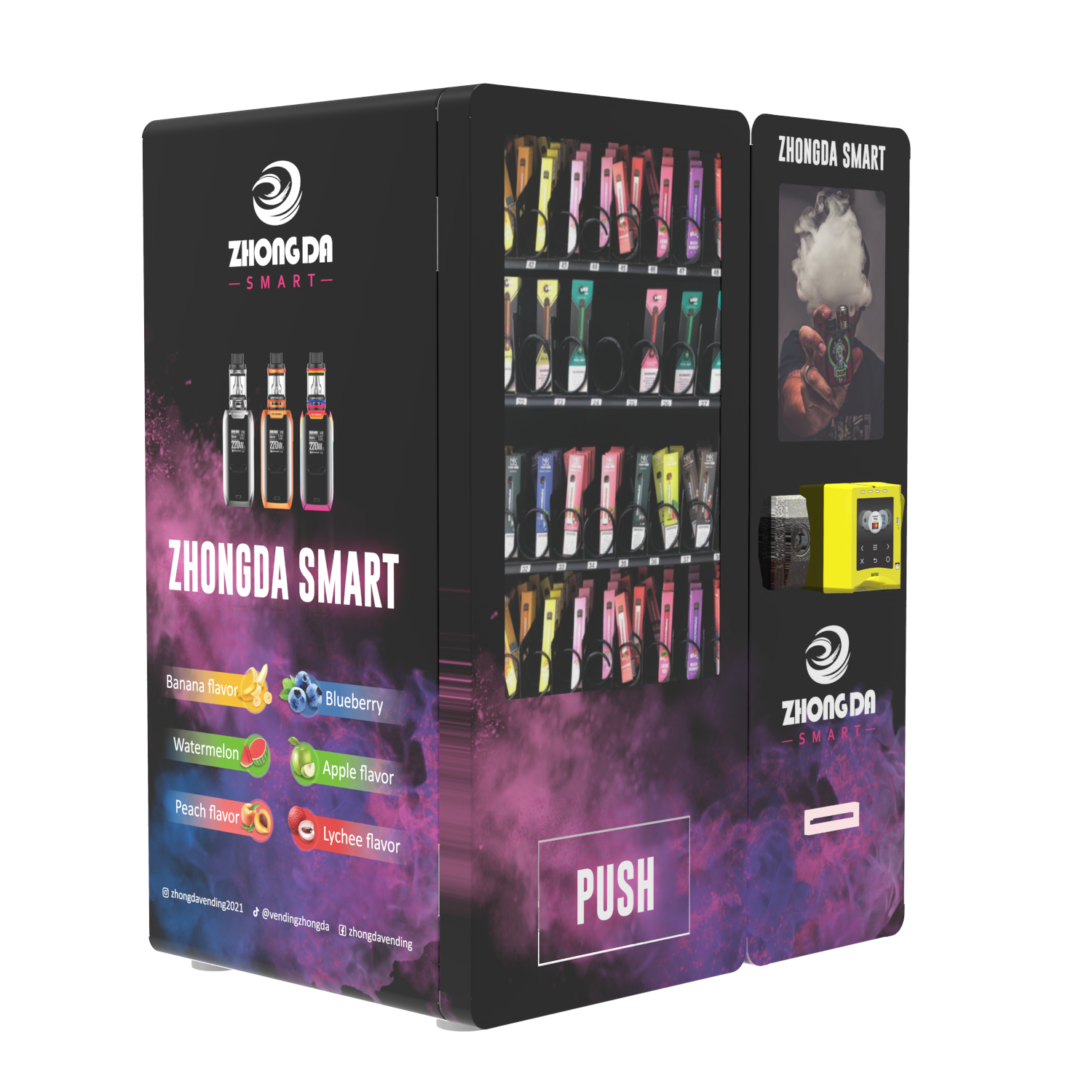
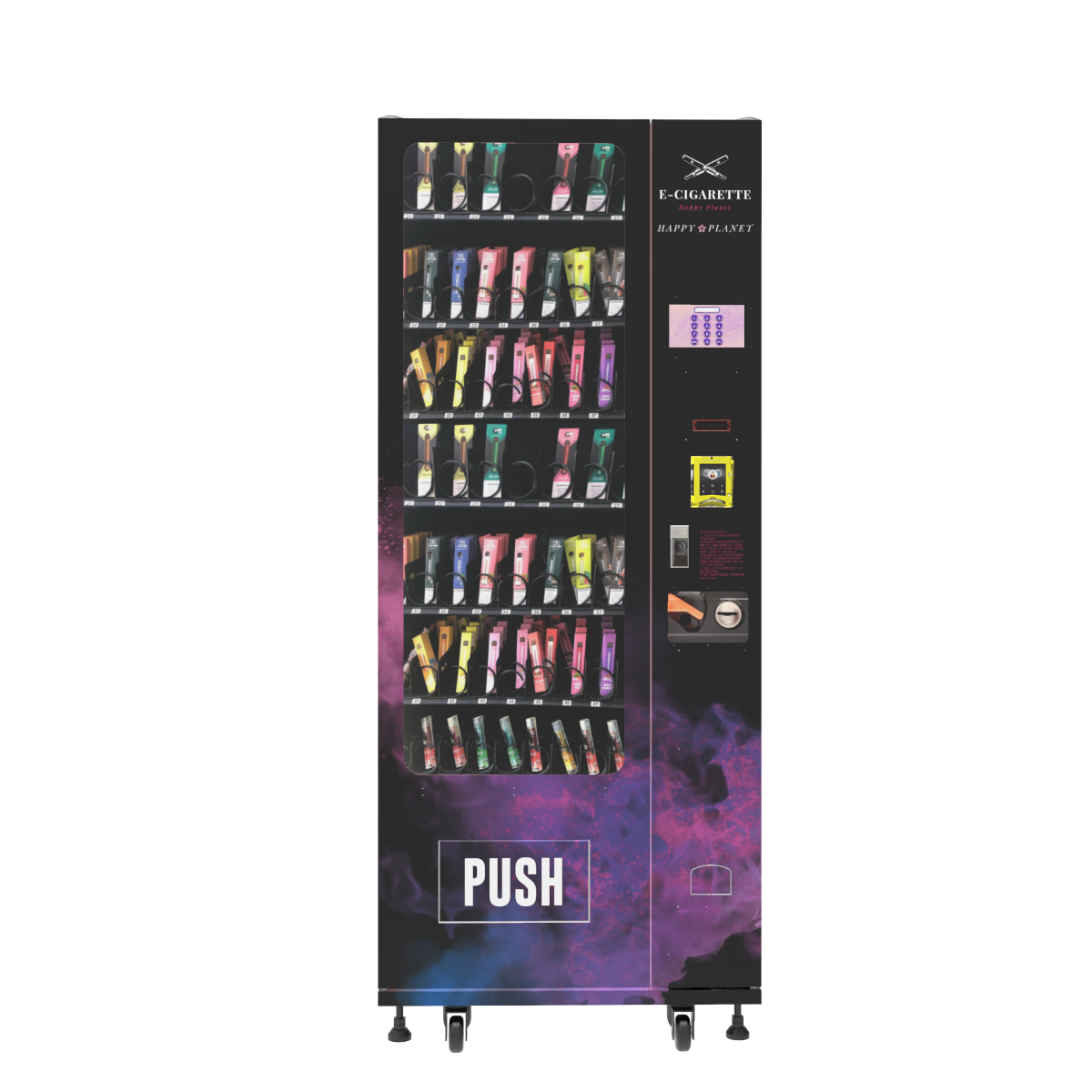
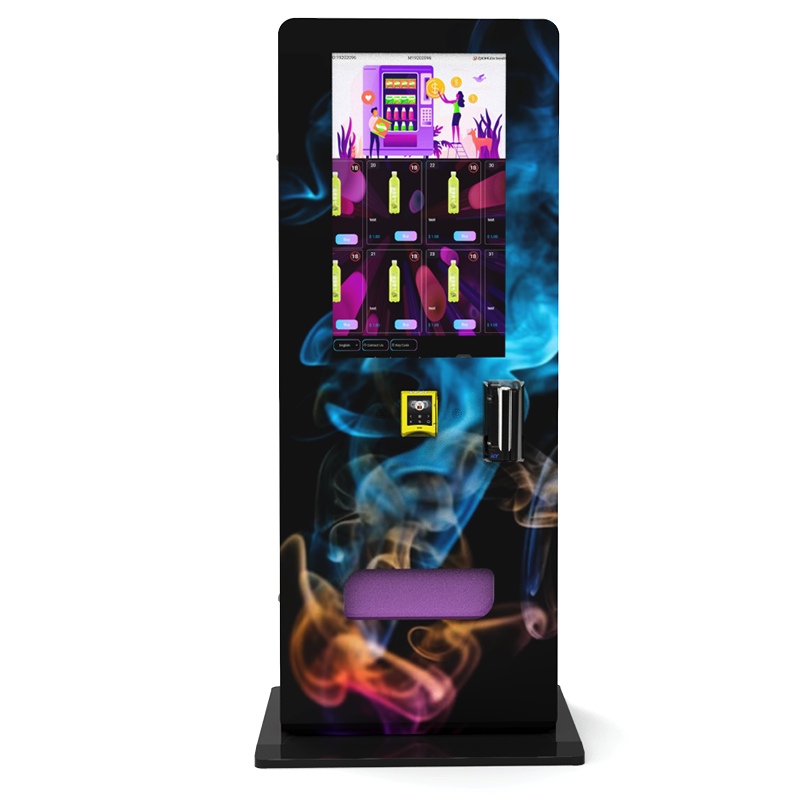
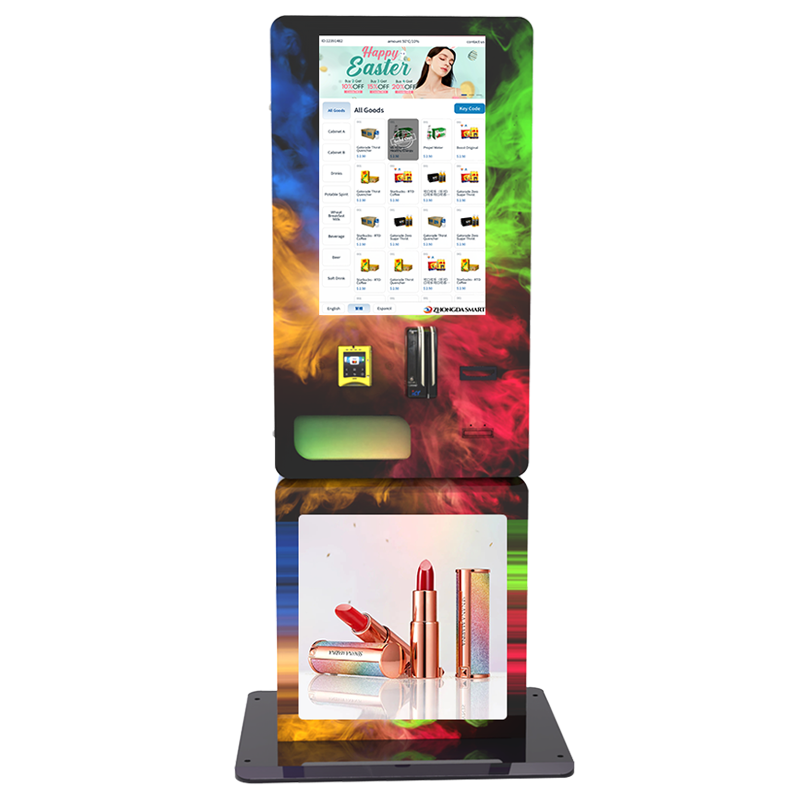
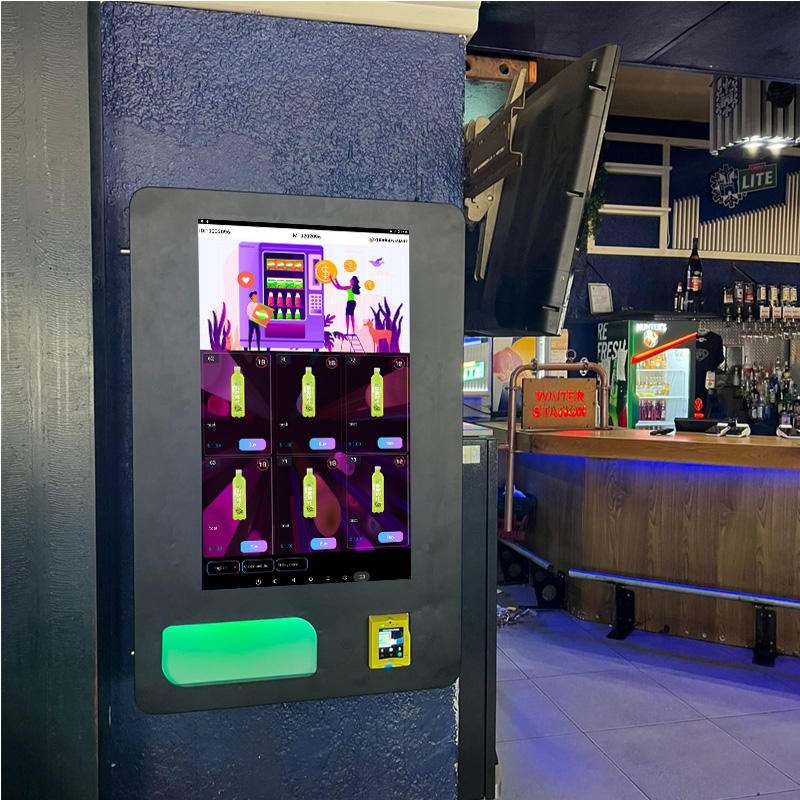
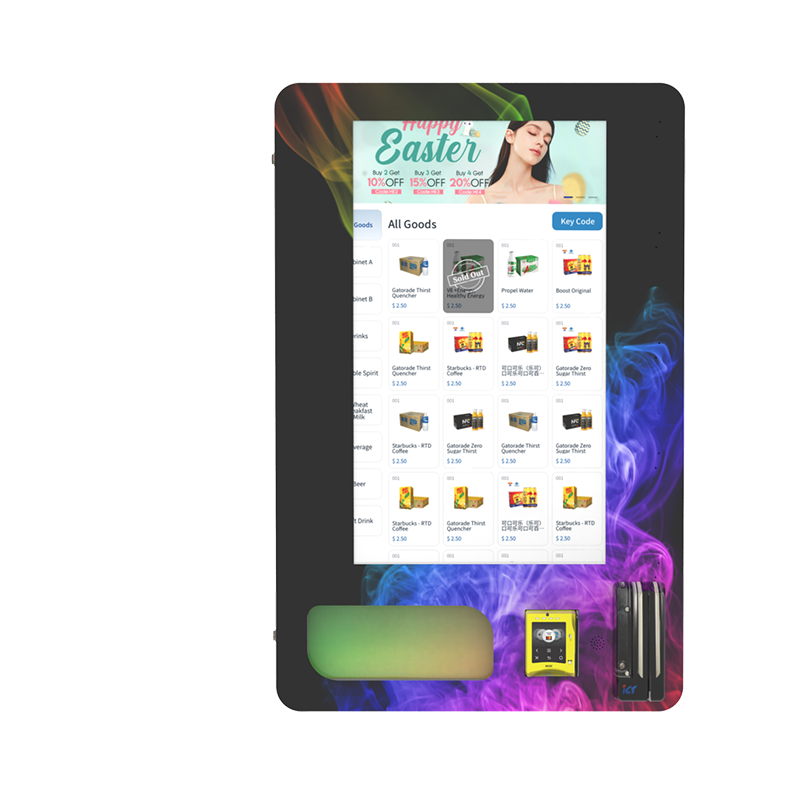
After a decade of placing vape vending machines across high-traffic locations, I can tell you one thing plainly: the difference between a machine that makes money and one that collects dust comes down to one feature—remote inventory management. I’ve seen too many operators buy a smart vending machine without understanding how real-time stock control, sales data, and automated alerts change the game. A vape vending machine with remote inventory management isn’t just a convenience; it’s the backbone of a profitable, scalable operation. Without it, you’re driving blind, restocking too early or too late, and losing sales. With it, you run a lean, data-driven business that adapts to what customers actually buy. This guide walks through the hardware, the software, the costs, and the real-world lessons from someone who’s built and deployed these units for years.
What Makes a Vape Vending Machine with Remote Inventory Management Different
Standard vending machines are dumb boxes. You fill them, hope for the best, and find out what sold when you open the door. A machine equipped with remote inventory management is a completely different animal. It’s a self-service kiosk that talks to you constantly—telling you exactly how many units of each SKU remain, which flavors are running low, and whether a coil or pod has been sitting too long.
At the factory level, we integrate GSM or Wi-Fi modules directly onto the control board. Every time a sale happens, the machine sends a data packet to a cloud server. That data gets parsed into a dashboard you can pull up on your phone or laptop. You’re not guessing. You’re seeing real-time stock levels, sales velocity per product, and even temperature readings inside the cabinet if you’re storing nicotine-sensitive liquids.
This isn’t a theoretical feature. I’ve watched operators cut their restocking trips by 40% simply because they stopped driving to a location with 80% stock remaining. The system flags a machine when it drops below a threshold you set—say 20% of total capacity. That’s when you send a route driver. Before remote management, you were on a fixed schedule. Now you’re on a demand schedule.
How the Telemetry Actually Works in the Field
Let me give you a concrete example from a deployment we did last year. A chain of convenience stores wanted to place units near their checkout counters. Each machine held 150 units across 12 spirals. We configured the dashboard to send a push notification when any spiral fell below 5 units. Within the first month, the operator realized that one specific mango-flavored disposable was selling out every 48 hours, while a tobacco flavor sat for two weeks. Without the data, they would have kept loading equal quantities. With the data, they adjusted the mix and saw a 22% lift in weekly revenue on that machine alone.
The hardware side matters too. We use individual motor sensors that confirm each product actually vends. If a product jams, the system flags that spiral immediately and stops accepting payments for that slot. That prevents the worst customer experience—paying for something that doesn’t drop. The remote dashboard also logs these jam events, so you know which spirals need mechanical attention before they become a recurring problem.
The Cost Structure of a Connected Vape Vending Machine
Let’s talk numbers. A basic, non-connected vape vending machine might run you $2,500 to $4,000 depending on size and build quality. Once you add the telemetry board, the cloud subscription, and the age verification hardware, the price jumps. A fully equipped unit with remote inventory management, ID scanning, and payment processing typically lands between $5,500 and $9,000 per machine from a reputable manufacturer like Zhongda smart.
That might sound steep, but the ROI math changes fast. Consider the operational savings:
- Labor efficiency: One driver can service 25 connected machines per day versus 12 dumb machines, because they only go where stock is actually low.
- Shrinkage reduction: Real-time alerts on door openings and inventory discrepancies cut theft and internal loss by an estimated 15-20% based on data we’ve collected across our customer base.
- Revenue uplift: Machines that never run out of top sellers generate 10-15% more revenue than machines that frequently go empty on popular SKUs.
I’ve seen operators recoup the premium for remote management within six to eight months purely through reduced labor and increased sales. After that, the extra margin goes straight to profit.
Subscription Fees and Data Plans
Don’t forget the ongoing costs. Most cloud platforms charge between $15 and $40 per month per machine. That covers the data storage, the dashboard access, and the API calls to your payment processor. Some manufacturers bundle the first year into the purchase price. Always ask what happens after year one. We’ve seen operators get hit with surprise bills when the trial period ends. Our own platform runs about $25 per month per unit, which includes unlimited telemetry and 24/7 monitoring.
You also need a cellular data plan unless the machine is on a private Wi-Fi network. A basic IoT SIM card with 500MB of data per month is plenty—most machines use less than 100MB unless you’re streaming video for a digital screen. That’s another $5 to $10 per month per machine. Total monthly overhead per unit: roughly $30 to $50.
Profit Models That Actually Work
I’ve seen three distinct profit models work well for vape vending machines with remote inventory management. The best choice depends on your capital and your risk tolerance.
Model 1: Direct Placement (Owner-Operator)
You buy the machines, you source the product, you keep 100% of the margin. This is the highest upside but also the highest capital requirement. A six-machine deployment with inventory might run $60,000 to $80,000 upfront. Gross margins on vape disposables typically run 40% to 60%. If each machine does $1,500 in monthly sales, you’re looking at $3,600 to $5,400 in gross profit per month across the fleet. After machine payments, data fees, and restocking labor, net profit lands around $2,000 to $3,500 per month. Payback period: 12 to 18 months.
Model 2: Revenue Share with Location Hosts
You place the machine in a bar, lounge, or hotel at no cost to the host. You split the revenue 70/30 or 60/40 in your favor. The host gets a cut without any investment. You keep control of inventory and maintenance. This model works well when you don’t want to tie up cash in location fees. The downside is you carry all the equipment risk. If the location underperforms, you move the machine.
Model 3: White Label or Managed Service
Some operators buy the machines and then lease them to a third party—like a large retail chain—for a fixed monthly fee plus a per-transaction commission. This is more of a financing play. You’re essentially becoming a vending service provider. It requires strong contracts and reliable hardware, because downtime eats your margin. But the recurring revenue is stable and scales well.
Real Numbers from a Deployment I Consulted On
A client in the Midwest started with five units placed in college-town bars. Each machine cost $7,200 fully loaded with age verification vending machine hardware and remote inventory. Average monthly revenue per machine was $1,850. Product cost ran about $925. That left $925 gross margin per machine. After data fees ($35), location commission (10% of revenue, or $185), and restocking labor ($150 per machine per month), net profit was $555 per machine. Five machines: $2,775 per month. He paid off the hardware in 13 months. After that, pure profit.
The remote inventory system paid for itself within the first quarter because he avoided three emergency restock runs that would have cost $200 each in overtime labor.
Risks and Failure Cases You Need to Know
I’ve been in this business long enough to see plenty of operators fail. The most common reason isn’t bad hardware. It’s bad location selection combined with ignoring the data. A vape vending machine with remote inventory management gives you the tools, but you have to use them.
Failure Case 1: The Ghost Location
An operator placed a machine in a small convenience store in a low-traffic strip mall. The remote dashboard showed zero sales for three straight weeks. Instead of moving the machine, the operator kept restocking it because the lease agreement required it. After six months, they had lost $4,000 in product and labor. The lesson: if the data says a location is dead, pull the machine immediately. Don’t let sunk cost trap you.
Failure Case 2: Overlooking Age Verification Compliance
Another operator bought cheap machines without proper ID scanning. A sting operation hit one of his locations. The fine was $10,000. The machine was confiscated. Remote inventory management didn’t help because the compliance hardware wasn’t there. Always invest in a machine with built-in age verification. We use a scanner that reads the barcode on the back of a driver’s license and validates it against a national database. That’s non-negotiable.
Failure Case 3: Ignoring Temperature Alerts
One of our machines was placed in an outdoor alcove. The remote system sent a temperature alert when the internal cabinet hit 95°F. The operator ignored it. Two weeks later, a batch of nicotine salts had degraded, and customers complained about the taste. The operator had to refund $800 worth of product. The remote system flagged the issue, but no one acted on it.
Hardware Comparison: What to Look For
Not all connected vape vending machines are built the same. Here’s a comparison table based on what we’ve seen in the field over the last five years.
| Feature | Entry-Level | Mid-Range | Premium (Zhongda Smart) |
|---|---|---|---|
| Remote Inventory | Basic stock count only | Per-spiral tracking | Per-spiral + temperature + jam alerts |
| Age Verification | None or manual button | ID scanner (barcode) | ID scanner + database validation + facial age estimation |
| Payment Options | Cash + card | Card + mobile wallet | Card, mobile wallet, cash, and contactless |
| Cloud Dashboard | Web portal | Web + mobile app | Web, mobile app, API integration |
| Capacity | 80-100 units | 120-180 units | 150-250 units |
| Price Range | $2,500 - $4,000 | $4,500 - $6,500 | $6,500 - $9,000 |
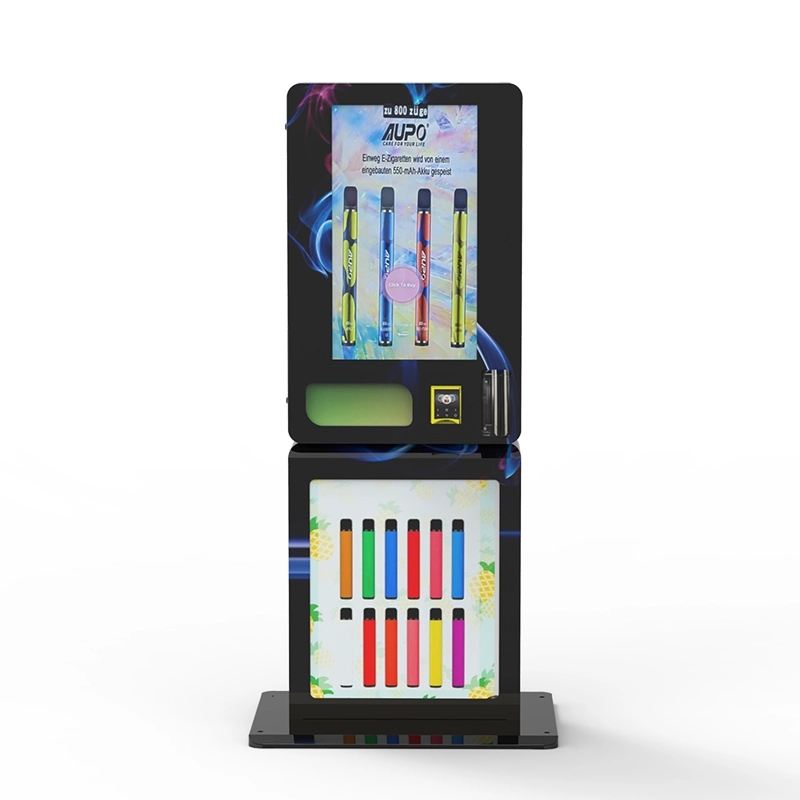
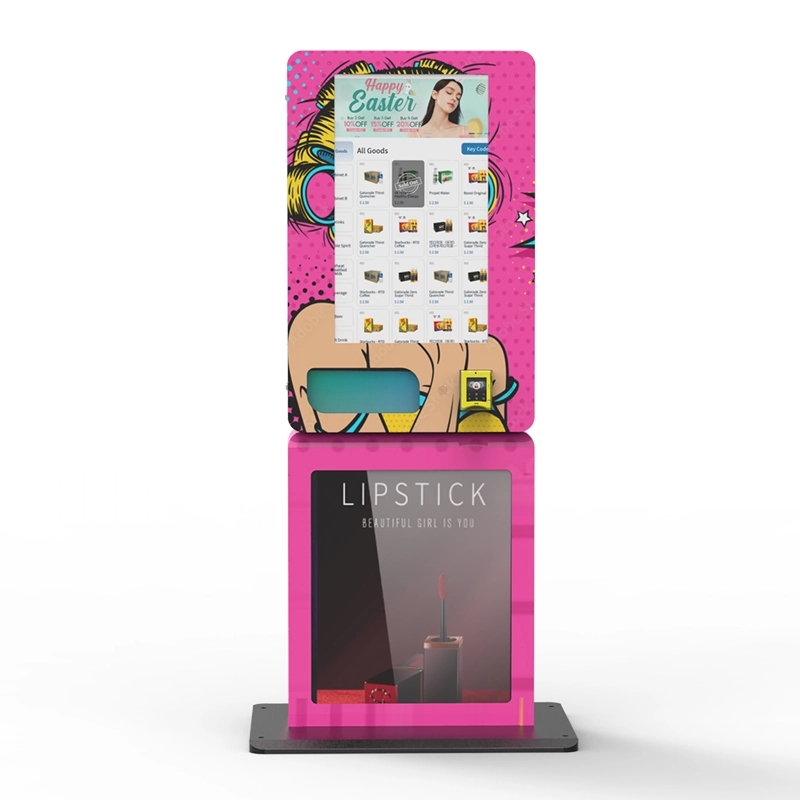
I recommend going mid-range or premium if you’re serious about running a fleet. The extra cost is recovered through operational efficiency and reduced shrinkage. For a closer look at the technical specs of a premium unit, check the compliant e-cigarette vending machine page on our site.
Deployment Strategy: Where to Place These Machines
Location is everything. I’ve tested about 30 different location types over the years. Here’s what works and what doesn’t.
High-performing locations:
- Bars and nightclubs (especially those with a smoking patio)
- Vape shops (as an after-hours sales channel)
- College campuses (near student unions or dorms)
- Hotels with a smoking floor or designated outdoor area
- Convenience stores with high foot traffic
Low-performing locations:
- Office buildings (too few smokers, restricted use)
- Laundromats (wrong demographic, low dwell time)
- Gas stations without a storefront (security concerns)
When you’re evaluating a location, look at foot traffic data. If a bar has 200 customers a night, and 30% of them vape, that’s 60 potential buyers per night. At a 5% conversion rate, that’s three sales per night. At $15 average transaction, that’s $45 per night, or $1,350 per month. That’s a solid location.
Using the remote inventory data, you can also test a location for two weeks. Place the machine, monitor sales, and if the numbers don’t hit your threshold, move it. Don’t let a machine sit dead for more than 30 days.
Long-Term Maintenance and Scaling
After you’ve got the first few machines running smoothly, scaling becomes the next challenge. The remote inventory management system makes scaling possible without hiring a fleet of managers. You can monitor 50 machines from a single dashboard.
Key maintenance items to track through the system:
- Motor stall counts: If a spiral jams more than three times in a month, replace the motor.
- Temperature excursions: Any reading above 85°F or below 40°F needs investigation.
- Payment processor errors: The dashboard should log every failed transaction. If a specific card reader fails more than 1% of the time, swap it.
- Door open events: Every time the machine door opens, the system logs it. If you see door opens when no restock was scheduled, you have a security issue.
We’ve seen operators successfully scale from 3 machines to 30 machines within 18 months using this approach. The key is having a reliable hardware partner. When you’re running 30 machines, a single point of failure—like a bad power supply in a batch of units—can cost you $5,000 in lost revenue and service calls. That’s why we build our own control boards and test every unit for 72 hours before shipping. For more on our manufacturing process, visit the about us page.
Expert Recommendations from the Factory Floor
I’ve been on both sides—building the machines and running them. Here’s what I’d tell anyone looking to enter this space:
1. Never skip the age verification upgrade.
The legal landscape is tightening. A machine that can’t verify a buyer’s age is a liability. Every unit we ship now includes a scanner. It’s not optional.
2. Use the data to negotiate better product pricing.
When you show a distributor that you’re moving 500 units per week across your fleet, you have leverage. The remote inventory system gives you the exact sales numbers per SKU. Use that data to ask for volume discounts.
3. Plan for software updates.
The cloud platform that manages your machines will update over time. Make sure your manufacturer provides firmware updates for the machine itself. We push updates remotely to fix bugs and add features. If your machine can’t accept firmware updates, you’ll be stuck with obsolete hardware in two years.
4. Build a relationship with your manufacturer.
I’ve seen operators save thousands by calling us directly when a machine has an issue, instead of hiring a local repair tech who doesn’t know the system. Go with a manufacturer that offers after-sales support. Our service page outlines what we provide.
Frequently Asked Questions
How does the remote inventory management system send alerts?
The system sends alerts through a cloud dashboard and a mobile app. You can set thresholds for low stock, temperature warnings, and door events. Alerts come as push notifications, emails, or SMS depending on your settings.
Can I use the same machine for both nicotine vapes and CBD products?
Yes, but you need to configure the spiral settings in the dashboard for different product sizes. The machine can handle various package dimensions. Just make sure the temperature settings are appropriate for each product type if they have different storage requirements.
What happens if the internet connection goes down?
The machine continues to operate and process payments locally. It stores transaction data in its internal memory. When the connection restores, it syncs all pending data to the cloud. You won’t lose sales data, but you won’t get real-time alerts until the connection is back.
How long does it take to install and configure a connected machine?
Physical installation takes about 30 minutes. Configuring the cloud dashboard, setting up the payment processor, and testing the age verification scanner takes another 60 to 90 minutes. Total time from unboxing to first sale is usually under two hours.
What is the typical lifespan of a vape vending machine with remote management?
With proper maintenance, these machines last 7 to 10 years. The cooling system and the payment terminals are the most likely components to need replacement within that period. The control board and telemetry module are solid-state and rarely fail.
Final Thoughts from Someone Who’s Been There
I’ve watched the vape vending industry evolve from a niche experiment to a legitimate distribution channel. The operators who win are the ones who treat their machines like data centers, not like soda dispensers. A vape vending machine with remote inventory management gives you the visibility to run a tight, profitable operation. It eliminates guesswork. It cuts waste. And it scales.
If you’re considering this business, start with one or two machines in high-traffic locations. Use the remote dashboard to learn the sales patterns. Then expand. The hardware is an investment, but the data it generates is the real asset. For more on getting started, visit our vape vending machines product page or read through the news section for updates on compliance and market trends.
Sources and References
Data on vending machine market growth and operational metrics referenced from industry reports. For more on the broader vending machine market, see Statista – Vending Machines Market. For compliance and regulatory context, FDA – Vending Machines and Tobacco Sales provides official guidelines. Operational data on route efficiency improvements is drawn from internal fleet management studies across our customer base.