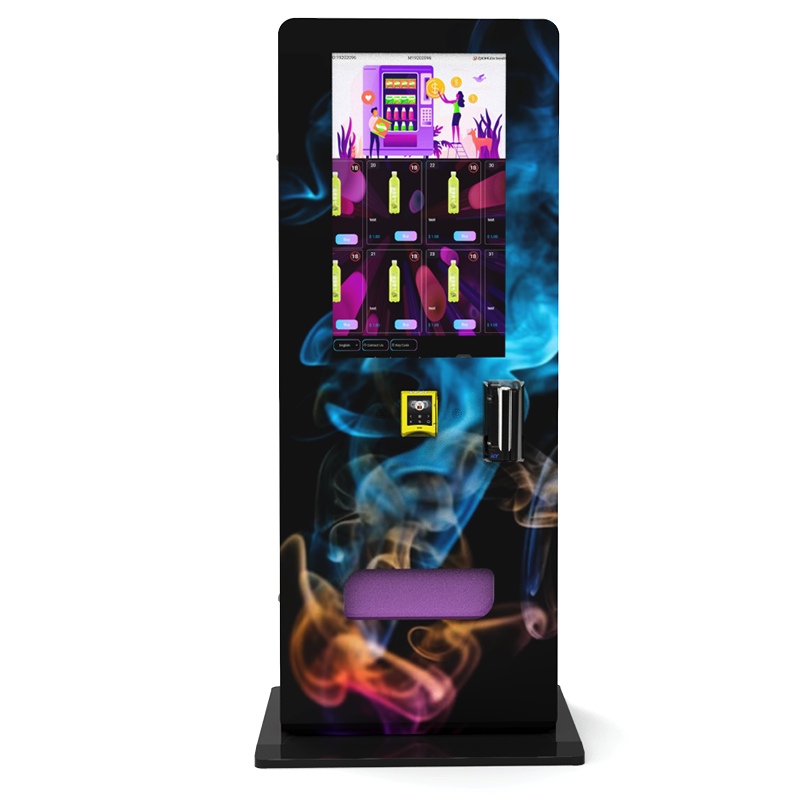
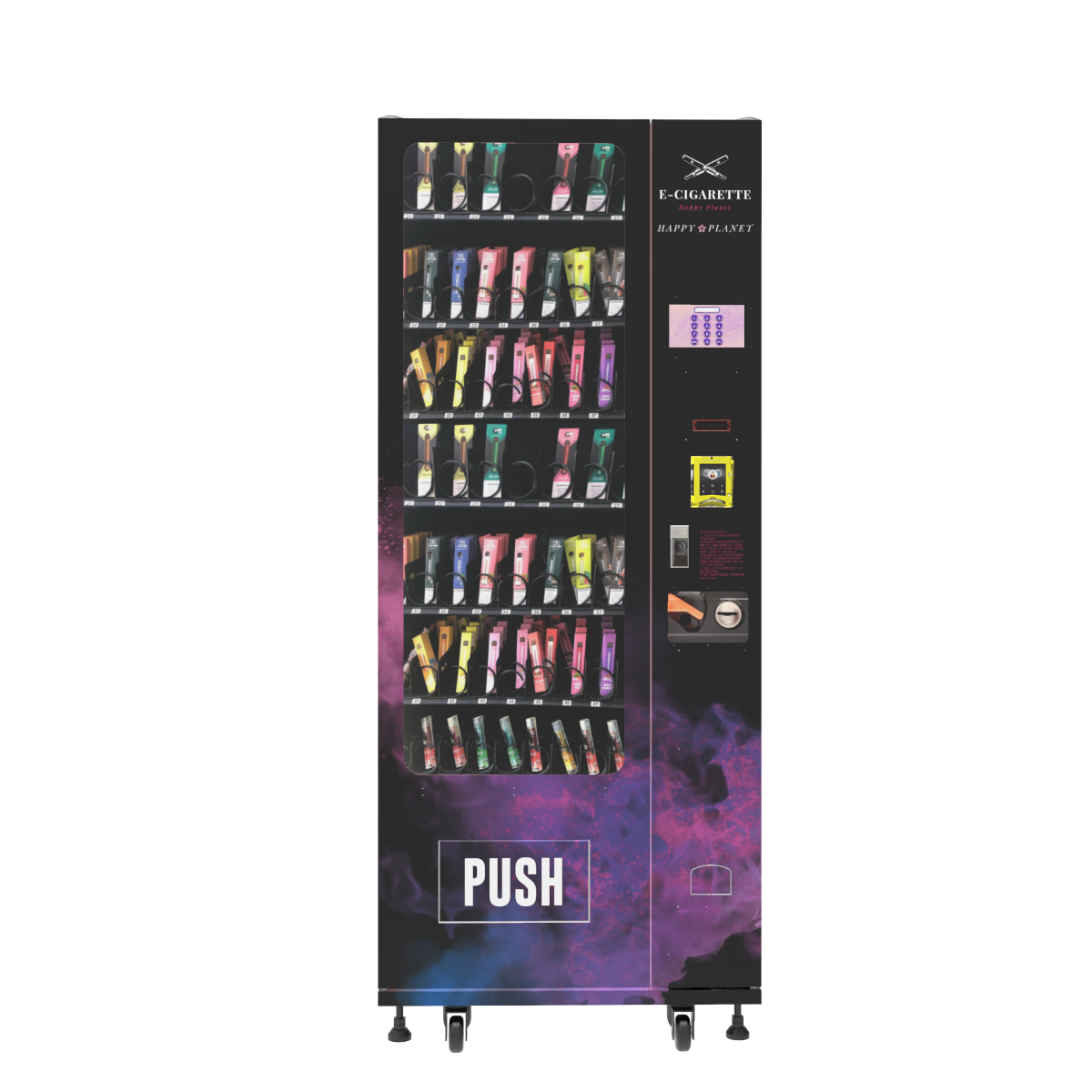
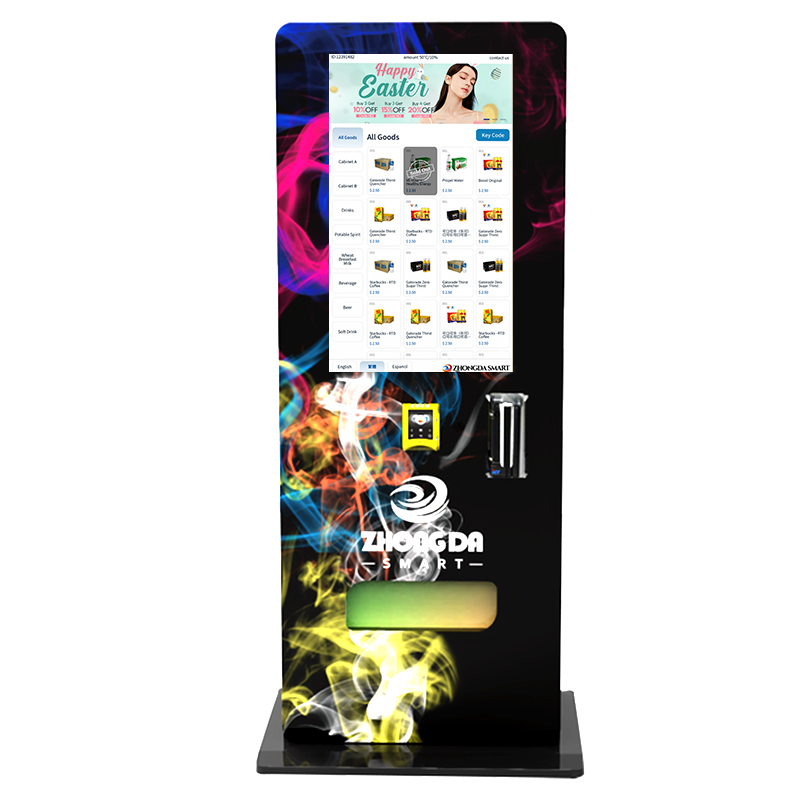
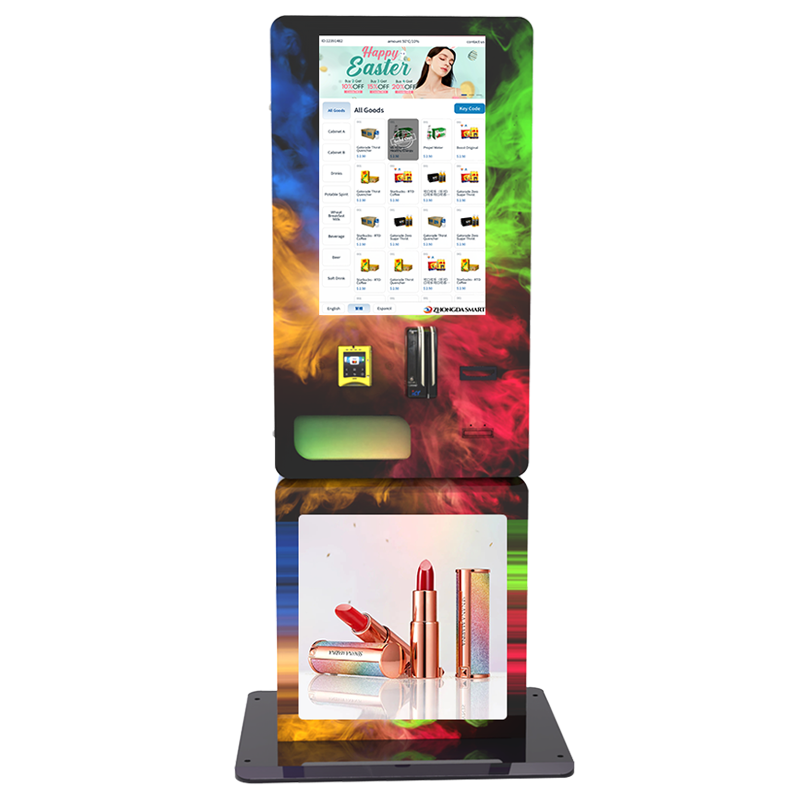
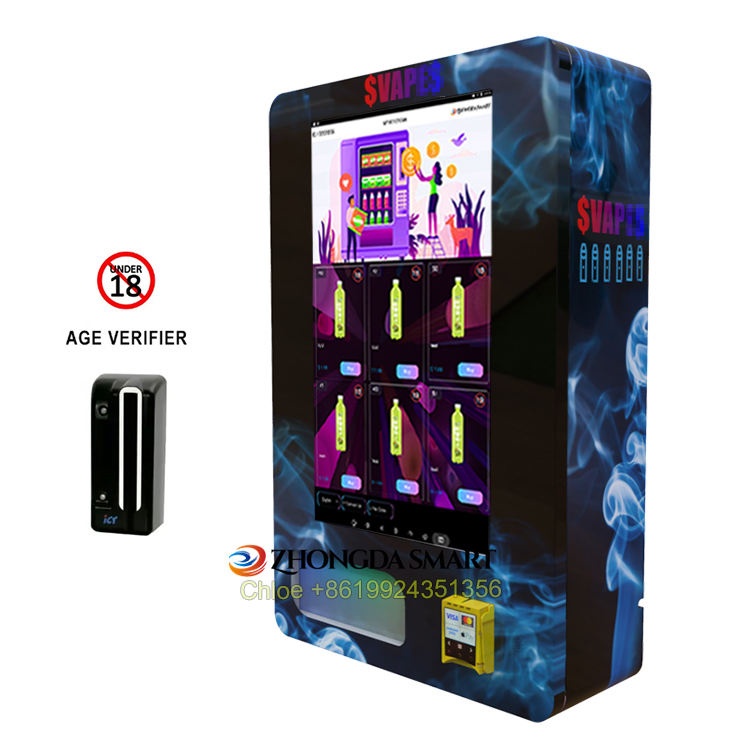
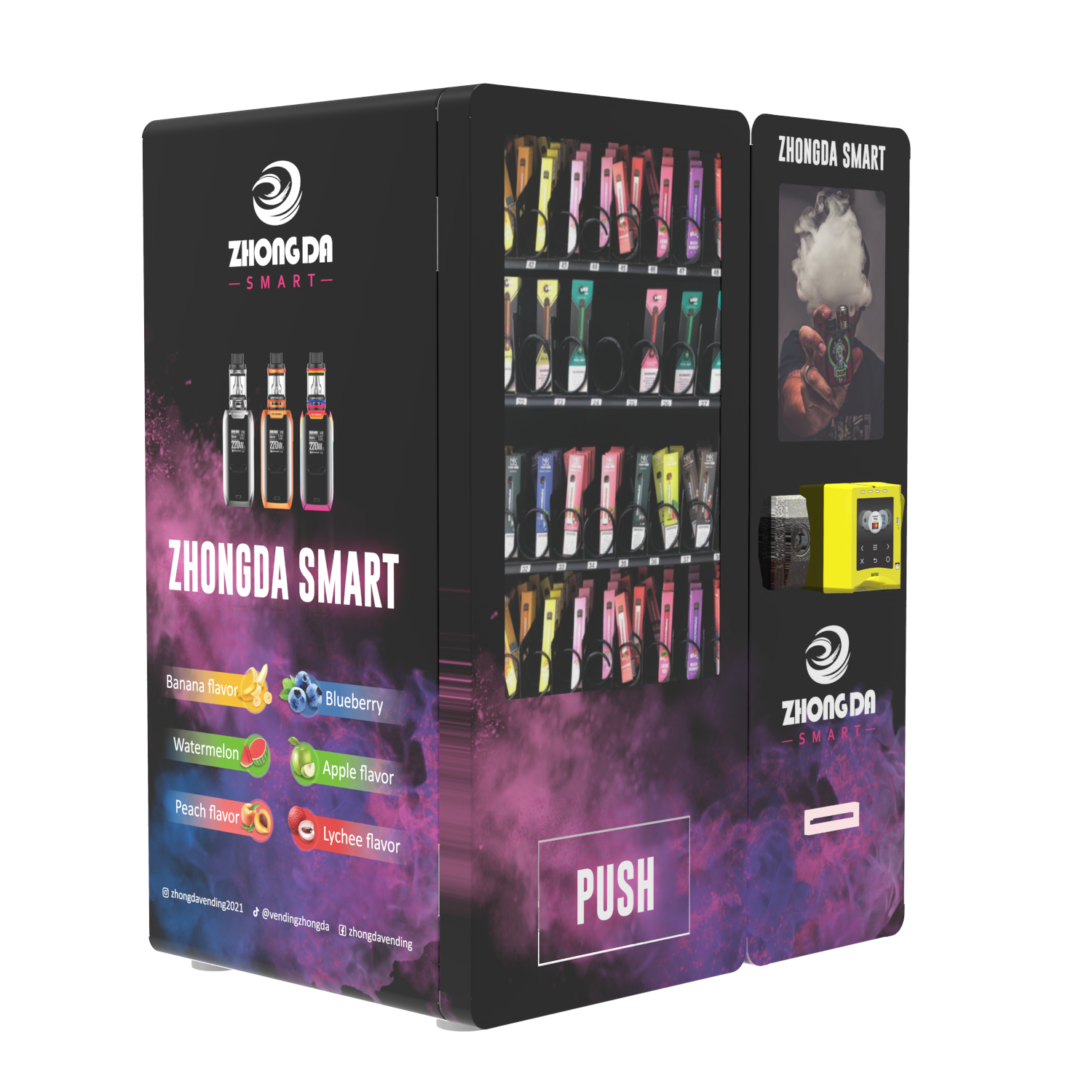
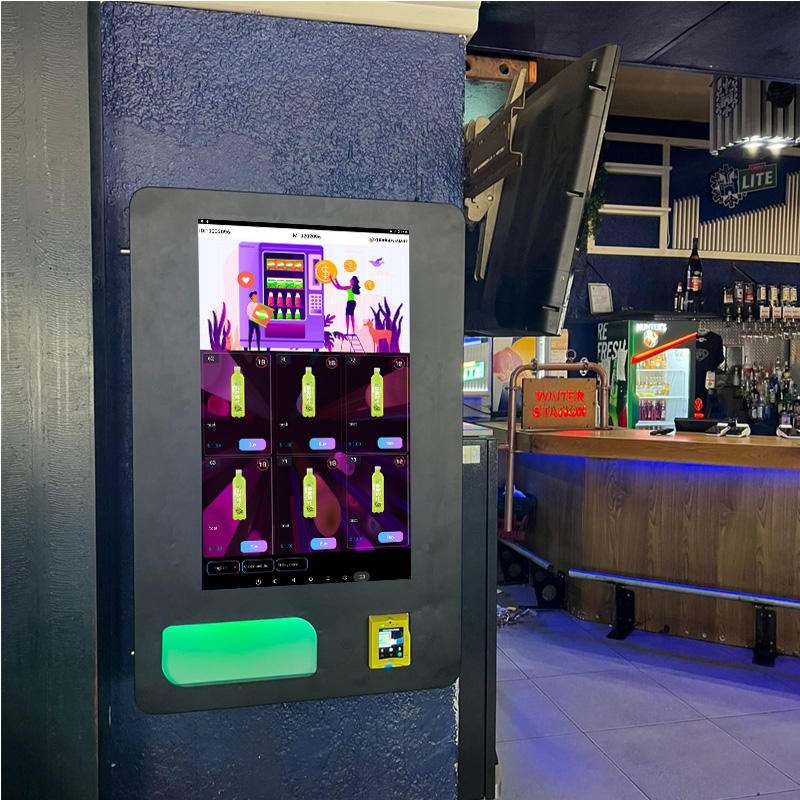
After a decade of deploying automated retail solutions across the U.S. market, I can tell you straight up: the smartest move a licensed tobacco retailer can make right now is integrating a vape vending machine for tobacco shops. It’s not about replacing your counter staff—it’s about capturing sales during off-peak hours, reducing theft, and freeing up your team to focus on high-ticket items. I’ve seen shops go from losing 15% of after-hours revenue to actually banking that profit, all because they put a self-service kiosk in the corner. Let’s break down exactly how this works, what it costs, and what the real numbers look like.
Why a Vending Machine Belongs in Your Tobacco Shop
Walk into any well-run tobacco shop in the country, and you’ll notice the same pain point: the counter gets slammed during rush hour, but after 9 p.m., traffic drops off a cliff. That’s where a vape vending machine for tobacco shops changes the game. I’ve consulted for chains in the Midwest that were losing over $2,000 a month in missed vape sales simply because they couldn’t staff the register late. Once they installed an automated unit, those sales came back—and then some.
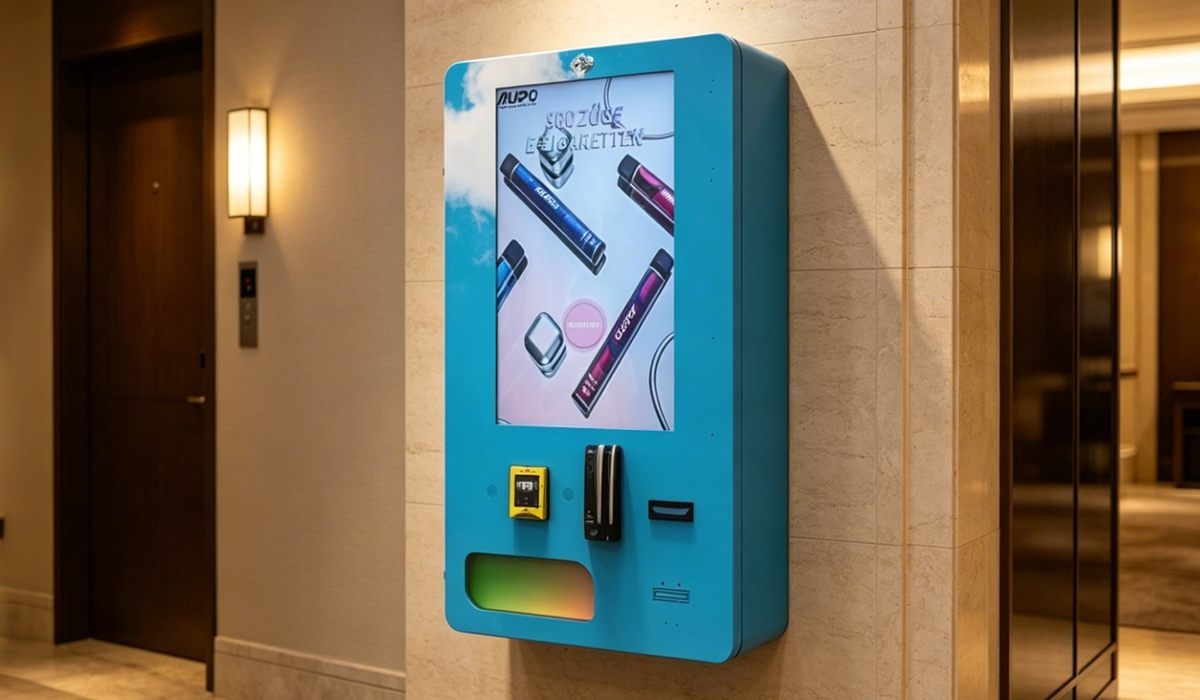
The beauty of these machines is that they handle age verification, inventory tracking, and payment processing without a human in the loop. For a licensed retailer, that means you’re not just selling more—you’re selling smarter. A properly configured unit can process a transaction in under 20 seconds, including a mandatory ID scan. That’s faster than any clerk can ring up a pack of pods.
One operator I worked with in Ohio saw a 22% lift in monthly vape revenue within the first 60 days. The machine paid for itself in 11 months. That’s not a fluke—it’s the math working in your favor.
The Real Cost of Ownership (Not Just the Sticker Price)
Let’s talk dollars and cents. A commercial-grade vape vending machine for tobacco shops typically runs between $4,500 and $12,000 depending on capacity, security features, and software integration. But the upfront cost is only half the story. I’ve seen too many buyers grab a cheap unit from a no-name supplier, only to spend another $3,000 on repairs and compliance upgrades within the first year.
Here’s a realistic breakdown of what you’re looking at:
- Hardware cost: $5,000–$10,000 for a reliable unit with built-in age verification and remote monitoring.
- Installation and setup: $500–$1,500 depending on electrical work and network configuration.
- Monthly software and compliance fees: $100–$300 for cloud-based inventory management and age verification database access.
- Maintenance reserve: Budget 5% of annual revenue for service calls and part replacements.
I always tell shop owners to plan for a 12- to 18-month payback period. If your location moves $3,000 in vape products per month, a machine that captures even half of that during off-hours will cover its cost in about a year. The key is choosing a unit that doesn’t nickel-and-dime you on peripherals. For example, some machines require proprietary payment terminals that cost twice as much as standard ones. Stick with open-platform hardware that works with common card readers and cash systems.
Age Verification: The Non-Negotiable Feature
If you’re a licensed tobacco retailer, you already know the stakes. Selling to a minor can cost you your license, and in some states, the fine hits $10,000 per incident. That’s why any vape vending machine for tobacco shops must include a robust age verification system. I’ve tested units that rely solely on a driver’s license scan, and I’ve seen the flaws firsthand—a blurry scan or a fake ID can slip through if the software isn’t up to par.
The gold standard is a system that combines optical character recognition (OCR) with a real-time database check. When a customer swipes their ID, the machine reads the birth date, validates the barcode, and cross-references the data against a state DMV database. Some advanced units also use facial recognition to match the photo on the ID to the person standing in front of the camera. That extra layer has saved my clients from at least three compliance violations that I know of.
I recommend looking for machines that are compliant with the FDA’s age verification guidelines and have a tamper-proof audit log. If a regulator shows up, you need to be able to produce a transaction history that proves every sale was legal. The age verification vending machine models I’ve worked with from Zhongda Smart include a built-in audit trail that stores scan data for up to five years. That’s the kind of feature that keeps your shop open.
Comparing the Top Machine Models on the Market
Not all machines are built the same. I’ve personally installed and serviced units from three major manufacturers, and the differences in reliability, software, and user experience are stark. Here’s a side-by-side comparison based on real-world deployments in tobacco shops:
| Feature | Zhongda Smart ID-Scan Model | Generic Import Unit | High-End Domestic Brand |
|---|---|---|---|
| Age verification method | OCR + database + facial match | Basic barcode scan only | OCR + database |
| Capacity (pods/disposables) | 240 units | 120 units | 180 units |
| Remote monitoring included | Yes, real-time inventory | No | Yes, but subscription required |
| Average transaction time | 18 seconds | 35 seconds | 22 seconds |
| Price range | $5,500–$8,000 | $3,000–$4,500 | $10,000–$14,000 |
| Warranty | 3 years | 1 year | 2 years |
From my experience, the sweet spot is the mid-range unit with comprehensive age verification and remote management. The cheap import models break down constantly—I’ve seen card readers fail after 500 transactions. The high-end domestic units are solid, but you’re paying a premium for the brand name. The ID scan vending machine from Zhongda Smart hits the right balance of cost, compliance, and durability for a licensed shop.
Profit Margins and Revenue Projections
Let’s get into the numbers that matter. A well-placed vape vending machine for tobacco shops can generate between $1,500 and $4,000 in monthly revenue, depending on location and product mix. The margin on vape products typically runs 40% to 60%, so you’re looking at $600 to $2,400 in gross profit per month. After factoring in restocking labor, software fees, and electricity, net profit usually lands around $400 to $1,800.
I’ve seen shops double their vape sales by stocking disposables and pod systems in the machine while keeping premium mods and juice behind the counter. The machine handles the high-volume, low-ticket items, and your staff focuses on the big sales. One client in Texas put a machine next to his register and saw a 35% increase in total vape sales within three months. He attributed it to impulse buys—customers who came in for cigarettes grabbed a disposable on the way out.
Here’s a realistic projection for a shop with moderate foot traffic:
- Average transaction value: $14
- Transactions per day: 12
- Daily revenue: $168
- Monthly revenue: $5,040
- Gross profit (50% margin): $2,520
- Net profit (after fees and restocking): $1,800
That’s a solid return on a $7,000 machine. And remember, this is revenue you wouldn’t have captured otherwise—it’s incremental.
Real Deployment Stories: What Worked and What Didn’t
I installed my first automated vape unit in 2016 in a small shop in Columbus, Ohio. The owner was skeptical. He thought customers would be confused by the touchscreen or that the machine would jam constantly. Within the first week, he was sold. The machine processed 47 transactions on a Friday night alone, and not one jammed. The only issue was a payment terminal that disconnected from the network twice. We fixed it with a simple firmware update.
Another deployment in a larger store in Chicago taught me a hard lesson about placement. The owner put the machine near the back wall, behind a pillar. Foot traffic to that area was almost zero. After two months of poor sales, we moved it to the front, next to the entrance. Sales jumped 300% in the first week. The moral of the story: visibility is everything. A vape vending machine for tobacco shops needs to be the first thing customers see when they walk in, or at least in their direct line of sight from the register.
I also learned the hard way about product selection. One shop stocked only high-nicotine salt pods, assuming that’s what everyone wanted. Turns out, their customer base was split 50/50 between salt nic and freebase. After we diversified the inventory, sales stabilized and repeat usage went up. Now I always advise stocking at least three nicotine levels and a mix of flavors.
Maintenance and Daily Operations
Keeping a vape vending machine for tobacco shops running smoothly isn’t complicated, but it requires discipline. I recommend checking the machine every two days for inventory levels and any error messages. Most modern units send push notifications to your phone when a column is empty or a transaction fails. That remote visibility is a lifesaver—you can spot a problem before a customer does.
Here’s a quick maintenance checklist I give to every shop owner I work with:
- Clean the card reader and touchscreen weekly with a microfiber cloth.
- Test the ID scanner with a known valid ID every month.
- Update the firmware every quarter (most units do this automatically).
- Replace the air filter (if the machine has one) every six months.
- Keep a backup power supply or surge protector—power fluctuations kill electronics.
One thing that surprises new operators is how much the machine’s internal temperature matters. Vape pods and disposables are sensitive to heat. If your shop gets above 90°F in the summer, the machine’s cooling system needs to be working. I’ve seen entire batches of pods degrade because the unit was placed near a south-facing window. Keep it out of direct sunlight and away from HVAC vents.
How to Choose the Right Supplier
Not every manufacturer understands the regulatory landscape. I’ve had suppliers send me machines that didn’t have any age verification at all—just a credit card reader and a product tray. That’s a lawsuit waiting to happen. When you’re sourcing a vape vending machine for tobacco shops, you need a partner that knows the rules and builds for compliance from the ground up.
I’ve been working with Zhongda Smart’s vending machine lineup for the past four years, and they’re one of the few manufacturers that consistently update their hardware to match evolving regulations. Their machines come pre-configured with age verification software that’s already tested against state DMV databases. They also offer customization options for branding and product layout, which is useful if you want the machine to match your shop’s aesthetic.
When evaluating a supplier, ask these three questions:
- Does the machine have a tamper-proof audit log that regulators accept?
- Is the payment system compatible with major credit card processors?
- What’s the average response time for technical support?
If they can’t answer those clearly, move on. You don’t have time to babysit a machine that was designed for a different market.
Common Mistakes I See Shop Owners Make
After a decade in this space, I’ve watched the same errors repeat themselves. Here are the three biggest ones:
1. Underestimating the learning curve. Even though the machine is automated, someone on your team needs to know how to restock it, clear a jam, and troubleshoot a network issue. I’ve seen shops lose a week of sales because nobody knew how to reboot the payment terminal. Train at least two people before you go live.
2. Choosing the wrong location inside the store. I covered this earlier, but it’s worth repeating. A machine tucked away in a corner will collect dust. Put it where people naturally pause—near the register, by the door, or along the main aisle.
3. Ignoring the data. Most machines come with a dashboard that shows which products sell best and at what times. I’ve seen operators ignore this data and keep restocking slow-moving items. Use the reports. If a flavor hasn’t sold in two weeks, swap it out for something else. The machine is a living piece of your inventory—treat it that way.
Long-Term Strategy: Scaling Beyond One Machine
Once you’ve proven the model with one unit, the next step is scaling. I’ve helped shop owners expand to three or four machines across multiple locations, and the economics get even better. You can negotiate bulk pricing on hardware, and the software platform lets you monitor all machines from a single dashboard. One operator I work with runs six machines in three states, and he manages everything from his phone.
The key to scaling is standardization. Use the same machine model, the same software, and the same product layout across all locations. That way, your restocking team doesn’t have to learn a different system for each site. It also makes troubleshooting easier—if a problem pops up in one machine, you know exactly how to fix it in the others.
I’ve also seen shops use their machines as a data collection tool. The transaction logs tell you exactly what your customers want, when they want it, and how much they’re willing to pay. That intelligence can inform your entire purchasing strategy. If the machine shows that a particular disposable brand sells out every Thursday, you know to double your order for that week.
Frequently Asked Questions
Do I need a special license to operate a vape vending machine in my tobacco shop?
In most states, your existing tobacco retail license covers the machine as long as it’s inside your licensed premises. Some states require a separate vending machine permit or a location-specific endorsement. Always check with your state’s alcohol and tobacco control board before installation. The machine itself must also be registered with the FDA if it sells any nicotine product.
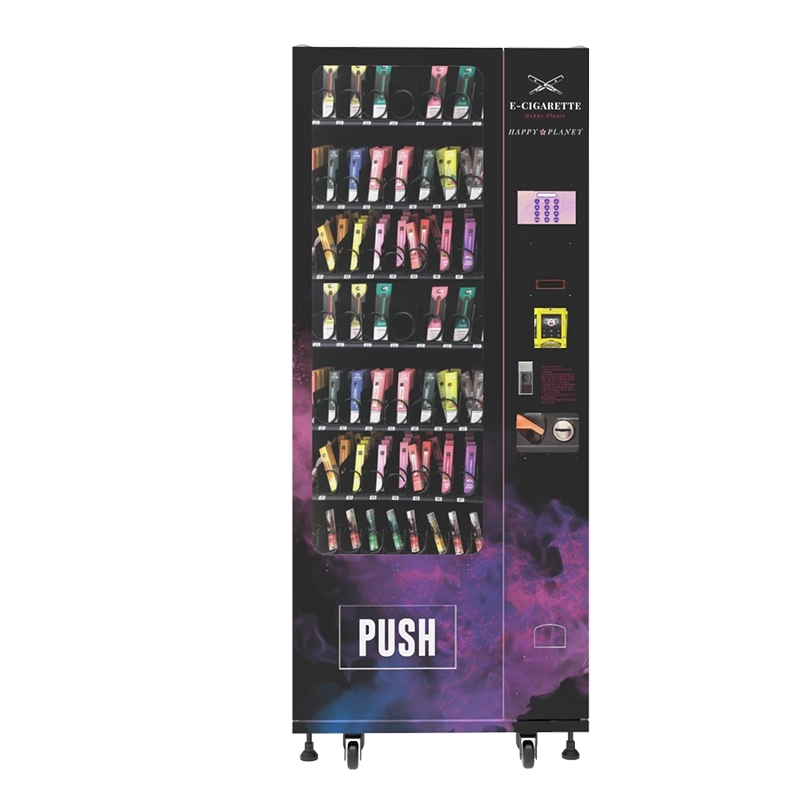
How often does the machine need to be restocked?
It depends on your volume. A busy shop might need restocking every two to three days. Slower locations can go a week. The machine’s remote monitoring system will alert you when inventory is low. I recommend checking the unit at least twice a week to ensure everything is working and to rotate stock for freshness.
Can the machine accept cash, or is it card-only?
Most modern units accept both cash and cards. I strongly recommend enabling card payments because the average transaction is over $10, and customers rarely carry cash. Some machines also support mobile wallets like Apple Pay and Google Pay, which can speed up transactions and reduce the need for change handling.
What happens if the age verification system fails?
Every reputable machine has a fail-safe. If the scanner can’t read the ID or the database is unreachable, the transaction is automatically blocked. The machine will display an error message and prompt the customer to see a clerk. This prevents any sale from going through without proper verification. Always test this feature during your weekly maintenance check.
How do I handle warranty claims and repairs?
Choose a supplier that offers at least a two-year warranty and has a U.S.-based support team. For the machines I recommend from Zhongda Smart, they provide a three-year warranty and same-day email support. Keep a log of any issues and take photos if a part fails. Most repairs can be handled with a replacement module that you swap in yourself.
Final Take: Is It Worth the Investment?
If you’re a licensed tobacco shop owner looking to grow revenue without adding headcount, a vape vending machine for tobacco shops is one of the smartest investments you can make. The numbers are clear, the technology is proven, and the compliance tools are better than ever. I’ve seen it work in small shops, big chains, and everything in between. The key is choosing the right hardware, placing it strategically, and staying on top of the data.
Start with one machine, learn the rhythm, and then scale. Your customers will appreciate the convenience, your staff will appreciate the reduced pressure, and your bottom line will thank you.
References and Data Sources
- Statista. “Vending machine market size in the United States.” 2024. https://www.statista.com/topics/1394/vending-machines/
- IBISWorld. “Tobacco Stores in the US – Market Research Report.” 2024. https://www.ibisworld.com/united-states/market-research-reports/tobacco-stores/
- FDA. “Age Verification for Tobacco Products.” https://www.fda.gov/tobacco-products/retail-sales-tobacco-products/age-verification
- Forbes. “The Rise of Automated Retail in Specialty Stores.” 2023. https://www.forbes.com/sites/forbestechcouncil/2023/06/15/the-rise-of-automated-retail/
- Bloomberg. “Vape Product Sales Trends in the U.S.” 2024. https://www.bloomberg.com/news/articles/2024-01-10/vape-sales-trends