Over the past decade, I have designed, deployed, and serviced thousands of vending machines across North America and Europe, and I have seen firsthand how a standard snack machine simply does not cut it for age-restricted products. If you are looking into a custom ID verification vending machine for your business, you are already past the point of wondering if this technology works—you want to know exactly how to make it profitable, reliable, and compliant. The short answer is yes, these machines work, but only if you match the hardware, software, and placement to your specific operational reality. I have spent the last fifteen years running a factory that builds these units from the ground up, and I have learned the hard way what separates a machine that generates steady cash flow from one that becomes a maintenance headache.
The Engineering Logic Behind Age-Restricted Vending
When we started building ID verification vending machines at our facility, the biggest challenge was not the mechanical dispensing—it was integrating a reliable age verification system that could pass audits in multiple states and provinces. The core of any age-gated vending machine is the scanner module. We use a combination of a high-resolution camera and an OCR engine that reads the barcode, MRZ (machine readable zone), and visual data from a driver’s license or passport. This is not the same as the scanner on a convenience store checkout. A commercial-grade ID scanner used in a self-service kiosk must operate in low light, handle scratched cards, and verify the document within two seconds.
One detail most buyers overlook is the database update frequency. Our machines at Zhongda Smart run a local cache of the latest ID format templates, and they sync with a cloud server every 24 hours to catch new state designs or security features. If a machine cannot recognize a newly issued ID, the sale is blocked. That is a feature, not a bug. We have had clients who tried to save money by using off-the-shelf scanners, and within three months they were replacing units because the rejection rate for valid IDs hit 15 percent. A purpose-built age verification vending machine must use industrial-rated scanners designed for continuous operation.
Why Customization Matters More Than You Think
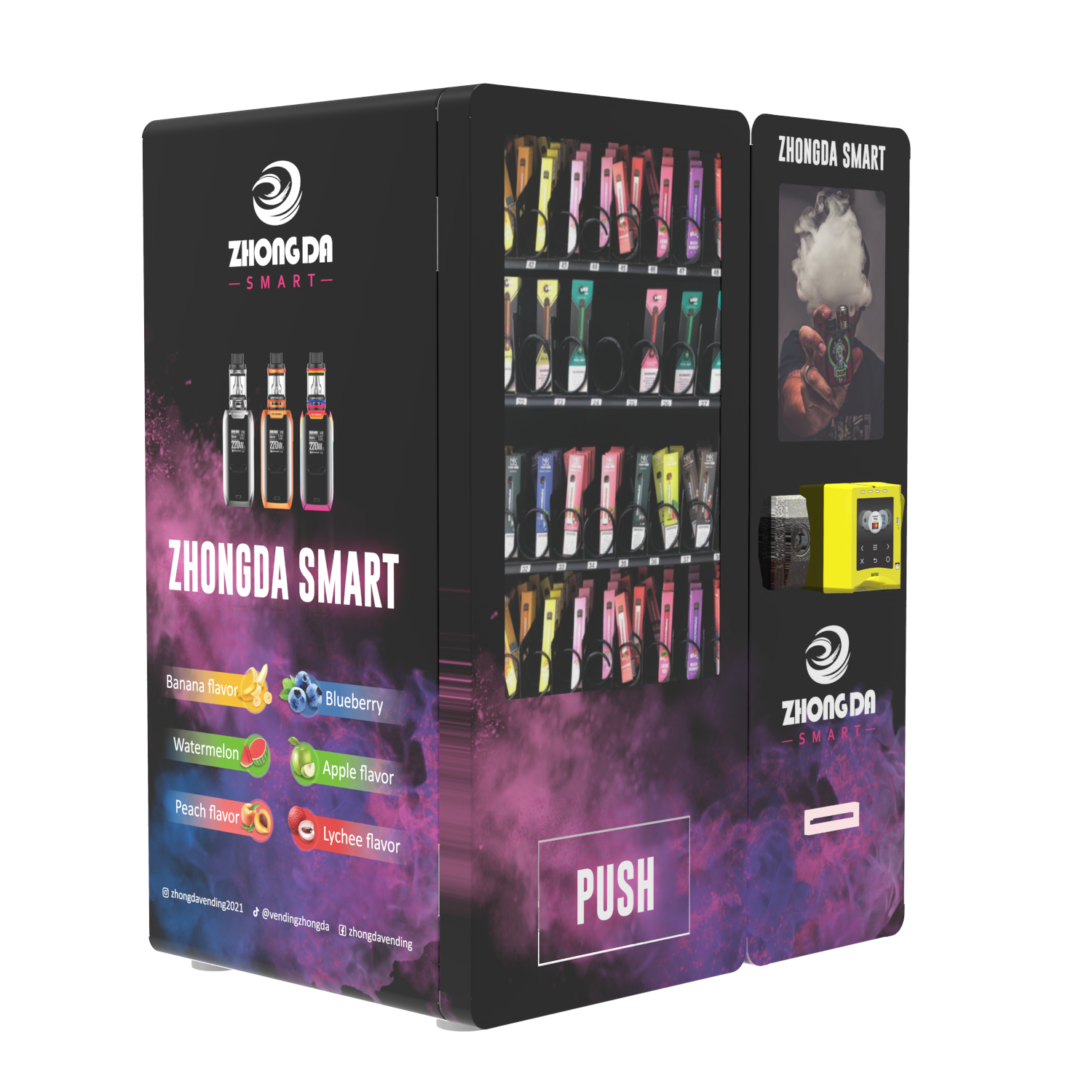
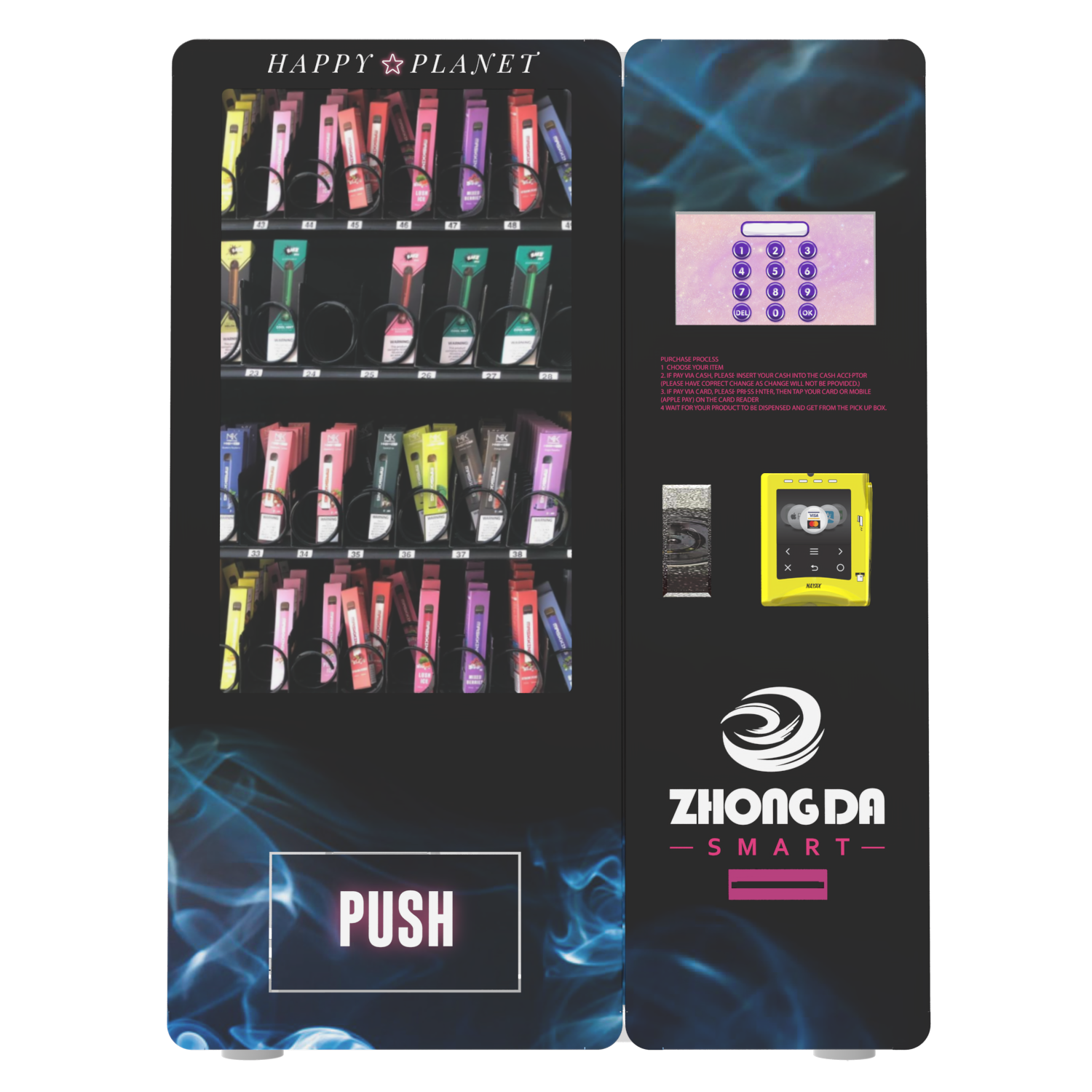
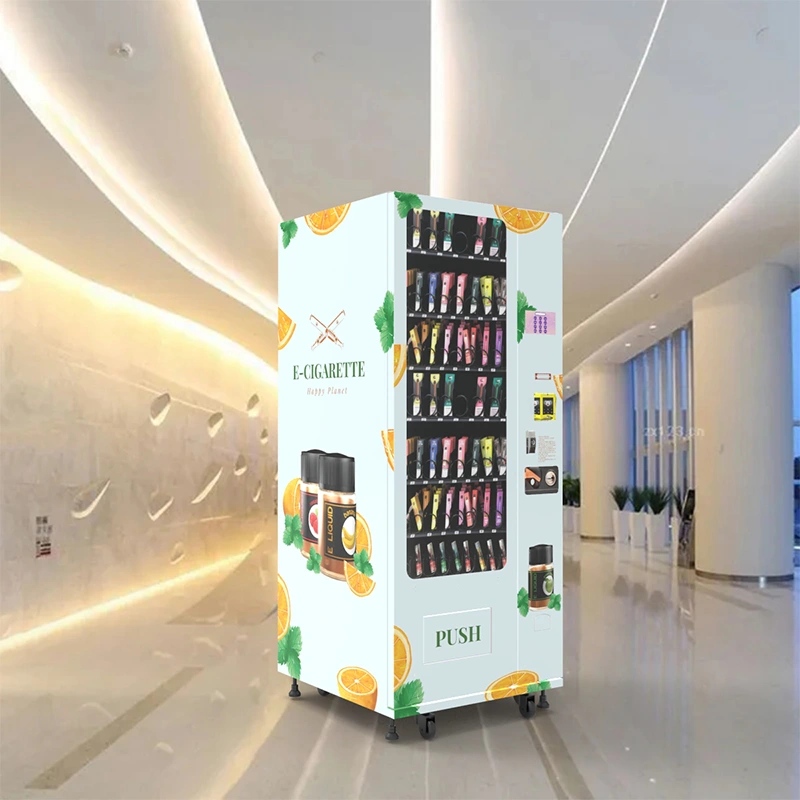
A stock vending machine might work for soda, but for vape products or tobacco, you need a machine that can handle different packaging sizes, humidity levels, and security requirements. We have built machines with adjustable coil spirals, heated cabinets for cold climates, and tamper-proof cashless payment systems. The most requested customization we see is the integration of a specific age verification software that matches local regulations. For example, a machine deployed in a bar in Chicago needs to verify IDs differently than a machine in a self-service laundry in Berlin. Our approach at the factory is to start with a base model—like the age verification vending machine—and then modify the scanner angle, the payment terminal, and the inventory layout based on the client’s product mix.
I remember a deployment for a chain of cigar lounges where the owner wanted to sell premium cigars in tubes. The standard spiral system would crush the tubes. We had to design a custom paddle wheel mechanism that gently released each tube. That kind of modification is not something you get from a generic vending supplier. You need a manufacturer who understands both the mechanical and software sides of the business.
Breaking Down the Cost Structure
Let me give you a realistic picture of what you are looking at financially. A basic ID verification vending machine from a reputable manufacturer will cost between $4,500 and $8,500 per unit, depending on the level of customization. That includes the cabinet, the refrigeration system if needed, the touchscreen interface, the payment system (credit card, mobile wallet, sometimes cash), and the age verification module. The high end of that range usually includes a larger inventory capacity, a more robust scanner, and a longer warranty. I have seen machines from low-cost suppliers priced at $2,800, but those units often fail within six months because the scanner cannot handle the volume or the payment terminal is not EMV compliant.
Beyond the hardware, you have installation and setup costs. Shipping a full-size vending machine can run $200 to $600, and you will need a technician to configure the network settings, test the age verification, and load the initial inventory. That adds another $300 to $500. Then there is the monthly software fee for the age verification database updates and remote monitoring. Most providers charge between $30 and $80 per month per machine. We include the first year of software updates with our machines at Zhongda Smart, which is something I recommend you negotiate with any supplier.
Hidden Costs That Eat Into Margins
One cost that surprises many operators is the payment processing fee. If your machine processes a lot of small transactions—say, $10 to $15 per sale—the percentage fee from the payment processor can eat up 3 to 5 percent of your revenue. That is significant when your profit margin on a single vape pod is around 40 percent. Another hidden cost is the replacement of the ID scanner light source. After about 50,000 scans, the infrared LED array in some scanners starts to degrade, and you will need a replacement module that costs around $150. We switched to a laser-based scanner in our newer models specifically to extend that lifecycle to over 150,000 scans.
| Cost Category | Low-End Estimate | High-End Estimate |
|---|---|---|
| Machine hardware (base) | $4,500 | $8,500 |
| Shipping & installation | $500 | $1,100 |
| Software & database updates (annual) | $360 | $960 |
| Payment processing fees | 3% of revenue | 5% of revenue |
| Maintenance & spare parts (annual) | $200 | $600 |
Profit Model and Realistic ROI
I have seen operators achieve a return on investment in as little as eight months, and I have seen others take over two years. The difference comes down to three variables: location, product margin, and machine uptime. A machine placed in a high-traffic bar or nightclub can generate $1,200 to $2,500 in monthly revenue if it is stocked with popular disposable vapes and pods. The average transaction is around $18, and if you are buying inventory wholesale at a 40 percent margin, your gross profit per transaction is about $7.20. Do the math: if you sell 25 units per day, that is $180 in gross profit per day, or $5,400 per month. Subtract the machine payment, software fees, and location commission (some venues ask for 10 to 20 percent of sales), and you are looking at a net profit of $3,000 to $4,000 per month per machine.
But that scenario assumes the machine runs perfectly. In reality, you will have downtime. A payment terminal glitch, a jammed spiral, or a network outage can kill a weekend of sales. I always tell new operators to budget for a 10 percent downtime factor in their first year. That drops the net profit to a more conservative $2,700 to $3,600 per month. Based on a machine cost of $7,000, your payback period is roughly 2 to 2.5 months if everything goes right, or 4 to 6 months if you account for real-world hiccups. That is still a strong ROI compared to most small business investments.
Location Is Everything
I cannot stress this enough: the location determines 80 percent of your success. A custom ID verification vending machine in a laundromat might sell 5 units per day, while the same machine in a busy hookah lounge sells 40 units per day. We have a client who placed machines in three different cannabis dispensaries, and the sales varied by a factor of three based on foot traffic and the store’s layout. The machine near the checkout counter outsold the one in the back corner by 200 percent. You need to negotiate placement within the venue, not just the venue itself. Ask for a spot near the entrance or the bar, where people naturally gather.
Another factor is the demographic of the location. Machines placed in venues with a younger crowd (21 to 35) tend to perform better for vape products, while machines in cigar lounges or high-end tobacco shops do better with premium products. We have also seen success in hotels that have a late-night bar crowd but no retail shop. The hotel gets a commission, and the operator gets a captive audience.
Real Operational Problems and How We Solved Them
After fifteen years in this business, I have a long list of failures that taught me more than the successes. One of the earliest mistakes we made was using a touchscreen that was not rated for outdoor use. We deployed a machine on a covered patio at a resort in Florida, and within three months the screen delaminated from the humidity. We now use an IP65-rated touchscreen with an anti-glare coating for any machine that might be exposed to outdoor air, even if it is under a roof.
Another problem that kept coming up was the age verification software rejecting valid IDs from certain states. We realized that the database we were using was updated monthly, but some states issue new ID designs without a public announcement. We now run a dual verification system: first, the scanner reads the barcode and MRZ, and second, a neural network checks the visual layout of the card against known templates. If the two methods disagree, the machine prompts the user to try again or see an attendant. This reduced false rejections by 60 percent.
Payment system failures are another common headache. I have seen machines that would accept a credit card but then fail to dispense the product because the communication between the payment terminal and the vending controller timed out. We spent six months rewriting the firmware to handle these edge cases. Now our machines at Zhongda Smart use a heartbeat protocol that checks the connection every 30 seconds. If the payment terminal does not respond, the machine displays a clear error message and retries automatically before locking the transaction.
Maintenance Strategy That Saves Money
Do not wait for a machine to break before you service it. We recommend a preventive maintenance schedule every 90 days for machines in high-traffic locations. That includes cleaning the scanner glass, lubricating the dispensing spirals, checking the refrigeration compressor, and updating the software. A 90-day check costs about $100 in labor if you do it yourself, or $200 if you hire a technician. Compare that to a full breakdown repair that can cost $500 and cause a week of lost sales. I have seen operators who ignored maintenance end up with a 30 percent failure rate in their fleet, while those who followed a schedule had a failure rate under 5 percent.
| Maintenance Task | Frequency | Estimated Cost |
|---|---|---|
| Scanner glass cleaning & calibration | Every 90 days | $30 (DIY) |
| Spiral & motor inspection | Every 90 days | $40 (DIY) |
| Software & database update | Monthly | $0 (included) |
| Payment terminal firmware check | Every 6 months | $50 (DIY) |
| Full technician service | Annually | $200–$400 |
Comparing Different Machine Types
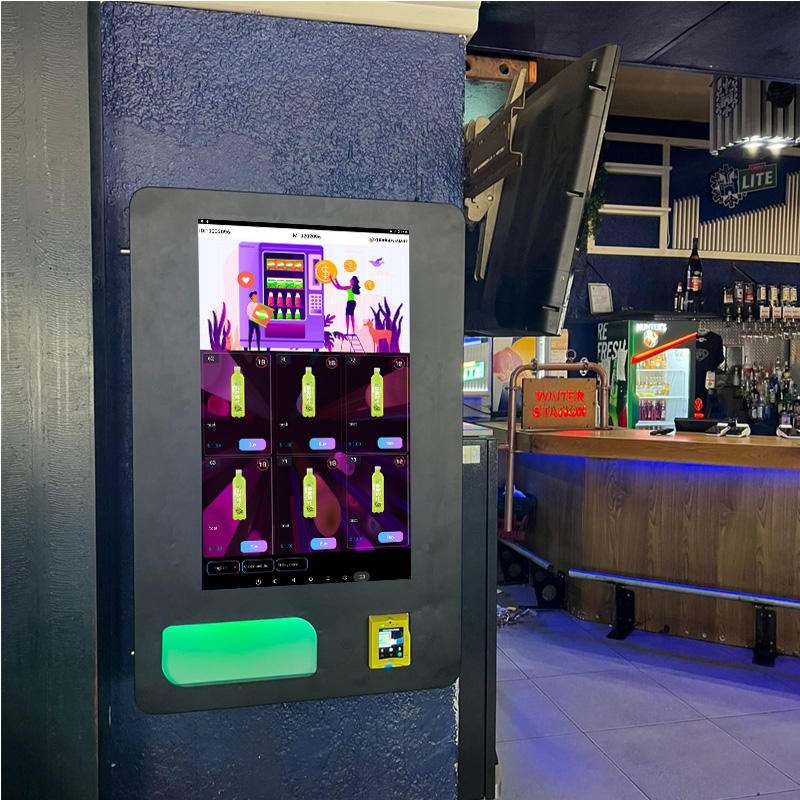
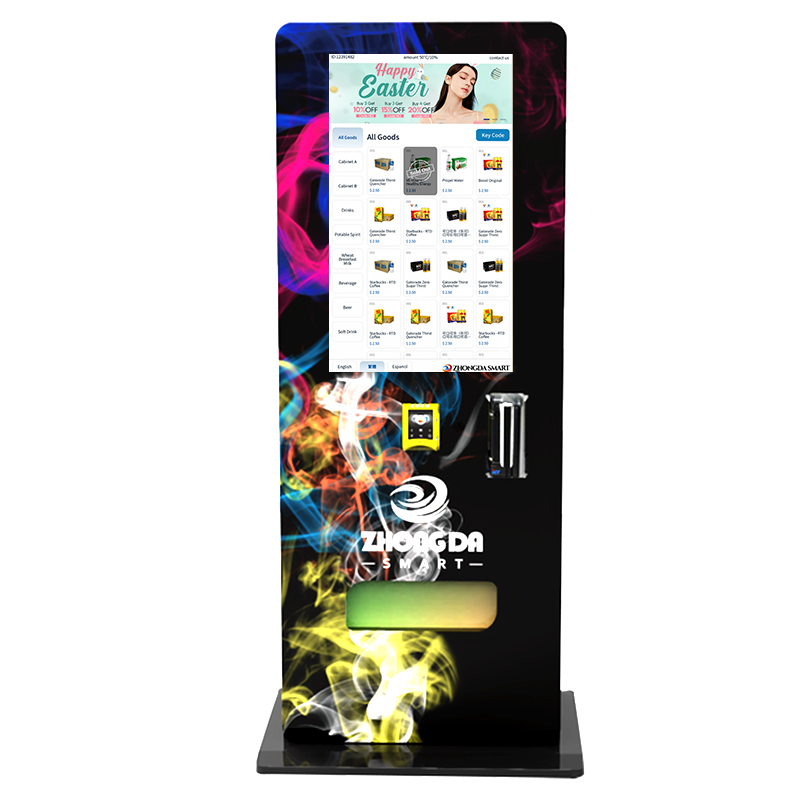
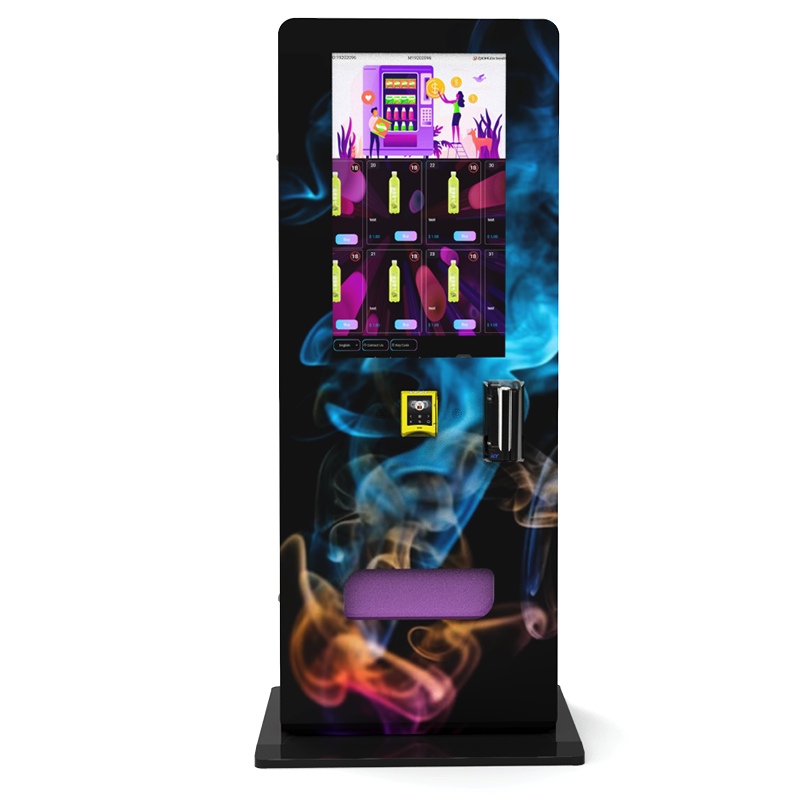
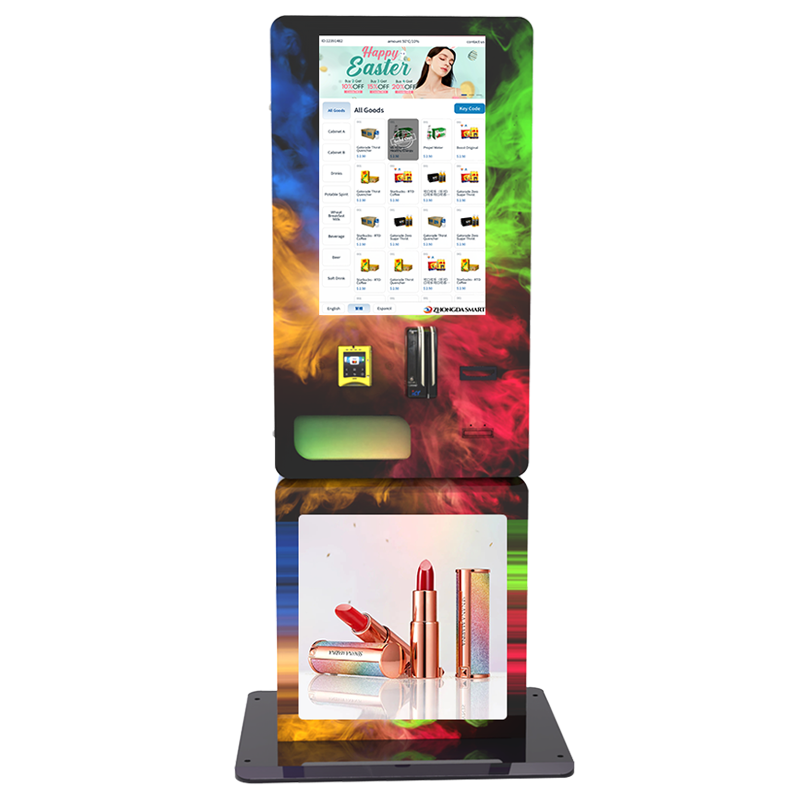
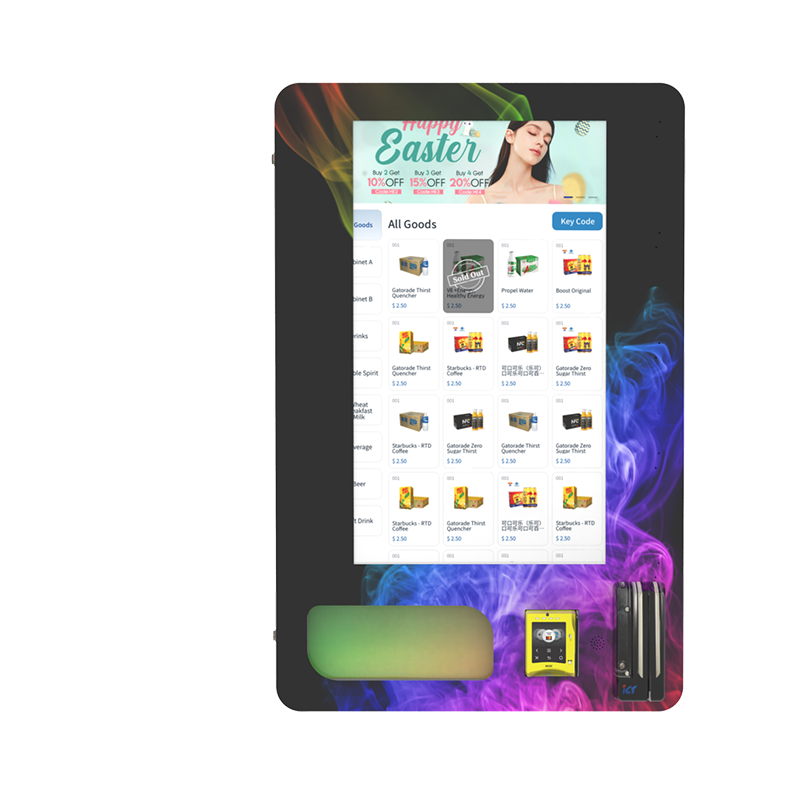
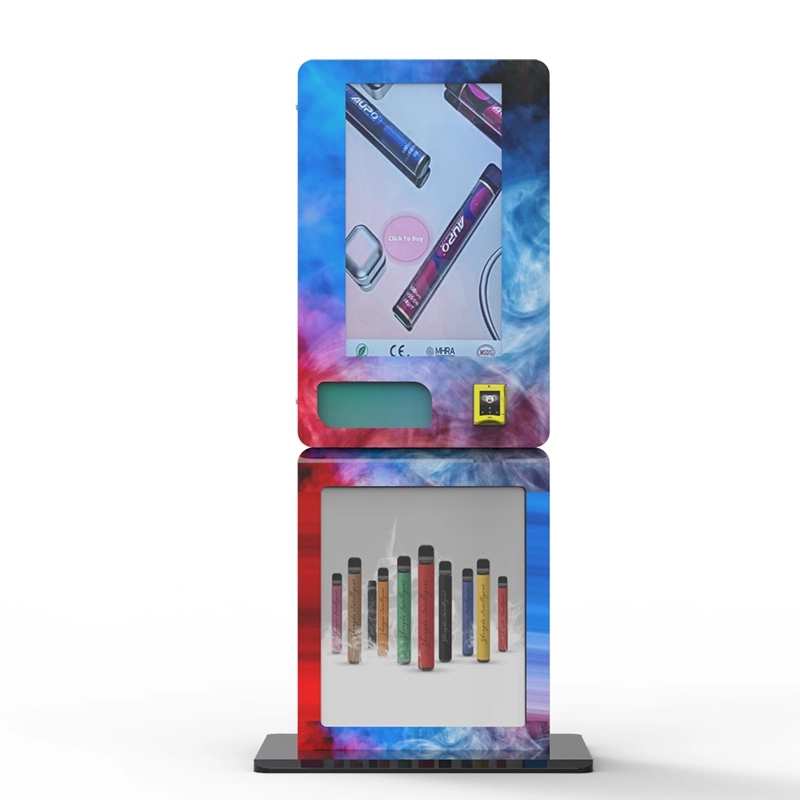
Not all ID verification vending machines are created equal. The three main form factors are wall-mounted units, countertop kiosks, and full-size floor models. Wall-mounted machines are compact and ideal for tight spaces like a bar corner or a small retail shop. They typically hold 50 to 80 units and are the cheapest option, starting around $4,500. Countertop kiosks are slightly larger and sit on a table or counter, holding 80 to 120 units. They work well for venues with limited floor space but enough counter area. Full-size floor models hold 200 to 400 units and are the most expensive, starting at $7,000. They are best for high-traffic locations where volume justifies the larger investment.
I have a personal preference for wall-mounted machines in most bar and lounge settings because they take up zero floor space and are less obtrusive. The wall-mounted compact e-cigarette vending machine we produce is one of our best sellers for exactly that reason. However, if you are placing a machine in a convenience store or a cannabis dispensary, a full-size floor model gives you the capacity to offer a wider variety of products, which increases average transaction value.
Age Verification Technology Comparison
There are three main types of age verification used in these machines: barcode scanning, MRZ scanning, and biometric verification. Barcode scanning is the fastest and cheapest, but it can be fooled by a fake barcode printed on a card. MRZ scanning reads the machine-readable zone on the back of a driver’s license and is much harder to spoof. Biometric verification, usually fingerprint or facial recognition, is the most secure but also the most expensive and can raise privacy concerns. For most commercial applications, I recommend MRZ scanning combined with visual template matching. That is the setup we use in our ID scan vending machine, and it has passed compliance audits in multiple states.
Long-Term Operational Strategy
Running a fleet of ID verification vending machines is not a passive income stream. You need to treat it like a small retail business. That means monitoring inventory levels remotely, rotating stock based on sales data, and building relationships with venue owners. I have seen operators who set up a simple dashboard using a free tool like Google Data Studio to track sales per machine, average transaction value, and rejection rates. That data tells you which products to reorder and which machines need attention.
One strategy that works well is to offer a mix of high-margin products and high-volume products. Disposable vapes have a high margin but lower unit price, while pod systems have a lower margin but higher repeat purchase rate. By balancing the two, you stabilize your cash flow. We have a client who runs 12 machines across three cities, and he uses a centralized inventory management system that alerts him when a machine drops below 20 percent stock. He restocks every two weeks, and his average machine uptime is 98 percent.
Another key to long-term success is staying compliant with changing regulations. Age verification laws are not static. Some states have moved from 18 to 21, and others have added requirements for real-time verification against a government database. Your machine must be able to adapt. That is why we design our machines with a modular software architecture. When a new regulation comes out, we push an update to the fleet remotely. If you buy a machine from a supplier that does not offer remote updates, you will be stuck with a non-compliant machine in a year or two.
When to Scale and When to Hold Back
I have seen operators who bought 20 machines on day one and then struggled because they did not have the operational capacity to service them all. Start with two or three machines in different types of locations. Run them for six months, track the data, and then scale the ones that work. The worst mistake you can make is to over-leverage yourself on hardware before you understand the local market dynamics. We have a financing program at the factory that allows clients to start with a small fleet and add machines as they prove the model. That is a smarter approach than buying everything upfront.
On the flip side, do not be afraid to pull a machine from a bad location. I have seen operators keep a machine in a dead spot for a year because they were emotionally attached to the placement. If a machine is not generating at least $800 in monthly revenue after three months, move it. The cost of moving a machine is around $200, but the opportunity cost of leaving it in a bad spot is much higher.
Final Thoughts from the Factory Floor
I have been in this industry long enough to see trends come and go. The one constant is that operators who invest in a quality machine with robust age verification and good payment integration tend to stay in business. The ones who cut corners on hardware always come back to us asking for upgrades. If you are serious about deploying a custom ID verification vending machine, take the time to understand the total cost of ownership, not just the purchase price. Talk to a manufacturer who has been building these machines for over a decade and can show you real deployment examples. We have case studies on our site for vape vending machines for bars and other venues that give a realistic picture of what to expect.
And if you ever visit our factory, you will see a wall of machines that failed during testing. We keep them there as a reminder that good engineering is about eliminating failure modes, not just adding features. That is the approach we take with every machine we build at Zhongda Smart.
Frequently Asked Questions
How do I know if an ID verification vending machine is legal in my area?
What happens if the ID scanner fails to read a valid ID?
Can I use a standard vending machine and add an ID scanner later?
How much inventory should I stock in a new machine?
What is the typical lifespan of an ID verification vending machine?
Do I need a special business license to operate these machines?
Can I accept cash with an ID verification vending machine?
How do I handle a machine that is vandalized or broken into?
References and Further Reading
Statista. (2024). Vending machine market size in the United States. Retrieved from https://www.statista.com/topics/1284/vending/
IBISWorld. (2024). Vending Machine Operators Industry in the US. Retrieved from https://www.ibisworld.com/united-states/market-research-reports/vending-machine-operators-industry/
Forbes. (2023). The Rise of Automated Retail and Age Verification Technology. Retrieved from https://www.forbes.com/sites/forbestechcouncil/2023/05/15/the-rise-of-automated-retail-and-age-verification-technology/