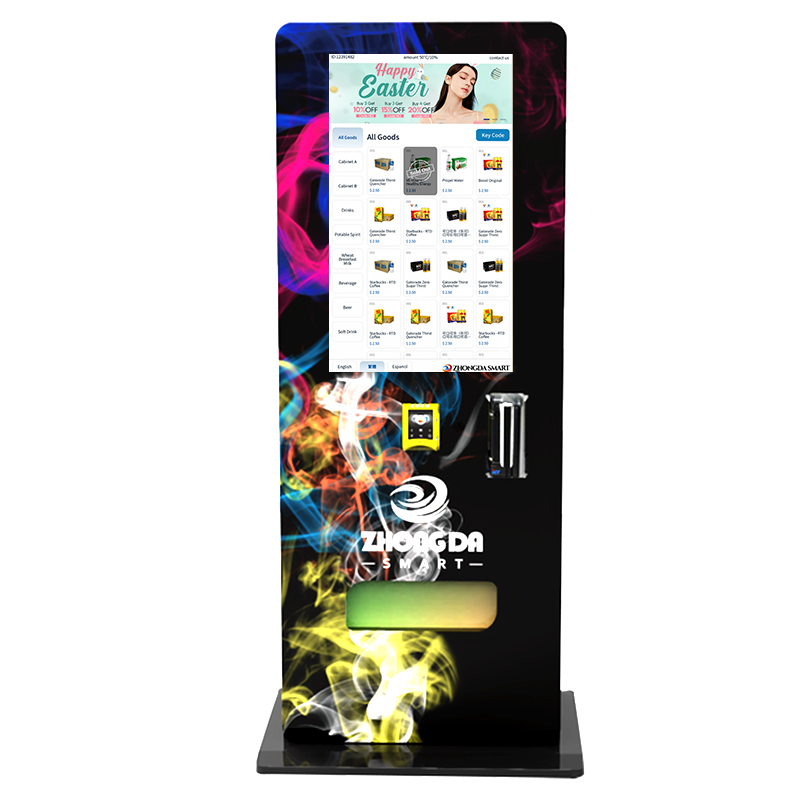
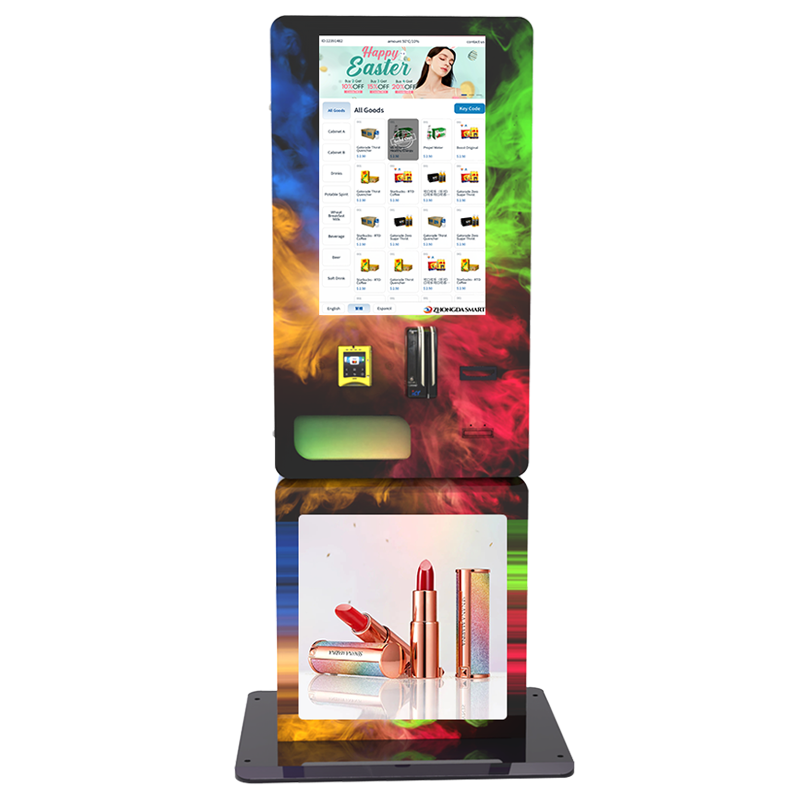
After a decade of placing machines across hundreds of locations and manufacturing units that have run through millions of transactions, I can tell you the debate between a vape vending machine and a traditional vape shop isn't about which one wins. It is about which one makes you money for the specific job you need done. Traditional shops build community and brand loyalty, but a smart vending kiosk solves a brutal problem: selling vapor products when and where staffed retail simply can't operate profitably. Let's break down the real costs, margins, and operational traps I have seen operators fall into over the last fifteen years.
The Core Difference: Labor vs. Location
The fundamental split between a self-service kiosk and a brick-and-mortar store comes down to one line item on your P&L: payroll. A traditional vape shop requires a manager, a sales associate, inventory control, and rent for a storefront that needs foot traffic to survive. A vape vending machine replaces the human element with an automated checkout, ID scanning, and inventory tracking system. This isn't a judgment on service quality; it is a mathematical reality.
I have seen operators run a single high-traffic machine that generates $4,000 a month in gross revenue with zero staffing costs. That same revenue in a traditional shop would require roughly $2,500 in payroll and rent alone before you touch product cost. The machine wins on efficiency. But the shop wins on average transaction value because a trained employee can upsell a pod system, a bottle of salt nicotine, and a replacement coil in one conversation. The machine sells one item at a time unless you program a bundle, which most operators skip.
Where the Smart Kiosk Excels
The real sweet spot for a vape vending machine is a location where a human cannot economically stand for eight hours. Think of a bar that closes at 2 AM. A nightclub with a dress code. A hotel lobby with a front desk that doesn't want to handle age-restricted inventory. These are environments where a traditional shop simply cannot exist. The machine becomes the only legal sales channel available during those hours.
I have a client who runs a compliance-focused machine in a casino corridor. That unit does over $6,000 a month in sales because the alternative for the customer is a twenty-minute drive to the nearest vape shop that closes at 9 PM. The machine captures late-night impulse buys that would otherwise be lost entirely. That is the value proposition you cannot replicate with a human-staffed store.
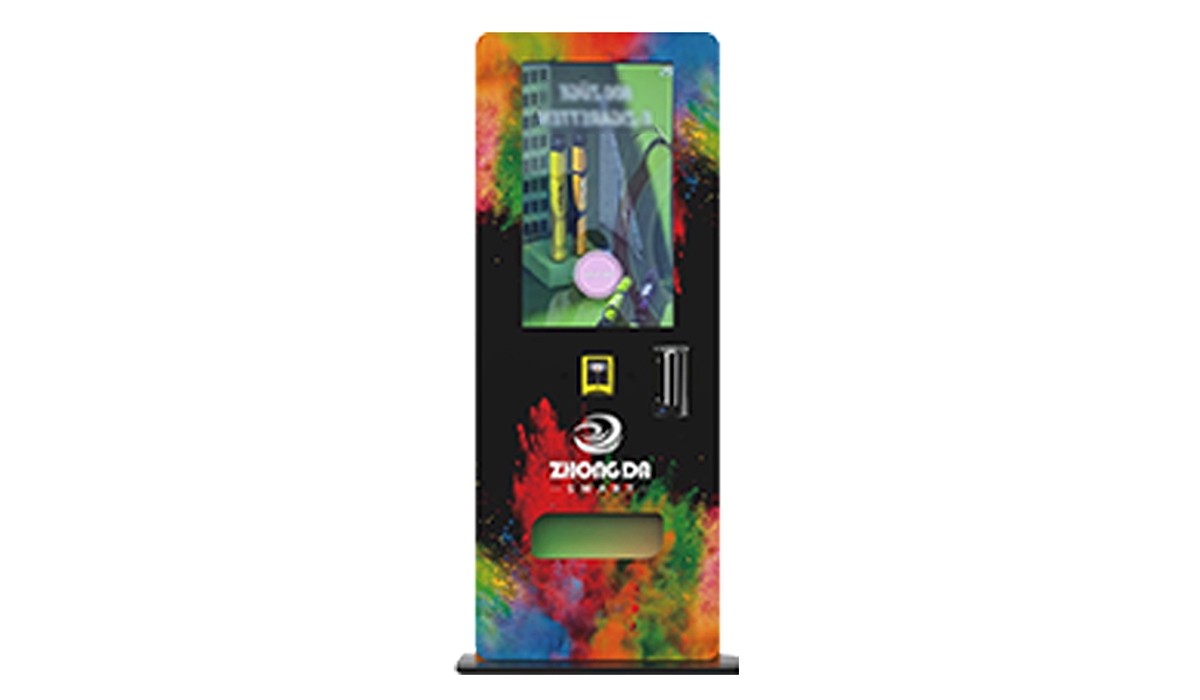
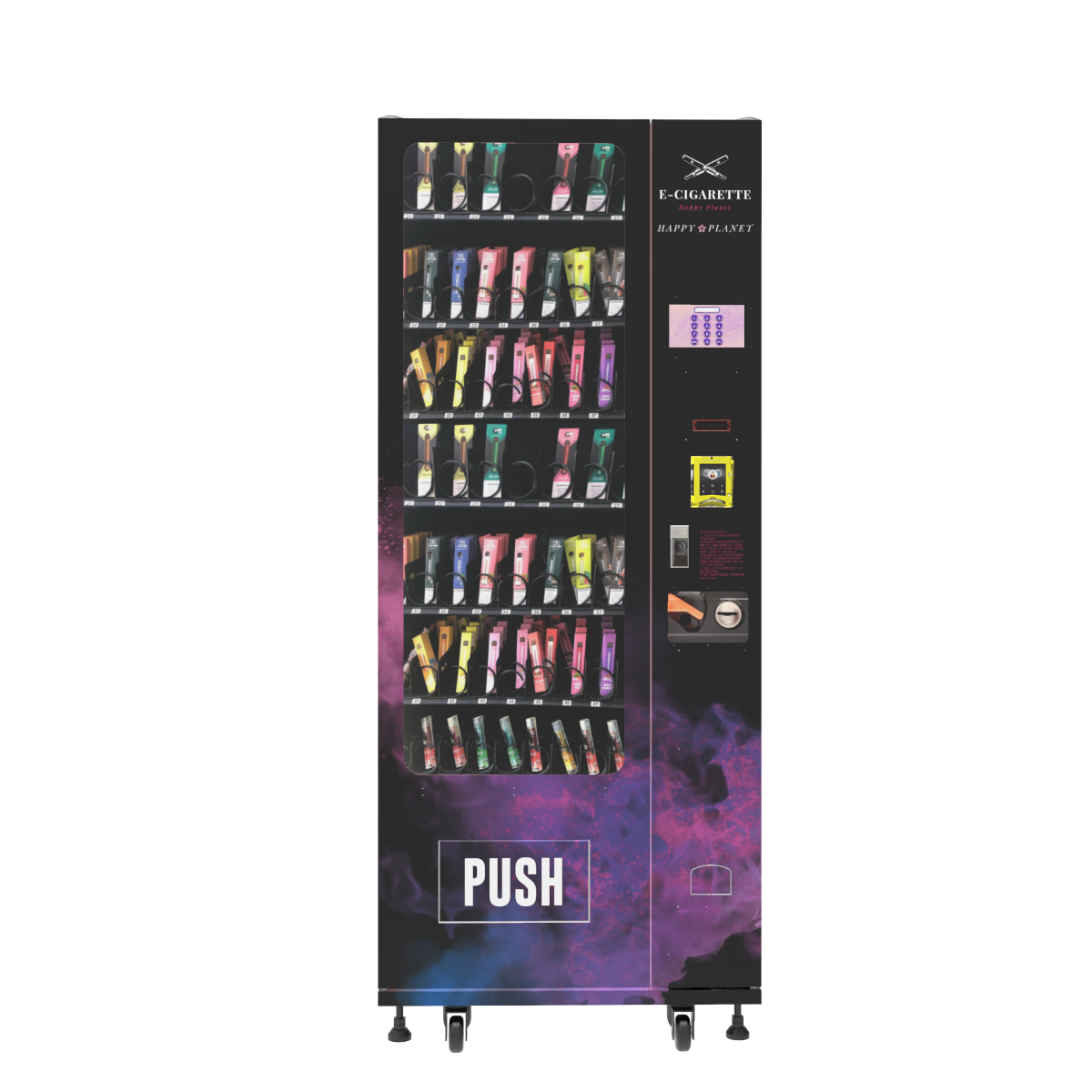
For more details on the hardware that handles these environments, you can look at the compliance-focused e-cigarette vending machine that integrates age verification directly into the purchase flow.
Upfront Investment and Break-Even Timelines
Let's talk real numbers because I have seen too many people buy a cheap unit and then wonder why it breaks down three months in. A quality vape vending machine from a reliable manufacturing partner costs between $5,000 and $12,000 depending on the features you need. A traditional vape shop buildout, including lease deposits, shelving, point-of-sale systems, and initial inventory, typically runs between $40,000 and $80,000. That is a massive difference in capital commitment.
| Cost Category | Vending Kiosk | Traditional Shop |
|---|---|---|
| Initial Equipment | $5,000 - $12,000 | $15,000 - $30,000 (POS, shelving, register) |
| Lease Deposit & Buildout | $0 (placed in existing location) | $15,000 - $40,000 |
| Initial Inventory | $2,000 - $4,000 | $10,000 - $25,000 |
| Monthly Operating Costs | $100 - $300 (electricity, data) | $3,000 - $8,000 (rent, payroll, utilities) |
| Break-Even Timeline | 3 - 8 months | 12 - 24 months |
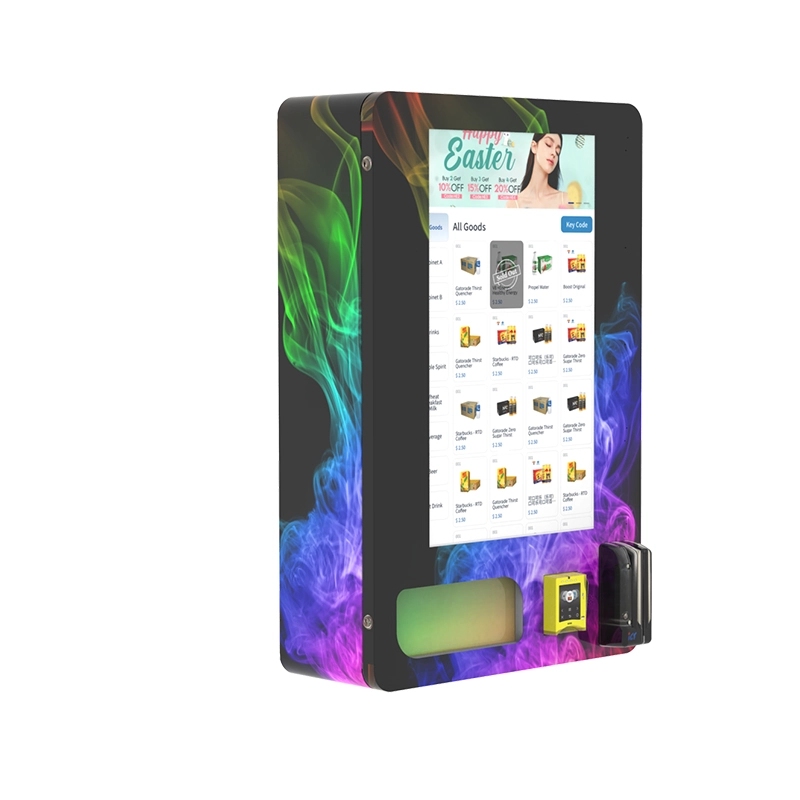
The break-even on a vape vending machine is shockingly fast if you place it right. I have seen a machine in a busy bodega pay for itself in four months. A traditional shop rarely breaks even in the first year unless the owner already has a customer base from a previous business.
The Hidden Cost of Compliance
This is where I see operators get burned. A traditional vape shop relies on a human checking IDs. If that human makes a mistake and sells to a minor, the shop owner faces fines that can exceed $10,000 and potential loss of license. A vape vending machine with built-in age verification removes that human error entirely. But not all machines are built the same. Cheap units use a simple calendar prompt. Legitimate machines use a scanner that reads the barcode, verifies the date of birth against the current date, and rejects expired or underage IDs.
I have been manufacturing units that use a three-step verification process: scan the barcode, check the date of birth, and require a signature on screen. This level of compliance is why many bars and casinos will only accept a machine that carries a specific certification. If you are planning to place machines in high-risk locations, you need a unit that can prove compliance in an audit. The ID scan vending machine is specifically designed for this regulatory environment.
Profit Margins: Which Model Puts More Cash in Your Pocket?
Gross margins on vapor products are fairly consistent across both channels. You are looking at a 40% to 60% margin on hardware and a 60% to 80% margin on e-liquid and pods. The difference is in the volume and the overhead. A traditional shop moves more units per square foot because a customer walks in and buys a month's supply. A vape vending machine typically sells single items or small packs. The margin per transaction is higher on the machine because there is no employee discount, no shrinkage from theft, and no cash handling errors.
I ran a comparison between one of my shop clients and one of my machine clients in the same city over a six-month period. The shop did $120,000 in revenue with a net profit of $18,000 after all expenses. The single machine did $28,000 in revenue with a net profit of $14,000. The machine had a 50% net margin. The shop had a 15% net margin. The shop required forty hours a week of the owner's time. The machine required two hours a week for restocking and maintenance. Which one is a better business? That depends on whether you want to own a job or own an asset.
Inventory Management and Shrinkage
Shoplifting is a massive problem in traditional vape shops. I have had clients lose over $3,000 a year in stolen product. A vape vending machine eliminates theft entirely because the product is locked behind a glass door until payment is completed and age is verified. The only risk is vandalism, which is rare with a well-built steel cabinet. I have machines that have been in the same bar for five years without a single break-in attempt.
Real-World Deployment: What I Learned the Hard Way
I want to share a specific failure because it is more useful than a list of successes. We placed a machine in a high-traffic convenience store in a busy downtown area. The location was perfect. The foot traffic was incredible. But we used a machine that did not have a secure enough cash vault. The machine was broken into twice in three months. We lost $1,200 in cash and $800 in product. That was a failure of hardware selection, not of the vending concept.
We replaced that unit with a heavy-gauge steel machine from our own line that had a UL-rated lock and a cash vault that would require an angle grinder to breach. That machine has been in the same spot for three years without an incident. The lesson is simple: do not buy the cheapest machine you can find. Buy the machine that is built for the environment you are placing it in. If you are placing in a rough area, spend the extra money on a reinforced cabinet.
Another mistake I see constantly is underestimating restocking frequency. A machine that sells high-volume disposable vapes needs to be restocked every three to four days if it is in a busy location. If you let it run empty for a week, customers stop coming back. You lose the location because the venue owner sees a broken machine taking up space. I recommend using a telemetry system that sends you an alert when a coil is below 20% capacity. This is standard on newer units, but older machines require manual checks.
Customer Experience and Retention
A traditional vape shop offers a social experience. Customers come in to try new flavors, ask questions about nicotine strength, and talk to someone who understands their setup. A vape vending machine cannot replicate that. But it does not need to. The machine serves a different purpose: convenience and speed. A customer who knows exactly what they want does not want to wait in line at a shop. They want to swipe their card, scan their ID, and grab their product in under thirty seconds.
I have seen machine locations develop a loyal following simply because they are open 24/7. A customer who works a night shift cannot get to a traditional vape shop that closes at 9 PM. That customer will drive ten minutes out of their way to use a machine that is open at 3 AM. That is a captive audience that a traditional shop cannot touch.
Technology Integration and Payment Systems
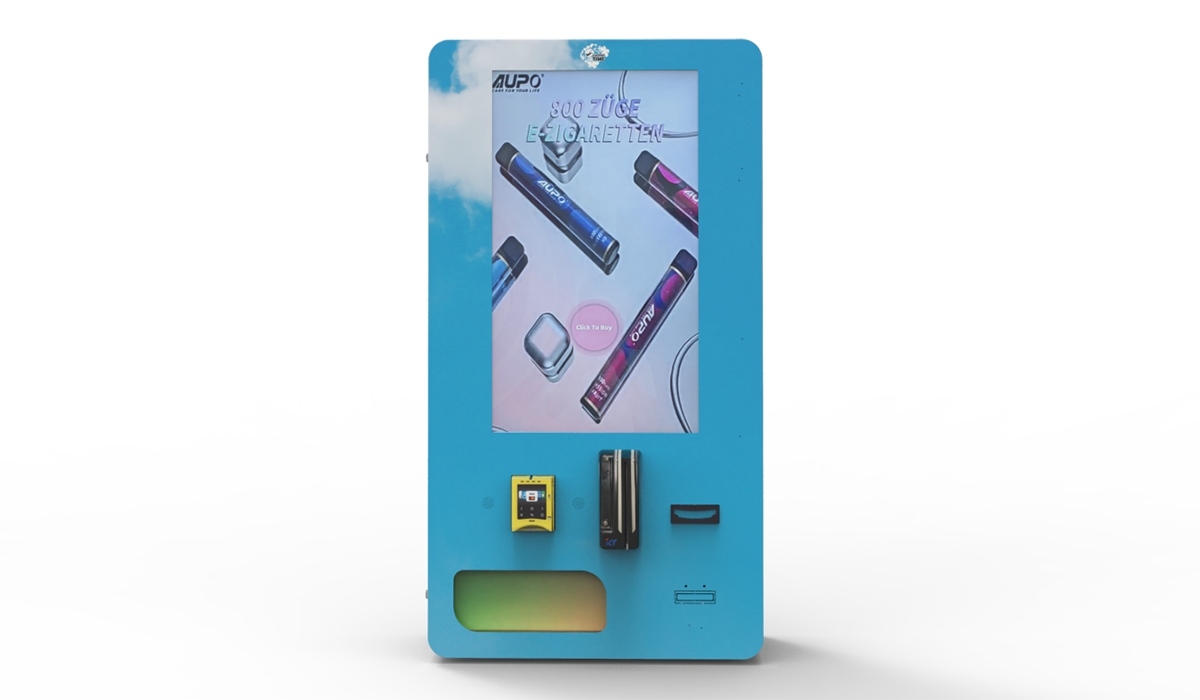
The modern vape vending machine is essentially a smart retail terminal. It needs to accept credit cards, mobile wallets like Apple Pay and Google Pay, and sometimes even cryptocurrency depending on the market. It also needs to integrate with a back-end system that tracks inventory, sales, and age verification logs. I have seen operators try to use a generic candy machine for vape products. It fails every time because the payment system cannot handle the age verification requirement.
If you are looking at a machine, make sure it has a 21+ age verification system that is compliant with local regulations. The age verification vending machine is built with this specific requirement in mind, including a camera for audit trails if needed.
Long-Term Strategy: Which Model Scales Better?
If you want to build a business that can be managed remotely or eventually sold, the vape vending machine model scales far better than a traditional shop. You can place ten machines across a city and manage them with one part-time employee who handles restocking and maintenance. A traditional shop requires a full-time manager for every location. The overhead multiplies with every new store you open.
I know an operator who runs forty machines across three states. He has two employees who handle restocking routes. His profit margin is over 40% after all costs. Try doing that with forty traditional vape shops. You would need forty managers, forty leases, and forty sets of utilities. The math does not work.
However, the machine model requires a different skill set. You need to be good at negotiating location agreements. You need to understand machine maintenance. You need to be comfortable with data analytics to know which products sell in which locations. It is not a passive income stream. It is a logistics business. But if you are willing to learn the operational side, it is one of the most profitable retail models I have ever seen.
When You Should Still Open a Traditional Shop
I am not saying machines replace shops entirely. If you want to build a brand, offer custom coil building, or run a lounge where customers can hang out and vape, you need a physical location. A machine cannot build a community. But if you are purely focused on transactional sales of packaged goods, the machine wins on every metric: cost, compliance, and convenience.
Many of my clients run a hybrid model. They have a traditional shop as their flagship location and then place vape vending machines in satellite locations like bars, hotels, and office buildings. This gives them the brand presence of a shop with the reach of a vending network. It is the best of both worlds if you have the capital to do both.
Risk Factors and Common Failure Points
I have been in this business long enough to see what kills a vending operation. Here are the three biggest risks I have observed:
- Location Death: A machine in a dying location will never make money. Do not sign a long-term placement agreement without testing the traffic for at least sixty days.
- Regulation Changes: Local laws can change overnight. I have seen entire markets shut down because a city council banned self-service sales of nicotine products. Always have a contingency plan to relocate machines.
- Technical Failure: A machine that goes offline for a week loses customer trust. Invest in a machine with remote monitoring so you know immediately when something goes wrong.
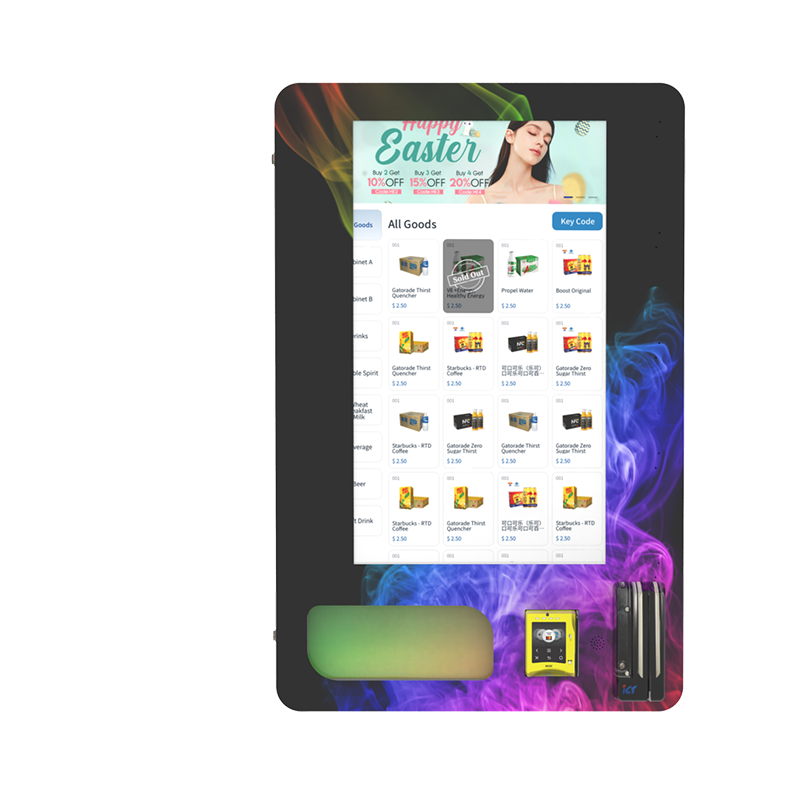
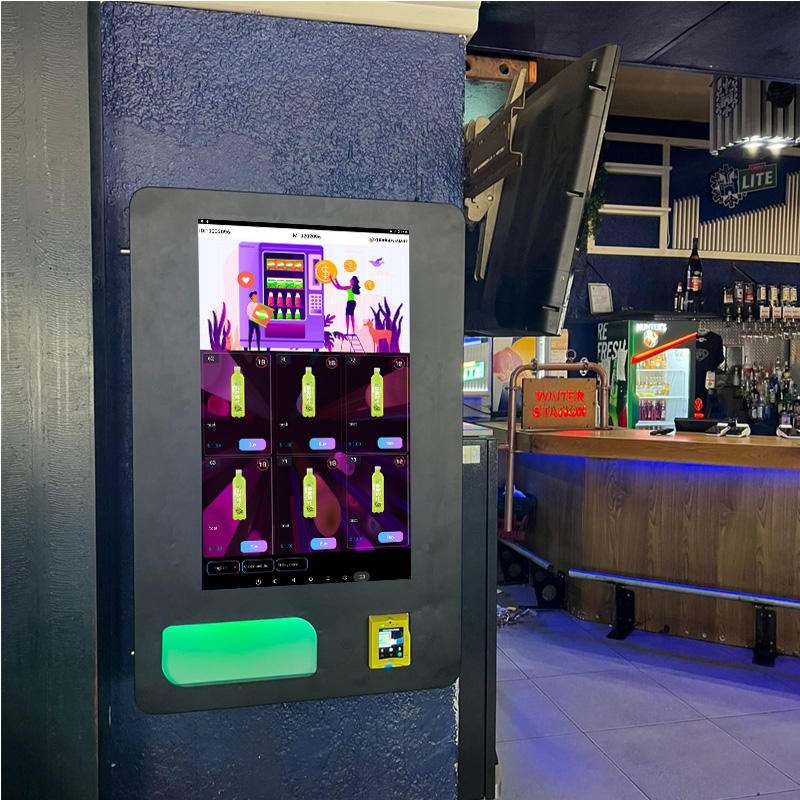
The wall-mounted compact vending machine is a good option for locations with limited floor space, but make sure it has the same level of connectivity and security as a full-size unit.
Final Verdict from a Manufacturer's Perspective
After fifteen years of building and operating these machines, I can tell you that the vape vending machine is not a replacement for a traditional vape shop. It is a different tool for a different job. If you want to sell to customers who are already in a location where a shop cannot exist, the machine is the only option. If you want to build a retail brand with a loyal customer base, open a shop. But if you want to maximize profit per dollar of investment, put a machine in a high-traffic, low-overhead location and watch the numbers work.
I have seen too many people lose money on cheap machines and bad locations. Do your homework. Buy from a manufacturer that has been in the business long enough to know what works. I have been building these units for over a decade, and I have made every mistake you can imagine. I am happy to share what I have learned so you do not have to repeat them.
For a deeper dive into the operational side, you can read about how to start a vape vending machine business and the specific steps required to get your first unit deployed.
Frequently Asked Questions
Can a vape vending machine replace a traditional vape shop entirely?
How much does a compliant vape vending machine cost?
What is the biggest risk with a vape vending machine?
Do I need a special license to operate a vape vending machine?
How often do I need to restock a vape vending machine?
Sources and References
- Statista. "Vending machine market size in the United States from 2019 to 2028." Statista - Vending Machines
- IBISWorld. "Tobacco & Vape Store Industry in the US - Market Research Report." IBISWorld - Tobacco & Vape Stores
- Forbes. "The Rise of Automated Retail in High-Risk Industries." Forbes - Automated Retail
- Bloomberg. "Vaping Industry Faces New Compliance Challenges in 2024." Bloomberg - Vaping Compliance
- National Automatic Merchandising Association (NAMA). "Age Verification Best Practices for Vending." NAMA - Age Verification