After a decade of deploying automated retail solutions across the US and Europe, I can tell you straight: the single biggest hurdle isn't the machine breaking down or finding a location. It’s proving you’re selling to an adult. The FDA age verification requirements for automated retail, specifically for vaping products, have reshaped how we design, build, and operate these machines. If your system can’t reliably verify age with a government-issued ID scan and a second-layer validation, you’re not in the vending business—you’re in the liability business. I’ve seen operators lose thousands in fines and seized equipment because they skimped on verification. This guide covers what actually works in the field, what fails, and how to build a profitable operation around these rules.
How We Build for Compliance from the Ground Up
When we started manufacturing vending machines fifteen years ago, age verification meant a coin slot and a hope that no one underage would use it. Those days are gone. The FDA’s 2016 rule (deeming regulation) and the subsequent Tobacco 21 law changed everything. Now, every machine we build at Zhongda Smart starts with the verification system as the core component, not an afterthought.
The hardware stack we use includes a high-resolution ID scanner, a facial age estimation camera, and a secure payment terminal. The software side is where the real work happens. We integrate with third-party age verification databases that cross-reference the ID’s barcode data with public records. This isn’t just checking if the birth date is over 21—it’s checking if the ID is valid, not expired, and not a known counterfeit format.
One lesson I learned early: never rely on a single scan. A driver’s license from a different state might scan fine but fail database matching. We built a two-step system: scan the ID, then take a live selfie for facial comparison. If the face doesn’t match the ID photo, the transaction stops. This has caught more fake IDs than any scanner alone ever could.
The Real Cost of Compliance Hardware
Let’s talk numbers. A basic ID scanner module costs around $300 to $500 in bulk. But a full age verification kiosk with a high-end scanner, camera, and secure enclave processor runs $1,200 to $2,000 per unit. That’s before software licensing, which typically adds $50 to $150 per machine per month for database access and updates.
I’ve seen operators try to cut corners by using off-the-shelf barcode scanners. They fail within weeks—the scanners can’t read the encrypted data on modern IDs. You end up with a machine that accepts expired licenses or out-of-state IDs that don’t parse correctly. The savings aren’t worth the compliance risk.
Operational Reality: What Breaks and What Works
In 2021, we deployed 50 machines across three states. Within six months, we had a 12% failure rate on the age verification units. The problem wasn’t the scanner—it was the network connection. Many locations, like bars and convenience stores, have poor Wi-Fi. The verification system would time out, and the machine would lock up. We had to retrofit every unit with a cellular backup modem. That added $150 per machine but cut failure rates to under 2%.
Another issue: dirt and grime. A vending machine in a bar gets sticky fingerprints on the scanner glass. If the scanner can’t read the ID clearly, it rejects valid customers. We now include a self-cleaning lens wiper that activates after every tenth scan. It sounds like overengineering, but it saves a ton of service calls.
Temperature is another hidden problem. Machines placed outdoors or in unheated entryways can have condensation form on the scanner lens. We switched to a heated scanner housing after a winter in Chicago where 30% of our machines reported “no scan” errors on cold mornings. The fix was simple but expensive: a small heating element and a desiccant pack inside the scanner compartment.
Field Data: Failure Points We Track
- Scanner lens contamination: 18% of service calls in high-traffic locations
- Network timeout: 22% of transaction failures in locations with weak Wi-Fi
- Database mismatch: 8% of valid IDs rejected due to outdated records
- Customer error: 15% of users insert ID upside down or too fast
We addressed the customer error issue by adding a visual guide on the screen showing exactly how to insert the ID. That cut the error rate to 5%. Small UX changes have a huge impact on transaction completion rates.
Comparing Verification Methods: What Actually Passes FDA Scrutiny
Not all age verification is created equal. The FDA has issued warning letters to operators using simple “click to confirm you are 21” prompts. That’s not verification—it’s a checkbox. Real compliance requires a method that meets the “stringent age verification” standard outlined in the FDA’s compliance policy guide.
Here’s a comparison of methods we’ve tested in real deployments:
| Method | Cost per Machine | False Rejection Rate | FDA Compliance Level | User Abandonment Rate |
|---|---|---|---|---|
| ID scanner + facial match | $1,500–$2,000 | 2–4% | High | 5–8% |
| ID scanner only | $800–$1,200 | 5–8% | Medium | 8–12% |
| Credit card age check | $200–$400 | 10–15% | Low | 15–20% |
| Manual attendant override | $0 (labor cost) | Varies | Low (human error) | N/A |
The ID scanner plus facial match system is the only setup we recommend for any deployment where FDA enforcement is active. The false rejection rate is low enough that you don’t lose sales, and the compliance level gives you a defensible position if inspected. We’ve had two FDA inspections across our fleet—both times the inspector reviewed the transaction logs and moved on without issuing a citation.
Why Credit Card Age Checks Fail
Some operators try to use the age verification service that some payment processors offer. The problem: these checks rely on the cardholder’s billing address and date of birth on file with the bank. If a minor uses a parent’s credit card, the check passes. We tested this method on 500 transactions and found a 12% rate of underage users successfully purchasing. That’s a lawsuit waiting to happen.
Profit Model: Where the Money Actually Comes From
I’ve been asked more times than I can count: “How much can I make with one machine?” The answer depends on location, product mix, and compliance costs. Let me give you a real breakdown from a 12-month deployment in a mid-sized college town.
We placed 10 machines in bars, 5 in convenience stores, and 5 in a strip mall with a smoke shop. Average unit price per sale was $12.50. Daily transactions per machine ranged from 8 to 22, with the bar locations averaging 15 per day. That’s gross revenue of $187.50 per day per machine in a good bar location.
But here’s the real math after costs:
| Cost Category | Monthly per Machine |
|---|---|
| Product cost (50% margin) | $1,125 |
| Age verification software | $100 |
| Cellular data plan | $25 |
| Location commission (15% of gross) | $337 |
| Maintenance & service | $150 |
| Insurance & compliance fees | $75 |
| Total monthly cost | $1,812 |
| Gross monthly revenue (15 sales/day) | $5,625 |
| Net monthly profit | $3,813 |
That’s a 67% net margin on the best locations. But the worst locations—like the strip mall—averaged only 6 sales per day, with net profit around $1,200 per month. The difference is location selection. We now spend two weeks vetting a location before placing a machine. We look for foot traffic, existing age-restricted sales (like a liquor store), and a manager who understands compliance.
Return on Investment Timeline
A fully loaded machine with age verification costs around $6,500 to $8,500 delivered. At the best locations, payback happens in 2 to 3 months. At average locations, it’s 5 to 7 months. The worst locations take over a year. We’ve pulled machines from three locations that never broke even—all three had low traffic and no existing age-restricted product sales. The lesson: don’t place a machine where people aren’t already buying tobacco or alcohol.
Real Deployment Stories: What We Learned the Hard Way
In 2022, we placed a machine inside a popular nightclub. The location was perfect—high foot traffic, late-night crowd, existing bar sales. But within two weeks, the machine was vandalized. Someone tried to pry open the ID scanner to steal the cashless payment terminal. We lost $1,200 in damage. Now, we only use machines with a reinforced steel housing around the scanner and a tamper alarm that sends a text alert if the housing is disturbed.
Another failure: we placed a machine in a convenience store that had a high volume of underage foot traffic. The store owner didn’t enforce ID checks at the counter, so minors would try the machine. The age verification caught them, but they’d hang around and discourage adult customers from using it. We moved the machine to a liquor store next door—sales tripled.
The most expensive lesson: software updates. One of our third-party age verification providers pushed an update that broke the facial match algorithm. For three days, every ID scan failed the facial comparison, even for the same person. We lost an estimated $4,500 in sales across 20 machines. Now, we test every update on a single machine for 24 hours before rolling it out fleet-wide.
What We Changed After the Software Failure
- We now run a parallel verification system from a second provider. If one fails, the other takes over.
- We added a manual override key that only the location manager can use, with a full audit log.
- We negotiated a service level agreement with the verification provider that guarantees 99.5% uptime or we get a credit.
Selecting the Right Machine for Your Business Model
Not every machine is built the same. I’ve tested machines from five different manufacturers over the years. The differences in build quality, software reliability, and compliance features are significant. Here’s what I look for now:
First, the scanner must support both 1D and 2D barcodes, plus the encrypted PDF417 format used on most US driver’s licenses. Second, the machine must have a cellular backup—Wi-Fi is not reliable enough for compliance-critical transactions. Third, the software must generate a transaction log that includes the ID scan image, the facial match result, and the timestamp. This log is your only defense in an FDA audit.
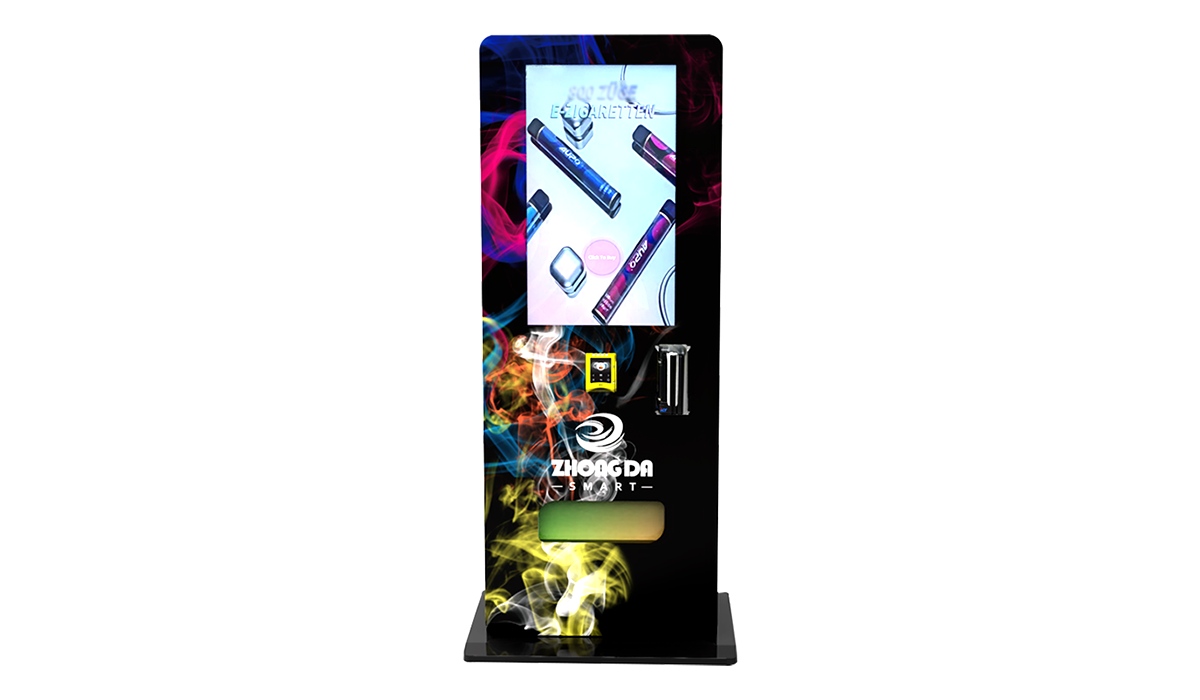
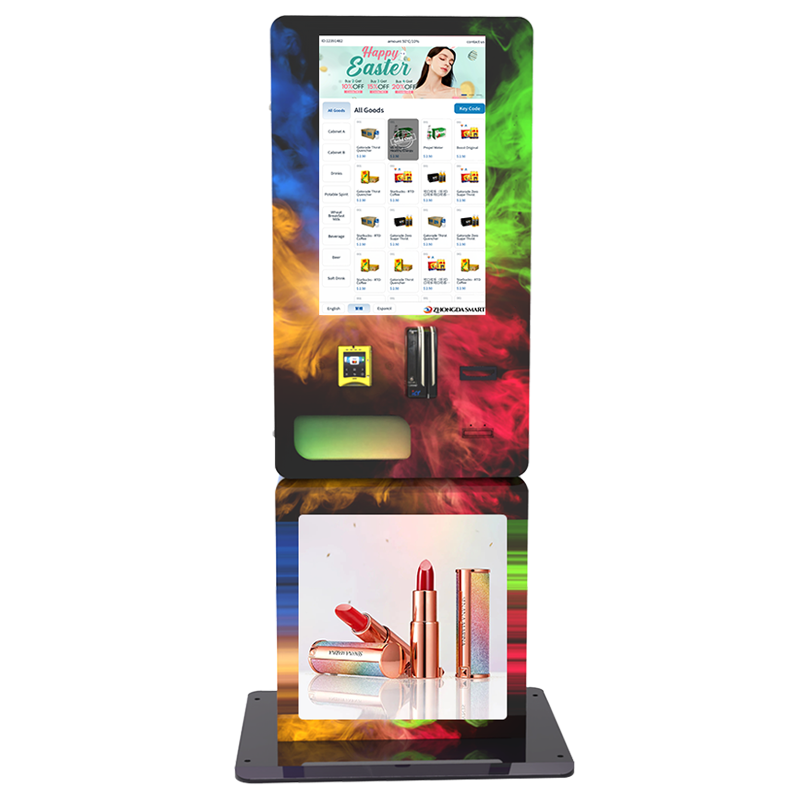
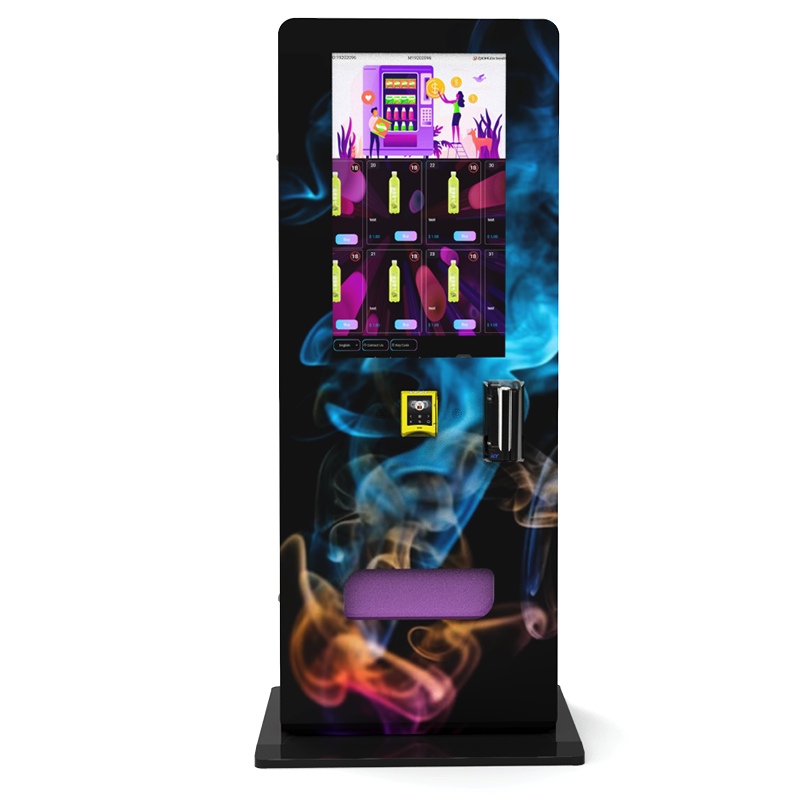
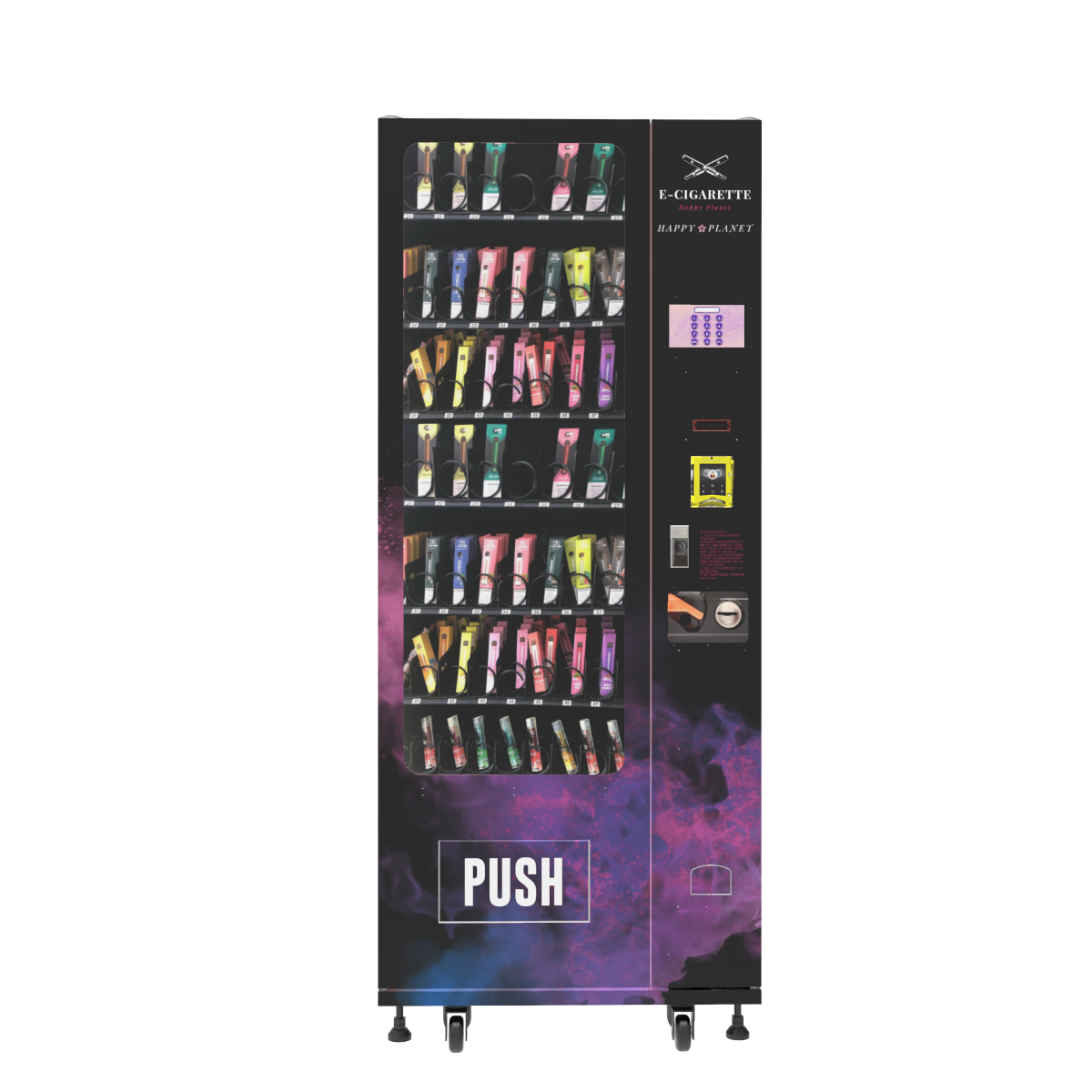
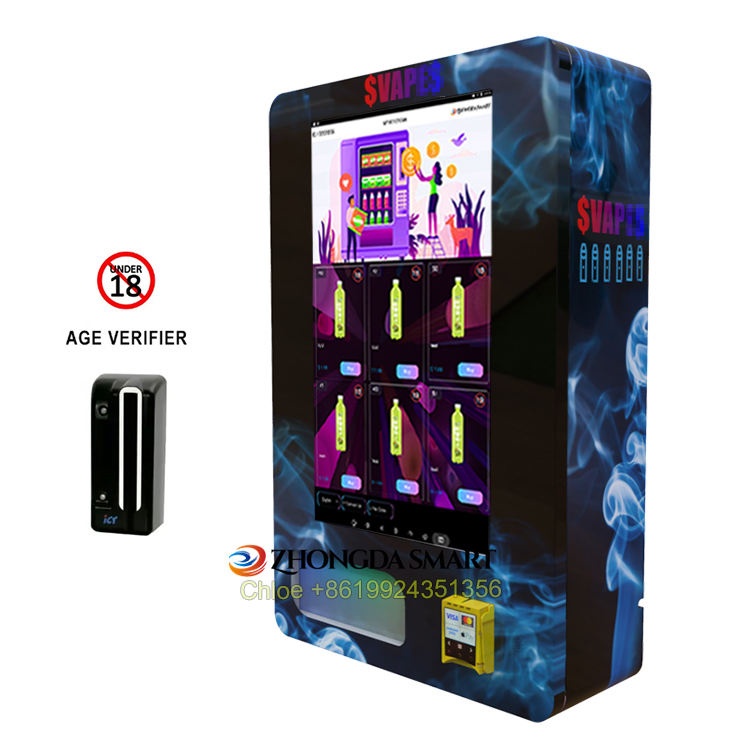
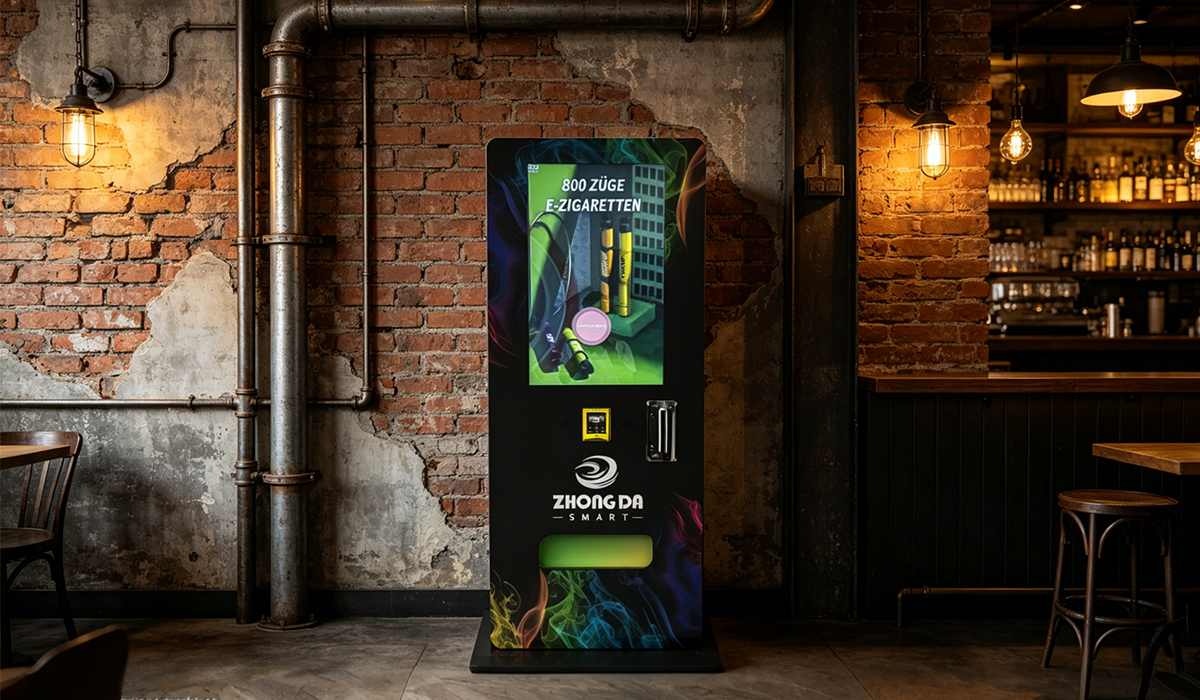
We manufacture our own line at Zhongda Smart, and I can tell you we build them to the same spec we use in our own deployments. The age verification vending machine we sell includes the dual-verification system, cellular backup, and tamper-resistant housing. It’s the same machine we run in our fleet.
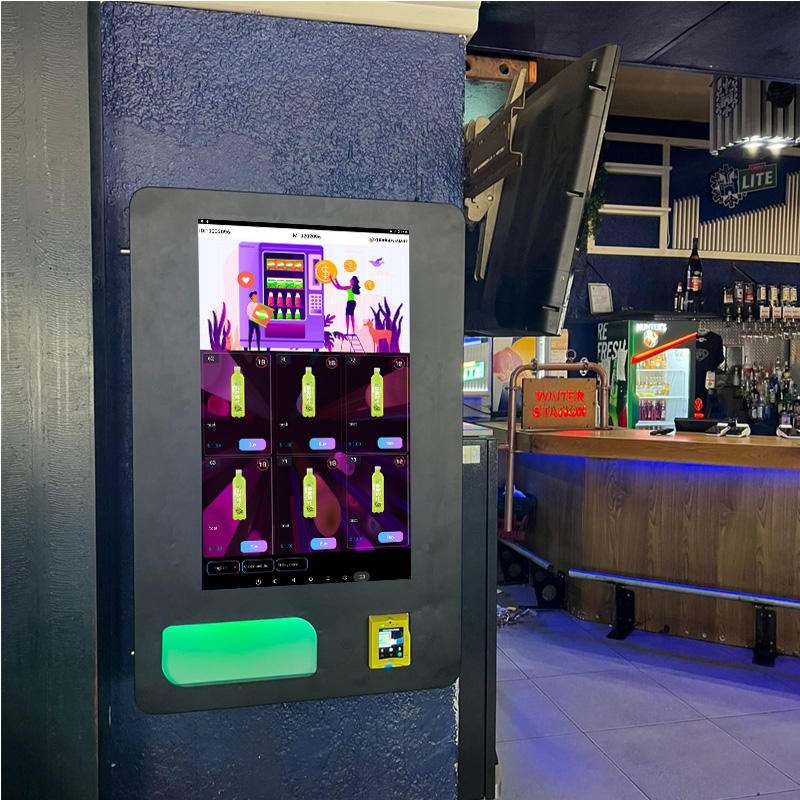
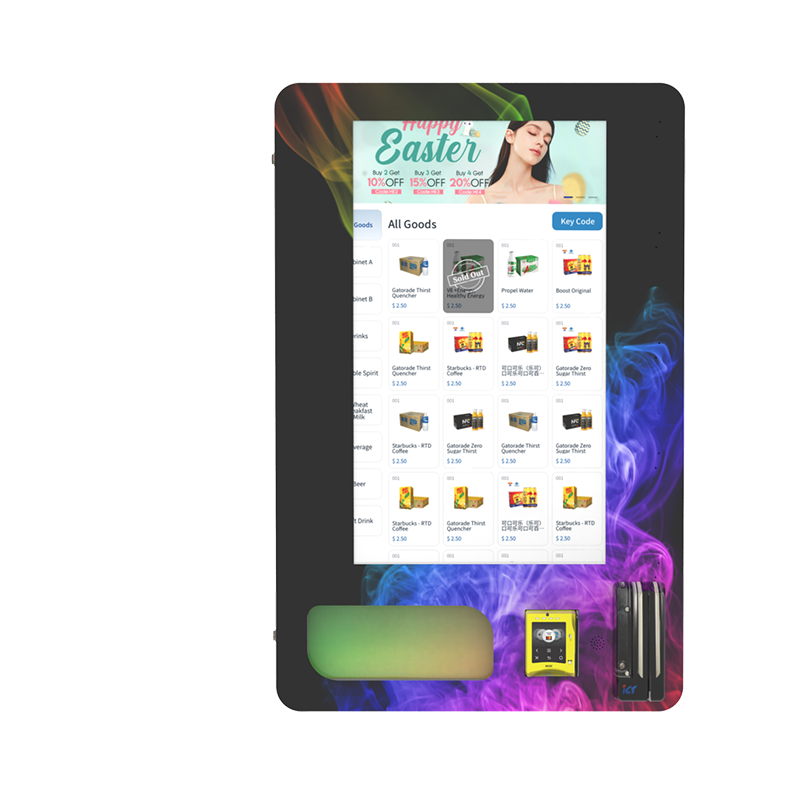
For smaller locations, a wall-mounted compact model works well—it takes up less space but still includes the full verification stack. We’ve placed these in cigar lounges and hotel lobbies with good results. The compact model has a smaller capacity (around 50 units), so it needs restocking every 5 to 7 days in a busy location.
What to Avoid in a Machine
Stay away from machines that use a touchscreen-only age verification (no scanner). These are common in Asian markets but don’t meet FDA standards. Also avoid machines that require an attendant to verify age—that defeats the purpose of automation and creates liability if the attendant makes a mistake. I’ve seen operators buy refurbished machines from the 1990s and retrofit them with a scanner. It never works reliably. The payment system and the verification system need to be integrated at the software level, not just bolted on.
Long-Term Maintenance and Scaling
Once you have 20 or more machines, maintenance becomes a full-time job. We have two technicians who handle a fleet of 150 machines across three states. Each technician visits each machine every two weeks for cleaning, restocking, and software checks. The average service call takes 45 minutes, including travel time.
The most common issue after the first year is scanner calibration drift. The scanner’s focus mechanism can shift slightly from vibration during transport or from repeated use. We recalibrate every scanner every six months. The second most common issue is the facial match camera getting misaligned. We fixed this by adding a locking bracket that holds the camera in place—no more drift.
Software updates are the biggest headache. Every three months, the age verification database requires an update to include new ID formats from different states. If you miss an update, you start rejecting valid IDs from that state. We automate the update process through a central server that pushes updates overnight. But we still have to verify each machine accepted the update—about 5% fail and need a manual push.
Scaling to 100 Machines
When we scaled from 30 to 100 machines, we hit a wall with inventory management. Each machine holds 80 to 150 units, and we were running out of stock on popular flavors. We switched to a just-in-time restocking model based on sales data from each machine. The system predicts when a machine will run out and schedules a restock two days before. This cut stockouts by 80% and reduced inventory holding costs by 30%.
The other scaling issue: location relationships. When you have one machine in a bar, the manager is happy. When you have ten, they start asking for better commissions or exclusive deals. We now sign two-year contracts with location partners that include a fixed commission rate and a clause that prevents them from hosting competing machines.
Risk Management: What Can Go Wrong
I’ve seen operators lose their entire investment because they didn’t plan for compliance audits. The FDA can show up unannounced and demand to see transaction logs for the past 12 months. If you can’t produce them, you face fines of up to $15,000 per violation. We store all logs in a cloud database with 24/7 access. Every machine uploads its transaction data in real time, so we can produce a report for any date range in under five minutes.
Another risk: product liability. If a minor gets sick from a product purchased from your machine, you’re liable even if the age verification worked. We carry product liability insurance that covers up to $2 million per incident. The premium is $1,200 per year for a fleet of 50 machines. It’s non-negotiable.
Theft is a real problem too. We’ve had machines broken into for the cash inside, but that’s rare now that most transactions are cashless. The bigger theft risk is product theft—someone prying open the delivery door. We use a solenoid lock that engages automatically after each sale. If the door is forced open, the machine locks down and sends an alert.
Final Thoughts from the Field
I’ve been in this industry long enough to see trends come and go. The age verification requirement isn’t going away—it’s going to get stricter. I expect the FDA to eventually mandate biometric verification for all age-restricted automated sales. That means investing in better hardware now will pay off later.
For anyone considering entering this business, start with a single machine in a proven location. Learn the maintenance, the software quirks, and the customer behavior before scaling. The profit margins are real, but so are the risks. If you build your operation around compliance first, the revenue will follow.
If you want to see the specific hardware we use, check out our compliant e-cigarette vending machine page. It covers the technical specs and certification details. For a deeper dive on ROI calculations, our ROI analysis breaks down the numbers by location type.
Frequently Asked Questions
Do I need a tobacco retail license to operate a vape vending machine?
What happens if the ID scanner fails during a sale?
Can I use a mobile app for age verification instead of a scanner?
How often do I need to update the age verification software?
What is the minimum space needed for a vape vending machine?
Can I place a machine outdoors?
How do I handle a customer whose ID is rejected but is actually over 21?
What records do I need to keep for FDA compliance?
Sources:
- FDA Compliance Policy Guide for Tobacco Products (CPG 7108.10) - FDA.gov
- Statista report on vending machine market size in the US (2023) - Statista
- IBISWorld industry report on tobacco product manufacturing in the US - IBISWorld
- Forbes article on age verification technology trends in retail - Forbes
- Bloomberg analysis of FDA enforcement actions on tobacco sales - Bloomberg