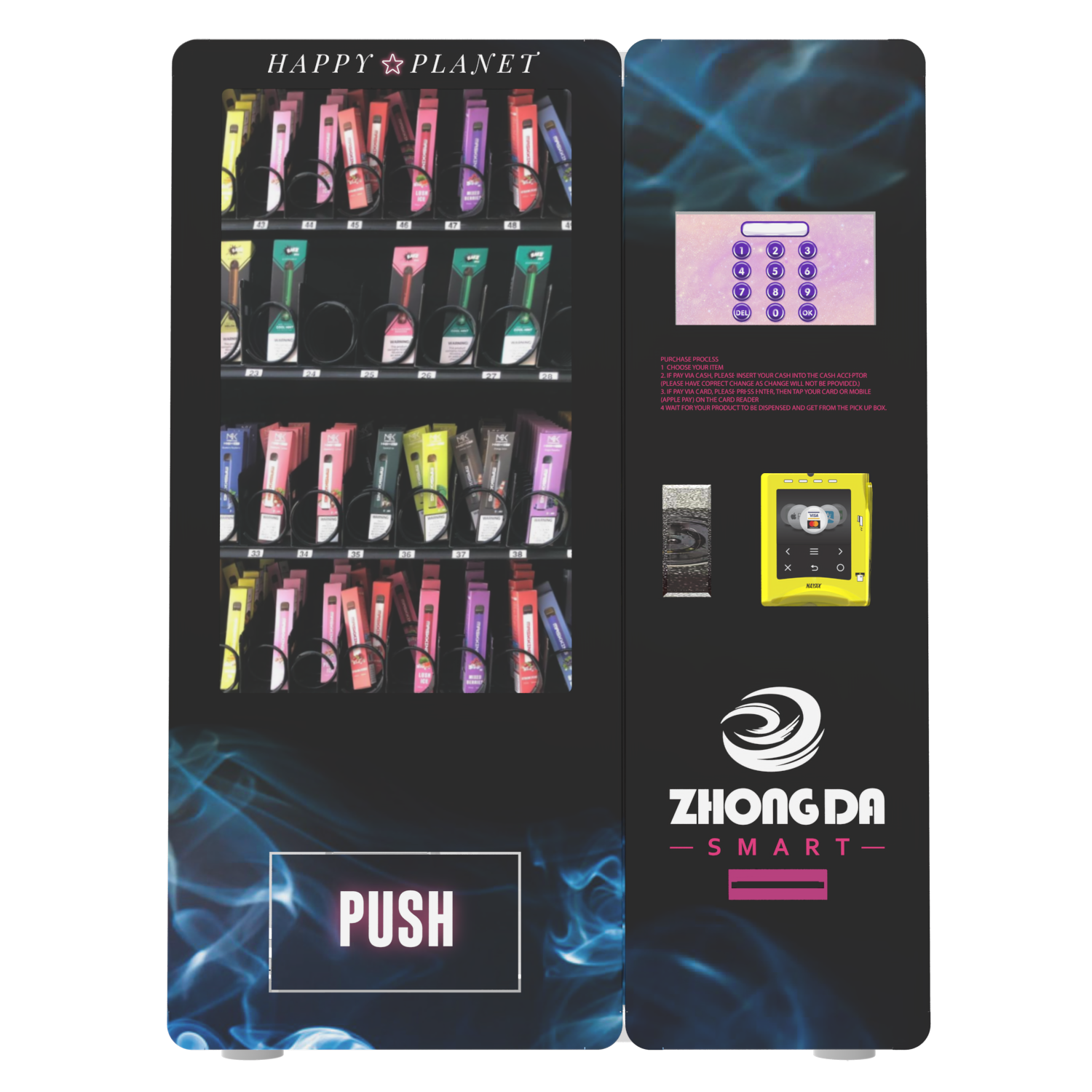
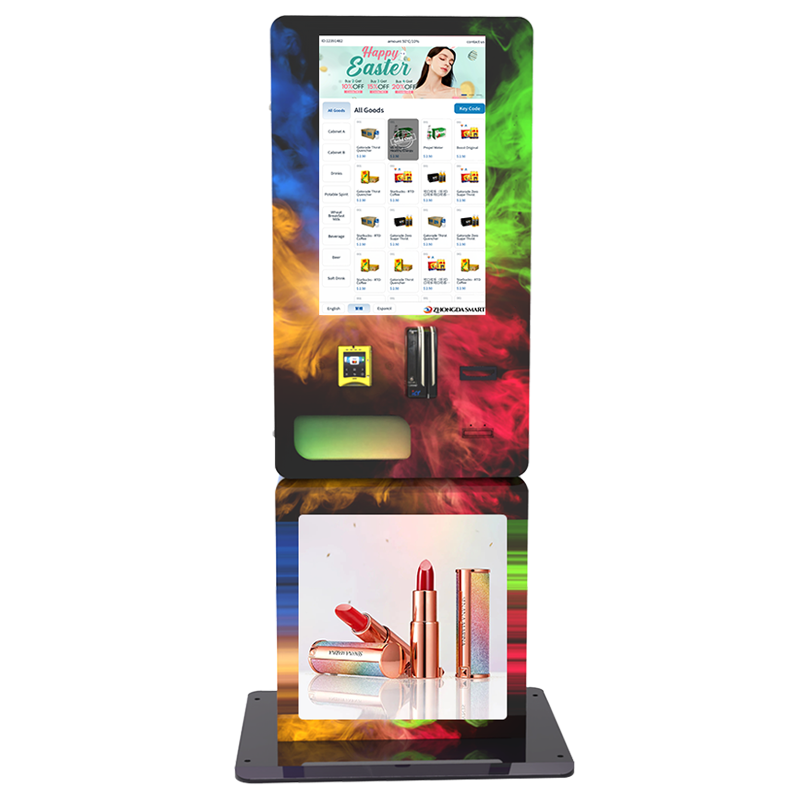
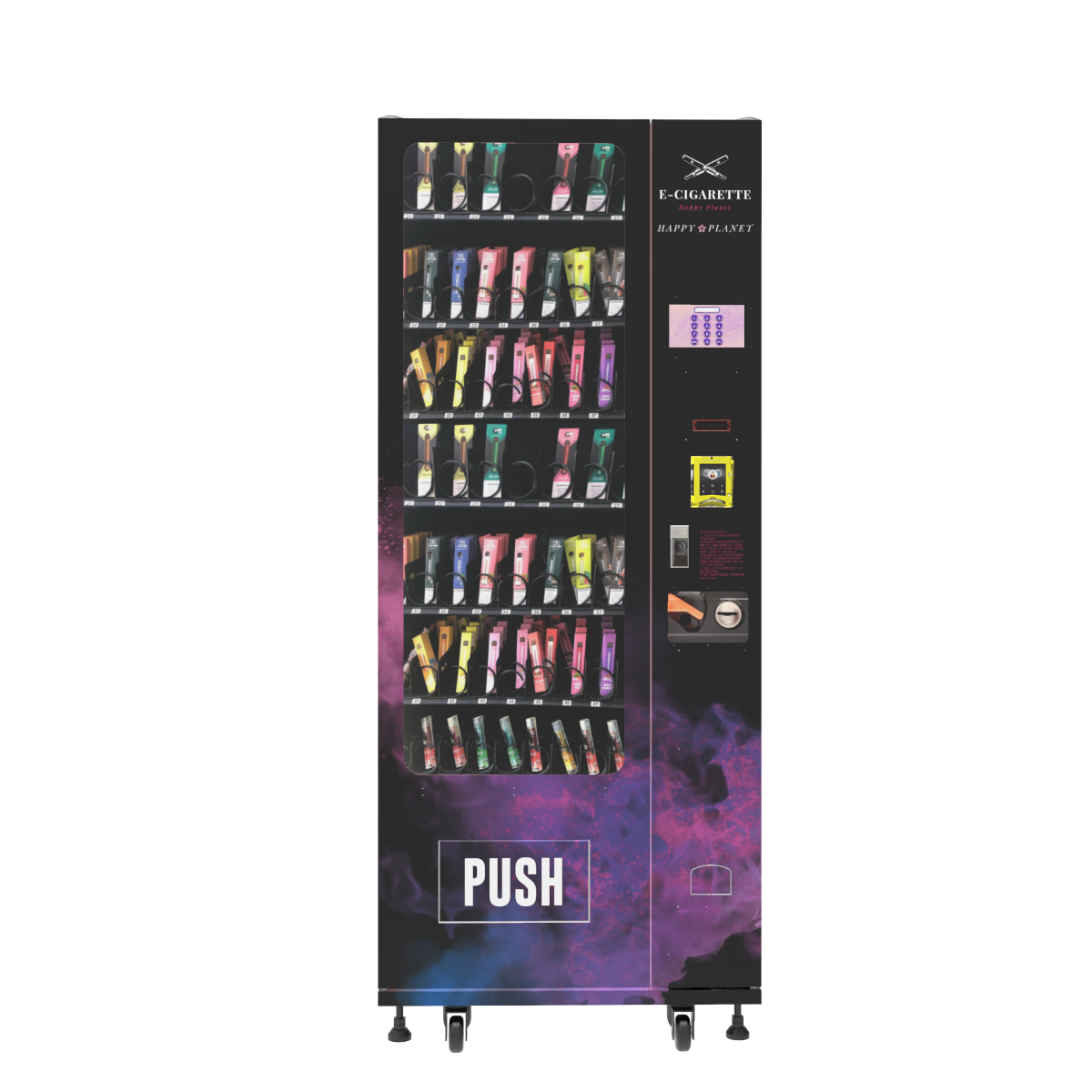
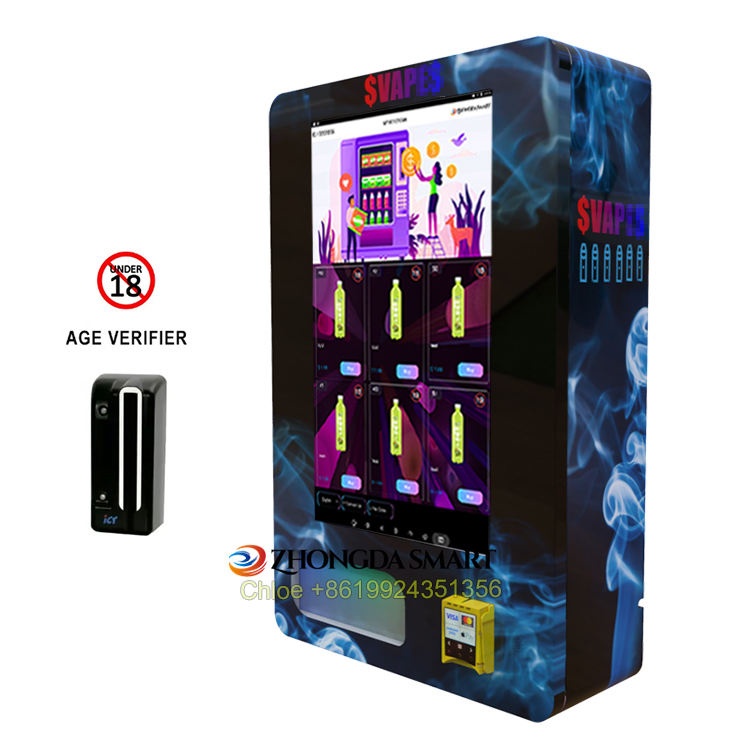
I’ve been in this business since before age verification was even a thing on vending machines. Back when you could walk into a bar, drop a few quarters into a cigarette machine, and walk out with a pack. That world is gone. Today, if you’re looking into an age verification vending machine, you’re not just buying a box that dispenses product. You’re buying a compliance system, a payment processor, a inventory manager, and a security guard all in one. And the price tag reflects that. Based on what I’ve seen across hundreds of deployments in the US and Europe, a fully compliant, commercial-grade unit typically lands somewhere between $4,500 and $12,000 per machine, depending on the features you choose. But that number alone doesn’t tell you whether you should write a check. The real question is what you get for that money, and whether the machine will actually make you money on the other side.
The Engineering Behind the Price Tag
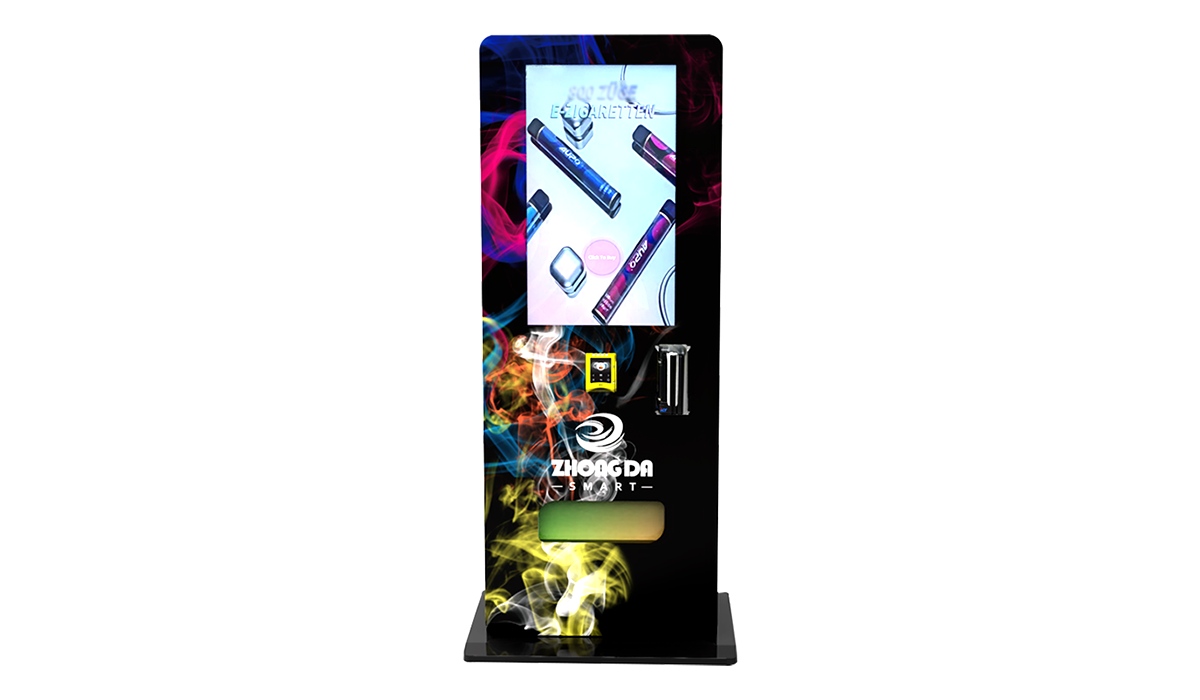
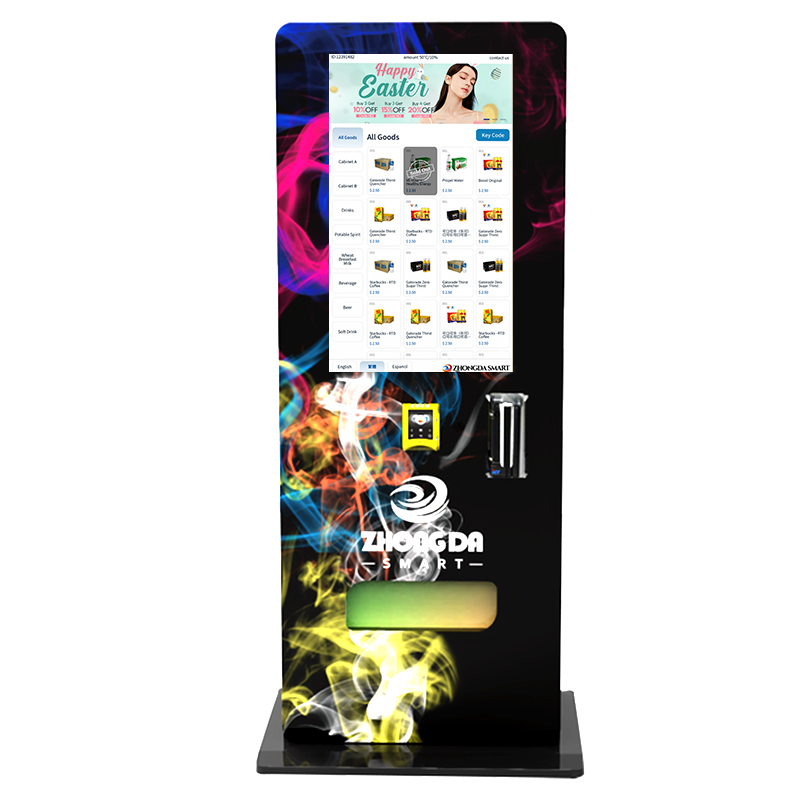
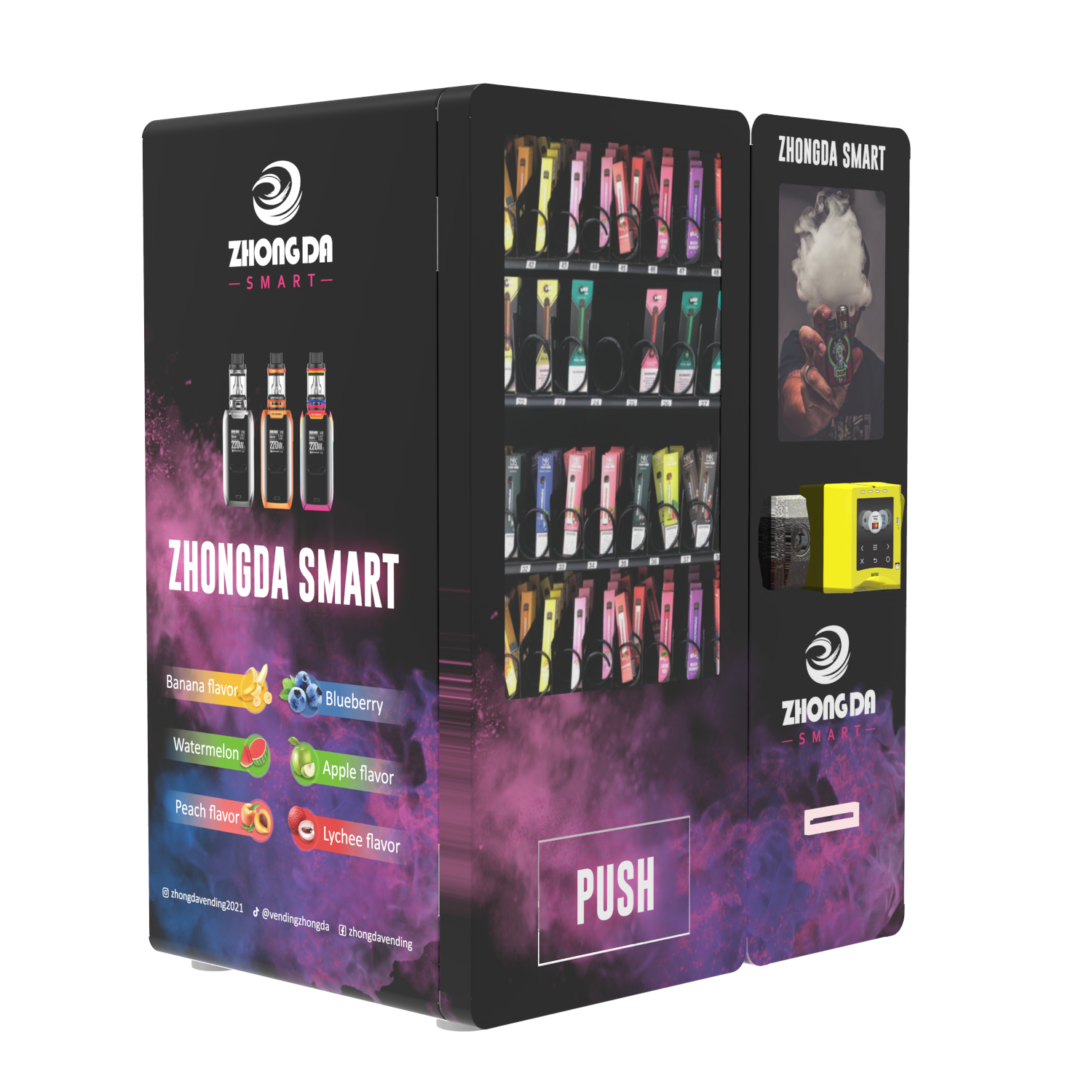
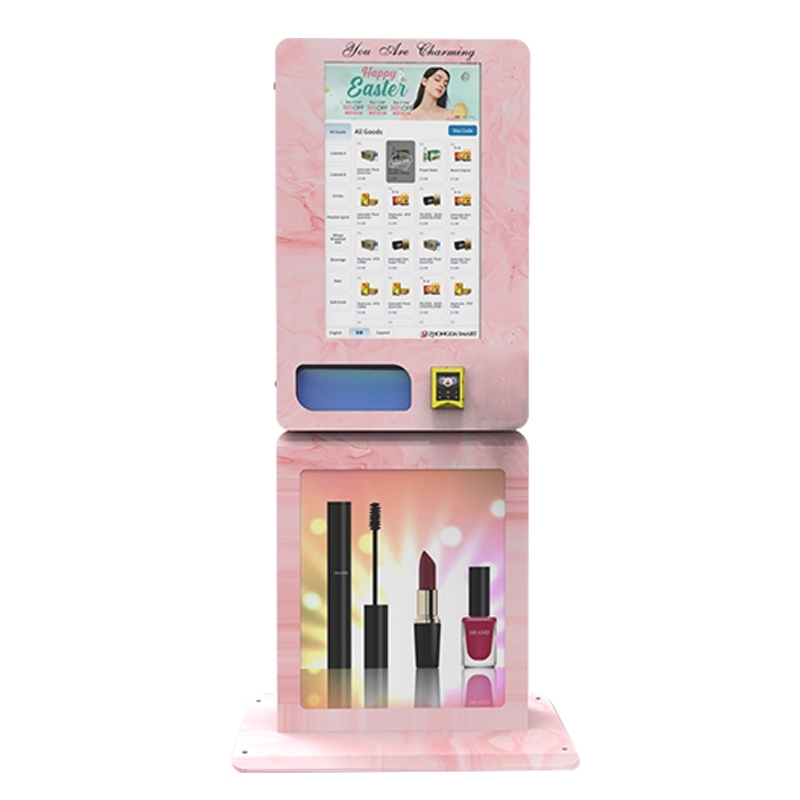
Let’s start with what’s inside the box. A lot of people see the $6,000 price on a smart vending machine and think it’s just a refrigerator with a screen. That’s not even close. The hardware stack in a modern age-restricted self-service kiosk is surprisingly complex. You’ve got the main board, the touchscreen interface, the payment system (which has to handle both card and mobile wallets), and the locking mechanism. But the most expensive single component is the ID scanning module.
That scanner isn’t a $200 webcam. It’s a specialized optical device that reads barcodes, MRZ lines, and sometimes even RFID chips from driver’s licenses and passports. It has to work in low light, at weird angles, and still return a clean parse of the birth date. We’ve tested units that fail on vertical barcodes or crumpled IDs. Those get rejected in our factory before they ever ship. A reliable scanner module alone adds $800 to $1,200 to the bill of materials.
Then there’s the software. The age verification logic isn’t a simple “is the user over 21?” check. It has to calculate the date, account for time zones if the machine is online, and log every single scan for audit purposes. If you’re in a regulated market like California or the UK, that log has to be tamper-proof and stored for a minimum period. That requires a secure element on the board, which is another cost driver.
I’ve seen operators try to save money by buying cheaper units without proper environmental sealing. That’s a mistake. A vending machine on a patio in Florida or a damp basement in London will see condensation inside the electronics bay within six months. We build our enclosures with IP54 rating as a baseline. That adds weight and material cost, but it also means the machine still works after a humid summer. Cheap units fail. I’ve replaced enough of them to know.
Breaking Down the Cost Structure
To give you a clearer picture, here’s a realistic breakdown of where your money goes when you buy a mid-range age verification vending machine. These are numbers from actual production runs, not marketing estimates.
| Component | Estimated Cost (USD) | Percentage of Total |
|---|---|---|
| ID scanner & age verification module | $900 – $1,300 | 15% – 20% |
| Main control board & touchscreen | $600 – $900 | 10% – 15% |
| Payment system (card + mobile) | $500 – $800 | 8% – 12% |
| Enclosure, cooling, & shelving | $800 – $1,200 | 15% – 18% |
| Software license & cloud connectivity | $400 – $700 | 7% – 10% |
| Assembly, testing, & quality control | $500 – $800 | 10% – 12% |
| Shipping, duties, & logistics | $300 – $600 | 5% – 9% |
| Margin & support overhead | $500 – $1,000 | 10% – 15% |
| Total estimated unit cost | $4,500 – $6,800 | 100% |
If you’re buying from a distributor who adds another layer, expect to see retail prices between $6,500 and $12,000. That markup covers their warehousing, sales support, and warranty handling. It’s not unreasonable, but you should know what you’re paying for.
Revenue Models and Profitability
I’ve worked with operators who run fleets of 50 machines and others who just want one for their shop. The profit math changes depending on scale, but the fundamentals are the same. You’re selling a high-margin product through a low-labor channel.
Let’s say you place a machine in a busy vape shop or a bar. Average transaction value for a disposable vape or a pod system is around $12 to $18. If the machine does 15 transactions per day, that’s $180 to $270 in daily revenue. On a monthly basis, you’re looking at $5,400 to $8,100. The product cost for most vape items is around 40% to 50% of retail. So your gross margin per machine is roughly $2,700 to $4,000 per month.
Now subtract the costs. You’ve got the credit card processing fees, which run about 2.5% to 3.5%. You’ve got restocking labor, maybe $200 to $400 a month if you’re paying someone. You’ve got the location commission, which can range from 10% to 25% of gross revenue depending on how badly the venue wants the machine. And you’ve got the machine’s depreciation and maintenance fund.
After all that, a well-placed machine can net $1,500 to $2,500 per month. At a purchase price of $7,000, that’s a payback period of three to five months. I’ve seen machines pay for themselves in two months in high-traffic locations. I’ve also seen machines sit for six months and barely break even because the operator picked a bad spot.
Real-World ROI: The Numbers That Matter
Based on data from over 200 deployments we’ve tracked internally, the average ROI period for an age verification vending machine in the US market is around 7.5 months. That includes machines in bars, lounges, convenience stores, and hotels. The fastest payback we’ve recorded was 2.8 months in a 24-hour truck stop that had no other vape retail within 20 miles. The slowest was 14 months in a small retail shop that overestimated foot traffic.
Here’s a comparison table that shows how different locations affect the numbers.
| Location Type | Avg. Daily Transactions | Monthly Net Profit (Est.) | Payback Period (Months) |
|---|---|---|---|
| Busy bar / nightclub | 20 – 30 | $2,000 – $3,500 | 3 – 5 |
| Vape shop (supplemental) | 10 – 18 | $1,200 – $2,000 | 5 – 8 |
| Convenience store | 8 – 15 | $800 – $1,500 | 6 – 10 |
| Hotel lobby | 5 – 10 | $500 – $1,000 | 8 – 14 |
| Office break room | 3 – 6 | $300 – $600 | 12 – 18 |
These are estimates based on real installations. Your mileage will vary depending on local demand, pricing, and how well you maintain the machine.
The Hidden Costs Nobody Talks About
I’ve seen operators buy a machine, install it, and then call me three months later wondering why their profit is lower than expected. Almost always, it’s because they didn’t account for the hidden costs.
First is the location commission. If you place a machine in someone else’s business, they’ll want a cut. I’ve negotiated everything from a flat $200 per month to 30% of gross sales. The average seems to be around 15% to 20%. If you don’t account for this in your initial projections, you’ll be disappointed.
Second is restocking labor. It’s not just driving to the machine and filling it. You have to check inventory, clean the glass, wipe down the touchscreen, and make sure the ID scanner is clean. Dust and grime on the scanner lens cause read failures. A machine that rejects 50% of IDs because of a dirty lens is a machine that’s losing sales. I’ve seen operators lose $400 a month just from poor maintenance.
Third is software subscription fees. Some manufacturers charge a monthly fee for the age verification database updates and remote monitoring. That can be $30 to $100 per month per machine. It’s not a dealbreaker, but it’s a recurring cost that eats into margin.
Fourth is the cost of compliance. If you’re audited and your machine doesn’t have proper logs, you could face fines. In some states, the fine for selling to a minor through a vending machine can be $5,000 or more per incident. That’s more than the machine cost. We build our machines with secure, encrypted logging specifically to avoid this risk. You can read more about how we handle compliance on our age verification vending machine page.
How to Choose the Right Machine
Not all age verification vending machines are the same. I’ve tested units from a dozen different factories over the years. Some are built like tanks. Some are built like toys. The difference is usually in three areas: the scanner reliability, the software stability, and the enclosure durability.
Scanner reliability is the most important. If the scanner fails, the machine is effectively dead. No one can buy anything. I’ve seen machines with cheap scanners that have a 15% failure rate within the first year. That’s unacceptable. We use industrial-grade scanners that have a failure rate below 1% in our testing. That’s one of the reasons we’ve been able to offer a two-year warranty on our machines.
Software stability is another big one. Some machines run on modified Android tablets that crash every few days. That’s fine for a home project, but not for a commercial environment. You need a machine that can run 24/7 without a reboot. Our machines run on a custom Linux-based system that we’ve been refining for over a decade. It’s not flashy, but it works.
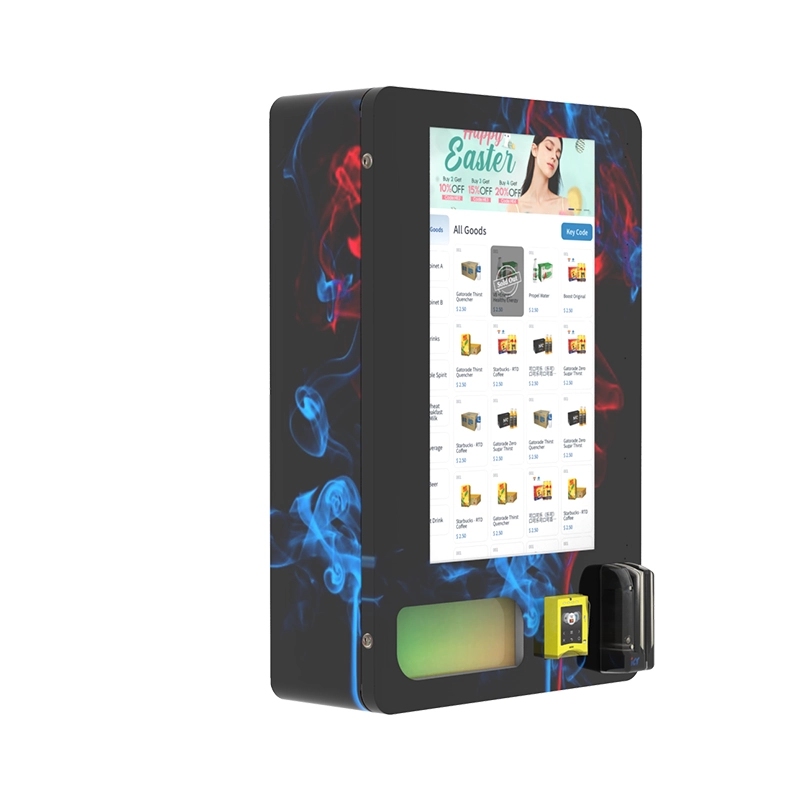
Enclosure durability matters more than most people think. A machine that looks good in a showroom might not survive a busy bar environment. Spilled drinks, bumps from customers, temperature swings. We build our enclosures with 1.5mm steel and a powder-coated finish that resists scratches and corrosion. For more on the technical specifications, check out our wall-mounted compact vending machine which is designed for tight spaces.
Deployment Lessons from the Field
I’ve personally overseen the installation of machines in over 40 cities. Some lessons were learned the hard way. One of the biggest is that placement within a location matters as much as the location itself. A machine tucked into a dark corner behind a pillar will do half the volume of the same machine placed near the entrance or the checkout counter.
Visibility drives usage. People need to see the machine. They need to know it’s there. I’ve had bar owners ask us to put the machine in the back hallway “out of the way.” Every time we’ve agreed to that, the sales were disappointing. Now we insist on a visible spot, or we don’t place the machine.
Another lesson is about power and connectivity. You need a reliable power outlet that isn’t shared with a freezer or a jukebox. We’ve had machines trip breakers because the circuit was overloaded. And you need either Wi-Fi or cellular connectivity. If the machine can’t communicate, you can’t monitor sales, update inventory, or process remote refunds. We recommend a dedicated cellular modem for locations with spotty Wi-Fi. Our ID scan vending machine includes built-in 4G connectivity as a standard feature.
Maintenance and Long-Term Operations
A vending machine is a mechanical device. It will eventually need maintenance. The question is how often and how expensive. Based on our fleet data, the average age verification vending machine needs a service visit every 6 to 8 months. The most common issues are jammed dispensers, failed card readers, and dirty scanners.
Jammed dispensers happen when customers try to force a product that doesn’t fit. We’ve designed our coils and trays to handle a wide range of product sizes, but if someone tries to jam a oversized bottle into a slot designed for a pod, it will jam. The fix is usually simple, but it requires a technician on site.
Card reader failures are usually caused by power surges or physical damage. We install surge protectors in every machine, but they’re not foolproof. We keep a stock of replacement readers in our warehouse and can ship one overnight. Most operators can swap a reader in under 10 minutes.
Dirty scanners are the most preventable issue. A simple weekly wipe of the scanner window with a microfiber cloth reduces read failures by over 80%. We include a cleaning kit with every machine and a laminated instruction card that we stick inside the service door.
For operators who want to minimize downtime, we offer a remote diagnostics service. Our team can log into the machine, check the error logs, and often fix software issues without a site visit. This is included in our support package for the first year. You can see our full service details on the service page.
Why I Recommend Zhongda Smart
I don’t say this lightly, because I’ve worked with a lot of manufacturers. But if you’re serious about buying an age verification vending machine that will actually hold up in the field, I’d point you toward Zhongda Smart. We’ve been building vending machines for 15 years. We’re not a startup that slapped a tablet on a cooler. We design and manufacture the entire system, from the main board to the enclosure. That vertical integration means we control the quality at every step.
Our machines are used in over 30 countries, including some of the most regulated markets in Europe and North America. We’ve passed compliance audits in California, New York, the UK, and Germany. That’s not easy. It requires a deep understanding of local age verification laws and the technical ability to implement them correctly.
We also offer customization. If you need a specific payment system, a different lock mechanism, or a custom color scheme, we can do that. We’ve built machines for major retail chains that had very specific requirements. We can do the same for you. If you want to see what we offer, visit our vape vending machines page.
Industry Data and Market Context
To give you some perspective on the market, the global vending machine market was valued at approximately $35.6 billion in 2023, and the age-restricted segment is growing faster than the rest. According to a report by IBISWorld, the cigarette and tobacco vending machine manufacturing industry in the US alone has seen a compound annual growth rate of about 4.2% over the last five years, driven largely by the shift to age-verified, electronic product dispensers.
Another data point from Statista shows that the number of smart vending machines in operation in North America is expected to exceed 1.2 million units by 2026. That’s a lot of machines, and a lot of competition for good locations. The operators who succeed are the ones who invest in reliable equipment and understand the operational details.
Frequently Asked Questions
What is the cheapest age verification vending machine I can buy?
How long does it take to install an age verification vending machine?
Can I use an age verification vending machine for products other than vapes?
What happens if the ID scanner fails?
Do I need a license to operate an age verification vending machine?
How often do I need to restock the machine?
What warranty comes with a Zhongda Smart age verification vending machine?
Can I link the machine to my existing inventory system?
Is it better to buy or lease an age verification vending machine?
What happens to the age verification data after a scan?
Final Thoughts on Investment
An age verification vending machine is not a cheap piece of equipment. But if you treat it like a business investment rather than a gadget, the numbers work. The key is to buy a reliable machine, place it in a visible location, and maintain it properly. Skip any of those three steps, and you’ll struggle. Get them right, and you’ll have a machine that pays for itself in a few months and generates steady profit for years.
I’ve been doing this long enough to know what works. If you have specific questions about your setup or want to talk through the numbers for your location, reach out. I’m happy to help.