After a decade deploying automated retail systems across the U.S. and Europe, I’ve watched the conversation around age-restricted vending shift from “is it legal?” to “how do we make it work profitably?” The answer, more often than not, comes down to one thing: AI age verification. It’s not just a compliance checkbox anymore. It’s the difference between a machine that sits idle after a single fine and a self-service kiosk that generates reliable monthly revenue. In my experience, operators who treat age verification as a hardware add-on rather than a core system function end up losing money. But those who build their entire vending model around smart, AI-driven verification are the ones scaling their fleets right now.
The Engineering Logic Behind Modern Age Verification
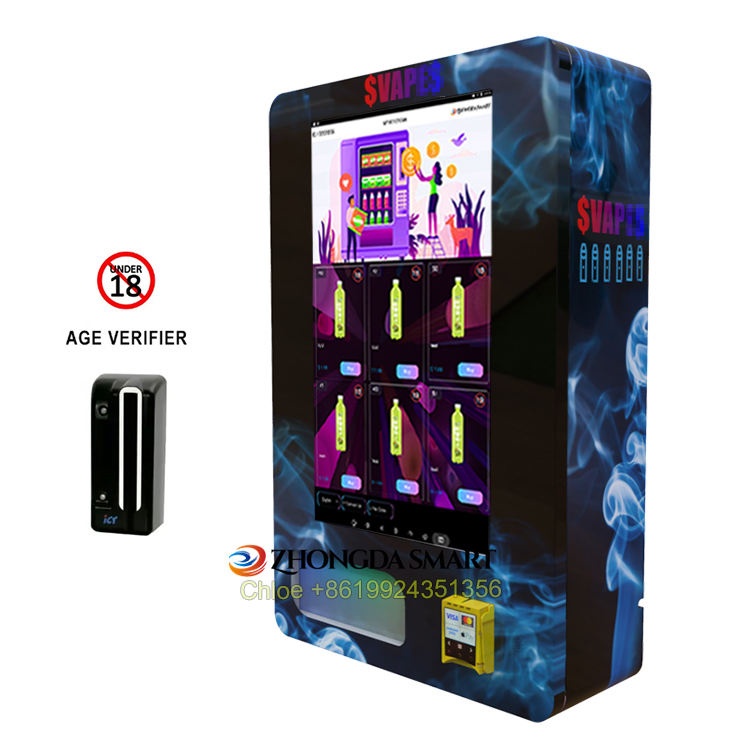
Let’s start with how these systems actually work under the hood, because I’ve seen too many buyers focus on the cabinet design while ignoring the brain of the machine. Older vending machines relied on manual ID checks or simple barcode scanners that could be fooled by a fake ID. The newer systems use a combination of camera-based facial analysis and document scanning. The AI doesn’t just read the birth date on a driver’s license. It cross-references the face in real-time against the photo on the ID, checks for holograms and microprint, and runs the data through a third-party database to verify the ID number hasn’t been reported stolen.
From a deployment standpoint, this changes everything. We’ve installed units in high-traffic convenience stores where the average transaction takes under 30 seconds. The AI verification step adds maybe 8 to 12 seconds to that process. Customers scan their ID, the system confirms their age, and the payment screen unlocks. If the AI detects a mismatch or a suspicious document, the transaction is blocked instantly. No human judgment required. That’s critical for locations where the store owner doesn’t want liability.
One detail most articles miss: the camera placement matters more than the software. If the camera angle is too low or the lighting is poor, the AI struggles. We learned this the hard way on our first batch of wall-mounted units. The fix was simple—adjusting the camera module to a 15-degree downward tilt and adding a small LED ring light—but it cut false rejection rates by nearly 40%. That kind of field experience is why I always tell buyers to test their verification system in the actual deployment environment before going live.
Real Cost Structures and What They Mean for Your Bottom Line
Every operator asks the same question: what does this actually cost? I’ll break it down based on our manufacturing data and client feedback over the last five years. A basic vending machine without age verification might run you $3,000 to $5,000. Once you add AI-powered ID scanning, facial matching, and cloud-based database checks, the unit cost jumps to between $6,500 and $9,500 for a single-machine deployment. That’s the hardware price. The ongoing costs include a monthly software subscription for the verification service, which ranges from $30 to $60 per machine depending on the provider and the volume of transactions.
But here’s where the numbers get interesting. A standard vending machine in a mid-traffic location averages around 40 to 60 transactions per day. For age-restricted products like vape devices or nicotine pouches, the average ticket is higher—typically $12 to $18 per sale. If your machine does 50 transactions daily at an average of $15, you’re looking at $750 in daily revenue. Subtract the cost of goods (roughly 40% of retail), the subscription fee, location commission (usually 10% to 15%), and maintenance, and your net daily profit settles around $200 to $250. That puts your payback period for a $9,000 machine at roughly 12 to 15 months.
Compare that to a machine without age verification. You might save $2,000 upfront, but you’re gambling on regulatory risk. A single compliance violation in states with strict age-gating laws can cost $5,000 to $10,000 in fines. I’ve seen operators lose their entire location contract because the store owner got cited. The math is clear: the verification system pays for itself in avoided penalties alone within the first year.
| Cost Category | Standard Machine (No Age Check) | AI Age Verification Machine |
|---|---|---|
| Upfront Hardware Cost | $3,000 – $5,000 | $6,500 – $9,500 |
| Monthly Software Fee | $0 | $30 – $60 |
| Average Daily Revenue (50 transactions) | $750 | $750 |
| Annual Compliance Fine Risk | High (up to $10,000 per incident) | Very Low |
| Estimated Payback Period | 8–10 months (but high risk) | 12–15 months (low risk) |

Profit Models That Actually Work in the Field
I’ve consulted on over 200 machine placements, and the ones that generate consistent profit share a few common traits. First, location selection is everything. A self-service kiosk in a bar or nightclub sees peak traffic between 10 PM and 2 AM. During those hours, the average transaction value can spike to $25 because customers are buying higher-margin disposables or pods. Second, inventory management needs to be tight. I recommend stocking no more than 15 SKUs per machine. More variety sounds good on paper, but it increases the chance of stale inventory and complicates restocking routes.
One operator I worked with in a mid-sized city placed three machines in apartment complexes with 24-hour access. He used a remote monitoring system to track sales in real time. Within six months, he identified that a specific mint-flavored nicotine pouch accounted for 35% of his revenue. He adjusted his inventory to carry three variants of that product and removed the slow movers. His per-machine profit jumped 22% without any additional foot traffic. That’s the kind of data-driven adjustment that separates profitable operations from break-even ones.
The subscription model for age verification also opens up a recurring revenue stream for manufacturers and operators. Some providers offer revenue-sharing agreements where the verification fee is a percentage of each transaction rather than a flat monthly cost. For low-traffic locations, this can be more economical. For high-traffic spots, the flat fee usually wins. I always tell clients to negotiate these terms upfront because switching providers mid-contract is a headache.
Real Deployment Problems and How We Solved Them
No machine works perfectly out of the box. I remember one deployment in a busy hotel lobby where the AI verification system kept rejecting foreign passports. The software was trained primarily on U.S. driver’s licenses. We had to work with the verification provider to update the database to include international document formats. That took three weeks and cost us about $1,200 in lost sales during the downtime. The lesson: if you’re targeting locations with international foot traffic, make sure your age verification system supports multiple document types.
Another common issue is network connectivity. AI verification systems need a stable internet connection to query databases. In a basement bar or a concrete-walled retail space, cellular signals can be weak. We’ve deployed units with dual SIM cards and a failover to Wi-Fi. Even then, we recommend a wired ethernet connection when possible. The difference in transaction speed is noticeable. A machine on a 4G connection might take 15 seconds for a verification. On a wired connection, it drops to under 8 seconds. Customers notice the lag, and it affects repeat usage.
Maintenance is another area where operators underestimate costs. The camera lens on the verification module needs cleaning every two weeks in dusty environments. We include a small cleaning kit with every machine and a checklist in the remote monitoring software. Machines that skip this step see a 15% increase in false rejections within a month. That’s a direct hit to revenue. I’ve also seen machines where the ID scanner gets scratched from repeated use. We now ship all units with a replaceable glass protector for the scanner window. It costs $2 to replace and saves a $150 service call.
| Issue | Frequency (per 100 machines/year) | Average Cost to Fix | Prevention Method |
|---|---|---|---|
| Camera lens obstruction | 45 | $0 (cleaning) | Bi-weekly cleaning schedule |
| Network dropout | 30 | $50 (remote reset) | Dual SIM + wired backup |
| ID scanner scratch | 12 | $150 (replacement) | Glass protector |
| Software update failure | 8 | $0 (remote patch) | Automated update queue |
Comparing Machine Types for Different Business Goals
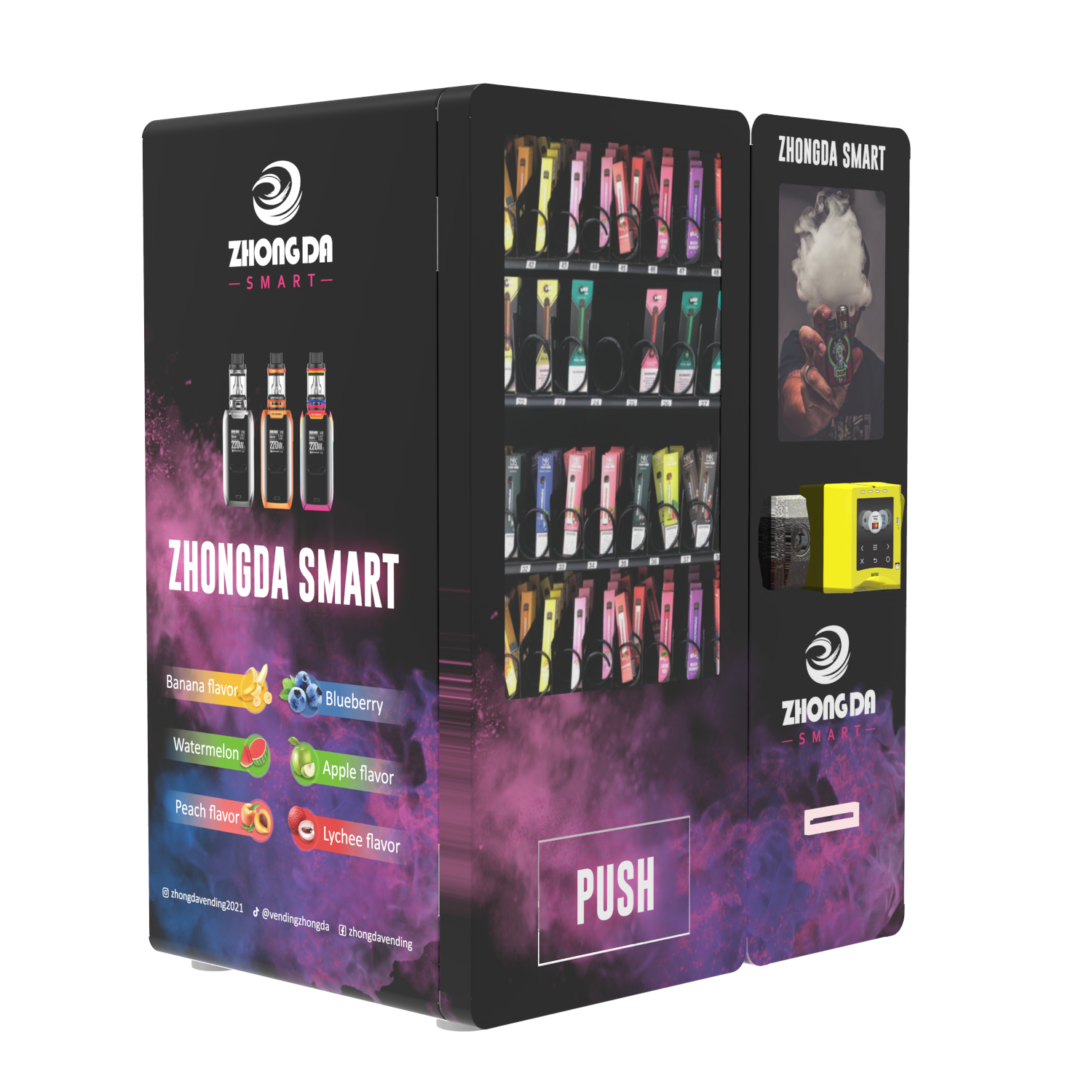
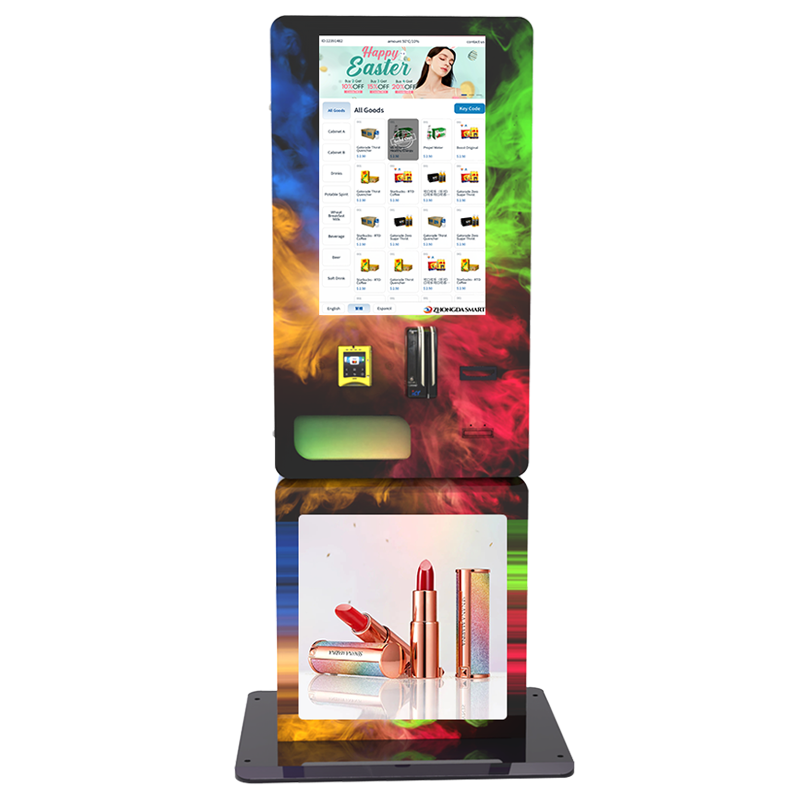
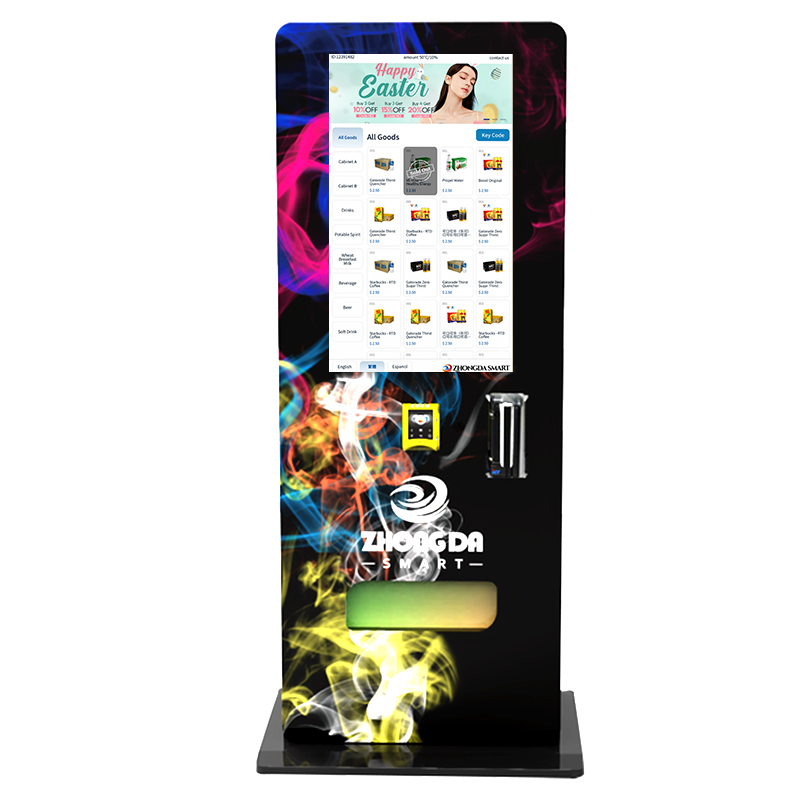
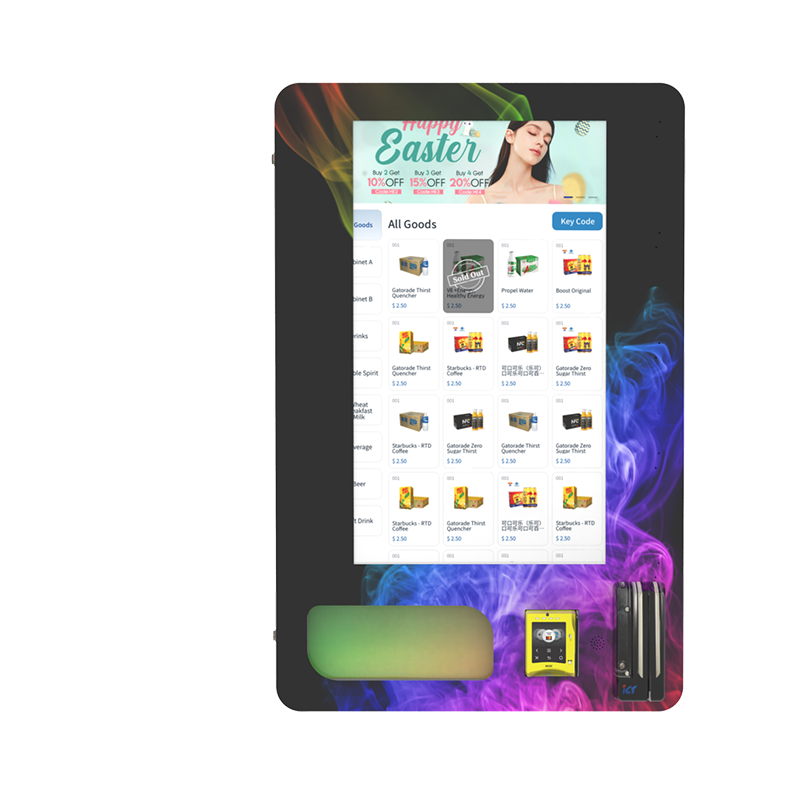
Not all age verification machines are built the same. I’ve worked with compact wall-mounted units, full-size floor models, and hybrid kiosks that combine vending with digital signage. Each has a specific use case. The wall-mounted machines are ideal for small retail spaces like smoke shops or convenience stores where floor space is tight. They typically hold 50 to 80 units and have a smaller verification screen. The trade-off is lower capacity and a smaller payment interface, which can frustrate customers during peak hours.
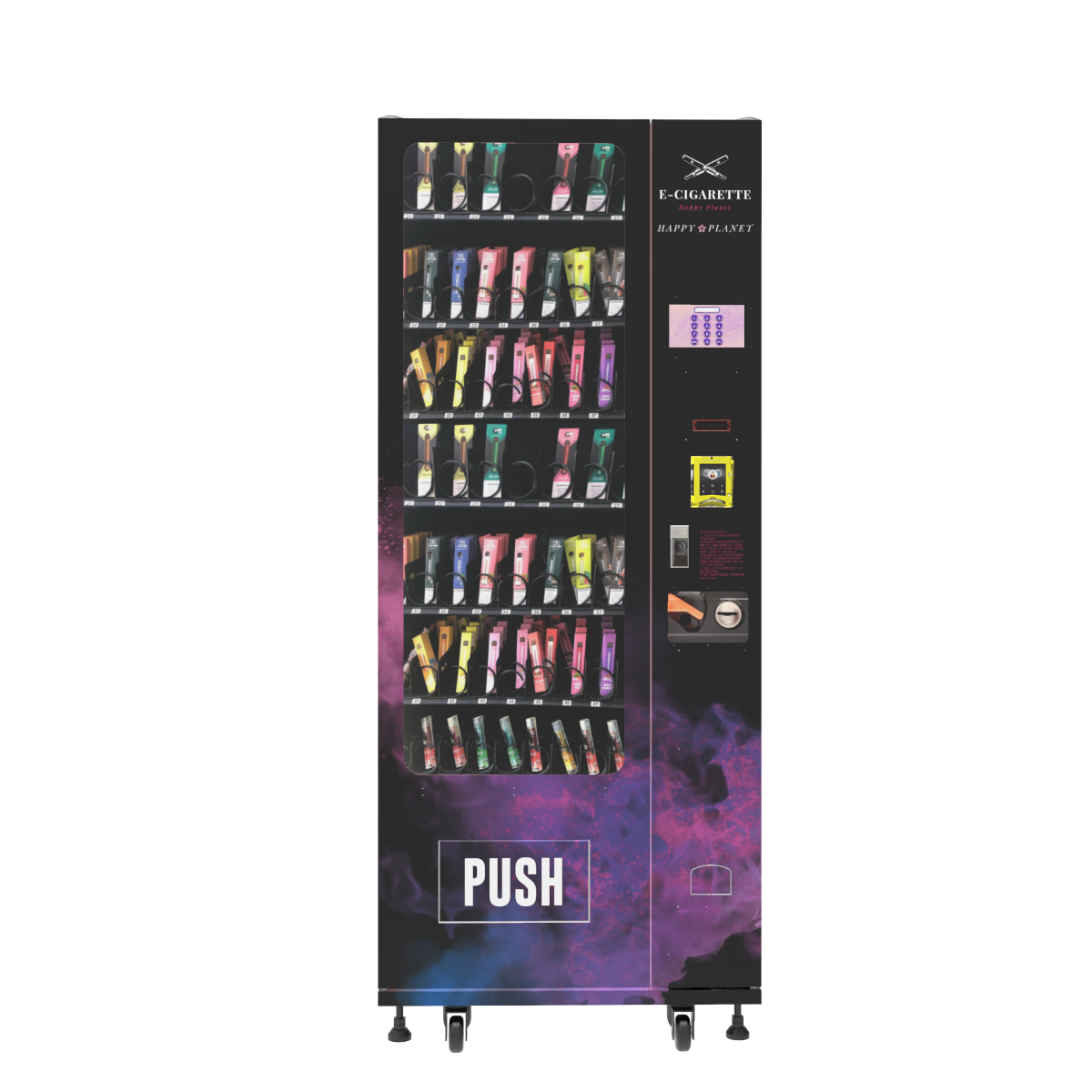
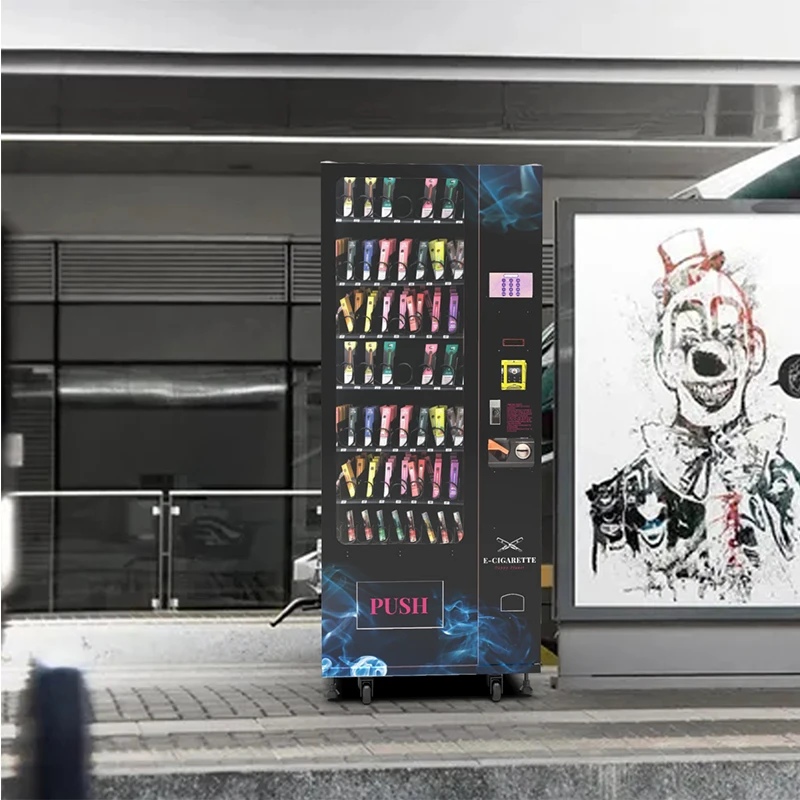
Full-size floor models hold 200 to 300 units and are better for high-traffic locations like bars, lounges, or hotel lobbies. They have larger touchscreens, faster processors, and often include a secondary verification method like fingerprint scanning or palm vein recognition. These machines cost more upfront but generate higher per-location revenue. I’ve seen a single floor model in a busy nightclub do over $2,000 in sales on a Friday night. The wall-mounted unit in the same club would have run out of stock by 11 PM.
There’s also a growing trend toward modular kiosks that can be configured with different verification modules. One of our clients uses a modular system that lets them swap out the ID scanner for a biometric reader depending on the location’s regulations. This flexibility is useful for operators who manage machines across multiple states or jurisdictions with varying age verification laws. The modular approach adds about 15% to the upfront cost but reduces the need to buy entirely new machines when regulations change.
Long-Term Maintenance and Fleet Management
Running a fleet of age verification vending machines is different from running snack or soda machines. The stakes are higher because a compliance failure can shut down your entire operation. I recommend a three-tier maintenance approach. Tier one is remote monitoring. Every machine should report its verification success rate, transaction volume, and error codes in real time. If a machine’s verification success rate drops below 90%, it triggers an alert. Tier two is scheduled on-site visits. Every 90 days, a technician should clean the camera, check the scanner, and update the software. Tier three is emergency response for hardware failures like a broken scanner or a cracked screen.
One thing I’ve learned the hard way: don’t skimp on the verification module. I tested a budget scanner from a third-party supplier on five machines. Within three months, two of them failed completely, and the other three had intermittent issues. The failure rate was 40%. We switched to a higher-grade module from Zhongda Smart and saw the failure rate drop to under 3% over the next year. The upfront cost was higher, but the total cost of ownership was lower because we avoided service calls and lost revenue. If you’re sourcing machines, pay close attention to the verification module’s rating and warranty.
Software updates are another hidden cost. Verification providers update their databases frequently to include new ID formats and fraud patterns. If your machine doesn’t receive these updates automatically, it becomes less effective over time. I recommend machines with over-the-air update capability. We’ve seen machines that missed updates for six months have a 25% higher false acceptance rate, meaning they let underage customers through. That’s a liability no operator can afford.
What the Data Says About Market Growth
The shift toward automated age verification isn’t just a trend. According to a 2023 report by IBISWorld, the vending machine operator industry in the U.S. generates over $7 billion annually, with age-restricted products accounting for a growing share. Another study by Statista projects that the global smart vending machine market will reach $18.5 billion by 2027, driven largely by regulatory pressure and consumer demand for contactless transactions. These numbers align with what I’m seeing on the ground. More locations are requesting age verification as a condition of placement, and operators who already have it are winning contracts over those who don’t.
From a manufacturing perspective, the cost of AI verification components has dropped by about 30% over the last three years. That’s making it feasible for smaller operators to enter the market. I expect the price gap between standard machines and age verification machines to narrow further. In two to three years, I think age verification will be standard on all new vending machines, not just those for restricted products. Operators who invest now will have a competitive advantage in contract negotiations.
Expert Recommendations for First-Time Buyers
If you’re considering your first machine, start with one or two units in locations you know well. Don’t try to scale a fleet of 20 machines until you’ve validated the revenue model and the maintenance process. I’ve seen too many operators buy 10 machines at once, only to realize they underestimated the time required for restocking and cleaning. Start small, collect data, and expand based on real numbers, not projections.
Choose a manufacturer that offers remote support and a warranty on the verification module. Age verification vending machines from established suppliers like Zhongda Smart come with integrated support for real-time monitoring and software updates. That kind of support is invaluable when you’re managing machines across multiple locations. Also, ask about the verification provider they partner with. You want a provider that covers all 50 states and supports international IDs if you’re near a border or in a tourist area.
Finally, budget for the monthly software fee. It’s easy to overlook during the purchase decision, but it’s a recurring cost that affects your margins. Factor it into your profit calculations from day one. If the fee eats too much into your margin, consider a revenue-sharing model instead. Some providers are willing to negotiate, especially if you’re committing to multiple machines.
Frequently Asked Questions
How accurate is AI age verification compared to human ID checks?
In field tests, AI systems achieve over 98% accuracy for U.S. driver’s licenses when properly calibrated. Human checks vary widely depending on training and fatigue. AI doesn’t get distracted or tired, which makes it more consistent for high-volume locations.
Can the system verify IDs from other countries?
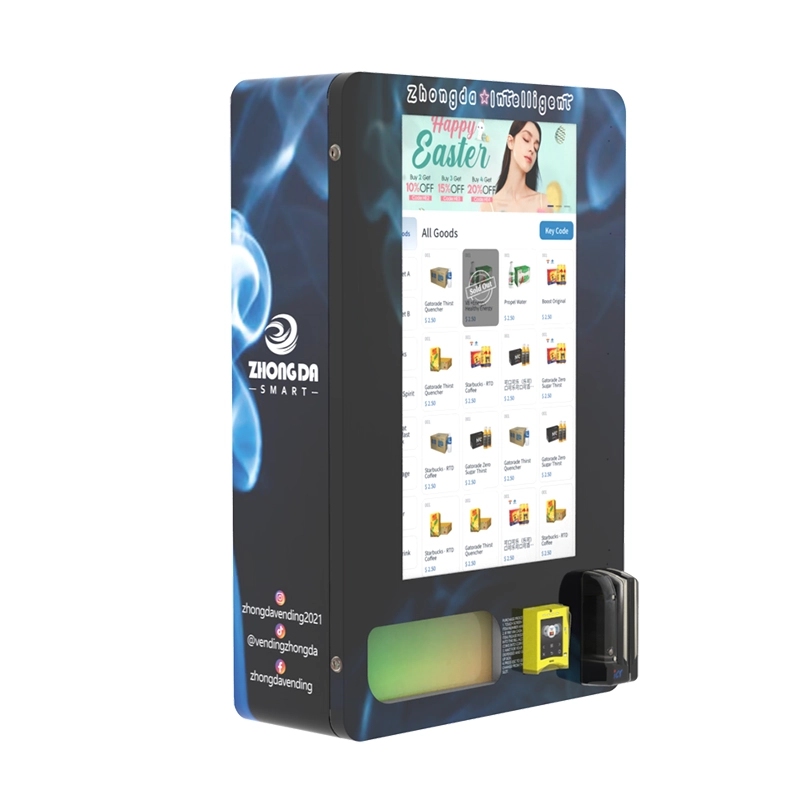
It depends on the provider. Some systems are trained on over 100 document types. Others only cover U.S. and Canadian IDs. If you’re in a tourist area, confirm international support before purchasing. You can check the specifications on a compliant e-cigarette vending machine page to see which document formats are supported.
What happens if the internet goes down during a transaction?
Most systems have a fail-safe mode. If the network is lost, the machine locks the verification screen and won’t process sales until the connection is restored. Some machines have a local cache that stores a limited number of verified IDs for offline use, but this is rare. Always prioritize a stable connection.
How often do false rejections happen?
With proper setup and regular cleaning, false rejection rates are under 5%. Dirty cameras or poor lighting can push that above 15%. We include a cleaning kit with every machine and recommend a weekly wipe-down of the camera and scanner area.
Is the monthly software fee worth it for low-traffic locations?
For a machine doing fewer than 15 transactions per day, the fee might eat 10% of your profit. In that case, look for a provider that offers a per-transaction fee instead of a flat monthly rate. Some manufacturers, including Zhongda Smart, offer flexible pricing based on volume.
Can I retrofit an existing vending machine with AI age verification?
Yes, but it’s rarely cost-effective. Retrofitting requires a new control board, camera module, and software integration. The total cost often approaches the price of a new machine. I recommend buying a purpose-built unit instead. For example, the ID scan vending machine models are designed from the ground up with integrated verification.
What maintenance is required for the verification system?
Weekly camera cleaning, monthly software checks, and quarterly hardware inspections. Most issues are preventable with a simple schedule. We provide a maintenance log with every machine and a remote dashboard that tracks verification health.
How do I choose between wall-mounted and floor-standing models?
Base it on location traffic and available space. Wall-mounted units work for low-to-medium traffic spots with limited floor area. Floor-standing models are better for high-volume locations. If you’re unsure, start with a wall-mounted unit and upgrade once you validate the location’s potential.
Sources and References
- IBISWorld – Vending Machine Operators Industry Report (2023). https://www.ibisworld.com
- Statista – Smart Vending Machine Market Forecast (2023). https://www.statista.com
- Forbes – The Future of Automated Retail Compliance (2024). https://www.forbes.com