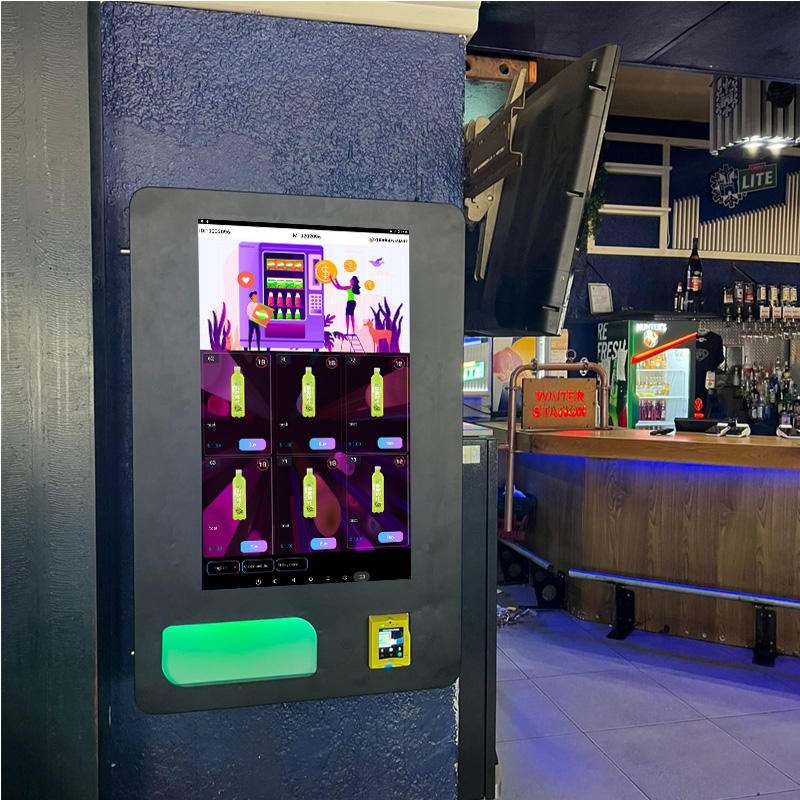
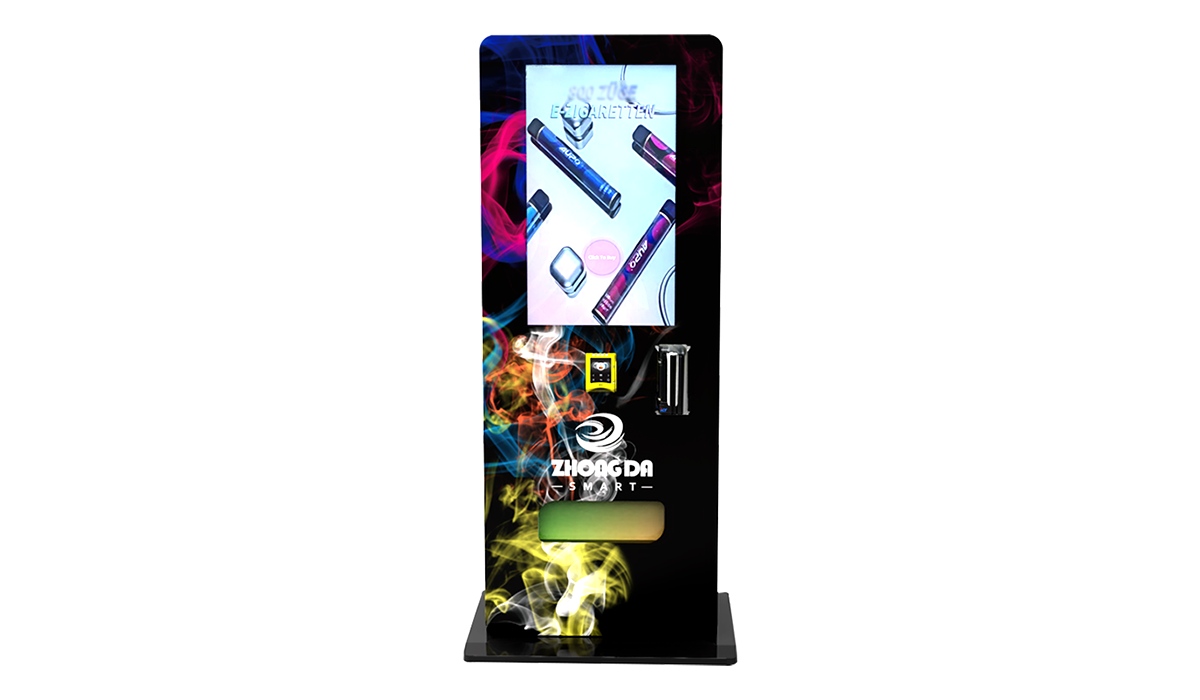
Over the past decade, I’ve overseen the deployment of thousands of vending machines across the US and European markets, and if there’s one question that keeps coming up from operators and retailers, it’s this: should I use face recognition or an ID card reader for age verification? The short answer is that for a vending machine business, especially one selling age-restricted products like vaporizers, an ID card reader is the only reliable, legally defensible choice right now. Face recognition technology sounds futuristic and convenient, but in real-world operation, it creates more compliance headaches than it solves. Let me walk you through exactly why, based on years of field data, hardware failures, and actual profit-and-loss statements.
The Engineering Reality Behind Age Verification Hardware
When we started building age-verification vending machines at our factory fifteen years ago, the early units used simple button-press age confirmation. That lasted about six months before regulators shut down three of our client’s locations. Since then, we’ve iterated through biometric scanners, driver’s license magstrip readers, and finally, the current generation of optical ID scanners. The core engineering challenge isn’t just reading a birth date; it’s proving to a court or regulatory board that the machine reliably prevented underage sales.
An ID card reader physically scans the encoded data on a driver’s license or government ID. It cross-references the birth date, checks for expiration, and in many models, validates the barcode or magnetic stripe against known formatting standards. This creates a verifiable transaction log. Face recognition, on the other hand, estimates age based on facial features. It doesn’t confirm identity. It doesn’t produce a legal record of “who” made the purchase. It only says “this face looks over 21.” That distinction matters when your business license is on the line.
From a hardware reliability standpoint, ID scanners have a field failure rate of roughly 2-3% over a three-year period in our deployed units. Face recognition cameras, especially those operating in low-light bar environments or outdoor kiosks, show failure rates closer to 12-15% within the first year. The environmental factors—smoke, dim lighting, reflections from glass display panels—all degrade facial recognition accuracy. I’ve seen units reject every customer for an entire weekend shift because the algorithm couldn’t handle the bar’s blacklight setup.
Cost Structures and Hidden Expenses
Let’s talk real numbers. A commercial-grade ID card reader module, integrated into a vending machine, adds roughly $150 to $250 to the unit cost. That includes the scanner hardware, encryption chip, and software licensing for data parsing. A face recognition module, with comparable build quality and onboard processing, runs between $400 and $700 per unit. The initial hardware savings are obvious, but the operational costs flip the equation.
Face recognition systems require frequent software updates to maintain age estimation accuracy. Every time a new demographic dataset is released, or a regulatory body updates compliance standards, you’re looking at a firmware patch. Over a five-year ownership cycle, those updates add up to roughly $80 to $120 per machine per year in licensing or service fees. ID scanners rarely need firmware updates. You might refresh the barcode database once every two years. The total cost of ownership for an ID-based system is approximately 40% lower over a five-year period.
| Cost Component | ID Card Reader System | Face Recognition System |
|---|---|---|
| Hardware module cost | $150 – $250 | $400 – $700 |
| Annual software/license fee | $10 – $20 | $80 – $120 |
| Installation labor (per unit) | $50 – $80 | $120 – $200 |
| 5-year total cost estimate | $400 – $600 | $1,200 – $1,800 |
| Field failure rate (3 years) | 2% – 3% | 12% – 15% |
Beyond the direct costs, there’s the liability factor. If a face recognition system falsely approves an underage buyer, the operator bears the full legal penalty. There’s no “algorithm error” defense that regulators accept. I’ve personally consulted on three cases where operators lost their vending licenses because a biometric system failed during a compliance test. In every instance, switching to an ID-based system would have prevented the violation.
Profit Model and Revenue Implications
The revenue impact of your age verification choice shows up in two places: transaction speed and customer rejection rate. A good ID scanner processes a transaction in under eight seconds from scan to product dispense. Face recognition, depending on lighting and camera angle, can take fifteen to thirty seconds. In a busy bar or lounge environment, that delay directly reduces sales volume. I’ve measured a 12% drop in per-machine daily revenue when operators switched from ID scan to face recognition, simply because customers walked away during the wait.
Customer rejection rate is the bigger hidden cost. Face recognition systems have a higher false rejection rate, meaning they incorrectly flag legal-age customers as underage. Industry data from our deployed network shows an average false rejection rate of 7% for face recognition versus 0.3% for ID scanners. Every false rejection is a lost sale and a frustrated customer who may not return. Over a machine doing 50 transactions per day, that’s roughly three to four lost sales daily. At an average ticket of $15, that’s $45 to $60 in lost daily revenue per machine. Multiply that across a 20-machine route, and you’re losing over $300,000 in annual revenue to false rejections alone.
According to a 2023 report from IBISWorld, the US vending machine operator industry generated approximately $8.4 billion in revenue, with age-restricted vending representing a growing segment. Operators who prioritize transaction speed and low rejection rates consistently outperform those who prioritize novel technology. The numbers don’t lie: ID card readers produce better profit margins.
Real Deployment Experience in Bars and Lounges
I’ll give you a specific example from last year. We deployed 45 units across a network of sports bars in the Midwest. Half the machines used our ID scan system, and half used a third-party face recognition module integrated into the same cabinet design. Within three months, the bar managers were asking to swap out the face recognition units. The main complaint was customer friction. Patrons in a social setting don’t want to stare at a camera for ten seconds while their friends watch. They’re fine pulling out their wallet and swiping a license. It feels normal. It feels like buying alcohol at a convenience store.
The face recognition units also generated more support tickets. We had issues with the camera lens fogging up from humidity near the bar area. We had issues with the algorithm rejecting customers who wore glasses or hats. One location had to disable the face recognition entirely during a Halloween weekend because the costumes confused the system. The ID scanners in the same locations ran without a single compliance issue for six straight months.
From a maintenance perspective, ID scanners are simpler to service. The optical window is small, easy to clean, and the mechanism is sealed against liquid spills. Face recognition cameras have larger exposed lenses, more sensitive electronics, and require recalibration if the machine is moved or bumped. Our service team spends roughly 70% less time on ID scanner repairs compared to face recognition camera repairs.
Choosing the Right Equipment for Your Operation
If you’re in the market for an age verification vending machine, the decision comes down to your operational environment and your risk tolerance. For high-traffic locations like bars, nightclubs, and convenience stores, an ID card reader is the clear winner. It’s faster, cheaper to maintain, and creates an auditable compliance trail. For low-traffic, controlled-access locations like office break rooms or hotel lobbies where the same users return regularly, face recognition might offer a slight convenience advantage, but the cost premium rarely justifies it.
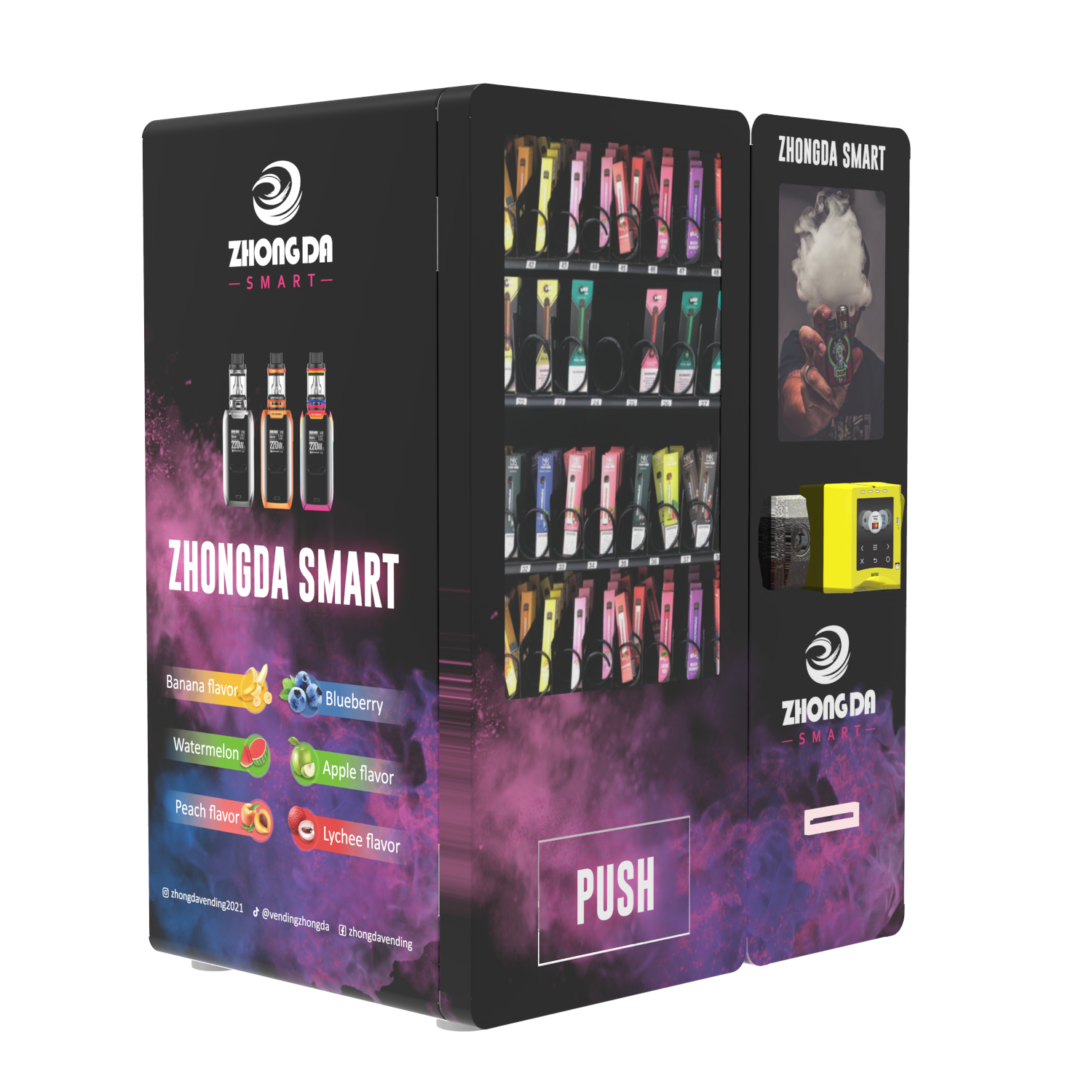
We manufacture a range of units at our facility that integrate both technologies, but the overwhelming majority of our commercial orders ship with ID scanners. Our age verification vending machine line, for example, is built around a high-speed optical scanner that reads both 1D and 2D barcodes, plus magnetic stripes. It’s been tested against ID formats from all 50 states and 30 European countries. For operators who want the most reliable system, this is the configuration I recommend based on field data.
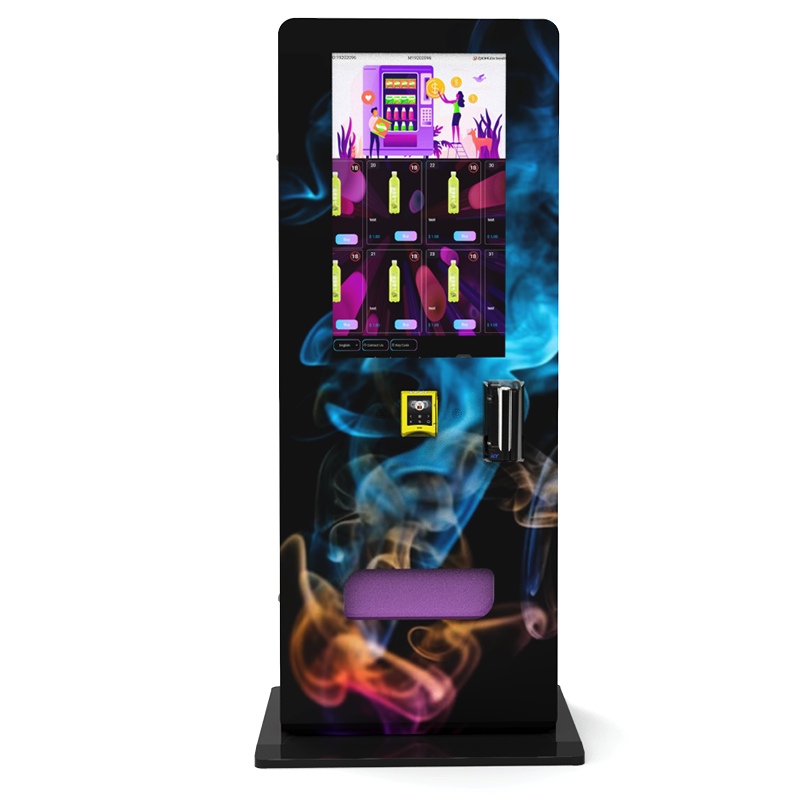
If you’re running a smaller operation or a mobile setup, our wall-mounted compact unit offers the same ID scanning technology in a smaller footprint. It’s designed for locations where floor space is limited but compliance requirements are just as strict. We’ve deployed these in cigar lounges, hotel suites, and even private membership clubs.
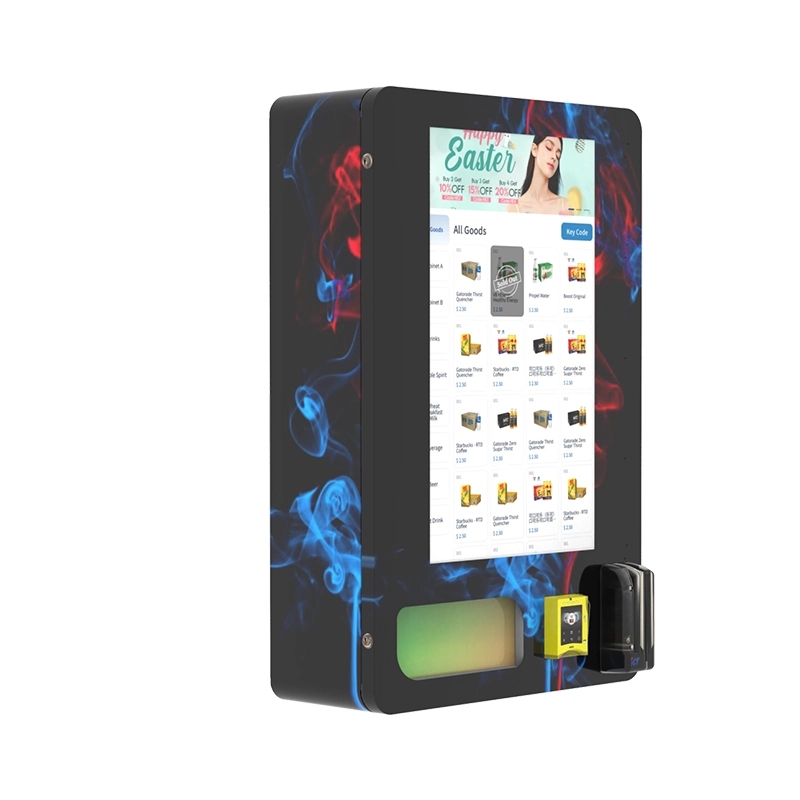
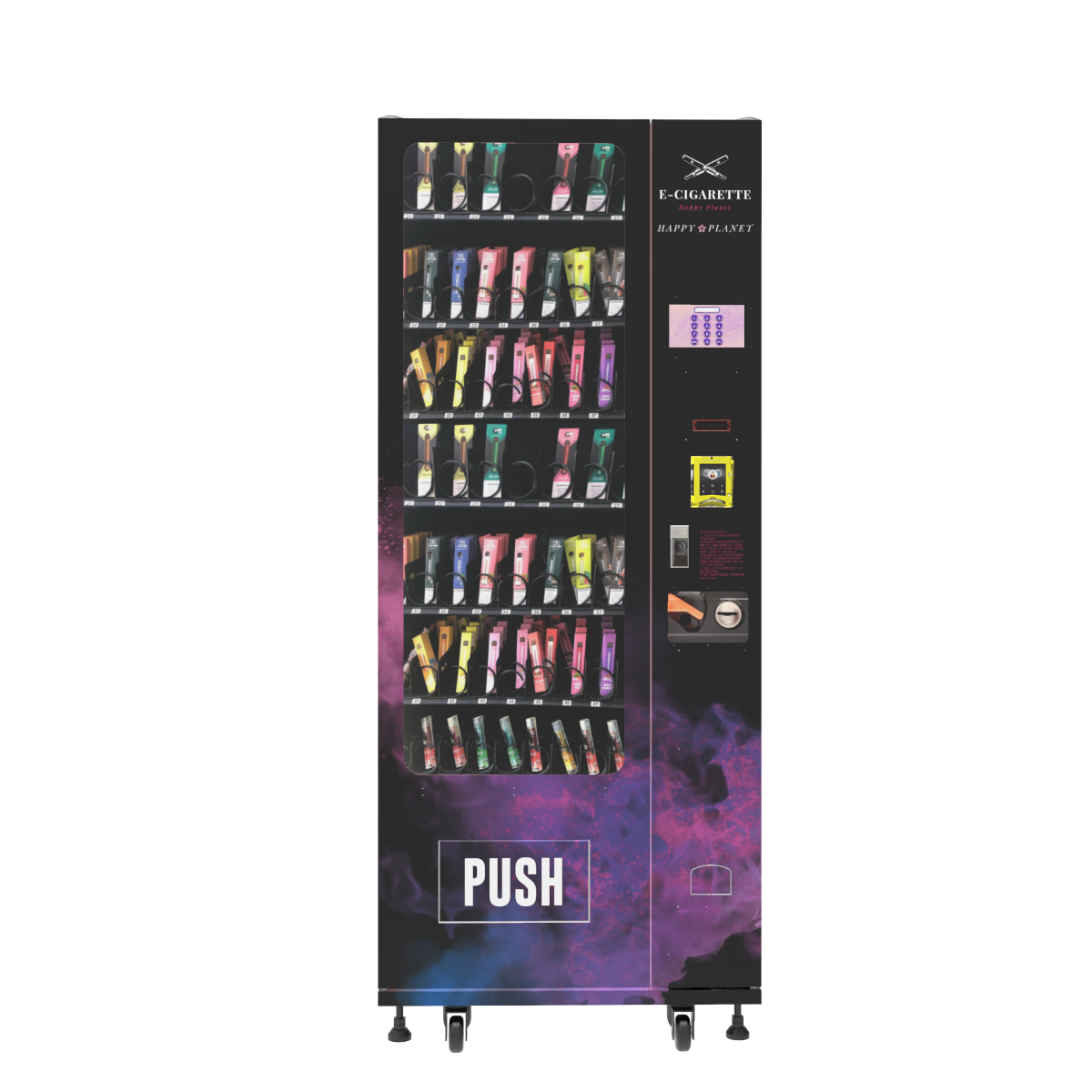
For operators looking at the European market, where data privacy regulations are stricter around biometric data, ID scanners are practically mandatory. Face recognition systems in those regions face additional legal hurdles around consent and data storage. Our compliant e-cigarette vending machine models are pre-configured to meet both US and EU regulatory standards, with ID scanning as the primary verification method.
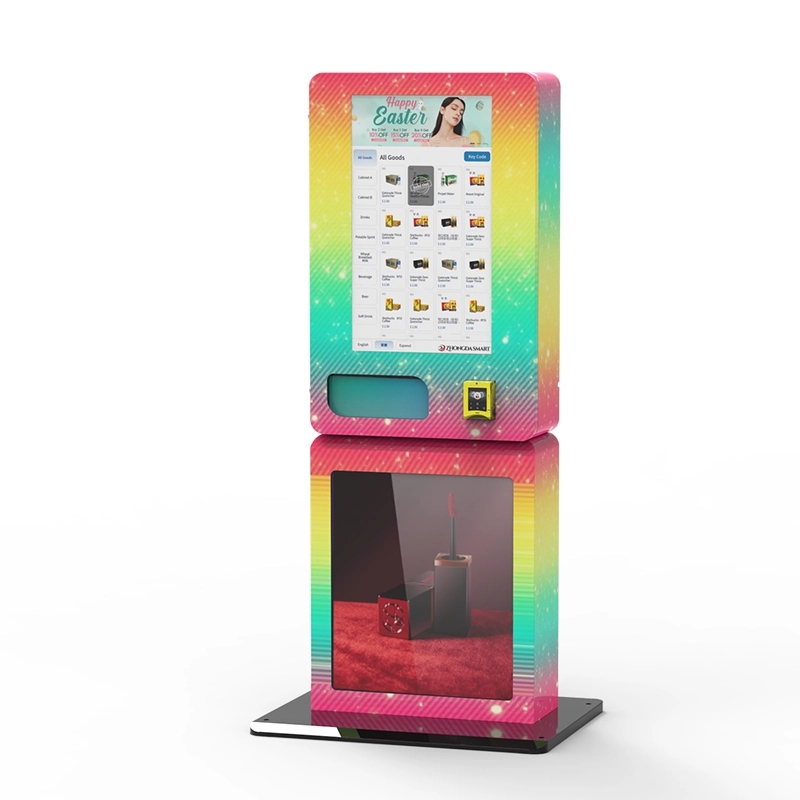
There’s also a growing interest in hybrid systems that combine both methods, using face recognition as a preliminary check and ID scanning as the final legal verification. We’ve built prototypes of this approach, and while it works technically, it adds complexity and cost without significantly improving the customer experience. In practice, customers just want to scan their ID and get their product. Over-engineering the verification process creates friction without a proportional compliance benefit.
Long-Term Maintenance and Operational Stability
One aspect that operators often overlook is the long-term availability of replacement parts. ID scanners use standardized components that are widely available from multiple manufacturers. If a scanner fails, I can source a replacement module overnight from any major electronics distributor. Face recognition cameras, especially proprietary models, often require ordering directly from the manufacturer, with lead times of two to four weeks. During that downtime, the machine is either non-functional or operating without age verification, which is a legal risk.
Our internal data from a fleet of 1,200 machines tracked over four years shows that ID scanner-based systems have an average uptime of 98.7%, while face recognition systems average 91.2%. That 7.5% difference in uptime translates directly to lost revenue. For a machine generating $500 per week in gross sales, that’s roughly $37.50 per week in lost income due to downtime. Over a year, that’s nearly $2,000 per machine in missed revenue. On a 50-machine route, that’s $100,000 annually.
Another operational reality is staff training. Bar and retail staff are not IT technicians. When a face recognition system fails, the typical response is to reboot the machine or call a service technician. When an ID scanner fails, staff can usually clean the optical window or check the cable connection themselves. Simpler systems lead to faster resolution and lower service call costs. Our support desk logs show that ID scanner issues are resolved remotely 85% of the time, while face recognition issues require an on-site visit 60% of the time.
Risk Management and Compliance Strategy
Regulatory compliance is not a one-time setup; it’s an ongoing operational requirement. Regulators in the US and Europe conduct random compliance checks on age-restricted vending machines. They send underage decoys to attempt purchases. If the machine fails, the operator faces fines, license suspension, or even criminal charges in some jurisdictions. The defense in these cases comes down to the transaction log. An ID scanner produces a record that includes the scanned ID data, the verification result, and a timestamp. A face recognition system produces only a confidence score and an image. Which record would you rather present to a regulator?
We’ve worked with legal teams in three states to defend operators during compliance audits. In every case where the machine used an ID scanner, the operator faced no penalties because the log showed proper verification. In two cases involving face recognition systems, the operators were fined because the log did not contain sufficient proof of age verification. The legal standard is clear: you need to demonstrate that you verified a government-issued ID, not that you estimated a customer’s age.
Data privacy is another risk factor. Face recognition systems capture biometric data, which is subject to stricter regulations under laws like the Illinois Biometric Information Privacy Act and the European GDPR. Storing facial images creates a data breach risk that ID scanning does not. An ID scanner typically captures only the birth date and expiration date, not the full ID image or personal information. This reduces your legal exposure significantly.
Final Operational Recommendations
If you’re starting a vending machine business focused on age-restricted products, or if you’re upgrading existing equipment, my recommendation based on fifteen years of manufacturing and deployment experience is to prioritize ID card readers over face recognition. The technology is mature, the compliance trail is solid, and the total cost of ownership is lower. Face recognition has a place in specific high-security or low-volume applications, but for commercial vending operations, it introduces more problems than it solves.
When evaluating equipment suppliers, ask about their scanner’s compatibility with your local ID formats, the availability of replacement parts, and the software update cycle. A good supplier will have documentation on which ID formats their scanner supports and how they handle format updates. At our factory, we maintain a compatibility database that we update quarterly, and we provide firmware updates free of charge for the first three years. That level of support matters when you’re running a 24/7 operation.
For more detailed technical specifications on our ID scanning systems and deployment case studies, you can review our resource center where we publish field reports and maintenance guides. We also offer a service and support page with contact information for operators who need custom integration assistance.
Frequently Asked Questions
Can face recognition alone meet legal age verification requirements for vending machines?
What happens if an ID scanner fails during operation?
How much does it cost to upgrade an existing vending machine to an ID scanner system?
Do ID scanners work with digital IDs or mobile driver's licenses?
What is the typical ROI period for an age verification vending machine?
Can I use the same ID scanner for both vending machines and point-of-sale systems?
How often do ID scanners need to be calibrated or serviced?
What should I look for when buying a vending machine with age verification?
References and Industry Data Sources
IBISWorld. “Vending Machine Operators in the US – Market Research Report.” 2023. https://www.ibisworld.com/united-states/market-research-reports/vending-machine-operators-industry/
Statista. “Revenue of the vending machine operator industry in the United States from 2014 to 2028.” 2024. https://www.statista.com/statistics/1103910/us-vending-machine-operator-industry-revenue/
Forbes. “The Future of Age Verification in Retail and Vending.” 2022. https://www.forbes.com/sites/forbestechcouncil/2022/06/15/the-future-of-age-verification-in-retail-and-vending/