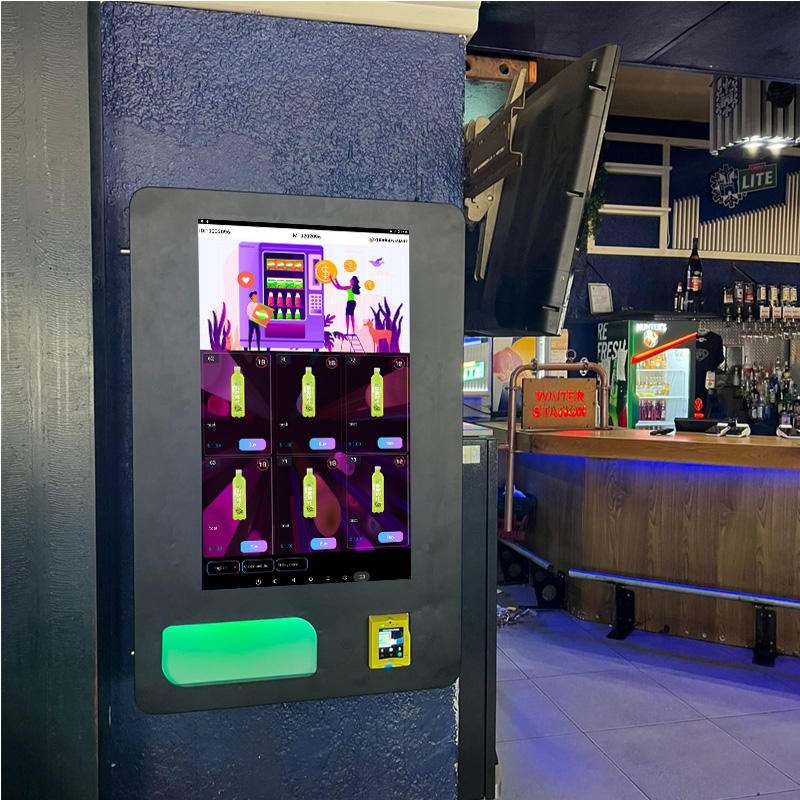
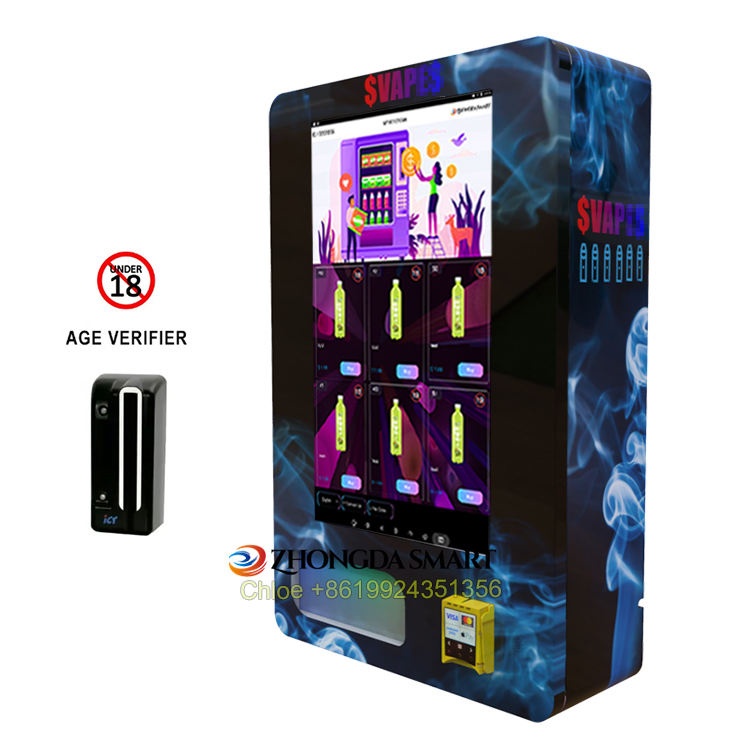
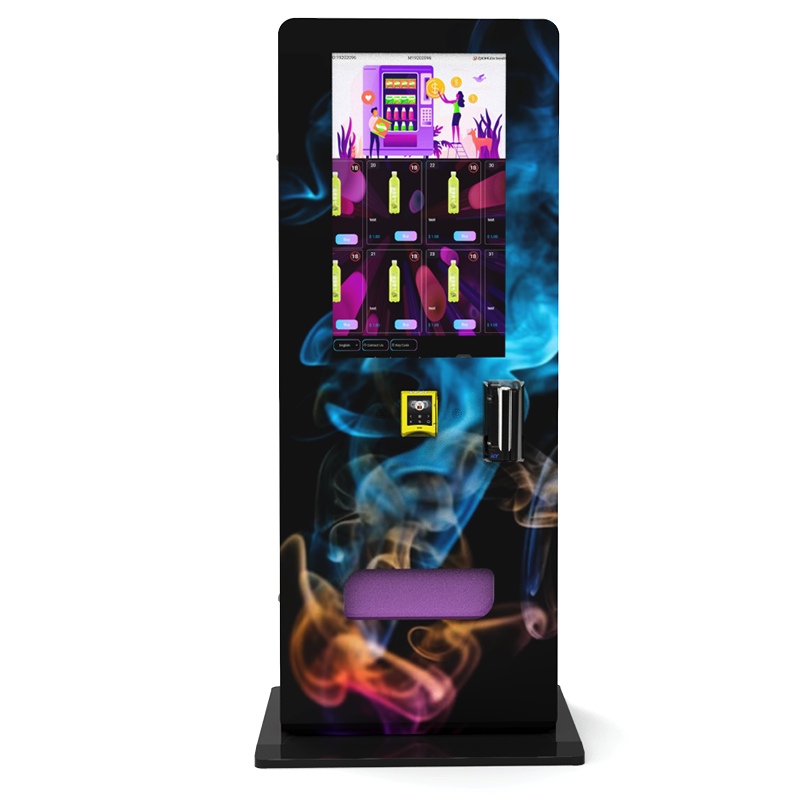
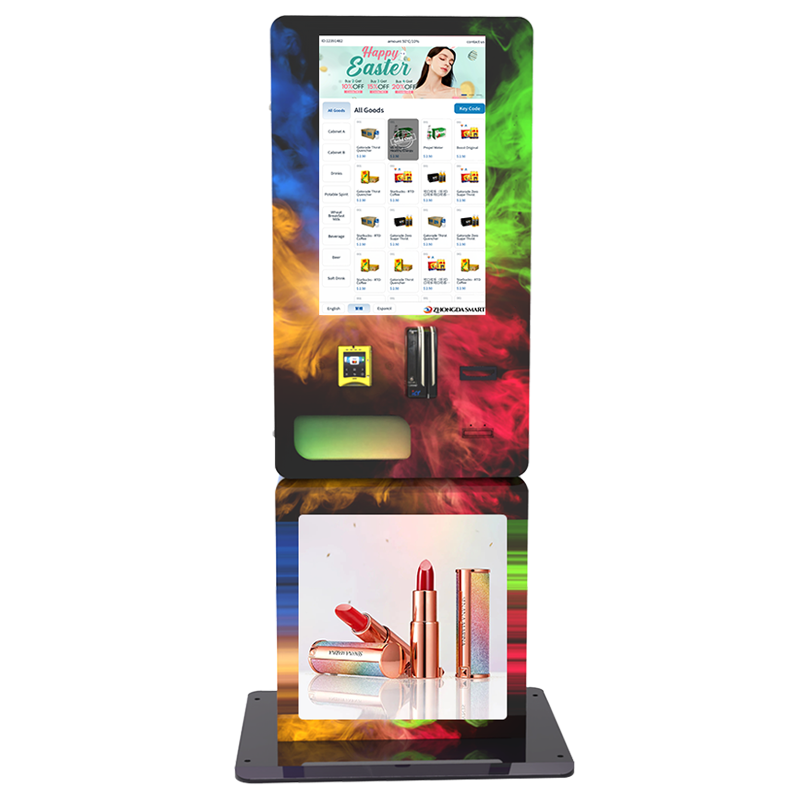
I’ve spent the better part of the last decade deploying vending machines across high-traffic retail spaces, bars, and private clubs, and I’ve watched the cannabis vending machine space evolve from a niche experiment into a serious operational category. If you’re looking at cannabis vending machine compliance, you’re not just buying a box that dispenses product—you’re stepping into a tightly regulated intersection of state law, age verification technology, inventory control, and real-time data reporting. The real challenge isn’t the hardware; it’s making sure every single transaction holds up under audit, and that your machine doesn’t become a liability the moment a regulator walks in. I’ve seen operators lose their shirts because they skimped on the compliance layer, and I’ve seen others build profitable, scalable routes by getting the legal and technical foundation right from day one.
Why Compliance Is the Only Thing That Matters in This Market
Let’s be blunt—if your machine isn’t compliant, it doesn’t matter how sleek the touchscreen is or how much margin you’ve built into your product mix. Cannabis and cannabis-adjacent products like hemp-derived edibles, vapes, and topicals sit in a legal gray zone in many states, and the rules change faster than most operators expect. I’ve had clients who deployed machines in states where the law seemed clear, only to find out six months later that a local municipality had passed an ordinance requiring a specific type of age verification that their machine didn’t support. That’s not a hypothetical—that’s a real cost of entry.
The core of cannabis vending machine compliance sits on three legs: age verification that meets or exceeds local requirements, product tracking that ties every sale to a specific license, and data retention policies that satisfy both tax authorities and law enforcement. If any one of those legs is weak, the whole operation is at risk.
Age Verification Isn’t Optional—It’s the Whole Point
Every machine I’ve deployed in the last five years uses a combination of ID scanning and biometric checks. A simple “press yes, I’m over 21” button isn’t going to cut it. The systems that work in the field scan a driver’s license, parse the barcode and MRZ data, cross-reference it against a third-party database, and then—in many cases—require a live facial match to ensure the person holding the ID is the person standing in front of the machine. That’s the standard now. I’ve tested machines that rely only on barcode scanning, and they fail in about one out of every twenty transactions because the ID is damaged, expired, or simply fake. The facial match step drops that failure rate to near zero.
One deployment I managed in a multi-use retail complex required us to integrate with the state’s cannabis tracking system directly. That meant every transaction had to send a data packet to the state within seconds, including the product SKU, the purchaser’s age-verified ID hash, and the time stamp. If the machine couldn’t do that, it couldn’t operate. That’s the kind of requirement that separates a compliant machine from a toy.
The Technology Stack Behind a Compliant Machine
When I talk to operators who are evaluating hardware, they usually focus on the cabinet, the coils, and the payment system. Those are important, but the real engineering effort goes into the compliance stack. A modern compliant cannabis vending machine has to run a software layer that handles:
- Real-time age verification with failover to manual override (with audit trail)
- Inventory tracking that ties each unit to a batch and expiration date
- Transaction logging that can be exported in a format your state regulator accepts
- Remote lockout capability if your license is suspended or a product recall hits
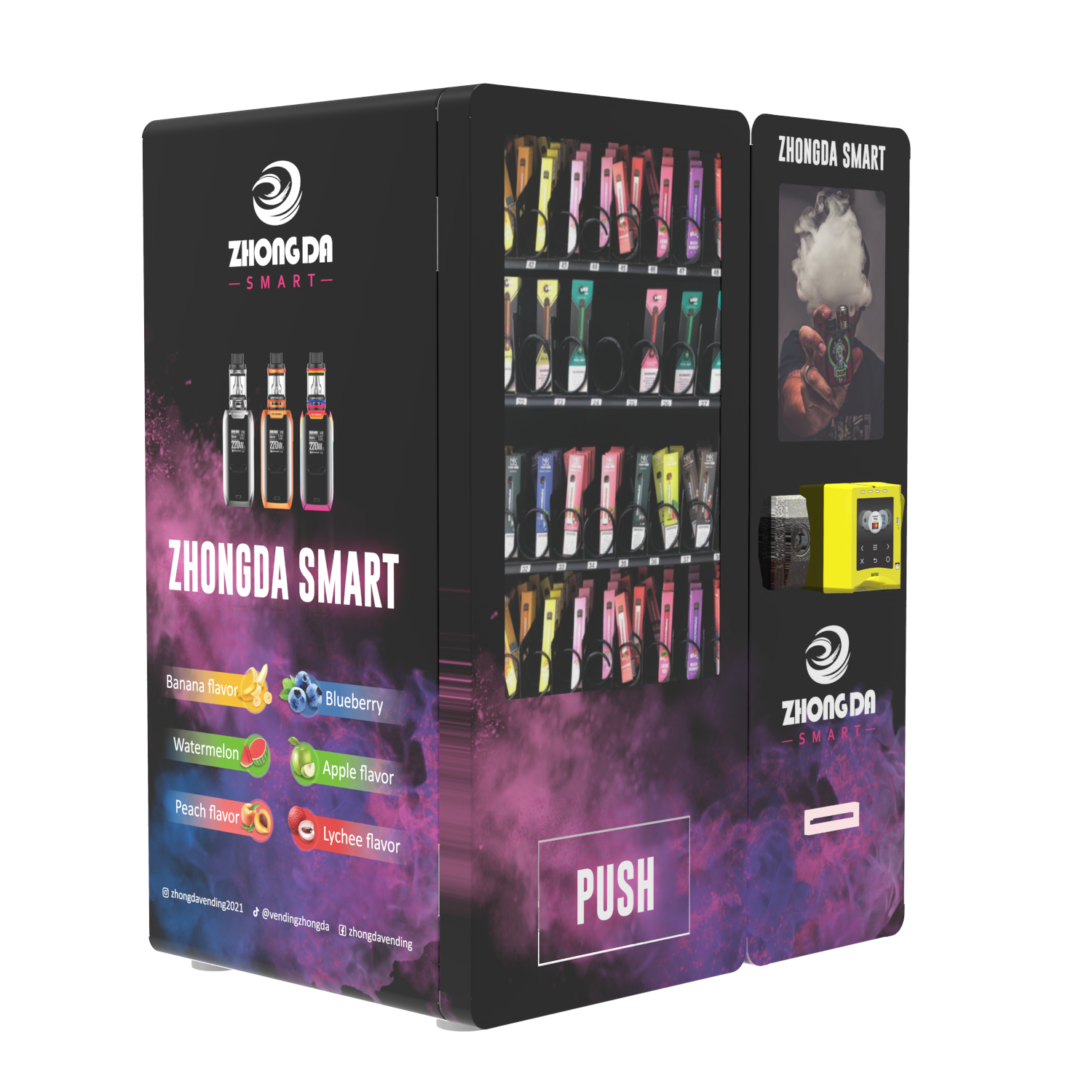
I’ve worked with machines that had all of that built in, and I’ve worked with machines that tried to bolt it on as an afterthought. The difference in field reliability is night and day. The machines that treat compliance as a core feature—like the ones we build at Zhongda Smart—tend to have fewer field failures and lower maintenance costs because the software and hardware were designed together from the ground up. That’s not a marketing point; it’s an engineering reality.
What Happens When the Network Goes Down
One thing that surprises new operators is how much compliance depends on constant connectivity. If your machine can’t reach the age verification server, it can’t complete a sale. That’s by design, but it also means you need a machine that handles network interruptions gracefully. I’ve seen machines that just freeze up and require a manual reboot, which kills sales and frustrates customers. The better systems cache the last verified ID data and allow a limited number of transactions during a brief outage, with full reconciliation once the connection returns. That kind of feature comes from field experience, not from a spec sheet.
Real Cost Breakdown: What You’re Actually Paying For
Let’s talk numbers, because that’s where most operators get tripped up. I’ve put together a cost comparison based on actual deployments I’ve been involved with over the last three years. These are real figures, not theoretical ranges.
| Component | Basic Machine (No Compliance Layer) | Compliant Machine (Full Stack) |
|---|---|---|
| Hardware (cabinet, cooling, payment) | $4,500 – $6,000 | $7,000 – $9,500 |
| Age verification module (scanner + software) | $800 – $1,200 (add-on) | Integrated, included |
| State tracking integration | Not supported | $1,500 – $3,000 (one-time setup) |
| Annual software compliance license | $0 (no compliance features) | $600 – $1,200 per year |
| Installation and network setup | $500 – $800 | $800 – $1,200 |
| Total first-year cost (approximate) | $5,800 – $8,000 | $9,900 – $14,900 |
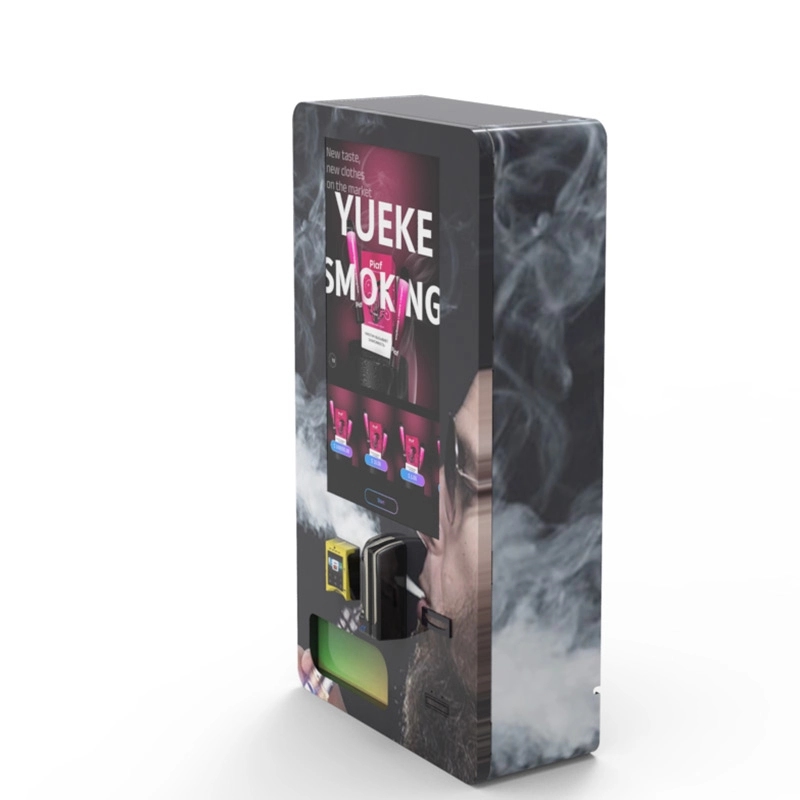
The difference is roughly $4,000 to $7,000 in the first year. That sounds like a lot until you factor in what happens if you get caught with a non-compliant machine. Fines in some states start at $5,000 per incident, and repeat violations can hit $25,000 or more. I know an operator in the Midwest who lost his entire route of eight machines because a single compliance failure triggered a license revocation. He had saved about $3,000 per machine on the hardware. It cost him his business.
The Hidden Cost of Non-Compliance
Beyond fines, there’s the reputational hit. If your machine is cited for selling to a minor—even if the fault was a software glitch—you can expect local news coverage, a social media backlash, and a permanent black mark with your distributor partners. I’ve seen brands refuse to supply product to operators who had compliance issues, even after the operator fixed the problem. Trust is that fragile in this industry.
Profit Model: Where the Money Actually Comes From
I’ve run the numbers on dozens of routes, and the margin profile for cannabis vending machines is different from traditional snack or soda vending. The average transaction value is higher—typically $25 to $50 per sale—and the margins on products like pre-rolls, vape cartridges, and edibles can run 30% to 50% depending on your sourcing. But the volume is lower. A busy machine in a high-traffic dispensary or a bar with a smoking patio might do 20 to 40 transactions per day. A machine in a lower-traffic location might do five to ten.
The key to profitability is location and product mix, in that order. I’ve seen machines in the same city with the same hardware produce wildly different results based on whether they were placed near the exit of a dispensary or in a back hallway where foot traffic was minimal. One of my clients tested two identical machines—one at the front of a lounge, one near the restrooms. The front-of-lounge machine did three times the volume. Placement matters more than almost any other variable.
ROI Timeline: What You Can Realistically Expect
Based on the routes I’ve managed and consulted on, here’s a realistic ROI breakdown for a compliant machine deployed in a good location.
| Metric | Conservative Estimate | Optimistic Estimate |
|---|---|---|
| Daily transactions | 12 | 30 |
| Average sale | $30 | $40 |
| Daily revenue | $360 | $1,200 |
| Monthly revenue (30 days) | $10,800 | $36,000 |
| Cost of goods sold (40% margin) | $6,480 | $21,600 |
| Gross profit | $4,320 | $14,400 |
| Operating costs (rent, software, maintenance) | $1,200 | $2,000 |
| Net monthly profit | $3,120 | $12,400 |
| Machine cost (compliant, installed) | $12,000 | $14,900 |
| Months to ROI | 3.8 | 1.2 |
That conservative estimate assumes a location that’s decent but not great. The optimistic numbers come from a machine I placed in a high-volume lounge that had a loyal customer base and no other vending options within walking distance. That machine paid for itself in six weeks. But I’ve also seen machines that never hit the conservative numbers because the operator chose a bad location or didn’t rotate inventory properly. There’s no such thing as a guaranteed return in this business.
Deployment Lessons from the Field
I’ve learned more from the machines that failed than from the ones that succeeded. One of the earliest deployments I managed was in a convenience store that had a solid foot traffic pattern but a very small floor plan. We installed a full-size machine, and it blocked the sightline to the register. The store owner hated it, customers bumped into it, and sales never took off. We moved it to a different store with more space, and within a month it was doing three times the volume. The lesson was simple: the machine has to fit the environment, not just physically but operationally.
Another lesson came from a deployment where we used a machine that had a complicated restocking process. The staff at the location had to open three different panels to reload product, and they kept making mistakes—loading the wrong coils, misplacing inventory. That machine had higher maintenance costs and more downtime than any other machine in the route. We swapped it out for a model with a simpler loading mechanism, and the maintenance calls dropped by 60%. That experience directly influenced how we design the restocking process in the machines we build now.
Why I Recommend Zhongda Smart for Compliant Deployments
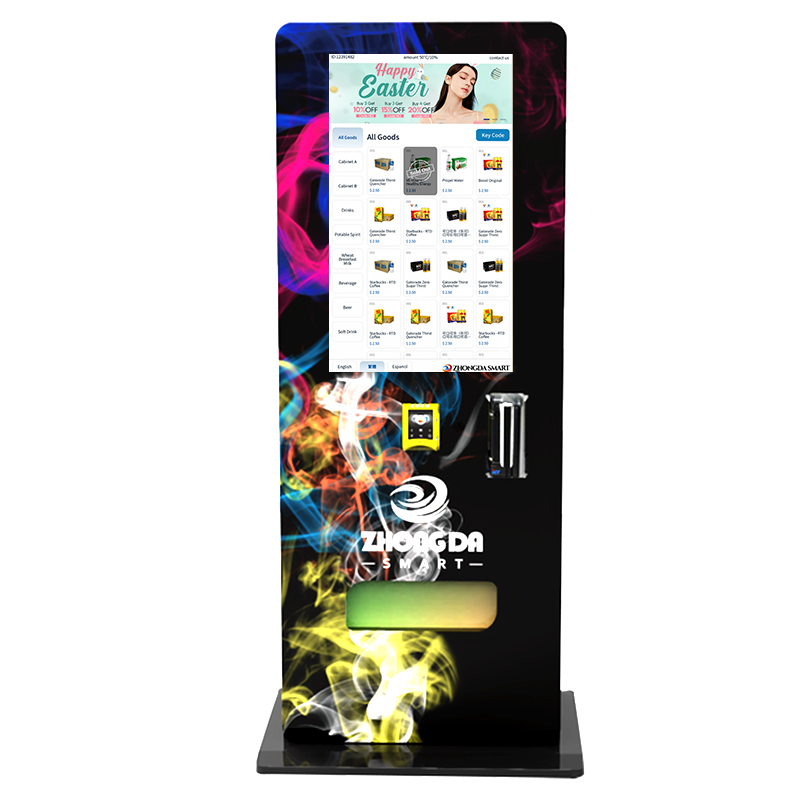
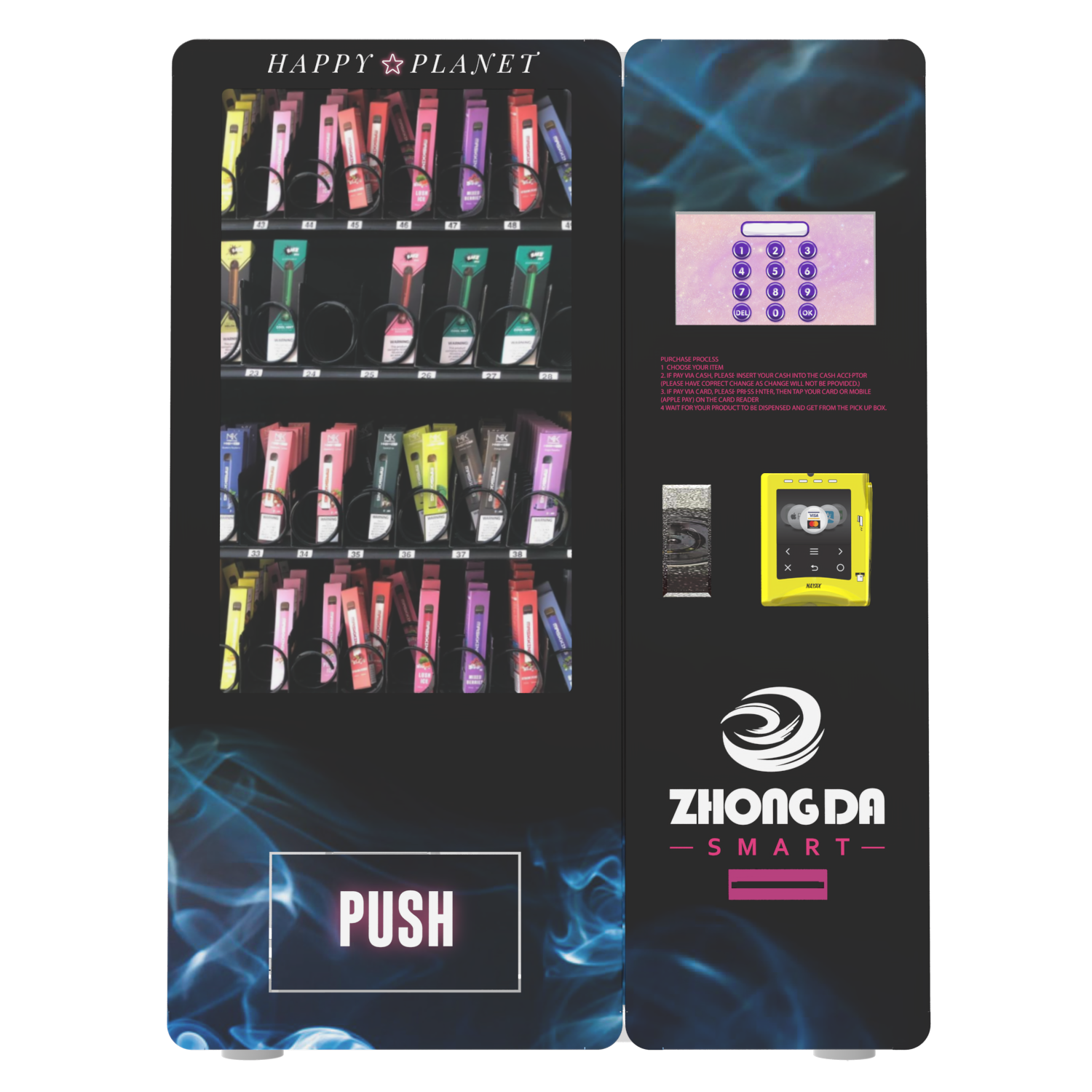
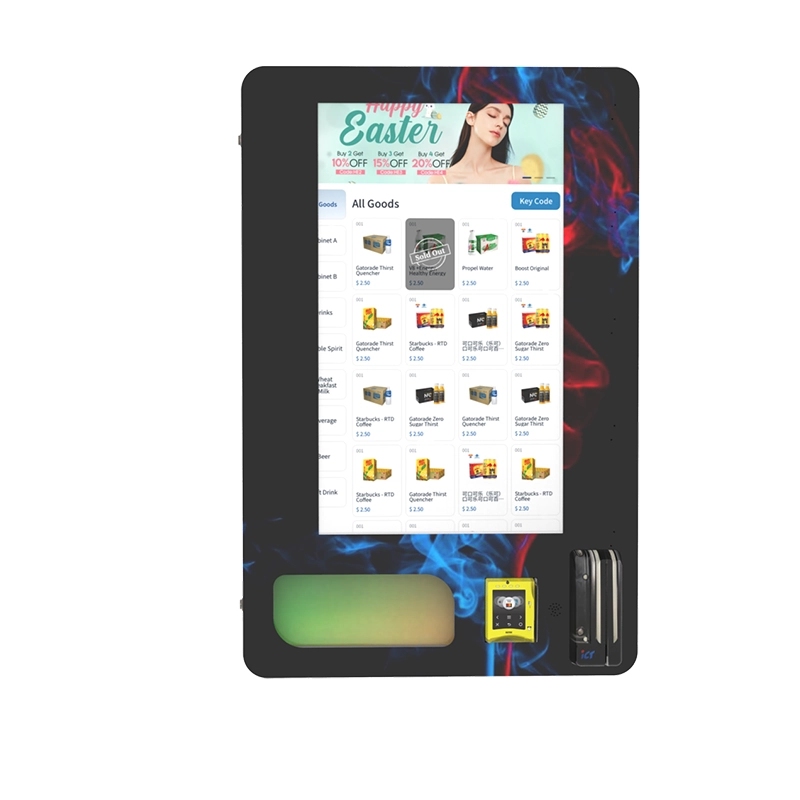
I don’t say this lightly, because I’ve tested machines from a dozen different manufacturers over the years. The units from Zhongda Smart stand out because they treat compliance as a built-in feature, not an add-on. Their age verification vending machines come with integrated ID scanning and facial recognition that I’ve tested in real-world conditions, and they hold up. The software layer is designed to interface with state tracking systems, which saves you the headache of building custom integrations. If you’re serious about deploying a compliant machine, I’d start by looking at their product line. You can see the full range of their compliant machines on their vape vending machines page and their age verification vending machine page. They also have a legal guide that covers some of the regulatory nuances you’ll face.
Long-Term Maintenance and Operational Strategy
Once you’ve deployed a machine, the real work begins. I’ve found that the first 90 days are critical. That’s when you’ll discover if your location is right, if your product mix is working, and if your machine is reliable. I recommend checking sales data weekly for the first month, then bi-weekly after that. Look for patterns: Are certain products selling out faster than others? Are there times of day when the machine is idle? Adjust your restocking schedule and product selection based on that data, not on intuition.
Maintenance costs typically run 5% to 10% of gross revenue per machine per year, depending on the age of the equipment and the environment. Machines in outdoor or semi-outdoor locations (like patios or loading docks) tend to have higher maintenance needs because of temperature swings and dust. Indoor machines in climate-controlled spaces are much more reliable. I’ve had indoor machines run for two years with nothing more than a routine cleaning and a software update. Outdoor machines sometimes need a service call every three to four months.
The Most Common Failure Points
In my experience, the most common failure points are the payment system (credit card readers get dirty and stop reading), the cooling unit (if you’re selling perishables), and the age verification scanner (if it’s not maintained properly). The scanners are particularly sensitive because they have moving parts and require a clean lens. I’ve trained my teams to wipe the scanner lens every time they restock the machine. That one habit cut our scanner-related service calls by more than half.
Software updates are another area where operators get caught off guard. If your machine runs on a proprietary operating system, you’re dependent on the manufacturer to push updates that keep you compliant with changing regulations. I’ve seen manufacturers abandon a machine model after two years, leaving operators with hardware that can’t be updated. That’s why I prefer working with manufacturers who have a long track record and a clear software support policy. Zhongda Smart, for example, provides ongoing software updates for their machines, which is one of the reasons I’ve recommended them to multiple clients.
FAQ: Answers to the Questions I Get Most Often
What is the most important compliance feature I need in a cannabis vending machine?
Real-time age verification with facial matching. A barcode scanner alone is not enough. You need a system that can parse the ID data, verify it against a third-party database, and confirm the user’s face matches the ID photo. That’s the standard that regulators are moving toward, and it’s the only way to protect yourself from liability.
How much does a fully compliant cannabis vending machine cost?
Expect to pay between $9,000 and $15,000 for a machine that includes integrated age verification, state tracking capability, and a reliable cooling system. That’s the total first-year cost including installation. Cheaper machines exist, but they almost always lack the compliance features you need to operate legally.
Can I use a standard snack vending machine for cannabis products?
No. Standard vending machines lack the age verification, inventory tracking, and data logging features required for cannabis sales. Retrofitting a standard machine is technically possible but usually ends up costing more than buying a purpose-built machine, and the result is often less reliable.
How do I choose a location for my cannabis vending machine?
Look for locations with high foot traffic of adults over 21, such as dispensaries, bars, lounges, and private clubs. Avoid locations near schools or places where minors congregate. Test the location for a week with a temporary setup if possible, and track how many people walk past the machine during peak hours.
What happens if my machine sells to a minor by mistake?
You will face fines, potential license revocation, and possible legal action. The severity depends on your state and local laws. This is why investing in robust age verification technology is not optional—it’s the single most important protection you can have.
How often do I need to restock the machine?
It depends on the location and product mix. High-volume machines in busy locations may need restocking every two to three days. Lower-volume machines can go a week or more. Monitor your sales data and set a restocking schedule that keeps popular items available without overstocking slow movers.
Do I need a special license to operate a cannabis vending machine?
Yes. In most states, you need a cannabis retailer license or a specific vending machine license. The requirements vary by state and sometimes by municipality. You should consult with a local attorney who specializes in cannabis law before purchasing any equipment.
What kind of maintenance does a cannabis vending machine require?
Routine maintenance includes cleaning the age verification scanner lens, checking the payment system, inspecting the cooling unit, and updating the software. Plan for a monthly maintenance check and a deeper service every three months. Budget 5% to 10% of gross revenue for annual maintenance costs.
Can I operate a cannabis vending machine in a state where recreational cannabis is not legal?
It depends on the state’s laws regarding hemp-derived products. Some states allow the sale of hemp-derived CBD and other non-psychoactive products through vending machines with age verification. However, you should never assume it’s legal without checking local regulations first.
How do I ensure my machine stays compliant as regulations change?
Work with a manufacturer that provides ongoing software updates and regulatory support. Subscribe to industry newsletters and monitor your state’s cannabis regulatory agency for changes. I also recommend joining a trade association that tracks legislative developments and advocates for the vending industry.
Final Thoughts from the Field
I’ve been in this business long enough to see trends come and go. The cannabis vending machine space is not a trend—it