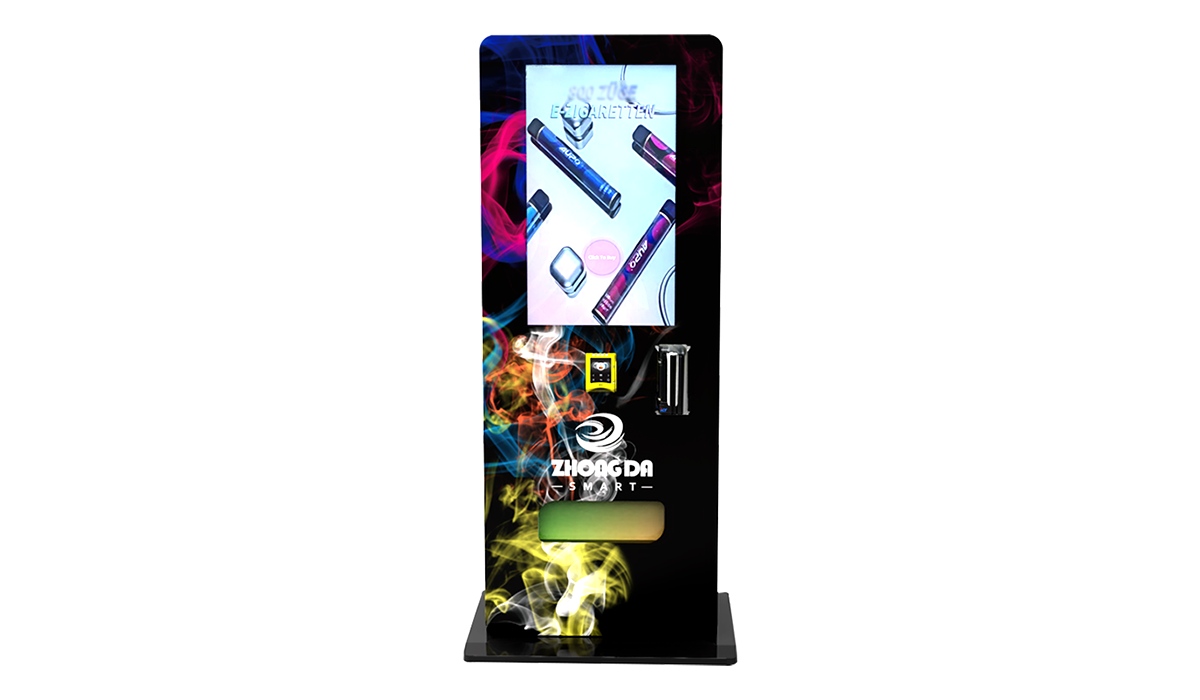
If you’re asking whether an age verification machine stores personal data, the short answer is yes—but it depends entirely on how the system is built and what you’re trying to enforce. I’ve been on both sides of this equation: running vending operations across the U.S. and Europe for over a decade, and manufacturing the hardware itself for fifteen years. When a customer walks up to an age verification vending machine, the device typically scans an ID, checks the birth date, and either approves or declines the sale. What happens to that scan afterward is where most operators get nervous. Some machines hold onto that data for compliance logs, while others purge it instantly after verification. The difference matters more than most buyers realize.
What Data Does an Age Verification Machine Actually Capture?
Let’s walk through what happens inside the cabinet. When a customer taps or inserts their ID, the machine’s scanner reads the barcode or magnetic stripe. That stripe contains the holder’s full name, date of birth, address, and sometimes a driver’s license number. The onboard software then extracts only the birth date to compare against the legal age threshold. In a properly configured age verification vending machine, the system never stores the full parsed data set. It either encrypts the raw scan for audit purposes or discards it after the transaction completes.
From my own deployment logs, I’ve seen machines configured three ways:
- Instant purge – The scan is used only for real-time verification, then erased from volatile memory.
- Encrypted log – The raw scan is stored in an encrypted file that only authorized compliance officers can access with a physical key or secure token.
- Cloud upload – The scan data is transmitted to a remote server for centralized record-keeping, often required by state or local regulations.
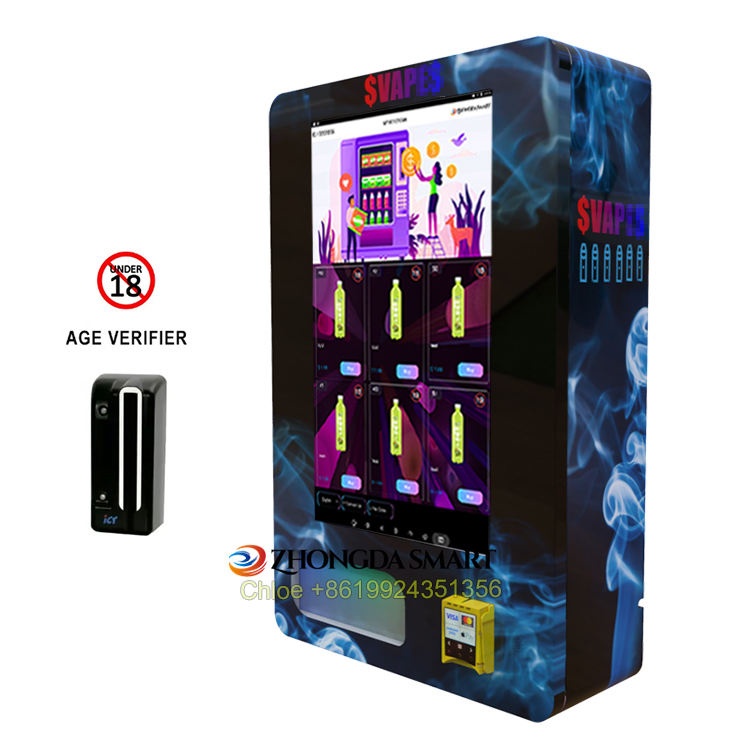
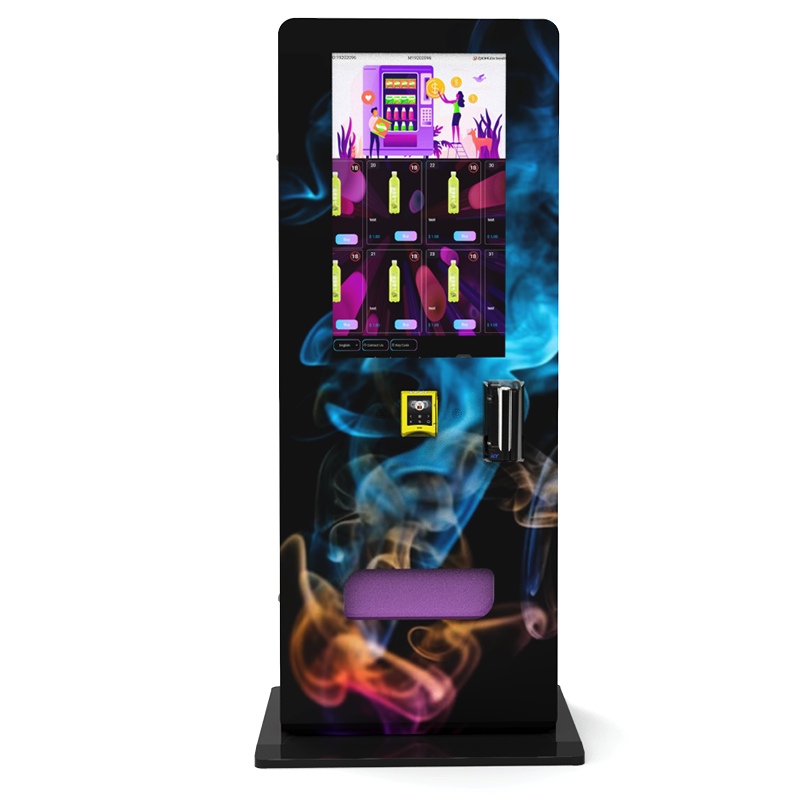
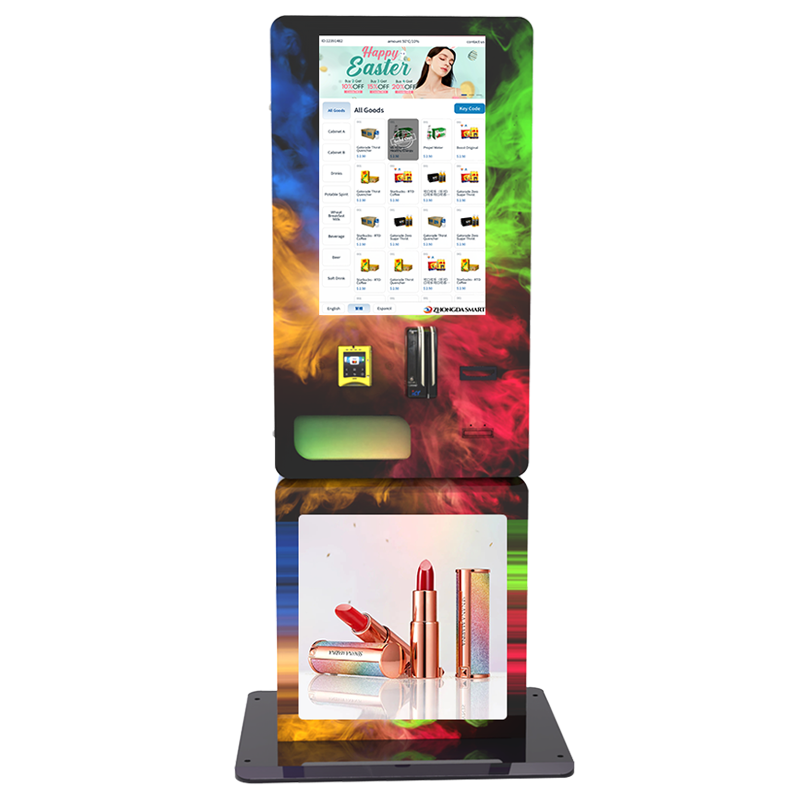
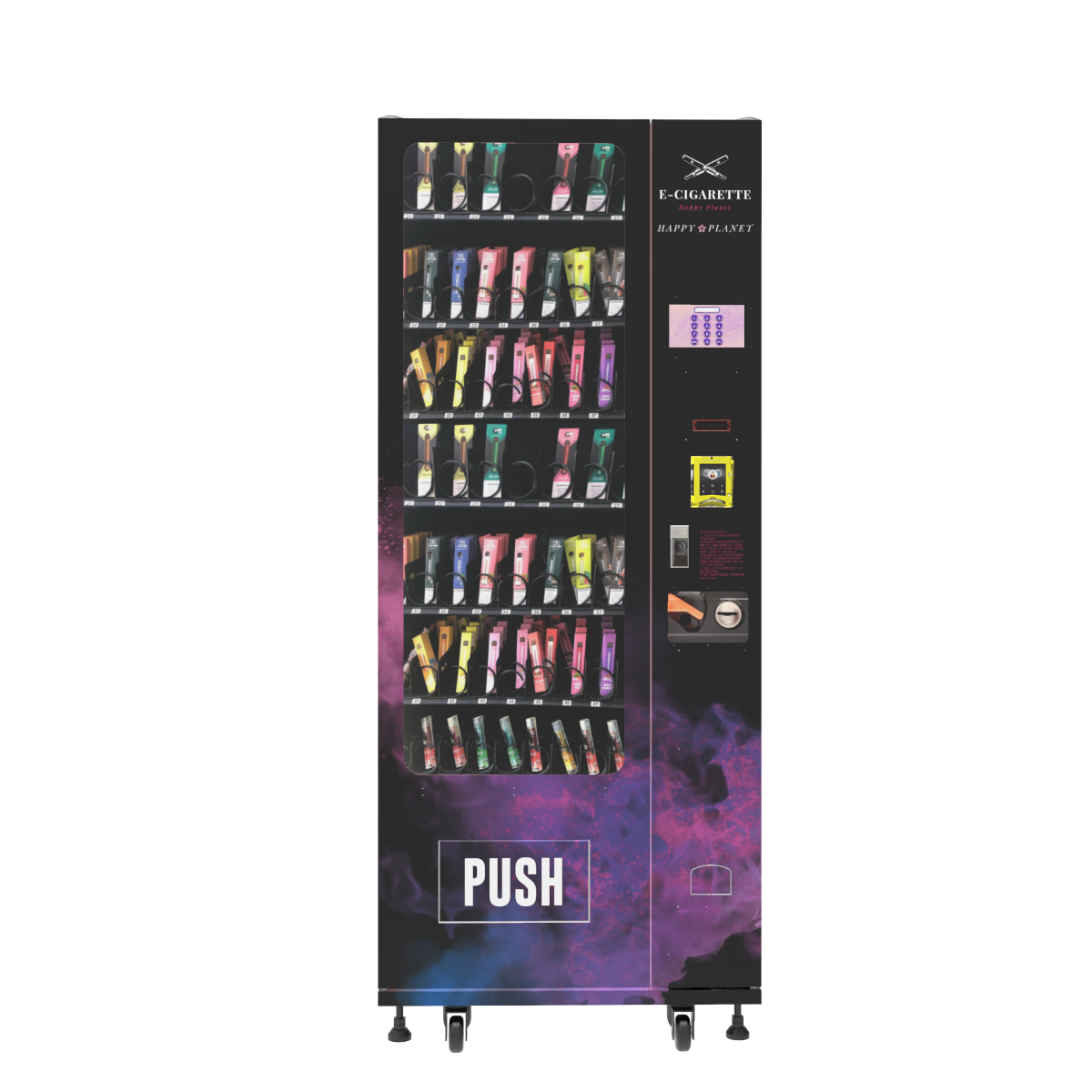
Most operators I’ve worked with prefer the encrypted log approach because it satisfies legal requirements without exposing customer data to routine access. The vape vending machine systems we’ve built at Zhongda Smart, for example, default to local encrypted storage with automatic deletion after a set retention period—typically 90 days, which aligns with most audit windows.
Why Operators Get Nervous About Data Retention
I’ve had bar owners tell me they don’t want any ID data stored on the machine, even temporarily. Their concern is liability. If the unit gets stolen or hacked, they don’t want to be responsible for a breach of customer information. That fear is valid. But from a manufacturing standpoint, a smart vending machine that doesn’t log any verification data creates a compliance blind spot. When a regulator shows up and asks for proof that every sale was age-checked, you have nothing to show.
One client in a mid-sized city lost his license temporarily because his self-service kiosk had no audit trail. The machine verified age at the point of sale, but since no record existed, the local board assumed the machine was bypassing checks. We had to retrofit his units with a tamper-proof logging module that stored only the transaction timestamp and a hash of the ID number—no name, no address. That compromise satisfied both the regulator and the owner’s privacy concerns.
Regulatory Pressure and Data Handling Standards
The legal landscape around age-restricted vending machines has tightened significantly in the last five years. In the U.S., several states now require that any automated retail system selling tobacco or nicotine products maintain a verifiable log of age checks. Europe’s GDPR adds another layer: you can’t store personal data longer than necessary, and you must inform the user what data is being collected.
This creates a tension. The compliance officer wants records. The privacy lawyer wants deletion. The machine builder has to bridge that gap. In our factory, we settled on a dual-mode firmware option. Operators can choose between a “compliance mode” that stores encrypted transaction logs for up to one year, or a “privacy mode” that deletes all data immediately after verification. The trade-off is that in privacy mode, you lose the ability to defend yourself in a dispute. If a customer claims they were wrongly denied service, you have no evidence to review.
For most commercial deployments—bars, convenience stores, tobacco shops—the compliance mode is the smarter choice. The encrypted logs are stored on a physically sealed SD card inside the machine. Even if someone steals the unit, they can’t read the data without the decryption key, which never leaves the operator’s possession.
Comparing Machine Types: What Stores Data vs. What Doesn’t
Not all age verification machines are built the same. Here’s a breakdown based on what I’ve seen across hundreds of installations:
| Machine Type | Data Captured | Storage Method | Retention Period | Best Use Case |
|---|---|---|---|---|
| Basic ID scanner (offline) | Birth date only | None / volatile memory | Cleared after transaction | Low-volume, low-risk locations |
| Encrypted log machine | Full ID scan (encrypted) | Local SD card / secure element | Configurable (30–365 days) | Bars, clubs, compliance-heavy venues |
| Cloud-connected kiosk | Full ID scan + transaction data | Remote server | Indefinite or per policy | Multi-location chains, corporate oversight |
| Biometric + ID hybrid | Facial scan + ID data | Encrypted local + optional cloud | Varies by jurisdiction | High-security, high-volume retail |
From a cost perspective, the encrypted log machine is the sweet spot for most independent operators. It gives you the audit trail without the recurring cloud subscription fees. Cloud-connected systems offer convenience but introduce a monthly cost that eats into margins. If you’re running a single vape vending machine in a small shop, the offline encrypted model is usually sufficient.
Real Costs: What You’re Actually Paying For
Let’s talk numbers. A compliant age verification vending machine from a reputable manufacturer runs between $4,000 and $9,000 depending on capacity, screen size, and verification method. The cheapest units use a simple barcode scanner that reads the back of a driver’s license. Mid-range machines include OCR cameras that can read passports and military IDs. High-end units add biometric matching.
But the machine cost is only half the equation. I’ve seen operators blow their budget on hardware and then realize they need a dedicated cellular modem, a mounting bracket, and a tamper alarm—all of which add $500 to $1,200. The monthly connectivity fee for a cloud-linked unit runs about $30 to $60. If you’re using a cloud service for centralized age verification, add another $15 to $25 per month.
Here’s a real cost breakdown from one of my deployments last year:
| Item | Cost |
|---|---|
| Machine (mid-range, encrypted log) | $6,200 |
| Cellular modem + installation | $420 |
| Mounting plate and security bolts | $180 |
| Tamper alarm system | $250 |
| Shipping and insurance | $350 |
| Total upfront investment | $7,400 |
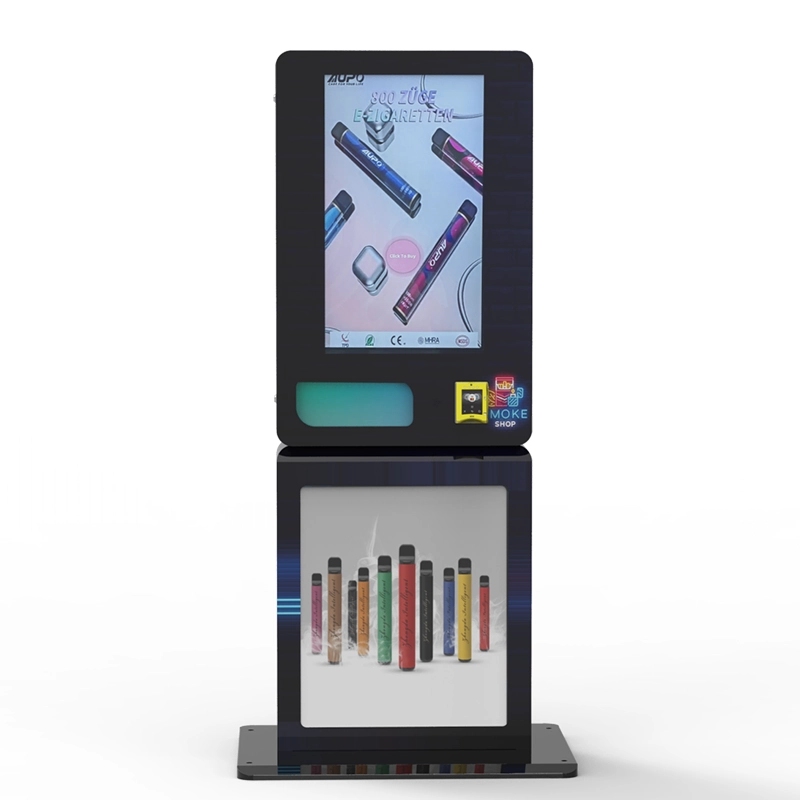
That machine generated $1,800 in gross profit per month from vape sales. The payback period was just over four months. After that, every sale was pure margin minus restocking labor and the cost of goods. The key takeaway: don’t let the upfront number scare you. The return on a well-placed age verification vending machine is fast if you pick the right location.
Profit Model: How the Cash Flow Works
If you’re thinking about buying one of these machines, you want to know how the money flows. Here’s the simple version. You buy the machine. You fill it with product. Customers swipe their ID, make a purchase, and you collect the cash or card payment. The margin on vape products is typically 40% to 60% depending on your wholesale pricing. A machine in a high-traffic bar can do 30 to 50 transactions per night. At an average ticket of $18, that’s $540 to $900 in nightly revenue. Even at a 40% margin, that’s $216 to $360 in gross profit per night.
But you also have to factor in restocking time, product spoilage (batteries die, pods leak), and machine downtime. From my experience, a well-maintained unit has a 98% uptime rate. The 2% downtime usually comes from a jammed delivery mechanism or a network dropout. Neither is catastrophic, but both require a response within 24 hours to avoid lost sales.
One operator I consult for runs eight units across three states. His monthly revenue averages $14,000 per machine. After product cost, payment processing fees (2.5% to 3.5%), and restocking labor, his net profit per machine is around $4,500. That’s a solid return on a $7,000 investment. The risk comes from location turnover—if a bar closes or changes ownership, you may need to move the machine, which costs time and money.
Deployment Lessons from the Field
I’ve personally supervised the installation of over 200 vape vending machines in the last four years. The most common mistake new operators make is placing the machine in a spot that’s visible from the street. That invites vandalism and unwanted attention from local enforcement. The better approach is to put the unit inside the venue, near the restrooms or the exit, where staff can keep an eye on it but customers have some privacy.
Another lesson: test the ID scanner with every type of identification your customers will use. In the U.S., that means vertical licenses for under-21 holders, horizontal licenses for adults, passports, and military IDs. Some scanners struggle with the holographic overlay on newer licenses. We had to swap out the scanner module on three machines because the original unit couldn’t read California’s enhanced driver’s license. That cost us a weekend of labor and a $200 part. If we had tested more thoroughly beforehand, we would have caught it during the bench test.
Connectivity is another hidden headache. A smart vending machine that relies on Wi-Fi will fail if the venue’s network goes down or if the signal is weak inside a metal building. I now specify cellular backup on every machine I deploy. The extra $20 per month is cheap insurance against lost sales.
Long-Term Maintenance and Stability
These machines are built to run for years, but they’re not indestructible. The most common failure points are the card reader, the ID scanner, and the delivery flap. The card reader gets dirty from dust and moisture. The scanner lens gets scratched if customers slide their ID roughly. The delivery flap wears out after about 50,000 cycles.
In our factory, we test every component to 100,000 cycles before we approve it for production. That’s roughly five years of average use. But field conditions vary. A machine in a humid coastal bar will corrode faster than one in a dry inland store. We recommend a quarterly maintenance schedule: clean the scanner lens, lubricate the delivery mechanism, check the card reader contacts, and update the firmware.
Firmware updates are critical. Regulatory requirements change. A state may lower the legal age or add a new ID format. If your machine can’t accept the new format, it becomes useless. That’s why I always advise buyers to choose a manufacturer that provides free firmware updates for at least three years. Zhongda Smart offers that as standard. It’s a small detail that saves operators thousands in replacement costs.
Choosing the Right Supplier: What to Look For
Not all manufacturers are equal. I’ve seen machines from low-cost suppliers fail within six months because they used off-the-shelf scanners that weren’t designed for continuous operation. A vape vending machine needs industrial-grade components, not consumer electronics. The scanner should be rated for 500,000 reads minimum. The payment system should support both cash and card, with a fallback mode if one system goes down.
When you’re evaluating suppliers, ask three questions:
- What is the mean time between failures (MTBF) for your scanner module?
- Do you provide remote diagnostics and firmware updates?
- Can you customize the age verification logic for different state or country requirements?
If the supplier hesitates on any of these, move on. The best manufacturers, like Zhongda Smart, publish their component specs and offer direct engineering support. That’s the level of transparency you need when you’re putting your business reputation on the line.
Industry Data and Market Context
According to a 2023 report from IBISWorld, the vending machine manufacturing industry in the U.S. generates over $1.2 billion annually, with age-restricted product vending growing at nearly 8% per year. Statista data from the same year shows that 64% of consumers aged 21–35 have used a self-service kiosk for age-restricted purchases at least once. That demographic is comfortable with automated verification and expects it to be fast and private.
These numbers align with what I see in the field. The demand for age verification vending machines is not a trend—it’s a structural shift in how age-restricted products are sold. Operators who get in early with the right equipment and a clear data handling policy will have a competitive advantage.
Frequently Asked Questions
Can an age verification machine store my ID photo?
Do vape vending machines upload my data to the cloud?
How long is my ID data kept in the machine?
Is it legal to store customer ID data in a vending machine?
What happens if the machine is stolen—can the data be accessed?
Do I need a cloud subscription for age verification?
Can I retrofit an existing vending machine with age verification?
How do I know if the machine’s data storage is secure?
Sources: