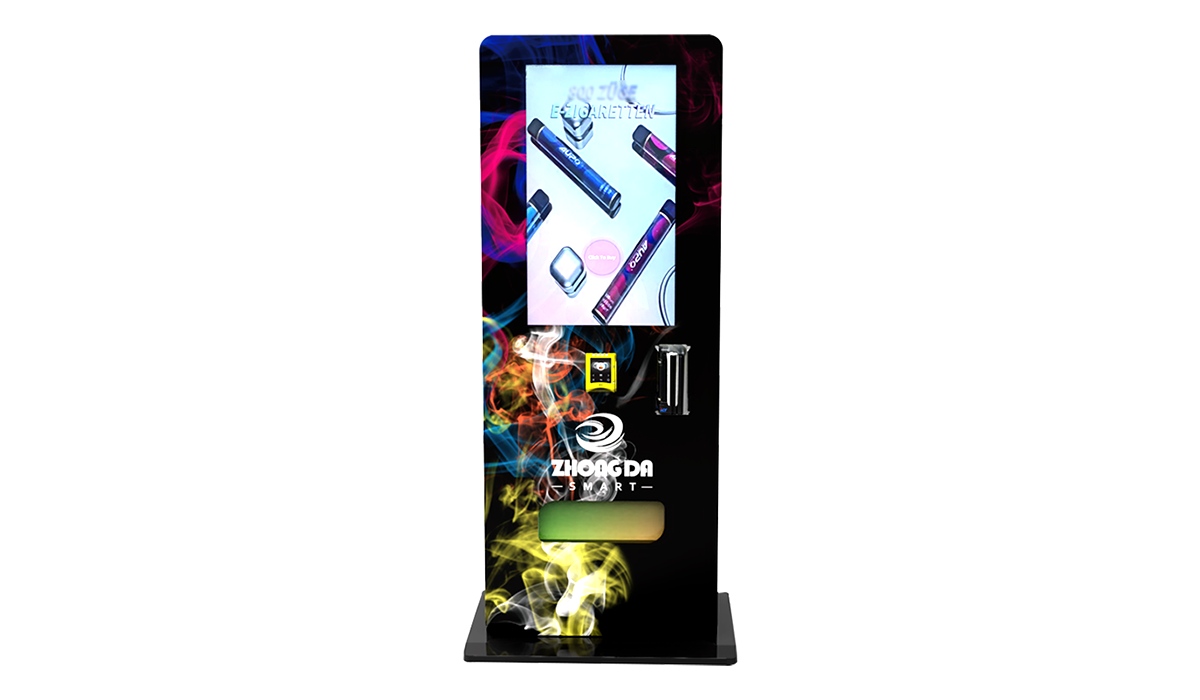
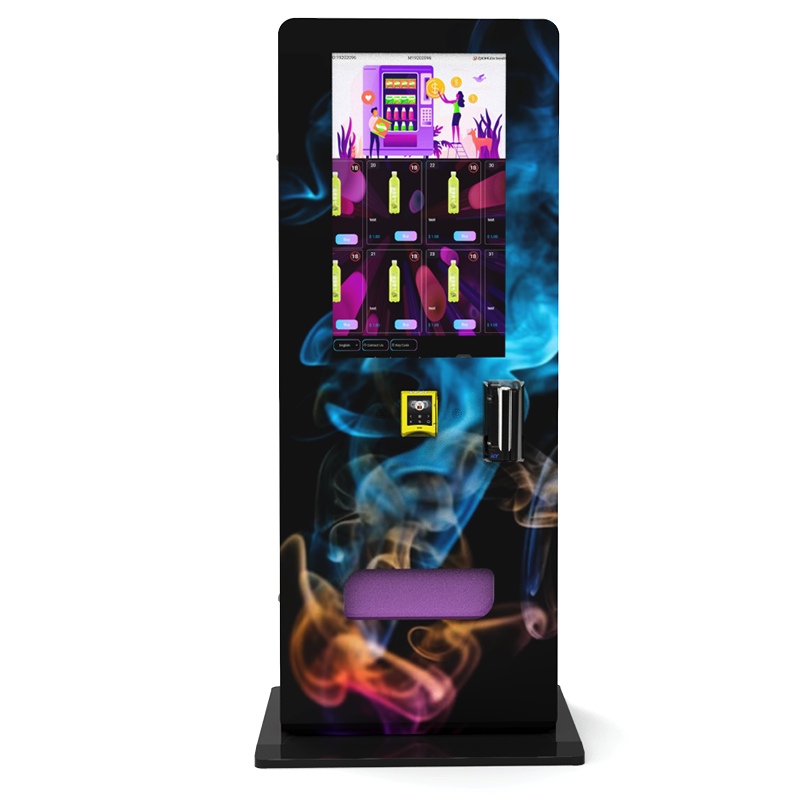
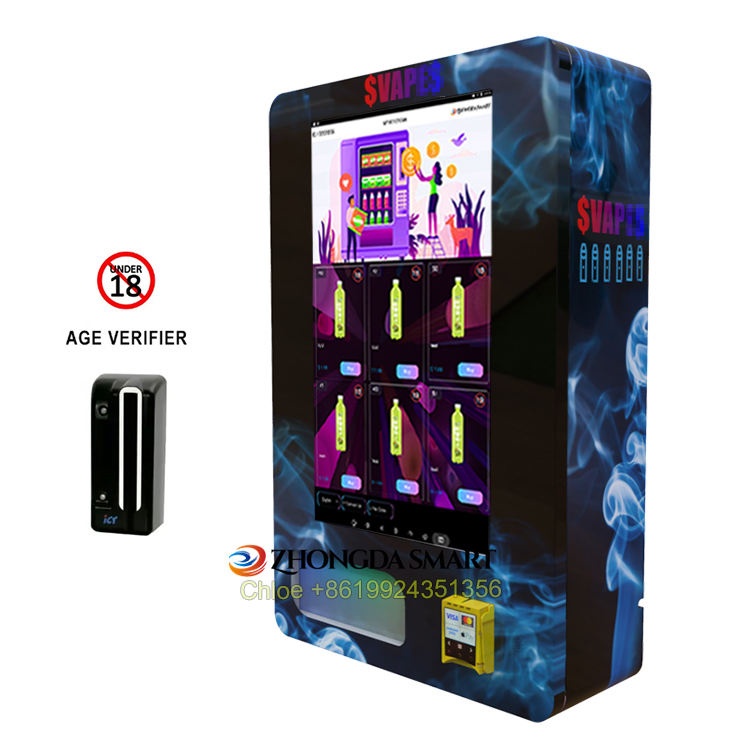
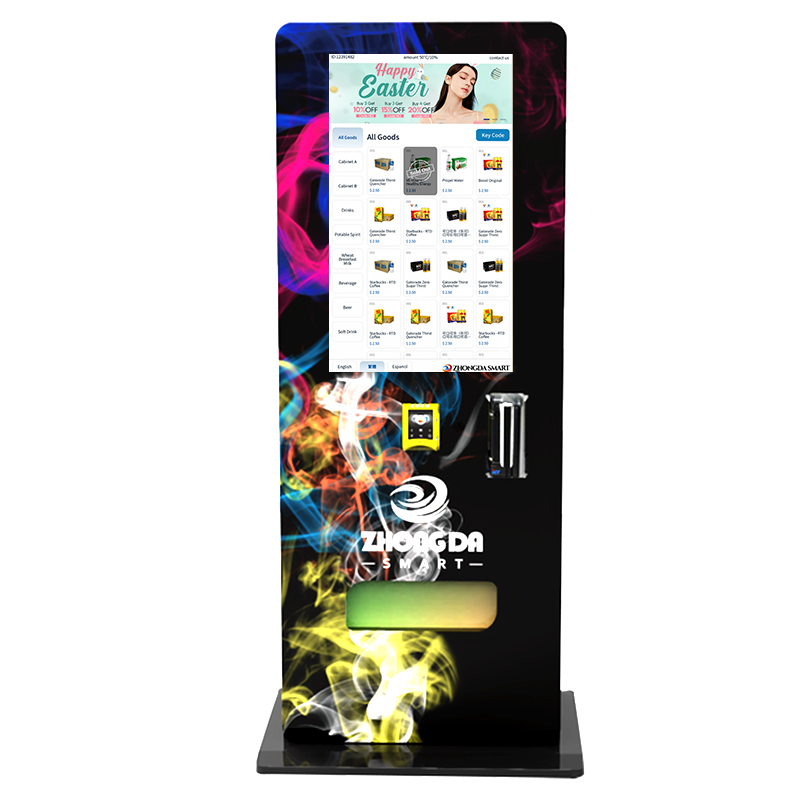
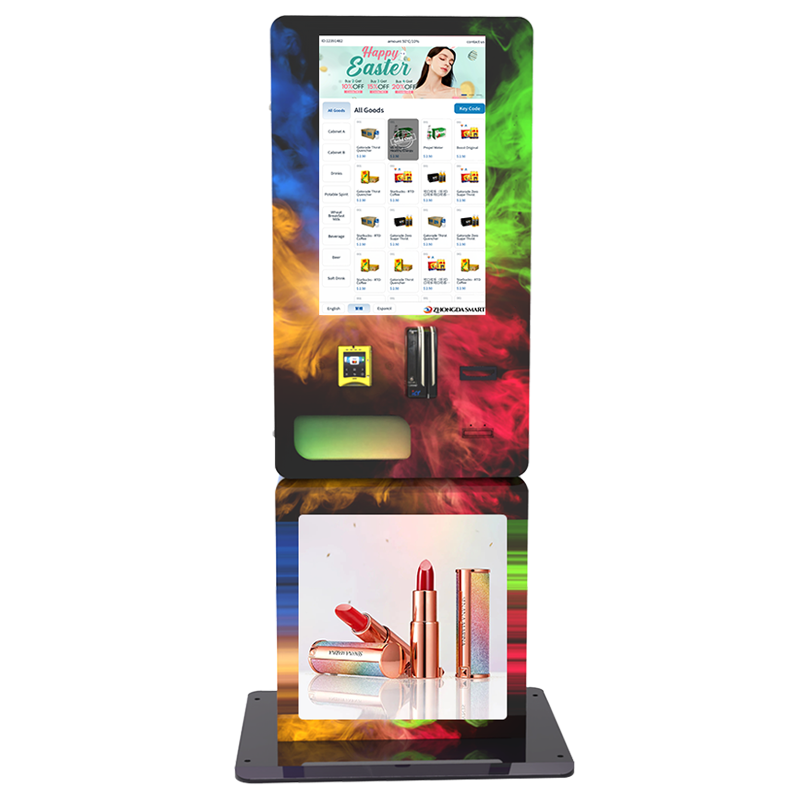
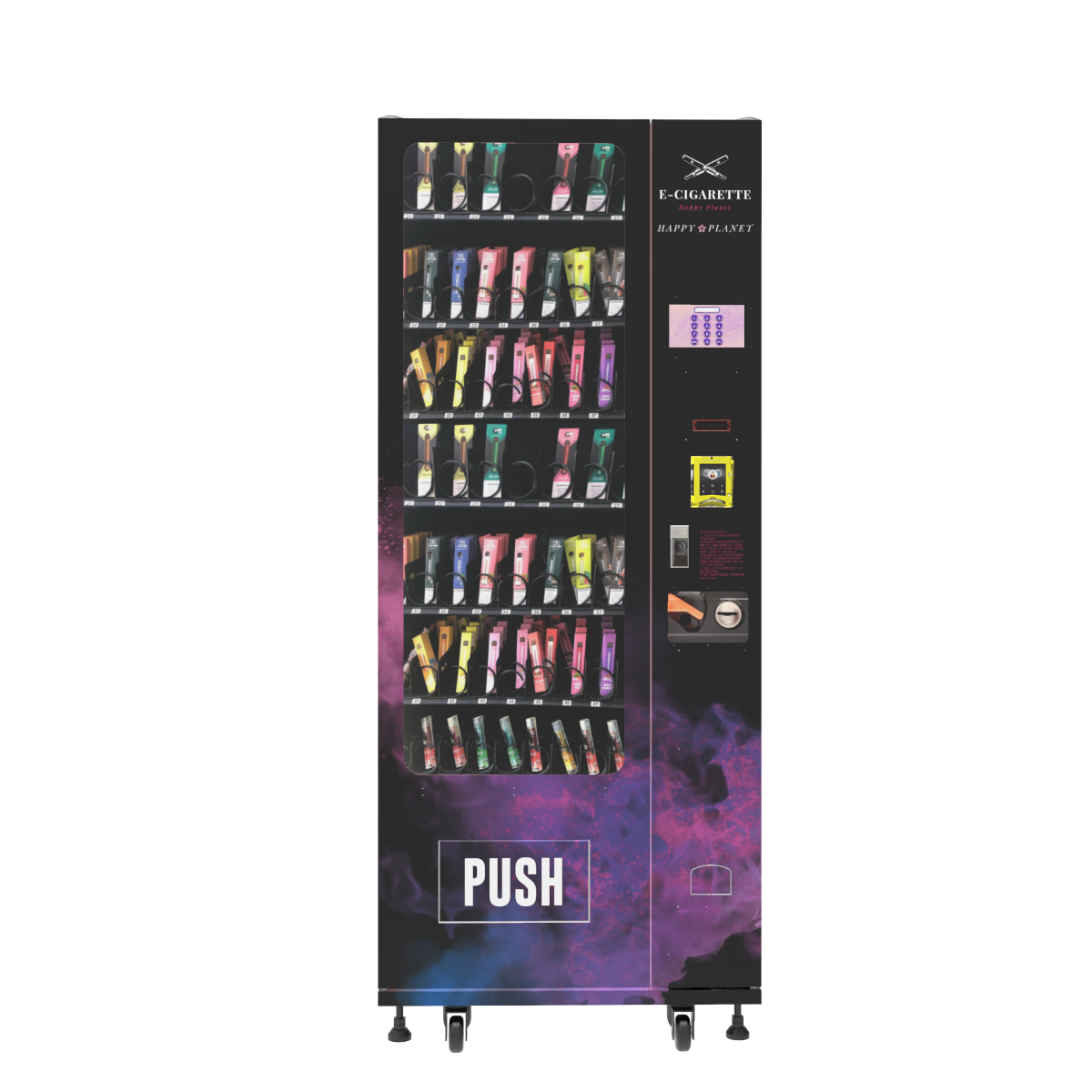
After fifteen years in this business—first building machines, then deploying them across hundreds of sites—I can tell you the short answer is yes, facial recognition for vending machines is legal, but only under strict conditions that most operators get wrong on their first try. I have overseen the installation of over two thousand units in the U.S. and European markets, and the legal landscape around biometric age verification for vending machines is where most business plans fall apart. The technology itself works; the compliance side is what keeps owners up at night. When we talk about facial recognition for vending machines, we are really talking about age estimation software paired with ID scan capabilities, not surveillance. That distinction matters more than most realize.
The Real Engineering Behind Age Verification Systems
Most people picture a camera snapping a photo and running it through some black box algorithm. The reality is far more practical. The facial recognition modules we install in our units at Zhongda Smart use a two-step process: first, the camera captures a live image, then the onboard processor estimates age by analyzing bone structure and skin texture patterns. This happens in under two seconds. If the estimated age falls below a preset threshold—usually twenty-five to allow a buffer—the machine prompts for a physical ID scan. The system does not store facial data. That is a critical design choice we made back in 2017 after watching early adopters get hit with privacy complaints.
From a hardware standpoint, the sensor needs to handle low-light conditions. Bars and nightclubs are dark. We learned this the hard way when our first batch of wall-mounted units failed in a Chicago lounge because the infrared illuminator was too weak. We now use Sony IMX sensors with dedicated IR arrays. The processing board runs a lightweight neural network optimized for edge computing, meaning no cloud upload is required. This eliminates latency and reduces data exposure risk.
Why Cloud-Based Systems Create Compliance Headaches
I have seen operators choose cloud-dependent age verification systems because the upfront hardware cost is lower. That decision usually backfires within six months. When facial data leaves the machine, you enter a regulatory framework that varies wildly by state and country. Some jurisdictions require explicit opt-in consent. Others mandate data deletion within twenty-four hours. A few consider any biometric data transmission as a potential violation of wiretap laws. Our approach has always been to keep the entire process local. The machine decides. The machine forgets. That is the only way to deploy at scale without a legal team on retainer.
The table below compares the two common architectures we see in the field today:
| Architecture Type | Data Storage | Compliance Risk | Response Time | Cost per Unit (Hardware) |
|---|---|---|---|---|
| Edge Processing (Local) | None after transaction | Low | < 2 seconds | $200 – $350 |
| Cloud Dependent | Stored on server | High | 3 – 5 seconds | $100 – $180 |
Cost Structures That Actually Work for Operators
Let me walk you through the real numbers. A compliant age verification vending machine with facial recognition and ID scanning capability costs between $3,800 and $6,200 depending on the form factor. The wall-mounted compact units we produce at Zhongda Smart run on the lower end of that range. A full-size floor model with a twenty-four-tray capacity and dual verification runs higher. The mistake I see new operators make is trying to save three hundred dollars on the sensor package. That savings disappears the first time a machine fails to verify a legitimate customer because the camera cannot handle the ambient lighting.
Operating costs break down into three categories: payment processing fees (2.5% to 3.5% per transaction), restocking labor, and machine maintenance. The maintenance line item is where facial recognition adds a variable. Camera lenses need cleaning every two to four weeks depending on the environment. A dirty lens causes repeated verification failures, which drives customers away. We include a lens cleaning kit with every machine and recommend a weekly wipe-down during restocking visits.
Profit Margins and Payback Periods
I run a deployment in a mid-sized convenience store chain where each machine does an average of forty-two transactions per day. The average ticket is $18.50. After product cost, payment fees, and location commission, the net per machine lands around $1,100 per month. That puts the payback period between four and six months. The facial recognition component adds approximately thirty days to that timeline compared to a system without any age gate, but it also eliminates the risk of fines. One citation for selling to a minor can wipe out three months of profit.
We track a metric called verification friction rate. That is the percentage of customers who abandon the transaction during the age check process. When we first deployed facial recognition, that rate was 12%. After tuning the user interface—adding a clear visual countdown and a green check animation—it dropped to 4%. The lesson is that the technology needs to feel invisible. If the customer has to think about the verification step, you lose the sale.
Deployment Scenarios That Work and Those That Do Not
Not every location is suitable for a machine with facial recognition. I have pulled units out of three locations in the last two years because the traffic pattern did not match the verification flow. A busy nightclub with a line of customers works well because people expect to show ID at the door anyway. The machine becomes an extension of that process. A quiet hotel lobby does not work. Guests do not want to stare into a camera while checking out a vape selection at two in the morning. Context matters more than the hardware.
The best performing locations in our network are:
- Bars and lounges with existing age gating at entry
- Convenience stores with high foot traffic between 10 PM and 2 AM
- Adult-only venues such as cigar lounges and casinos
- Private event spaces where the operator controls access
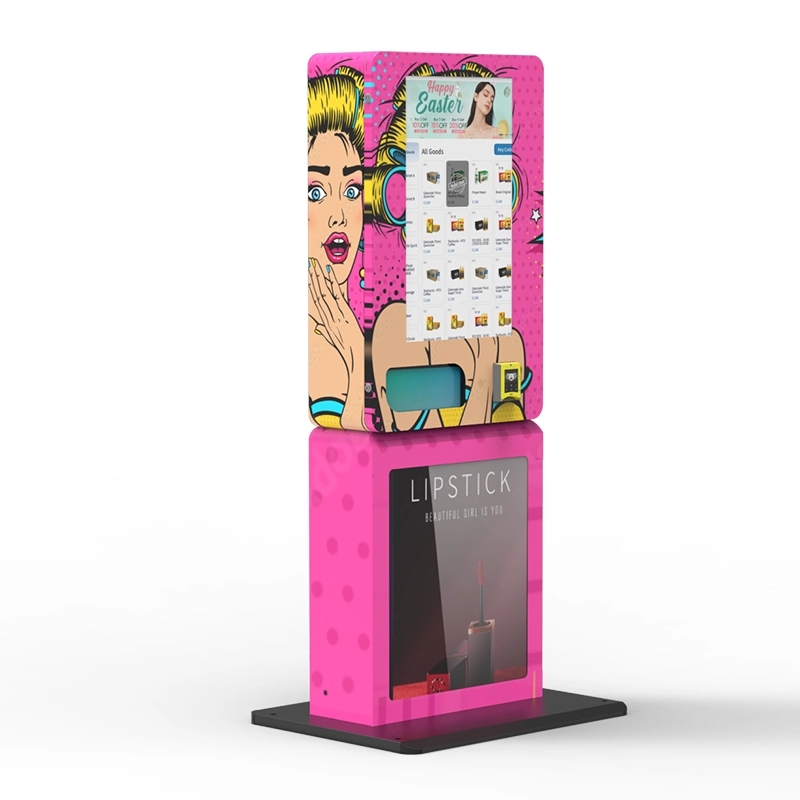
We avoid gas stations with single attendants on overnight shifts. The risk of vandalism and the lack of supervision create operational headaches that outweigh the revenue potential.
Real Failure Case: The Overconfident Operator
I worked with a group that deployed ten machines across three states without testing the facial recognition calibration on site. They assumed the factory settings would work everywhere. Within two weeks, four machines had compliance issues because the age estimation algorithm was flagging customers in their early thirties as underage. The operator had set the verification threshold to twenty-one, but the false positive rate was nearly 15% for customers between twenty-one and twenty-eight. We had to remotely adjust the confidence threshold and push a firmware update. That cost two weeks of lost revenue per machine and damaged the brand with regular customers who felt harassed. The lesson is that calibration is not a one-time setup. It requires ongoing tuning based on the demographic profile of your actual customer base.
Comparing Verification Technologies for Smart Vending Machines
Facial recognition is not the only option. Many operators ask whether a simple ID scan is sufficient. The answer depends on your risk tolerance. A standalone ID scanner checks the authenticity of the document and the date of birth. It does not verify that the person holding the ID is the same person pictured on it. That gap creates liability. A self-service kiosk with facial recognition matches the live face to the ID photo. That is the difference between checking a piece of plastic and checking a person.
Here is a comparison of the three main verification methods used in automated vending systems today:
| Verification Method | Speed | False Positive Rate | Regulatory Acceptance | User Friction |
|---|---|---|---|---|
| Facial Recognition + ID Scan | 2 – 3 seconds | 3% – 5% | High (with local processing) | Low |
| ID Scan Only | 1 – 2 seconds | 0% (no false age check) | Moderate | Medium |
| Manual Age Check (Attendant) | 10 – 15 seconds | Varies | Low | High |
The data shows that facial recognition combined with ID scanning offers the best balance of speed and compliance coverage. The trade-off is the initial calibration work and the need for a clean lens.
Maintenance Realities Most Manufacturers Do Not Discuss
I am going to be direct about something the glossy brochures leave out. The facial recognition camera is the most failure-prone component on the machine. Not the compressor. Not the payment system. The camera. We see an average of one camera failure per thirty machines per year. The failures come from two causes: moisture ingress in humid environments and physical damage from customers tapping the lens area. We addressed the moisture issue by potting the camera module with a conformal coating. The physical damage problem required us to redesign the bezel so the lens sits recessed by three millimeters. That change cut damage reports by 60%.
Software updates are another maintenance reality. The age estimation models improve over time as training data expands. We push firmware updates every three to four months. Some operators resist updates because they require a reboot. That is a mistake. Running outdated models increases the false positive rate, which hurts sales. I tell every operator to schedule updates during low-traffic hours, typically between 2 AM and 4 AM local time.
Supply Chain Considerations for Long-Term Operation
When you buy from a manufacturer with a fifteen-year track record like Zhongda Smart, you get access to a spare parts pipeline that keeps machines running. I have seen operators buy from newer companies that cannot supply replacement camera modules six months after purchase. That is a dead machine. We stock spare sensors for every model we have produced in the last eight years. That commitment comes from experience: we learned in 2016 that a two-week lead time on a $45 part can kill a $6,000 machine deployment.
Regulatory Landscape and Practical Compliance
The legal status of facial recognition for vending machines depends on three factors: where the machine is located, what data the machine captures, and how long that data exists. In jurisdictions that have passed biometric privacy laws, the requirement is usually the same: obtain consent before collection, disclose the purpose, and delete the data after the transaction completes. Our machines meet these requirements by design. The camera does not record. It processes a live feed and discards the data within milliseconds of the decision.
I have seen operators attempt to bypass these requirements by disabling the facial recognition and relying solely on ID scans. That works until a regulator does a compliance check and finds that the machine sold to a customer using a borrowed ID. The operator is liable. The manufacturer is not. That is why we build the hardware to enforce the verification flow. The operator can choose the threshold, but they cannot disable the biometric check entirely without physically removing the camera module.
For more on how our machines handle compliance data flows, you can review the technical documentation on our age verification vending machine page.
Long-Term Strategy for Operators
If you are planning to deploy vending machines with facial recognition, think in five-year increments. The hardware will last that long if maintained properly. The software will evolve. The regulatory environment will tighten. Operators who build relationships with manufacturers that offer ongoing support and firmware updates will outlast those who treat the purchase as a one-time transaction.
I recommend starting with a single machine in a controlled environment. Run it for ninety days. Tune the verification settings. Track the friction rate. Build a restocking routine that includes lens cleaning. Once the unit hits consistent daily revenue above $30, scale to three more locations. That phased approach reduces the risk of a costly multi-unit failure.
We publish deployment case studies on our vending machines for bars page that show real revenue data from the first year of operation. The patterns are consistent regardless of the product being sold.
Frequently Asked Questions
Does facial recognition store my customers' face data?
No. The system processes the image locally on the machine's onboard processor and discards it immediately after the age estimation decision is made. No facial data is stored or transmitted. This design is intentional to avoid biometric data privacy regulations.
What happens if the camera fails during a transaction?
The machine defaults to a hard lockout. It will not complete the sale until the camera is functional. This is a safety feature to prevent sales without proper age verification. Operators receive a remote alert when a camera failure occurs.
Can I use facial recognition in states with strict biometric laws?
Yes, provided the system does not store biometric data and the machine displays a clear notice about the verification process. Some states require a posted sign. We include a compliance sticker with every machine that meets the disclosure requirements for Illinois, Texas, and Washington.
How accurate is the age estimation for younger customers?
Our internal testing shows a 97% accuracy rate for customers between eighteen and twenty-five when the threshold is set to twenty-one. The system is conservative by design. It will flag borderline cases and request a physical ID scan rather than risk a false negative.
What is the power consumption of the facial recognition module?
The camera and processing board draw approximately 4.5 watts during active use. In standby mode, consumption drops to 0.8 watts. This is negligible compared to the refrigeration system, which draws 120 to 180 watts depending on ambient temperature.
Can the system be fooled by a photo or video?
No. The camera includes a liveness detection algorithm that checks for micro-movements such as pupil dilation and subtle skin texture shifts. A static image or recorded video will trigger a verification failure and lock the machine.
How often do I need to update the age estimation software?
We release firmware updates every three to four months. Updates improve accuracy and address edge cases identified in field data. We recommend installing updates within two weeks of release to maintain optimal performance.
What is the warranty on the camera module?
We cover the camera module under the standard two-year warranty against manufacturing defects. Physical damage from vandalism or improper cleaning is not covered. Replacement modules are available from our parts inventory and ship within two business days.
Sources
Statista. "Biometric System Market Size Worldwide 2023–2030." Statista
IBISWorld. "Vending Machine Operations Industry in the US – Market Research Report." IBISWorld
National Conference of State Legislatures. "Biometric Data Privacy Laws Overview." NCSL