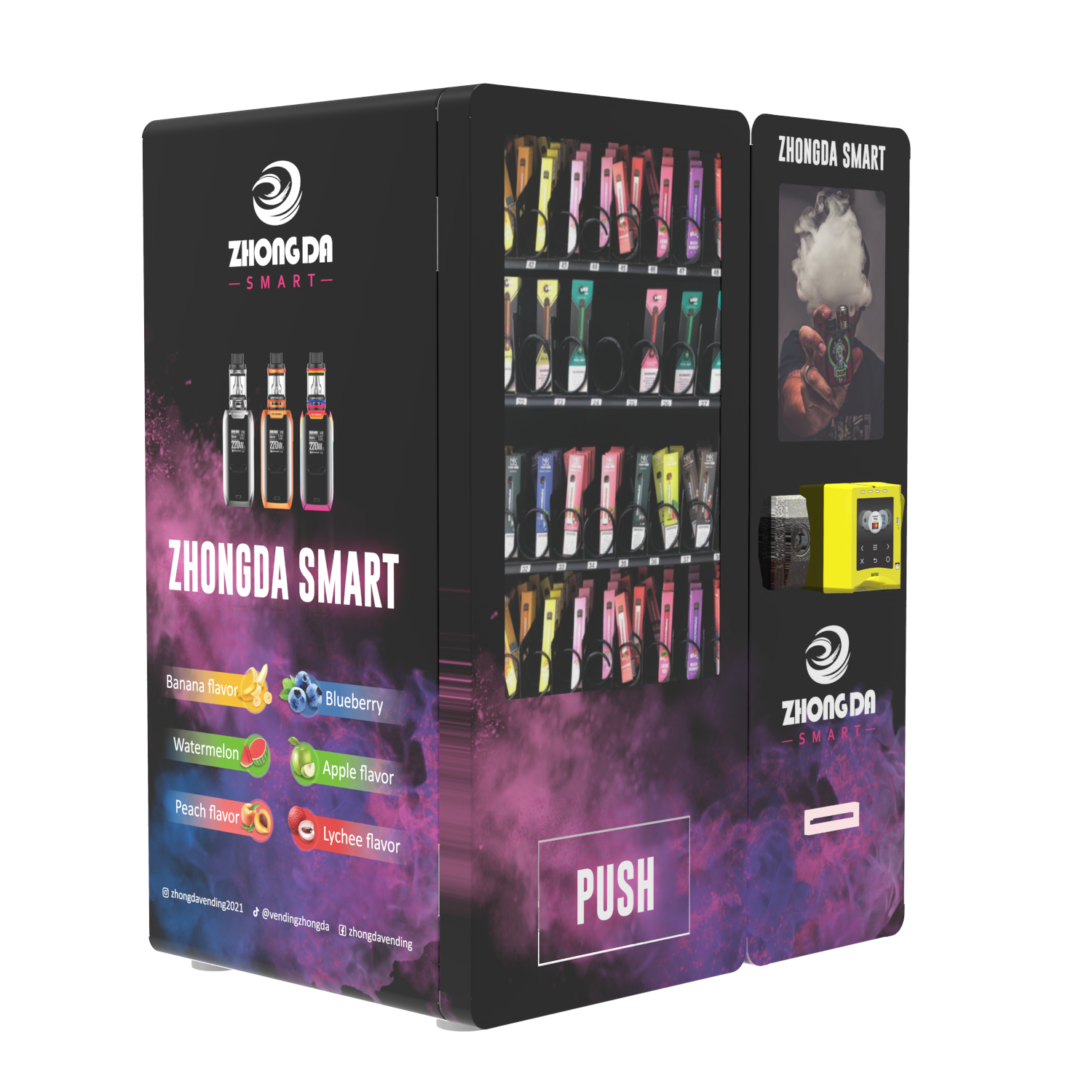
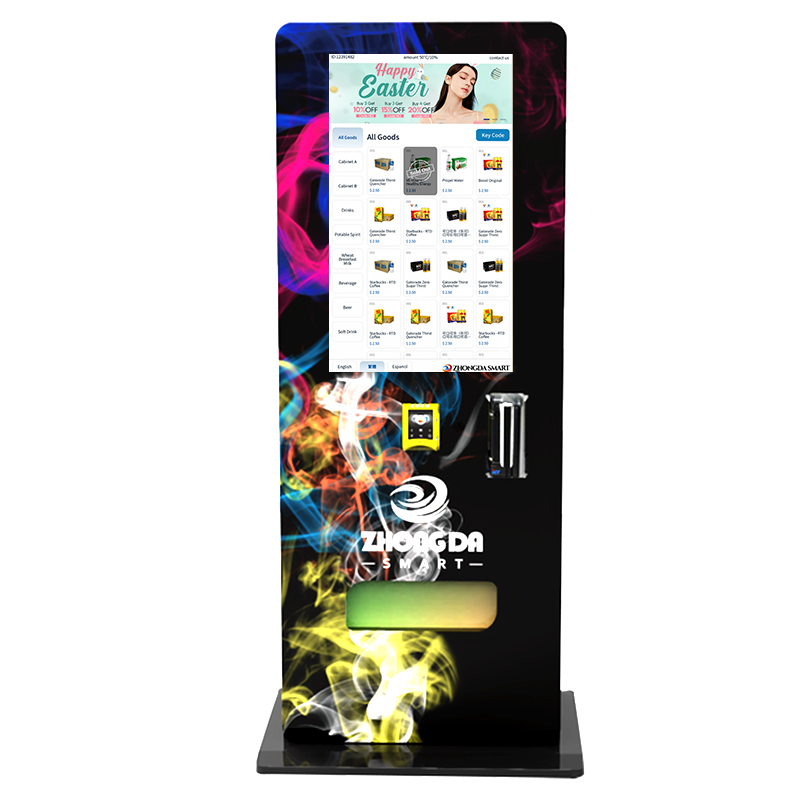
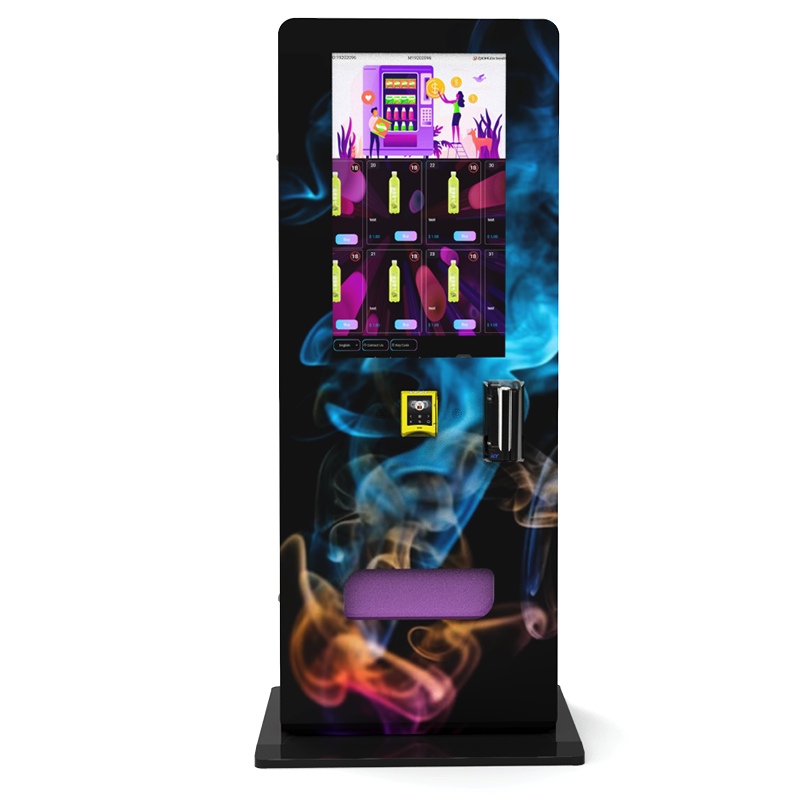
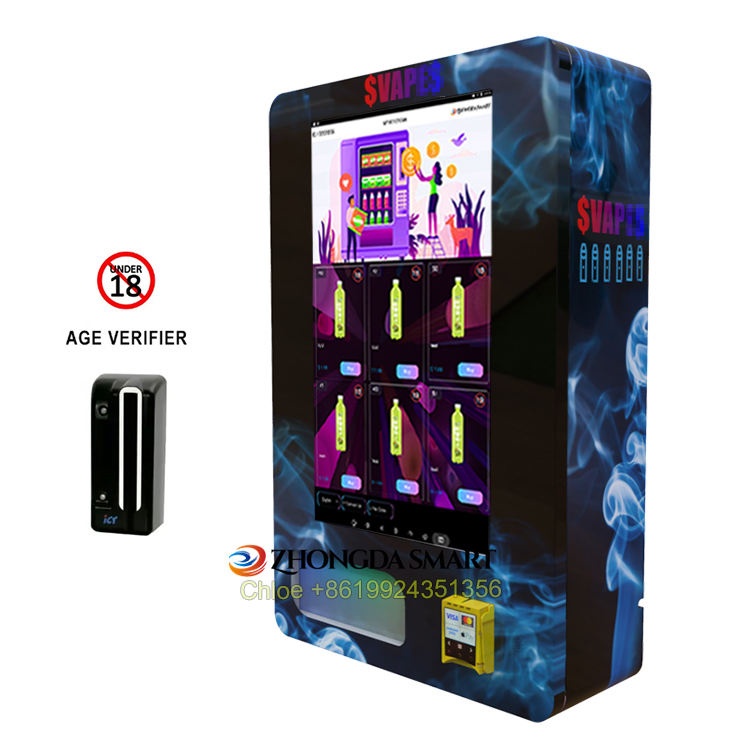
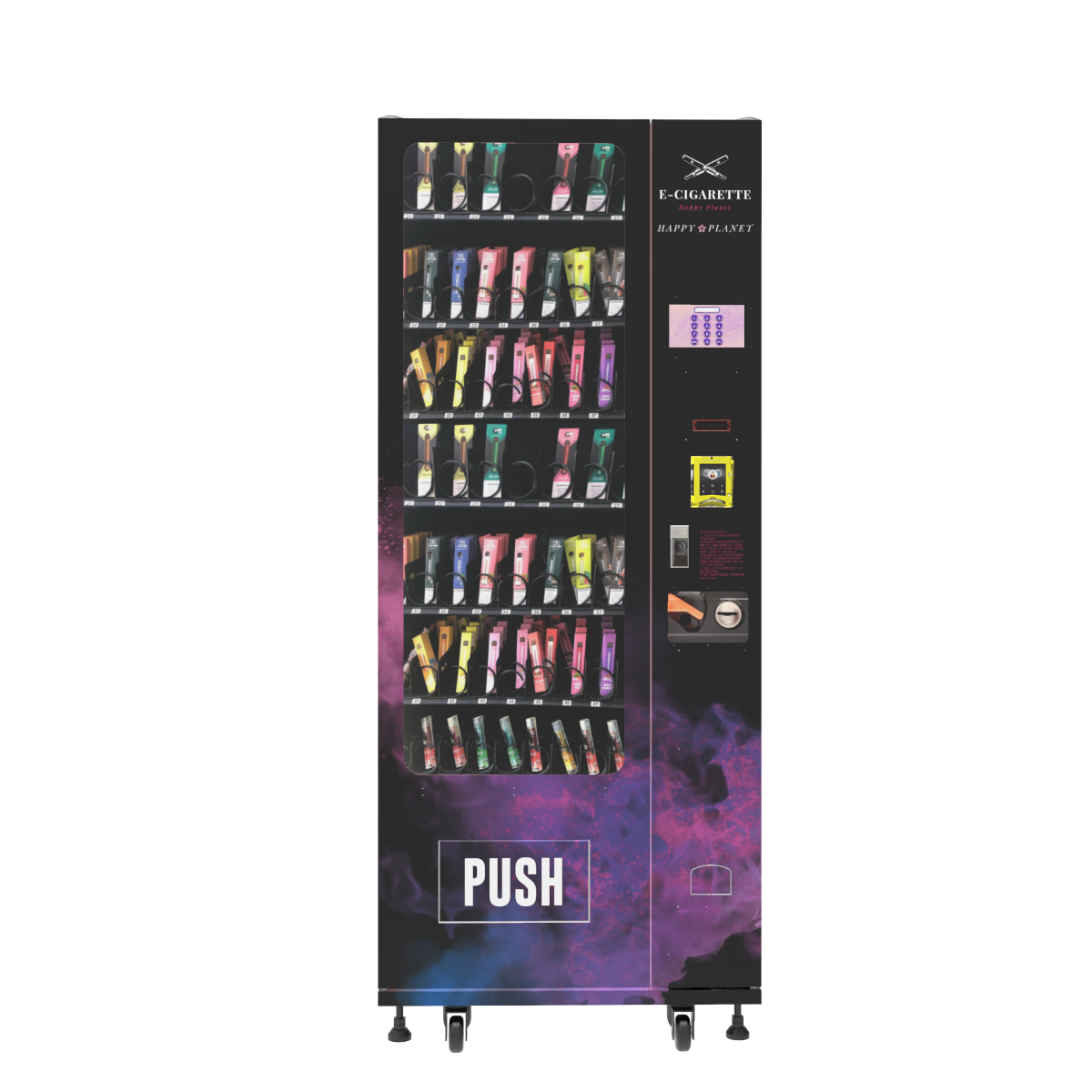
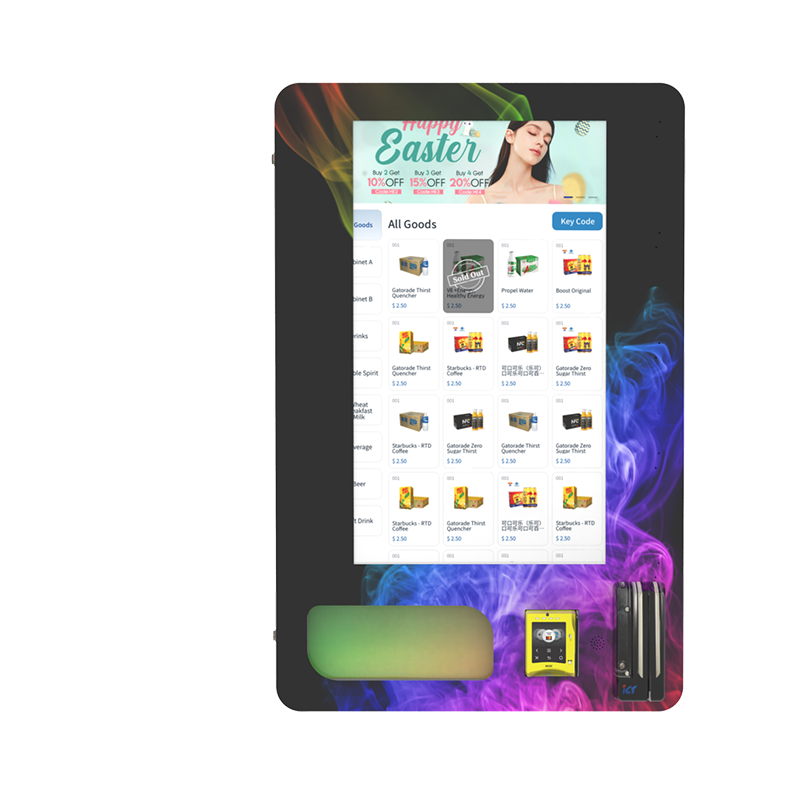
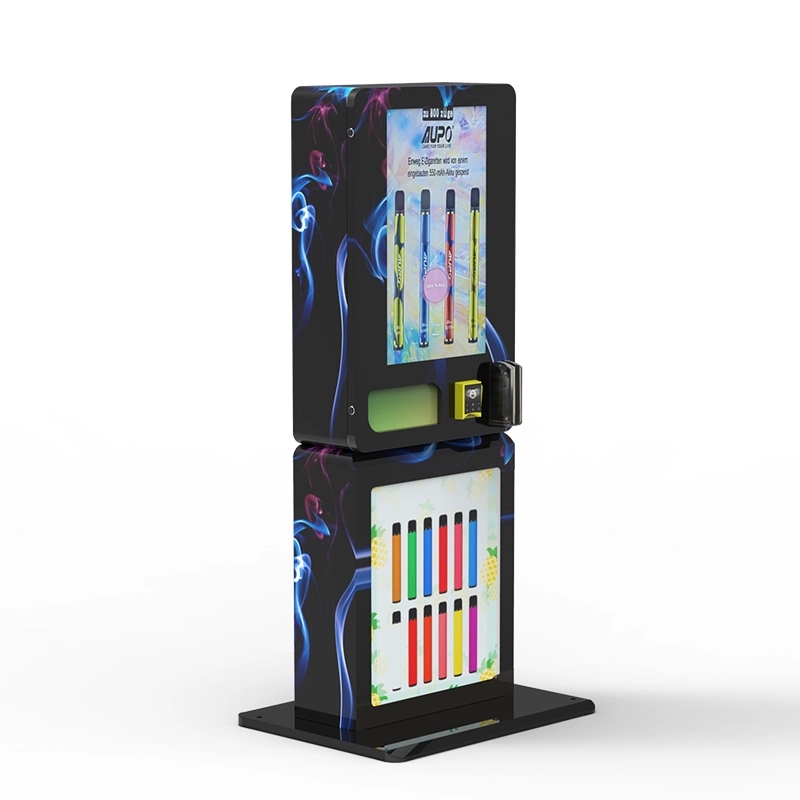
Running a retail operation that sells age-restricted products like vapor devices means you are constantly balancing two things: making sales and staying compliant. For years, the only way to verify a customer’s age was to have a clerk behind a counter, checking every ID by hand. But with labor costs climbing and the demand for 24-hour access growing, that model is breaking down. After spending over a decade deploying automated retail solutions across the US and European markets, and running a manufacturing facility that has been building these machines for fifteen years, I can tell you that the technology to handle this shift is already here. The real question is how you implement it without losing your shirt on maintenance or getting hit with a compliance violation. This guide is about the practical side of using an age verification vending machine to handle sales, specifically how to set these systems up so they work reliably without a human present.
The Fundamental Shift in Retail Compliance
For a long time, the industry standard for selling nicotine products was simple: a human being looks at a driver's license. It is a system that works, but it is expensive and limited. You cannot have a person standing there at 3 AM. The push toward self-service kiosks and smart vending machines is not just about cutting payroll. It is about extending your sales floor into spaces where a full-time employee doesn't make financial sense—like a hotel lobby, a warehouse breakroom, or a bar lounge.
The core problem we had to solve in our factory was how to replicate the "human judgment" of checking an ID with a machine that cannot be fooled by a fake. We have seen every hack in the book, from expired IDs to printed laminates. The solution is not a single piece of hardware; it is a layered system of scanning, data verification, and sometimes biometric checks.
How the Hardware Actually Works
Let’s get into the nuts and bolts of what makes this possible. When a customer walks up to a machine, the first interaction is not about payment. It is about identity. The machine prompts them to present their identification. This is where the quality of the scanner matters more than almost anything else.
ID Scanning Technology
We use high-resolution optical scanners that read the barcode and the machine-readable zone (MRZ) on the back of a driver's license or passport. The scanner checks the data against the physical layout of the card. For example, a real California driver’s license has specific microprinting and UV patterns that a standard printer cannot replicate. The machine catches these inconsistencies instantly. If the scan fails, the transaction stops. We integrated this tech into our age verification vending machine specifically to handle the high failure rate of fake IDs we see in busy locations.
Biometric Cross-Referencing
Scanning a card is step one. The real security comes from matching the face on the card to the face standing in front of the machine. This is not a simple camera snap. The system uses a 3D depth-sensing camera to map facial features. It compares the live image to the photo on the scanned ID. If the person is wearing sunglasses or a hat that obscures the face, the machine asks them to remove it. We have seen cases where someone tries to use their older sibling's ID. The facial recognition catches the age difference or the bone structure mismatch instantly. This is the layer that makes the system truly "unattended" because it does not rely on a remote operator looking at a screen.
Cost Structure and Profitability
I get asked about the numbers constantly. People want to know if the investment makes sense. Let me break it down based on actual deployments we have managed.
The upfront cost for a compliant unit is higher than a standard snack machine. You are paying for the scanner, the secure cabinet, and the software license. But the operating cost is significantly lower than a staffed location.
| Cost Category | Staffed Retail Kiosk | Age Verification Vending Machine |
|---|---|---|
| Monthly Labor (per location) | $3,000 - $4,500 | $150 - $300 (restocking) |
| Hardware Investment | $5,000 - $10,000 (POS/Register) | $8,000 - $15,000 (Machine) |
| Compliance Risk (Fine potential) | High (Human error) | Low (Automated logs) |
| Revenue Potential (per month) | Depends on hours | 24/7 passive income |
| Maintenance (annual) | $500 - $1,000 | $400 - $800 |
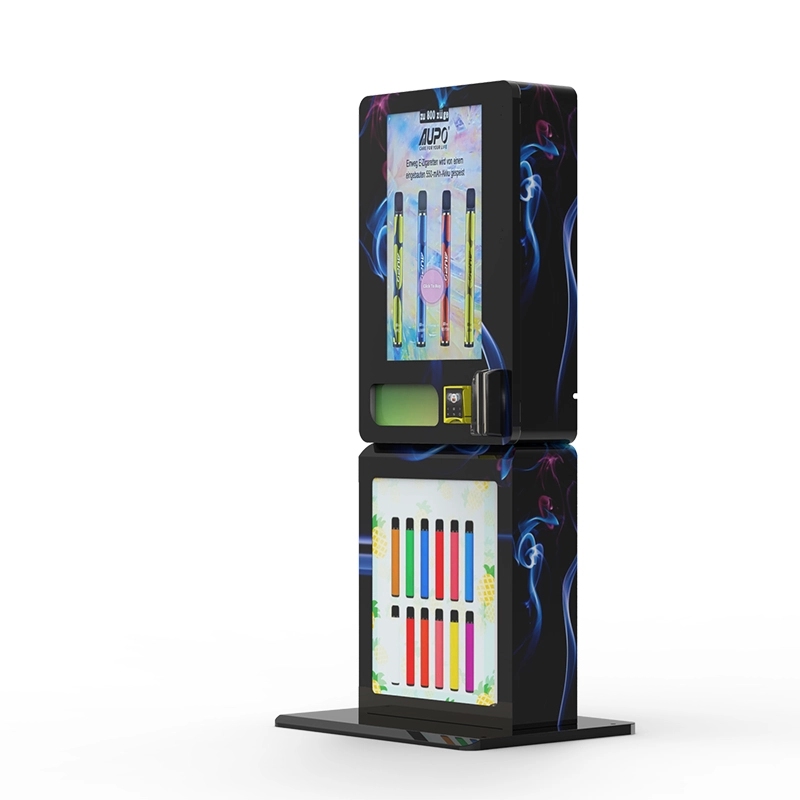
Based on our internal data from a network of 50 machines deployed in the Midwest, the average transaction value for a vape product is around $18. A machine in a high-traffic bar area can do 15 to 25 transactions per day. That puts daily revenue between $270 and $450. The machine pays for itself in about six to nine months if placed correctly. The key is location density. You need foot traffic, but you also need a demographic that is of legal age and ready to buy.
Real-World Deployment Lessons
We learned the hard way that not every location is suitable. We placed a machine in a convenience store that had a high volume of high school students walking through. The machine worked perfectly, but the store owner got nervous about the foot traffic it attracted. We ended up moving it to a vape shop that had a separate entrance. The lesson here is that the physical environment matters. You need a spot where adults feel comfortable scanning their ID without an audience.
Location Types That Work
- Bars and Lounges: Patrons are already of age. The machine acts as a secondary sales point when the bar closes or the bartender is busy. We have case studies on our vape vending machines for bars page that show a 40% increase in after-hours sales.
- Hotel Lobbies: Travelers often forget their devices. A machine near the check-in desk catches this demand. The hotel gets a cut of the revenue, and you get a captive audience.
- Warehouse Breakrooms: Shift workers want quick access. These locations have low theft rates because employees are on camera. The age verification ensures that only the legal staff can buy.
Common Failure Points
One thing we see frequently is network connectivity issues. The machine needs to verify the ID database, sometimes in real-time. If the Wi-Fi drops, the machine goes into a "safe mode" and stops sales. We fixed this by adding a cellular backup module in our newer models. Another failure point is the scanner lens getting dirty. In a dusty warehouse, the scanner fails to read the barcode. We switched to a sealed optical unit that requires less cleaning. These are the small engineering details that make the difference between a machine that makes money and one that sits broken.
Profit Model and Long-Term Strategy
The profit model for an automated vending operation is different from a retail store. You are not paying for a lease on a storefront or insurance for employees. Your main costs are the machine, the inventory, and the restocking labor. The margin on vapor products is typically between 40% and 60% of the retail price. If you buy in bulk from distributors, you can push that margin higher.
Our strategy has always been to own the machine and place it on a profit-sharing basis. We give the location owner 10% to 15% of the gross sales. They provide the electricity and the space. We provide the machine and the inventory. This model scales quickly because the location owner has zero risk. They get passive income, and we get a sales channel. We have over 300 machines deployed under this model.
ROI Timeline
If you are buying a single machine, expect a return on investment in 8 to 14 months. The variance depends on the product mix. High-end disposable devices have a lower volume but a higher margin. Pod systems sell faster but have a smaller profit per unit. We recommend a mix of 60% high-volume disposables and 40% premium pod systems. This balances cash flow with profitability. For a more detailed breakdown of the numbers, check our analysis on vape vending machine ROI.
Technical Specifications That Matter
When you are sourcing a machine, you need to look past the shiny exterior. The cabinet construction is critical. We use 16-gauge steel with a powder coat finish. This resists rust and physical tampering. The locking mechanism must be electronic with a manual override. If the power goes out, you need to be able to access the cash and the product.
Software and Compliance Logging
The software is where the real value is. Every transaction must be logged. The log should include the date, time, product purchased, a scan of the ID (with the face blurred for privacy), and the verification result. This log is your legal defense. If a regulatory body audits you, you show them the log. We store this data on a secure cloud server that is HIPAA-compliant, even though it is not medical data. The standard is the same because the data is sensitive. You can see the technical specs of our compliant model on the compliant e-cigarette vending machine page.
| Feature | Basic Model | Advanced Model (Recommended) |
|---|---|---|
| ID Scanner Type | 2D Barcode | 3D Optical + MRZ |
| Facial Recognition | No | 3D Depth Sensing |
| Connectivity | Wi-Fi | Wi-Fi + Cellular Backup |
| Cabinet Security | Standard Lock | Electronic + Manual Override |
| Compliance Log Storage | Local | Cloud (Encrypted) |
The advanced model costs about 30% more, but it saves you money in the long run because it prevents theft and reduces compliance fines. One fine for selling to a minor can wipe out six months of profit. The extra hardware cost is insurance.
Maintenance and Operational Stability
A machine that is down is a machine that loses money. We track our fleet's uptime religiously. Our target is 98% uptime. We achieve this through remote diagnostics. The machine sends a health report every hour. If the temperature inside the cabinet drops too low (which can happen in an unheated warehouse), the system alerts us. We can adjust the heating element remotely. If the payment system jams, we get an alert, and we dispatch a technician.
Most maintenance issues are user-related. A customer forces a product that is stuck. The solution is to design the coils with a wider pitch. We learned this after the first batch of machines had a 5% jam rate. We redesigned the delivery system, and the jam rate dropped to 0.5%. If you are buying from a manufacturer, ask them about their jam rate statistics. If they do not track it, they are not an engineering-focused company.
Industry Data and Market Context
To give you a sense of the market scale, the vending machine industry in the US is a multi-billion dollar sector. According to IBISWorld, the industry has seen a steady growth rate of about 2.5% annually over the last five years. The shift toward unattended retail is accelerating because of labor shortages. A report from Statista indicates that the global vending machine market is projected to reach over $20 billion by 2027. The age verification segment is the fastest-growing part of that market because of the tightening regulations around nicotine sales.
We have seen a direct correlation between the tightening of local laws and the increase in orders for our machines. When a city passes an ordinance requiring ID scanning for all vapor sales, our phone starts ringing. The market is moving toward automation because it is the only way to guarantee compliance at scale. Human error is the biggest risk in this industry.
Selecting the Right Partner
Choosing a manufacturer is not just about the price tag. You need a partner who understands the regulatory landscape. We have been building these machines since 2009. We have seen the laws change from state to state. Our machines are built to be configurable. You can change the age threshold from 18 to 21 with a software toggle. You can enable or disable the facial recognition feature based on local privacy laws. This flexibility is critical if you plan to deploy across multiple states or regions.
We manufacture our own cabinets, electronics, and software in-house. This vertical integration means we control the quality. We do not rely on third-party parts that might be discontinued. When you buy from us, you get a machine that is supported for a decade. We have customers who are still running machines we built in 2015. They have upgraded the scanner and the payment system, but the cabinet and the coil system are original. That is the kind of longevity you need for a capital investment. For more details on our manufacturing process, you can visit our about us page.
Risk Management and Failure Case Study
I want to share a failure case because it is more instructive than a success story. We had a client who placed a machine in a college town. They thought it was a goldmine. The foot traffic was high, and the students had money. But they ignored one critical detail: the machine was placed in a location that was technically a "public space" under the local zoning laws. The law required that age-restricted products be sold in a "retail establishment." The machine was in a common area of a mixed-use building. The local authorities fined the operator $10,000 and seized the inventory.
The lesson is that you cannot just check the age verification. You have to check the zoning laws. Is the location zoned for the sale of tobacco products? You need a lease agreement that explicitly allows the sale of nicotine products. We now include a zoning checklist with every machine we sell. We learned this lesson through a painful audit, and we do not want our customers to repeat it.
Long-Term Operational Strategy
If you are serious about building a network of machines, you need to think like a logistics company, not a retailer. The inventory management is the hardest part. You need to know what is selling and what is sitting. Our software platform tracks sales velocity by SKU. We generate a restock list automatically. The restocker only brings the products that are selling. This reduces inventory carrying costs by about 20%.
You also need a plan for product rotation. Disposables have a shelf life. If a product is not moving, you need to discount it or move it to a higher-traffic machine. We use dynamic pricing. The machine can lower the price of a slow-moving product to clear it out. This is all automated. The machine sends a report, and the price changes are applied overnight.
Frequently Asked Questions
What happens if the ID scanner fails to read a valid license?
The machine will prompt the user to re-insert the card. If it fails three times, the machine locks the transaction and logs the event. The user can try again later, but the machine does not allow a manual override. This prevents a clerk from bypassing the system.
Can the machine verify a passport or a military ID?
Yes. The optical scanner is designed to read the MRZ on passports and the barcode on military IDs. The facial recognition system still works to match the face. The system is not limited to driver's licenses.
How do you handle a power outage?
The machine has a battery backup that keeps the logic board and the lock active for about 30 minutes. The products are secured. When power returns, the machine reboots and runs a self-diagnostic. It will not resume sales until it re-verifies the network connection and the scanner status.
What is the typical failure rate of the facial recognition system?
In our fleet, the false rejection rate (where a legitimate user is denied) is about 2%. This is usually caused by poor lighting or the user wearing heavy makeup that changes facial contours. We mitigate this by using an infrared illuminator that works in the dark.
Do I need a special business license to operate these machines?
Yes. You need a tobacco retailer license for the specific location where the machine is placed. The license follows the machine, not the operator. You must display the license on the machine in a visible location. Check with your local tax board for the specific application process.
How often does the machine need to be restocked?
It depends on the location. A high-traffic bar machine might need restocking every three days. A hotel lobby machine might need it once a week. Our software sends a restock alert when the inventory drops below 20% capacity for any given SKU.
Can the machine be used for products other than vapor devices?
Absolutely. The age verification system is product-agnostic. You can sell tobacco, CBD, or even adult novelty items. You just need to configure the product coils and update the software with the new product images and prices.
What is the warranty on the ID scanner?
We offer a two-year warranty on the scanner and the logic board. The cabinet and the coil system have a five-year warranty against manufacturing defects. We also offer a service contract that covers on-site repairs within 48 hours.
Running an automated retail operation for age-restricted products is not a passive income scheme. It is a business that requires attention to hardware, software, and legal compliance. But if you get the system right, it is a machine that prints money while you sleep. The key is to invest in the right hardware from a manufacturer who has been doing it long enough to have solved the common problems. We have been building these systems for over a decade, and we know what works. If you are interested in seeing the specifications of our latest models, you can browse our vape vending machines page.
Sources:
- IBISWorld – Vending Machine Operators in the US: Market Research Report. https://www.ibisworld.com/united-states/market-research-reports/vending-machine-operators-industry/
- Statista – Global vending machine market size 2021-2027. https://www.statista.com/statistics/1108310/global-vending-machine-market-size/