After fifteen years of building and deploying vending machines across the U.S. and Europe, I can tell you flat out: the single biggest shift I have witnessed is the transition from basic snack dispensers to high-stakes, regulated retail kiosks. When people ask me about a commercial age verification vending machine, they are not just asking about hardware. They are asking about a complete business system that must handle compliance, payment processing, inventory management, and user trust all at once. I have been on both sides of this equation—running my own manufacturing facility and also managing field operations for dozens of clients. What I have learned is that the machine itself is only half the story. The other half is how you deploy it, maintain it, and make it profitable in a regulatory environment that changes faster than most people expect. This guide is built around real deployments, real numbers, and real mistakes I have made so you do not have to repeat them.
What Actually Happens Inside an Age Verification Kiosk
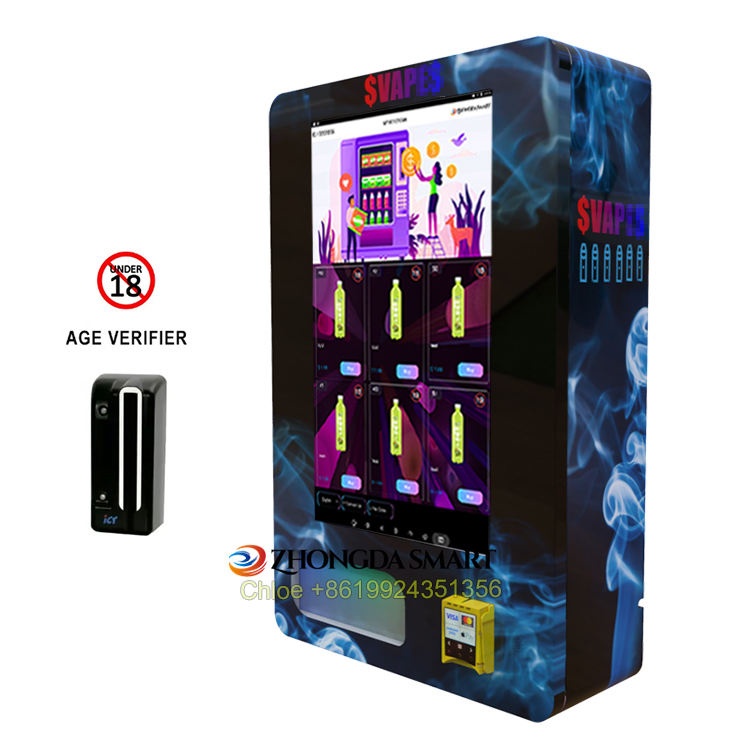
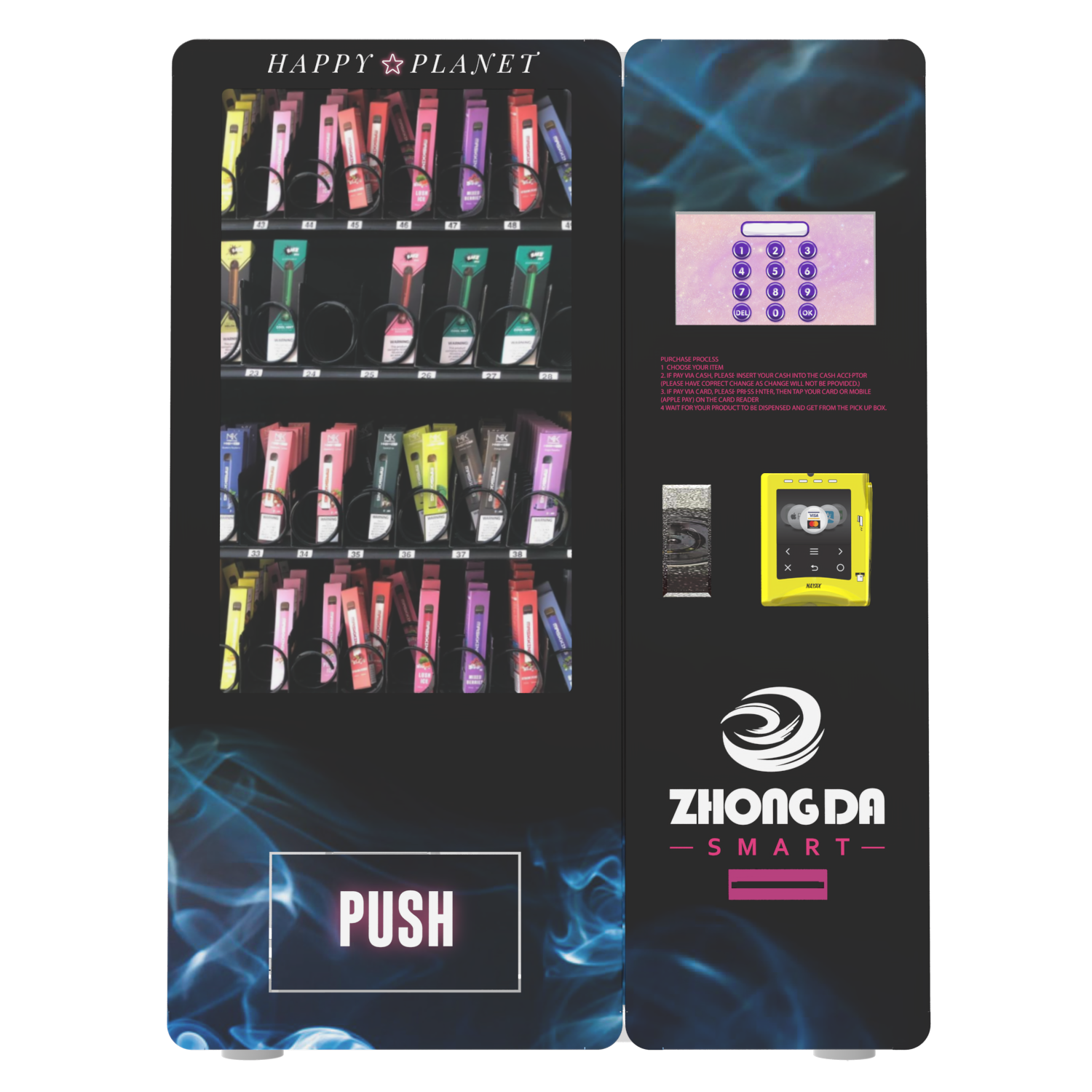
From an engineering standpoint, the core challenge is not dispensing a product. It is verifying identity with near-zero error while keeping the transaction under ten seconds. Every machine we build at Zhongda Smart starts with a scanner that reads the barcode on the back of a driver’s license or state ID. The software parses the encoded data—date of birth, expiration date, and sometimes a unique ID number—and compares it against the current date. If the customer is under 21, the transaction stops immediately. If they are over, the payment system activates.
The critical detail most people miss is that the scanner must handle both 1D and 2D barcodes. Many older ID formats still use a simple PDF417 barcode, but newer licenses are switching to digital encryption that requires a different decoding algorithm. We had to redesign our scanner module twice in the last four years just to keep up with state-level changes. If your machine cannot read a 2024-issue ID, you are effectively shut down.
Once the age check passes, the machine moves to payment. Most operators prefer a cashless system—credit card, Apple Pay, Google Wallet—because cash handling in a regulated product vending machine creates audit nightmares. Every transaction gets logged: time, date, ID scan result, product selected, payment method. That log becomes your legal shield if a regulator asks for proof of compliance.
I have seen operators try to cut corners by using a standalone ID scanner plugged into a standard vending machine. That setup fails because the scanner and the vending controller are not integrated. A customer can scan an ID, walk away, and someone else can use the machine without scanning. True age verification vending machines lock the vend cycle to the scan result. No scan, no vend. No integration, no compliance.
Why Most Operators Get the Business Model Wrong
I have consulted with over forty operators in the past five years, and the most common mistake is treating this like a traditional vending business. Traditional vending relies on high volume, low margin, and low-ticket items. Age-restricted products like nicotine vapes or cannabis accessories operate on a completely different model.
The average transaction value for a vape product in a self-service kiosk ranges between $12 and $25, depending on the market. Compare that to a candy bar at $1.50. You do not need hundreds of transactions per day to break even. I have a client in the Pacific Northwest who runs two machines in a single bar and does thirty to forty transactions per night on weekends. His gross margin per transaction is around 40%, which means each machine generates roughly $180 to $250 in gross profit per weekend night. His monthly rent for the machine placement is a flat $300 per location. The math works because the ticket size is high and the volume is moderate.
Where operators fail is underestimating the cost of compliance. Every machine needs regular software updates to keep the ID database current. Some states require quarterly reporting of sales data. If you run multiple machines across different states, you need a system that tracks which regulations apply to each location. We built a cloud-based dashboard for exactly this reason, and I can tell you from experience that operators who skip this step end up with fines that wipe out six months of profit.
Cost Structure and Real ROI Timelines
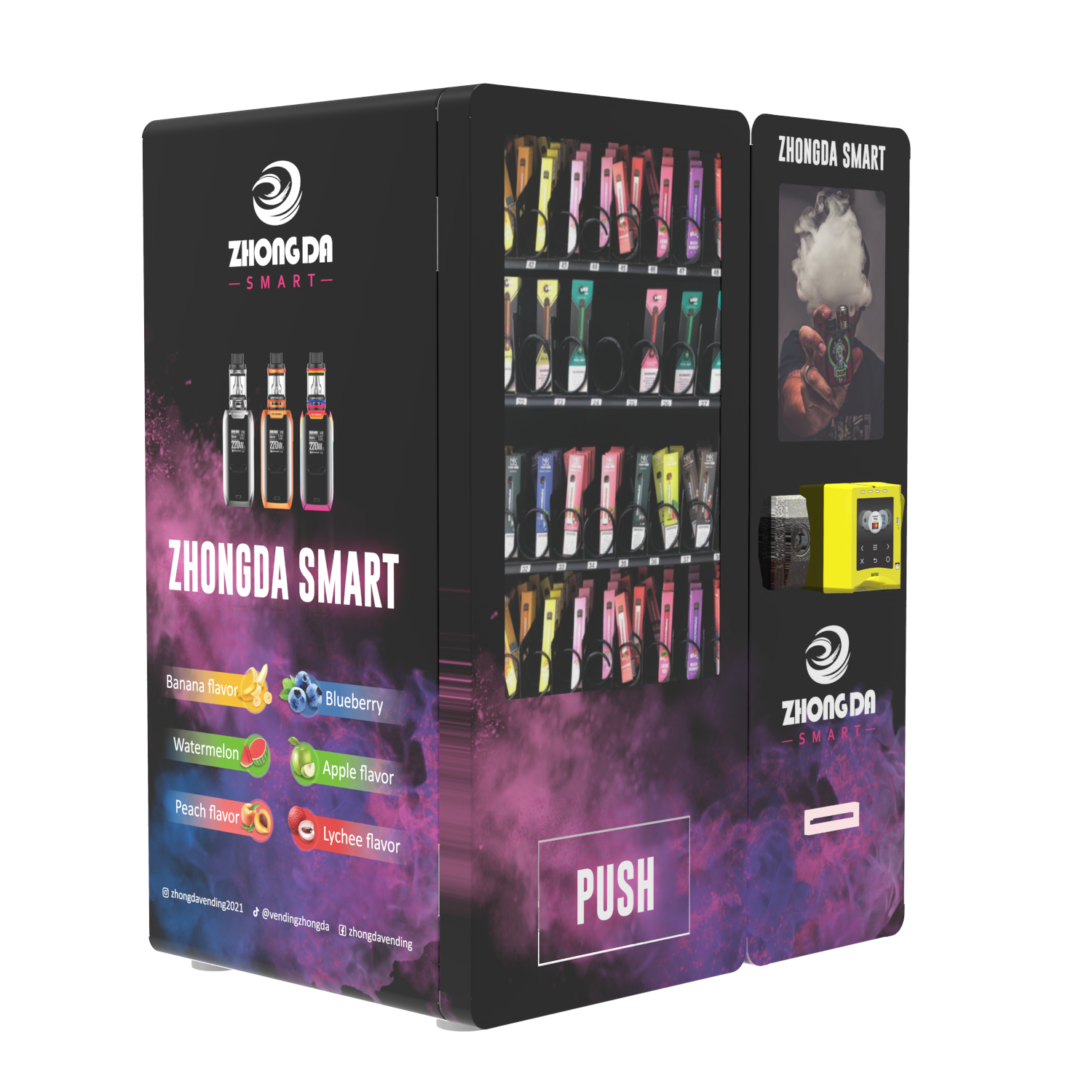
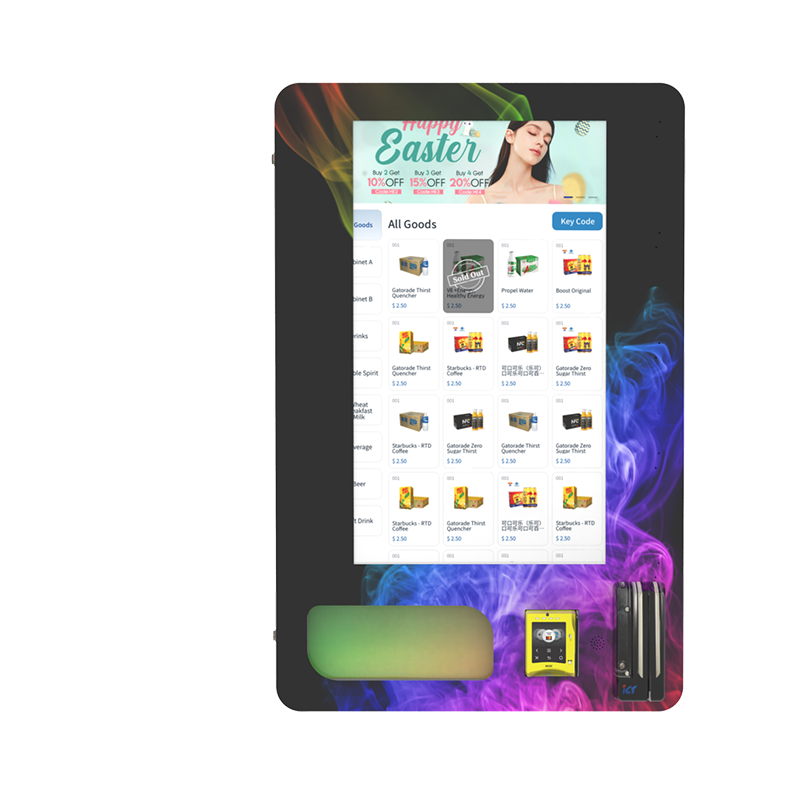
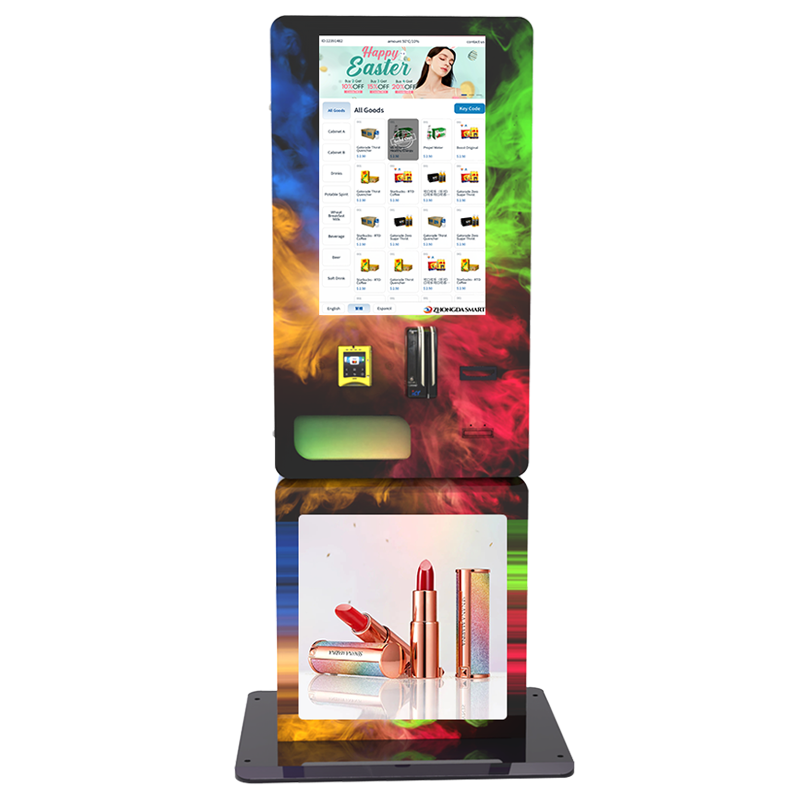
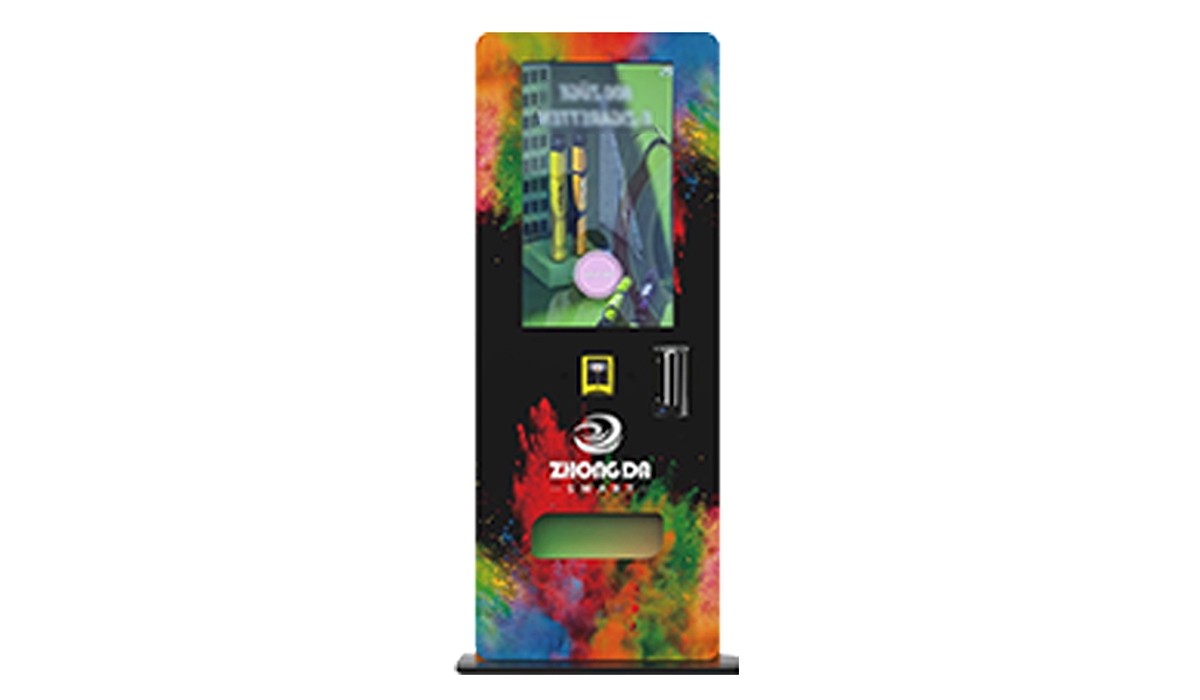
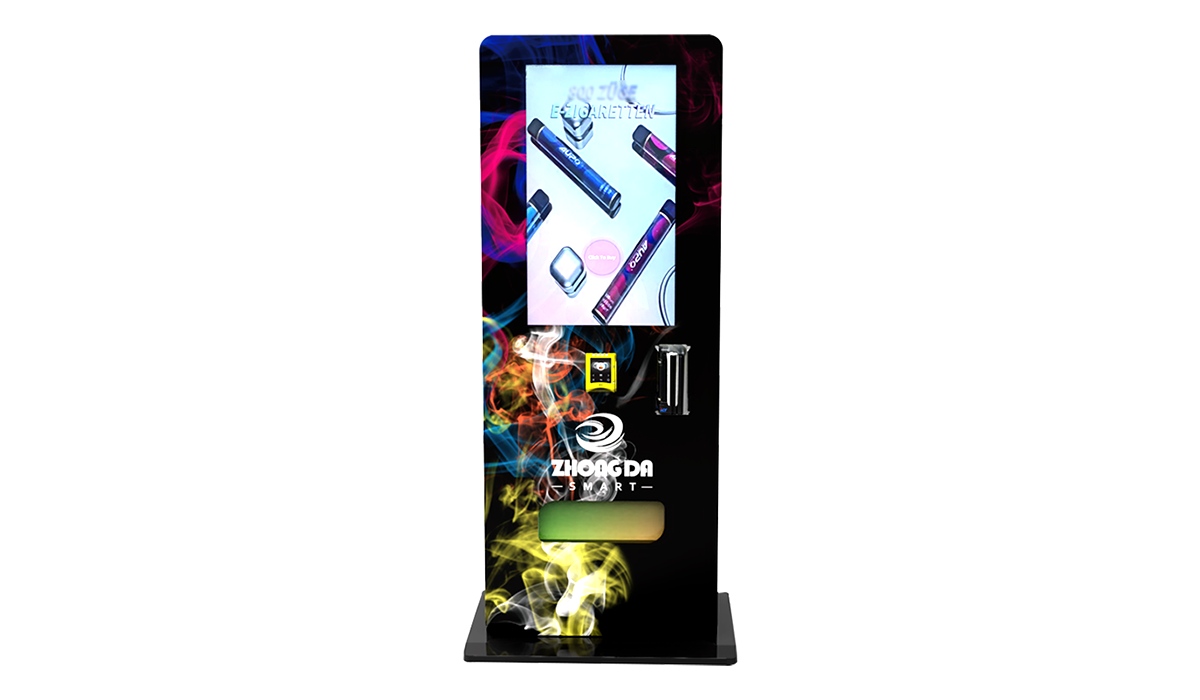
Let me break down the actual costs based on our production data and client feedback. A commercial-grade age verification vending machine from a reputable manufacturer like Zhongda Smart typically runs between $4,500 and $8,500 per unit, depending on capacity, screen size, and payment system integration. The lower end gets you a wall-mounted unit with a 10-inch touchscreen and a 50-product capacity. The higher end gives you a floor-standing kiosk with a 15-inch display, dual scanners, and a 120-product capacity.
| Cost Category | Estimated Amount (USD) | Notes |
|---|---|---|
| Hardware (wall-mounted) | $4,500 – $5,500 | Includes ID scanner, payment terminal, touchscreen |
| Hardware (floor-standing) | $6,500 – $8,500 | Higher capacity, dual scanners, larger display |
| Software license (annual) | $600 – $1,200 | Cloud dashboard, ID database updates, reporting |
| Installation & shipping | $300 – $800 | Depends on location and setup complexity |
| Monthly location fee | $200 – $500 | Paid to bar, lounge, or store owner |
| Inventory (initial stock) | $1,500 – $3,000 | Based on 50–120 units at wholesale cost |
| Maintenance & repairs (annual) | $400 – $800 | Includes spare parts and remote diagnostics |
Based on this structure, the total upfront investment for a single wall-mounted machine, including first-year software and initial inventory, lands around $7,000 to $9,000. The floor-standing version pushes that to $10,000 to $13,000.
Now for the ROI timeline. If your machine averages 25 transactions per day at $15 per transaction with a 40% gross margin, your daily gross profit is $150. Subtract the daily cost of the location fee (roughly $10) and an estimated $5 in miscellaneous costs (electricity, cleaning, minor repairs). That leaves $135 per day in net profit. At that rate, you recover your initial investment in about 60 to 70 days. That is a best-case scenario. A more conservative estimate—15 transactions per day at $12 average—puts the payback period at roughly 120 to 140 days. I have seen both numbers in the field. The difference usually comes down to location quality and product selection.
The Real Risk: What I Learned from a Failed Deployment in the Midwest
I do not talk about failures often, but one specific deployment taught me more than any successful rollout. A few years back, we placed ten machines across five bars in a mid-sized city in the Midwest. The machines were solid, the software was up to date, and the locations seemed ideal. Within three months, seven of the ten machines were underperforming by 60% or more.
The problem was not the hardware. It was the product mix. We stocked the machines with standard nicotine vape products that were popular in coastal markets. But the local customer base preferred a different nicotine strength and flavor profile. We did not do enough local market research before loading the machines. The operator had to swap out nearly 40% of the inventory within the first month, eating into the margin significantly.
Another issue was the location staff. The bar owners agreed to let us place the machines, but they did not train their employees on how to handle basic issues like a jammed product or a payment terminal error. When something went wrong, the staff ignored it, and customers walked away. We eventually added a remote monitoring system that alerted us directly, bypassing the location staff entirely. That solved the issue, but it cost us an extra $150 per machine to retrofit the communication module.
The lesson is simple: a commercial age verification vending machine is only as good as the ecosystem around it. You need local product knowledge, a responsive support system, and a clear agreement with the location owner about who handles what. I now include a two-page operations checklist with every machine we sell, covering everything from restocking frequency to emergency contact protocols.
Comparing Machine Types: Which One Fits Your Operation
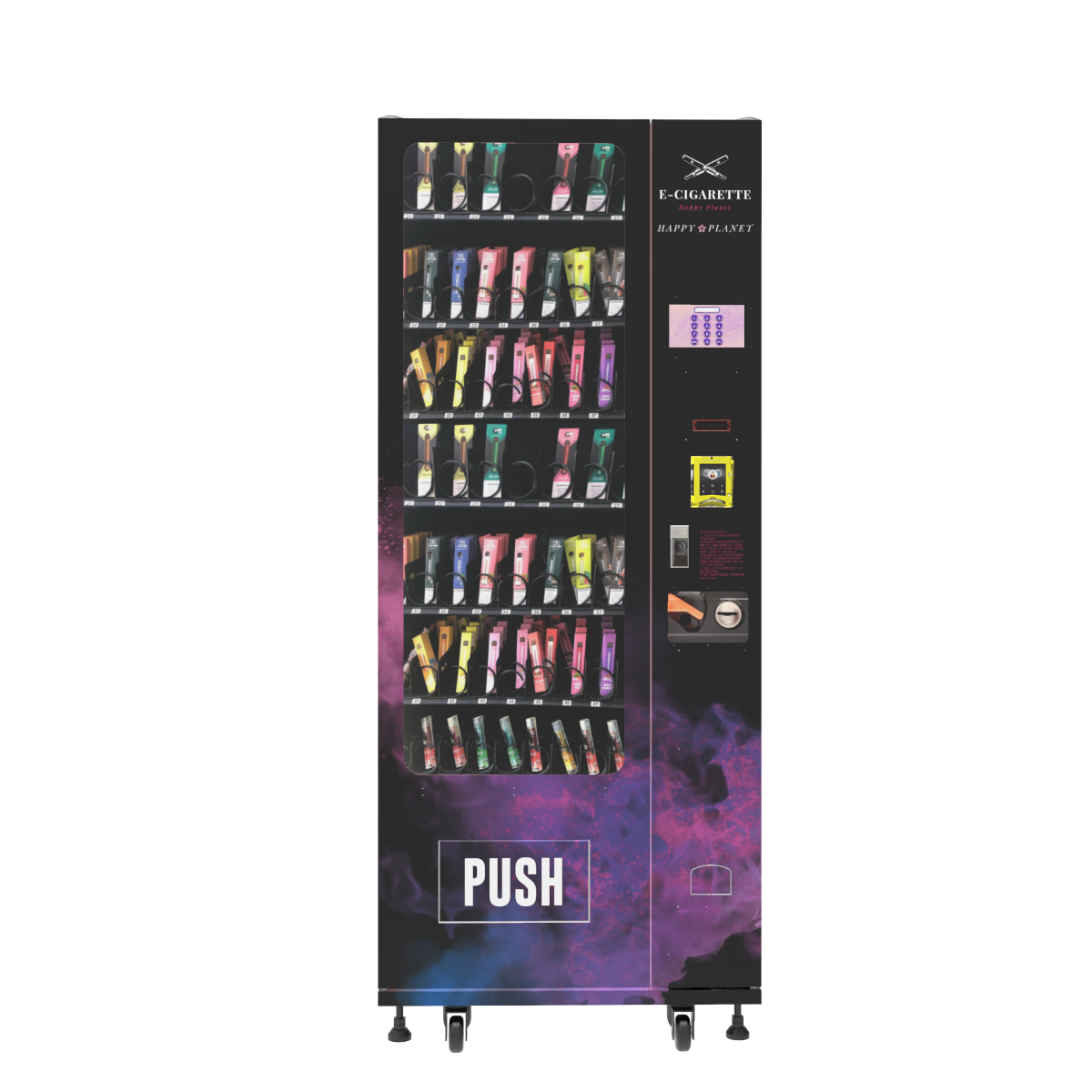
Not all age verification vending machines are built the same. Over the years, I have worked with three main form factors, and each one serves a different business need. The table below summarizes the key differences based on our production data and field performance.
| Feature | Wall-Mounted Compact | Mid-Size Floor Kiosk | Full-Size High-Capacity |
|---|---|---|---|
| Product capacity | 40–60 units | 80–100 units | 120–150 units |
| Screen size | 10–12 inches | 13–15 inches | 15–17 inches |
| ID scanner type | Single, front-facing | Single, adjustable angle | Dual, side and front |
| Footprint | 24" x 18" x 36" | 30" x 24" x 60" | 36" x 30" x 72" |
| Best location | Small bars, lounges, waiting areas | Convenience stores, hotel lobbies | High-traffic venues, clubs, casinos |
| Average unit cost | $4,500 – $5,500 | $5,500 – $7,000 | $7,000 – $8,500 |
| Typical daily transactions | 10–20 | 20–40 | 40–80 |
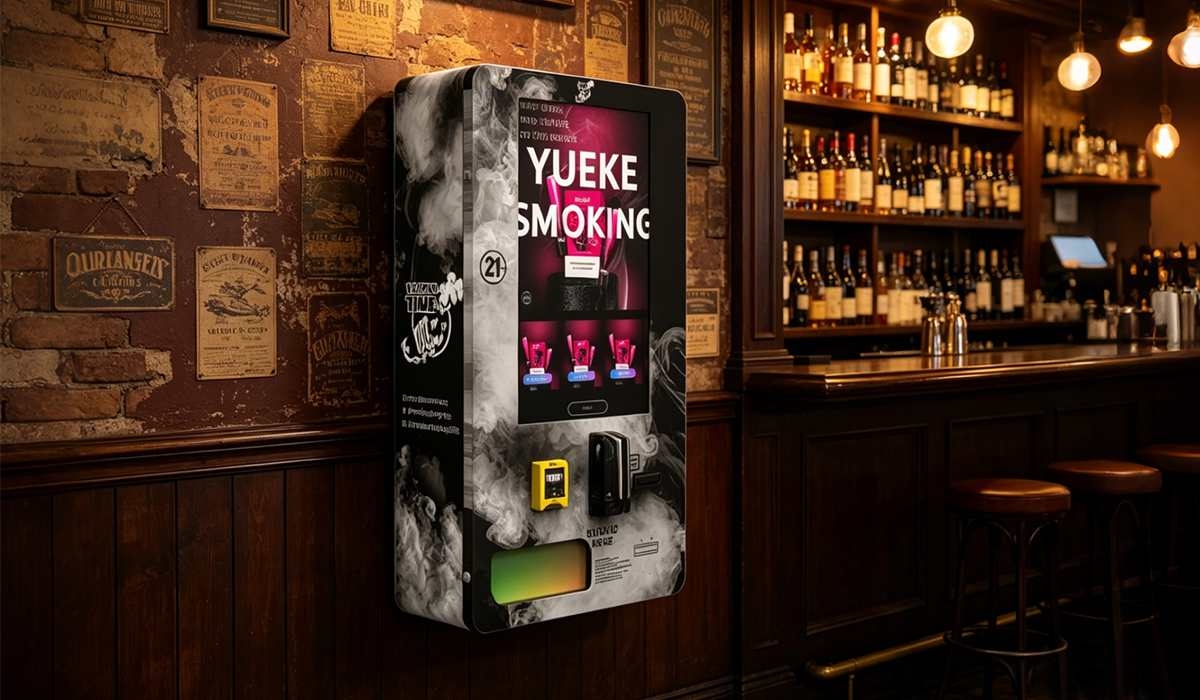
If you are starting with a single location or testing a new market, the wall-mounted compact unit is the safest bet. It has a lower upfront cost, a smaller footprint, and you can move it easily if the location does not work out. For established operators with multiple high-traffic venues, the full-size kiosk offers better economies of scale. I have a client in Las Vegas who runs six full-size units across three casino floors, and each one averages over 70 transactions per day on weekends.
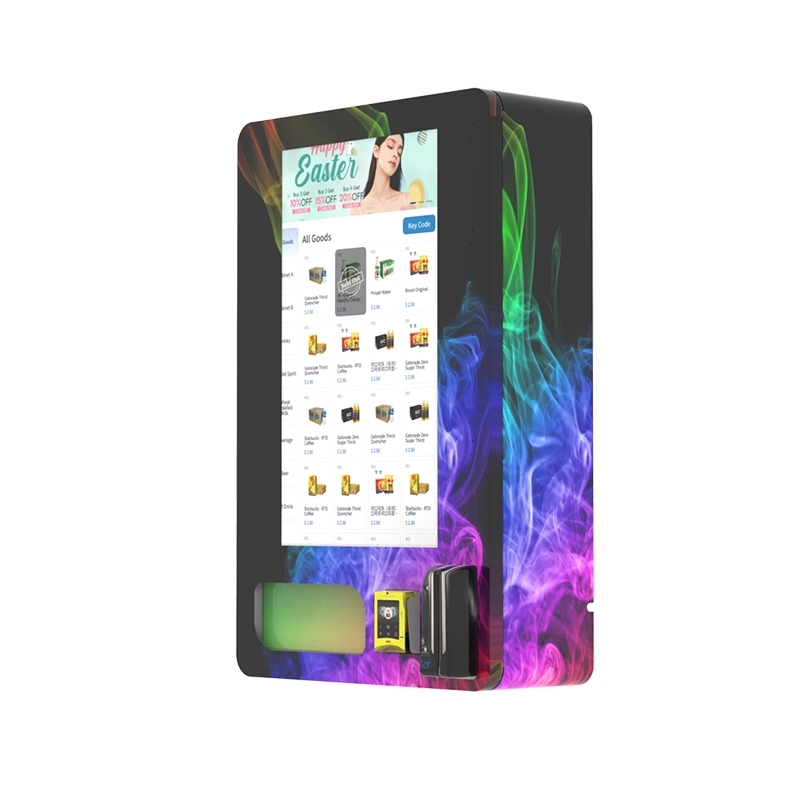
Maintenance and Long-Term Reliability
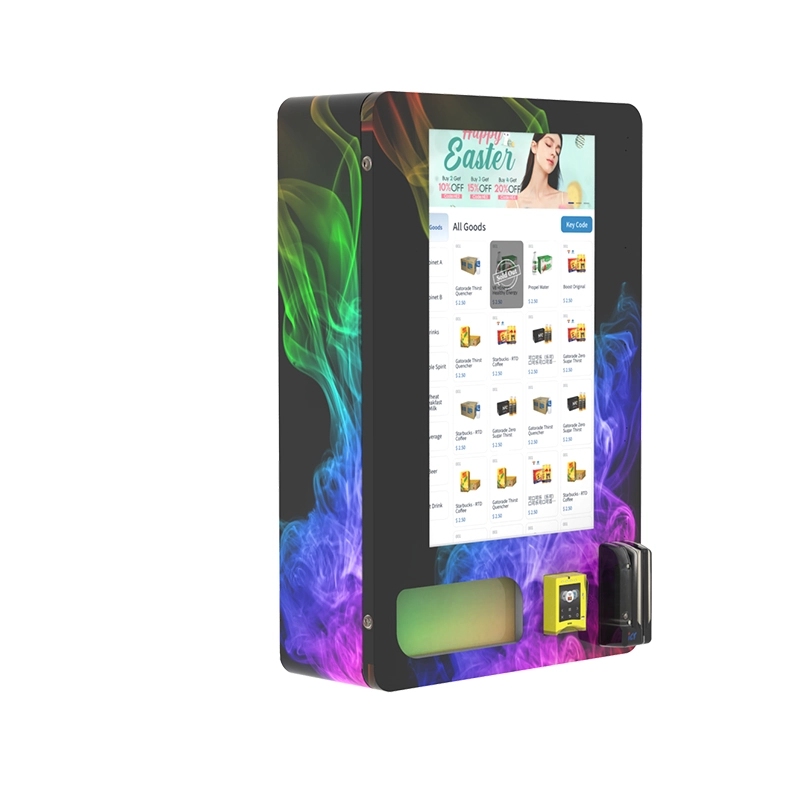
I have been in the manufacturing side long enough to know that maintenance is the silent killer of vending operations. A machine that breaks down twice a month will destroy your ROI, no matter how good the location is. The most reliable machines we have built use modular components. If a payment terminal fails, you swap it out in under five minutes without touching the main board. If the ID scanner malfunctions, you replace just the scanner module, not the entire scan assembly.
In our factory, we test every machine for 200 continuous vends before it leaves the facility. That test cycle catches about 95% of early-life failures. Even with that, I budget for a 3% to 5% annual failure rate on mechanical components like the dispensing spirals and motors. That is normal. What is not normal is a machine that requires a technician visit every month. If you see that pattern, the machine design is flawed, and you should replace it.
Remote diagnostics have become a game-changer. Every machine we ship now includes a cellular modem that reports real-time status: temperature, door open events, inventory levels, and error codes. I can log into the dashboard from my phone and see if a machine in a bar three states away has a jammed product. That kind of visibility reduces downtime from days to hours. Operators who use remote monitoring consistently report 15% to 20% higher monthly revenue compared to those who do not, simply because the machine is available more often.
Location Selection: The Single Most Important Decision
I have seen operators buy the best machine on the market and then place it in a location that generates five transactions per day. That machine will never pay for itself. Location selection is not about foot traffic alone. It is about the right foot traffic. A vape vending machine in a grocery store might get a thousand people walking past it, but if the store is family-oriented, the conversion rate will be near zero. A machine in a bar with 200 patrons per night can easily convert 10% to 15% of them because the audience is already in a purchasing mindset.
We have compiled data from over 200 machine placements, and the top-performing locations consistently fall into three categories: bars and nightclubs, hotel lobbies in entertainment districts, and convenience stores with a late-night customer base. Bars alone account for nearly 60% of successful deployments in our network. The average transaction value in a bar is also higher because customers are more likely to make impulse purchases.
One operator I work with in Texas places his machines in hookah lounges and cigar bars. Those locations have a built-in customer base that already uses nicotine products. His machines average 35 transactions per day, and he has not had a single location fail in two years. The key is matching the product to the venue. A cigar bar should stock premium vape devices and accessories, not disposable pens. A college-town bar should focus on affordable, high-flavor options. Know your location before you buy a single machine.
Long-Term Strategy: Scaling Without Breaking Compliance
Once you have one or two machines running profitably, the temptation is to scale fast. I have seen operators buy twenty machines at once and then struggle to manage them. The bottleneck is not capital. It is compliance management. Every machine needs periodic software updates, inventory rotation, and physical cleaning. If you have twenty machines spread across ten locations in three states, you need a dedicated operations person or a reliable third-party service.
Our clients who scale successfully follow a pattern: start with two to three machines in the same city, prove the model, then expand to a second city only after the first cluster is running smoothly. They also standardize on a single machine model so that spare parts and training are consistent. Mixing different brands or models creates logistics headaches that eat into profit margins.
Another strategy that works is partnering with a distributor or a manufacturer that offers a white-label service. We have done this for several clients who wanted to launch their own brand of vending kiosks without building the hardware themselves. They handle the location acquisition and marketing, and we handle the manufacturing, software, and compliance updates. That model allows them to scale quickly without hiring a technical team.
Frequently Asked Questions
What is the difference between an age verification vending machine and a standard vending machine?
How much does a commercial age verification vending machine cost?
Do I need a special license to operate age-restricted vending machines?
Can I use a regular vending machine with a separate ID scanner?
How long does it take to recoup the investment in an age verification vending machine?
What happens if the ID scanner fails to read a license?
Can I move the machine to a different location after purchase?
What kind of maintenance does an age verification vending machine require?
Do age verification vending machines accept cash?
How do I choose between a wall-mounted and a floor-standing machine?
Final Thoughts on Building a Profitable Operation
I have watched this industry grow from a niche experiment to a legitimate retail channel. The operators who succeed are the ones who treat their machines as retail stores, not just boxes. They pay attention to product selection, location dynamics, and compliance details. They do not chase the cheapest machine because they know that a $3,000 unit with a 15% failure rate will cost more in lost revenue than a $5,500 unit that runs reliably for years.
If you are considering entering this space, start with one machine. Learn the operational rhythm. Understand your local regulations. Build a relationship with a manufacturer who can support you when something goes wrong. I have seen too many people buy ten machines at once and then realize they do not have the time or infrastructure to manage them. Slow growth in this business is not a weakness. It is the smartest way to build something that lasts.
Data sources for industry context: Statista reports on U.S. vending machine market size and growth projections, and IBISWorld analysis of tobacco product manufacturing trends. For specific compliance requirements, always consult your local regulatory authority.
Statista – Vending Machines in the U.S.
IBISWorld – Tobacco Product Manufacturing Industry Report