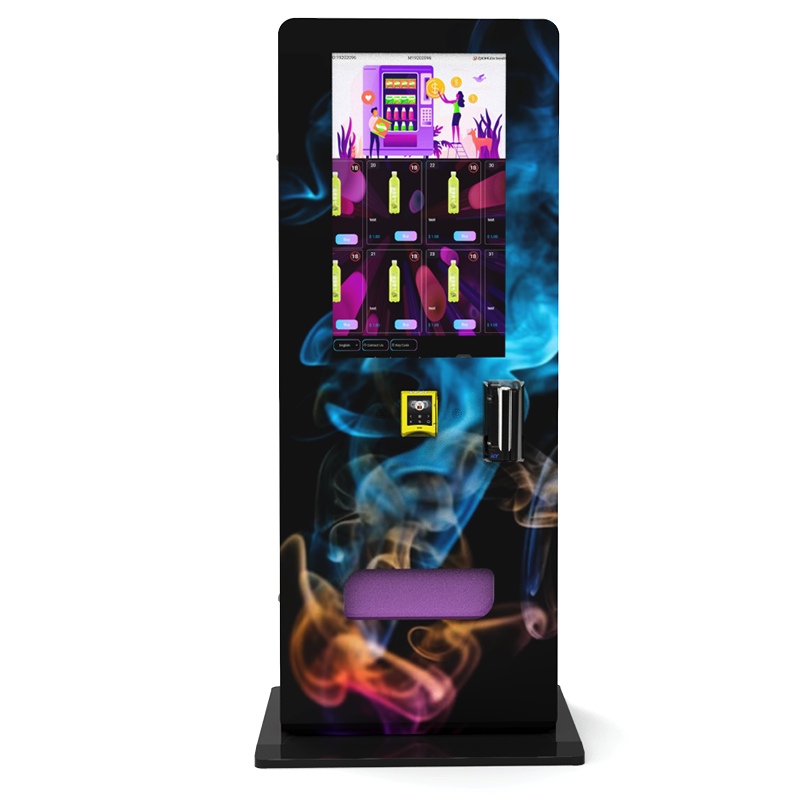
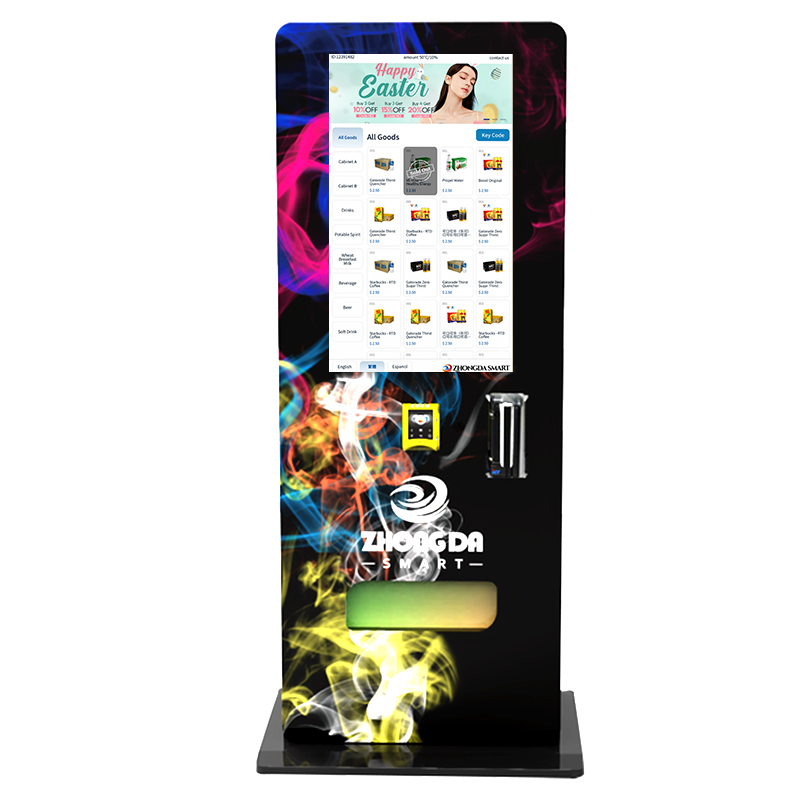
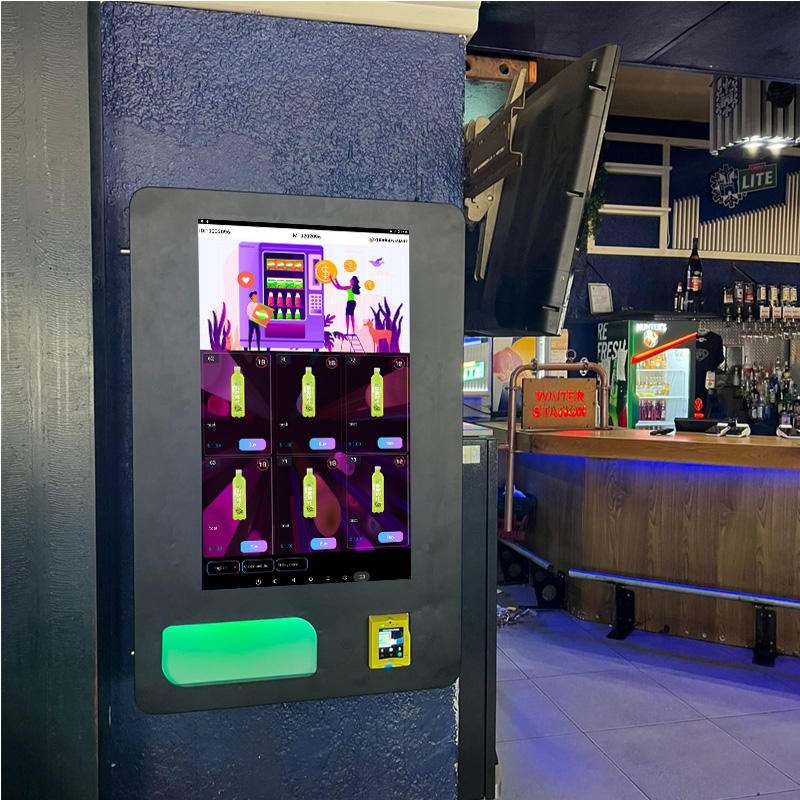
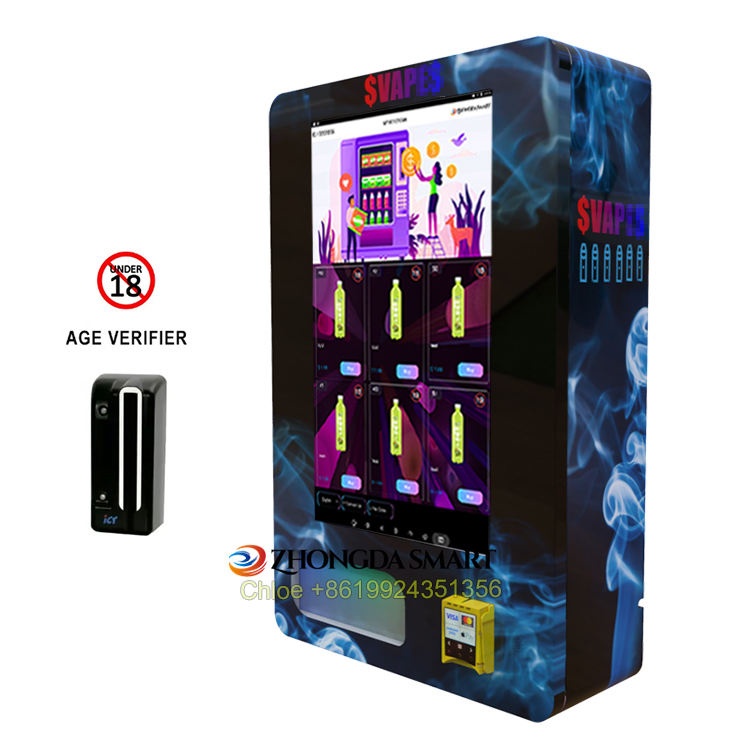
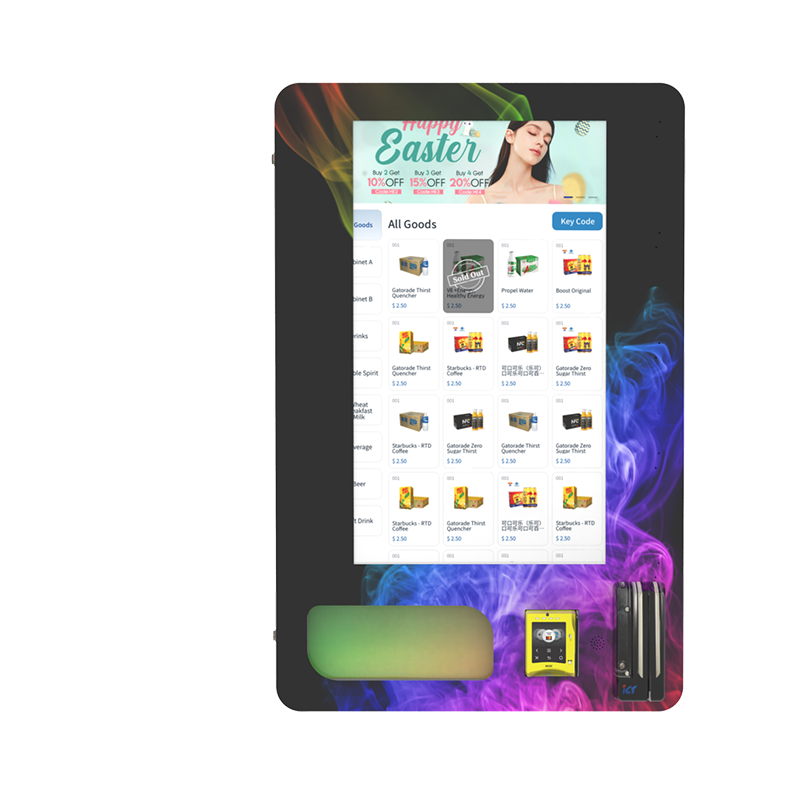
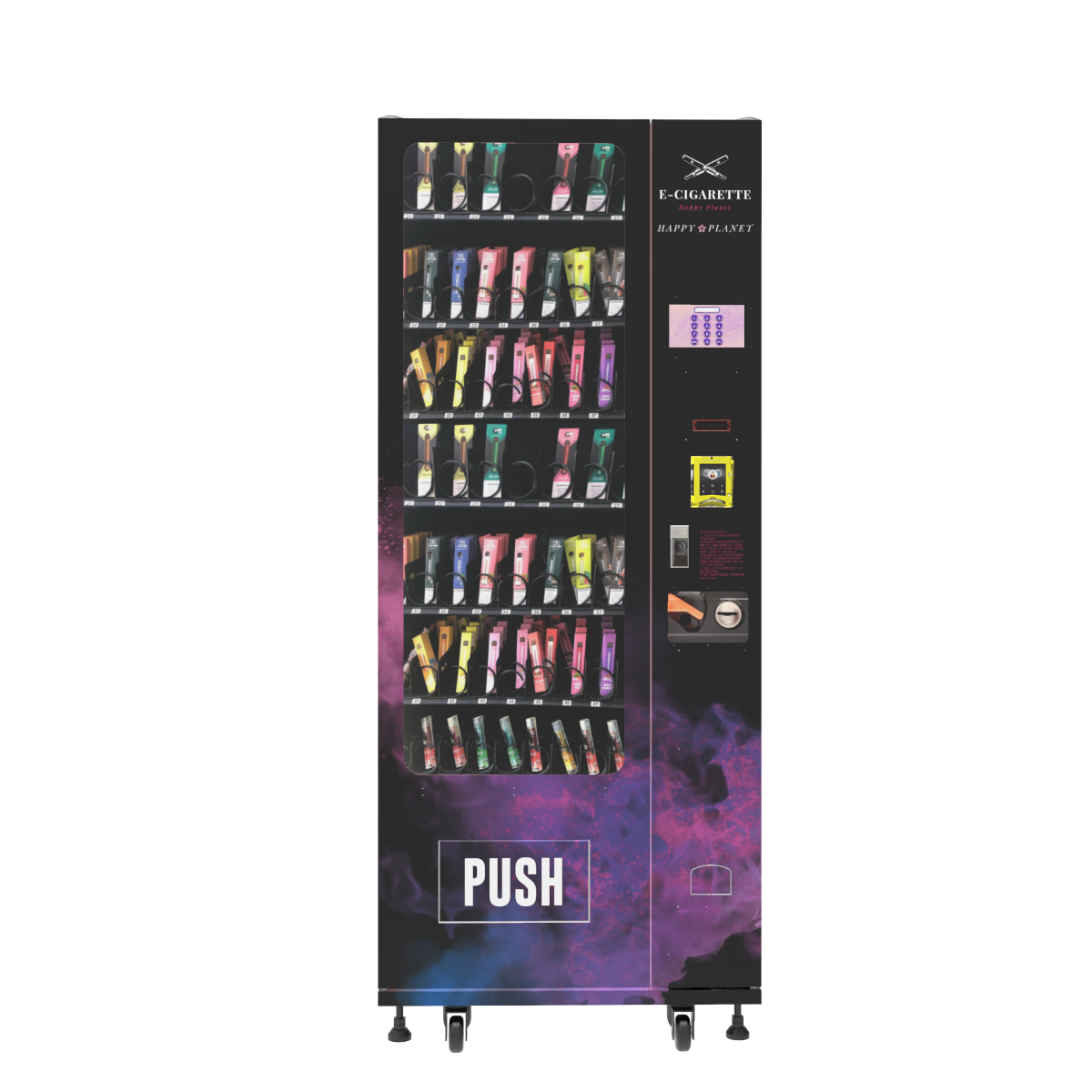
Short answer: No, minors cannot legally buy from smart vending machines that sell age-restricted products like vape devices or nicotine products—provided the machine is set up right. I’ve spent the last decade deploying these units across high-foot-traffic locations in the U.S. and Europe, and I can tell you the technology has evolved to a point where age verification is tighter than what most brick-and-mortar stores manage. The old image of a cigarette machine in a bar hallway where anyone could pull a lever is dead. Today’s smart vending machine relies on ID scanning, biometric checks, and real-time database cross-referencing. If you’re a business owner or operator wondering whether these machines can keep you compliant while driving revenue, the real answer depends entirely on the hardware and software stack you choose.
How Age Verification Actually Works in a Smart Vending Machine
Let’s get into the nuts and bolts. A modern smart vending machine doesn’t just take money and dispense product. It runs a multi-step verification flow every single time a transaction starts. The most common setup I’ve worked with involves a built-in ID scanner that reads the barcode or magnetic stripe on a driver’s license or passport. The machine then checks the birth date against a hard-coded minimum age—usually 21 in most U.S. states for tobacco and vape products. But that’s just the first layer.
The second layer is where things get serious. The machine cross-references the ID data with third-party databases or government records to confirm the ID hasn’t been tampered with or reported stolen. Some units I’ve deployed also use facial recognition to match the person standing in front of the machine to the photo on the ID. If the system flags any mismatch—say the person looks significantly younger or older than the photo—the transaction gets blocked and logged.
We’ve also seen a shift toward biometric age verification. A few of our newer builds at the factory now include palm-vein scanners or fingerprint readers paired with age-estimation algorithms. These systems don’t just check a number; they analyze physical markers that correlate with age. It’s not perfect, but it adds a layer that’s hard to fool with a fake ID.
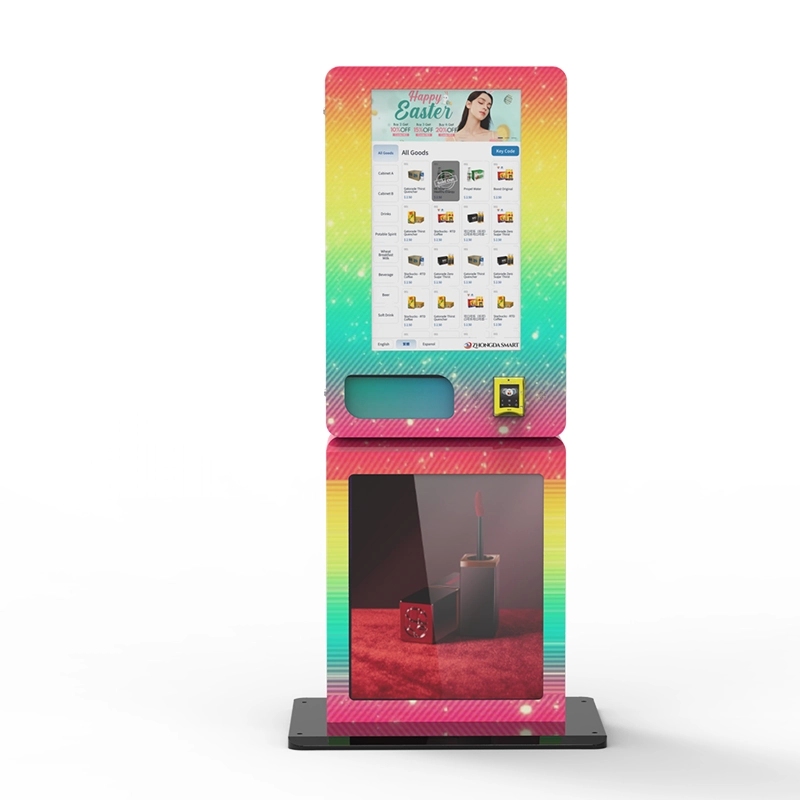
For operators, the key takeaway is this: the machine is only as good as the verification software it runs. I’ve seen cheap units that just scan a barcode without any backend check. Those are a lawsuit waiting to happen. If you’re serious about compliance, you need a machine that ties into a live verification API—something like the systems used by liquor control boards. We build that into every unit we ship from our factory, and I’ve seen the difference it makes in audit pass rates.
The Real Cost of Compliance vs. the Cost of Getting Caught
I’ve sat in enough meetings with operators who thought they could save a few hundred bucks by buying a basic machine without proper age verification. Every single one of them regretted it. The fines for selling age-restricted products to minors in states like California or New York can hit $5,000 per violation for a first offense, and that number climbs fast if you’re running multiple machines. In some jurisdictions, a third violation can get your business license revoked.
Let’s put some numbers on this. A fully compliant smart vending machine with ID scanning, biometric backup, and live database verification runs between $4,000 and $8,000 depending on the form factor and capacity. A stripped-down unit without those features might cost $2,000 less. But one single fine wipes out that savings. Plus, you lose the machine for the duration of the investigation, which means zero revenue from that location.
From a risk management perspective, the math is simple. I tell every operator I work with to treat the verification system as the most expensive component of the machine—because it is. The cabinet, the coils, the refrigeration, the touchscreen—those are all commodities. The age verification stack is what makes the machine legal to operate. Skimping there is like building a restaurant without a fire suppression system. It works until it doesn’t.
Here’s a quick cost breakdown based on what we’ve seen across hundreds of deployments:
| Component | Cost Range (USD) | Notes |
|---|---|---|
| Basic cabinet + vending mechanics | $1,800 – $3,000 | Varies by size and material quality |
| ID scanner + age verification software | $1,200 – $2,500 | Includes API subscription for first year |
| Biometric module (optional) | $600 – $1,200 | Palm vein or facial recognition |
| Touchscreen + payment system | $800 – $1,500 | Includes NFC, credit card, mobile wallet |
| Installation + network setup | $300 – $700 | Depends on location wiring and WiFi |
| Total compliant unit (average) | $4,700 – $8,900 | Fully operational, ready to deploy |
That table is based on actual purchase orders we’ve fulfilled at our factory. The numbers shift a little depending on whether you buy direct from a manufacturer like us or go through a distributor that adds a markup. But the ratio stays the same—about 30 to 40 percent of the total cost goes into compliance hardware and software.
Profit Margins and Revenue Projections for Operators
Now let’s talk about the part that keeps operators up at night: can you actually make money with these machines? The short answer is yes, but the margins depend heavily on location, product mix, and how often you service the unit. I’ve seen single machines in busy nightlife districts pull in $2,500 to $4,000 a month in gross revenue. That’s not typical for every location, but it’s achievable if you pick the right spot.
The product margin on vape devices and pods is generally high. A disposable vape that costs you $6 wholesale can sell for $15 to $20 at the machine. That’s a 60 to 70 percent gross margin before operating costs. The biggest expense after the machine itself is the location fee—usually a revenue split with the venue owner, typically 10 to 20 percent of gross sales. Then you’ve got restocking labor, credit card processing fees (around 2.5 to 3.5 percent), and the monthly data plan for the machine’s connectivity.
I’ve tracked the performance of about 80 machines we’ve deployed over the last three years. The average monthly net profit per machine, after all costs including restocking and location fees, sits around $800 to $1,800. The lower end is for machines in moderate-traffic locations like a hotel lobby or a small convenience store. The higher end is for machines in high-traffic bars, clubs, or event spaces. Payback period on the machine itself usually lands between 6 and 12 months, assuming you don’t have any major compliance incidents.
One thing I always emphasize to new operators: don’t underestimate restocking frequency. If a machine runs out of popular products on a Friday night, you’re leaving money on the table and frustrating customers. I’ve seen operators lose 20 percent of their monthly revenue just because they didn’t check inventory before the weekend rush. Set up remote inventory monitoring—most modern machines have that built in—and schedule restocking based on sales velocity, not a fixed calendar day.
Real-World Deployment Lessons from the Field
I want to share a specific deployment story because it highlights the gap between theory and practice. We placed a unit in a large nightclub in Miami about two years ago. The venue had a high-end vibe, heavy foot traffic, and a security team at the door checking IDs. The owner assumed that because the club already had a bouncer, the vending machine didn’t need its own verification system. That was a mistake.
Within the first month, we had two compliance issues. The first was a false positive—a 22-year-old with a valid ID got flagged because the scanner misread the barcode. That was a software calibration problem that we fixed with an update. The second was a real attempt by a 19-year-old using a fake ID that passed the club’s visual check but failed the machine’s database cross-reference. The machine blocked the sale and logged the attempt. The club owner later told me that alone saved him from a potential fine because the local authorities did a random audit the following week and checked the machine’s transaction log.
That experience cemented something for me: the machine’s verification system has to be independent of whatever the venue does. You can’t rely on a human check as a substitute for automated verification. Humans get tired, distracted, or bribed. A properly configured smart vending machine doesn’t have those problems. It runs the same check at 2 AM on a Saturday that it runs at 10 AM on a Tuesday.
Another lesson from the field: placement matters more than most operators think. Don’t put the machine in a dark corner or a hallway with no sightlines. You want it in a well-lit area where staff or security can see it. That deters attempted misuse and makes it easier to intervene if something goes wrong. We’ve also found that machines placed near the exit tend to perform better than those near the entrance—people buy on the way out, not on the way in.
Comparing Different Types of Smart Vending Machines
Not all smart vending machines are built the same. If you’re shopping for one, you need to understand the trade-offs between form factors. The most common types I see in the field are wall-mounted compact units, freestanding mid-size units, and full-size kiosks. Each has a different cost profile, capacity, and use case.
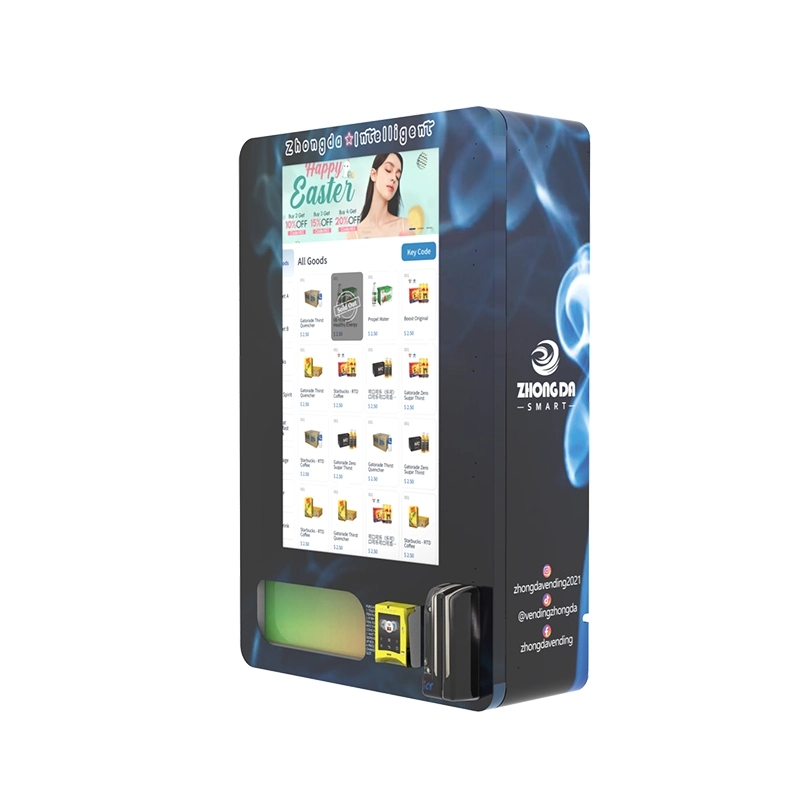
Wall-mounted units are great for tight spaces—think a small convenience store counter or a hallway in a hotel. They hold maybe 30 to 50 products and cost less upfront. But their small capacity means you’ll restock more often, and they usually don’t have room for a biometric module. Freestanding mid-size units are the sweet spot for most operators. They hold 100 to 200 products, include full age verification, and fit in most retail spaces. Full-size kiosks are for high-traffic locations like malls or airports. They hold 300-plus products, have the most advanced verification systems, and cost the most.
Here’s a comparison table based on our product line and what I’ve seen from competitors:
| Machine Type | Product Capacity | Age Verification | Price Range (USD) | Best Use Case |
|---|---|---|---|---|
| Wall-mounted compact | 30 – 50 units | Basic ID scan only | $3,200 – $4,800 | Small shops, hotel counters |
| Freestanding mid-size | 100 – 200 units | ID scan + database check | $4,700 – $6,500 | Bars, clubs, convenience stores |
| Full-size kiosk | 300+ units | ID scan + biometric + database | $7,500 – $12,000 | Airports, malls, entertainment venues |
I’ve seen operators try to use a wall-mounted unit in a high-traffic bar and regret it within a month. The restocking frequency kills the profit margin because you’re driving out there every two days. Match the machine size to the location’s sales velocity, not the upfront cost.
Long-Term Maintenance and Hidden Operational Costs
One thing that doesn’t get enough attention in the sales brochures is what happens after year one. The hardware itself is robust—we build our cabinets with 16-gauge steel and industrial-grade refrigeration—but the software and sensors need attention. The ID scanner lens gets smudged from fingerprints. The touchscreen can develop dead zones if it’s exposed to direct sunlight or moisture. The payment terminal’s card reader wears out after about 50,000 swipes.
I budget about $400 to $700 per machine per year for maintenance and replacement parts. That covers a new scanner lens, a touchscreen calibration kit, and maybe a payment terminal swap every 18 months. If you skip that maintenance, you’ll start seeing transaction failures, which means lost revenue and frustrated customers. I’ve seen operators ignore a sticky button for three months and lose 15 percent of their monthly sales because customers gave up after the first failed attempt.
Network connectivity is another hidden cost. Most machines rely on a cellular modem because venue WiFi can be unreliable. That’s a monthly data fee of $20 to $40 per machine. Some operators try to save by using the venue’s WiFi, but I’ve seen too many cases where the network goes down during peak hours and the machine stops processing payments. Spend the extra few bucks for a dedicated cellular line. It pays for itself in prevented downtime.
Software updates are also critical. Age verification databases change as states update their ID formats or legal age requirements. If your machine isn’t getting regular firmware updates, it will eventually start rejecting valid IDs or failing audits. We push updates to our machines quarterly, and we notify operators when a critical update is available. If you’re buying from a manufacturer that doesn’t offer ongoing software support, you’re buying a ticking compliance bomb.
How to Choose the Right Manufacturer and Supply Partner
This is where I’ll be direct based on my own experience. Not every manufacturer understands the compliance landscape in the U.S. and Europe. I’ve seen machines built by general vending manufacturers that work fine for soda or snacks but fail completely when you add age verification requirements. The hardware might be solid, but the software integration is an afterthought. That’s why I recommend working with a manufacturer that specializes in age-restricted vending solutions.
Our factory, Zhongda Smart, has been building vending machines for over 15 years, and we’ve focused specifically on compliant vape and tobacco machines for the last eight. We design the age verification system in-house, from the scanner hardware to the backend database integration. That means when you buy a machine from us, you’re getting a unified system, not a patchwork of third-party components that may or may not work together.
I’ve visited other factories and seen the difference. Some manufacturers buy a generic ID scanner off the shelf, bolt it onto a standard vending cabinet, and call it a day. Those machines have higher failure rates and lower audit pass rates. We take a different approach. Our machines run a proprietary verification firmware that we’ve tuned over years of field testing. We also offer remote diagnostics, so if a machine goes offline or starts flagging errors, we can troubleshoot it from the factory without sending a technician on-site.
If you’re evaluating a manufacturer, ask them three things: First, do they have a dedicated compliance team that tracks regulatory changes? Second, do they offer over-the-air software updates? Third, can they provide a list of reference deployments you can call? If they hesitate on any of those, keep looking.
For more on specific models and configurations, you can check our vape vending machine product page or read about how these machines work in practice. We also have case studies on deployments in bars and clubs that show real revenue numbers.
Common Pitfalls and How to Avoid Them
I’ve seen operators make the same mistakes over and over. One is assuming that once the machine is installed, it runs itself. It doesn’t. You need to monitor sales, inventory, and compliance logs at least weekly. Another is putting the machine in a location without 24/7 staff oversight. If the machine goes down at 10 PM on a Saturday, you’re losing sales until Monday morning. Choose locations where someone can at least glance at the machine daily.
Another mistake is not testing the age verification system thoroughly before going live. I’ve seen operators skip this step and then discover on launch day that the scanner doesn’t read vertical IDs or out-of-state licenses. Run a test batch of at least 50 different IDs before you put the machine into service. Include expired IDs, damaged IDs, and IDs from different states. If the machine handles all of them correctly, you’re good to go. If not, fix the software before you deploy.
I also see operators underestimate the importance of customer education. A first-time user might not know they need to scan their ID before selecting a product. Put clear instructions on the screen and on a sticker near the scanner. We’ve found that adding a short animated tutorial on the touchscreen reduces transaction time by about 20 percent because customers don’t get confused and start pressing random buttons.
Finally, don’t ignore the data your machine generates. The transaction logs tell you which products sell best, what times of day are busiest, and whether any attempted sales were blocked for age reasons. Use that data to optimize your product mix and restocking schedule. I’ve seen operators increase their monthly profit by 15 percent just by swapping out slow-moving products for faster sellers based on the machine’s own sales data.
Frequently Asked Questions
Can a minor use a fake ID to buy from a smart vending machine?
It’s possible but very difficult with a properly configured machine. The ID scanner checks the barcode data against a live database. If the fake ID has a valid barcode that matches a real person over 21, it might pass the scan, but the facial recognition or biometric check will likely flag the mismatch. Machines that only scan without database verification are more vulnerable. Always choose a unit with multi-layer verification.
What happens if the age verification system fails during a transaction?
The machine should block the sale and log the failure. Most modern machines have a fallback mode that allows a manual override by venue staff, but that requires a physical key or manager code. I recommend disabling manual override entirely for machines in unsupervised locations. If the system fails, the customer should be directed to a staff member or told to try another payment method.
How often do smart vending machines get audited by regulators?
It varies widely by jurisdiction. In states with active enforcement like California, New York, and Florida, random audits happen every 6 to 12 months. In other areas, it might be every few years. But don’t rely on low audit frequency. If a minor buys from your machine and reports it, or if a competitor tips off regulators, you can get audited anytime. Keep your compliance logs accessible for at least three years.
Can I use a smart vending machine for products other than vapes?
Yes. The same age verification technology works for tobacco, alcohol, CBD, and even certain over-the-counter medications. Some operators run mixed-product machines with a mix of age-restricted and unrestricted items. The machine can be programmed to require verification only for specific product slots. That’s a good way to maximize revenue from a single location.
What is the typical warranty on a smart vending machine?
Most reputable manufacturers offer a one-year warranty on parts and labor. Some, including our factory, offer extended warranties up to three years for an additional cost. The warranty should cover the cabinet, refrigeration, touchscreen, and payment system. Age verification components like scanners and biometric sensors usually have a separate warranty period because they’re higher-wear items. Always read the warranty terms before purchasing.
How do I handle a customer who is denied by the machine but claims they are of legal age?
Train your staff or venue personnel to defer to the machine’s decision. If the machine blocked the sale, there’s a reason—either the ID didn’t scan properly, the database check failed, or the biometric match didn’t pass. Do not override the machine based on a customer’s complaint. If the customer insists, offer them the option to purchase from a staffed register where a human can manually verify their ID. But never force the machine to complete a blocked transaction.
What is the average lifespan of a smart vending machine?
With proper maintenance, a well-built machine lasts 8 to 12 years. The cabinet and refrigeration system can go 15 years if kept clean and serviced. The electronic components—touchscreen, scanner, payment terminal—will need replacement every 3 to 5 years. The software platform should be updated regularly to stay compatible with new payment methods and verification databases. Plan for a mid-life upgrade around year 5 to keep the machine current.
Do I need a special license to operate a smart vending machine for vapes?
Yes, in most jurisdictions. You typically need the same tobacco retail license that a brick-and-mortar store requires. Some states also require a separate vending machine permit. Check with your local alcohol and tobacco control board before purchasing a machine. Operating without the proper license can result in fines and seizure of the machine. We provide regulatory guidance to our customers, but always verify with local authorities.
Final Thoughts from the Factory Floor
I’ve been in this industry long enough to see the shift from unregulated cigarette machines to today’s highly compliant smart vending systems. The technology works, but it’s not magic. It requires the right hardware, the right software, and an operator who stays on top of maintenance and compliance. If you’re considering adding a smart vending machine to your business, do your homework on the verification system first, the product margins second, and the location third. Get those three right, and the machine will pay for itself faster than you think.
For more detailed specs on age verification systems and machine configurations, visit our age verification vending machine page. If you want to see how other operators are using these machines in real-world settings, take a look at our case studies section.
Sources: